
Ever wonder if your pet’s vet visit could be more than just another check-up? A wellness exam is a little tune-up for your furry friend. It helps spot tiny problems early, keeping your pet happy and playful.
During the visit, your vet carefully checks everything, from sparkling eyes to perked-up ears. It’s a bit like giving your car a tune-up, making sure all parts are running smoothly. This isn’t just routine care; it’s a key step to help your pet live a long, active life.
Understanding Your Pet Wellness Examination: Purpose and Components
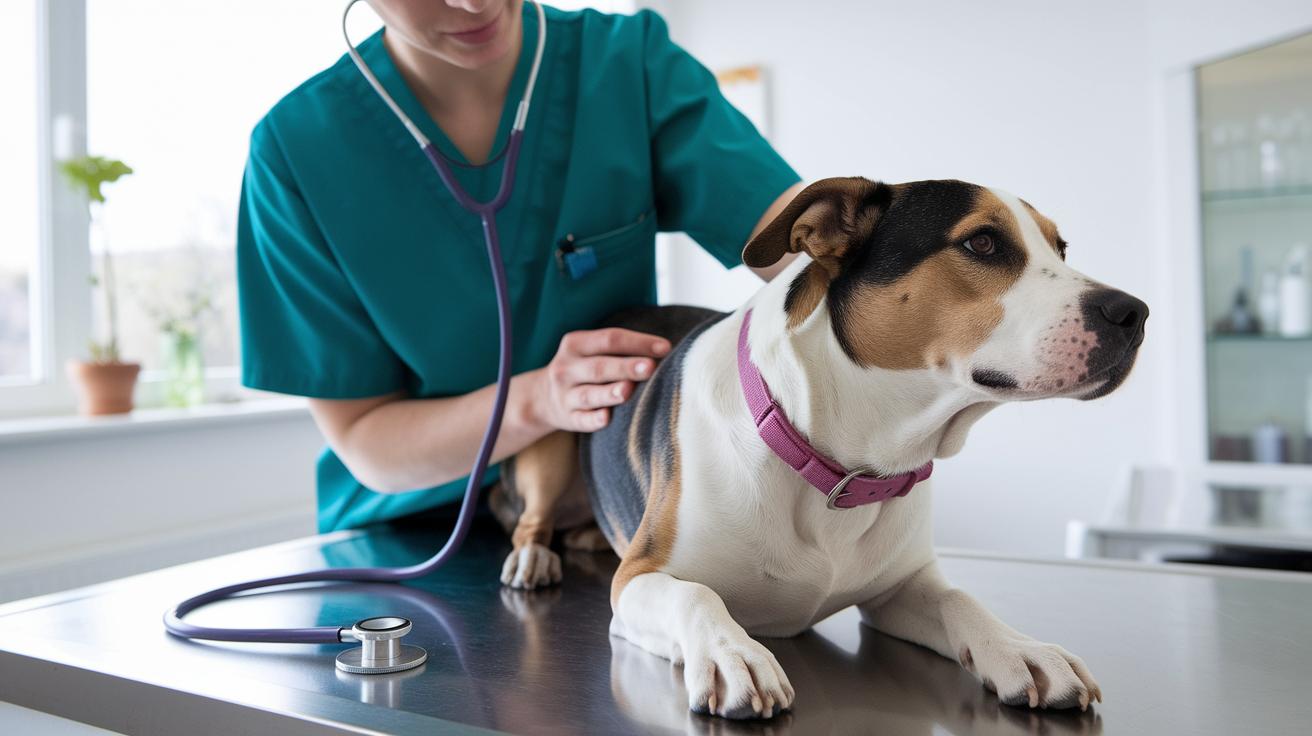
Taking your pet to a regular wellness exam is one of the best things you can do for their health. During this check-up, your vet carefully examines your pet from head to tail. They look at everything, from bright eyes and perky ears to a shiny coat and smooth steps, to catch any little problems before they get bigger.
These visits aren’t just routine appointments; they’re a way to keep your furry friend feeling great over the years. The vet checks your pet’s vaccination records, looks for pesky parasites like fleas, ticks, or even heartworms (worms in a pet’s heart), and reviews their diet and weight. By spotting issues early, this exam helps your pet live a long, happy, and active life.
| What’s Checked | What It Means |
|---|---|
| Head-to-tail physical exam | A full body check, from eyes and ears to skin and movement. |
| Vaccination review | Making sure your pet’s shots are up to date. |
| Parasite prevention checks | Looking for signs of fleas, ticks, or heartworms. |
| Nutritional and weight assessment | Checking that your pet’s eating habits and weight are on track. |
| Referral for extra tests | Suggesting further diagnostics like blood work or fecal analysis if needed. |
This complete check-up is key in keeping your pet healthy. It not only helps spot small issues early on but also lets the vet keep an up-to-date record of your pet’s well-being. Regular exams add new chapters to a life filled with playful antics and warm, happy memories.
Scheduling Your Pet Wellness Examination: Optimal Timing and Frequency
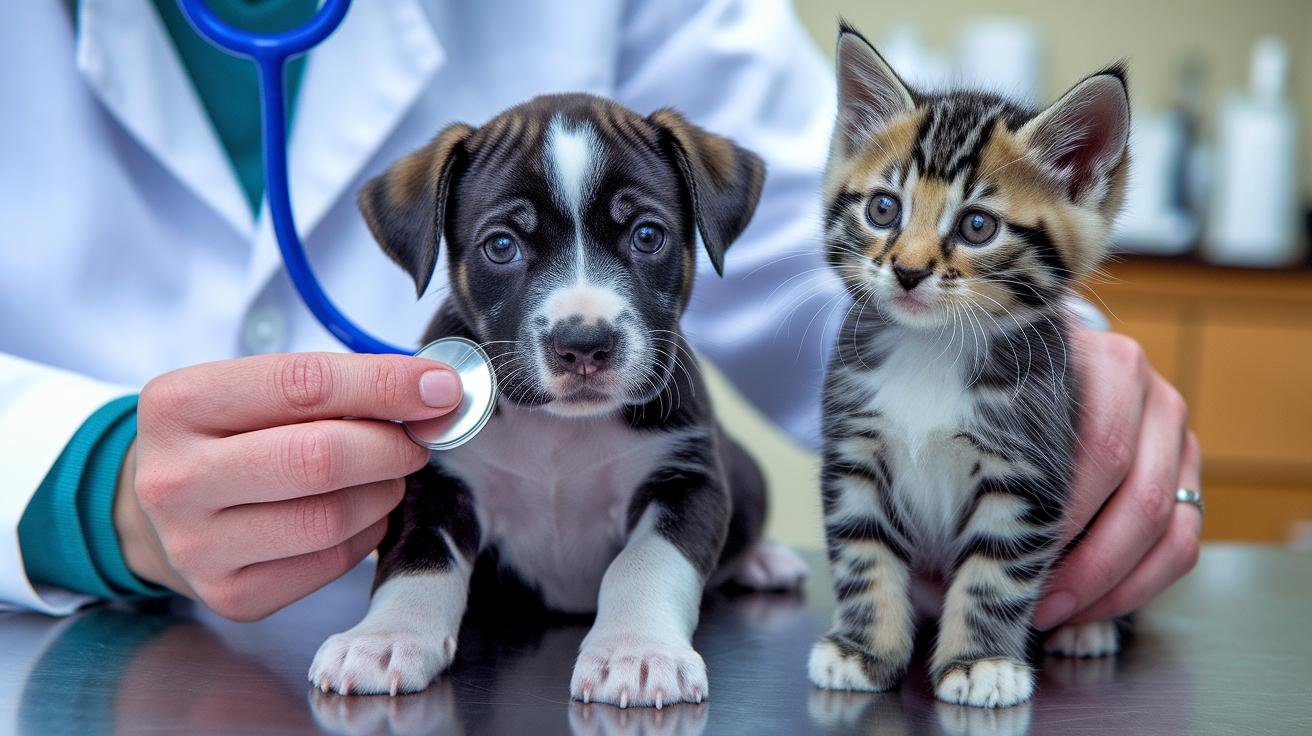
Young pets like puppies and kittens need a little extra love when they’re just getting started. We keep track of their vaccine shots (injections that protect them) and watch their fast-growing little bodies. Imagine your playful pup looking a bit sleepy after a nap, sometimes a quick check-up can spot if something’s off. These early visits help catch tiny issues before they turn into bigger problems.
Adult dogs and cats usually do well with a yearly check-up, while older pets might need to see the vet twice a year. Regular visits make it easier to notice even small changes in their health. In truth, keeping an eye on your pet like this helps ensure they live a lively and comfy life.
Most wellness exams take just 15 to 30 minutes. Many clinics offer options that fit right into your busy day. You can book online, choose a same-day appointment, or even pick an after-hours time slot. This makes finding the right time super easy for both you and your furry friend.
Pet Wellness Examination Costs and Affordable Pricing Options

Getting your pet a check-up is important for keeping them happy and healthy. A typical wellness exam for dogs or cats runs about $95. This price can change depending on your pet’s size, age, or any extra tests they might need. Even local clinics may charge a bit more or less.
Extra services like vaccinations (shots to protect your pet) and parasite control (treatments to keep bugs away) can bump up the cost. Some clinics offer bundled health packages that combine exams, shots, and parasite checks at a friendly price.
Many clinics also provide discount screening packages or subscription programs that wrap these services together. And sometimes, community care networks or mobile pet services offer sliding-scale pricing to help keep quality care affordable. This way, you can manage your expenses while making sure your pet gets the regular check-ups they need.
Preparing for a Pet Wellness Examination: What Pet Owners Need to Know

Before the exam, help your furry pal feel calm and safe. Try a few short car rides or let them explore their carrier a couple of times. These small outings can ease any nervous jitters they might have.
Gather all the important papers ahead of time. Bring your pet's health history, vaccination records, medication lists, and any notes about changes in behavior or new symptoms. This handy information lets your vet really understand what your pet needs.
Create a soothing setting for the visit. Feed your pet about an hour before you head out and pack a favorite blanket or toy, a little comfort bag, if you will. Picking a time when your pet is already relaxed can make the exam feel more like a gentle routine than a big, stressful event. It might even transform the day into a more positive outing for both of you.
Do a final check to make sure you have all your documents and any extra notes on changes in your pet's health. If your clinic gives you a checkup preparation list, use it as a guide. Double-check any updates in medication or new supplements so your vet can adjust things if needed. And remember, staying calm yourself helps your pet relax too.
Standard Tests and Procedures in a Pet Wellness Examination
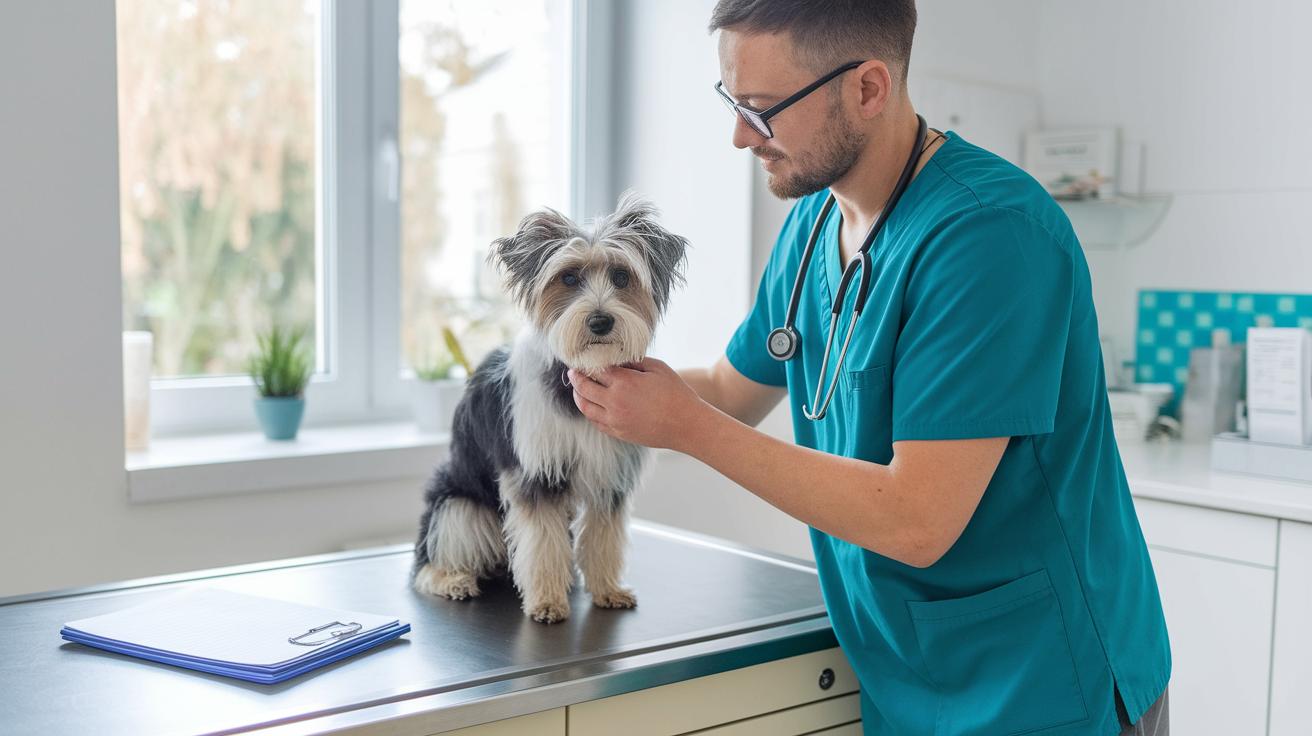
A pet wellness exam is much more than a quick check-up; it’s a warm, detailed look at your pet's overall health. During this visit, your vet takes time to update vaccinations, hunt for pests like fleas or ticks, and check everything from teeth to diet. It’s all about catching small issues early, so your furry friend stays happy and healthy.
When you walk into the clinic, the vet usually starts with a careful physical check. They’ll look at your pet’s eyes, ears, nose, mouth, skin, coat, and nails, each part gets a little extra love. They review vaccination records, too, making sure your pet’s shots are up-to-date. And then, it’s on to parasite checks, where signs of fleas, ticks, or even heartworm are noted. The vet might also talk about your pet’s nutrition and weigh them to make sure their food is doing its job. If something seems off, they could suggest extra tests like blood work, a stool test, or imaging tests (which are pictures of the inside of your pet) to get a clear picture.
| Test Name | Purpose |
|---|---|
| Blood Work | Checks organ function and looks for infections |
| Fecal Analysis | Finds intestinal parasites |
| Diagnostic Imaging | Takes pictures of internal organs to spot early issues |
| Heartworm Test | Detects heartworm in dogs |
Sometimes, additional methods like urine tests, thyroid checks, and ECGs (heart tests) are used to catch problems early, especially in older pets or those at risk. This personalized approach means the vet can give advice that's just right for your pet's unique needs. All of these careful tests work hand in hand to keep your pet feeling their best every day.
pet wellness examination: Happy Health for Pets

Key Criteria for Selecting a Pet Wellness Clinic
When you're choosing a pet clinic, find one that's near your home and open at times that work for you. Look for clinics that are well-known in your community with caring, qualified staff and a solid history of good care. Picture a vet office where you feel welcomed, where they offer services like emergency care or even mobile check-ups, and that holds local pet care awards. This thoughtful choice makes every visit easier and more comfortable for both you and your pet.
Scheduling Your Appointment: Online and In-Clinic Options
Booking an appointment can be as easy as clicking on an online tool or stopping by if the clinic offers same-day check-ups. Many places now have flexible times, even after-hours visits, to fit busy lives. Some clinics even have subscription plans for regular check-ups or let you schedule virtually, making the whole process smooth and fuss-free. It's all about making sure your pet gets the care they need, without any extra stress.
Final Words
In the action, this article covered what goes into a pet wellness examination, its purpose in keeping your pet happy and healthy, the steps of a full checkup and detailed screening, the right timing for each visit, and even how to manage costs. We talked about crucial tests and clear ways to prepare your pet for the exam that sets the stage for lifelong care.
Ultimately, a regular pet wellness examination helps keep your furry friend thriving and brings peace of mind to every pet owner.
FAQ
What is included in a pet wellness exam?
The pet wellness exam includes a complete head-to-tail physical check, vaccination history review, parasite prevention, nutritional assessment, and often additional tests like blood work or fecal analysis to detect potential issues early.
What is the difference between a vet exam and a wellness exam?
The vet exam focuses on diagnosing and treating current problems, while the wellness exam emphasizes preventive care and a thorough check of your pet’s overall health.
What does a routine wellness check for dogs involve?
A routine wellness check for dogs involves an annual head-to-tail examination, preventive measures such as parasite control and vaccine review, and a review of their overall nutrition and development.
What is the usual cost of a dog wellness exam?
The cost of a dog wellness exam typically averages around $95, though it may vary by region, pet size, and the inclusion of additional tests or services.
How can I find a low-cost or nearby dog wellness exam?
Low-cost and nearby dog wellness exams can be found through local veterinary clinics, community programs, or mobile diagnostic services that offer budget-friendly screening packages.
What should a dog physical exam checklist include?
A dog physical exam checklist should cover a thorough head-to-tail physical, review of vaccination records, parasite checks, a nutritional assessment, and recommendations for any further diagnostics needed.
How much is a wellness exam for a dog at Petco?
The wellness exam for a dog at Petco is generally priced around $95, though the cost can vary slightly depending on the location and any extra services provided during the exam.