
Ever wonder what you’d do if your pet suddenly found itself in a scary emergency? In those heart-pounding minutes, having quick, caring help can make all the difference.
An emergency vet clinic is like a beacon of comfort, they’re staffed with kind experts who jump into action no matter the hour. Their quick care calms your worries and helps keep your furry friend safe when every minute counts. Knowing that a caring team is just a call away truly eases your mind during those tough moments.
24/7 Emergency Vet Clinics: Locations, Hours, and Contact Info

If your pet needs help during odd hours, it’s a relief to know that caring experts are always just a call away. Emergency clinics are open all day and night. They usually allow walk-ins and even offer appointments within about 30 minutes. This fast, kind service helps your pet get safe care when things get stressful.
In many cities like New York City, Los Angeles, Miami (FL), Asheville (NC), and Oklahoma City (OK), clinics provide speedy emergency treatment along with free parking. Just imagine arriving without the worry of extra parking fees during a tough time. These little touches really help when every minute matters.
It’s wise to call ahead before you head over so the clinic can get ready for your arrival. Sometimes, wait times change based on how serious your pet’s condition is and how busy the clinic might be. And here's a tip: if your pet comes into contact with something toxic, the ASPCA 24/7 Poison Control Center hotline can truly be a lifesaver.
For quick help, try a “pet wellness clinic near me” search. This simple step connects you with the closest clinic offering round-the-clock emergency care for your furry pal.
| City | Service Feature |
|---|---|
| New York City | 24/7 Walk-In & Same-Day Appointments |
| Los Angeles | Round-the-Clock Emergency Access |
| Miami (FL) | Rapid Response |
| Asheville (NC) | Immediate Availability |
| Oklahoma City (OK) | 24-Hour Companion Health Access |
Keep your clinic contacts handy, it’s always smart to have them ready when your pet suddenly needs care.
Emergency Vet Team Qualifications: Specialists and Critical Care Credentials

When your pet needs urgent care, a caring team of experts steps in with years of practice behind them. Board-certified emergency and critical care specialists lead the charge, working side by side with treatment-area experts who truly understand pet emergencies. These emergency vets finish extra training (advanced education after vet school to handle urgent cases) and often work with surgical, internal medicine, and specialty groups to make sure every pet gets the care it needs. Imagine your pet in a crisis, receiving careful attention from every expert ready to act.
This committed team is like a rescue squad for your furry friend. They offer quick, round-the-clock medical help and run on a nonprofit model, leaning on donor support to keep advanced emergency and specialty services available. They also continuously update their skills and lean on strong referral networks. Picture a gentle, experienced expert comforting your pet, knowing they’re trained for moments like this. With their combined knowledge and heart, you can rest easy knowing your pet always gets prompt, professional, and compassionate care.
Emergency Vet Signs: When Your Pet Needs Immediate Attention
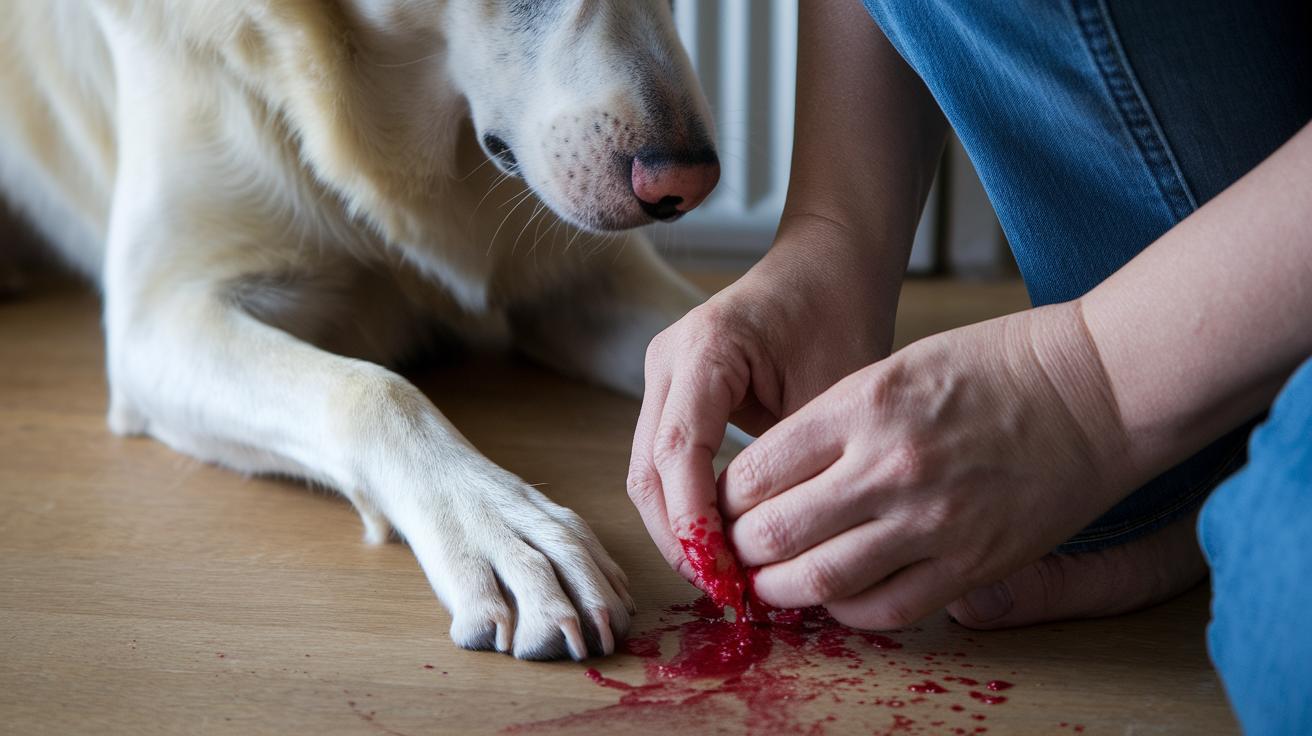
When you see your pet struggling, choking, having trouble breathing, seizing, bleeding a lot, or showing signs of a serious injury, it’s time to act right away. Check if your little buddy is breathing or gasping for air. If they seem scared or in trouble, don’t wait. A pet who can’t breathe well or might have swallowed something harmful needs help immediately.
First, try to slow down any bleeding by gently pressing on the area. This can help stop blood loss and keep your pet from feeling extra pain. If a paw or leg is hurt, try to keep it still so your pet doesn’t hurt themselves more. Speak softly and use a calm voice while you get your pet ready to go, as your gentle tone can help ease their stress.
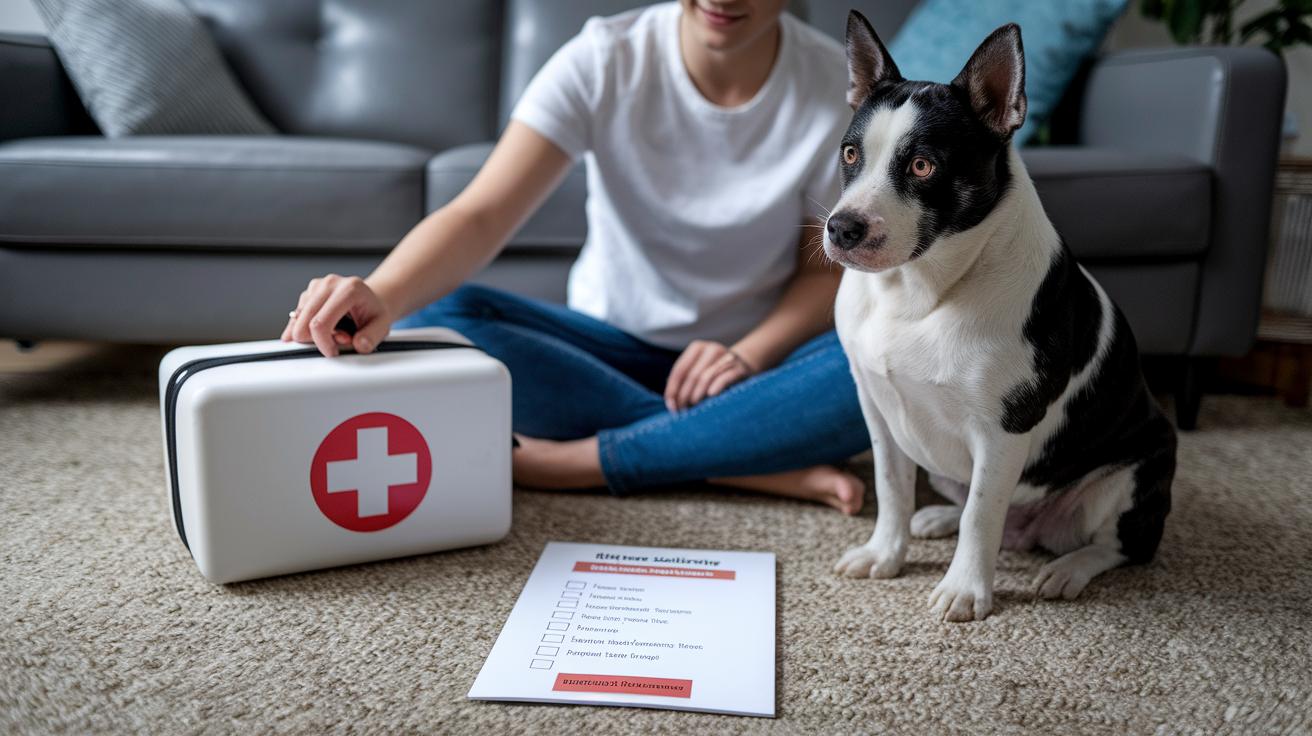
It’s always a smart idea to have an emergency plan. Write down your local clinic’s address and phone number on a small card and keep it in your bag. Knowing these warning signals and acting quickly can make all the difference when every second counts. Staying calm and following these steps might just save your furry friend’s life.
Emergency Vet Costs: Understanding Fees and Payment Options
When your pet suddenly needs help, handling the bills can feel extra stressful. On average, a dog’s emergency exam runs about $125, while for cats it’s around $121. These numbers might change depending on your pet's condition, where you live, and the care they get.
Many pet owners lean on veterinary insurance to ease the burden. With pet health insurance (it covers some of the costs, then gives you a partial refund later), you usually pay first and file for reimbursement. But most plans don’t cover preexisting conditions, so it’s wise to read your policy carefully.
You can also use options like the CareCredit credit card, which lets you pay for exams, medicines, and procedures over time. This way, you avoid a huge one-time cost and make the emergency a bit easier to manage.
Some pet parents find hope in low-cost relief programs. Grants, including those from ASPCA, can sometimes help cover the costs if you qualify. Knowing how these fees and payment options work can really make a difference when your pet needs urgent care the most.
Emergency Vet Visit Preparation: Tips and First-Aid Checklists

When your pet suddenly needs help, every minute matters. Before you head out, give the clinic a quick call to explain what’s going on. This can cut down on waiting time and make sure your pet gets care right away.
It’s a smart move to pack a small bag with a few key items. You might want to include:
- Veterinary records
- Medication list
- Microchip ID
- Leash and muzzle
- A favorite blanket or toy
These help the vet quickly understand your pet’s history and keep them comfy. Also, keep a simple first-aid checklist with you:
- Make sure your pet’s airway is clear so they can breathe easily.
- Gently press on any bleeding spot.
- If needed, splint or keep injuries still.
- Keep your pet warm and calm to help reduce stress.
Lastly, add a card in your kit with the clinic’s address, phone number, and the ASPCA Poison Control details. A little preparation now can really help when it matters most.
Emergency Vet Reviews: User Testimonials and Clinic Ratings
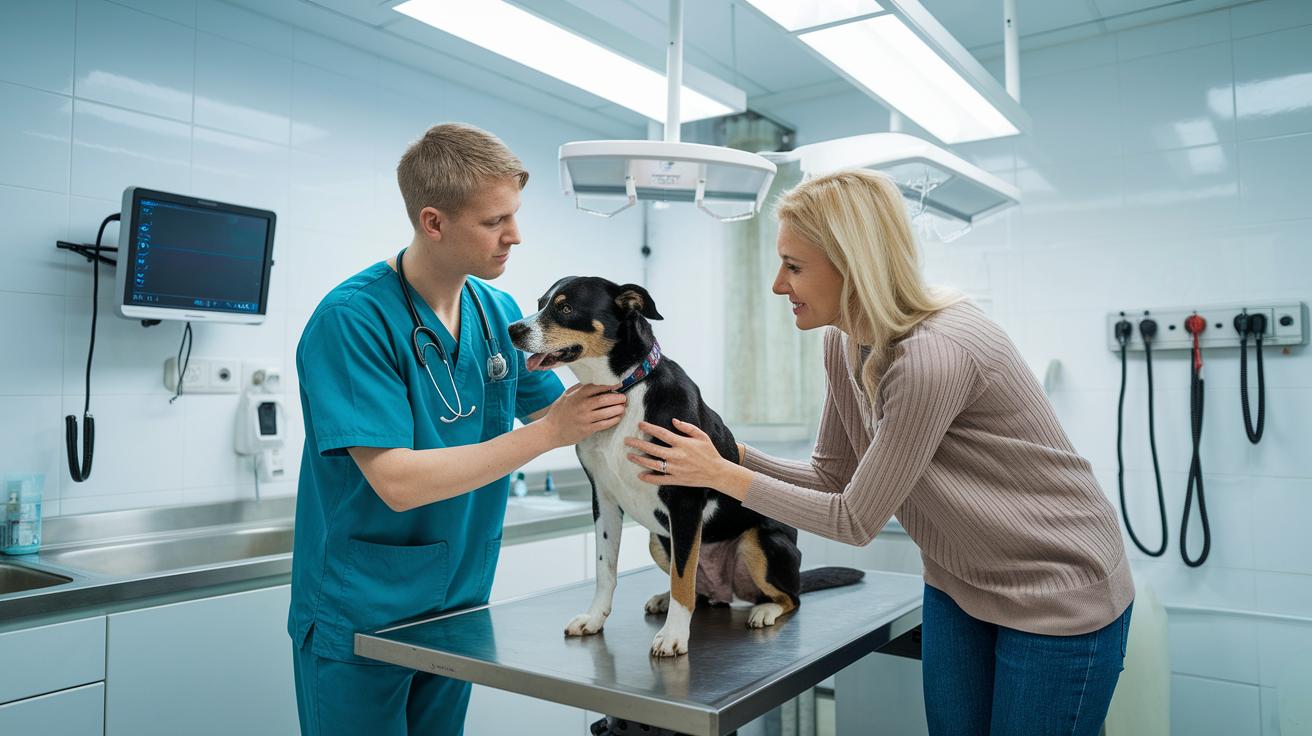
Verified pet owner comments show that emergency vet clinics truly care. They offer quick help, kind staff, and treatments that work well. One owner said, "I was amazed by how fast help came when my pup was in crisis. Everything felt calm and cared for." Another shared how clear talks and follow-up support eased a stressful time.
These real-life stories build trust for pet owners who need urgent care. Most ratings average around 4.8 out of 5 stars. Many note the clinics' spotless cleanliness and heartfelt concern for each animal.
User feedback highlights a few key points:
| Good Points | Description |
|---|---|
| Quick Response | Fast help during critical times |
| Caring Staff | Every pet is treated like family |
| Top-notch Care | Consistent, high-quality service across clinics |
These honest stories help pet owners pick a trusted emergency vet. Knowing a caring, all-hours clinic is ready when every moment counts brings a special kind of relief.
Emergency Vet Specialty Services: Advanced Treatments Beyond Urgent Care
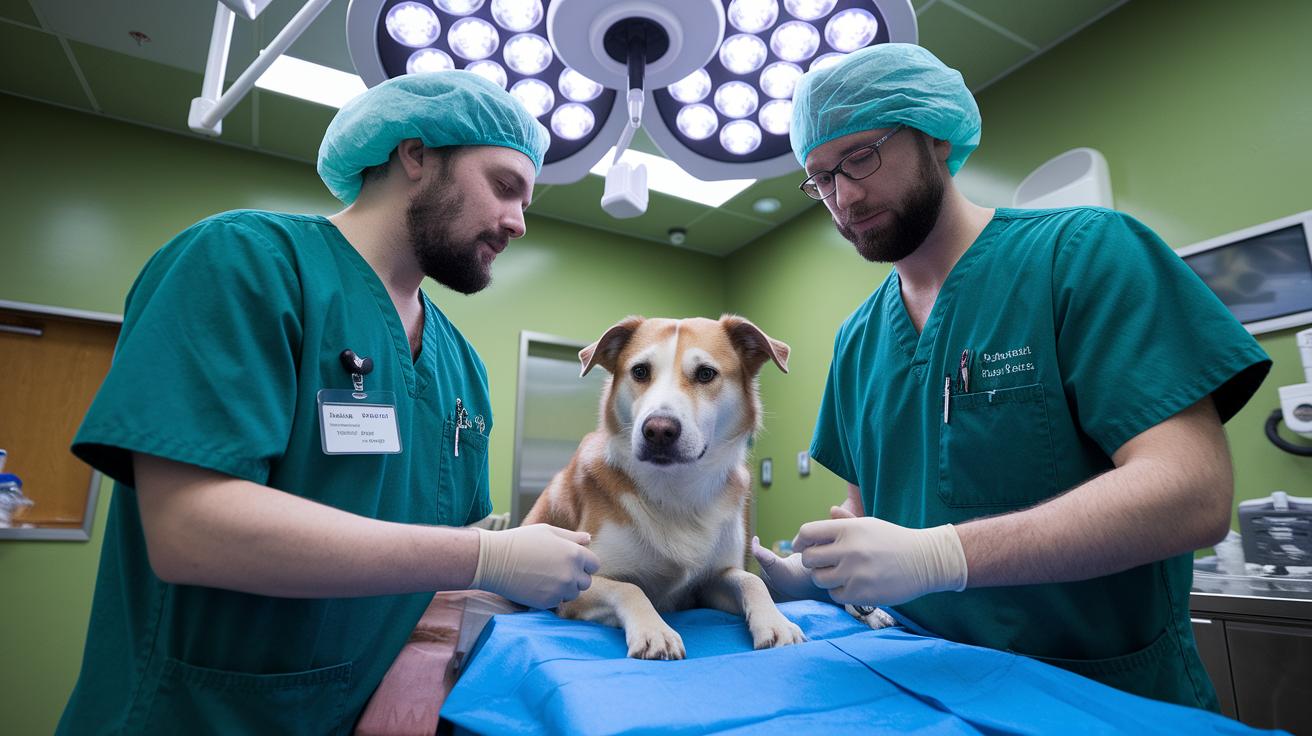
When emergencies hit, vet services don’t just stop at quick fixes. They dive deeper to help with tricky health problems that need more than just patching up. If a simple urgent visit isn’t cutting it, there are special consultations in areas like oncology (cancer treatment), cardiology (heart care), neurology (nervous system care), and orthopedics (bone and joint care). Experts team up to figure out hard-to-diagnose issues and make plans that really fit your pet.
Many emergency clinics have special surgery rooms ready for things like trauma repair, urgent spays/neuters, and detailed soft-tissue work. This setup means that serious injuries and urgent surgery needs are handled quickly and with care.
Your local vet might also work with these experts by sharing referrals and new pet care tips. So while your pet gets this high-level treatment, regular vets are learning the newest tricks and techniques too.
All in all, these advanced treatments mesh the know-how of specialists, the latest diagnostic tools, and fast-track surgery access. This way, your furry friend gets thorough care when the usual first aid just isn’t enough.
Emergency Vet Community Resources: Hotlines, Grants, and Support Programs

When your pet faces a sudden crisis, a caring hand is never far away. Local resources can bridge that gap between urgent care and steady, ongoing support. Imagine calling the ASPCA’s 24/7 Poison Control Center, it’s like having a friend ready with quick advice when your furry pal gets into something harmful.
Nonprofit clinics often rely on donor programs that offer emergency grants. These grants are a real lifesaver when unexpected bills crop up, giving you the peace of mind that your pet will get the care they need. It’s comforting to know that help is there, even when costs soar out of control.
There are also wonderful shelter and rescue partnerships on hand. They can act as a pet transfer assistance program by providing temporary housing or transport help after treatment. Whether your pet needs a safe recovery spot or a move to a specialized facility, these programs stand by you, making a tough situation a bit easier.
Many clinics also share useful, easy-to-read guides covering things like seasonal safety, back-to-school or holiday risks, and even tips on managing serious health issues like cancer. With these resources close by, you not only get help right away but also build a long-lasting network for keeping your pet happy and healthy.
Final Words
In the action of preparing for pet emergencies, this post took you through a quick yet clear guide on finding 24/7 emergency vet clinics, understanding care costs, and knowing when to act fast.
It offered useful tips on reviewing clinic ratings, packing first-aid essentials, and having key contacts like the ASPCA hotline handy.
With trusted advice and practical checklists, you can confidently help your pet by choosing a reliable, caring emergency vet when the need arises.
FAQ
Where can I find an emergency vet near me, including 24-hour clinics and locations open now within 20 miles?
Searching for an emergency vet near me points to clinics offering round-the-clock care with same-day appointments. Many are open now and within 20 miles. Check the pet wellness clinic near me resource for current details.
What is a 24-hour emergency vet hotline free?
A 24-hour emergency vet hotline free is a telephone service available around the clock, like the ASPCA Poison Control Center, which offers immediate advice for pet emergencies.
How much does an emergency vet visit cost?
An emergency vet visit typically costs around $125 for dogs and $121 for cats, though fees vary based on treatment level, condition severity, and location.
Will a vet treat my dog if I have no money, and how can I get emergency vet care with no money?
Some clinics offer low-cost care or payment plans, and nonprofits may provide emergency funds for pet care. It’s best to call your local emergency vet to learn about available financial assistance.
What’s the difference between a regular vet and an emergency vet?
A regular vet focuses on routine check-ups and overall pet health, while an emergency vet specializes in urgent, critical care situations available 24/7 for immediate treatment.