
Have you ever thought that your dog's meal might actually help his kidneys work better? It might feel like a surprise, but almost one in ten dogs have kidney issues.
Imagine serving up a meal with lean protein, just enough phosphorus, and less salt. This special dish gives his busy kidneys a chance to rest while boosting his everyday energy and comfort.
In this post, we chat about how a carefully planned diet can support your pet's kidney health. Next time you’re picking food for your furry friend, consider this: the right meal might just make all the difference.
Meeting Nutritional Needs: Dog Food for Kidney Disease

Almost one out of every ten dogs will experience kidney problems during their life, so picking the right food is super important. Healthy kidneys act like a gentle filter, they clean the blood, remove unwanted stuff, balance the liquids, manage blood pressure, help make red blood cells, and even aid in using vitamin D (how your body uses a key nutrient). When kidney work drops by 70% or more, you might start noticing signs, so catching it early really matters. Fun fact: early diagnosis and a special diet can add roughly 13 extra months to your dog's life.
A kidney-friendly diet is all about balance. It means giving your dog controlled amounts of high-quality protein to help fix tissues without stressing those hardworking kidneys. Think lean meats like chicken, beef, or fish, they offer the protein your pet needs without creating extra waste. Also, low phosphorus in the food is key because it helps reduce the build-up of toxins, giving the kidneys a break. Keeping sodium low helps steady blood pressure, and extra water in meals keeps your dog well hydrated. It’s a bit like offering your buddy a cool, refreshing drink on a sunny day.
In short, a vet-recommended kidney diet is more than just a list of ingredients, it’s a thoughtful plan. The right diet carefully adjusts protein, phosphorus, and sodium levels to support kidney health, slow down the disease, and boost your dog’s energy and comfort. That way, every meal helps your pet feel a bit better each day.
Essential Nutrients in Dog Food for Kidney Disease
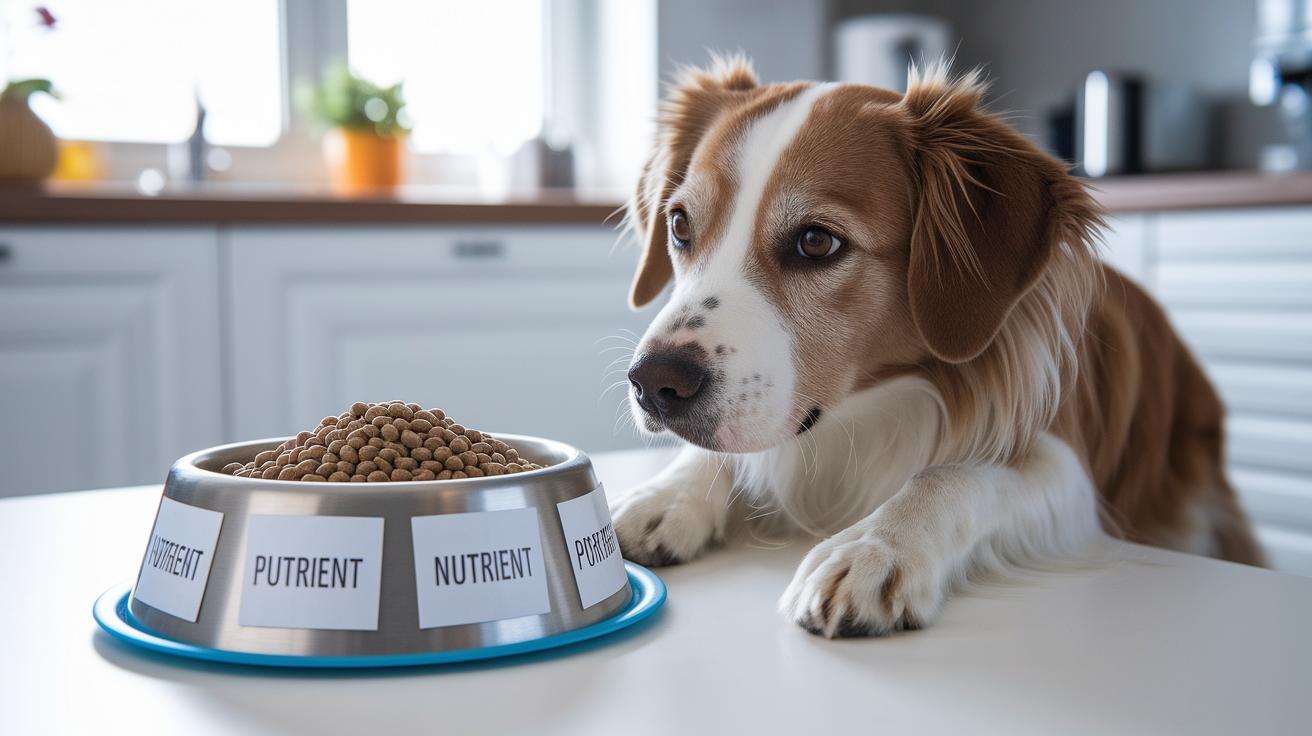
When it comes to keeping your dog feeling good, the right mix of nutrients is key. Think of it as fueling your dog's daily adventures without overloading their engine. A meal with 15–20% lean protein from chicken, beef, or fish helps fix up body tissues while keeping the kidneys happy.
Reducing phosphorus is equally important. By keeping it between 0.3–0.6% on a dry matter base, you help lessen toxin buildup. This means your pup might need fewer extra medications to bind phosphate, allowing the kidneys to work a little easier.
And don’t forget about sodium! Keeping sodium under 0.3% on dry matter supports healthy blood pressure. It’s like lightly seasoning a meal so the taste still pops and your pet feels great.
Fat and omega-3 oils add not just energy but also help fight inflammation. With about 15–20% fat and at least 1% omega-3 oils, it’s like a cool, soothing breeze calming your pet's insides while they enjoy their daily play.
Certain vitamins, like B-complex, A, and E, play an important role too. They act like little helpers that repair kidney tissue and keep everything in check. And, of course, water is vital, wet food or extra water boosts hydration, helping your dog flush out toxins naturally.
| Nutrient | Role | Recommended Level |
|---|---|---|
| Protein | Helps repair tissues without stressing the kidneys | 15–20% |
| Phosphorus | Reduces toxin buildup | 0.3–0.6% dry matter |
| Sodium | Assists in blood pressure control | Below 0.3% dry matter |
| Fat/Omega-3 | Provides energy and reduces inflammation | 15–20% fat; ≥1% omega-3 oils |
| Vitamins | Support antioxidant activity for kidney repair | B-complex, A, and E |
Commercial Dog Food for Kidney Disease: Top Brands Compared
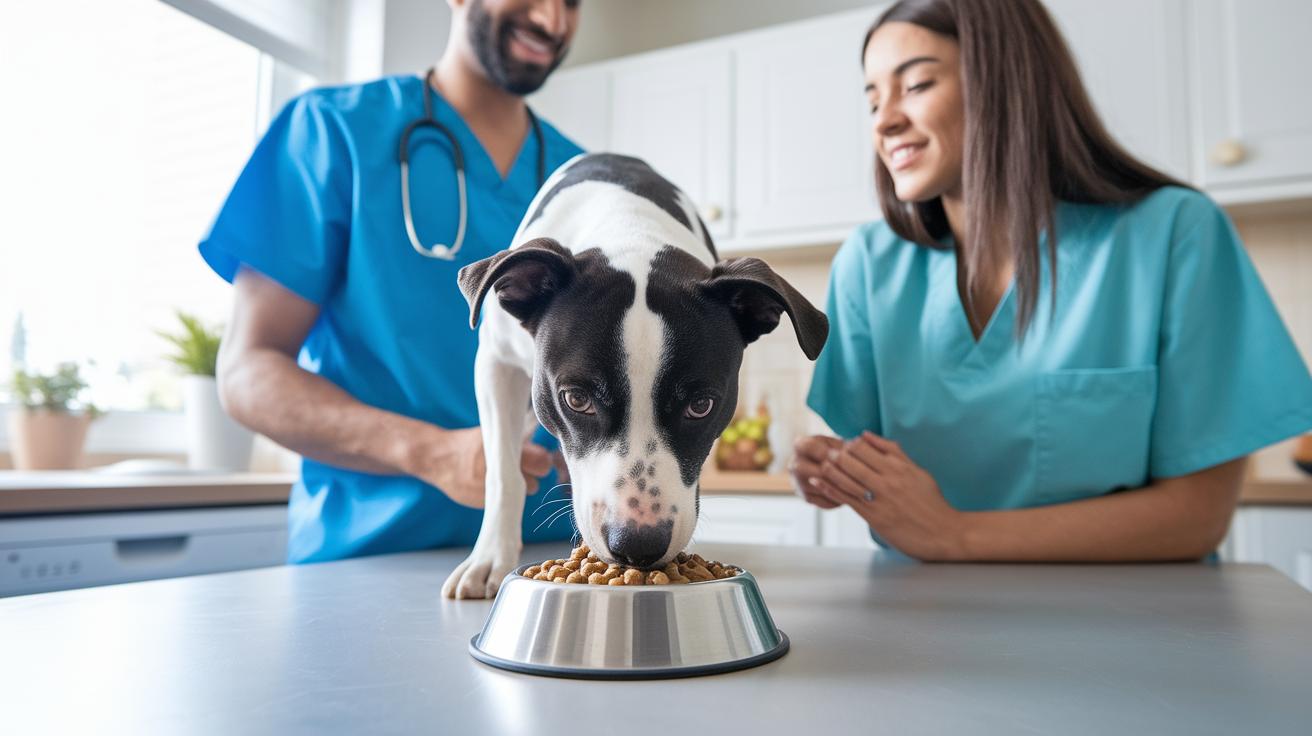
Commercial kidney diets are made with special care to help your pet manage kidney problems. These formulas limit certain ingredients like phosphorus, sodium, and protein so that your dog gets the energy it needs while protecting its kidneys. Wet foods even add extra water, kind of like a refreshing drink on a hot day that perks up a sleepy pup.
Hill’s k/d nutrition, for example, controls protein and phosphorus levels and mixes in omega-3 oils to ease inflammation. Did you know even a small change in phosphorus can brighten your dog’s day? Royal Canin Renal comes in both wet and dry versions, offering low phosphorus and moderate protein to give your pet enough nutrition without overworking its kidneys. Purina Renal Support keeps sodium low and uses top-notch animal proteins for pets that need gentle, high-quality meals. Blue Buffalo Kidney Care relies on natural ingredients to cut down on phosphorus while still tempting even the pickiest eaters.
Each recipe is the result of careful research aimed at keeping kidneys healthy. These brands back up their claims with solid data and are often praised by trusted organizations that check the safety and consistency of pet food recipes.
Your vet likely recommends these diets because they help protect the kidneys and keep energy levels steady. With regular checkups, a well-balanced diet like this can slow kidney disease and even support a longer, happier life for your pet. Every small change in a formula can make a big difference, making these options a smart choice for pet parents dealing with kidney challenges.
Homemade Dog Food for Kidney Disease: Recipes & Guidelines

Here are three easy recipes that help keep your dog's kidneys happy while still giving them the good stuff. They use high-quality protein, low phosphorus, and just the right amount of salt so your pup gets a meal that's both gentle and nourishing. For more vet-approved recipes, check out this link: vet approved homemade dog food recipes.
Recipe 1: Chicken & Rice
Start with half lean chicken, a third of cooked rice, and a bit of low-phosphorus veggies like bell peppers to round it out. This mix has about 18% protein, just 0.4% phosphorus, and under 0.2% sodium. Imagine the smell of a freshly cooked bowl of chicken soup on a cool day, simple, warm, and inviting.
Recipe 2: Lean Beef & Veggies
Mix equal parts lean beef with a quarter steamed zucchini and a quarter sweet potato. This dish offers around 17% protein, keeps phosphorus low at 0.5%, and has less than 0.25% sodium. It’s like creating a colorful, balanced salad that’s hearty enough to satisfy your furry friend.
Recipe 3: Fish & Sweet Potato
Combine white fish for half of the dish with 30% sweet potato and 20% green beans. With roughly 16% protein and just 0.3% phosphorus, plus a nice dose of omega-3 (healthy fats that help reduce swelling), it’s a refreshing meal that’s easy on your dog’s kidneys, almost like a gentle ocean breeze on a sunny day.
When you’re ready to serve, remember to let the food cool to room temperature. Keep any leftovers in a sealed container in the fridge and check in with your vet regularly to make sure the diet still matches your pet’s needs. Regular vet visits are a great way to adjust those nutrient levels so your dog stays happy and healthy.
Transitioning to Dog Food for Kidney Disease: Step-by-Step Plan
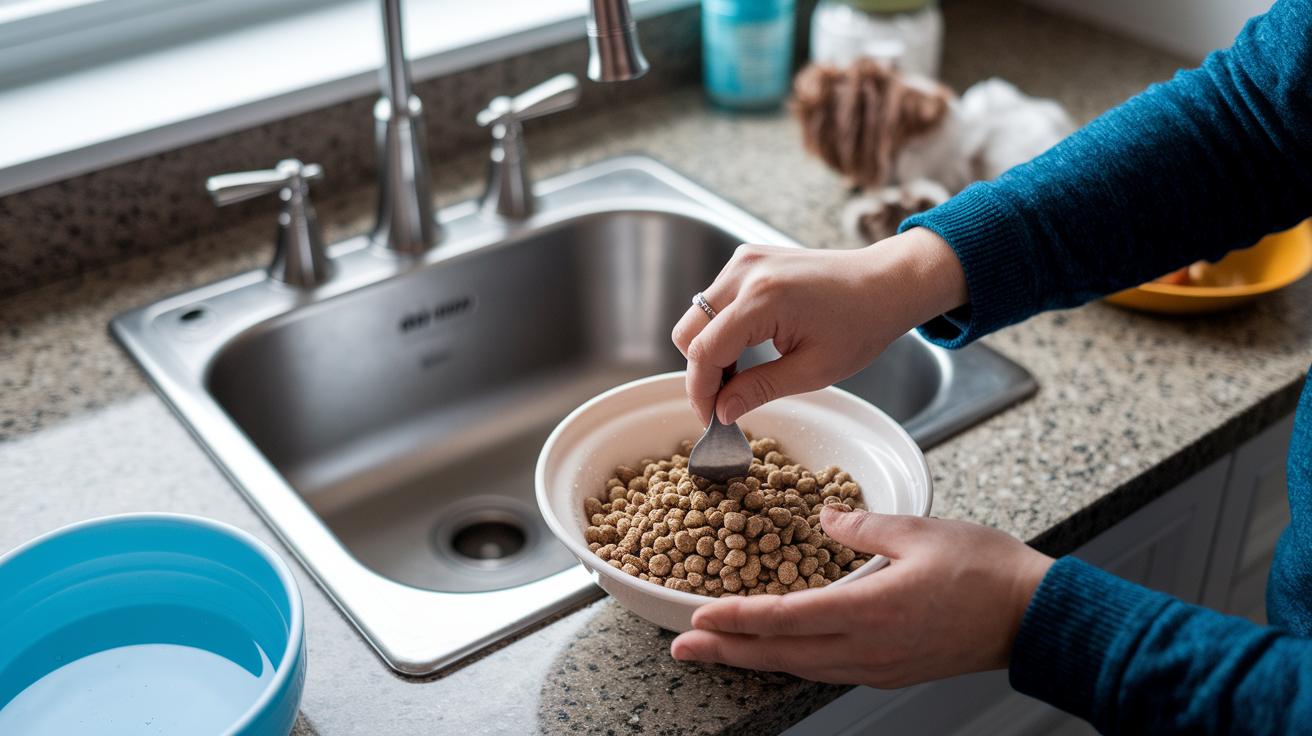
Switching your dog's diet to one that supports their kidneys needs a gentle touch. Start by slowly mixing in the new food with what they normally eat. This easy change helps your pup adjust without upsetting their tummy. Try feeding 4–6 small meals each day so they get steady energy and keep their appetite.
Here's a simple week-long plan:
- Days 1–2: Mix 25% of the new kidney-friendly food with 75% of your dog’s usual food. Think of it like easing into a favorite TV show with a comforting opening scene.
- Days 3–4: Change the mix to half new food and half the old. It’s like blending two well-loved songs to create a gentle, new melody.
- Days 5–6: Ramp up to 75% new food with 25% current food. Your dog gets a bigger taste of the new benefits while still enjoying a hint of the familiar.
- Day 7: Serve 100% of the new kidney-supportive diet. Now your pet is all set for a full change, much like moving on to the next exciting chapter of their meal plan.
Also, be sure to place a few water bowls or even set up a pet fountain around your home. This way, your dog can stay nicely hydrated. With this straightforward, seven-day guide, you balance the right nutrients while caring for your dog's kidney health, making mealtimes both safe and enjoyable.
Monitoring & Adjusting Dog Food for Kidney Disease: Veterinary Insights

Keeping up with regular vet checkups is key when your pup needs a kidney-friendly diet. You know, scheduling blood and urine tests every few months (about every 3–6 months) helps you keep an eye on important numbers like BUN (blood urea nitrogen, a waste indicator), creatinine (a sign of how well the kidneys filter), and phosphorus (a mineral that must be balanced). These readings give you a clear picture of how your dog's kidneys are doing. For example, if you notice phosphorus levels climbing, tweaking the diet’s protein and phosphorus mix could ease the strain on those hardworking kidneys.
When inflammation markers start to creep up, adding a bit of omega-3 (a gentle supplement that helps ease inflammation) might be the way to go. Studies even show that dogs on a carefully watched renal diet can enjoy up to 13 extra months of life compared to those without regular nutritional check-ins.
Working side by side with a veterinary nutritionist can make a big difference. Their expert tips help adjust the diet to match test results and your pet’s changing needs. This teamwork supports your dog's kidney health and sets the stage for a happier, healthier life.
Dog Food for Kidney Disease: Treats & Supplement Support

Taking care of your dog's kidneys means choosing treats that help, not harm. Try offering apple slices, steamed green beans, or even homemade gelatin bites made with low-phosphorus ingredients. These snacks taste great and keep your pet’s diet balanced without putting extra strain on their kidneys.
Supplements can also play a vital role. For dogs with low potassium (hypokalemia, which means not enough potassium for healthy muscles and nerves), a potassium boost might be needed based on a vet’s blood test. Omega-3 treats or fish oil capsules can help soothe inflammation naturally, while B-complex vitamins replace what’s lost through extra urination. Together, these treats and supplements work hand in hand to support your dog’s kidney health.
Final Words
In the action, we looked at how a kidney-friendly diet can help our pets thrive. We examined the must-have nutrients and compared commercial versus homemade options. We also discussed a simple step-by-step plan to ease the change and the importance of regular checkups with your vet. This practical guide shows how thoughtfully chosen dog food for kidney disease can support your pet’s health and well-being. Every step is designed to make care smoother and more effective, leaving you confident in giving your best friend the care they deserve.
FAQ
Q: Which type of dog food is best for kidney disease?
A: The best dog food for kidney disease carefully balances protein, phosphorus, and sodium while boosting hydration. Options include prescription formulas, non-prescription choices, wet, and dry foods that help protect your dog’s kidneys.
Q: What should you feed a dog with kidney failure who won’t eat?
A: When a dog with kidney failure won’t eat, offering small, frequent meals with enticing, kidney-friendly foods can help. Easy-to-digest options and flavor enhancers may improve appetite, always under your vet’s guidance.
Q: Can I feed human food to dogs with kidney disease?
A: Feeding human food to dogs with kidney disease means sticking to low-protein, low-phosphorus choices like plain rice and steamed vegetables. Always check with your vet to make sure the meal plan supports your pet’s health.
Q: What are some options for homemade kidney-friendly dog food?
A: Homemade kidney-friendly dog food can include recipes like chicken and rice, lean beef with veggies, or fish with sweet potato. These meals help manage essential nutrients, but get your vet’s approval before making changes.
Q: How does kidney disease affect a dog’s life expectancy?
A: Kidney disease can reduce a dog’s lifespan, yet carefully planned diets and early treatment may add up to 13 extra months. Regular vet checkups are key to adjust the diet as needed for your pet’s well-being.
Q: Is cooked chicken a good protein source for dogs with kidney disease?
A: Cooked chicken is a lean protein that aids tissue repair without overloading the kidneys. Always serve it plain—without skin or seasonings—to keep it safe for dogs managing kidney issues.
Q: What is the Just Food for Dogs renal diet?
A: The Just Food for Dogs renal diet is a vet-approved meal that controls protein and phosphorus levels while delivering essential nutrients. It’s designed to support kidney health, providing balanced nutrition for dogs with kidney issues.