
Have you ever wondered if your pet could stay calm without heavy medications? Natural methods like herbal supplements (plant-based helpers), gentle scents, and small changes to their diet might be just the trick. Imagine your dog or cat lounging happily while a bit of chamomile or a soft note of lavender fills the room. In this post, we share easy, safe ways to ease pet anxiety and lift your furry friend’s mood. With these simple ideas, you can set up a cozy space that helps your pet feel relaxed and content.
Holistic Natural Remedies to Ease Pet Anxiety
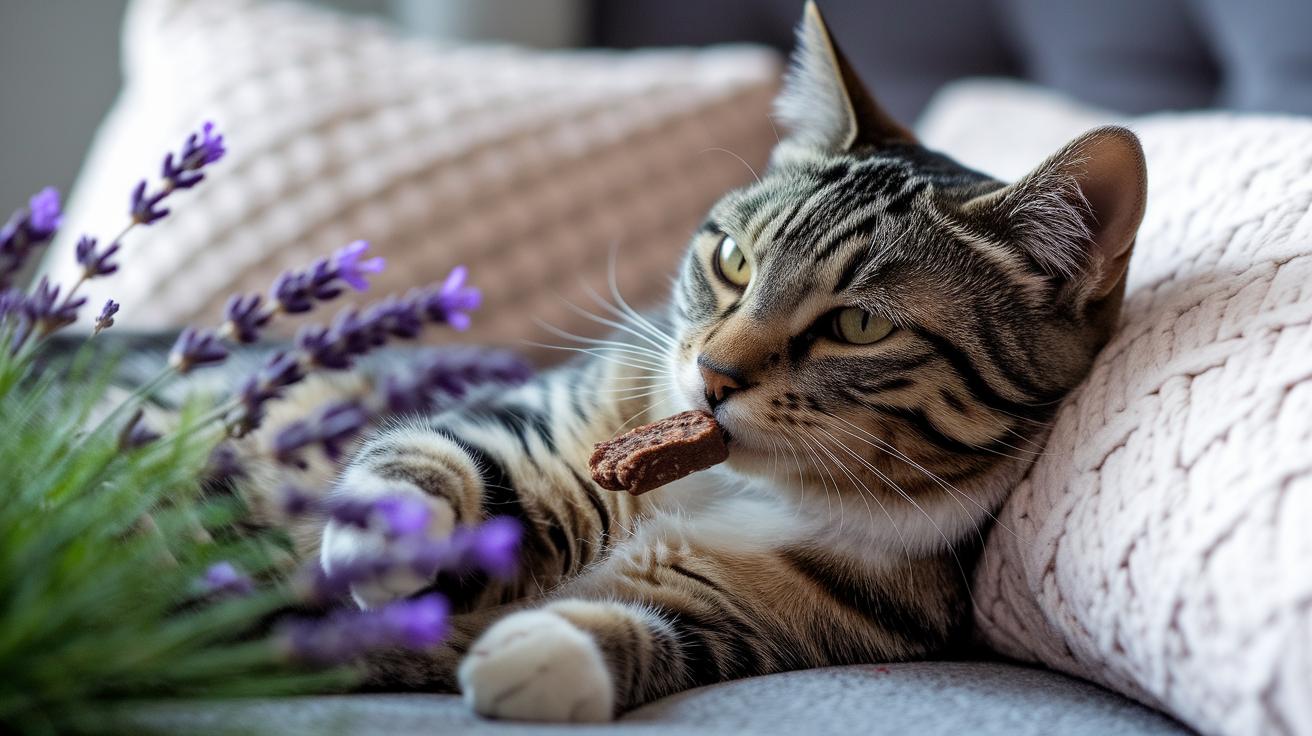
When it comes to easing pet anxiety, natural remedies use safe, non-drug methods that help your furry friend feel more at ease. Many pet parents try herbal supplements like valerian root and chamomile because they can help calm nerves and smooth out mood bumps. Imagine a relaxed cat nibbling on a treat made from these herbs, it’s a little taste of natural calm. Always check in with your vet to make sure you’re giving the right amount and to keep an eye out for any mild side effects like a bit of drowsiness or a tummy upset.
Aromatherapy is another gentle way to settle your pet’s nerves. You might use a diffuser with lavender oil in a room that breathes plenty of fresh air or give your pet a light paw massage with a diluted oil mix. These simple steps can create a peaceful environment that soothes without overwhelming their sensitive nose.
Small changes in your pet’s diet can also contribute to a calmer state. Adding supplements rich in amino acids like tryptophan (a natural helper for relaxation) might support a more relaxed mood. Plus, keeping a regular feeding schedule helps maintain steady energy levels throughout the day.
And don’t forget about behavior tools that support relaxation. Soft, calming music or a pressure wrap (like a Thundershirt) can help your pet feel secure, creating an overall sense of calm.
- Herbal supplements
- Aromatherapy methods
- Nutrition adjustments
- Behavioral practices
Each of these natural options works on specific signs of anxiety using safe, all-natural techniques, just be sure to follow your vet’s advice every step of the way.
Herbal Supplement Solutions for Calming Pet Anxiety
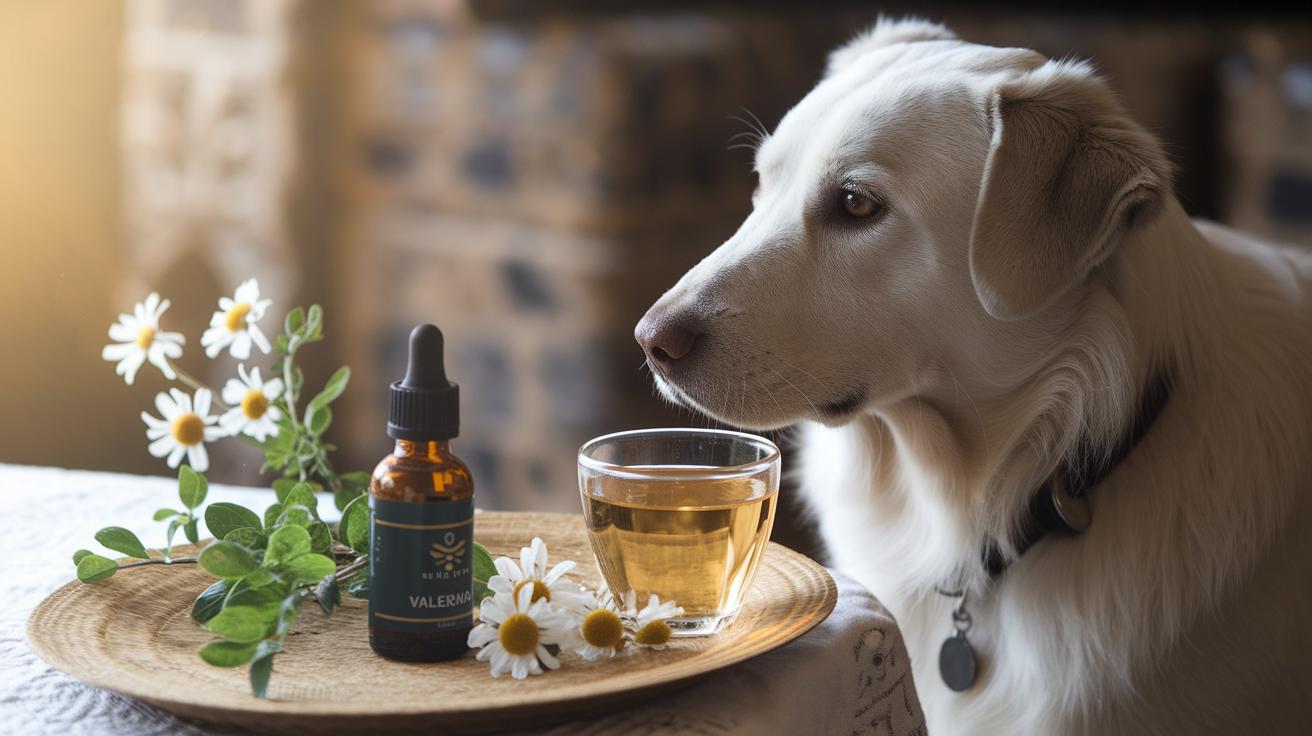
Herbal calming supplements can be a gentle way to help ease your pet’s anxiety. Think of them like a warm cup of herbal tea for your fur baby, they work naturally by nudging your pet’s own brain chemicals into a happier, calmer place. For example, a valerian root infusion or a chamomile pet tea can help smooth away those anxious jitters.
There’s also L-tryptophan, which boosts serotonin (the feel-good chemical in your pet’s brain), and L-theanine, which steps in during stressful moments to keep things calm. And then there's melatonin, well-known for helping regulate sleep, it can soothe nerves too, though too much might make your pet a bit drowsy or give them a slight upset tummy.
When you’re choosing these vet-approved supplements, it’s smart to check out trusted sources like our Pet Health Supplement page. Most vets recommend starting with a low dose and then adjusting slowly based on how your pet reacts. Always keep an eye out for any signs of discomfort, and give your vet a call if you notice tummy issues or extra sleepiness.
| Supplement | Tip | Watch For |
|---|---|---|
| Valerian Root Infusion | Start with a small amount | Mild drowsiness |
| Chamomile Pet Infusion | Offer after meals | Signs of tummy upset |
| L-Tryptophan | Mix in with food | Any gastrointestinal sensitivity |
| L-Theanine | Use during stressful times | Follow vet’s advice |
This natural approach is all about giving your pet a little extra comfort, helping them stay relaxed and happy every day.
Aromatherapy and Essential Oils to Relieve Pet Anxiety
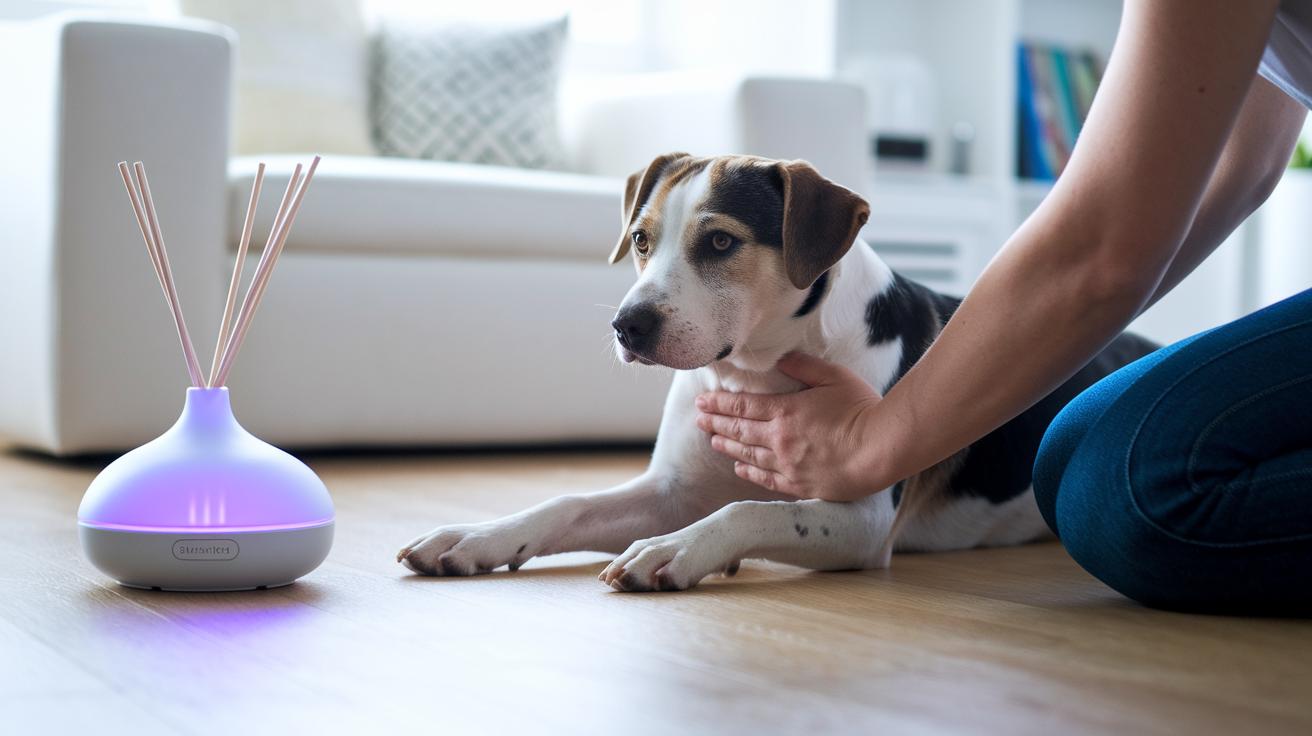
Essential oils provide a soft and gentle way to help calm your pet’s anxious feelings. When used right, scents like lavender, chamomile, lemon balm, and Valerian fill your home with a comforting aroma that works almost like a gentle whisper easing your pet’s stress.
Try adding a few drops of the oil to a diffuser in a room with plenty of fresh air. This lets the calming scent build slowly so your pet can enjoy it without feeling overwhelmed.
For a little extra comfort, mix one drop of your chosen oil with one teaspoon of a mild carrier oil, like coconut oil, and gently massage it into your pet’s fur or on their paw. Think of it as a tiny treat, one drop blended with one teaspoon. And don’t forget to check the product label for any mixing tips.
Note: Avoid using citrus oils, tea tree, and peppermint since they might irritate your pet. If your furry friend seems a bit unsettled by the smell, try using less oil or moving the diffuser to a quieter spot, and be sure to watch them closely.
| Application Method | Instructions |
|---|---|
| Diffuser | Add a few drops in a diffuser; use it in a room with good airflow. |
| Massage | Mix one drop of oil with one teaspoon of carrier oil for a gentle fur or paw massage. |
Nutritional Approaches and Diets to Mitigate Pet Stress
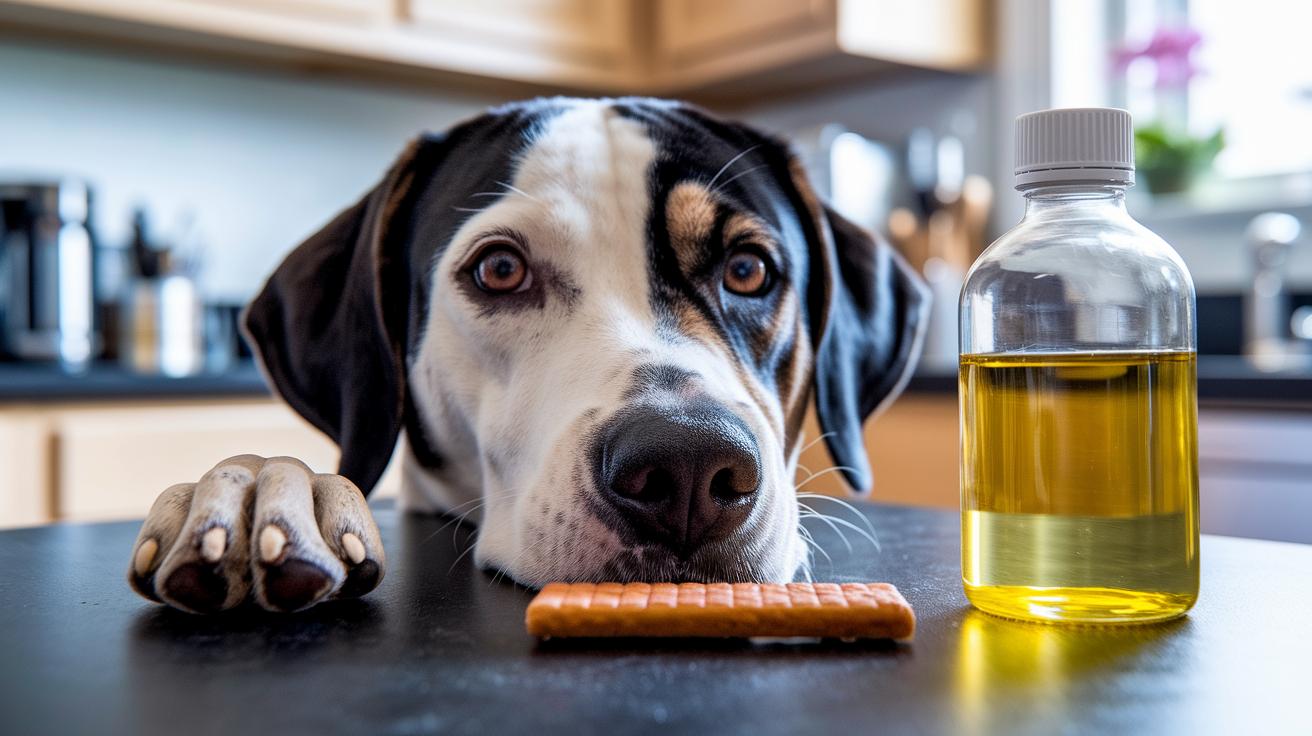
Changing your pet's diet can make a big difference in calming their nerves. Little treats rich in tryptophan help boost serotonin (the natural “happy” chemical in your pet’s body). And then there are chews with L-theanine that gently soothe any jittery feelings.
Omega-3 blends from quality fish oil are another great pick. These not only support the overall health of your pet but also help ease inflammation that can add to stress. Regular feeding routines also work wonders, serving meals at the same time every day helps keep their tummy settled and mood even, especially during noisy car rides or sudden storms.
When piecing together a meal plan for your furry friend, it can be a smart move to ask for advice from trusted experts like those at the Pet Health and Nutrition Center (https://bonsiaai.com?p=522). Their guidance ensures that every bite your pet takes is a step toward calm and comfort.
| Diet Option | Main Ingredient | Anxiety-Reducing Benefit |
|---|---|---|
| Tryptophan-Rich Treats | High-tryptophan protein | Helps boost serotonin for a happier mood |
| L-Theanine Chews | L-theanine extract | Helps keep nerves calm |
| Omega-3 Blends | Fish oil | Helps ease inflammation and supports overall health |
Adjusting meal times around travel or other stressful events can further help maintain a calm and settled pet. A well-timed meal plan might just be the secret ingredient to reducing pet stress.
Behavioral and Environmental Techniques for Reducing Pet Anxiety
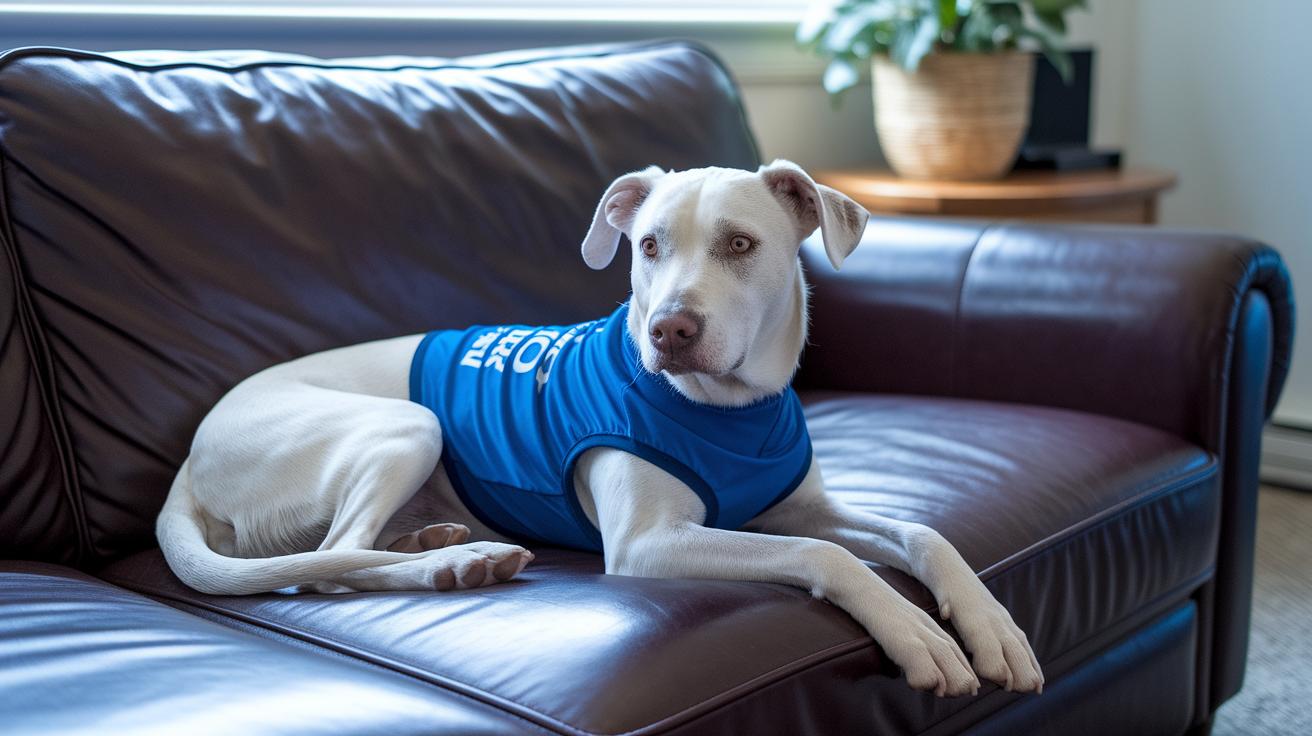
At home, little tweaks in everyday routines can truly soothe your pet. Creating a calm, familiar spot helps ease those anxious behaviors. You might try setting up a quiet area, playing gentle sounds, or offering a fun distraction when things get too noisy or when you're away.
Music and Sound Therapy
Imagine curling up with your pet while soft, mellow tunes fill the room. Playing gentle music, like classical pieces or pet-friendly melodies, can relax an upset pet. Keep the sound low so it's comforting and not overwhelming. A 20- to 30-minute session usually gives your pet plenty of time to unwind. Pairing this with a softly lit room can make the moment even more special, especially during a thunderstorm or when fireworks startle them.
Pressure Garments and Pheromones
Sometimes, a snug pressure garment, think of a Thundershirt, wraps your pet in a gentle hug that helps slow their breathing and ease jitters. Spritzing a bit of pheromone in their favorite resting spot also creates a safe, reassuring zone. You can even try slowly increasing the time you're apart, which helps your pet adjust step by step. And don't forget, calming chew or puzzle toys can be a fun way to keep their mind busy during stressful times.
Real-Life Success Stories of Natural Pet Anxiety Remedies
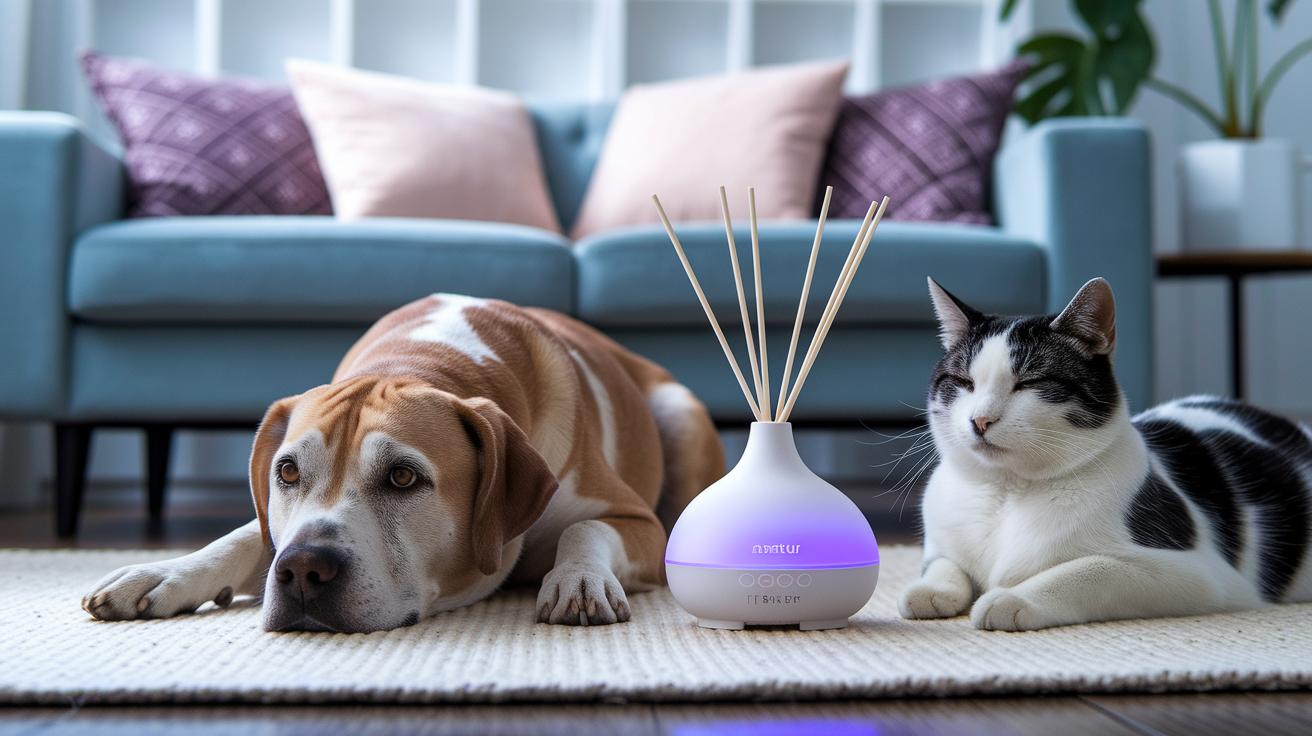
I recently heard a heartwarming story from a pet parent whose dog used to shake and bark at the first sign of a storm. By using a lavender diffuser (a little gadget that spreads a calming scent) and adding L-tryptophan chews (a natural mood booster) to his daily routine, the change was clear in just 4–6 weeks. The soothing aroma would fill the room gently, and the chews seemed to help his body relax naturally. Now, he sits quietly by the window during heavy rain, as if he’s actually enjoying the sound. It’s amazing how these little changes made him feel safe and cozy during moments that once terrified him.
Another pet parent shared a similar journey with her cat, who struggled with being left alone. Before trying out natural remedies, the cat would pace around and meow a lot when alone. But after introducing valerian-infused treats (snacks made with a calming herb) and pairing them with soft, daily music sessions, things turned around in about 4–6 weeks. The gentle taste of valerian combined with those soothing melodies helped the cat settle down. Now, the cat relishes quiet moments, even curling up in a sunny spot when left alone, clearly less stressed than before.
- Dog improved with lavender diffusers and L-tryptophan chews.
- Cat found calm with valerian-infused treats and relaxing music sessions.
Final Words
In the action, you learned that herbal supplements, safe essential oils, balanced diets, and gentle behavioral techniques can bring calm to furry friends. We saw how natural remedies for pet anxiety, like chamomile infusions and carefully applied aromatherapy, help ease stress and support overall well-being. Real-life examples reveal that small, thoughtful changes really work. Embracing these practical tips can help create a serene home where every pet feels safe, relaxed, and loved.
FAQ
What natural remedies can ease pet anxiety at home?
The natural remedies for pet anxiety include herbal supplements like valerian root and chamomile, gentle aromatherapy with lavender, calming diets, and soft music or pressure wraps—all used with a vet’s guidance for safe care.
How can you calm a dog down instantly without medication?
The instant calming techniques for a dog may include a quick, gentle massage, using a pressure wrap like a Thundershirt, or playing soft, soothing music to help ease anxiety naturally.
What is the best anxiety treatment for dogs?
The best treatment for a dog’s anxiety mixes natural remedies—such as herbal supplements, aromatherapy, and calming diets—with advice from your veterinarian to ensure safe and effective comfort.