
Ever thought a small tracker might be the secret to keeping your pet safe? These smart little devices work like a walkie-talkie chat or a quick satellite ping to show you exactly where your furry friend is.
They help whether your pet loves exploring the great outdoors or just sneaks around at home. With real-time updates, you know where your buddy is at all times, and that really sets your mind at ease.
In this article, we’ll chat about different kinds of pet trackers, how they work, and which ones might be the best fit for your playful pal. Stick around to see how these clever gadgets can keep your pet both happy and safe.
Understanding Pet Trackers: Technology, Types, and Features

GPS stands for Global Positioning System. It uses satellites high in the sky to show your pet's location in real time. RF means radio frequency. In pet trackers, this means little devices send out radio waves (like a walkie-talkie chat) to find your pet in a small area. GSM stands for Global System for Mobile communications and works like your cellphone signal through local mobile networks.
GPS pet locators, such as the Findster Duo, use satellites to give you quick and precise updates. They work great in open spaces, though their effective range can sometimes be around half a mile. RF devices, like the TabCat V2, send signals over a range of up to 500 feet and can pinpoint a pet's location with up to 1-inch accuracy. This makes them really handy indoors or when you need tight tracking. GSM trackers, for example the Bartun Mini Pet Tracker, come with a built-in SIM card and use mobile networks to send location data. They’re also built tough with an IP67 water-resistance rating, so they can handle outdoor adventures.
In practice, GPS trackers are ideal for real-time monitoring over large areas, while RF devices shine for precise, close-range detection. GSM trackers offer a smart mix of affordability and reliability for everyday use. Choose the system that fits your pet’s energy and the places you frequent to keep your furry friend safe and happy.
Comparing Top Pet Tracker Devices: Features, Pricing, and Subscription
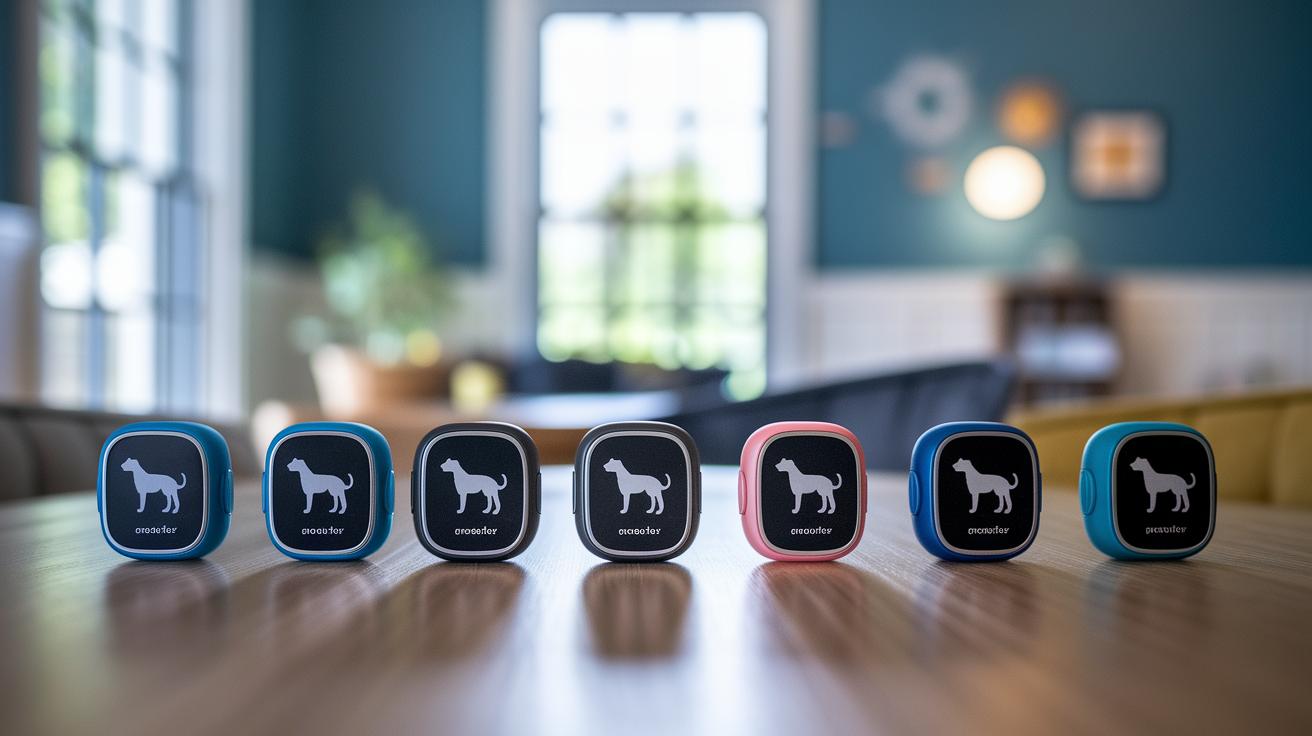
We looked at these pet trackers with a few simple ideas in mind. We checked how accurate each tracker is for finding your pet, how good the connection is, how long the battery lasts, and what kind of subscription fees they have, too. We even considered how fast each one shows your pet's location and how easy they are to use. This table below lays out the key points, helping you pick a tracker that fits your pet’s lively lifestyle.
| Device | Key Features | Subscription | Battery Life | Price |
|---|---|---|---|---|
| Tractive GPS Tracker for Dogs | Very accurate in locating; strong connection | One-year prepaid | Lasts long | Higher cost |
| Fi Series 3+ Smart Dog Collar | Stylish design; live tracking in 27 seconds | Subscription needed | Good battery life | Premium |
| TabCat V2 Cat & Kitten Tracker | RF-based tracking (uses radio signals for short range); precise up to 1 inch | No subscription | Dual-battery lasts up to one year | Moderate |
| Whistle 3 | Works with a mobile app; uses AT&T network | Subscription required | Moderate battery life | Moderate to high |
| Findster Duo | Real-time GPS tracking; no monthly fees | Free | Standard battery life | Moderate |
| Bartun Mini Pet Tracker | Works via app/SMS with GSM; has IP67 rating; comes with a SIM pre-installed | No subscription | Average battery life | Budget-friendly |
When you look at your options, the Tractive GPS Tracker and Fi Series 3+ shine if you want really fast, accurate tracking, even if you need to pay a subscription fee. For cat parents, the TabCat V2 is a gem with its short-range precision using RF technology and its long battery life. If you’d prefer to skip monthly fees, the Findster Duo and Bartun Mini are reliable choices that also won’t break the bank. Meanwhile, the Whistle 3 offers a dynamic, app-friendly experience but does come with its own subscription cost.
Subscription-Free and Budget-Friendly Pet Trackers
Looking for a pet tracker that won’t break the bank? These devices kick in right away without any sneaky monthly fees or long-term contracts. They’re made for pet parents who want smart, simple tracking without extra hurdles. Plus, they give you reliable outdoor safety at a price that feels just right.
Here are a few options to check out:
-
Findster Duo
• Price: A bit on the moderate side
• Costs: No monthly fee at all
• What it does: It provides real-time GPS tracking within about half a mile via an easy-to-use app -
Talis-US Pet GPS Tracker
• Price: Mid-range
• Costs: No subscription fee, though you do need a Speedtalk prepaid SIM (a SIM card that lets the tracker connect to the network)
• What it does: Sends real-time location updates and tracks your pet’s activity and sleep patterns -
Bartun Mini Pet Tracker
• Price: Easy on the wallet
• Costs: No hidden fees or subscriptions
• What it does: Works using the GSM network to send SMS or app alerts and comes with an IP67 water-resistant rating
Keep in mind, each tracker has its own quirks, like sometimes working best in areas with good network coverage or having a limited range. So, think about where your pet usually roams before picking the best one for your furry friend.
Pet Tracker Setup and Installation: Step-by-Step Guide
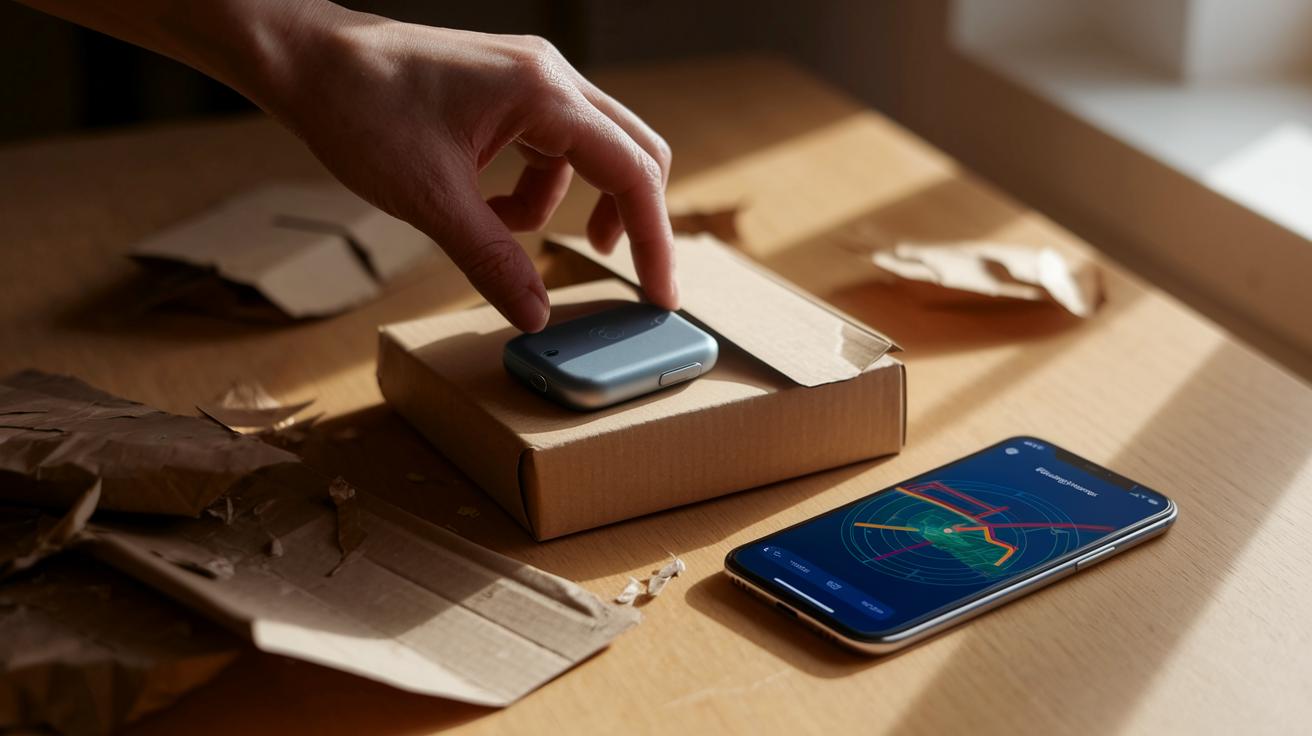
Setting up your pet tracker is a breeze when you follow these simple steps. No matter if your tracker uses GSM (it connects via a cellular network) or Bluetooth (a way for devices to talk wirelessly), this guide works for both Android and iOS apps. You’ll get smooth notifications and live location updates so you can keep a close eye on your furry friend. For example, the Fi Series 3+ lights up in about 27 seconds, while the Tractive device takes roughly 30 seconds.
First, unbox your tracker and check that every part is there.
If your tracker uses GSM, insert or activate the SIM card.
Next, charge the battery fully to 100% before you start.
Then, download and install the companion app on your phone or tablet.
Pair your tracker either using Bluetooth or through the cellular network.
Set up geofencing (a virtual boundary for your pet) and adjust alert settings in the app.
Finally, take your tracker for a test run indoors or outdoors to see the live alerts in action.
After everything is set up, the tracker sends friendly updates through a cross-platform app. These steps help ensure your pet’s locator works reliably, giving you extra peace of mind knowing your furry pal is safe.
Troubleshooting Common Pet Tracker Issues

Sometimes your pet tracker can act up, and that can be really annoying when you're trying to keep an eye on your furry friend. These little glitches might happen because of delays in the device, a low battery, or problems with the signal when you're out in a far-off spot. You might even see some wear on parts like the RF tag IDs (the part that sends your pet's location) on the TabCat. It’s all part of using smart tech that, like any tool, sometimes needs a bit of extra care.
-
Live tracking takes a while to start
• Try restarting the device and make sure it’s fully charged before you use it. -
Notice the RF tag ID on your TabCat looking a bit worn
• Check the tag closely. A gentle cleaning or replacing the mount could make a big difference. -
Problems with connectivity in remote areas
• You might move the tracker or adjust the antenna to find a spot with a stronger signal. -
Live tracking updates seem slow
• A quick off-and-on restart could help, and double-check that nothing is blocking the connection. -
The position seems off
• Adjust the device on your pet's collar so that it gets a better signal. -
Software glitches causing trouble
• Make sure to update the firmware and the app as soon as new versions come out.
Taking care of these little issues early on will help keep your tracker running smoothly, so you can focus on enjoying those special moments with your pet.
Tips for Choosing the Right Pet Tracker for Your Pet
When you're looking for a pet tracker, it's good to think about a few important points. First, check how long the battery lasts because you don't want to charge it every day unless that's okay with you. For example, a device like TabCat can work for almost a year, even though you won't see a battery meter. On the other hand, many GPS collars need a daily charge.
Size and weight matter, too. A collar like the Link AKC comes in different sizes, from small to extra-large. If your pet is very light (under 10 lbs), the smallest option might not be the best fit. And remember to see if the tracker can handle a little water. A water-resistant option like the Bartun Mini (which meets the IP67 rating) can stand up to a little outdoor fun even if a splash or two comes its way.
Also, think about how the device connects with you. Some trackers use RF, others use GPS or GSM. That means the tracker might work better in some areas than others. For instance, a tracker might rely on networks like AT&T or Speedtalk for signal. And then there's the cost: sometimes you pay once for a SIM card, and other times you sign up for a subscription each year.
Here are some simple tips to keep in mind:
| Tip | What to Do |
|---|---|
| Size and Fit | Choose a tracker that matches your pet’s weight for comfort |
| Network Coverage | Make sure your area supports the tracker’s connection type |
| Cost | Compare subscription fees with one-time purchase options |
| App Usability | Test the app to see if it is friendly and works well with your phone |
| Durability | Pick a tracker built to handle outdoor play and rough adventures |
By keeping these points in mind and thinking about your pet’s unique energy and play style, you can choose a tracker that fits their life and lets you both feel secure.
Final Words
In the action, we explored how pet trackers work using GPS, RF, and GSM systems. We compared top devices, looked at budget-free options, and guided you through easy setup and troubleshooting tips.
Every part of the post was designed to help you feel confident choosing the best tracker for your pet. With clear advice and step-by-step insights, pet trackers now seem more accessible than ever. Enjoy the peace of mind that comes from knowing your pet’s safety is always a few taps away.
FAQ
What are dog trackers without subscription?
Dog trackers without subscription use built-in technology like RF or prepaid SIM cards to provide real-time location updates. They help you track your dog’s whereabouts without recurring monthly fees.
What pet GPS trackers work without subscription fees?
Some pet GPS trackers, like the Findster Duo, offer real-time tracking without monthly fees. They deliver accurate location data using local positioning systems, keeping pet monitoring affordable.
What is Tractive and how does its GPS tracker work?
Tractive is a popular pet tracker that uses cellular networks for live updates. It delivers accurate location tracking but requires an annual subscription for access to all features.
What is the best tracker for pets?
The best tracker depends on your pet’s needs, such as size and activity level. Options range from subscription-free devices like the Findster Duo to premium GPS collars with enhanced features for detailed monitoring.
Is AirTag or a GPS tracker better for dogs?
AirTags work for short distances in urban settings, but GPS trackers deliver real-time location updates and extra monitoring features, making them a safer and more reliable option for dogs.
Are GPS pet trackers worth it for pet safety?
GPS pet trackers are valuable because they provide real-time location details that help safeguard your pet. They offer peace of mind during outdoor adventures by keeping you informed of your pet’s whereabouts.
What is Whistle Go Explore and how does it help track dogs?
Whistle Go Explore is a GPS tracker for dogs that uses cellular networks to send live location updates through a mobile app. It offers reliable tracking for active pets, enhancing their safety during outings.
What is a GPS dog fence and how does it work?
A GPS dog fence creates a virtual boundary using location data. It alerts you if your pet crosses the set area, helping you manage their outdoor limits while keeping them secure.
Can pet trackers be used for equipment tracking?
Some pet trackers work for equipment by using similar technology to provide real-time location updates. They let you monitor valuable items, making them useful beyond just pet care.