
Ever think your pet might love a space all to themselves? Building a dog enclosure isn’t just about putting up a simple fence; it’s about creating a cheerful retreat where your dog feels safe and loved. Picture a snug spot, like your coziest chair, designed just for tail wags and playful jumps. With the right size and secure features, any little patch of your yard can turn into a fun, safe playground for your furry friend to explore and relax. Isn't it amazing how a simple setup can brighten your pet’s whole day?
Choosing the Right Dog Enclosure: Safety, Size, and Style
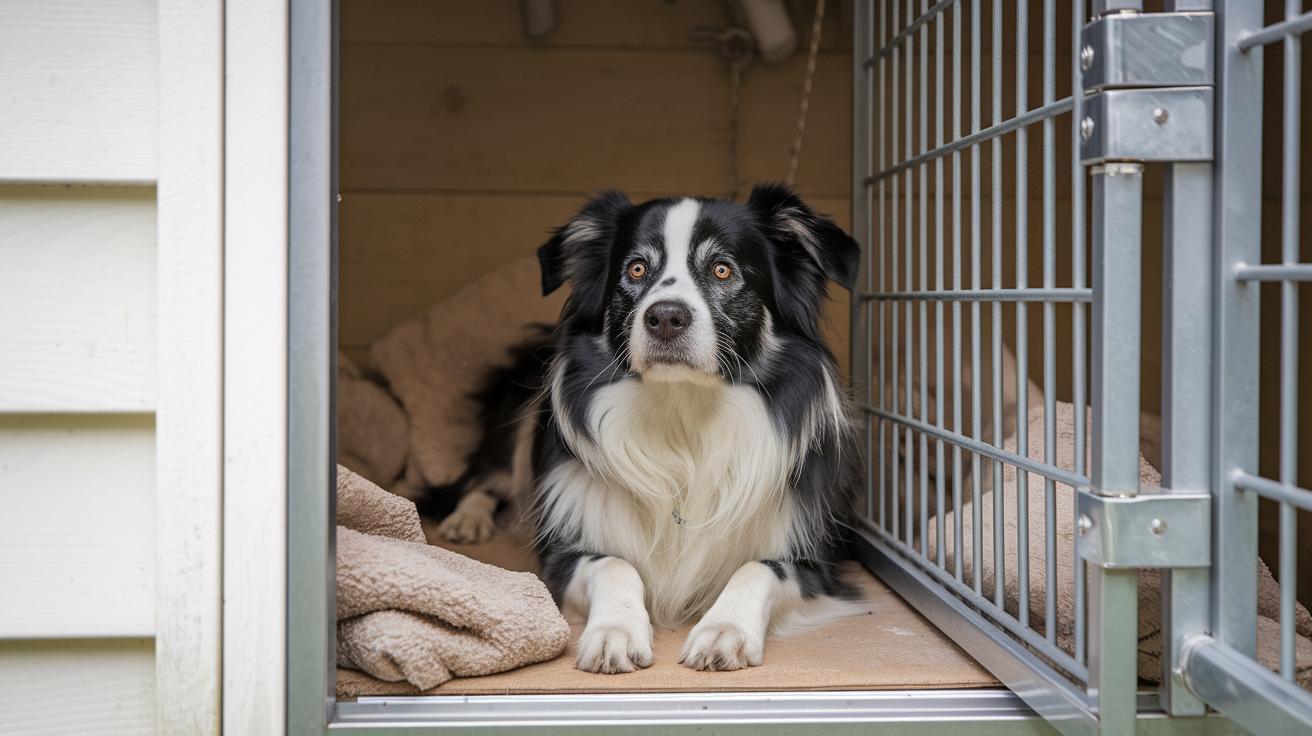
When you're setting up a little haven for your pet at home, a secure space is the first step. A sturdy, lockable gate (that satisfying click when it locks) and solid latches keep your furry friend safe, especially when you're not around. I once heard a German Shepherd owner explain how store-bought enclosures were too pricey, while doing it yourself felt a bit overwhelming. It really shows that even small tweaks can make a big difference for your dog's safety.
Size matters, too. If you live in a smaller space, a cozy indoor pet corner might be best. But if you’ve got a generous backyard, why not create a little sanctuary where your dog can explore? The right fit depends on your pet's breed and energy levels. A tiny pup might be perfectly happy in a small area, whereas a larger breed will need plenty of room to run and play.
- Choose a sturdy, lockable gate.
- Use materials with smooth edges and safe hardware.
- Make sure the enclosure fits both your home's layout and your pet’s play needs.
A handy tip is to measure your available space and compare it with the recommended sizes for your pet's breed. Think of it like arranging a cozy room for your pet, every corner planned for fun, safety, and lots of wagging tails.
Dog Enclosure: A Cheerful Pet Retreat
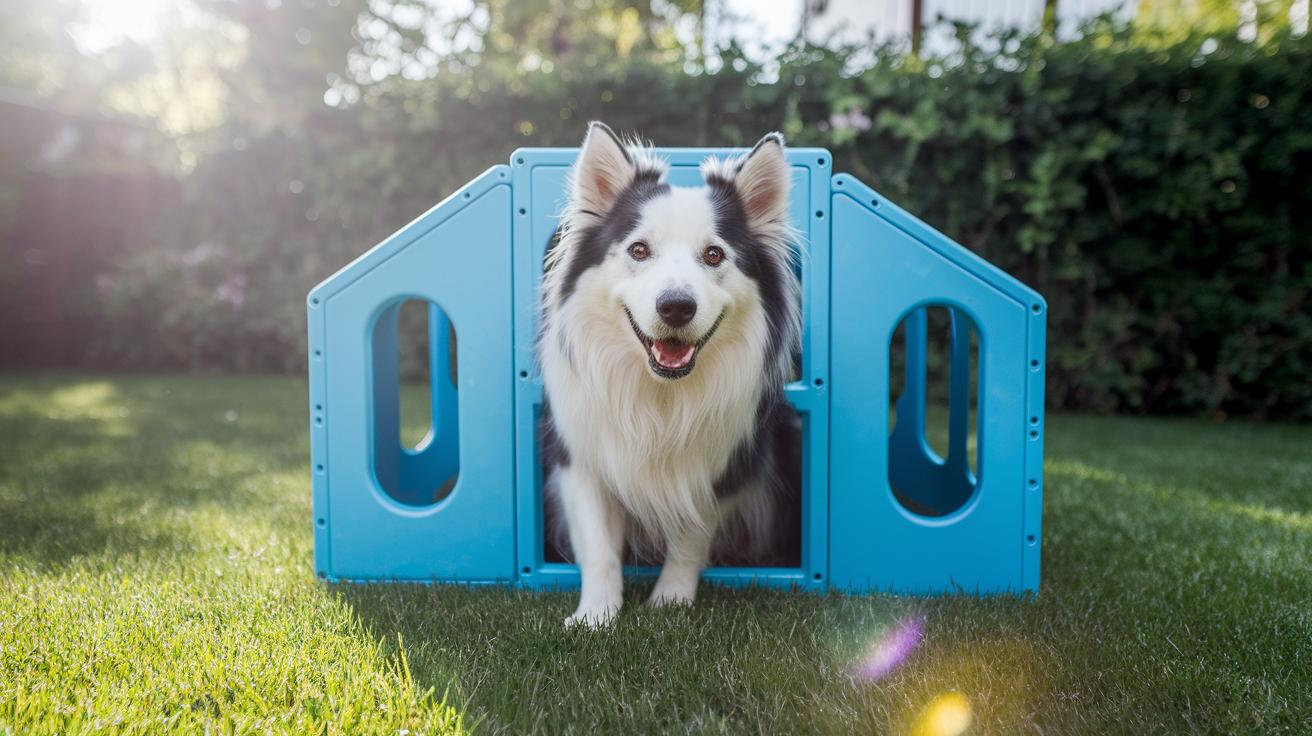
When you're setting up a new haven for your pet, think about the different ways you can design the space to fit both your home and your style. A fixed fenced dog yard is a sturdy option that gives your pet a safe outdoor area to romp around. It feels like a familiar routine spot that’s full of space for play, and it works great as a barrier when you're away.
Indoor ideas offer a fun twist too. A portable enclosure lets you move your pet’s space around whenever you need to. It works perfectly in smaller spaces and gives you the freedom to try out different layouts in your home. Many pet lovers blend a little indoor area with an outdoor spot so their pet gets plenty of fresh air and sunlight.
For those who love variety, a modular canine run might be the answer. These clever setups let you shuffle panels and gates, giving you the freedom to expand or adjust as your pet's needs change. You can even add a small play zone or a cozy rest spot, like creating a little playground just for your furry friend!
| Type | Benefits |
|---|---|
| Fixed fenced dog yard | Reliable, spacious, and secure |
| Portable setups | Great for indoor areas and small spaces |
| Modular canine run | Flexible design that adapts to your pet’s needs |
Choosing eco-friendly materials for your pet’s enclosure adds a special, sustainable touch that helps both your dog and the environment. Every option has its pros and cons, but with a dash of creativity, you can create a cheerful retreat that suits whatever mood or moment your pet is in.
DIY Dog Enclosure Materials and Construction Techniques
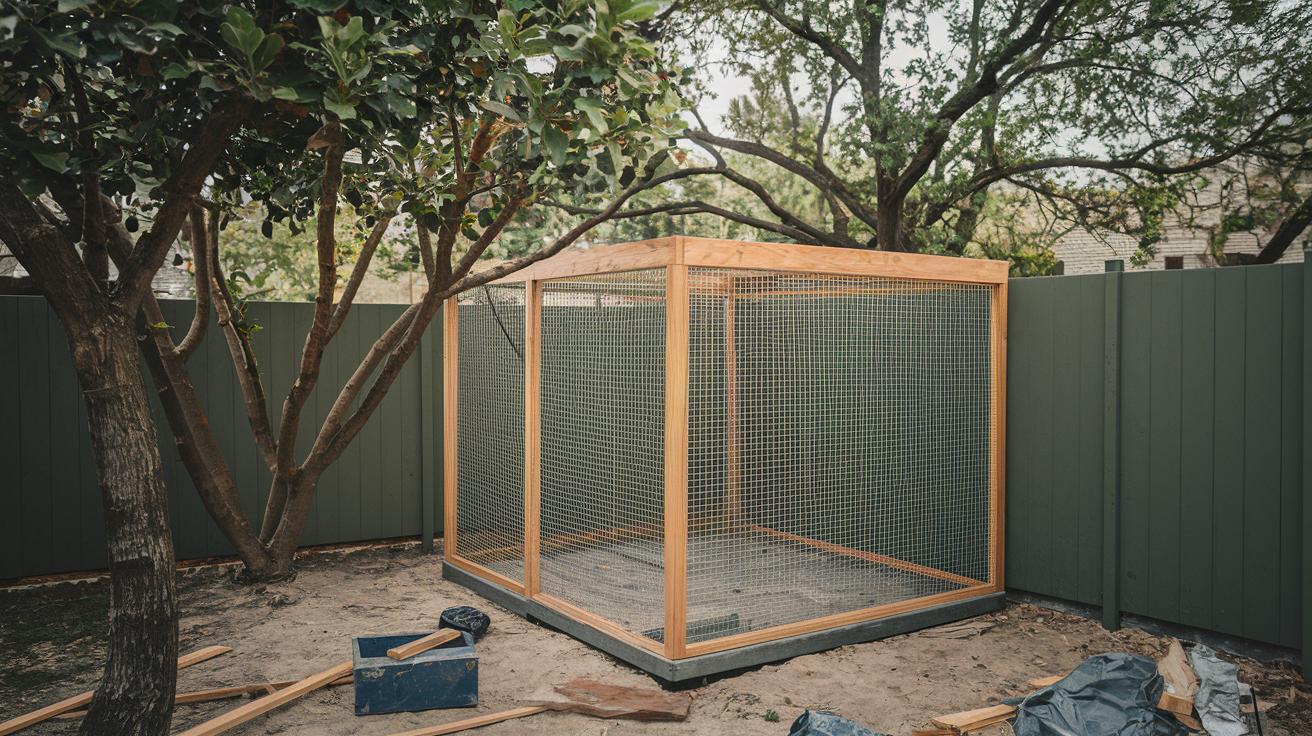
When you're building a dog enclosure, start by picking materials that are sturdy yet budget-friendly. Some pet lovers have even tried tin boxes paired with firm fencing and a reliable gate. Imagine a frame made of pressure-treated wood (wood treated with chemicals to stop decay) combined with flexible, secure sides using galvanized mesh, chain link, or welded wire. Costs can vary, a DIY project might run around $200 to $600, while a ready-made option can cost anywhere from $300 to $1,500.
Begin with a clear plan and a simple sketch of your enclosure. Measure your space and decide where every post, gate, and fence section will go. This planning step can really keep you from running into surprises later on.
Next, gather your must-have tools:
| Tool | Purpose |
|---|---|
| Post hole digger | Helps you set fence posts securely |
| Level | Keeps your posts even |
| Drill | Fastens materials together |
| Concrete mix | Anchors posts into the ground |
Once you have everything, mark out the boundary for your doggy haven. Dig holes for fence posts and set them in concrete to keep them strong. Then attach your chosen fence, whether it's chain link, welded wire, or even those tin box sections, to the posts. Use your level often to make sure everything is straight and even. Finally, fit in the gate. Check that it locks securely and smooth any rough edges to prevent scrapes on your furry friend.
A little tip: take an extra minute to ensure all your hardware is rust-resistant and safe for your pet. Little details like these can make your DIY dog enclosure last through all the play and weather.
Installing and Maintaining Your Dog Enclosure for Longevity
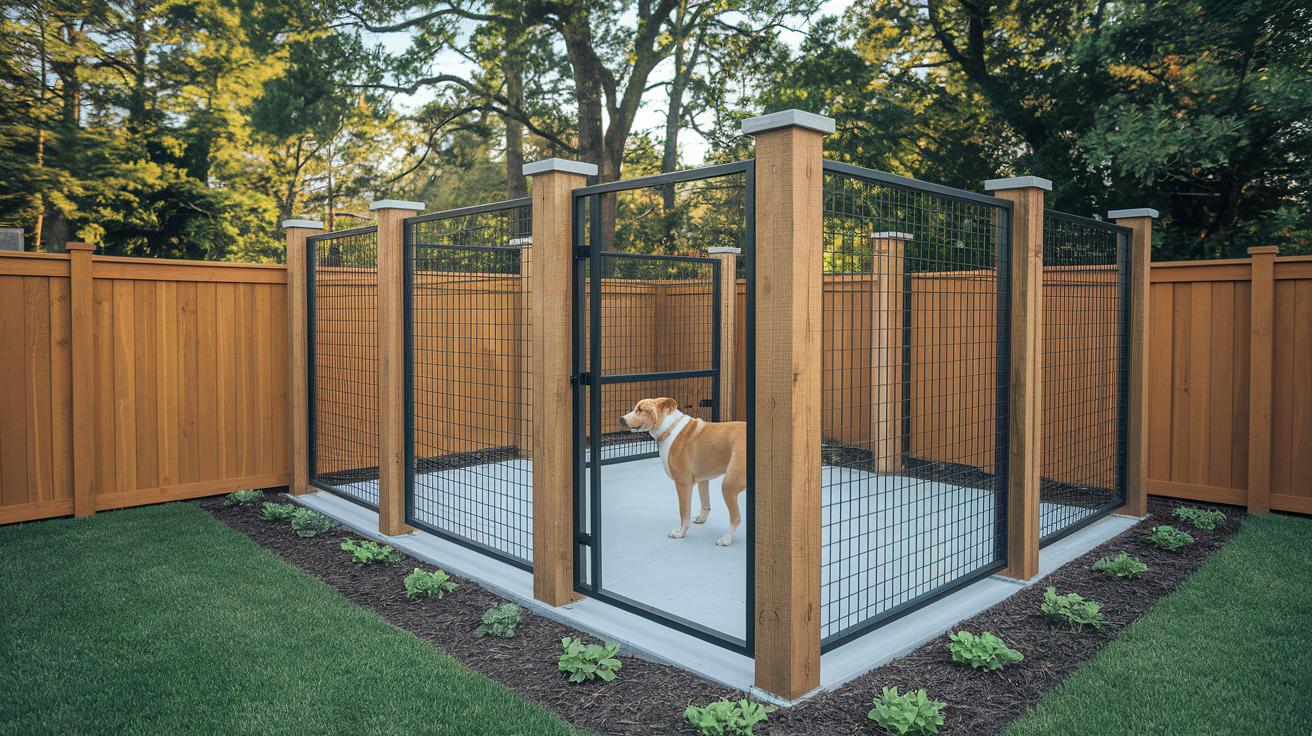
When you're setting up a safe spot for your dog that lasts, start by picking a flat area that meets your local fencing rules. A level ground makes sure everything stays sturdy, no matter the weather. First, mark your boundaries, then dig holes for your fence posts. Set them in concrete so the pet pen holds strong through wind, rain, and even all that playful jumping around.
Next, use fasteners that resist rust. This simple step helps keep the fence panels steady against moisture and time. And don't forget to cover all wood surfaces with a good sealant. This not only stops dampness but also helps ward off early decay, ensuring your enclosure stays solid season after season.
Maintenance is just as important as the initial build. Give your enclosure a close look every few months to check for any loose parts. Also, wash the panels monthly to clear off dirt and grime. Once a year, apply a fresh coat of sealant to boost the moisture barrier. These little caring steps make sure your dog's fenced area stays a safe and welcoming haven for years to come.
Accessories and Safety Features for Dog Enclosures
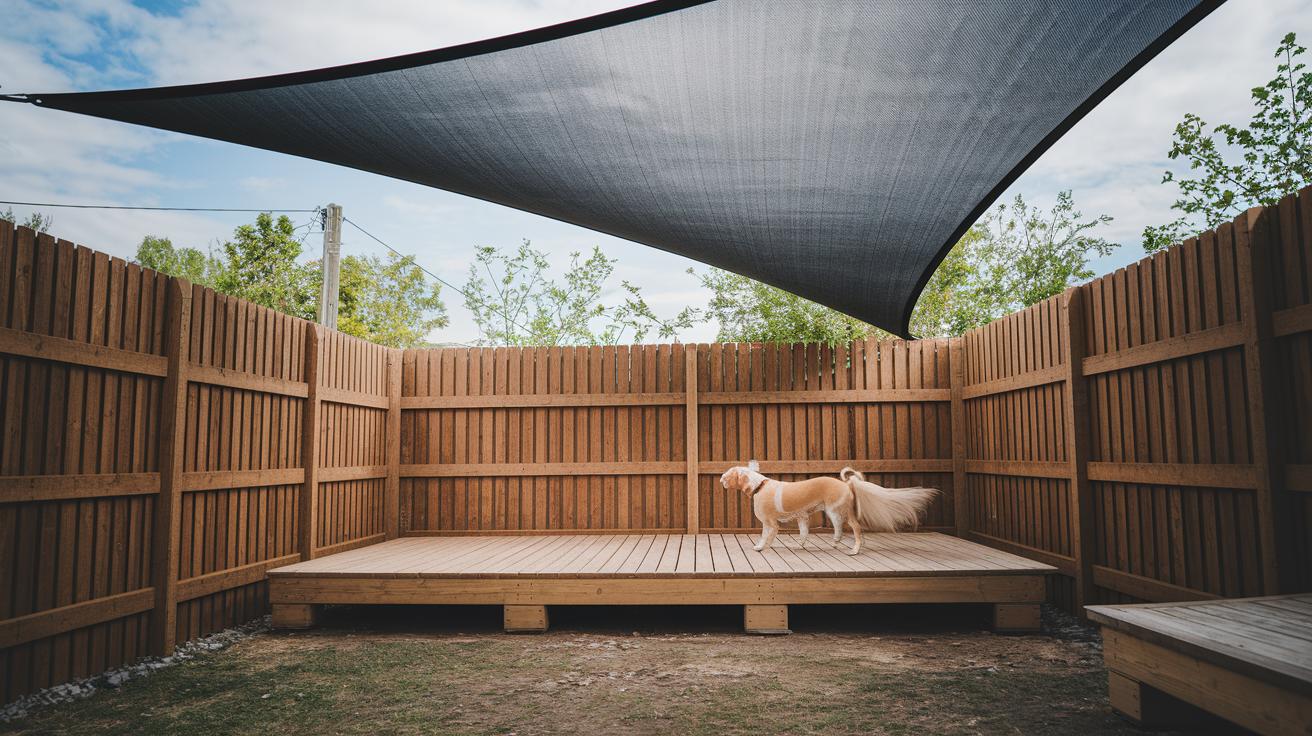
Adding little extras to your dog enclosure can make it cozier and safer. For example, mesh-covered shade sails can give your pup a cool spot on a sunny day. And whether you choose a sunshade pet shelter or an insulated dog house, you're all set for any weather, providing both shade and warmth when needed.
Try these community-recommended enhancements:
- Use lockable gates with a double-latch system to keep your pet secure.
- Add raised platforms so your furry friend can enjoy a better view and a comfy resting spot.
- Install panels made from chew-resistant material that can handle all that energetic play.
- Place hooks where needed for tethering during grooming, making things easier and safer.
A barrier system that splits the space into secure zones is another smart idea. One pet parent shared, "Adding hooks and extra panels turned my yard into a cheerful, safe playground for my dog." With these thoughtful touches in place, you can easily transform an ordinary dog enclosure into a lively retreat that's built for fun and safety.
Dog Enclosure Buying Guide: Premade vs Custom Solutions
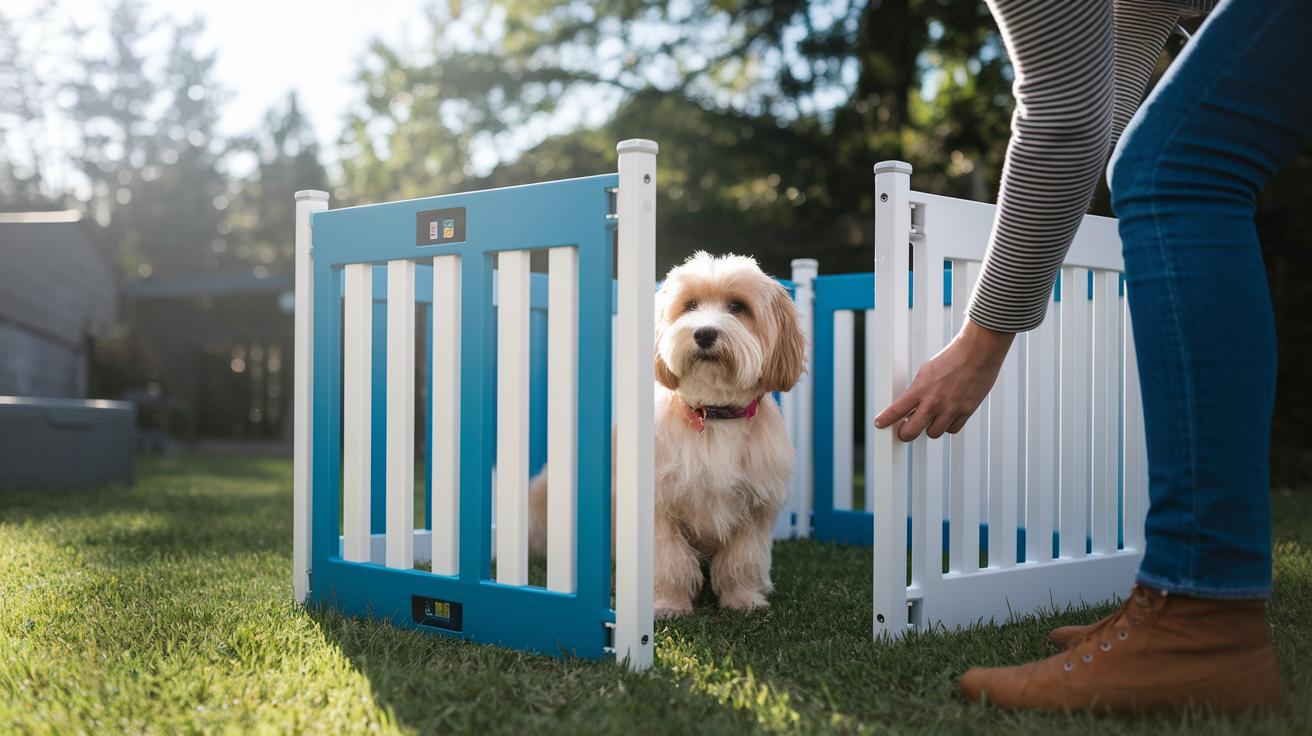
When you start looking for a safe space for your furry friend, cost really comes into play. Many pet owners see that ready-made enclosures can run anywhere from $300 to $1,500. They’re quick and easy to set up, but their fixed sizes and shapes might not fit every pet or every yard just right.
On the other hand, building a custom pet pen might set you back between $500 and over $2,000. The best part? You get to call the shots. You can choose the exact size, the materials, and any extra features you want. Maybe you’ll pick up some pre-made fence panels from a local store to help build a sturdy, safe enclosure. This way, you can add things like lockable gates or extra safety touches that standard kits might leave out.
When deciding which option fits your needs, think about:
- Checking if there are delivery or setup fees that could add to the price.
- Looking into the warranties available on the materials.
- Comparing local vendor options to online kits, since local support can feel reassuring.
Here’s a simple breakdown to help you out:
| Premade Enclosures | Custom Solutions |
|---|---|
| Fixed design | Flexible design |
| Lower initial cost | Possibly higher cost |
| Limited customization | Better chances for added features |
This guide is here to help you balance your budget with the peace of mind that comes from knowing your pet has a safe and secure space.
Final Words
In the action, this post guided you through picking a secure, well-sized dog enclosure that fits your pet’s needs. It shared clear tips on design options, from indoor spots to backyard sanctuaries, and how to build, install, and maintain a safe space. We touched on smart accessory choices and compared DIY ideas with ready-made products so you can choose with confidence. A solid, secure dog enclosure can truly lift your pet’s day and spark smiles all around. Enjoy crafting a safe haven for your furry friend!
FAQ
What are the different types of outdoor dog enclosures, kennel panels, and kits?
Outdoor dog enclosures include kits, heavy-duty options with roofs, extra-large models with floors, and specially designed panels for large dogs. They provide secure, comfortable spaces with varying features to suit different breeds.
What does the 7 7 7 rule for dogs mean?
The 7 7 7 rule for dogs means dividing care time equally among exercise, training, and resting periods. This guideline helps maintain a balanced routine that keeps your dog’s body and mind active and relaxed.
What does the 3 3 3 rule for dog training suggest?
The 3 3 3 rule for dog training suggests quick training sessions divided into three-minute segments with short breaks in between. This method keeps your dog engaged without overwhelming them during learning.
What does the 7 second rule for dogs imply?
The 7 second rule for dogs implies that you should respond within about seven seconds during training. Acting quickly reinforces commands while your dog’s focus on the behavior is still fresh.
Is it cruel to leave a dog in a cage?
Leaving a dog in a cage isn’t cruel when it’s used as a safe, temporary space. A well-chosen crate with regular breaks and loving interaction can actually offer comfort, rather than stress, for your pet.