
Does your dog get nervous when meeting new friends? Socialization classes offer a safe space where your pup learns that meeting new faces can be fun and exciting.
In these cozy sessions, your dog gets to play with other dogs and friendly people while earning tasty treats for every brave step. You can almost see the transformation, a shy little furball slowly brightening up into a happy, confident buddy with each fun encounter.
With kind trainers by your side, these sessions help ease fears and build cheerful behavior. Just a few gentle classes can spark a whole lot of joy, making your pet's day a little brighter and your heart a lot happier.
Improving Behavior and Reducing Anxiety with Dog Socialization Classes
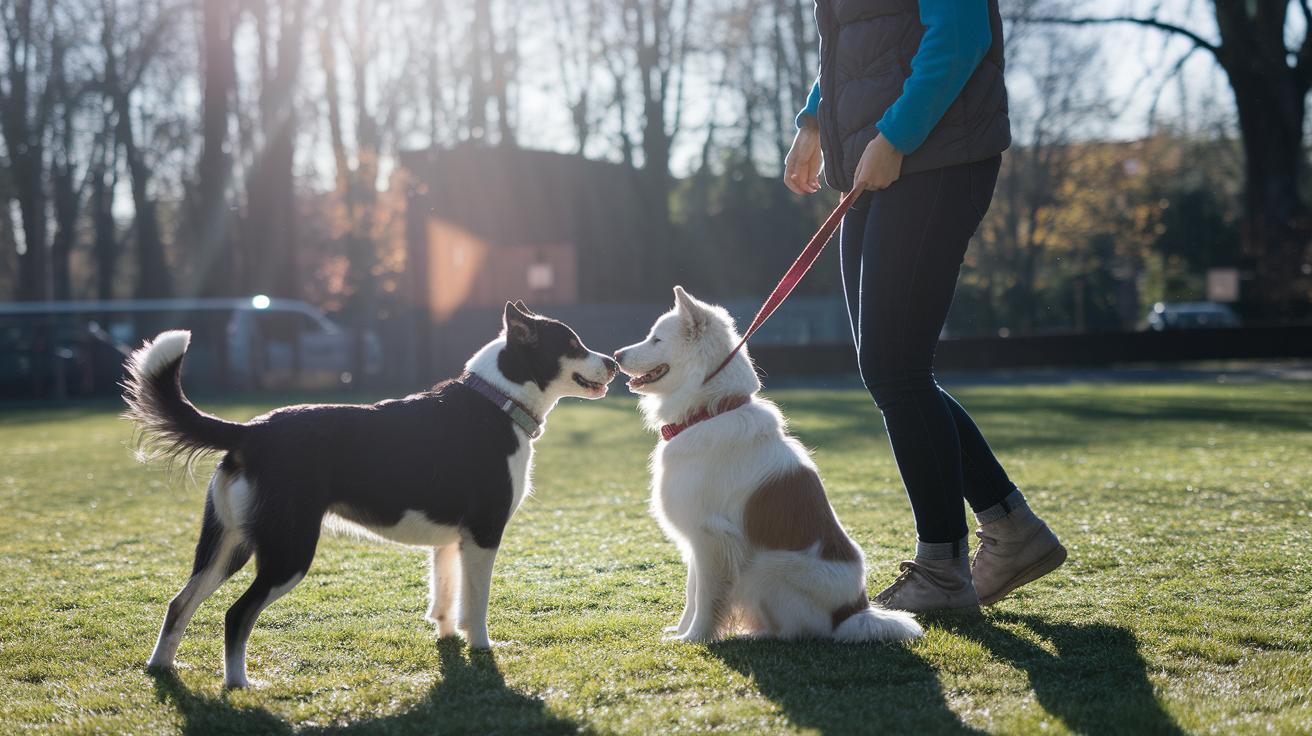
Dog socialization classes are a fun way to help your furry friend feel braver and less anxious. These classes use everyday activities like a quiet neighborhood walk, tasty treats, and kind words to show your pet what good behavior looks like. Imagine a shy pup slowly discovering that meeting other friendly dogs can bring smiles and yummy rewards. Over time, this kind of loving attention can help reduce fear and build up confidence.
Each session is gentle and calm. Your dog gets to meet new people and explore different places at its own pace while caring trainers watch for any signs of stress. Picture your pet giving a little sniff as it meets a new friend at the park, with every brave step rewarded by a delicious treat. This sort of routine helps keep fear-based reactions like biting or hiding to a minimum and makes meeting others much smoother.
Eventually, these positive experiences bring big changes. Your dog starts to see new adventures as fun chances rather than scary challenges. Regular classes make day-to-day outings a joy, not only for your pet but for you too.
What to Expect in Dog Socialization Classes: Formats and Scheduling
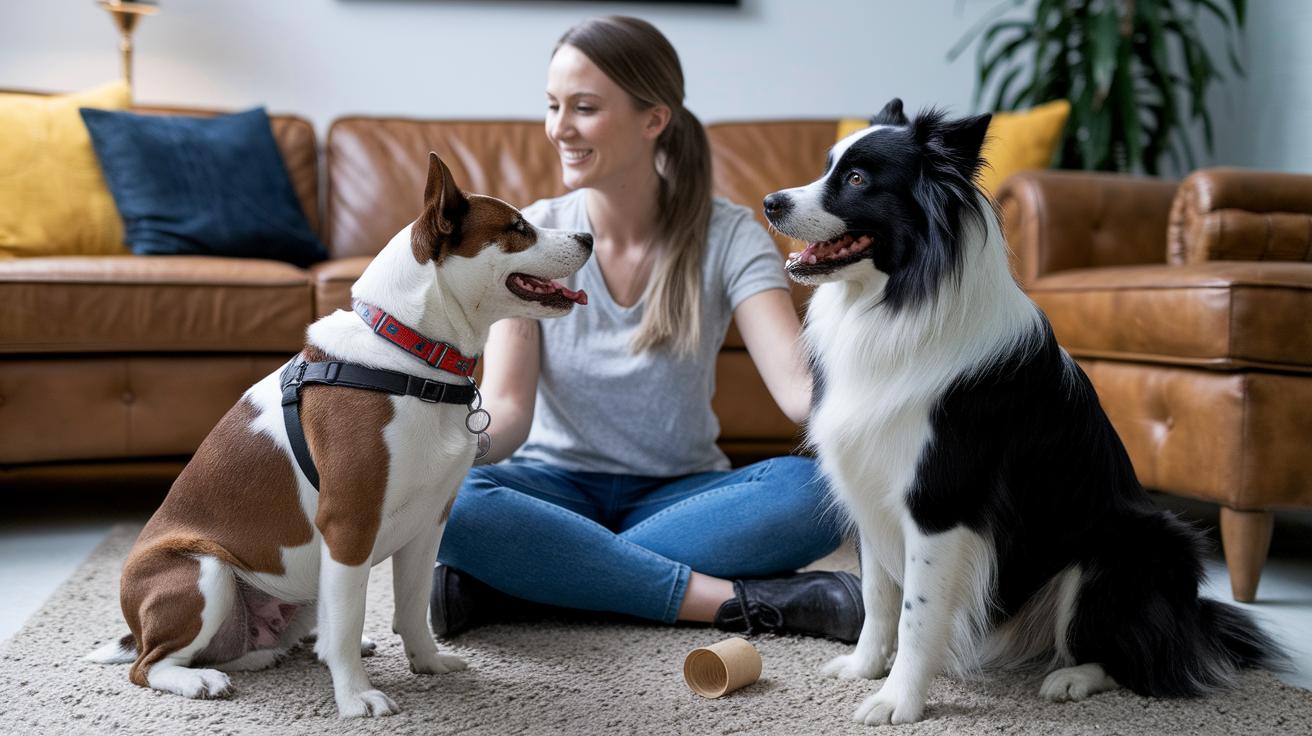
Dog socialization classes mix fun group play with guided sessions to help your pet make new pals and enjoy different environments. These classes usually run for 6 to 8 weeks in small groups, creating a cozy space where every dog can feel safe while exploring new activities.
Each class is packed with playful moments, gentle introductions to everyday sights and sounds, and plenty of treats and praise to encourage good behavior. There are various class formats designed to match your dog’s unique personality.
Whether you’re after a lively group setting or some one-on-one time, there’s a class that’s just right for your furry friend. Options range from specialized puppy courses to focused programs for adult dogs who might need a bit more guidance.
Common class formats include:
- Puppy programs
- Group training sessions
- Private one-on-one lessons
- Day training intensives
- Board & train packages
- AKC-recognized socialization courses
Classes happen weekly, so they fit right into your busy routine. Caring trainers, who are experts in dog behavior (they know what to look for), watch each session closely and adjust activities based on your pet’s comfort level. Their experience handling reactivity and anxiety helps ensure that every play session boosts your dog’s confidence and brings lots of joy.
dog socialization classes Spark Happy Canine Joy
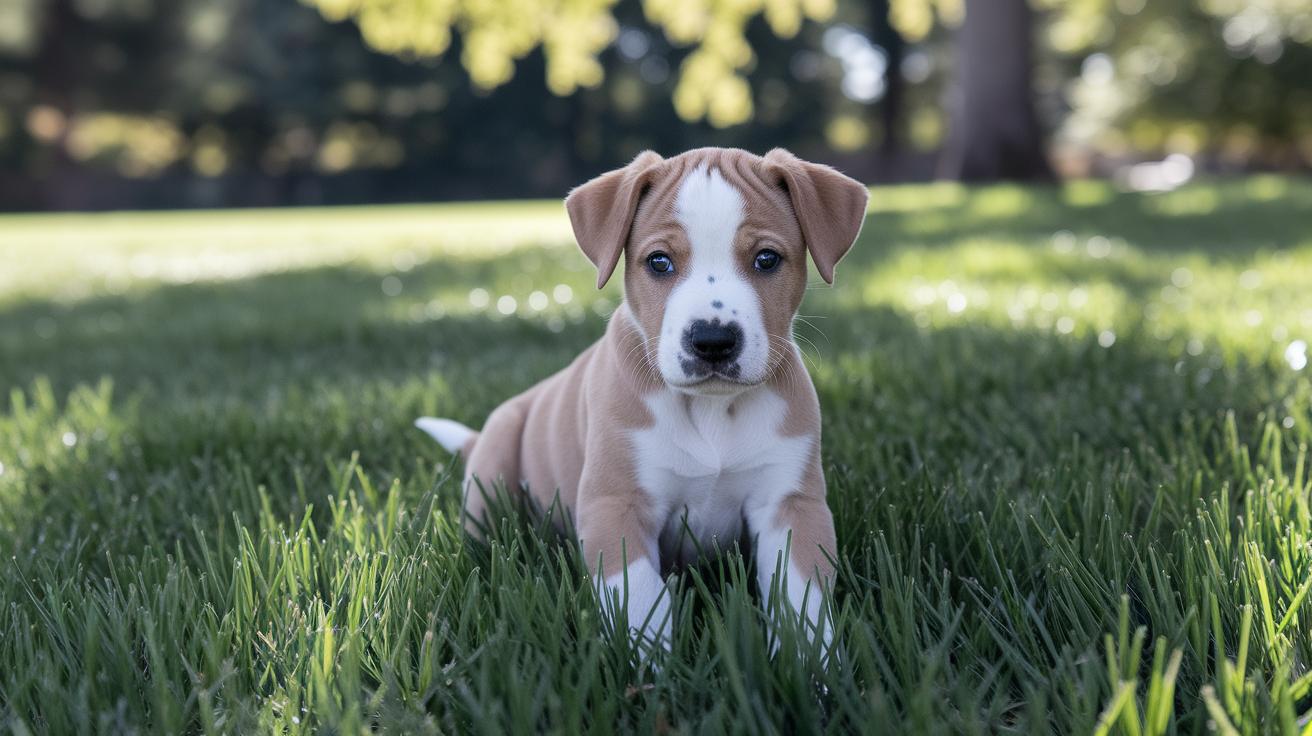
Puppy socialization classes work best when your little friend is just a few weeks old, usually between 3 and 12 weeks. At this stage, every new face, sound, and place helps shape their social skills. Puppies are naturally curious and eager to explore, soaking up every new experience with their bright eyes.
In these fun puppy playgroups, sessions might include safe trips to nearby parks or visits to friendly daycare settings. Trainers use gentle methods and rewards like treats and praise (a treat shows your pup it’s doing well) to help them get used to different people, other dogs, and even new sounds and smells. You might also enjoy special classes made just for the tiniest learners.
Over time, these early social adventures build a foundation of confidence. Regular exposure helps reduce separation anxiety and keeps your pet calm and happy, ready to make new friends wherever they go.
Adult Dog Socialization Classes: Interaction Sessions for Overcoming Reactivity
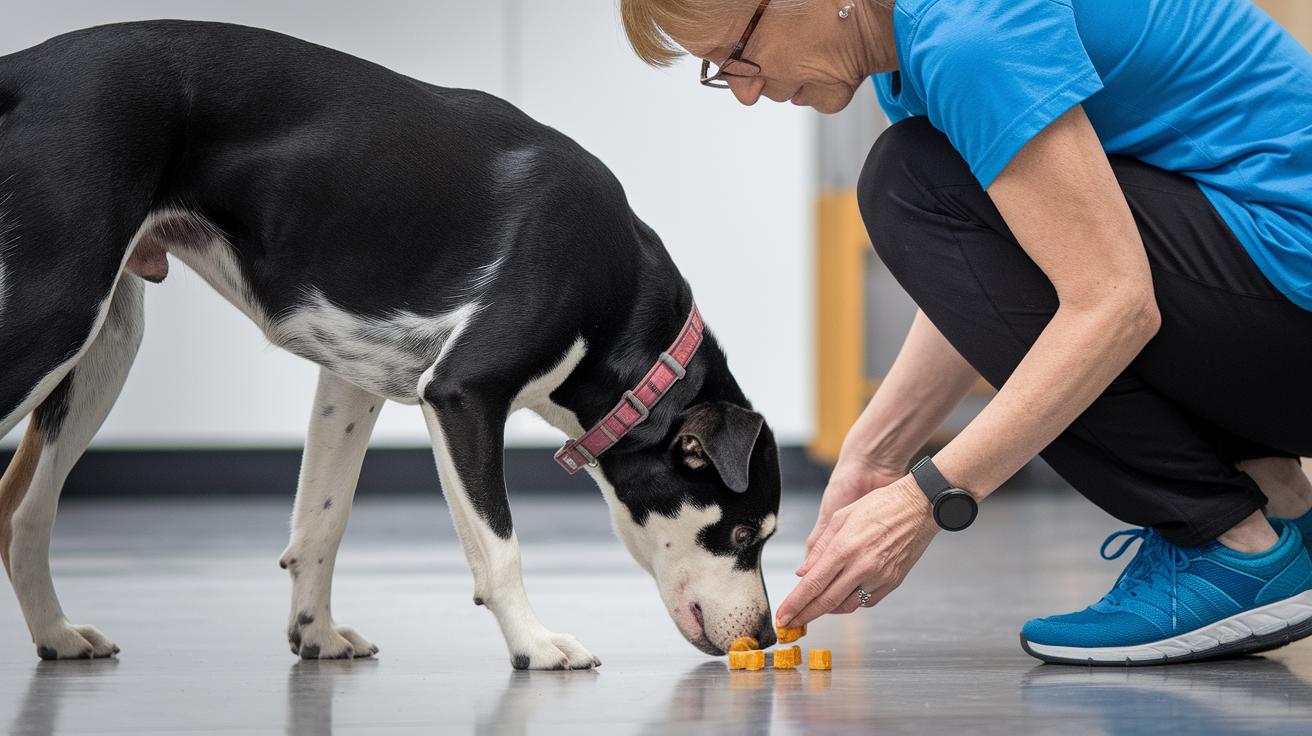
These classes help older dogs gently explore new sights, sounds, and friendly faces in a calm, safe space. Trainers use simple rewards like yummy treats, favorite toys, and kind praise so that every dog learns staying relaxed brings good things. Imagine a pup slowly discovering that a new sound isn’t scary but a sign of fun.
Trainers are always paying close attention. They watch for signs of stress, like a tucked tail or a quick shiver, and are quick to adjust the session if a dog looks overwhelmed. When a dog shows a bit too much stress, activities slow down and extra encouragement is given, making sure every little step builds a strong base for calm social interactions.
Some classes are specially made for dogs with past aggression, those rescued from tough situations, or pets with separation anxiety. In these focused groups, certified trainers give one-on-one support. Each session turns a small victory into a win, helping your pet replace fear with growing confidence and a more relaxed, happy life.
Finding Local Dog Socialization Classes: Schedules and Trainer Credentials
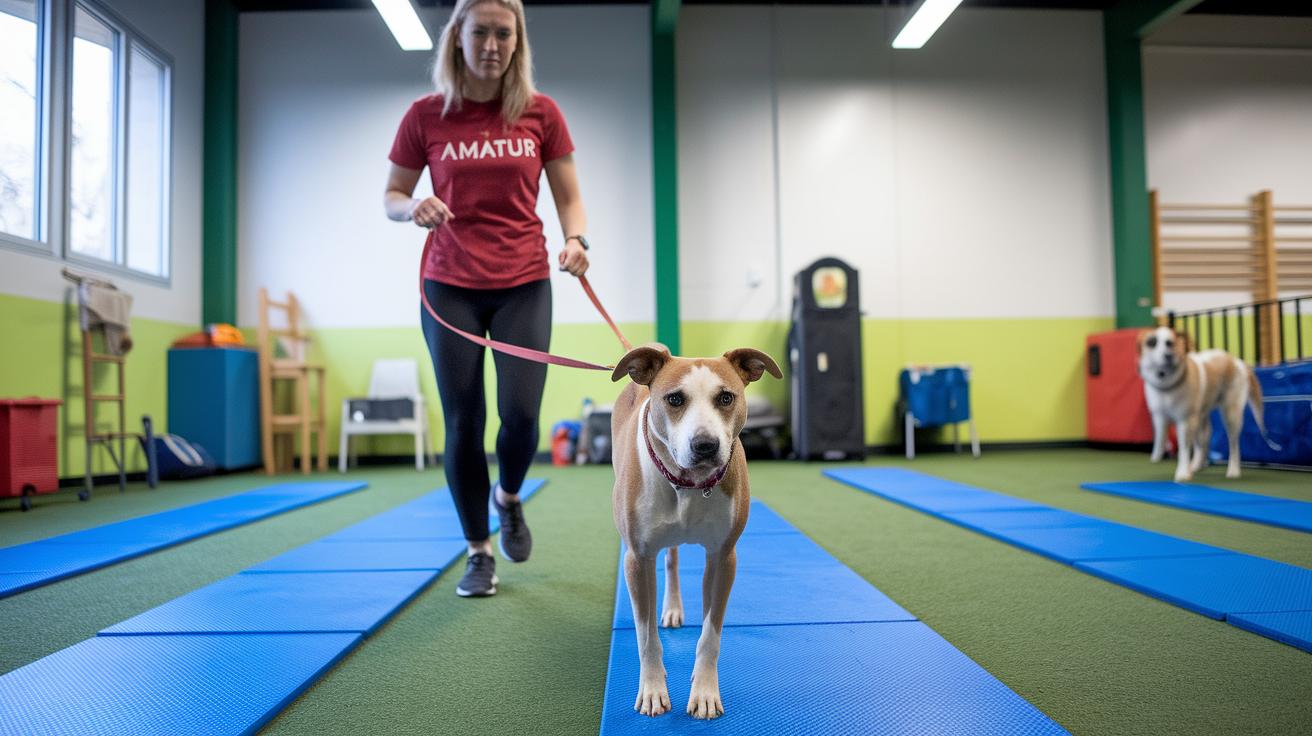
Local classes usually take place in community spots that work well with your schedule and neighborhood vibe. Most centers offer both group play sessions and one-on-one lessons so your dog can learn social skills while having fun with local pals.
Some popular scheduling options are:
- Weekly group play sessions (often 6–8 week courses)
- One-on-one private lessons
- Board & train immersion programs
- Workshops in partnership with local rescues
When you choose a class, make sure the trainers hold proper certifications in canine behavior (which means they understand how dogs think and feel). Many of these trainers team up with local rescues and offer extra perks like lifetime phone support and bundled deals, creating a safe and encouraging space that helps boost your pet's confidence.
Success Stories from Dog Socialization Classes: Testimonials and Transformations
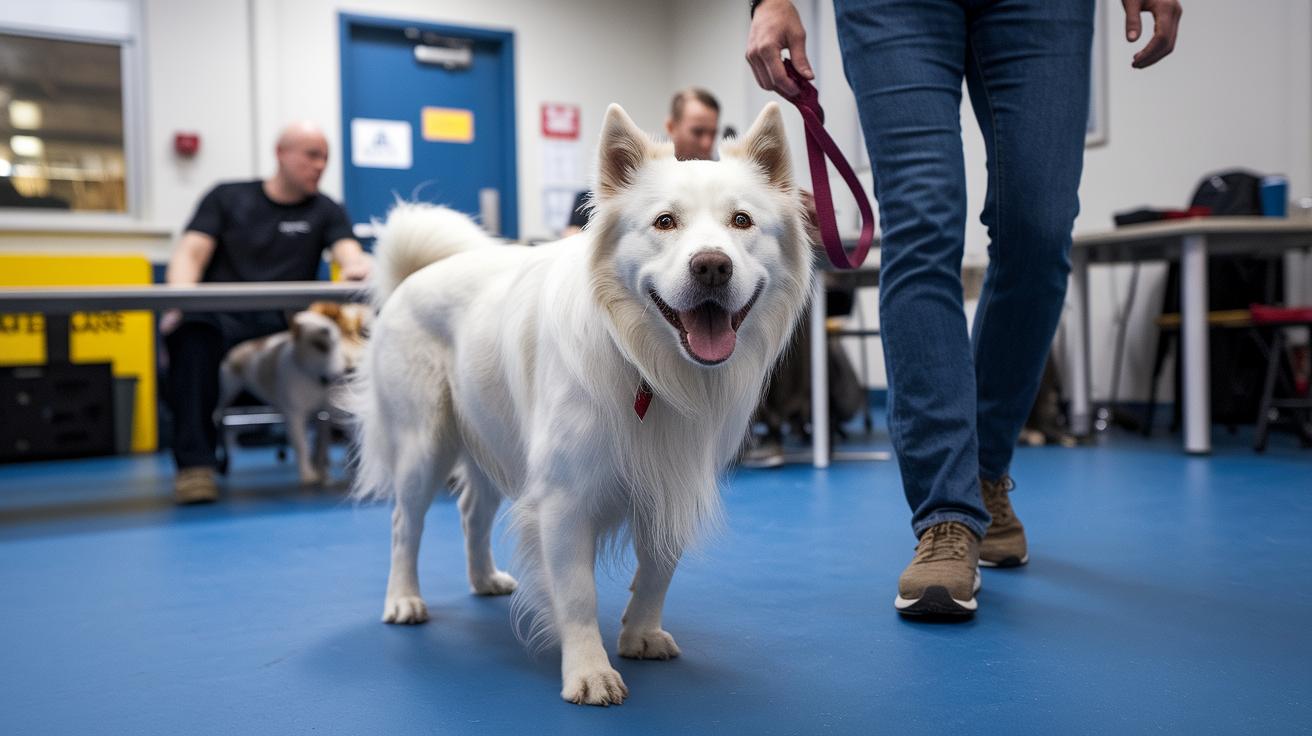
Pet parents have noticed real changes in their dogs. Many have shared how their once nervous pets now greet strangers with a happy wag and friendly nudge. These classes use gentle praise and little treats to make dogs feel safe during every meeting.
One heartwarming example is rescue dog Henry from New York City. Henry used to feel scared and unsure, but now he joins group play with a calm, steady attitude. His owner says that guided play sessions have turned his anxious behavior into a joyful, confident way of interacting.
Many pet owners describe their walks as stress-free, fun days filled with cheerful moments. Dogs that used to hide from new faces now jump into community play sessions happily. This change not only boosts the dogs’ well-being but also strengthens the bond between them and their families.
FAQs on Dog Socialization Classes
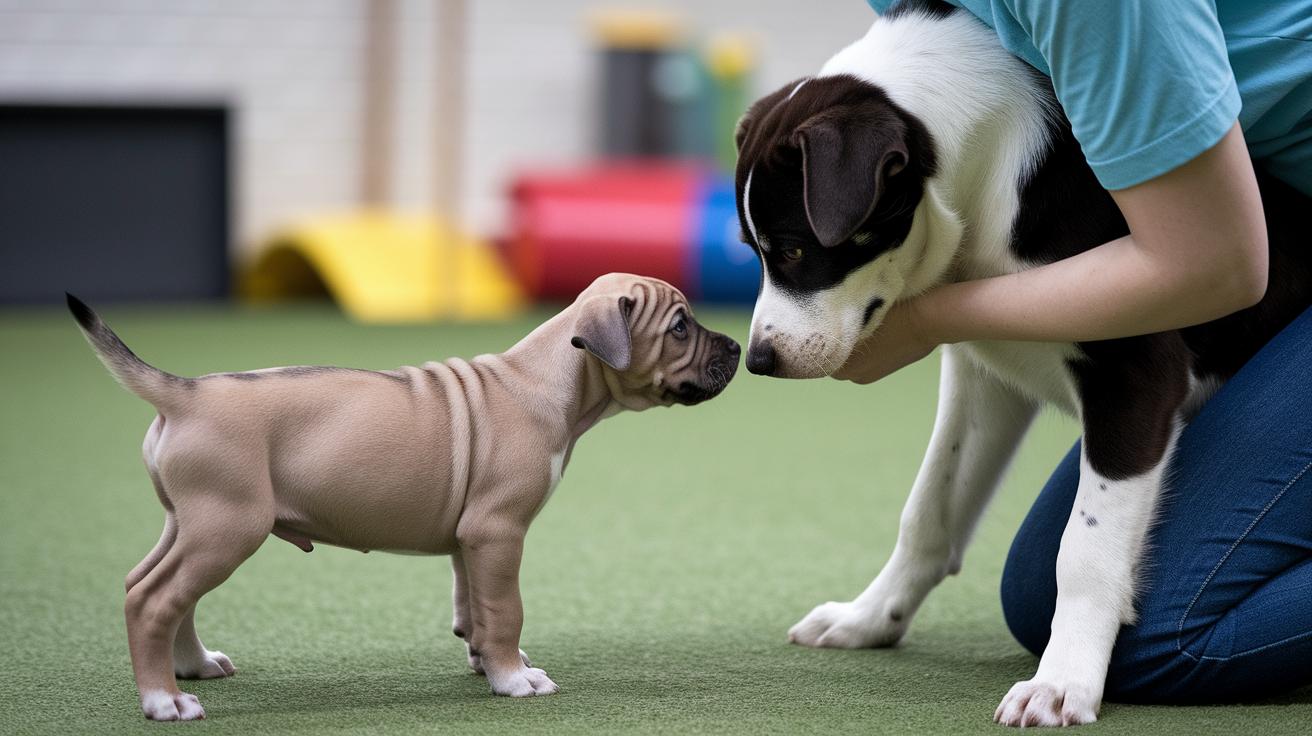
It’s best to start socializing your puppy between 3 and 12 weeks old. This early window helps them get used to new sounds, smells, and sights. Like, imagine a six-week-old pup curiously sniffing a neighbor’s dog.
Classes are kept small so every pet gets plenty of extra attention. In a small group, even a shy little pup can quickly feel safe and noticed.
Trainers keep an eye out for any hints that an adult dog might be feeling stressed, such as a tucked tail, slight shivering, or changes in breathing. When they notice these signs, they ease up on the pace, maybe even taking a break with a treat to help calm the dog.
It’s important to choose a trainer who has solid certifications in dog behavior. A qualified trainer can adjust the sessions on the fly and offer extra support as your dog grows more comfortable. For example, if a dog seems uneasy, the trainer can tailor the session to help them feel better.
Sessions usually run once a week over several weeks. Bringing along familiar items like a leash, a couple of treats, or a favorite toy can really help reinforce positive behavior during each meeting.
Final Words
In the action, we explored techniques in dog socialization classes that ease anxiety and improve behavior. We examined playful group sessions, private lessons, and specialized programs that build confidence in both puppies and adult dogs. The blog break down covered formats and scheduling, hands-on experiences, and real-life success stories from trusted trainers. With clear methods and engaging sessions, these classes help our pets feel secure and happy. Embracing dog socialization classes can lead to calmer walks and joyful interactions for our furry companions.
FAQ
Q: Where can I find dog socialization classes near me, including free options and those in San Diego?
A: The inquiry about local, free, and San Diego dog socialization classes means exploring community centers, pet specialty stores, and local non-profits that offer budget-friendly socialization sessions and group training programs.
Q: What are the best dog socialization and training classes?
A: The question about the best dog socialization classes points to programs with small groups, certified trainers, and positive reinforcement techniques. Look for reviews and options at well-known pet training stores like PetSmart and Petco.
Q: How do PetSmart dog training and Petco puppy training work?
A: The question about PetSmart and Petco training explains that these programs provide structured, interactive sessions led by qualified trainers who use play, treats, and praise to build your pet’s social skills and confidence.
Q: Is it ever too late to socialize a dog?
A: The question of whether it’s ever too late to socialize a dog means that while early socialization is ideal, adult dogs can still benefit greatly from gradual, patient training and controlled interaction sessions.
Q: What is the 7 7 7 rule for dogs?
A: The question about the 7 7 7 rule for dogs means following a method of repeated, gradual exposure to new experiences in controlled sessions, though the specifics can vary with different trainers’ guidelines.
Q: How do you address a lack of socialization in dogs?
A: The question on fixing lack of socialization in dogs means starting with gradual introductions to new people, pets, or environments, using positive reinforcements and structured classes to rebuild confidence steadily.
Q: What is the 3 second rule for dogs?
A: The question about the 3 second rule for dogs means granting your pet a brief pause to adjust to new stimuli before intervention, which helps ease anxiety and fosters calm, self-regulated behavior.