
Have you ever noticed your dog getting upset and even a bit aggressive out of the blue? Sometimes it isn’t just a bad day, it might be fear or stress speaking up. When you learn a few simple ways to calm your pet, both your day and your dog’s world can change for the better.
Imagine your dog sitting quietly, feeling safe and relaxed instead of snapping or barking sharply. It feels like a gentle hug on a tough day. So, why not try these easy tips? They’re practical steps that help turn those tense moments into comfort and peace at home.
Proven Steps to Correct Aggressive Behavior in Dogs

Aggression in dogs can show up in lots of ways. It might be just a low growl or even a full-on physical attack. When you notice signs, like a stiff body, a heavy stare, or fur that seems to stand on end, you know your furry friend is feeling scared, hurting, or simply trying to protect something dear, like their food or favorite toy.
Sometimes, aggression comes from fear, not feeling well, guarding resources, being frustrated on the leash, or even a natural, instinctive reaction. Knowing what sparks that behavior helps you guide your dog towards calmer responses.
- Watch and write down exactly when your dog acts aggressively.
- Change the setting to stop things from getting worse.
- Slowly get your dog used to the things that upset them while rewarding calm responses.
- Celebrate and reward your dog when they stay relaxed.
- And if these steps don’t help, chat with a vet or a pet behavior expert.
Following these simple steps builds a safe, everyday plan for both you and your dog. By keeping an eye out and noting exactly when aggression shows up, you learn what triggers your dog. Changing the environment a bit, like using a baby gate or setting aside a quiet space, can really help reduce those triggers. Gradually showing your dog a milder version of what upsets them, all while offering treats and praise, teaches them a better way to react. And if things still don’t improve, getting help from a professional can ensure your dog gets the right support. It might take time, but with lots of patience and consistency, you will notice a real change in your dog’s behavior.
Spotting Signs and Triggers of Aggression in Dogs
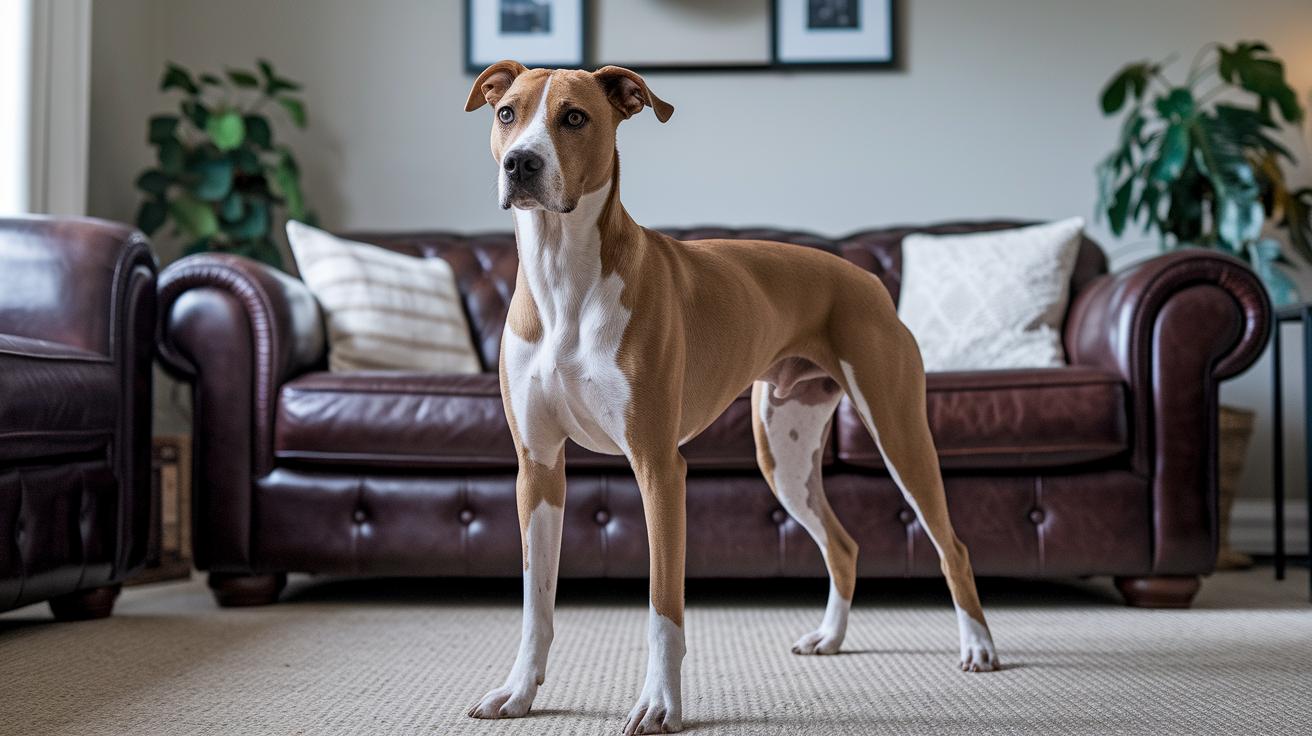
When you take a close look at your dog, you can really tell what they’re trying to say. Watching for little clues like these helps you know if they’re scared, upset, or maybe even hurting.
- A stiff, tense body showing they’re on edge
- An unblinking, intense stare that hints at fear or discomfort
- Raised hair along their back, showing they’re extra alert
- A pulled-back lip or a tight mouth that shows nervousness
- A low, warning growl signaling distress
- Getting frustrated when restrained, like tugging on the leash
Noticing these signs is key to understanding what’s bothering your dog. When you spot what sets off their aggression, you can step in early to help calm things down for everyone involved.
Tailoring Behavioral Interventions for Types of Dog Aggression
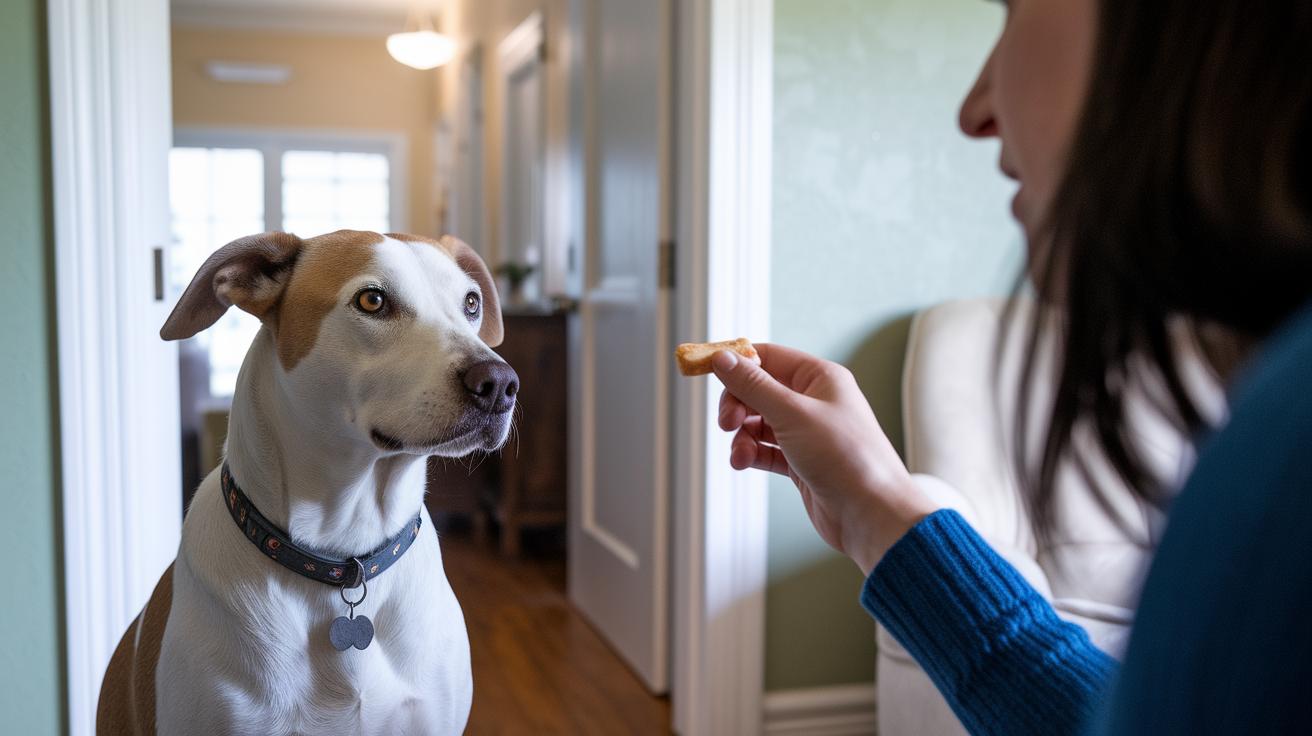
Aggressive behavior in dogs can show up in many different ways. When you know what sets off your pup, you can create a training plan that gently leads them toward calmer responses.
Fear Aggression
When your dog feels scared, you might see a stiff, guarded body or notice they try to back away. Start by figuring out what scares them, maybe it's new people or loud noises, and slowly let your dog get used to these triggers from a safe distance. This gradual socialization helps your pup learn that the scary thing isn’t so frightening after all. Use soft voices, kind words, and a little treat whenever your dog stays calm. For example, try starting with the trigger far away and then slowly move it closer as your pup settles.
Resource Guarding
Sometimes dogs get protective of their favorite toys or even their food bowl. To help with this, try taking the item away for a little while and then reintroducing it during quiet, steady sessions. Pair the sight of someone coming close with a tasty treat, so your dog begins to see the approaching person as a friend rather than a threat. It’s a bit like following a simple recipe: first remove the trigger, then gently add it back with lots of goodies and warm guidance.
Leash Aggression
Leash aggression happens when a dog feels trapped or frustrated by the leash. A small change in how you hold it and your body position can work wonders. When you notice your dog getting tense, call them over with gentle words and offer a treat to shift their focus back to you. For instance, if your pup starts pulling or looks upset, take a short pause, reward them for a quiet moment, and then resume your walk together.
Managing and Preventing Aggressive Incidents Safely
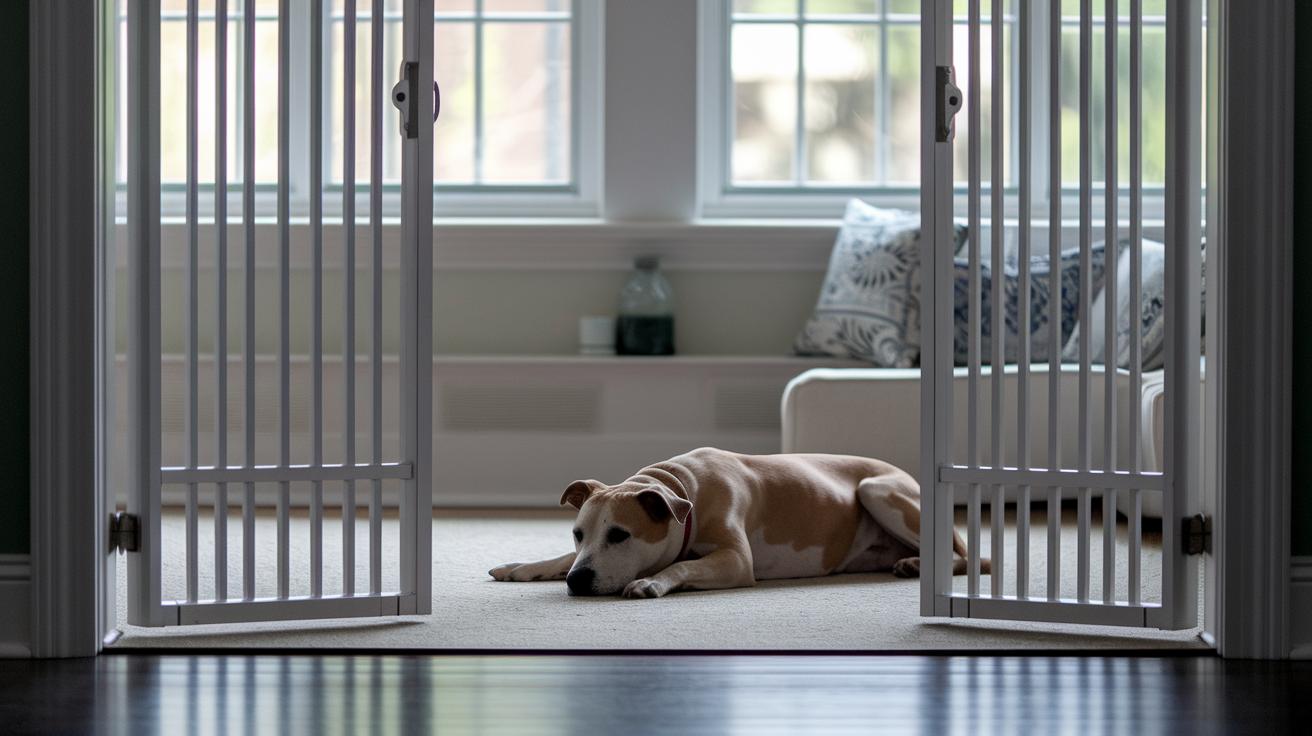
Taking care of your dog's space can lower stress and even help stop sudden aggressive reactions. When you set up quiet, safe spots, like a cozy corner away from the noise, your dog feels more secure and less on edge.
It’s all about being proactive. Small changes, like shifting barriers or tweaking your routine to match your dog's moods, can really help. I’ve seen cases where a pup relaxed a lot once a noisy window was covered, and things just felt calmer all around.
Simple ideas work wonders. Try blocking distracting views by covering windows so outside chatter doesn’t overwhelm your pup. Setting up safe areas with baby gates or crates makes visits less stressful, too. Keeping a steady routine gives them something to rely on throughout the day. And gradually introducing new people or pets can turn a scary meeting into a friendly greeting. Remember Max? Once a new barrier was added in his busy area, he became noticeably more relaxed during moments that used to stress him out.
Recognizing When Professional Assistance is Needed for Dog Aggression
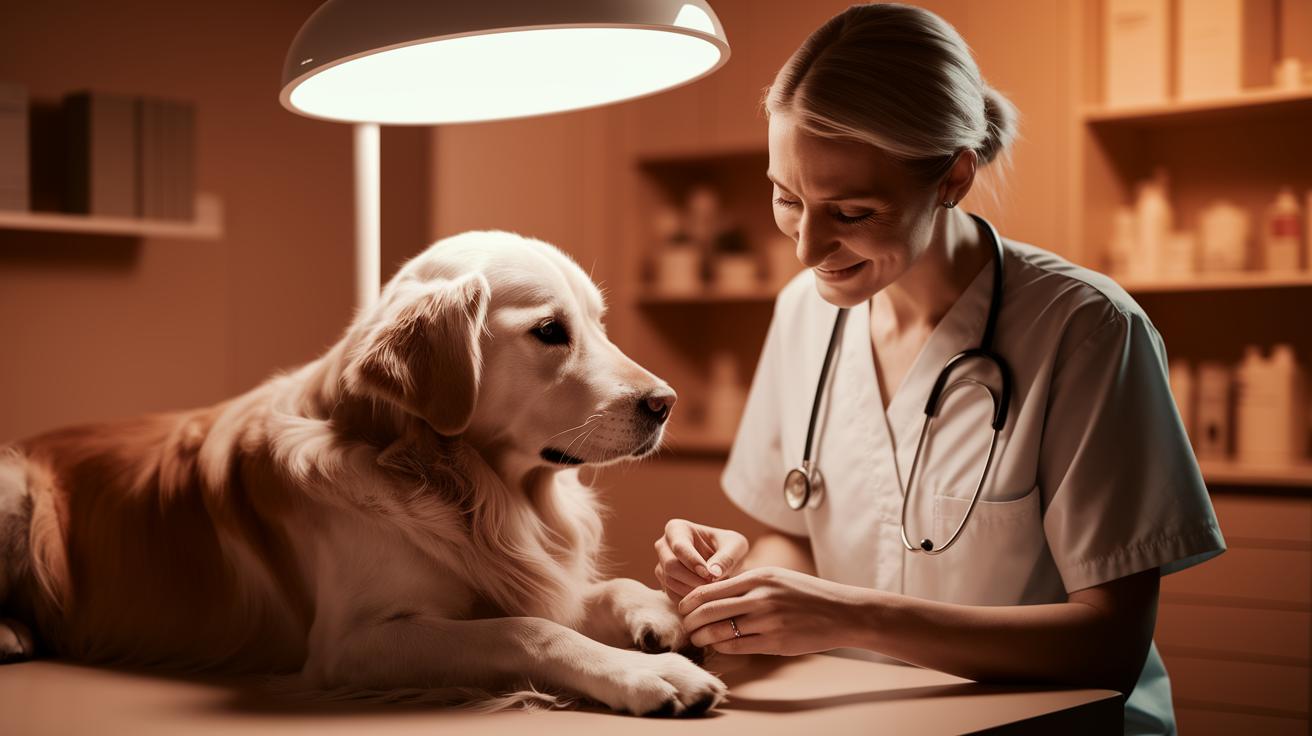
Have you noticed your dog acting aggressive out of the blue, even when nothing obvious is happening? When your furry friend shows unprovoked attacks or mean behavior in many places, it might be a signal that something deeper is going on. Quick fixes rarely work when these red flags keep showing up despite simple changes at home.
In these moments, it’s a good idea to reach out to a veterinarian or a certified behavior expert. The vet might run a neurological test (a check to see if any health issues are affecting behavior) to rule out medical reasons. Meanwhile, a dog behavior specialist can put together a custom plan to help your pet learn better ways to express itself. This steady, long-term support is far more effective than a short-lived solution.
Maintaining Progress: Preventing Future Aggression in Dogs
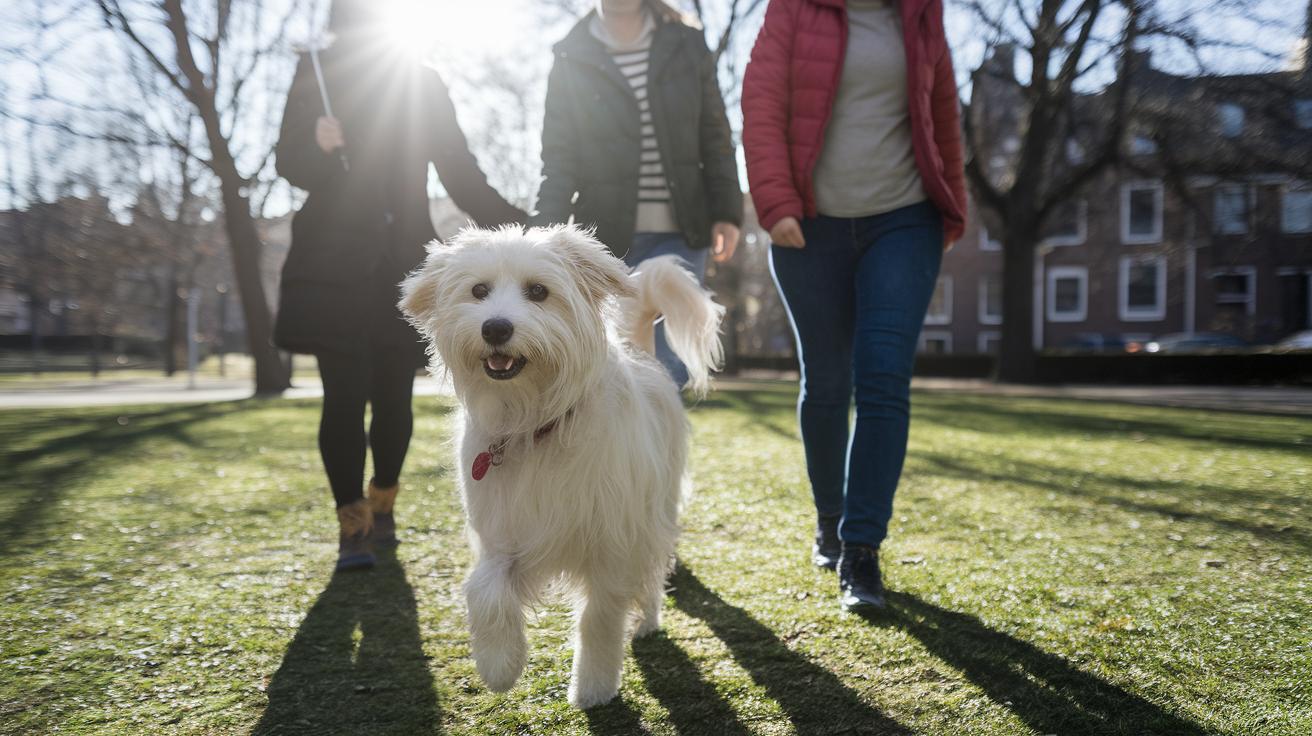
Keeping a steady routine of socializing with your family, neighbors, and other pups really helps your dog feel calm and happy. Regular play dates, gentle introductions, and quiet time show your dog that meeting new friends is safe and fun. Try mixing in daily walks, park visits, or even a quick stop at a pet-friendly store. These fun outings boost your dog's confidence and help ease stress, which is key to keeping aggressive behavior at bay.
Staying on top of your dog's progress means carving out time for fun mental games, exercise, and little rewards for calm moments. When you give a cheerful pat or a tasty treat when your pup behaves well, it gently reinforces those good habits and makes it easier to catch early signs of trouble. Watching and celebrating these small wins builds trust and confidence, making the journey to better behavior feel both doable and oh-so-rewarding.
Final Words
in the action, we explored what sparks dog aggression and shared clear, step-by-step strategies to help you start making a change. We looked at identifying signs, managing triggers, and safely implementing training techniques. Remember, working on how to correct aggressive behavior in dogs means consistently monitoring your pet and adjusting strategies as needed. Every small win builds confidence, so celebrate progress along the way. Keep each day positive and patient with your furry friend, you’re creating a safer, happier home.
FAQ
Frequently Asked Questions
How can I correct aggressive behavior in dogs towards other dogs and humans?
Correcting aggression in dogs means using structured training, careful observation, and reward-based techniques. Start by identifying triggers, managing the environment, and consider professional advice if the behavior doesn’t improve.
What are the signs of dog aggression towards humans?
Signs of dog aggression toward humans include a stiff body, raised hackles, lip lifting, and growling. These behaviors serve as clear warnings that your dog is uncomfortable or fearful and needs attention.
Why is my male dog being aggressive all of a sudden?
A sudden change to aggression in a male dog may signal discomfort, pain, or stress. Changes in routine, the environment, or underlying health issues can all contribute, so a vet or specialist check may help.
Where can I surrender an aggressive dog?
Surrendering an aggressive dog is best handled by contacting local animal control or shelters that work with behavioral issues. These organizations can ensure the dog is safely managed and placed in a controlled environment.
What should I do if I encounter an aggressive dog on the street?
When meeting an aggressive dog on the street, keep a safe distance, avoid eye contact, and slowly back away. Inform local animal services so they can address any potential safety concerns.
How can I calm an aggressive dog with medication?
Calming an aggressive dog with medication involves working closely with a veterinarian. They may prescribe anti-anxiety or calming drugs as part of a wider behavior modification plan to help your dog relax.
How do I stop or discipline an aggressive dog and can it be trained out of this behavior?
Stopping aggression in your dog relies on consistent training, clear boundaries, and positive reinforcement rather than harsh discipline. Collaborate with a certified behaviorist or veterinarian to develop a safe and effective plan.