
Ever wonder if your older dog might learn to love its crate? You might think crate training is just for puppies, but even adult dogs can feel safe and comfy in one.
In this guide, I'll share a few easy steps to help your furry friend see the crate as a cozy hideaway. With the right size crate, some tasty treats, and a gentle, caring approach, your dog can soon turn the crate into a personal retreat. Trust me, even a few small changes can lead to big, happy results for both you and your pet.
Adult Dog Crate Training: A Step-by-Step Guide
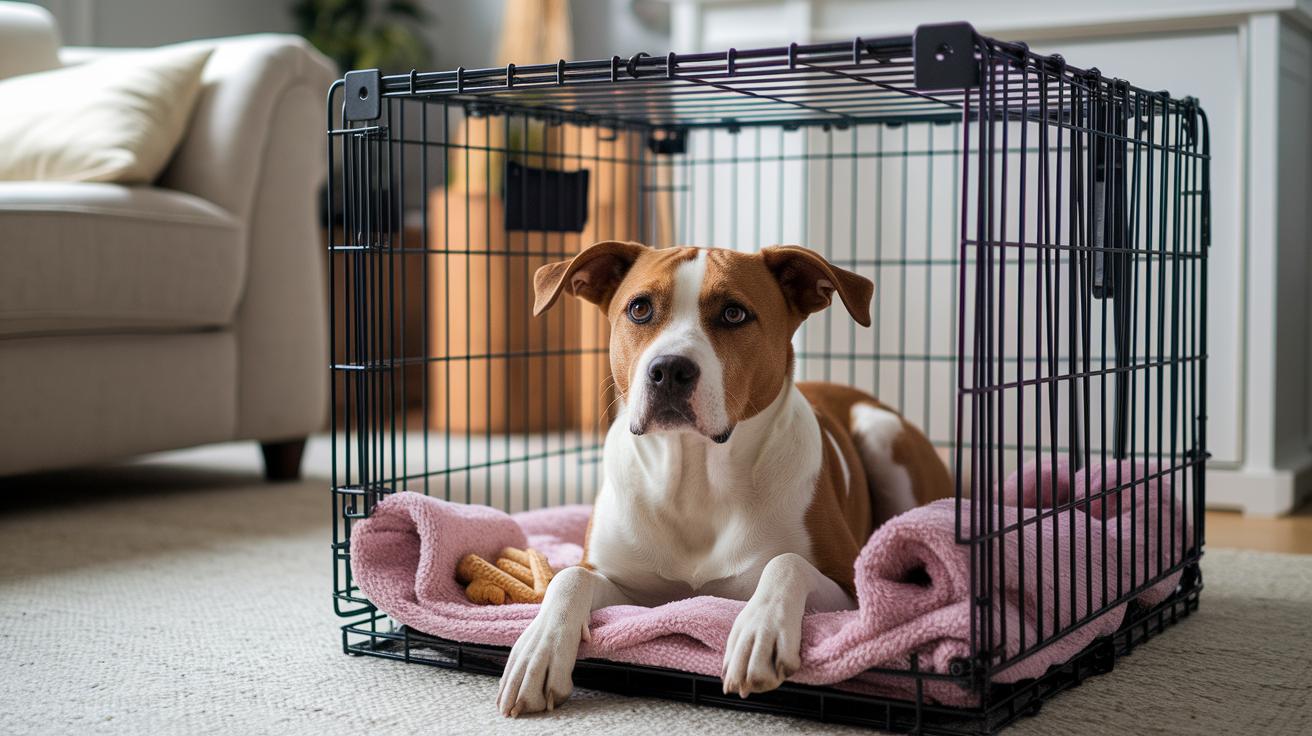
Start by picking a crate that fits your dog perfectly. Follow the 2:1 rule, measure your dog from nose to base and double that number. Make sure the crate is wide enough for them to stand, turn, and lie down comfortably. Think of it like choosing the perfect toy; the crate should feel just right for your furry friend.
Next, turn the crate into a happy space. Pop in a soft, washable blanket and add an orthopedic mat if your older dog has joint pain. Leave the door open at first so your pet can wander in and out at their own pace. Scatter a few treats inside to grab their curiosity and ease any nerves.
Then, start training with short sessions. Use a friendly word like “crate” every time you guide your dog in. When your pup goes inside, give them a favorite treat as a reward. Begin with sessions that last about 5 to 10 minutes while you stick close by for comfort. Over time, slowly extend these sessions so your dog learns that the crate is a cozy place to relax, not a place to feel trapped.
Keep in mind that your goal is to create positive feelings, ease any anxiety, and help with housebreaking and bladder control. A bit of patience and lots of repetition will go a long way when teaching your adult dog to settle down in their new comfy spot.
Selecting the Right Crate for Your Adult Dog
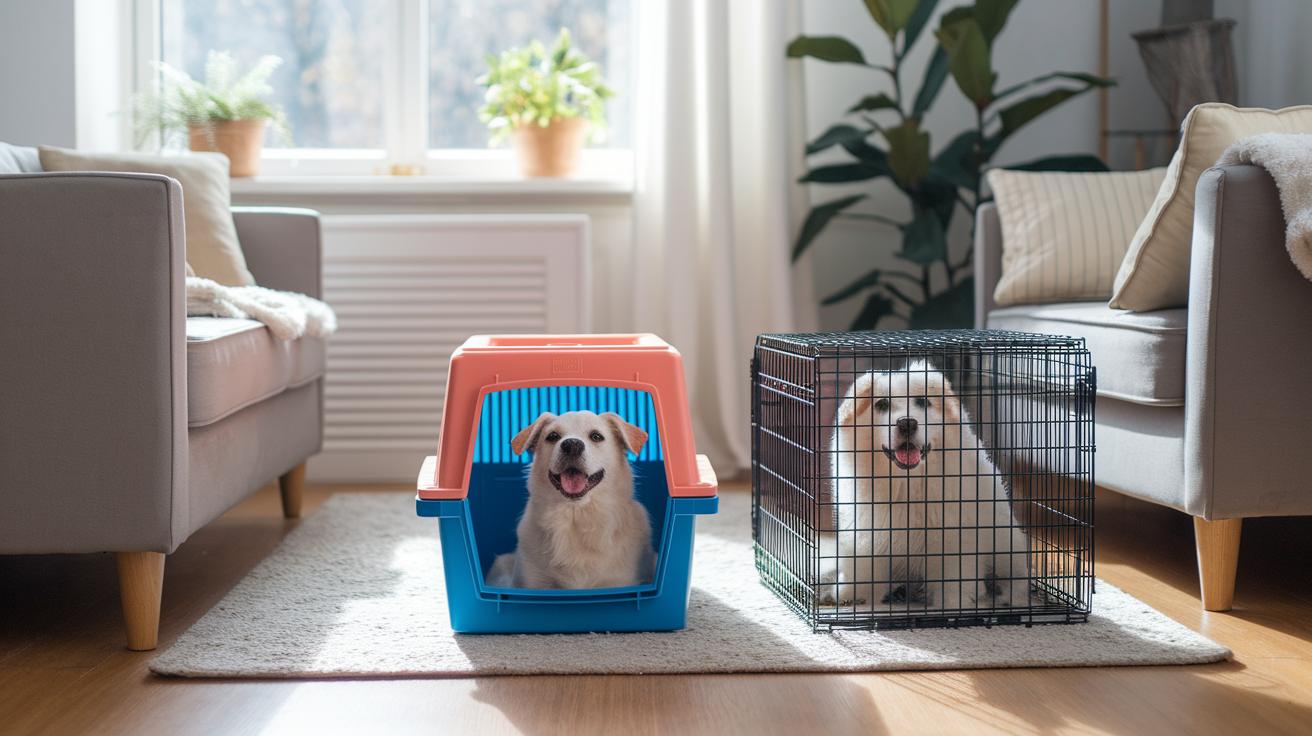
We already went over the basic Crate 2:1 Rule, but now let’s chat about choosing between plastic and wire crates based on your dog's personality and your cleaning habits.
Plastic crates offer a snug, private space, almost like a little den where your dog can relax if they need some quiet time. They’re tough and help a nervous pup feel safe. Yet if your dog spills a bit of water or has a small accident, cleaning up can be trickier since the plastic may hide spots that need a good wipe-down.
Wire crates let you keep an eye on your furry friend all day. Their open design and removable trays make it really easy to clean up after any little mishaps. However, that same openness might not give a dog who loves a little privacy the sense of retreat they crave.
| Feature | Plastic Crate | Wire Crate |
|---|---|---|
| Privacy | Creates a snug, enclosed space | Offers less of a private retreat |
| Visibility | Hides much of your pet from view | Lets you see your pet’s every move |
| Cleaning | Can be trickier if spills happen | Easy cleaning with removable trays |
| Durability | Sturdy and den-like | Might feel less secure for larger dogs |
Think about your pup: do they love curling up in a cozy space, or do they enjoy watching all the family fun? Also, consider your daily routine, would you prefer a crate that’s quick and simple to clean?
For example, you might say, "Many dogs feel less stressed when they’re tucked away in a quiet nook, while others seem to thrive by being a part of the family action."
Preparing a Comfortable Canine Crate Environment
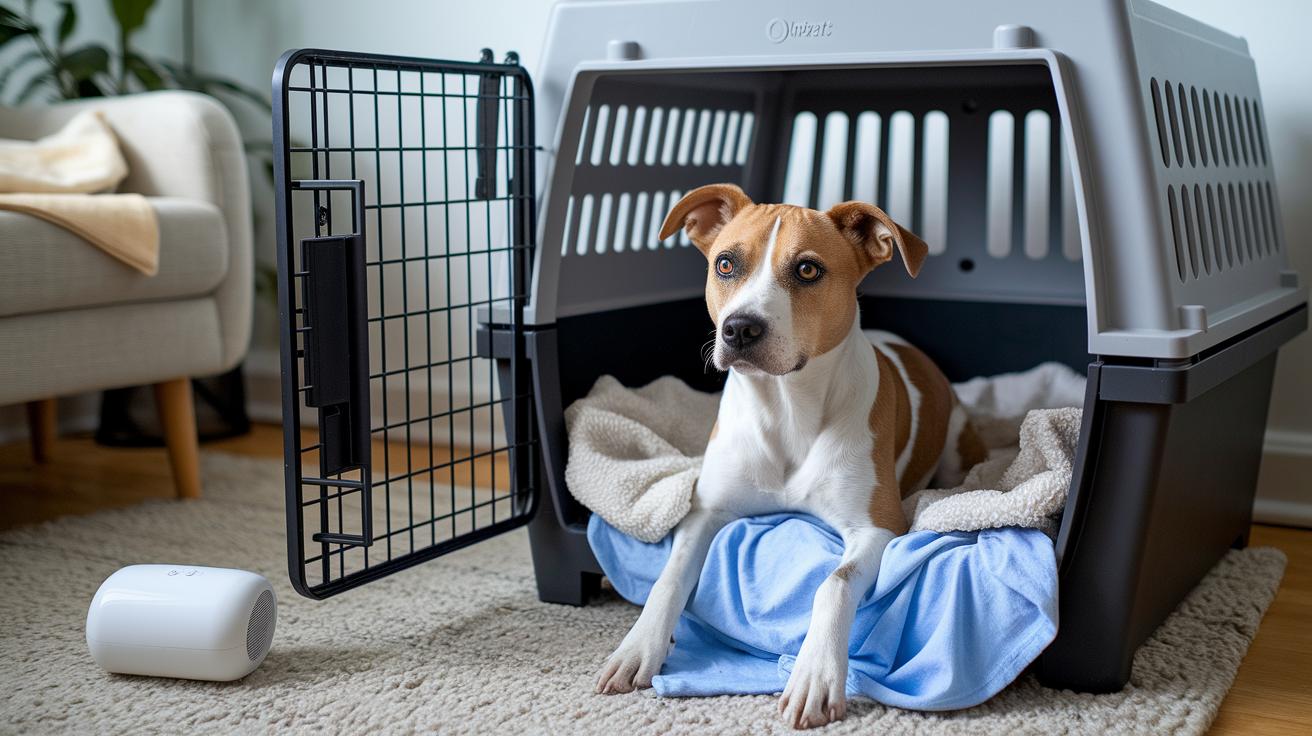
Start by making the crate feel like a little home. Use soft, washable bedding or an orthopedic mat (a comfy cushion that helps with joint pain) to add extra coziness. Toss in one of your old t-shirts so your dog gets a whiff of your familiar scent.
Next, set the crate in a quiet spot where your pet can still see what’s happening at home. Leave the door open so your pup can slowly wander in and out at their own pace.
You can also enhance the calm factor with a few extra touches. Maybe try a gentle pheromone spray (a mist that soothes pets) or a soft white noise machine. I once set up a low hum in the background along with my scent, and my dog settled right in.
Gradual Acclimation Techniques for Adult Dog Crate Training
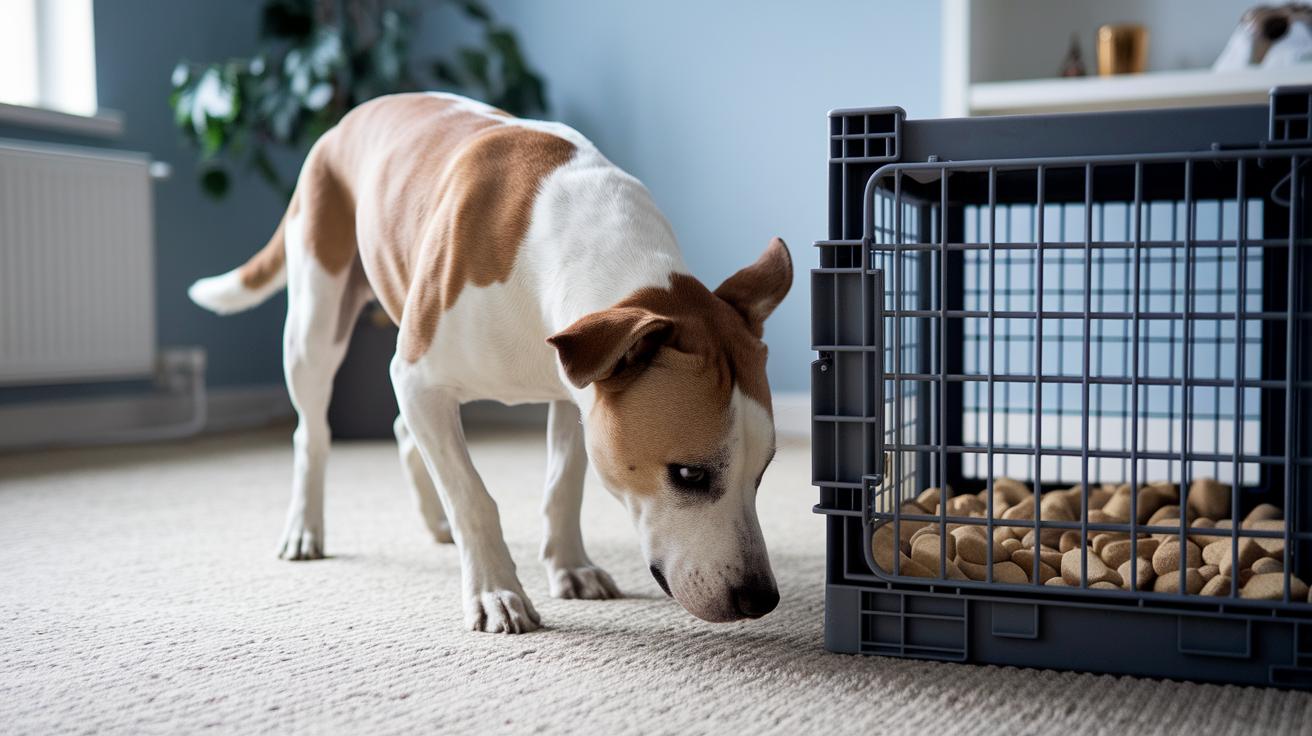
Start by letting your dog explore the crate at their own pace. Try placing a few tasty treats inside and use a gentle clicker sound as a cue. Feeding meals near the back of the crate can also help them see it as a calm, inviting space.
When your dog shows curiosity, close the door for a short 5–10 minute period while staying nearby. Use a soft tone and say something like "settle" to encourage relaxation. If your dog begins pacing or whining, take a break and soothe them with a gentle, reassuring voice. These repeated cues can lower their stress hormone (cortisol) and make the crate feel safer.
As your dog gets more comfortable, slowly lengthen the session and add extra cues. Pair a soft clicker sound with calm behavior while they rest in the crate. Research shows that linking a clicker with calm behavior can clearly signal a reward, which is especially useful if your dog feels a bit anxious.
If your dog continues to be restless, try introducing a calming phrase or a quiet background sound to ease the tension. Even simple adjustments, like using a soothing diffuser (a device that releases calming scents), can help lower stress and make the space feel more secure.
Troubleshooting Common Crate Training Challenges for Adult Dogs
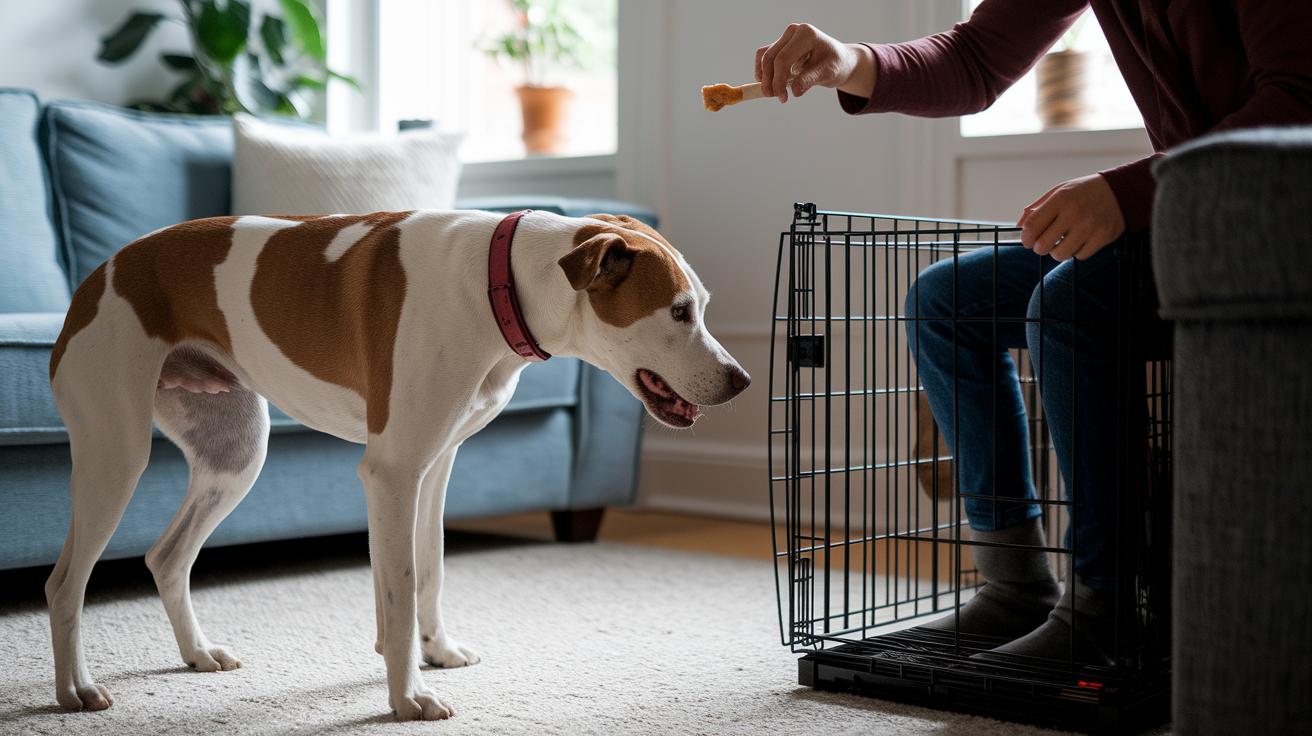
If your adult dog starts whining or barking right when the crate door closes, first check if it needs a potty break or a little exercise. A few minutes of playtime before crating can help calm its nerves.
If your dog is reluctant to go into the crate, try dropping in a tasty treat like a marrow bone or a spoonful of peanut butter. Speak softly and say a consistent word like "crate" to create a happy link between the cue and the reward.
Sometimes your furry friend may feel extra anxious on its own. To help, put something that smells like you, a worn t-shirt works well, or use a pet calming spray (a diffuser that releases soothing scents) in the crate. Start by closing the door for just 5 to 10 minutes and slowly increase the time as your dog gets more comfortable.
- Remove distractions during training sessions
- Keep sessions short and upbeat
- Reward calm behavior consistently
Watch your pet's body language closely. If it still seems stressed, slow things down a bit and offer extra comfort until it builds confidence in the crate.
Nighttime Crate Training Strategies for Mature Dogs
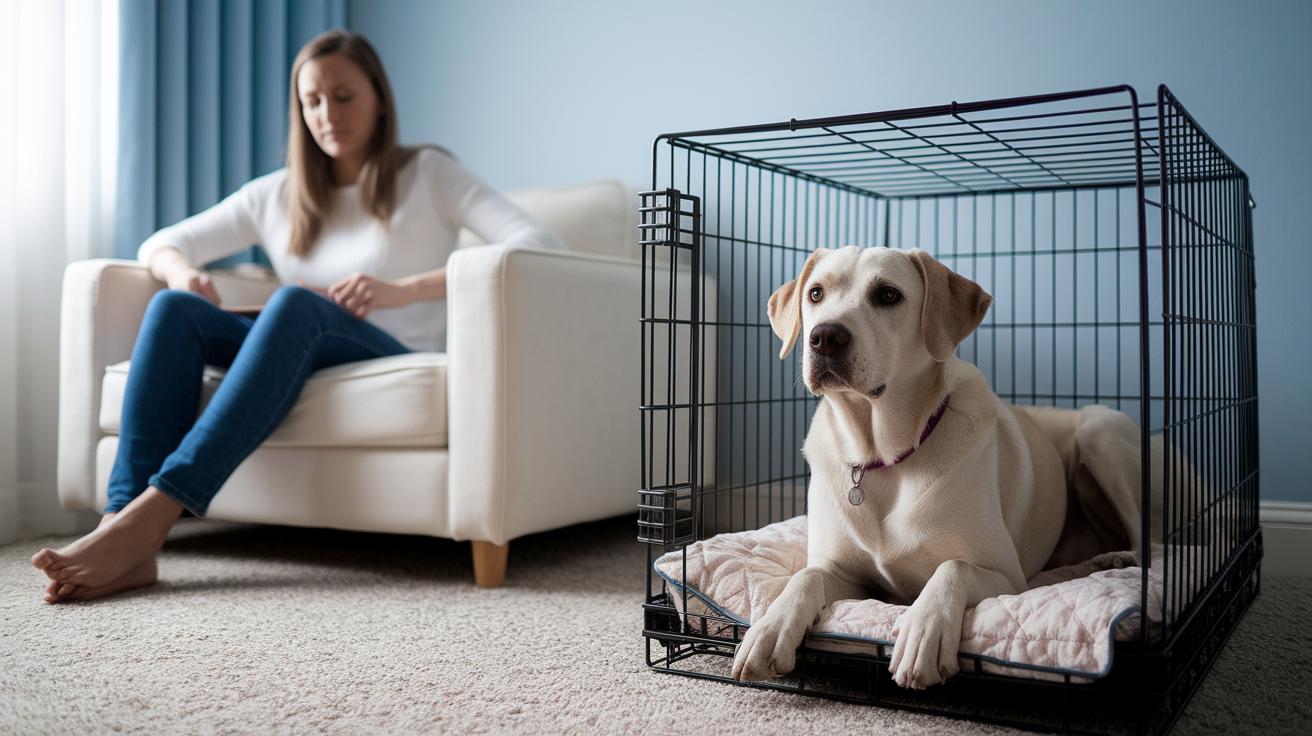
Start your evening routine with a late-night pee break and a little playtime. A quick walk or a few fun minutes with a favorite toy can help calm your older dog and lower the chance of any whining when bedtime comes.
Place the crate close to your bedroom so your pet can feel your calm presence nearby. Tuck in some orthopedic bedding that eases sore joints and makes the space extra cozy. For example, you might say, "A soft orthopedic cushion really made a difference in my old buddy's comfort."
A gentle white noise machine or a soothing pheromone diffuser can fill the area with soft sounds and smells. This calm background helps ease any anxiety your pet might feel. Then, slowly let your dog spend a bit more time sleeping alone in the crate as they get used to the nighttime routine.
- Give a late-night potty break
- Create a calm and supportive space
- Gradually increase the time alone in the crate
Maintaining Consistency and Long-Term Crate Success
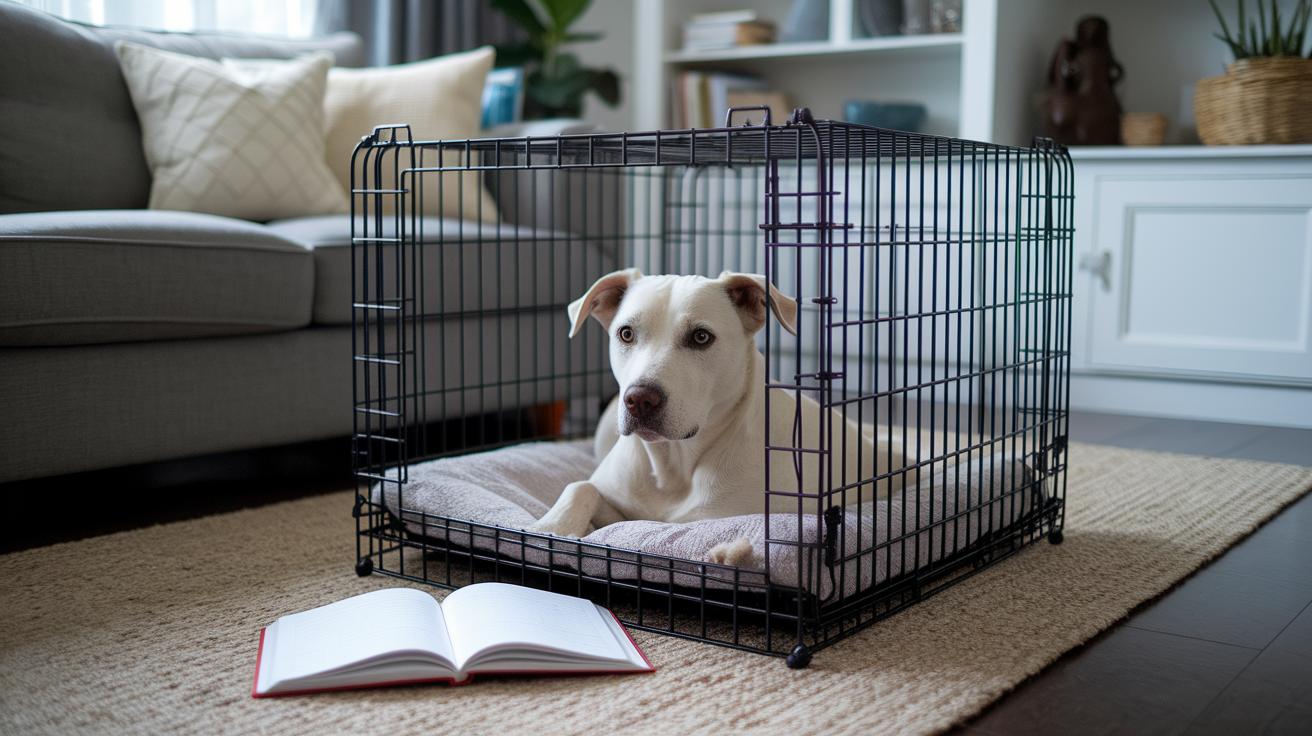
Keep a record of how long your dog stays calm in the crate. It helps you see progress and set achievable goals. When your pup enters on command without any fuss or settles quietly inside, celebrate those little victories!
Use your log as a guide. If your dog seems a bit unsettled, shorten the session a bit. Each session should be simple and brief, helping your dog feel more comfortable and confident over time.
By tracking these moments, you might notice patterns that show when a routine tweak is needed. Offer lots of praise and a favorite treat when your dog stays relaxed, and always make sure the crate is a safe, happy space, not a spot for punishment.
Consistent training gradually builds trust, and reviewing your log regularly lets you see those improvements. Stick with short, frequent sessions and friendly reinforcement, and you'll be on your way to long-term crate success.
Final Words
In the action, we tackled everything from selecting the right crate and setting up a cozy space, to step-by-step acclimation and troubleshooting common challenges. We broke down how to slowly build your pet’s confidence and create a soothing environment.
Tracking progress and celebrating small wins keeps training fun and positive. Remember, every small step counts in learning how to crate train an adult dog. Enjoy the process and keep watching your pet thrive.
FAQ
How to crate train an adult dog for the first time?
Crate training an adult dog for the first time means starting with short, calm sessions where you place treats inside the crate and offer lots of praise. This builds a friendly crate connection.
How to crate train an older dog with separation anxiety?
Crate training an older dog with separation anxiety means using comforting items like a familiar blanket and tasty treats while keeping sessions brief to help your pet feel secure.
How to crate train an adult dog at night?
Crate training an adult dog at night means placing the crate near your bedroom with soft bedding, giving a late potty break, and offering gentle reassurance for a peaceful sleep.
What is the 2:1 rule for crate training?
The 2:1 rule for crate training means choosing a crate that is twice as long as your dog, allowing enough room to stand, turn, and lie down without extra space.
How long does it take to crate train an adult dog?
Crate training an adult dog can take a few days to several weeks, as short and consistent sessions help your pet gradually feel comfortable and secure inside the crate.
Can an adult dog be crate trained?
Crate training an adult dog works for many pets with patience and consistency, showing that even later in life, dogs can learn to enjoy a safe space in their crate.
How to crate train a dog for potty training?
Crate training a dog for potty training means selecting the right crate size and scheduling regular breaks outside, which helps teach your pet bladder control and proper elimination habits.
How to crate train a 1-year-old or 2-year-old dog?
Crate training a 1-year-old or 2-year-old dog follows similar steps—using treats, a clear command to enter the crate, and gradually increasing the time spent inside while keeping sessions positive.