
Ever wonder if house training a rescue dog really has to be so hard? Many rescue pups actually love having a routine and clear signals. Once they feel secure, they pick things up quickly.
In this post, we'll share a simple plan that turns everyday tasks into effective training moments. With regular meal times, set bathroom breaks, and lots of positive praise (reward when your pup behaves well), you can build a steady routine that leads your pup to success.
Get ready to turn daily habits into moments of trust and understanding for you and your furry friend.
Fast-Track House Training for Your Rescue Dog
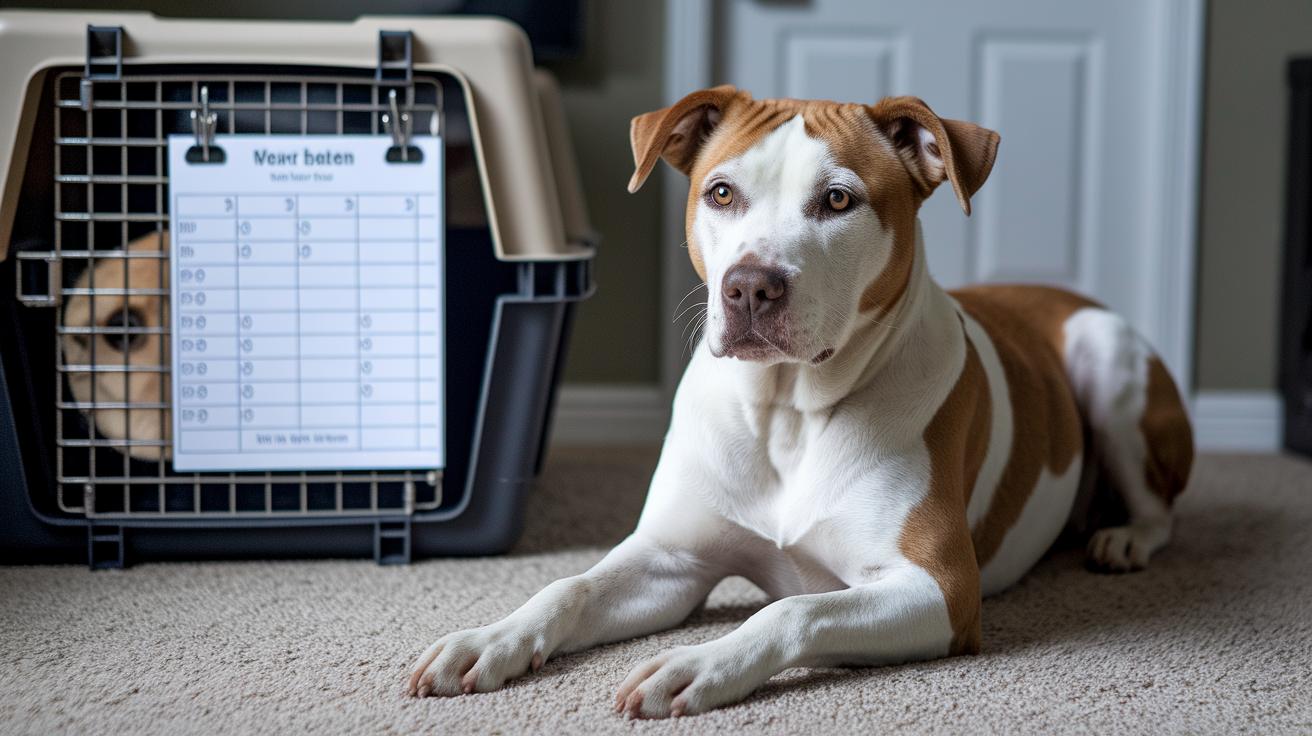
Rescue dogs usually pick up house training quickly. They love a steady routine and clear signals that help them feel safe and at home. A regular schedule from day one can ease any worries and set them up for success.
Starting with a set routine is key. Regular meal times, play sessions, and quiet periods tell your pup what to expect. This approach makes it easier for them to learn good habits and reduces stress for both of you.
- Fix feeding and bathroom times that match your dog's age and size.
- Stick to one outdoor spot for bathroom breaks.
- Take your dog outside every 2–3 hours and after naps or playtime.
- Use the crate during times when a bathroom break is needed.
- Praise or offer a little treat when your dog does well outside.
Patience and steady practice really pay off. With every small win, your rescue dog feels more secure, and house training becomes a fun part of your new life together.
Crafting a Consistent Indoor Routine for Your Adopted Canine
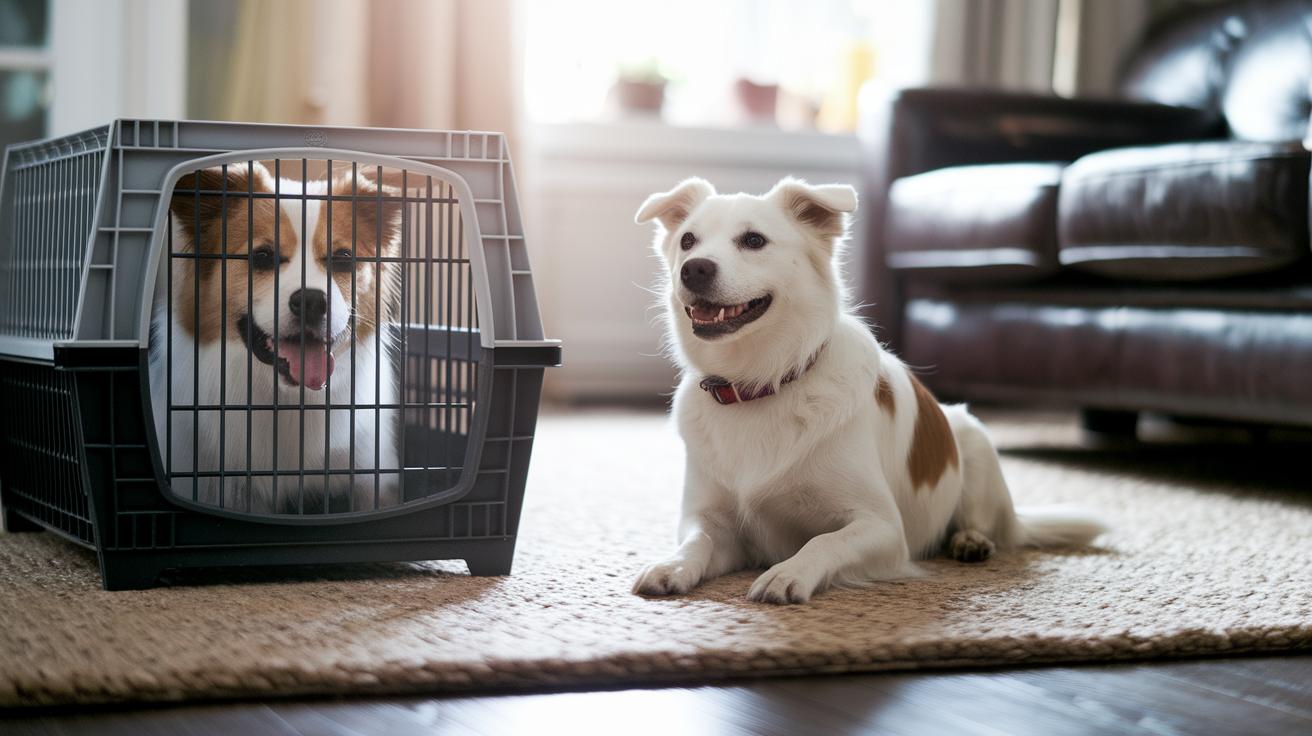
Having a steady schedule gives your furry friend clear signals for when it’s time to eat, play, or sleep. When your dog knows what comes next, it feels safe, kind of like knowing your favorite cozy spot is waiting for you.
Try setting fixed meal times, bathroom breaks every 2 to 4 hours, and little bursts of exercise. For instance, you might set an alarm that says, "It's time for lunch now." This simple cue helps your pup understand when to expect a break and builds strong daily habits.
Enhancing Your Routine
Add in some quiet rest periods and a set time for crate relaxation. This extra step supports house training while giving your dog calm moments, imagine a peaceful pause after a brisk walk. A gentle 10-minute crate break can be a great way to wind down.
Keep an eye on your dog and adjust the timing if needed. Every pup is unique, so a few tweaks here and there can help create a balanced, comforting indoor routine that fits your dog’s natural rhythm.
Mastering Crate Training for Housetrained Success

Crate training creates a cozy little den where your rescue dog can feel both safe and calm. It sets aside a special spot that helps your buddy develop good habits, ease stress, and slowly build confidence. Short sessions with the door left open, paired with a tasty treat or kind word, make the space feel welcoming rather than like a punishment.
| Crate Type | Use Case |
|---|---|
| Wire | Quick drying with an adjustable divider |
| Plastic | Great for travel and offers a den-like feel |
| Soft-sided | Easy to carry and perfect for a quiet start |
For best results, put the crate in a room where your dog can see you and feel part of everyday family life. Soft bedding makes it even cozier, and adding a favorite blanket or toy can help, especially if your older pup needs extra comfort. Make sure the crate is large enough for your dog to stand, turn around, and lie down comfortably (dog crate training tips). Start with short intervals and slowly lengthen the time as your pet adjusts without getting stressed. A mix of gentle cues and positive reinforcement really builds trust, setting your pup on the right path to a steady housebreaking routine.
Managing Potty Guidance and Indoor Accidents
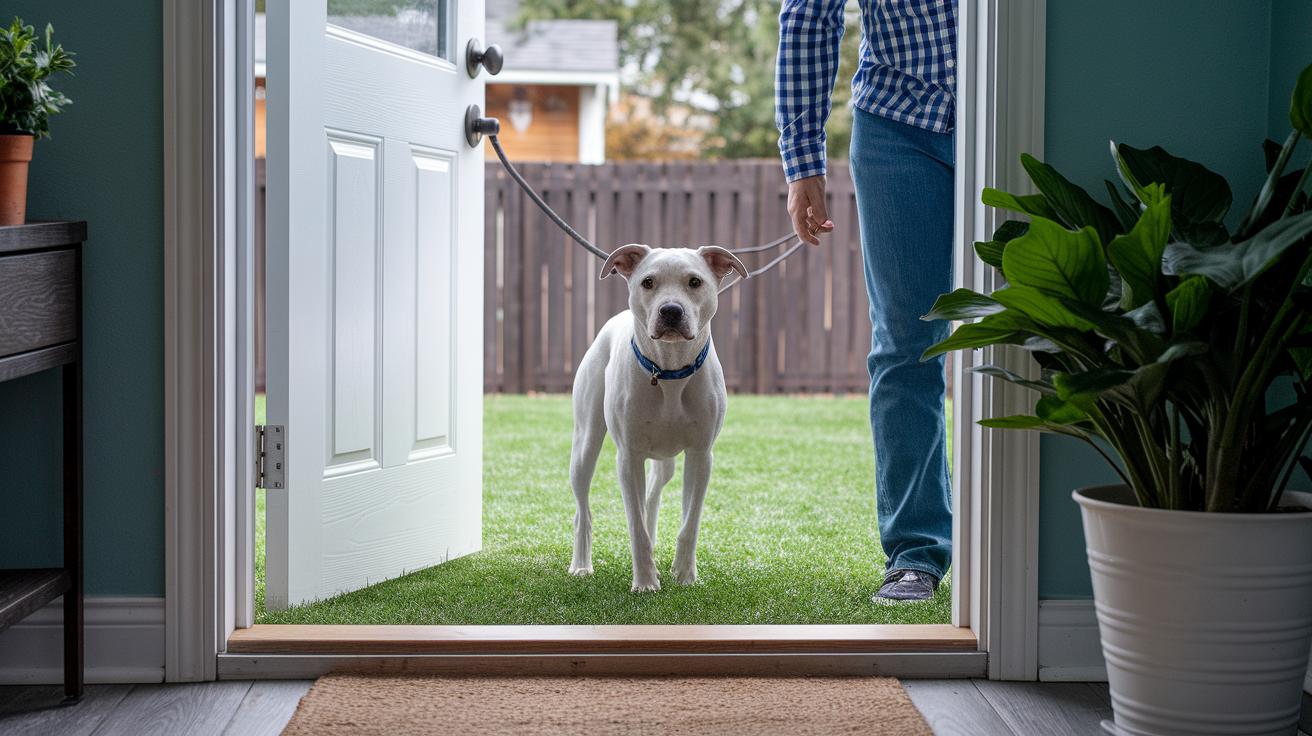
Adjusting to a new home means that indoor accidents are bound to happen. Even when everything seems fine, your rescue dog might have a slip-up from excitement, stress, or even smells from past accidents. It’s all part of learning, so both you and your pet can stay relaxed.
Identifying Accident Triggers
Keep an eye out for little hints. If your dog starts sniffing around, circling, or suddenly pauses, they could be looking for a spot to go. Noticing these signs early gives you a chance to gently steer them to the right place.
Stepwise Remedies for Mishaps
When an accident occurs, try to calmly interrupt the behavior. Then, lead your dog outside to their usual potty spot. And when they finish outside, offer a happy word or a small treat. This friendly routine helps show your pet what you expect.
Also, cleaning the soiled spot with an enzymatic cleaner (a cleaner that breaks down pet messes) makes a big difference. It helps remove the lingering smells so your dog won’t be drawn back to the same spot. With your calm approach and a little patience, you’ll soon see things back on track.
Transitioning from Indoor Training to Outdoor Elimination

When it's time to help your rescue dog learn outdoor habits, clear, simple cues really make a difference. A single word right at the door or at the outdoor spot tells your pup that it's time to go. This clear message helps shift your dog's mind from indoor pads or the crate to the fresh outdoors where nature calls.
Try these four easy tips. First, pick one special cue word and use it every time you bring your dog out. Second, gently lead your pup straight to the outdoor spot while repeating your cue. Third, be patient, give your dog a few moments to figure out what you mean. And finally, as soon as your dog goes outside, shower them with praise or a little treat. These steps help build a strong link between the cue and the behavior you want.
Soon, when your pup gets the hang of using the outdoor area, you can slowly remove indoor aids. Over time, your dog will become confident and happy with a simple and satisfying outdoor elimination routine.
Final Words
In the action, our guide showed practical steps for house training a rescue dog using a clear, steady plan. We looked at establishing fixed routines, making the crate a safe spot, and addressing accidents with calm corrections.
Each section brought a fresh, hands-on tip that helps reduce stress and builds confidence in pet care. With patience, consistent routine, and a little extra praise, learning how to house train a rescue dog becomes a rewarding, everyday success.
FAQ
How do I house train a rescue dog?
House training a rescue dog involves creating a consistent schedule with feeding, outdoor breaks, and crate sessions. This method helps your dog learn quickly by reinforcing good elimination habits using gentle praise.
How do I stop my rescue dog from peeing and pooping in the house?
Stopping indoor accidents means consistently watching for signs like sniffing or circling and quickly guiding your dog outside. Promptly interrupt, direct them to the outdoor spot, and reward them for proper elimination.
How do I crate train my rescue dog?
Crate training a rescue dog starts with short, rewarding sessions that familiarize them with a comfortably sized crate. This safe space supports house training by teaching them to hold their bladder until they reach the right spot.
How long does it take to housebreak a rescue dog?
Housebreaking a rescue dog depends on their age and past habits, with some adapting in days and others requiring several weeks. Consistently following a routine is key to steady progress.
What are the 3-3-3 and 10-10-10 rules for training rescue dogs?
The 3-3-3 and 10-10-10 rules provide structured intervals for care and rewards. They guide you to offer consistent breaks and praise, making it easier for your rescue dog to learn proper elimination behavior.
Can I house train a rescue dog in an apartment?
House training a rescue in an apartment works when you stick to a steady routine with regular outdoor breaks, crate sessions, and consistent scheduling. This approach helps your dog adjust to smaller spaces while learning good habits.
What resources can I use for training my rescue dog?
Trusted resources like Petfinder, PetSmart, Chewy, Adopt-a-Pet.com, the American Kennel Club, and the American Society for the Prevention of Cruelty to Animals offer useful guides, products, and expert advice to support your training efforts.