
Ever wonder if a vet check-up could save your pet's life? It might sound simple, but a quick visit can catch small health changes that you might miss during your daily cuddles and playtime. Think of it like a tune-up for your furry friend's body, a time when tiny issues get noticed before they become bigger problems.
Regular check-ups are like a safety net for our best pals. They help catch little shifts in health early on, keeping your pet happy, playful, and full of energy. Next time you see your pet's tail wag a little slower or notice a strange whiff, remember a visit to the vet could be just what they need to stay their joyful self.
Understanding the Importance of a Pet Check Up
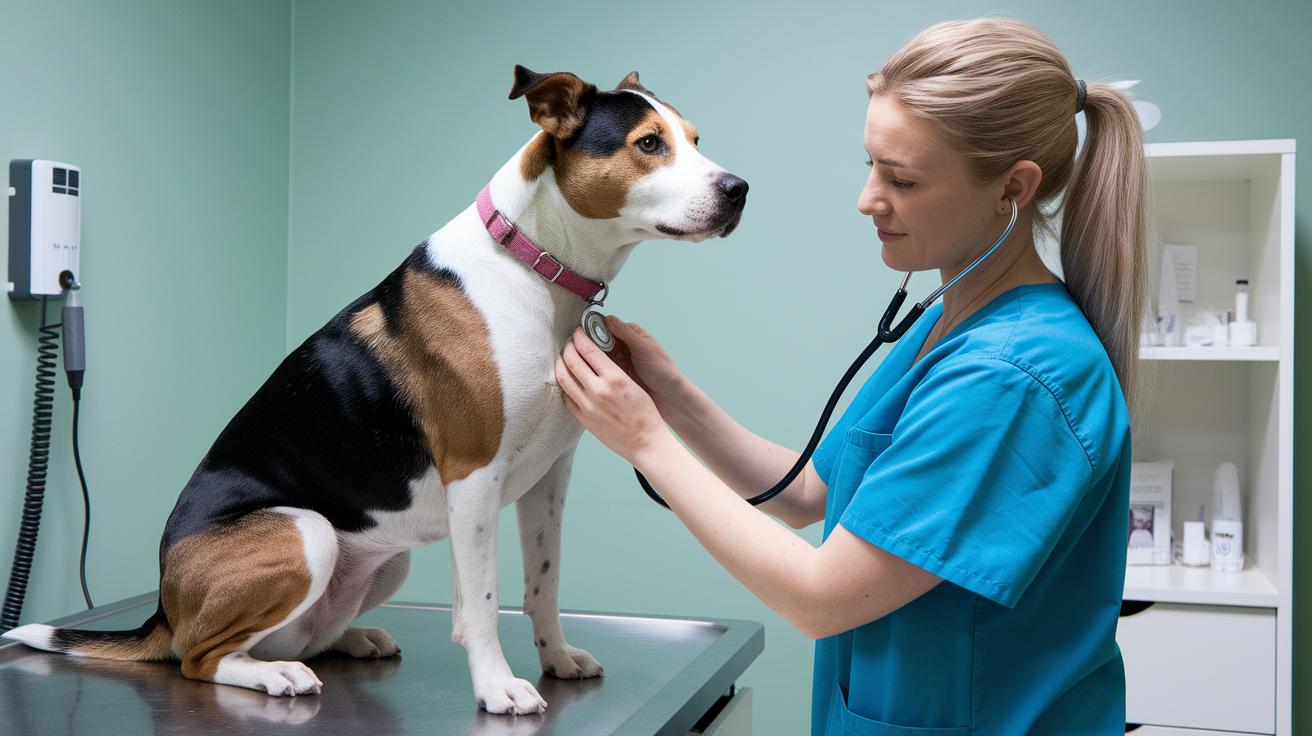
A pet check up is a regular exam that helps keep your furry friend in tip-top shape. Your vet reviews your pet’s health history, talks about any concerns, and gives them a gentle, hands-on exam. Sometimes, a small weight change might be the first hint that something isn’t quite right.
During the visit, the vet checks basic things like weight, temperature, heartbeat, and breathing (how fast your pet breathes). They might also run a few simple tests to spot early signs of changes in health. The vet looks at your pet’s eyes, ears, skin, and teeth too. If needed, vaccinations (shots that protect against diseases) are updated and steps to protect against pests like ticks, mosquitoes, and heartworm are discussed.
Regular check ups help catch problems early, which can lower treatment costs later on. This routine care not only makes your pet feel more comfortable and happy but also keeps them healthy enough to enjoy all the little joys every day.
Scheduling and Frequency of Routine Pet Check Ups
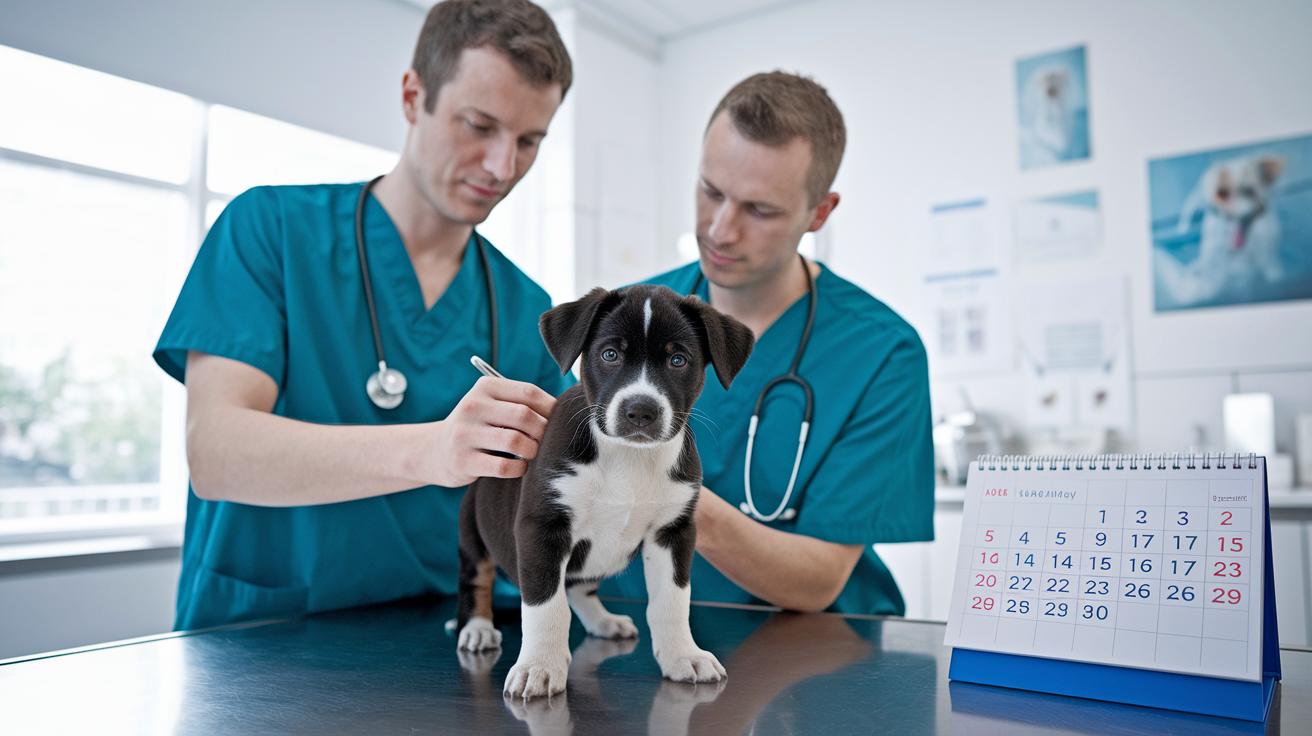
Most adult pets do fine with a yearly check up. But if you have a playful puppy, curious kitten, or a senior companion, it’s a good idea to see the vet every six months. These visits help catch changes early, like that extra burst of energy in a growing pup or tiny shifts in an older pet’s health that might otherwise slip by.
It’s a bit like setting a reminder for your own doctor’s visit. When you mark these dates, you can keep track of important things like shots, diet changes, and any new concerns that might pop up. And if your pet seems off or has a change in behavior, don’t hesitate to call the vet for an earlier check.
Regular check ups give your pet a better chance at early care, keeping them happy and healthy, day by day.
Common Procedures in a Pet Check Up
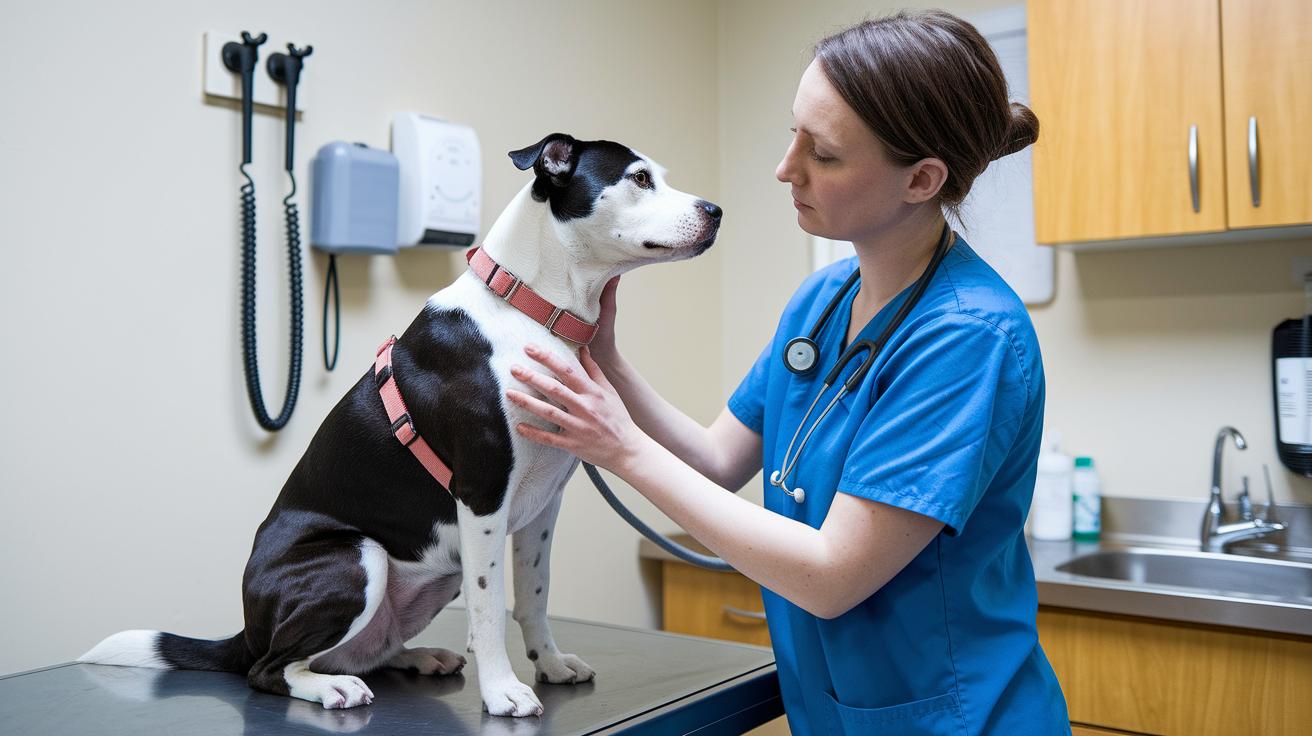
A pet exam gives you a hands-on look at your furry friend's overall well-being. The vet starts by checking key health signs like weight, temperature, pulse, and how fast your pet breathes (this helps us see if everything is normal). This simple check helps catch little issues before they become big problems, ensuring your pet stays comfortable and playful.
Next, the veterinarian takes a careful look over your pet. They examine the fur and skin for any irritation or pesky parasites. They also check the eyes, ears, and mouth (including the teeth) for any signs of trouble. Sometimes, the vet will gently feel the tummy and joints to spot any discomfort or hidden issues. Vaccination updates are an important part of the exam because keeping up with shots helps prevent diseases, and treatments for parasites like fleas, ticks, and heartworm might be given if needed.
If something seems off, the vet might order extra tests. This can include blood tests (to see how well organs are working) or urine screenings (to catch unseen issues). This careful process helps find small changes early, so treatment can start quickly and prevent more complex problems later on.
| Procedure | Purpose |
|---|---|
| Vital Signs Check | Assess basic health metrics |
| Dental Examination | Identify dental disease |
| Skin & Coat Inspection | Detect parasites and skin conditions |
| Abdominal Palpation | Check for internal pain or masses |
| Vaccination Review | Maintain immunity schedule |
| Blood & Urine Tests | Screen organ function and disease |
Cost Breakdown and Affordable Pet Check Up Options
Routine check ups can really save you money in the long run. When your pet sees the vet early for a minor health issue, you might avoid those big, expensive treatments later. Many clinics even offer special deals. One local clinic, for example, had a $25 exam for first-time visitors. That’s a great way to give your pet the care they need at a price that won’t break the bank.
Some places also offer financing options or wellness plans that let you spread out the cost over several visits. It might help to check out non-profit pet centers or clinics with sliding-scale fees. They often have low-cost vaccine clinics and routine exams available. This means you can pick a plan that fits both your pet’s needs and your budget.
By comparing prices for regular assessments, you can find the perfect option that doesn’t stress your wallet. One pet owner shared how switching to a community clinic saved her a lot on regular check ups, keeping her furry friend healthy while easing her budget worries.
Preparing Your Pet for a Check Up
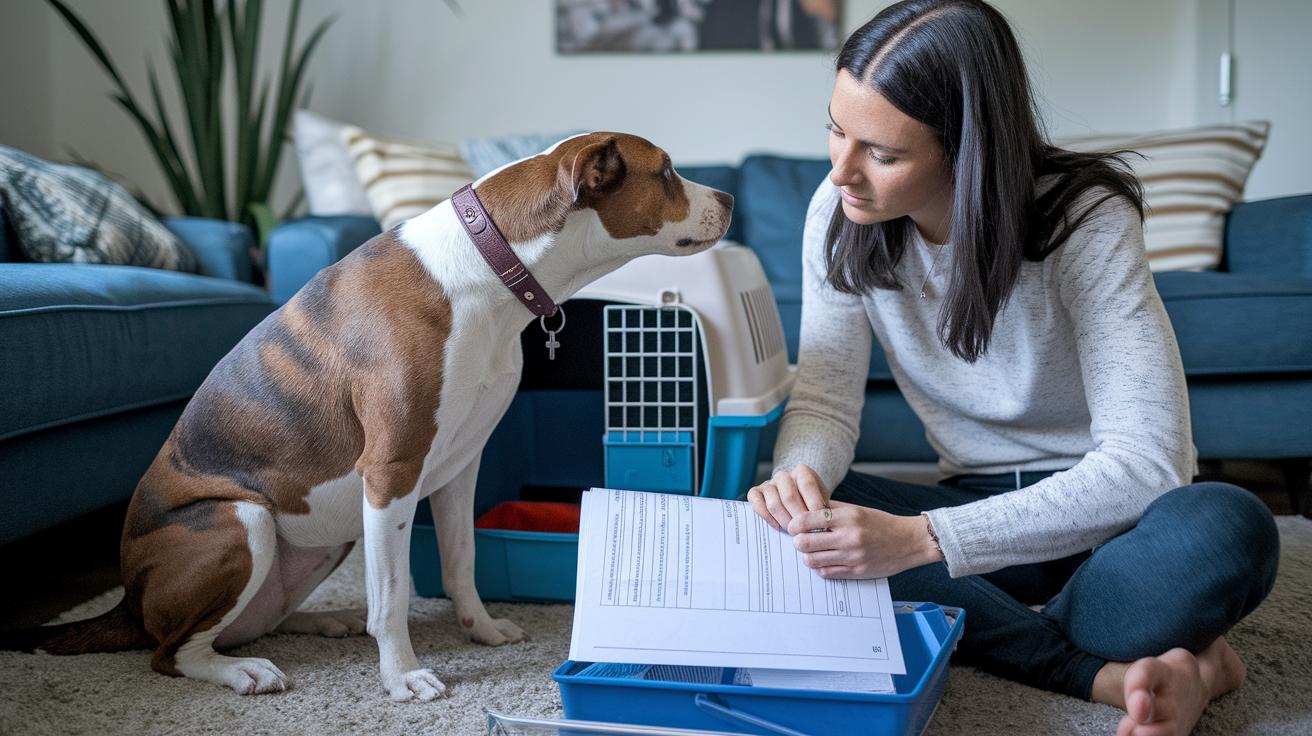
Getting your pet ready for a vet visit can really smooth things out and ease any jitters. Start by gathering their recent medical records and jotting down any new behaviors or health changes. This extra planning lets the vet see the full picture of your furry friend, making the exam thorough and calm.
It can also be a good idea to check if your pet feels okay with their travel items like carriers or crates before the big day. And hey, packing a favorite toy or blanket might just be the ticket to soothe their nerves.
Remember these simple steps:
- Gather recent medical records and note any changes or concerns.
- Fill out any pre-visit questionnaires from the clinic.
- Fast your pet if a blood test is on the agenda (fasting means not eating for a certain time).
- Help your pet get used to carriers or travel crates by taking short practice trips.
- Set a reminder for the appointment and bring along a comfort item like a toy or blanket.
For more details, check out how to prepare your pet for a checkup. These tips can help turn the vet visit into a positive experience for both you and your pet.
Post-Check Up: Follow-Up Care and Record Keeping

Once your pet’s exam is over, take a few moments to review the vet’s notes. This includes treatment plans, when to give medications, and test results. It helps you keep track of everything and plan the next steps. I always like to save these details digitally so they’re easy to find later. Plus, setting a calendar reminder for vaccines, tests, or that next check-up keeps your pet’s care running smoothly.
For pets with ongoing issues, maintaining a simple log can be a lifesaver. Write down any changes you notice in your pet’s eating or behavior. Keep track of dates for follow-up visits. Jot down any updates to medication or dosages. Watch for any shifts in weight or energy levels. And don’t forget to save copies of lab results and vet notes.
Using these tips, you can build an easy-to-follow history of your pet’s health. This approach helps you catch any changes early and ensures your furry friend gets the best care possible.
Choosing the Right Veterinarian for Regular Pet Check Ups
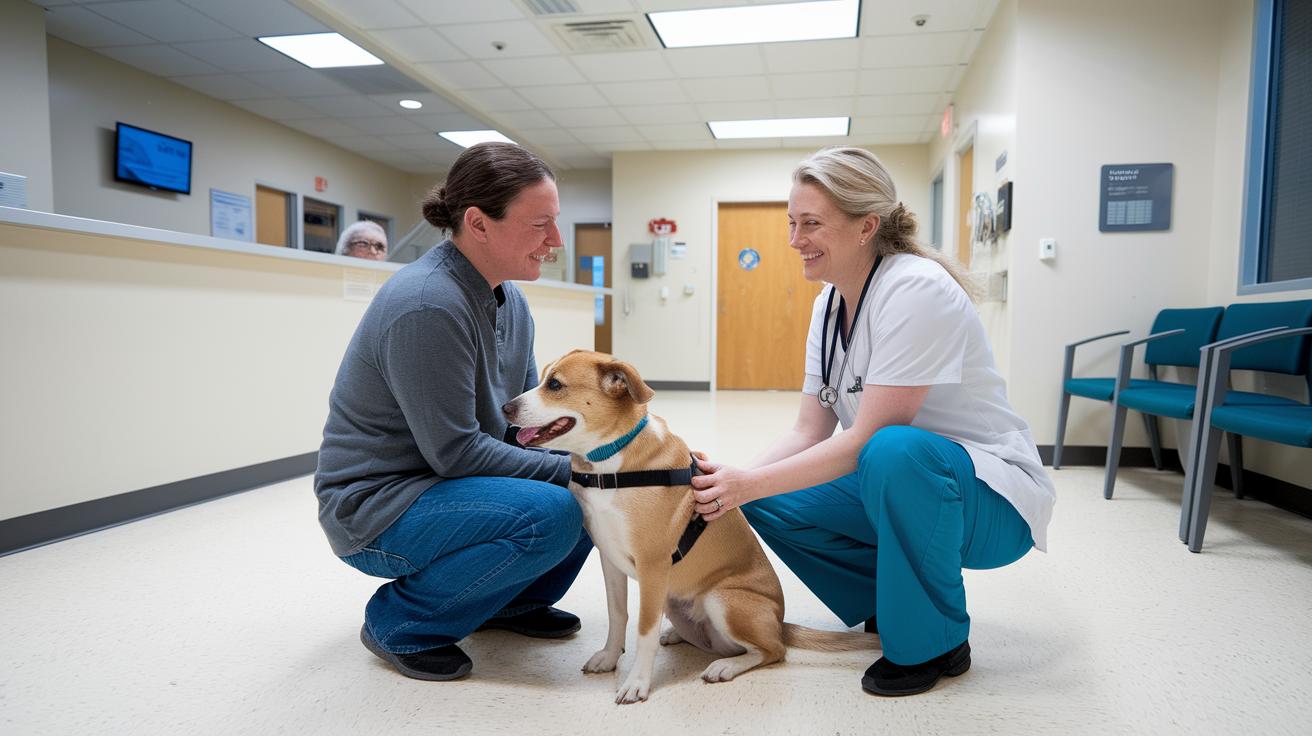
Finding a vet who truly cares for your pet is a big part of keeping them happy and healthy. Local clinics offer a variety of services, like care for internal issues, dental cleaning, and even special care for older pets. It’s best to pick a place that provides a full range of services and has a genuinely friendly team.
Visiting the clinic in person can give you a clear picture. When you see a clean, comfy space with cheerful staff, you know it’s a good fit for you and your pet. Many pet parents also love clinics that let you book online and have lots of positive reviews, making appointments stress-free and easy.
As you explore your options, ask about any introductory exam specials, flexible financing plans, or various payment options that help manage costs. A clinic linked to emergency care networks is another strong sign of a well-connected practice. For example, a visit to a trusted place like the binford pet wellness clinic shows you firsthand what to expect.
Chat about the services they offer, wait times, and the experience of their team. A vet who ticks all these boxes not only gives you peace of mind but also helps your pet feel secure and cared for. Caring for pets is priceless.
Final Words
In the action of planning your pet’s care, the article explored everything from why a pet check up is so important to what happens during the exam. It walked you through scheduling appointments, checking vital signs, and even managing costs. Each step showed how small actions can make a big difference in keeping your furry friend happy and healthy. Positive choices and careful planning lead to a brighter future for your pet. Embrace regular pet check up visits as a key part of a joyful, healthy life together.
FAQ
What pet check up services can I find near me?
Pet check up services near you include veterinary clinics and pet wellness centers offering routine exams. These facilities usually conduct health checks, vaccinations, and diagnostic tests to keep your pet in good shape.
How much does a pet check up cost, including annual dog and cat exams at places like PetSmart?
Pet check up cost varies based on services and location. An annual dog check-up and a cat check-up at stores like PetSmart may differ, with prices often ranging from low introductory fees to standard exam costs.
Are there free pet check up options available?
Free pet check up options exist at non-profit clinics or community centers offering sliding-scale fees. These centers sometimes host free vaccination or introductory health screening events for your pet’s well-being.
What does a typical pet exam include?
A pet exam consists of measuring vital signs, checking dental, skin, and coat health, and reviewing vaccinations. It may also involve diagnostic tests, ensuring your pet’s internal health and early detection of potential issues.
Are vet check-ups worth it for my pet?
Vet check-ups are worth it as they catch health concerns early, help avoid costly treatments later, and keep your pet comfortable. Regular exams maintain overall health and allow prompt care if problems arise.
Which major retailers offer pet check up services?
Major retailers like PetSmart, Petco, Walmart, Target, and even Chewy or Kohl’s provide pet check-up services. These options offer convenience and value, often promoting introductory specials for routine health evaluations.