
Ever notice how your pet's smile can brighten your day just like a nice walk? Taking care of their teeth isn’t just for fresh breath, it also helps keep painful gum trouble away.
Here, you’ll find a few simple tips that work like your daily routine. Start with a gentle scrub, almost like giving your pet a mini-spa treatment, and add a fun chew toy for a little extra cleaning power. A bit of daily care goes a long way in keeping your furry friend's smile bright and happy.
Essential At-Home Pet Dental Care Tips
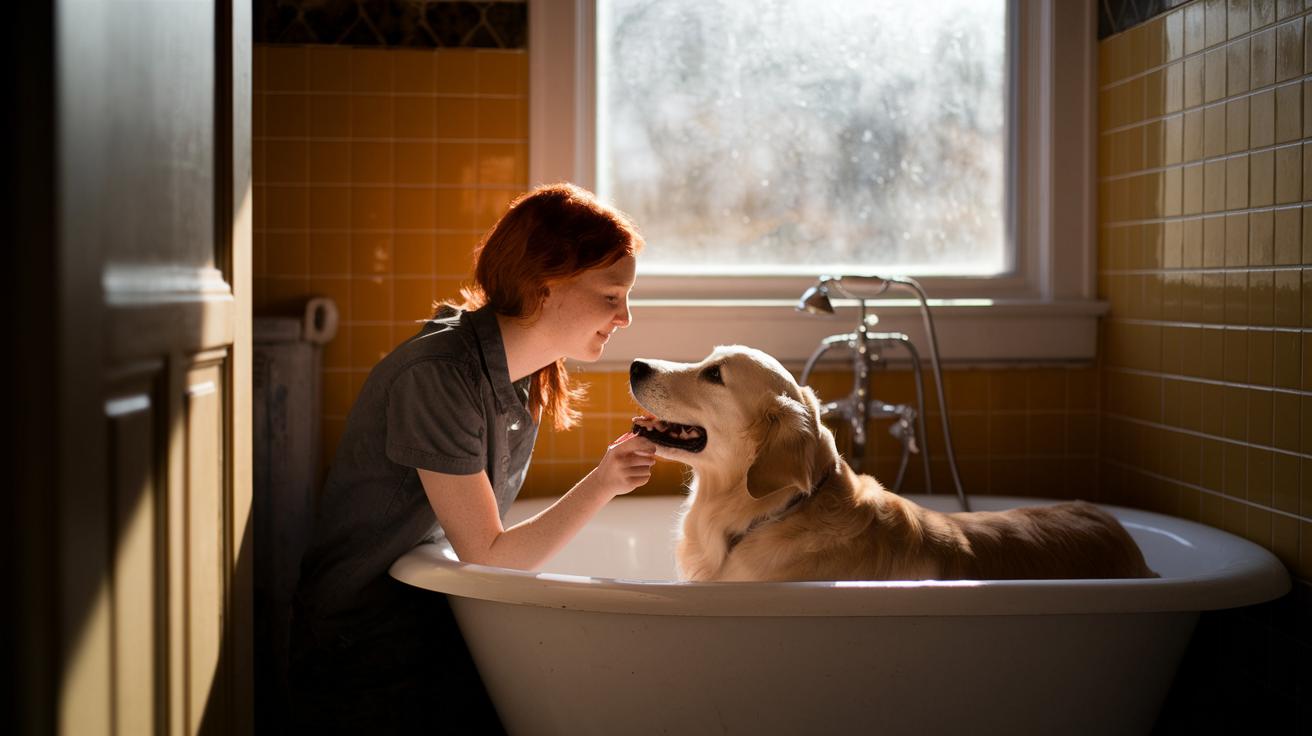
Starting a dental routine for your pet doesn’t have to take long. We suggest brushing your pet’s teeth every day if possible, or at least once a week. Use a toothbrush made just for pets with soft bristles and some toothpaste that’s safe to swallow. Think of it as your own morning routine, but gentler. For example, begin with a quick 10-second scrub on one side and gradually work up to 30–60 seconds per side. This little step-by-step method helps your pet feel good about brushing.
Another neat trick is to offer chew toys during play. These toys do double duty by clearing away food bits and plaque while your pet is having fun. And of course, always keep fresh water available. A pet fountain, which encourages more sipping, can help rinse away debris and keep gums and breath fresh.
Here’s a quick look at a basic at-home routine:
| Step | Description |
|---|---|
| Brushing | Use a pet-friendly toothpaste and a soft-bristled brush every day |
| Circular Motions | Gently clean the front, back, and biting surfaces of each tooth |
| Chew Time | Let your pet enjoy safe chew toys to help remove plaque naturally |
| Fresh Water | Make sure clean water is always available to help rinse away particles |
Just like how regular check-ups keep you healthy, these little steps help prevent gum disease and tooth decay in your pet. A little routine can go a long way toward keeping your furry friend’s smile bright and happy. For more daily care ideas, be sure to visit Preventative Pet Health at the link provided.
Step-by-Step Pet Teeth Brushing Techniques
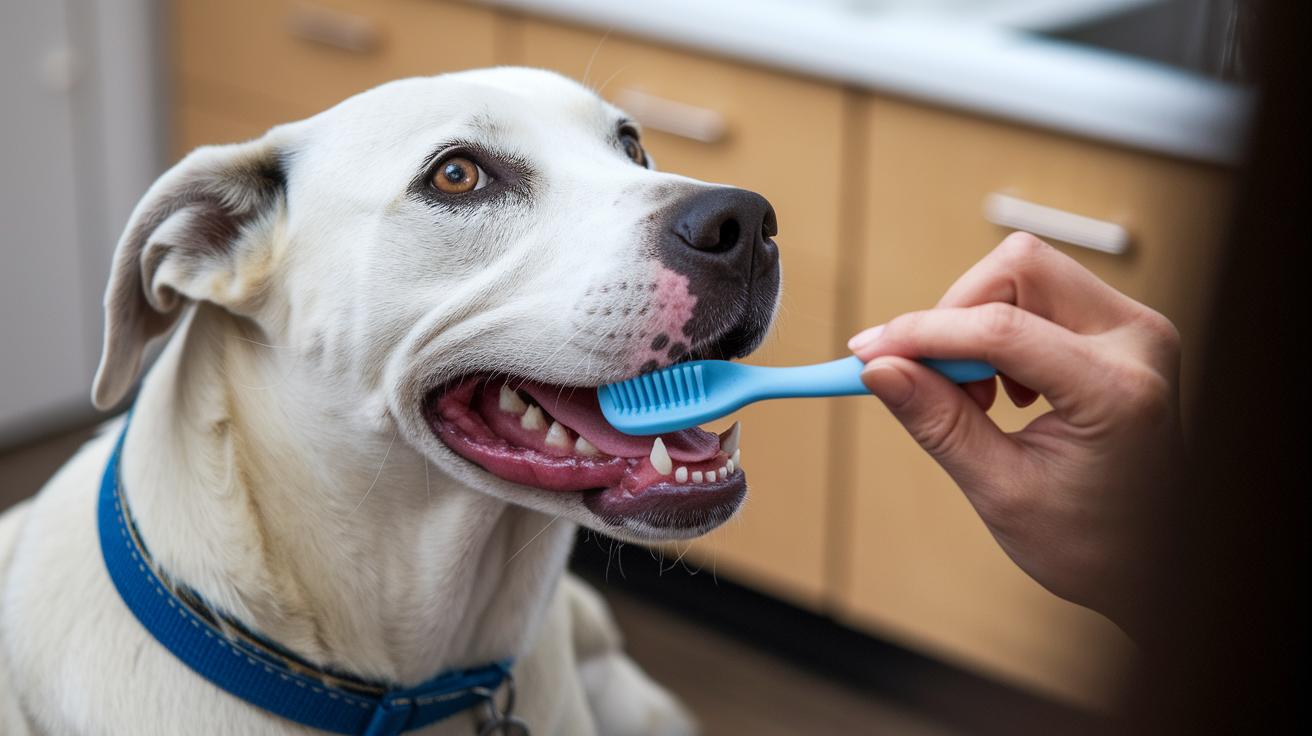
Start by choosing a soft brush with little bristles and toothpaste that’s safe for your pet. This helps keep off plaque (that sticky buildup on teeth). Begin by brushing each side for about 10–15 seconds, and then slowly work up to 30–60 seconds as your pet gets comfortable. At first, a little time is enough, and then you can add a bit more as your buddy gets used to it.
Next, gently brush in small, circular motions to clean every part of the teeth. Think of it like painting tiny circles to cover the front, back, and chewing surfaces evenly. It’s like giving your pet a mini spa treatment every time you brush.
Finally, treat your pet with a bit of play or a safe treat right after brushing. This little reward helps make brushing a happy, positive experience for both of you.
- Always start slowly and add time step by step.
- Clean every side using those gentle, circular strokes.
- Reward your pet to keep the routine fun and stress-free.
Pet Dental Care Tips for Happy Pet Smiles
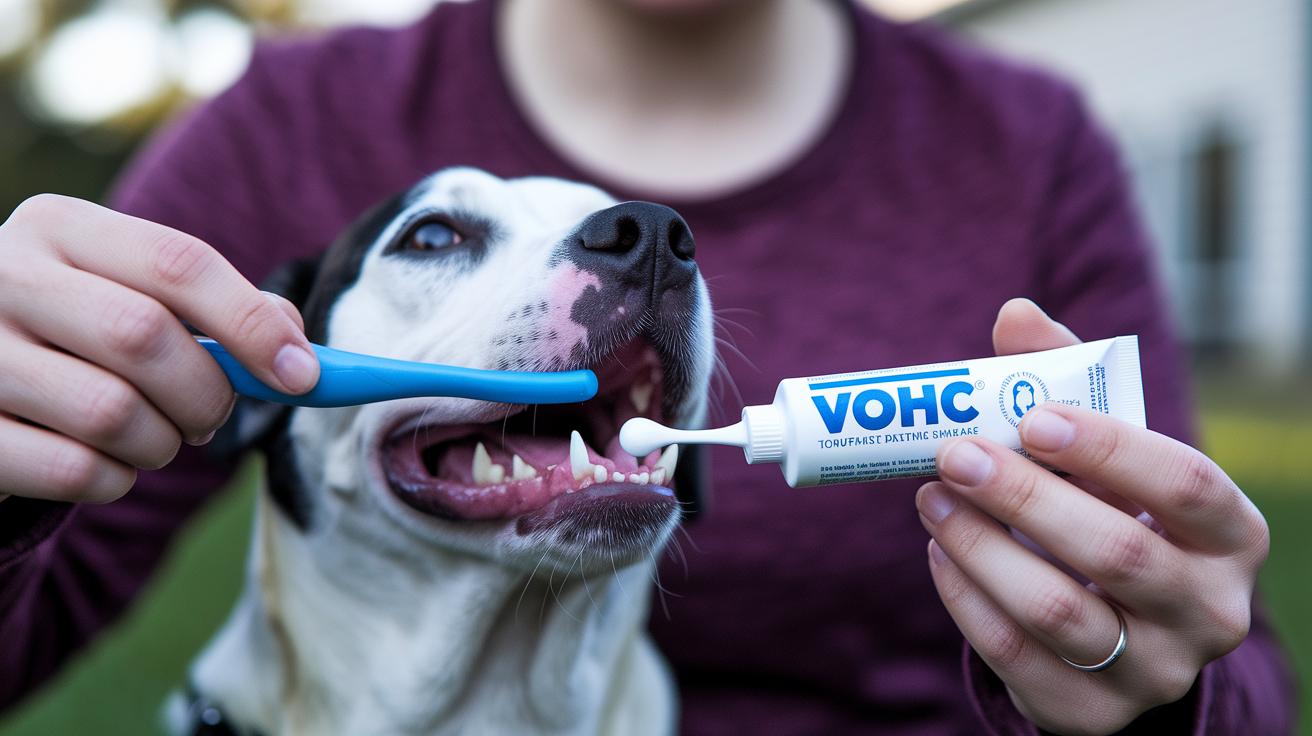
Caring for your pet’s teeth is a lot like giving them a big, warm hug, it keeps their smile bright and makes every day happier. Using the right dental treats and chews can help reduce plaque, just like a gentle brush clears off food bits. But remember, treats alone aren’t enough; a bit of regular brushing goes a long way.
Imagine a soft brush gently sweeping away tiny bits of food from your teeth. Chews act similarly but need to be balanced with brushing to get the best results. When you shop for chews, steer clear of ones that are too hard because they might chip a tooth. Look for products with the VOHC mark; VOHC means that pet experts have tested it to be safe. And don’t forget chew toys, they let your pet clean their teeth naturally during play.
It’s always a good idea to talk to your veterinarian to choose options that fit your pet’s age, size, and specific dental needs.
- Look for products with the VOHC mark.
- Avoid overly hard chews.
- Mix in fun, safe chew toys for everyday cleaning.
Taking a little time each day to pick the right dental care products can build a great routine, helping your pet keep that bright, happy smile every day.
Nutritional Strategies for Pet Dental Care

Feeding your pet a balanced, high-quality diet that fits their age and size is super important for keeping their teeth clean. Crunchy kibble can work like a little brush as your pet chews, scrubbing away plaque bit by bit.
Some special veterinary dental diets and raw ingredient formulas do even more. They’re designed with care to support general health and your pet’s dental needs. For example, a meal that mixes protein and fiber might inspire more vigorous chewing, which naturally cleans teeth while your pet eats.
It’s wise to skip too many starchy or sugary treats. They can lead to decay instead of cleaning your pet’s teeth, putting their gums at risk. Instead, choose diets that not only nourish but also help keep their mouth fresh.
Fresh water plays a big role too. A pet fountain can encourage your furry friend to drink more, naturally rinsing away leftover food and bacteria. This leads to fresher breath and healthier, cleaner teeth.
For more tips on keeping your pet’s dental health in check, check out the Organic Pet Nutrition Guide at https://ribbon.co?p=5991. A smart, well-planned diet can really help maintain that bright, healthy smile in your pet.
Recognizing Early Signs of Pet Dental Issues
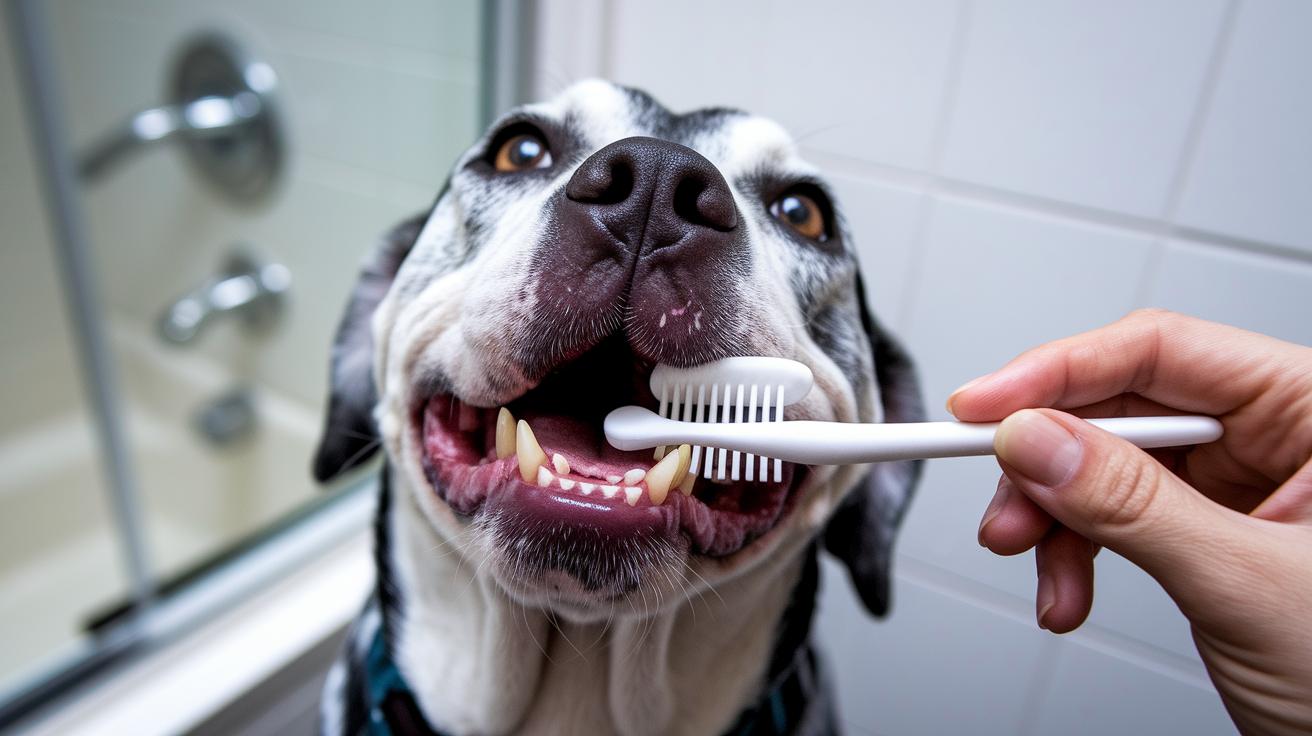
Keep an eye on your pet’s smile because even little changes can signal something important. If you notice your pet’s breath smells funky (that’s a fancy way of saying bad breath) or their gums look red and puffy, it might be time for a closer look. You might even see signs like extra drooling, weird discharge, or your pet pawing at their mouth when they try to enjoy a treat. These are all clues that your furry friend might be uncomfortable.
It’s key to catch these signs early. A quick, gentle routine, like a careful brushing session or a short rinse, might help manage these issues naturally until you can check with a vet.
- Watch for persistent bad breath.
- Check for red, swollen gums or signs of gum irritation.
- Notice if your pet drools too much or is hesitant to chew.
- Be alert for any unusual discharge or changes in eating habits.
Taking action at the first sign can help stop dental issues from becoming bigger problems down the road.
Professional Pet Dental Care Checkups and Cleanings
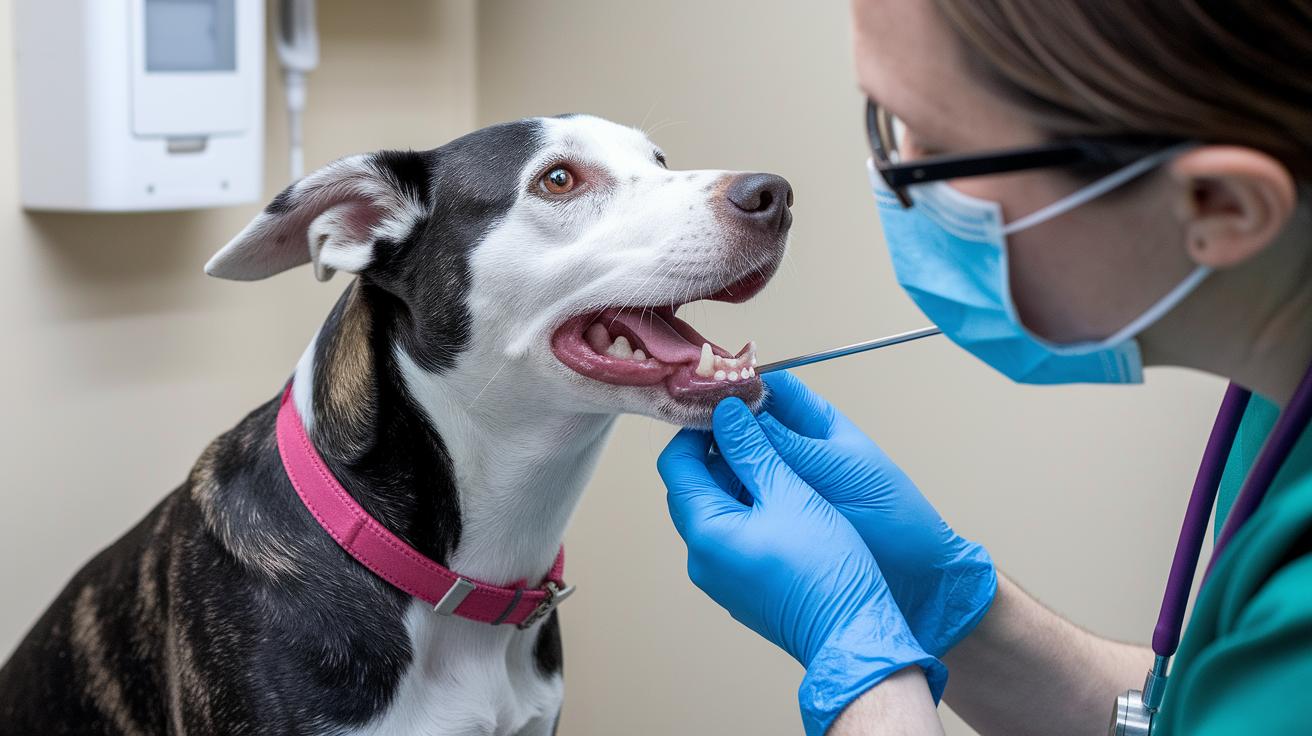
Regular trips to your vet for dental care are key to keeping your pet’s mouth in top shape. It's like getting your own teeth cleaned! These checkups involve a close look inside your pet’s mouth to catch any issues before they grow into big problems.
During a cleaning, your pet is given anesthesia (a gentle sleep-inducing medicine) so they stay calm and comfy. This helps the dental team thoroughly clean above and below the gum line and polish the teeth, which cuts down on build-up and guards against gum disease. It’s a gentle process meant to be as safe as possible.
Most pets should see the vet for a dental cleaning at least once a year. For smaller dogs or cats, or if you notice any early dental issues, twice-a-year visits might be a good idea. Regular exams allow the vet to spot problems early on, and if a tooth is too far gone, they might even remove it to keep your pet comfortable.
Sometimes, more complex cases may need oral surgery to fix deep-rooted issues that home care can’t handle. And for pets that need extra care, some vets offer mobile exams right at your home. Keeping up with these appointments isn’t just good for your pet’s smile, it’s a big part of staying healthy and cheerful every day.
Final Words
In the action, we've covered easy at-home routines like daily brushing and fun chew toys to keep your pet's smile bright. We talked about simple tips for using the right toothbrush, choosing safe dental treats, and picking balanced, crunchy foods that help clean teeth.
Remember, practicing these pet dental care tips makes a big difference. Every little step adds up to happier, healthier pets and plenty of playful moments together. Keep smiling with your furry friend!
FAQ
What are pet dental care tips pdf?
The pet dental care tip pdf can offer condensed guidance on brushing routines, safe products, and home techniques to prevent dental issues in pets. Check reputable pet health sites for downloadable tips.
What are pet dental care tips for humans?
The pet dental care tips for humans refer to advice for pet owners on caring for their pets’ teeth, not human dental advice. They help you create safe, effective at-home routines for your furry friend.
What are pet dental care tips for cats?
The pet dental care tips for cats involve gentle brushing with a pet-safe toothbrush and using dental treats to reduce plaque. These tips help maintain fresh breath and keep your cat’s gums healthy.
What are the best practices for dog dental care using home methods and recommended products?
The best practices for dog dental care combine daily brushing with pet-specific toothpaste, VOHC-certified chew toys, and following your veterinarian’s advice. This routine helps prevent plaque buildup and eases dental maintenance.
How can I get plaque off my dog’s teeth without brushing?
The method to remove plaque without brushing includes offering dental chews and toys that scrape plaque during play, plus encouraging water intake to rinse away debris, supporting your dog’s oral health.
What is the #1 most diagnosed oral problem for dogs?
The #1 diagnosed oral problem in dogs is periodontal disease—an issue of inflamed gums and surrounding tissues. Regular at-home cleaning and veterinary checkups help manage and prevent this common condition.
How to keep a dog’s mouth open to clean teeth?
The approach to keeping a dog’s mouth open safely involves gently holding the jaw while using treats to calm your pet. This gradual training and positive reinforcement make cleaning teeth more effective.
What are some pet dental facts?
The pet dental facts reveal that dental disease is common and can affect overall health. Regular brushing, dental treats, and professional checkups help maintain a bright smile and fresh breath in pets.
How can I find pet dental care near me?
The search for pet dental care near you helps locate local clinics and veterinarians offering dental services. A quick online lookup or referral from your veterinarian will connect you with trusted care providers.