
Ever wonder if your pet’s day is missing a little spark? Even just a few minutes of fun play can make a big difference. Imagine taking your dog for a brisk walk that turns into an exciting burst of energy, picture them leaping happily, tail wagging, and eyes bright.
A little extra playtime isn’t just good for their muscles; it also keeps their mind sharp. It’s like giving your furry friend a daily treat that boosts both strength and spirit. So, why not mix in some easy, joyful routines? Your pet will thank you with a happy heart and lots of love.
Proven Pet Exercise Routines for Optimal Health
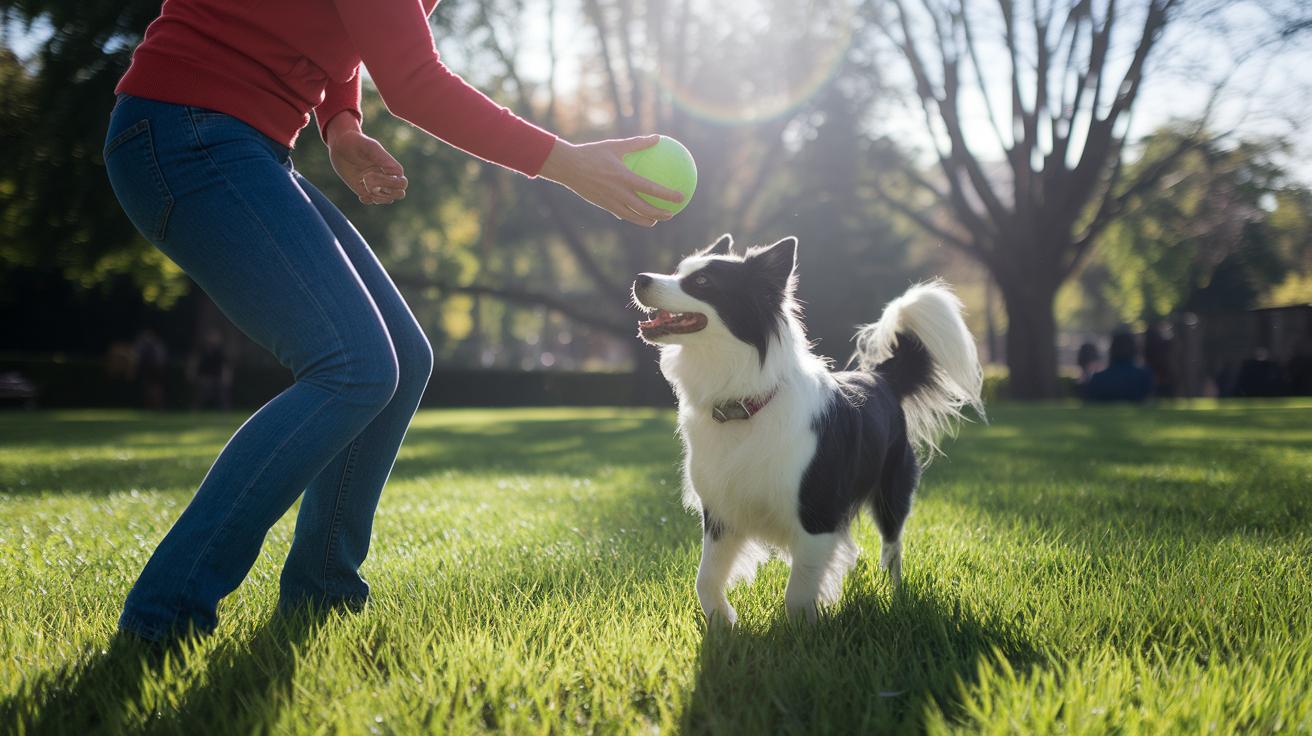
Regular exercise is super important for your pet's overall health. It builds strong muscles and keeps their mind alert. Active pets manage their weight better and don't act out from boredom. Sometimes, a brisk walk feels as refreshing as a cool drink on a hot day. Even playing fetch or taking a gentle run can make your pet more energetic and content.
Different pets need different exercise routines. High-energy dogs might need 60 to 120 minutes of activity every day, while those with moderate energy are usually happy with 30 to 60 minutes. Smaller or naturally calmer pets often do well with 20 to 40 minutes daily. For puppies, it's simple: about five minutes of exercise for each month of age, so a 4-month-old puppy should get roughly 20 minutes of gentle play. And senior dogs can really benefit from low-impact activities, like easy walks or even water sports to ease stiff joints.
Mixing physical activity with mental fun is a win-win. Running, hiking, and simple agility drills help boost your pet's strength and endurance, which is great for heart health (the heart is the muscle that pumps blood). Meanwhile, puzzle toys and scent games offer mental challenges that ease anxiety and keep boredom at bay. Imagine a cheerful pup switching from a game of fetch to solving a scent game, it’s a delightful way to boost both body and mind while deepening the bond between you two.
Customizing Pet Exercise Routines by Pet Type and Age
Dogs
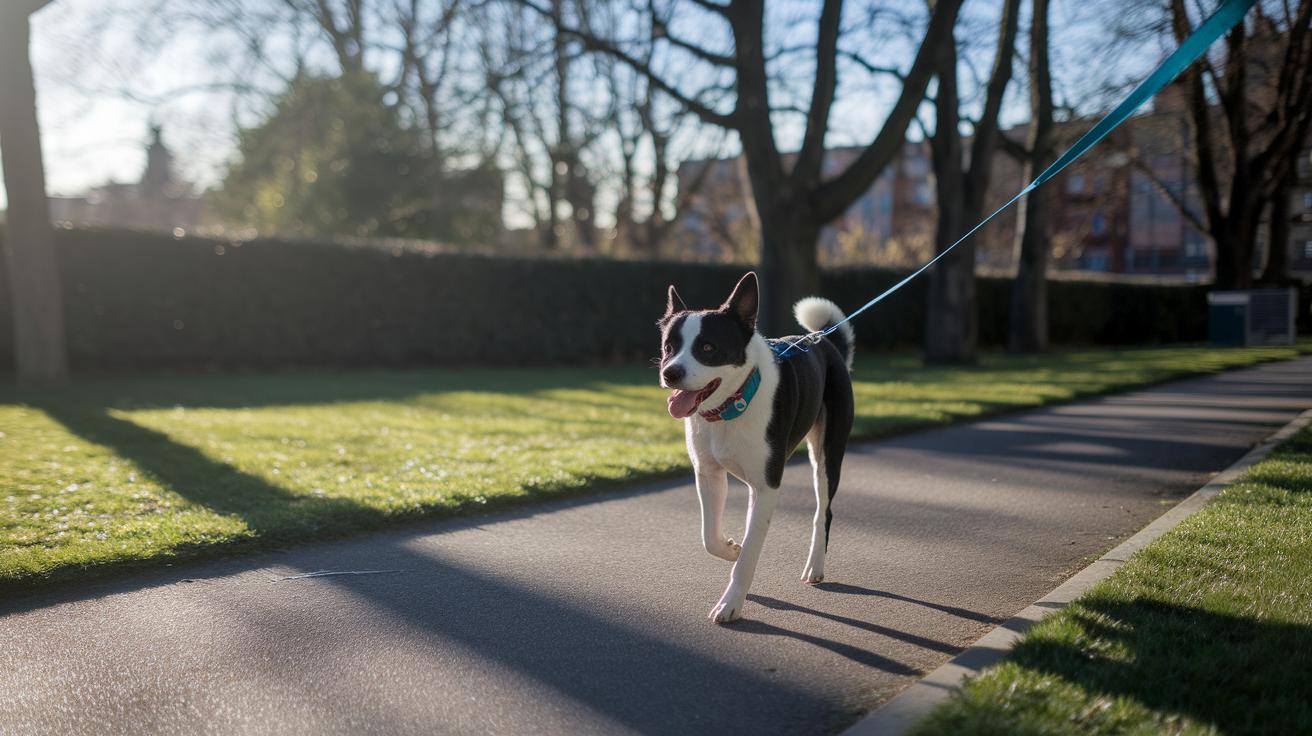
Dogs love a variety of activities that keep them moving and smiling. They’re happy with brisk walks, jogging, hiking, a refreshing swim, basic agility drills, and obedience training. Remember to adjust the pace to fit your dog’s breed, age, size, and any health issues like arthritis or heart concerns. For instance, you might see a bouncy terrier zooming along during a jog, while a senior pup would appreciate a gentle stroll. And sometimes, a simple game of fetch is just the perfect way for your dog to stay active. If you’re looking for a complete plan, check out a dog wellness plan that pairs exercise with diet and medical care.
Cats
Cats also need good exercise, but theirs comes from playful, interactive fun that taps into their natural hunting skills. Imagine using a feather wand, a laser pointer, or setting up a climbing tower. These tools encourage them to jump, run, and explore, which not only keeps them fit but also sharpens their mind. Picture your kitty pouncing on a dangling string, fun and fitness rolled into one!
Small Animals
Even our tiny pets, like hamsters and gerbils, need ways to explore safely. A running wheel, tunnel system, or chew-safe climbing toy works wonders for them. These setups let your little friends satisfy their urge to move and explore. A quick romp through a tunnel or a spin on a wheel can really boost their energy and keep them happy.
Each pet is unique, so tweak activities based on the time of day and how energetic they seem. That way, every furry friend gets the perfect routine to match its needs.
Scheduling Pet Exercise Routines: Duration and Frequency Guidelines
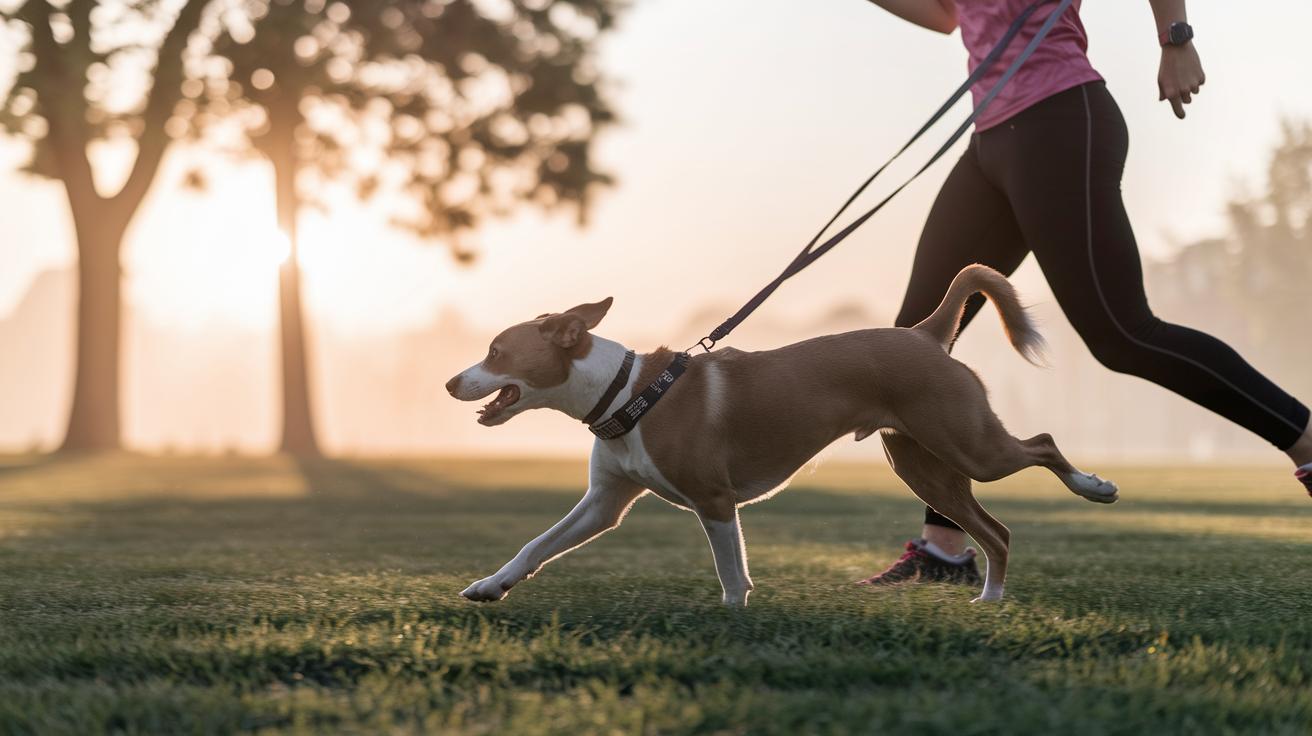
Setting up a routine exercise plan for your pet is a great way to keep them happy and healthy. When you plan each session by its length, it makes sure your furry friend stays alert and full of life. High-energy dogs might enjoy a long play session, while pups, older pets, or those with lower energy levels do better with shorter bursts of movement. It’s smart to work out when it’s cool outside so your pet stays safe and can take breaks with a bit of fresh water.
A steady routine helps manage their weight, burns off extra energy, and keeps their day exciting. You might even find that planning a play session feels like planning a fun outing with a best friend.
| Pet Category | Daily Duration | Sessions per Day | Recommended Time |
|---|---|---|---|
| High-Energy Dogs | 60–120 min | 2 | Morning & Evening (when it’s cooler) |
| Moderate-Energy Dogs | 30–60 min | 2 | Spread out during the day |
| Low-Energy / Small Breeds | 20–40 min | 1–2 | Short walks and gentle play |
| Puppies & Seniors | About 5 min per month of age (eg, around 20 min for a 4-month-old) / Short, gentle sessions |
2 | Low-impact, easy pace |
Tailoring the daily exercise to fit your pet’s unique needs keeps them spirited and content. Keep an eye on their energy levels and adjust the sessions as needed, so every workout feels like a fun adventure for both of you.
Benefits and Safety Tips for Effective Pet Exercise Routines
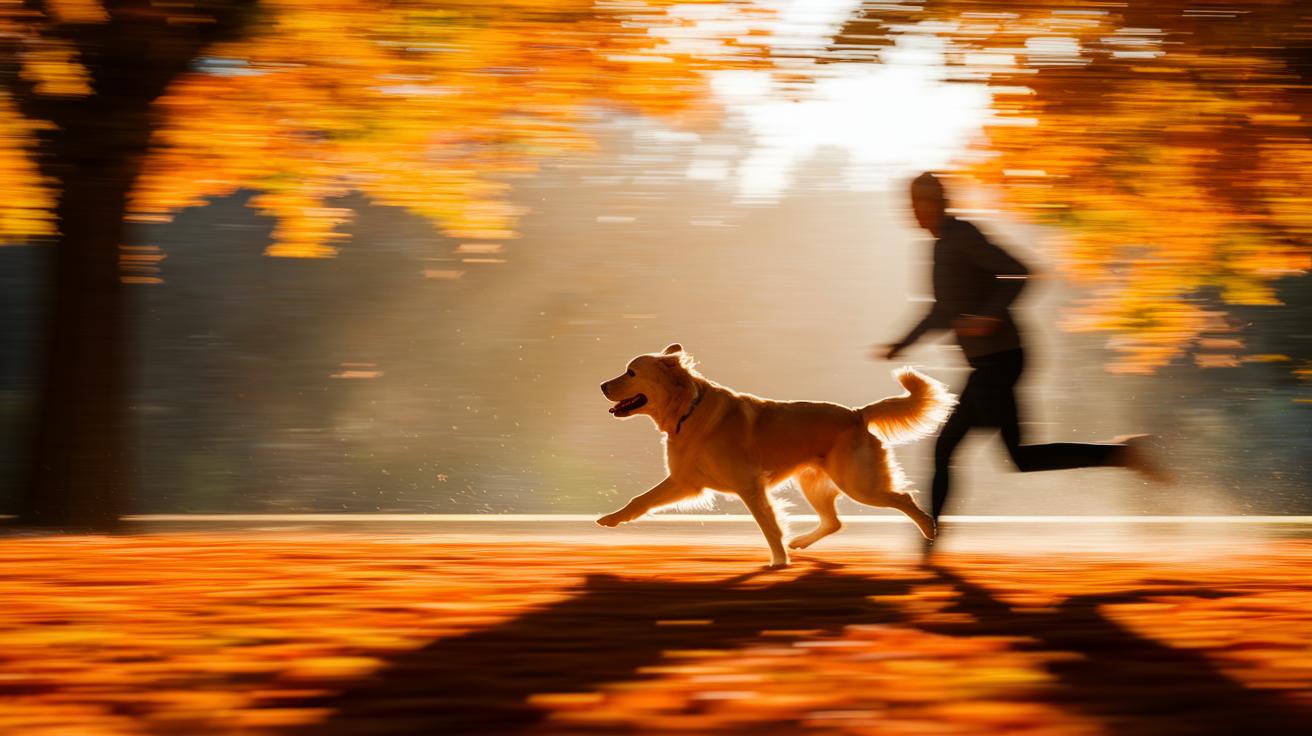
It feels great to see your pet moving around happily. Regular exercise not only makes them full of energy but also strengthens their body and keeps them feeling good. Picture your furry friend dashing about, their little heart pumping steadily, and you know they’re on the right path to being healthier.
Exercise does a lot for your pet. It keeps their heart strong and helps their muscles firm up, which is perfect for keeping a good weight. Plus, a good romp or a playful stroll eases stress and sharpens their mind. After all, a well-exercised pet is usually calmer at home and less likely to act out because they’re not bored.
When planning exercise time, safety is key. Keep an eye on your pet and pause if they seem tired or start overheating. Using the right gear, like a sturdy leash or a secure harness, can help prevent slips and mishaps. And always check that the ground is clean and free of hazards before you begin.
If your pet has any health concerns, it’s a smart idea to have a chat with your vet before starting a new routine. Sometimes, blending exercise with a broader pet wellness plan can boost their overall fitness and comfort.
Every workout is a step towards a healthier, happier pet, and sharing that joy together makes each moment special.
Indoor and Outdoor Pet Exercise Routines: Top Activity Ideas
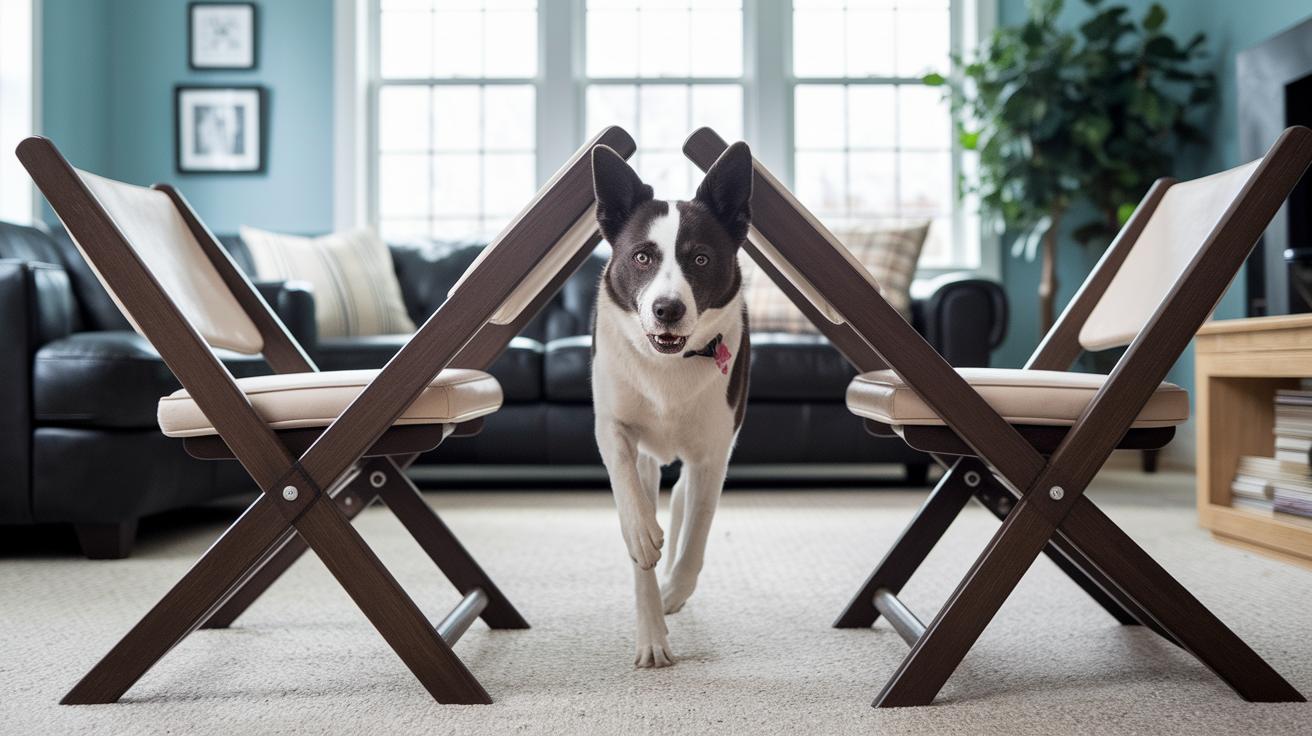
Imagine turning your home into a fun playground just for your pet. You can set up a simple indoor obstacle course using chairs and cushions or try a scent puzzle that sparks curiosity. Mix in games of fetch or tug with sturdy toys, like those long-lasting rubber dog toys, to keep things exciting, and even a few stair climbs or a laser chase can make indoor time feel like a mini adventure.
Now, step outside and let nature join the fun. A different route on your daily leash walk or a game of backyard fetch can fill your pet’s day with delightful surprises. Think about a supervised swim session or a stroll on a hiking trail, where every new sound and smell is a treat. For smaller pets, a safe playpen or a DIY agility course in your yard can create a special outdoor haven. Imagine your furry friend enjoying the breeze, feeling the warm sun, and moving happily in a space made just for them.
Advanced Pet Exercise Routines: Agility and Strength Conditioning
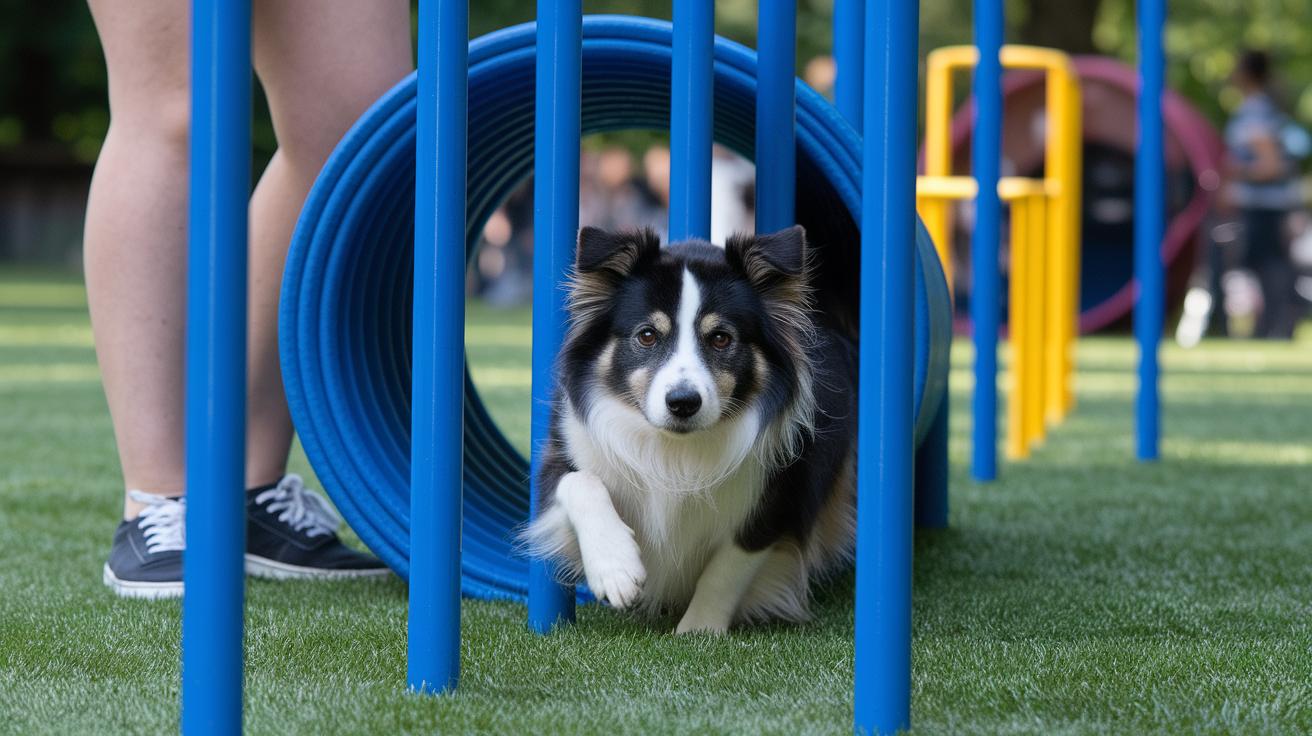
Agility Drills
Agility training can be a real treat for your pet. Setting up fun courses with weave poles, tunnels, and low jumps boosts your furry friend’s coordination and speed. Imagine your lively dog darting between poles like it's on a mini adventure. Each obstacle not only builds strength but also helps sharpen focus. Changing things up each week keeps the game fresh and exciting.
Strength Workouts
Strength workouts are all about building muscle and endurance. Try tasks like uphill walks, wearing a weighted vest, or enjoying a controlled swim. These activities give your pet a new challenge each time. Even cats can join in with a bit of light resistance play, like tugging at a treat. These exercises support joint health and muscle power, perfect for pets who love a bit of movement.
Cognitive-Physical Combos
Mixing commands with exercise turns routines into fun brain games. Ask your pet to do a quick command before facing an obstacle. This small twist makes playtime a bit of training, too. Alternating between following commands and free play keeps both the mind and body active and alert.
Combining these routines makes fitness fun, helping your pet become nimble, strong, and mentally sharp.
Tracking and Adjusting Your Pet Exercise Routines for Optimal Results
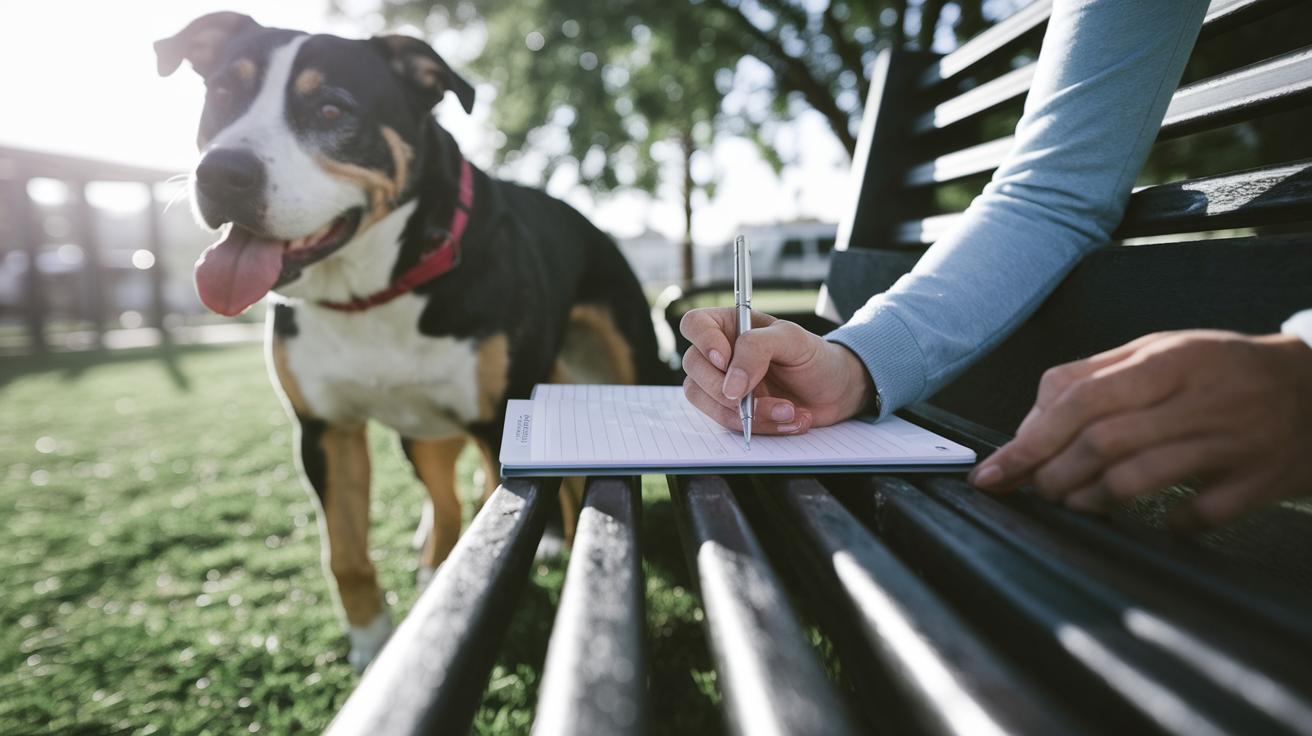
Keeping a record of your pet’s workouts is an easy way to see how they’re doing. Write down the type of activity, how long they exercised, and note their energy and mood during each session. Soon, you’ll notice patterns that can help you decide whether to add a few extra minutes or slow things down a bit. For example, you might see that your pup enjoyed a 30-minute brisk walk and was full of energy afterward, or that a gentler pace left them feeling a little low.
It’s also important to keep track of small details like their weight, body condition, or how easily they move their joints (joints are the places where their bones meet). These little measurements can tell you if your current routine is working or if it needs a tweak. Try setting small goals, like adding five minutes each week, and adjust the speed based on how your pet reacts.
Every three months, take a moment to review your notes and chat with your vet. This regular check-in can help catch any issues early so you can keep your pet’s routine just right for their needs.
| Date | Activity | Duration | Energy Level | Observations |
|---|---|---|---|---|
| MM/DD | Walk/Play | 30 min | High | Good mobility |
Integrating Nutrition with Pet Exercise Routines for Balanced Wellness
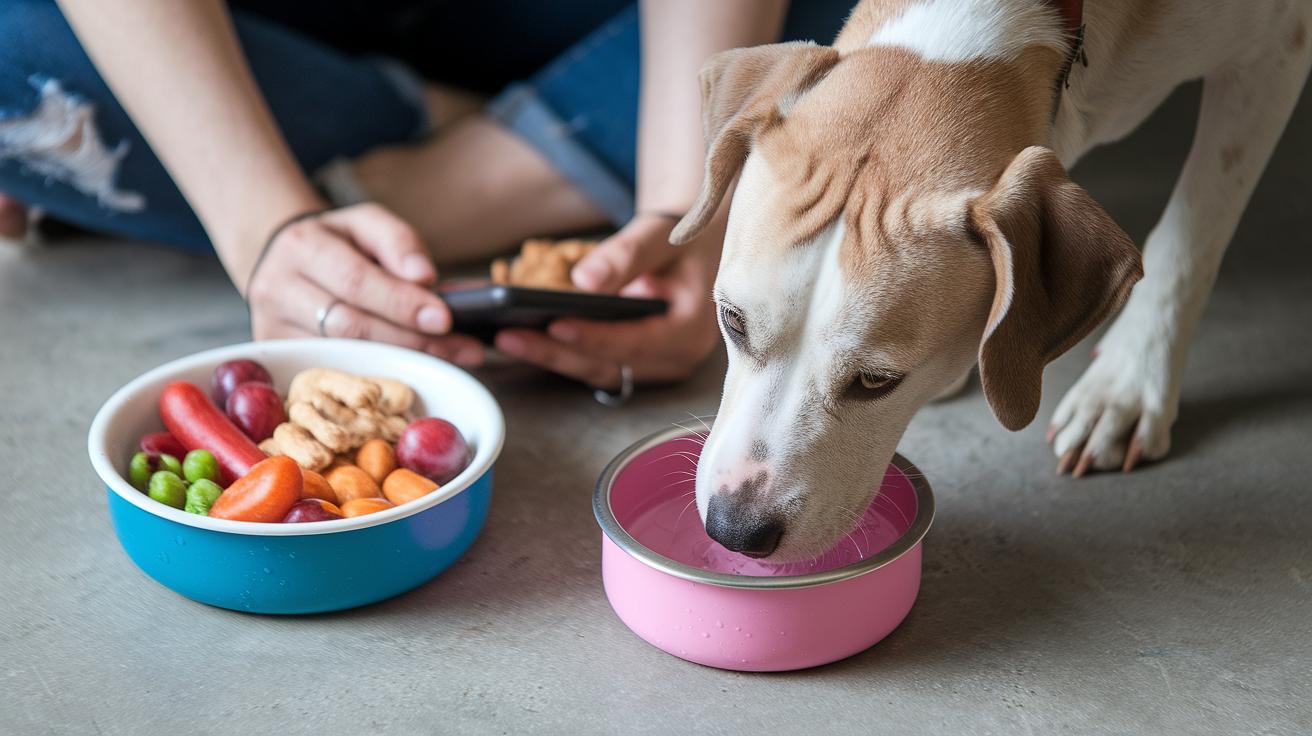
Matching your pet’s food to how much they move can really boost their play and keep them healthy. If your pet is full of energy, extra protein and more calories help fuel their active play. Meanwhile, older pets often do well with joint support supplements like UC-II® (a supplement that helps ease joint discomfort). It can be a smart idea to plan a little meal around exercise, like offering a small snack about 30 minutes before play, to help keep their energy steady and smooth out recovery.
Staying hydrated is key too. Make sure your pet drinks water before, during, and after exercise so they stay cool and comfortable.
Here are some simple nutrition tips for a balanced routine:
- Plan meals based on your pet’s activity level.
- Use whole-food diets (check out this organic pet nutrition guide) to build overall strength.
- Give a light snack 30 minutes before exercise to keep energy up.
- Keep water available at all times during exercise.
Always chat with your veterinarian to create a meal plan that fits your pet’s unique needs. Mixing these nutrition steps with regular exercise can lead to a strong weight management plan and help your pet enjoy long-lasting wellness.
Final Words
In the action of adopting pet exercise routines for optimal health, we reviewed ideas that boost both body and mind. We shared tips on setting clear activity schedules, customizing workouts by pet type and age, and even mixing indoor and outdoor fun.
Every suggestion is meant to help you track progress, blend nutrition, and spark joy in your pet’s daily life. Keep experimenting with these routines and watch your pet thrive with every playful, healthy move.
FAQ
Q: What are dog fitness exercises?
A: Dog fitness exercises include activities like running, fetching, and basic agility drills. These help build strength, improve heart health, and keep your pup mentally alert.
Q: What are exercises to do with your dog at home?
A: Exercises at home involve indoor games such as setting up mini obstacle courses, playing tug with a safe toy, or using puzzle toys to keep your dog active and engaged.
Q: What are some lazy ways to exercise your dog?
A: Lazy ways include low-key indoor play like short sessions of fetch or gentle scent games. These methods let your dog stay active without a long, structured workout.
Q: What does dog exercise for muscle involve?
A: Dog muscle exercise involves activities like controlled uphill walks and basic agility drills. These exercises build muscle strength while keeping your dog safe and comfortable.
Q: What are the benefits of dog exercise and how do age, breed, and energy impact routines?
A: Regular exercise boosts a dog’s heart health, controls weight, and builds muscle tone. High-energy breeds need more minutes, while puppies, seniors, and smaller breed dogs benefit from adjustments in intensity and duration.
Q: What are ways to exercise your dog without walking?
A: Exercises without walking include indoor games like tug-of-war, fetch in the backyard, or engaging scent puzzles. These activities keep your dog moving and mentally stimulated without a traditional walk.
Q: What are the 7-second and 3-second rules in dog training?
A: The 7-second rule suggests giving your dog up to seven seconds to adjust behavior before correction, while the 3-second rule highlights a quick pause to reinforce positive responses consistently during training.
Q: What is the 1-2-3 dog training method?
A: The 1-2-3 method breaks training into three steps: cueing the behavior, a brief count to mark the moment, and then rewarding a good response to encourage proper learning.
Q: Is a 30-minute walk enough exercise for a dog?
A: For moderate-energy or small dogs, a 30-minute walk, paired with playful activities, can be sufficient. More active dogs might need longer walks or varied routines to meet their fitness needs.