
Ever wonder if your pet really enjoys every bite? Feeding our furry pals isn’t just about filling a bowl, it’s like creating a special meal that gives them energy and sparks joy. Just as a vibrant dinner has proteins, carbohydrates, fats, and more, our pets need a mix of nutrients to stay playful and happy.
In this post, we’ll share some smart tips on pet nutrition that can help your animal thrive on a healthy diet. Imagine assembling a meal as thoughtful as the love you feel when your pet greets you with a wagging tail.
Core Principles of Pet Nutrition Tips for a Healthy Diet

When it comes to feeding our pets, balance is key. Every pet, whether it’s a playful pup or a curious cat, needs a mix of proteins, carbohydrates, fats, vitamins, and minerals to stay energetic and strong. Think of it like setting up a well-rounded dinner plate, each nutrient has its role, just as every ingredient makes the meal complete. Ever picture a dog happily munching on chicken to fuel its muscles? That’s how it works.
Proteins help build strong muscles, while carbohydrates give a steady burst of energy. Fats keep their coat shiny and skin healthy, and vitamins and minerals support bones and overall cheerfulness. When these elements are combined just right, your pet enjoys a meal that really works for them. Imagine how a cat might purr with delight after a meal rich in protein and balanced by essential fats and vitamins.
Different pets have different needs. Dogs often thrive on meats like chicken or beef paired with good carbs such as brown rice or sweet potatoes. Cats, being natural meat-eaters, need protein first to get vital amino acids. Meanwhile, small animals like rabbits and guinea pigs depend on high-fiber hay and fresh greens, and birds enjoy a variety of seeds, pellets, fruits, and vegetables based on their species. Always check for an AAFCO statement on pet food, which assures that the food meets the necessary nutritional standards at every stage of your pet’s life.
Portion Control Guidelines and Feeding Schedules
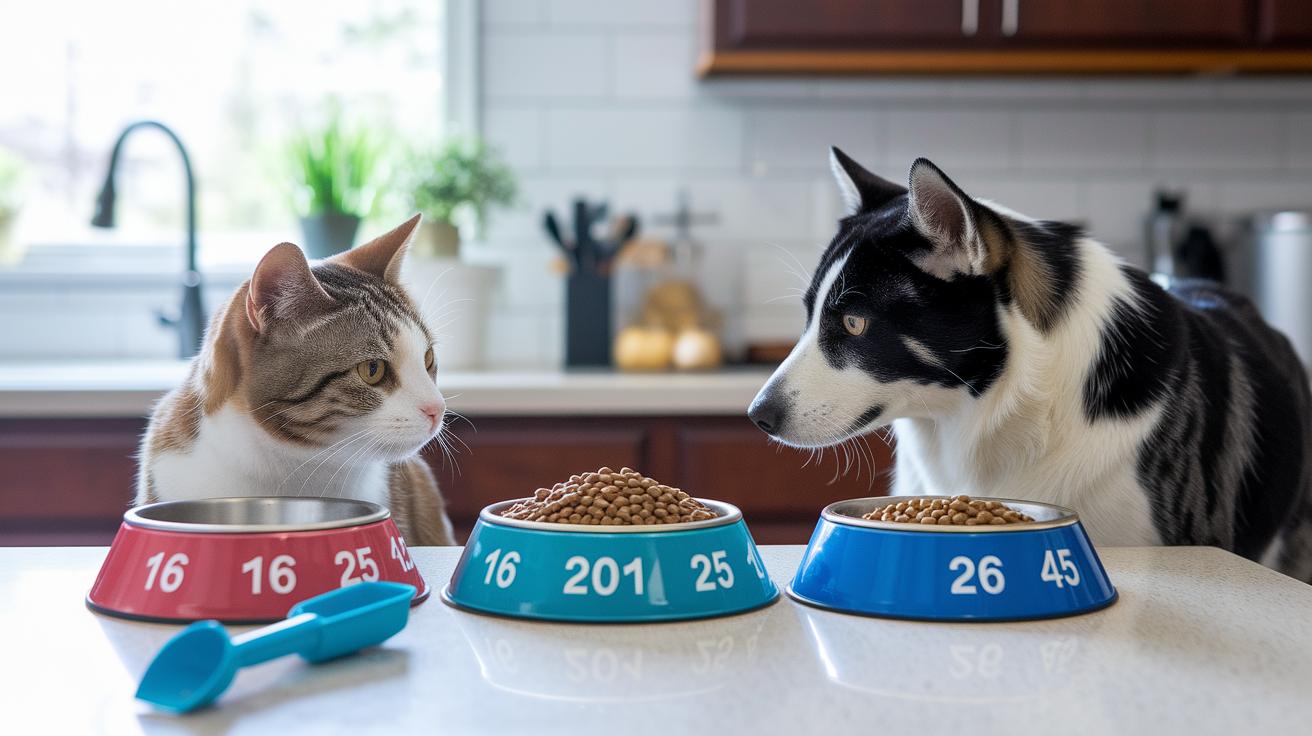
Getting the portions right and sticking to a regular feeding time is really important for your pet’s well-being. Serving just the right amount of food helps prevent overeating and extra weight gain, while a steady schedule keeps their tummy happy and energy levels balanced.
A good feeding routine makes pets feel secure and lively. You can follow the food package instructions or your vet's calorie charts (a guide for how much energy a pet gets from food) to know the correct portions. This simple timing trick can also ease any tummy troubles and support a smooth metabolism.
- Dogs: Two measured meals per day.
- Cats: Two to three small meals; avoid leaving food out all day.
- Rabbits/Guinea Pigs: Always offer hay with two measured pellet meals.
- Birds: Follow feeding times based on the species' specific needs.
It’s just as important to keep a close eye on how much your pet is eating. By regularly checking their weight and observing how they react to meal times, you can adjust the portion sizes when needed. If your pet seems to be growing too fast or losing weight, you can tweak the meal plan and even chat with your veterinarian for extra tips. This careful care helps your furry or feathered friend stay active, healthy, and full of life.
Selecting Quality Ingredients and Reading Pet Food Labels

When you glance at your pet food label, the order of ingredients tells you a lot about what's inside. Look for meat as the very first ingredient along with whole-food sources that give your pet the best nutrients. This means your furry friend gets a tasty meal that also helps keep their body healthy. It also steers you away from fillers and unnecessary additives while nudging you toward natural, organic choices.
- Identify primary protein source.
- Spot plant fillers and by-products.
- Confirm AAFCO statement (AAFCO stands for the Association of American Feed Control Officials, which sets standards for pet food).
- Review guaranteed analysis.
- Note caloric content per cup.
- Check for artificial additives.
- Verify expiration date.
Taking the time to read the label isn’t just a quick look, it's a chance to understand exactly what you’re feeding your pet every day. Each step along the way reassures you that the food meets the high standards your pet deserves. If you’re considering natural food options, you might even check out an organic pet nutrition guide. And when in doubt, your veterinarian is a great go-to for advice on what’s best for your lively pup or calm senior cat.
Integrating Healthy Treats and Dental Chews in Pet Nutrition Tips for a Healthy Diet

Treats are a fun way to show love, but it's best to keep them small. Stick to one or two treats each day, and make sure they make up no more than 10% of your pet's daily calories. This little rule helps avoid extra calories and keeps your pet's meals balanced and full of good nutrition.
Switching one treat for a natural dental chew each day can also do wonders. These chews freshen your pet's breath and help scrape away plaque with every bite. It’s a simple trick that supports clean, healthy teeth while your pet enjoys their treat time.
For a homemade twist, try making plain cooked chicken bites or steamed carrot coins without any salt or seasonings. They’re healthy and fun for your pet. If you’re up for more ideas, check out Healthy Treats for Dogs Homemade for creative ways to make treat time both safe and enjoyable.
Hydration Importance and Feeding Equipment Hygiene

Water is the key to keeping your pet healthy. Fresh water helps their digestion and supports their organs. Imagine the gentle splash of a bowl brimming with water, inviting your pet to take a sip. Try placing extra water bowls in favorite spots so your furry friend is always encouraged to drink. This small act goes a long way in keeping them energetic and happy.
Clean feeding gear matters just as much as fresh water. Washing pet dishes every day stops germs like E. coli, salmonella, and MRSA (bacteria that can make your pet sick) from taking hold. Stainless-steel bowls are a great choice because they hold fewer bacteria and are safe to clean in the dishwasher. For dry food, use airtight, light-proof containers to lock in freshness and keep bugs away.
Veterinarian Consultation and Personalized Nutritional Counseling

Vets help our pets stay healthy by crafting meal plans that fit their age, breed, energy, and any health issues. They even check your pet by feeling its ribs (that’s a method to spot weight concerns early) to make sure everything's on track. Whether your little one needs a growth formula or a senior-friendly recipe with fewer calories and extra joint support, your vet will guide you through it.
Regular check-ups are a great way to keep your pet’s diet just right as life changes. During these visits, the vet looks at how your pet is doing overall, from checking its teeth to noticing small shifts in energy, and makes adjustments when needed. These friendly chats ensure your furry buddy stays active, comfortable, and full of life.
Managing Special Diets: Allergies, Weight Management, and Life Stage Needs
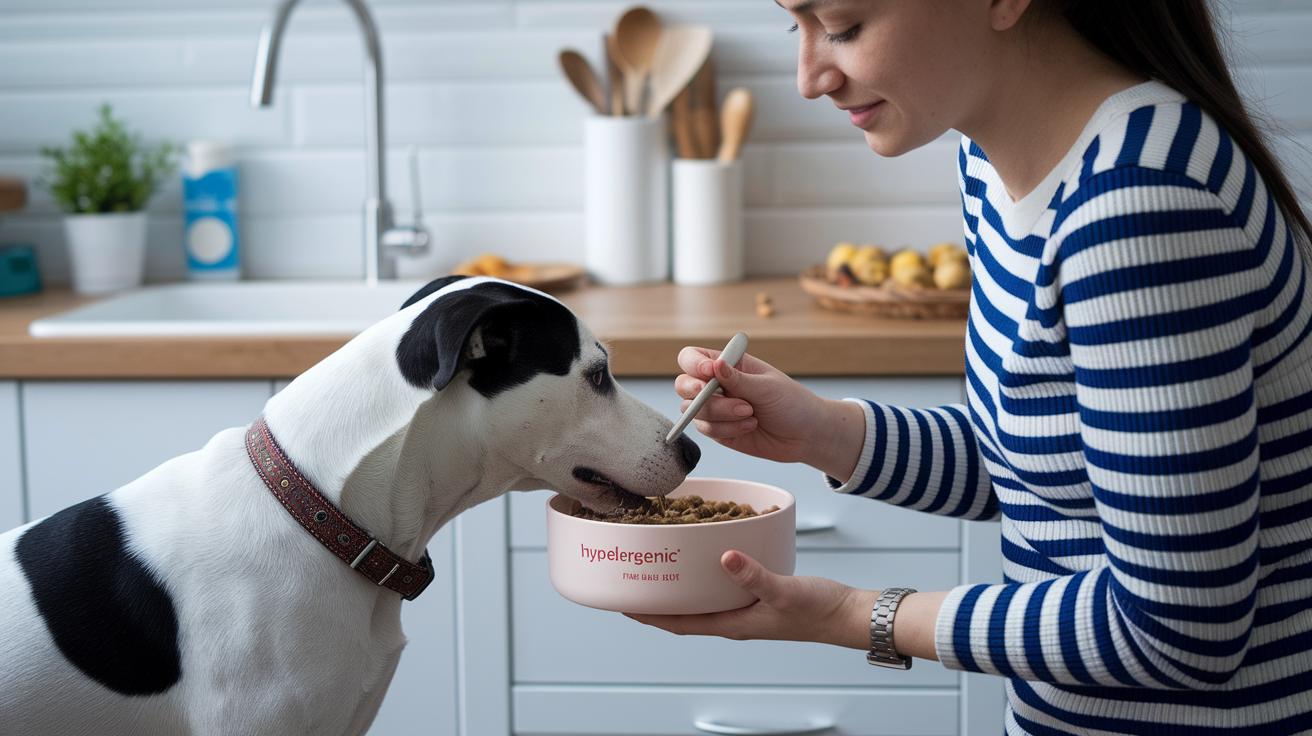
If your pet has allergies, they need a little extra love. Avoid giving them dangerous foods like chocolate, grapes, or onions. Some pets react to certain proteins, so many allergy-friendly diets use only one or two types, or even hydrolyzed proteins (proteins broken into tiny pieces to ease allergies), to keep reactions in check. Always peek at the labels to make sure no unwanted ingredients are hiding in their food. For example, if your cat seems upset after a tiny treat, switching to a simpler formula might soothe their symptoms and restore comfort.
Keeping pets trim is super important, especially if they love to relax all day. Overfeeding, even accidentally, can lead to extra pounds that put stress on joints and drain energy. Try serving measured portions for each meal and encourage a bit of movement, whether it’s a playful run or a gentle tummy rub, to help burn off extra calories. It’s like a mini exercise plan that fits right into your pet’s daily routine.
Young pets, like puppies and kittens, need a bit more protein and fat to fuel their fast growth and endless curiosity. These nutrients help build strong muscles and bones. On the other hand, older pets usually benefit from meals with fewer calories and extra nutrients that support joint comfort and smooth movement. Keep an eye out for any tummy troubles, such as vomiting or diarrhea, and reach out to your vet if you notice changes. With the right care, every pet gets a balanced diet that helps them stay active and happy.
Final Words
In the action of building a strong pet diet, we explored balanced nutrition, portion control, and ingredient quality. We touched on hydration and trusted tips for reading pet food labels.
We also looked at professional advice, special diets, and practical suggestions to keep pets happy and healthy.
With these simple yet powerful pet nutrition tips for a healthy diet, you’re set to create a nourishing plan that brings a smile to your pet’s face every day.
FAQ
What are dog pet nutrition tips for a healthy diet?
Dog pet nutrition tips for a healthy diet mean feeding your pet a balanced mix of proteins, complex carbs, and healthy fats to keep your dog energetic and happy.
What is a dog nutrition chart?
A dog nutrition chart explains the recommended amounts of proteins, fats, and vitamins for various life stages, making it easier to serve the right portions for your canine buddy.
How do pet nutrition supplements work?
Pet nutrition supplements work by adding extra vitamins, minerals, or omega fats that may be missing from regular pet food, helping support overall health and energy for your companion.
What does a PET scan diet refer to?
A PET scan diet refers to the specific feeding guidelines followed before an imaging test (a scan used to view organs) to ensure the procedure gives accurate results.
Who is a pet nutritionist?
A pet nutritionist is a professional who advises on balanced diets and adjusts meal plans based on your pet’s needs, helping ensure your furry friend gets the proper nutrients.
Where can I find dog and cat nutrition courses?
Dog and cat nutrition courses offer practical lessons on balanced feeding, portion control, and reading food labels, making it easier for pet owners to serve healthy meals.
What are dog nutrition supplements used for?
Dog nutrition supplements are used to add missing nutrients such as joint support or omega fats to a dog’s diet, boosting overall health and energy levels.
What are dog nutrition facts?
Dog nutrition facts highlight that a diet rich in proteins, healthy fats, and complex carbohydrates, along with essential vitamins and minerals, is key to keeping canines active and thriving.