
Ever wondered if your pet’s playful romp might hide some sneaky risks? Imagine your curious pup picking up tiny parasites while exploring outside. Fleas, ticks, and worms may seem small, but they can cause real discomfort and health concerns if you don’t keep them in check.
I’ve learned that a few simple habits go a long way in keeping these pesky invaders away. Regular vet check-ups, monthly medicines (that help keep bugs at bay), and keeping your pet’s space tidy are all easy ways to protect your furry friend.
A few small changes in your daily routine can lead to a healthier, happier pet. So, why not give these tips a try? Your pet might just show their gratitude with an extra wag of the tail or a soft purr.
Essential Pet Parasite Prevention Tips Every Owner Should Follow

Every pet, whether they stay inside or enjoy the great outdoors, is at risk from pests like fleas, ticks, and heartworms, plus those pesky internal worms. These tiny invaders can lead to itchy skin, discomfort, and even more serious health issues. Just picture a little tick finding its way onto a playful pup during a walk, what seems small can turn into a big problem if not quickly addressed.
Monthly doses of medicine that protect against fleas, ticks, and heartworms work wonders in keeping these critters away. Regular visits to your local vet are essential too; they help catch any issues before they become serious. For instance, imagine giving your pet their monthly preventive medicine and then heading to an annual check-up to ensure everything is A-OK.
Keeping your pet’s environment tidy is just as important. Washing their bedding often and cleaning up waste from your yard can greatly reduce the chance of these unwelcome guests popping up. Think of a clean space as a safe haven that keeps parasites at bay. By combining year-round medicine, routine vet visits, and good hygiene at home, you're setting up a strong defense for your furry friend every single day.
External Pest Management Strategies in Pet Parasite Prevention
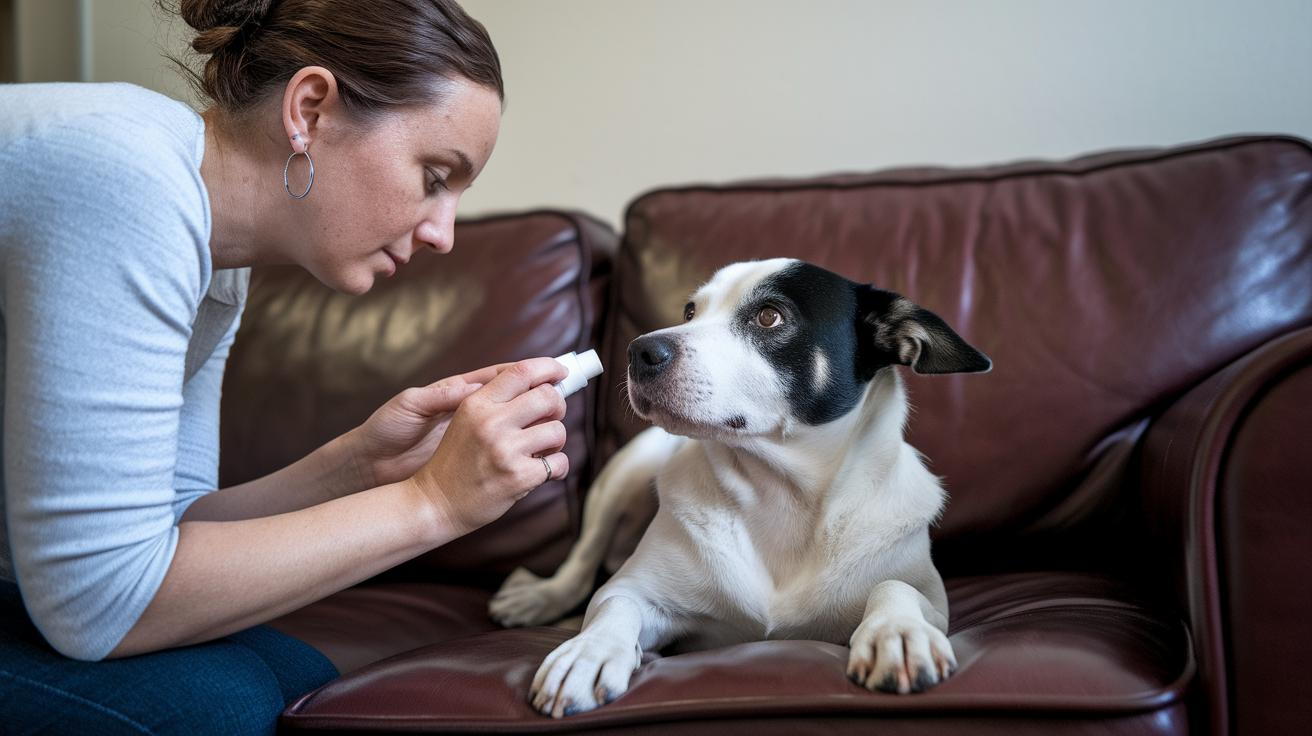
Fleas and ticks aren’t just pesky nuisances, they can really upset your pet’s comfort and even bring along diseases like Lyme disease. When these tiny bugs bite, your furry friend might end up with red, itchy spots that make playtime and quiet moments less enjoyable. A regular routine makes all the difference in keeping these critters away and ensuring your pet stays happy and healthy.
- Use a monthly spot-on treatment to keep bugs at bay.
- Give your pet a flea-and-tick collar and swap it out every 3 to 6 months.
- Bathe and groom your pet weekly with a shampoo that fights parasites.
- After walks outside, take a minute to check your pet’s fur and skin.
- Treat your yard with a pet-safe outdoor spray.
- Seal off little gaps in your landscaping where ticks could hide.
- Add repellent inserts to your pet’s travel carrier for extra security.
- Rotate between different types of products each season.
Mixing these strategies creates a strong, year-round shield for your pet. When you combine a monthly spot-on with regular fur checks, you’re doubling the defense. And by switching things up with collars, sprays, and shampoos, you help prevent fleas and ticks from getting used to any one trick. In the end, a steady, multi-layer routine is the best way to ensure your four-legged friend stays safe on every adventure.
Proven Internal Parasite Control and Deworming Protocols for Pets

Pets can sometimes invite unwelcome guests like roundworms, tapeworms, hookworms, giardia, and coccidia into their bellies. These parasites can cause tummy troubles, diarrhea, and leave your furry friend feeling drained. Young pets and those who spend lots of time outdoors are especially at risk. Even indoor pets might show hints, like a quiet appetite or a little weight loss, that something isn’t quite right.
A quick visit to the vet is the easiest way to catch these bugs early. Vets often check for these visitors with a simple stool test, where a tiny bit of your pet’s poop is examined for parasite eggs. Depending on your pet’s age, habits, and where you live, your vet might suggest more frequent testing. This simple exam can help catch a problem before it gets serious and gives you a snapshot of your pet’s inner health.
Sticking to a monthly deworming routine is a solid plan to keep those pesky parasites at bay. Many heartworm preventives also include ingredients that fight off other worms, giving double protection. Combining these medications with regular vet check-ups and tests means you’re looking after your pet’s health from all angles. This proactive approach not only keeps infections low but also lets you enjoy more fun playtimes and cozy cuddle sessions.
Natural and Holistic Parasite Prevention Options for Pets

Lots of pet parents are turning to natural methods to help keep their furry friends safe from pesky parasites. Natural solutions like herbal remedies and whole-food diets feel extra special because they use what nature provides. For example, options like diatomaceous earth, neem oil, and garlic are favorites, though their effects can be different from pet to pet. Also, adding probiotics and a balanced mix of nutrients to a pet’s meals can boost their natural defenses (the ability to fight off sickness). But it’s super important to check with your vet before you try any non-toxic sprays or supplements.
| Natural Option | Suggested Use | Caution |
|---|---|---|
| Diatomaceous Earth | Sprinkle on your pet’s bed or around the yard | Don’t let your pet breathe in the dust; use only food-grade powder |
| Neem Oil | Mix with bath water or dilute for skin use | May irritate sensitive skin |
| Garlic | A little bit in their food might help keep parasites away | Too much can be harmful |
| Pet Probiotics | Help with digestion and boost natural defenses | Be sure it’s made just for pets |
Before you try any natural treatments, have a chat with your vet. They’ll help you decide which options are the best fit for your pet’s care plan. This way, your pet can enjoy nature’s benefits while staying safe and happy.
Hygiene, Environment, and Routine Cleaning for Pet Parasite Prevention
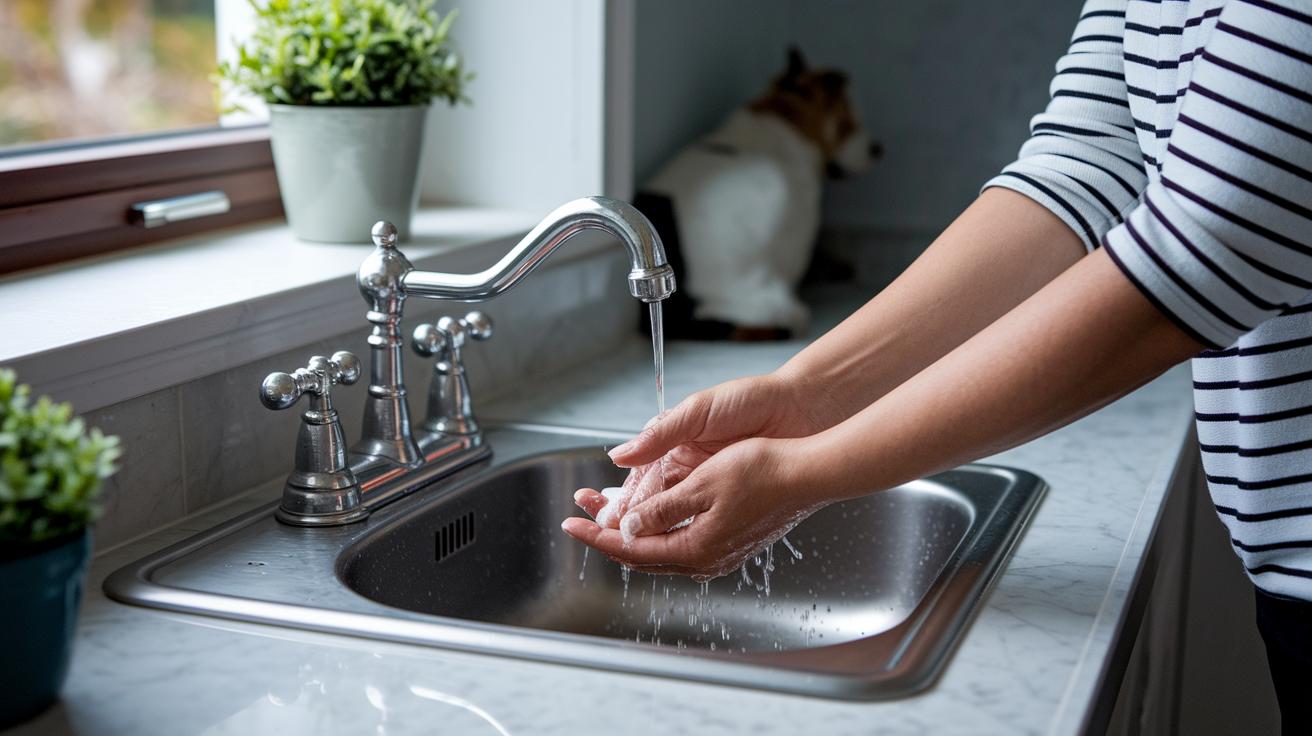
Keeping your home clean indoors is a must if you want to keep those pesky parasites away. After you play with your pet or take care of them, wash your hands to get rid of any tiny droppings of parasite eggs. Washing your pet’s bedding every week helps erase any hiding spots where pests like to lay eggs. And when you vacuum your carpets and furniture, you sweep up even the tiniest flea larvae or eggs lurking in the corners. It’s like cleaning up after a meal, each little effort stops parasite eggs from building up and makes your home feel fresh and safe for your furry friend.
Outside, taking care of your space is just as important. Regularly mowing your lawn and picking up leaf piles or debris can really cut down on the spots where ticks and other pests like to hide. Cutting back tall grass around your pet’s play area and securing outdoor spaces mean your pet isn’t exposed to these unwelcome visitors. Imagine your backyard looking neat and tidy after a quick cleanup, it’s a simple step that helps keep pests from starting their life cycle right outside your door. Keeping both your indoor and outdoor areas clean makes your home a healthier, safer place for you and your companion.
Safe Use and Scheduling of Preventive Products in Pet Parasite Prevention

When you get a new pet medication, start by reading the product label carefully. It tells you the active ingredients (the main ingredients that work) and the exact dosage for your pet. For example, tablets and spot-on treatments have guidelines based on your pet’s weight and age. Just like checking a food label, using the correct amount keeps your pet comfortable.
Next, compare the different products available. Flea-and-tick collars can protect your pet for 3 to 6 months, great for ongoing care. Spot-on treatments are designed for monthly use, while oral tablets or sprays may fit into your pet’s daily activities. You might even mix a collar with a spot-on treatment for extra protection, but be sure the ingredients don’t overlap. It’s like putting together the perfect outfit for your pet, each piece has its own role.
Finally, set up a treatment calendar. Mark the dates when each product needs to be given, whether it’s a collar change, a monthly spot-on, or an oral medicine dose. A simple calendar helps you avoid missing a dose or giving too much. This plan keeps your pet safely guarded against pesky parasites throughout the year.
Recognizing Pet Parasite Signs and When to Consult Your Veterinarian

Keep an eye on how your pet looks and acts. If you see them scratching a lot, losing hair, or if you find fleas and ticks in their fur, it might be a sign of an external problem. Sometimes, internal issues show up as diarrhea, weight loss, odd scooting, or even signs of anemia. For instance, if your pet is skipping around on the floor without much pep or just seems down, it could mean those little parasites are causing trouble.
Routine vet visits really help catch these signs early. Regular check-ups and a simple fecal test (a test to check for parasite eggs in your pet’s stool) can reveal problems before they get worse. These quick screenings give you a good look at your pet's overall health and spot any issues right away.
If you notice the symptoms sticking around or if something seems off, don’t wait. Ongoing scratching, constant tummy troubles, or pests that just won’t go away, even after treatment, are clear calls to talk to your vet. Getting an early consult means your pet can get the right tests and treatment to tackle these pesky intruders quickly.
Final Words
In the action, we've explored key pet parasite prevention tips that keep your furry friends safe. We covered year-round defenses for both indoor and outdoor pets, safe use of preventive medications, and the role of routine cleaning with a focus on pet bedding and yard maintenance.
We also looked into external pest treatments, internal deworming protocols, natural remedies, and clear guidelines on product usage and recognizing symptoms. Stay positive and proactive, your pet’s health shines when care is both simple and consistent.
FAQ
What are pet parasite prevention tips for cats and prevention strategies for dogs?
The pet parasite prevention tips for cats and dogs help you keep them safe year-round. Regular monthly treatments for fleas, ticks, and heartworm, plus timely vet check-ups and clean living spaces, reduce parasite risks effectively.