
Have you ever thought that your dog's collar might do more than just hang around? There are training collars that help guide your pup on safe walks, calm anxious moments with gentle scents, and even keep little pests away. Imagine a collar that softly corrects behavior while giving your furry friend a little extra support. In this post, I'll share some cheerful, effective options that make training and walks easier and safer for both you and your dog.
Comprehensive Overview of Pet Training Collars for Dogs
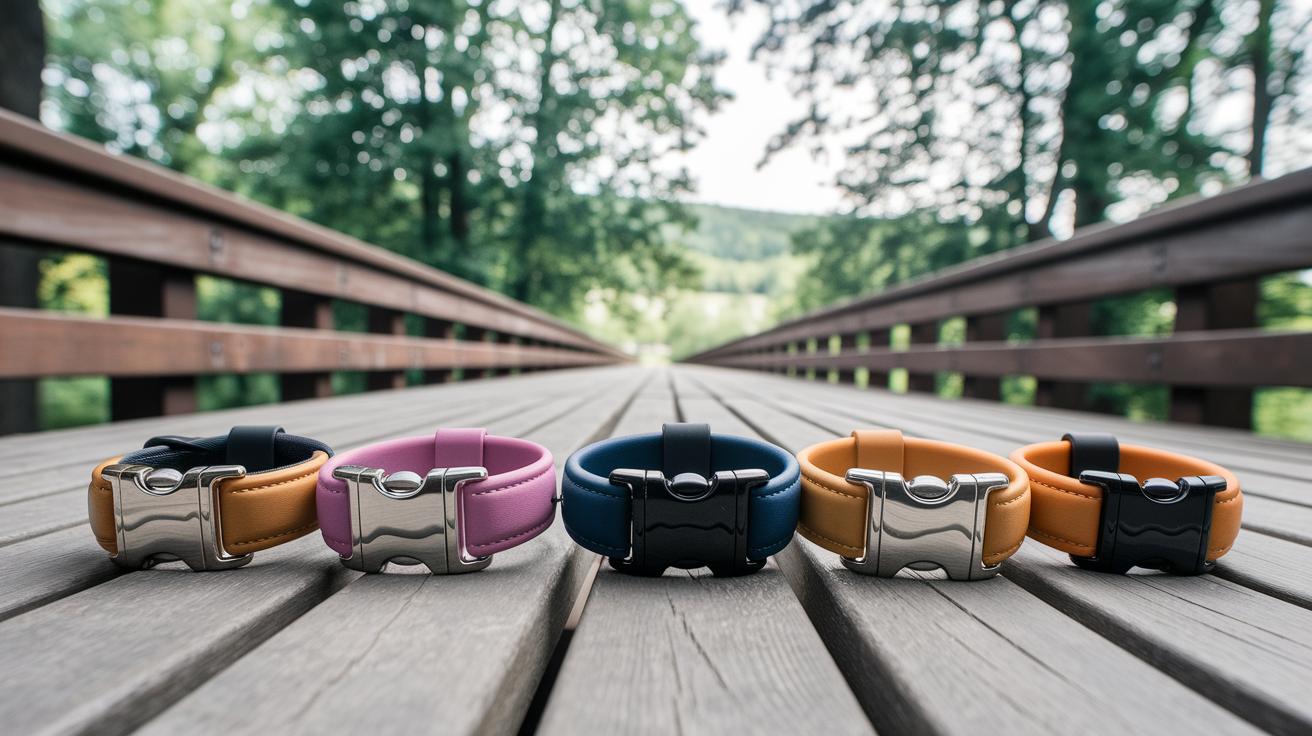
Pet training collars for dogs come in different styles to meet various needs. Some collars help guide your pup during walks, while others hold ID tags or add extra support when your dog wanders off. For example, a martingale collar uses a two-loop design that gently tightens whenever your dog pulls, making walks safer and training easier.
Some collars even offer a calming twist by infusing dried herbs that spread a gentle aroma for anxious pups. Just remember that not all ingredients are safe, ingredients like cloves can be harmful to your pet. There are also collars designed to fend off pests; these flea-and-tick collars slowly release active ingredients on your dog’s skin to keep parasites at bay during summer months. And sometimes, you’ll find collars with personalized embroidery where you can add your contact details, giving you an extra layer of peace of mind.
Technology has also found its way into these collars. Modern tech collars come with GPS tracking so you can always check your pet’s location. They may even monitor health details like heart rate, sleep, and breathing (the basics that keep you aware of your dog’s well-being), which can help spot early signs of trouble. Plus, reflective collars boost your pet’s visibility at night, making evening walks safer. The materials vary too, light, cost-effective nylon is great for fast-growing puppies, while tougher options like leather work better for a dog that’s in it for the long haul. Always measure your dog’s neck carefully; it’s like picking out a shirt that fits perfectly.
Comparing Types of Dog Training Collars for Specific Behavior Goals

Martingale Collars
Martingale collars feature a clever two-loop design that gently tightens when your dog pulls, guiding them on walks without cutting off airflow. It’s like having a snug band that fits just right, pick the perfect size just as you would when choosing a hat that sits perfectly on your pet’s head.
Slip Collars
Slip collars come in braided command and diamond-braid show styles, which means you get plenty of color options and sizes. They’re ideal for training sessions where quick, easy adjustments are needed. Think of it as a fun accessory that’s helpful during training and looks great for those special outings.
Remote Electronic Collars
Remote electronic collars offer modes like shock, vibration, and beep. (Shock here means a small electrical jolt, but many trainers opt for vibration or beep if that feels more comfortable). They let you change channels and work from as far as ¾-mile away. Plus, they come with a handy one-handed remote that’s super simple to use. For more details, check out ecollar dog training.
Vibration-Only Collars
Vibration-only collars give your dog a silent nudge through gentle vibrations. They’re perfect for dogs who might be sensitive to loud sounds or for keeping things quiet and calm during training.
Shock-Free Positive Reinforcement Collars
Shock-free positive reinforcement collars blend soft vibration or beep cues with reward signals. They’re a kind and effective way to guide your dog, especially when using clicker training techniques, making each training session both kind and enjoyable.
Safety, Humaneness and Best Practices in Canine Collar Training
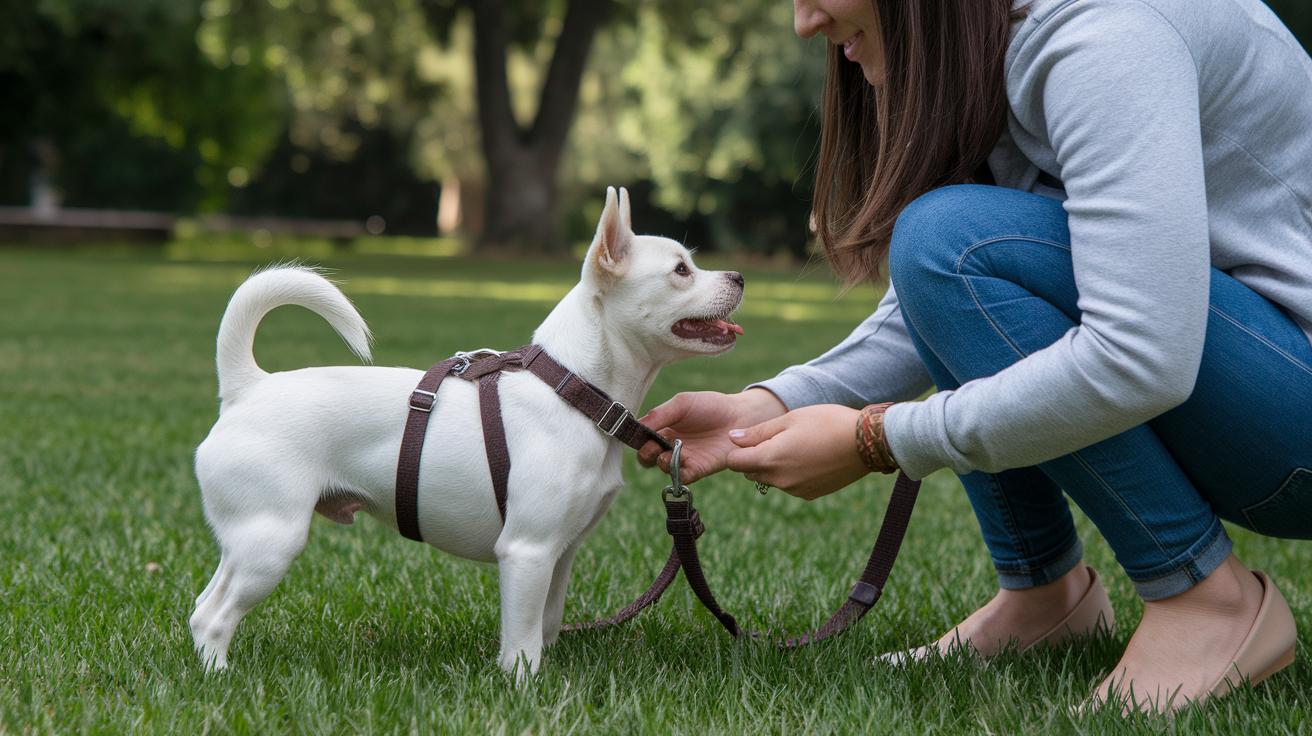
When you're picking out a training collar for your dog, safety and care always come first. You want to steer clear of any collars with harmful ingredients like cloves, and if you're using one to help your dog heal, make sure your vet gives it the thumbs-up. Today’s electronic collars let you adjust the intensity, have built-in limits on shocks, and even turn off automatically so your pet never gets too overwhelmed. Using kind, humane tools for training truly makes a difference.
A proper fit is key to keeping your pet safe. For example, martingale collars are designed to tighten only when needed, which helps prevent breathing issues and keeps your dog comfortable. Collars that are rated for safety offer controlled signals, so you guide your dog without overdoing it. Added details like reflective stitching, waterproof covers, and tough construction boost safety during night walks or rainy days.
It’s a good habit to check your collar each week. Look over the straps for signs of wear, check that there’s no corrosion on the parts, and make sure the buckles are secure. Adding features like an auto-shutoff keeps training both effective and gentle on your furry friend.
Selecting the Right Training Collar by Dog Size, Breed and Behavior
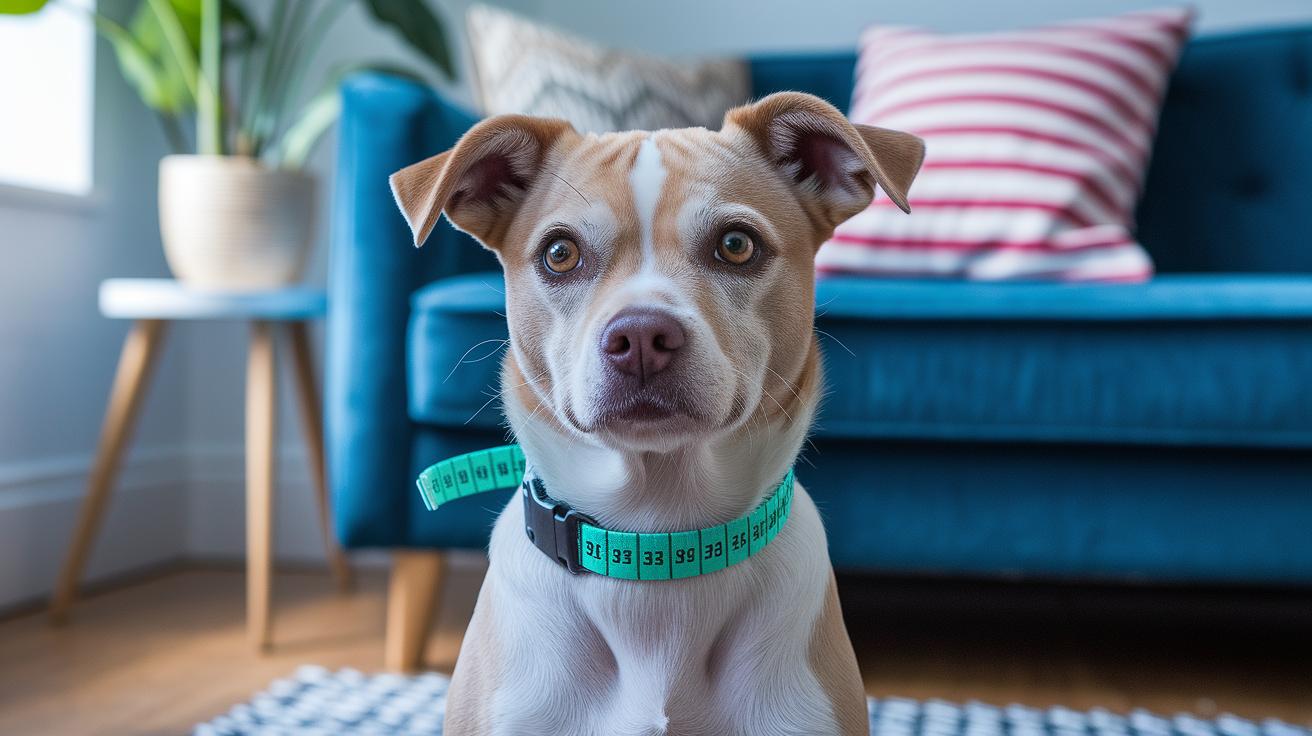
When picking a training collar for your dog, think about your pet’s size, breed, and behavior. For small pups and little breeds, lightweight digital trainers or mini electronic aids work best. They offer gentle cues without overwhelming your furry friend, making training fun and relaxed. Many pet lovers even team a sturdy nylon collar with an adjustable trainer for a simple, effective setup.
Medium-sized dogs often do well with collars that use a soft vibration or low-level stimulation. These collars give clear signals without stressing your four-legged pal. And for larger dogs, you need something tough, a large-breed e collar with strong, reinforced webbing that stands up to extra power. This kind of collar is great for firm guidance, especially when training a stubborn or energetic dog.
If your dog tends to feel anxious, consider a calming collar that soothes them during training. Make sure to measure their neck behind the ears so the collar fits right and stays comfy. With the right mix, a handy adjustable trainer or a heavy-duty large-breed collar, training becomes an enjoyable journey filled with progress and lots of tail wags.
Installation, Maintenance and Fit Guidelines for Dog Training Collars

First, measure your dog's neck right behind its ears to pick the perfect size. Then, adjust the collar so you can easily slip two fingers between it and your dog's skin. This little trick keeps the collar comfy and safe.
Before you begin a training session, make sure the transmitter is fully charged. This way, you won't have any interruptions during your fun training time. And if you're using a waterproof trainer, remember it's built to work even in water so you can enjoy splashing around in the pool while training.
After bath time, take a moment to clean the collar. A gentle wipe-down helps prevent irritation, fur loss, and chafing. Be sure to clean around the contact probes too, they should sit flush against the fur to pick up signals correctly. Also, checking the battery level before each session helps keep everything running smoothly.
It can also be a great idea to team up with a professional for training sessions. Sometimes, joining dog training classes (learn more here: https://bonsiaai.com?p=586) can give you extra tips and support along the way.
Advanced Pet Training Collar Features: Tech and Remote Controls

Modern pet collars pack handy features that help you stay close to your furry friend. They come with GPS, so you know exactly where your pet is, and even send a little alert when your pup wanders too far. It's almost like having a digital watchdog on call!
These collars do more than track location, they also keep an eye on your pet's health. They record heart rate (how fast your pet's heart beats), sleep cycles, and breathing, and let you know if something seems off. It’s like having a tiny health diary that gives you a friendly nudge to check in.
Some collars even work with a wrist-mounted remote control. With a quick press, you can send a gentle buzz, a beep, or a mild signal reminder. This makes training a breeze, especially when you're managing more than one pet.
To top it off, smart collars connect to mobile apps using Bluetooth or cellular signals. Through the app, you can check training logs, adjust signal strength, and get notifications in real time. And with battery life ranging from 8 to 24 hours, these collars are reliable for both daily walks and long training sessions.
Top-Rated Pet Training Collars for Dogs: Reviews, Pricing and User Feedback
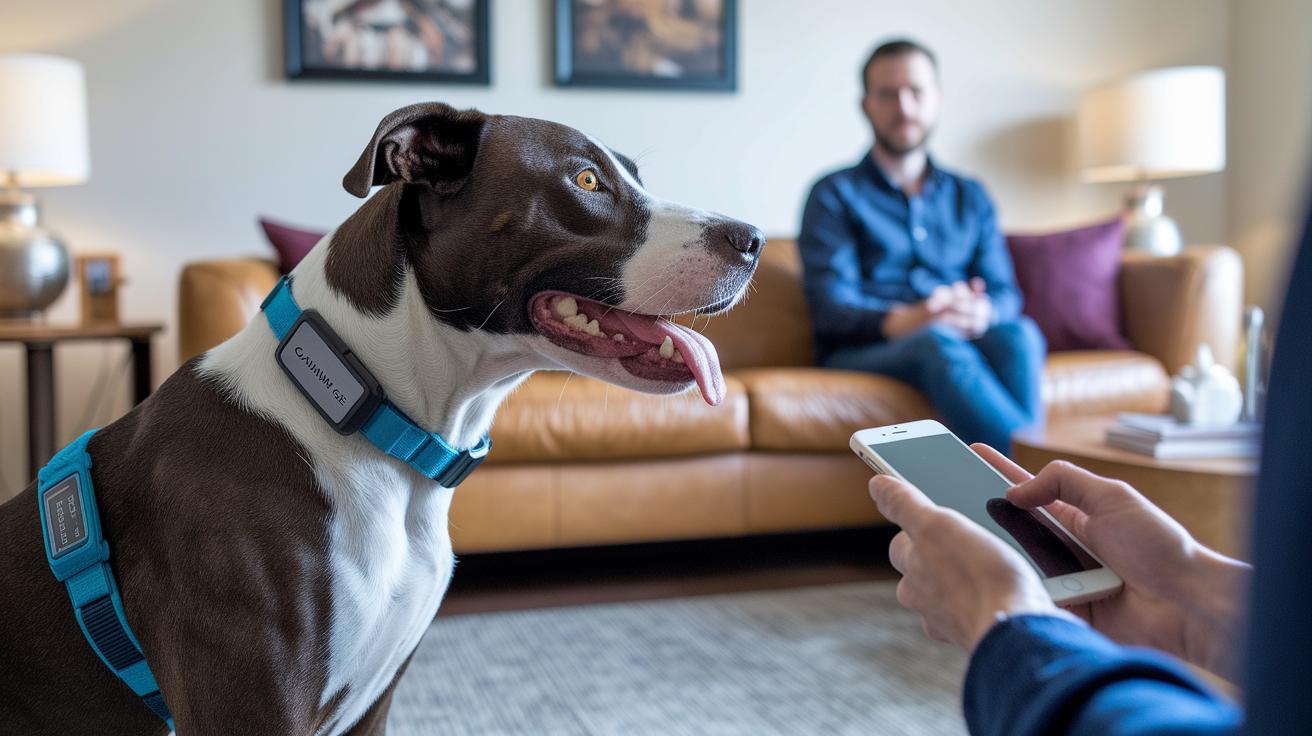
When you’re picking out a training collar, you want something that really works and comes with helpful tips from other pet lovers. Many folks prefer remote electronic collars because they offer good range and are super easy to use. For example, the Garmin Delta SE boasts a ¾-mile range, a one-handed remote, and water resistance. At $169.99, it’s friendly for beginners and has earned loads of praise.
Got more than one furry friend? The Garmin Sport PRO might be your go-to. It lets you handle up to three channels while still keeping that ¾-mile range. Priced at $209.99, it’s great for multi-dog households with its flexible training options. Just a heads up, some users have noticed that the battery doesn’t perform as well in colder weather, so keep that in mind for chilly training sessions.
If you’re on a budget, there are simpler choices too. Options like the waterproof chain martingale with a nameplate and the nylon chain martingale available in 18 colors cost $24.95 and $19.95. They use classic training methods without extra features. Also, shock-free vibration collars have won over many pet owners with sensitive dogs by offering gentle cues that keep training kind but effective.
For more details on dog training costs, it helps to check out various models and read real feedback. This way, you can compare performance and pick the collar that fits your pet’s needs best.
| Model | Type | Range | Price | Rating |
|---|---|---|---|---|
| Garmin Delta SE | Remote Electronic | ¾-mile | $169.99 | 4.5/5 |
| Garmin Sport PRO | Remote Electronic | ¾-mile | $209.99 | 4.7/5 |
| Waterproof Chain Martingale | Martingale | N/A | $24.95 | 4.2/5 |
| Nylon Chain Martingale | Martingale | N/A | $19.95 | 4.0/5 |
Final Words
In the action we explored a full spectrum of options, from martingale and slip designs to remote and tech-integrated smart features. The guide broke down each collar’s materials, safety tips, and proper fitting steps, helping you match the right device to your dog's unique needs.
By comparing effectiveness and care instructions, you can confidently choose pet training collars for dogs that support safe and rewarding training sessions. Enjoy watching your pet thrive with every new step forward!
FAQ
What are the best training collars for stubborn dogs?
The best training collars for stubborn dogs use adjustable settings and remote control to provide consistent feedback. They often offer vibration or mild shock options that help curb unwanted behavior effectively.
What types of dog training collars are available?
Dog training collars come in several types including martingale, slip, remote electronic, vibration-only, and shock-free models. Each is designed to address specific training needs and dog behaviors.
What are the best pet and dog training collars?
The best pet training collars combine safety, adjustability, and ease of use. They often feature remote control options, vibration settings, and various sizes to match different breeds and training goals.
What is the difference between a shock collar and a vibration collar?
The difference is that a shock collar uses a brief static stimulation (electric shock) while a vibration collar provides silent, gentler alerts. Vibration options suit dogs that are sensitive to noise.
What training collars work best for small or extra-small dogs?
Training collars for small dogs are made lightweight with adjustable fits. They are designed to prevent discomfort and often use gentle vibration cues to guide behavior appropriately.
What features make shock collars for large or large breed dogs effective?
Shock collars for large dogs are built with reinforced materials and offer higher intensity settings. They reliably deliver controlled stimulation to manage pulling and other strong behaviors.
What type of collar do dog trainers recommend, especially with remote controls?
Many trainers recommend shock collar models with remote capability because they offer precise intensity adjustments, extra channels for group training, and safety features like auto-shutoff.
What does the 2 finger dog collar rule mean?
The 2 finger dog collar rule means you should be able to fit two fingers between the collar and your dog’s neck. This ensures a comfortable, secure fit without restricting breathing.
Does Cesar Millan use electric collars?
Cesar Millan has been seen using electric collars on certain dogs. He stresses that any collar should be combined with proper training techniques and handled responsibly.
What training collars work well for multiple dogs?
Some remote electronic collars offer multiple channels so you can adjust settings for each dog individually. This makes group training sessions more organized and effective.
What makes the INVIROX dog training collar unique?
The INVIROX dog training collar stands out for its user-friendly design along with adjustable stimulation levels. It’s built to meet the behavior correction needs of even the most stubborn dogs.
What options exist for Amazon dog training collars and no-pull designs?
Amazon offers a wide variety of collars including no-pull martingale styles and tech-enabled remote options. These collars focus on reducing pulling and promoting better obedience using modern features.