
Have you ever wondered if a few extra pounds might be making playtime harder for your pet? Even a little bit of extra weight can put pressure on their joints and make a fun romp tougher than it should be.
Did you know over half of our furry pals in the U.S. have a few extra pounds to carry? Research like this reminds us that keeping our pets at a healthy weight is really important.
In this guide, we share some easy weight management tips. Think balanced meals that give your pet the right energy (calorie, the energy your pet gets from food) and fun, vet-approved exercises they can enjoy.
Let’s dive in and explore these steps to help your buddy stay happy, active, and healthy.
Comprehensive Strategies for Pet Weight Management
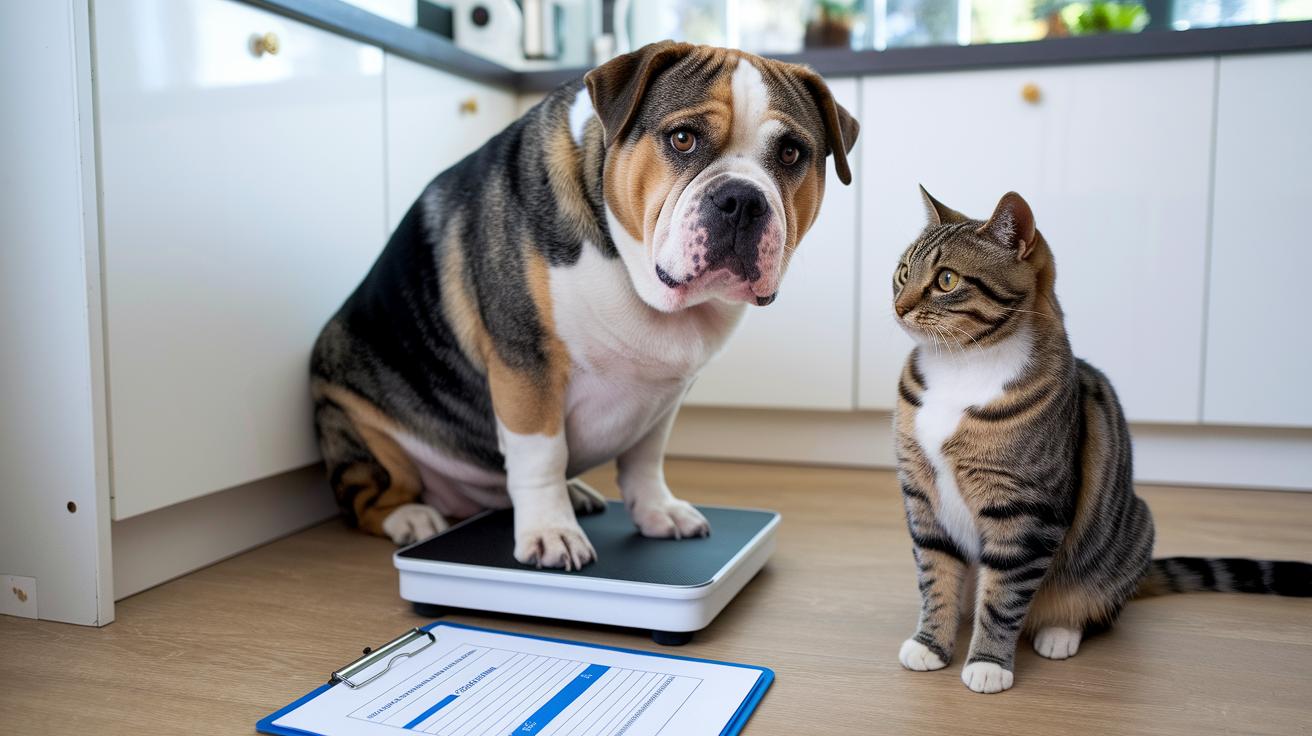
More than half of our furry friends in the U.S. are carrying a bit of extra weight. In fact, studies show that over 55% of dogs and almost 60% of cats weighed more than they should. Even a small extra 10–20% can put stress on their joints, making activities like a joyful romp feel harder and leading to problems like arthritis or chronic discomfort.
Keeping your pet at a healthy weight does wonders. Leaner dogs can live up to 15% longer and often face fewer joint issues. Small changes in feeding routine and daily playtime, along with regular check-ups at the vet (the doctor for your pet) can really help. It’s all about those steady, little adjustments.
A balanced approach is key. Think of it like mixing the perfect pet treat: a carefully planned diet, a fun and safe exercise routine, and guidance from your vet create a recipe for a happy, active life. By keeping an eye on food portions and sprinkling in extra play and walks, your pet can enjoy fewer aches and a more energetic day.
Nutritional Foundations for Healthy Pet Weight
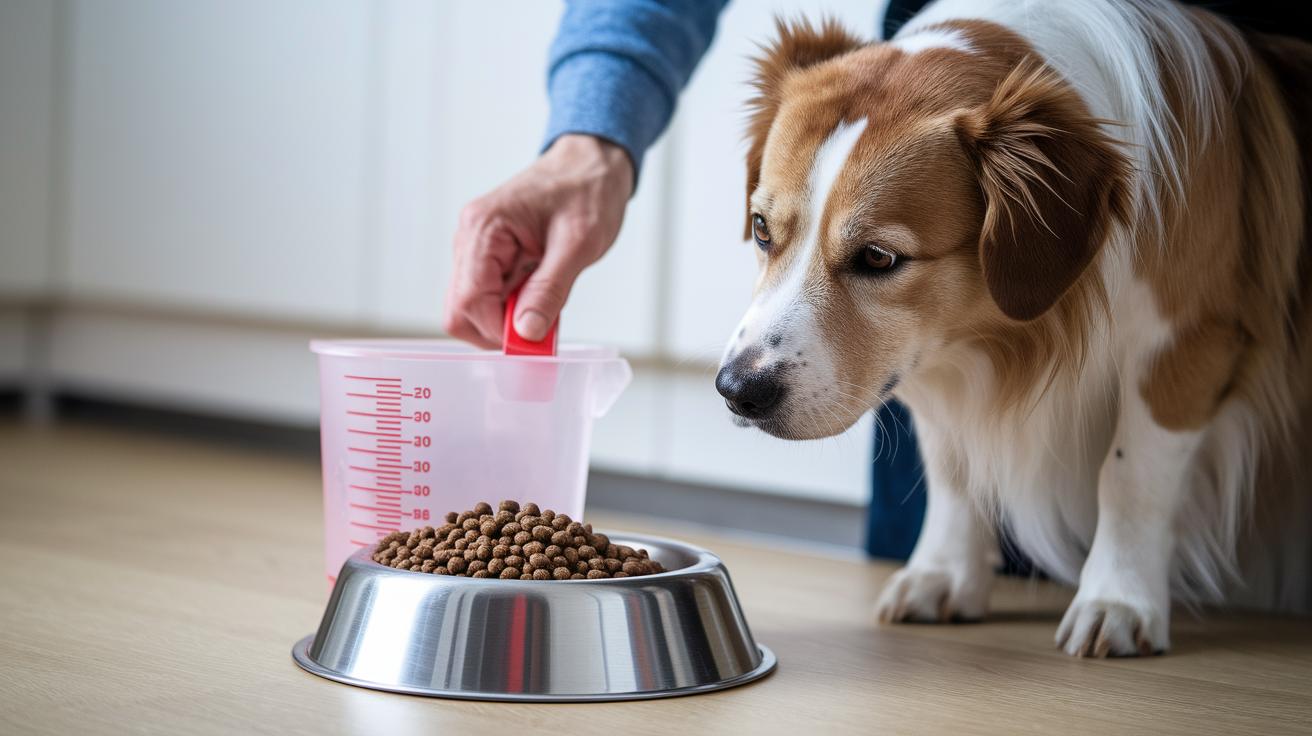
Measuring your pet’s food with a special cup stops overfeeding right from the start. When you use a measuring cup, you know exactly how much food goes into the bowl. This helps keep their diet in balance and supports smooth digestion, especially if you switch to a high-quality, low-fat diet filled with protein (the building block for strong muscles).
Here are 5 key features of a weight-loss diet:
- A good mix of protein and fiber to keep your pet energized.
- Checking food labels so you pick natural, whole ingredients.
- Feeding once or twice daily to help your pet digest properly.
- Considering vet-recommended special diets if needed.
- Ensuring plenty of fresh water is always available.
Mixing homemade recipes with trusted commercial options can add fun flavors to your pet’s meals. Many pet parents enjoy trying DIY meal ideas and even use veterinarian-approved guides for safe recipes. This combo lets your pet enjoy tasty meals while getting the proper nutrition they need. It’s a creative way to plan meals that keep portions in check and your pet’s health steady.
Effective Exercise Routines to Support Weight Loss
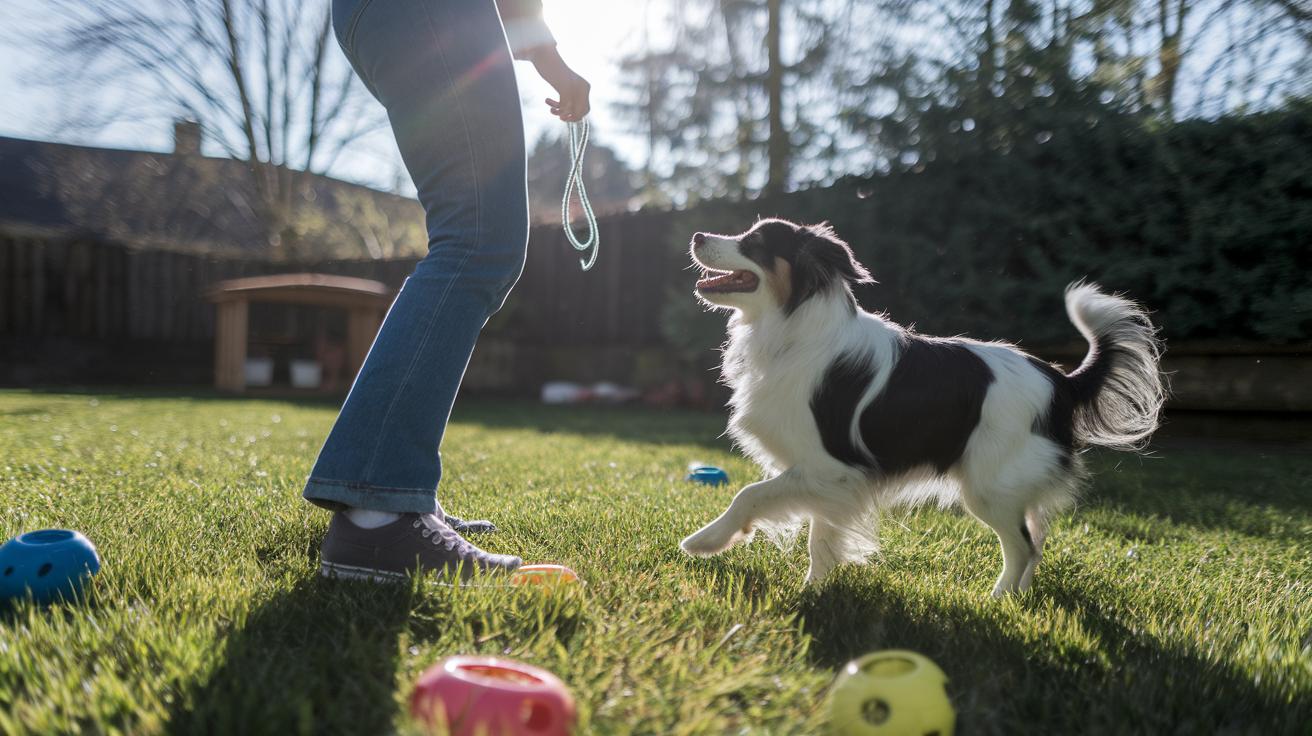
A regular routine makes a big difference for your pet. Even a few minutes of playful exercise can ease joint strain and give them more energy. When your furry friend stays active, each little play session builds endurance and turns workouts into fun moments. Over time, these small efforts help create smoother, healthier movements and lower the risk of injury.
- Fetch variations: Try different fetch games around your yard or inside the house. This not only makes your pet move but also keeps their mind sharp.
- Treadmill walking: On rainy or chilly days, a calm walk on a treadmill offers a safe way to stay active indoors.
- Laser play: Let your cat or energetic dog chase a laser dot for a quick and fun burst of exercise.
- Stair climbs: A few minutes of going up and down stairs can boost muscle strength and get their heart pumping.
- Hide-and-seek: Play this fun indoor game to encourage your pet to explore and move around with joy.
- Canine yoga: Gentle stretches or pet-friendly yoga can relax muscles while still offering a light workout.
Watch your pet for signs of tiredness, like heavy breathing or a slower pace. If they seem fatigued, try shortening the session or switch to a lighter game. Balancing play with rest makes every workout enjoyable and just right for your pet.
Tracking Metrics and Progress in Pet Weight Management
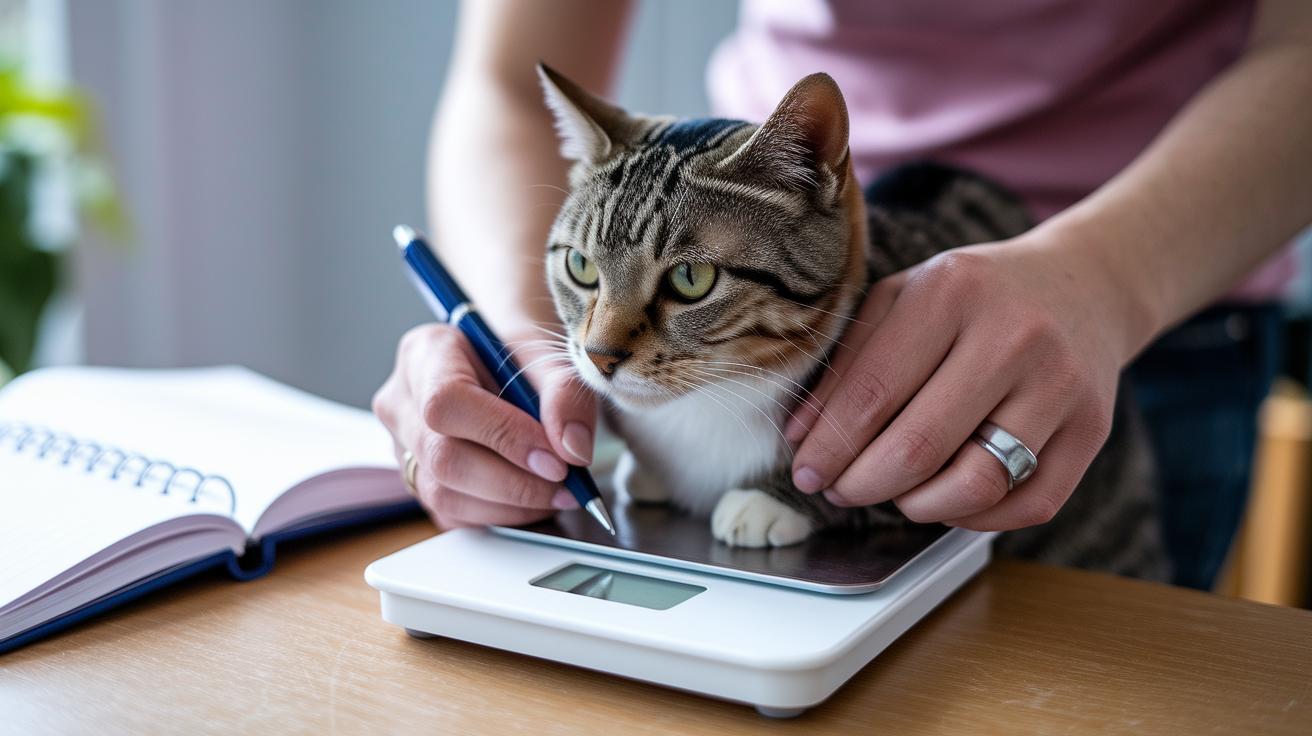
Checking your pet's weight on a regular basis and doing a simple body check (a way to feel and see if your pet is healthy) is a clear sign of progress. Using a pet weight loss journal to record these check-ups can help you notice small changes early and tweak routines as needed. Plus, writing down what your pet eats and how much they play helps you keep track of their calorie (the energy they get from food) intake.
| Metric | How to Measure |
|---|---|
| Scale weight | Check using a pet scale |
| BCS | Feel and look at the pet’s body shape |
| Calorie intake | Measure food portions |
| Activity duration | Note daily play and exercise times |
By keeping an eye on these numbers and notes, you can adjust your pet's meal sizes and playtime. If the data shows any changes, consider modifying feeding and exercise plans, and speak with your vet if needed. This way, you can help your furry friend stay lively and healthy.
Veterinary Support for Safe Weight Control

Talk to your vet first when planning your pet's weight control. Your vet can check for any hidden health problems and help set safe, realistic weight goals. With their advice, you can adjust your pet’s calories (the energy they get from food) and encourage more play and exercise to help them lose weight naturally. This personal plan, which might include special diet advice and a weight loss program, makes sure your pet gets care that truly fits them.
- Health screening: A full check-up to spot any hidden issues.
- Goal setting: Set clear, reachable weight targets that work for your pet.
- Diet plan: Craft a balanced meal plan with proper portions and healthy ingredients as suggested by your vet.
- Follow-up visits: Regular check-ups to see how things are going and tweak the plan as needed.
These steps build a safe and clear weight control program. Regular visits mean you can adjust the plan as your pet’s health changes. With your vet’s guidance and open communication, you can fine-tune your approach to help your pet live a healthier and more active life.
Overcoming Challenges in Long-Term Weight Management

Many pet parents know the struggle of keeping their furry pals in tip-top shape. It’s not easy when your daily routine gets zapped by busy days or when different family members change up the feeding and play times. Sometimes, certain breeds are just more likely to pack on a few extra pounds. And then there’s the problem of extra treats from visitors or even well-meaning family members that aren’t part of the plan.
So, what can you do? Try rallying everyone in your household to stick to the set meal times and scheduled play sessions. Build a clear, steady routine, one that includes fixed meal moments and regular, fun exercise breaks. For pets that tend to overindulge, consider shorter, more frequent bursts of play or swap in lower-calorie treats. These small, thoughtful tweaks can really make a difference, helping your pet stay happy, healthy, and full of life over the long haul.
Healthy Treat and Snack Alternatives
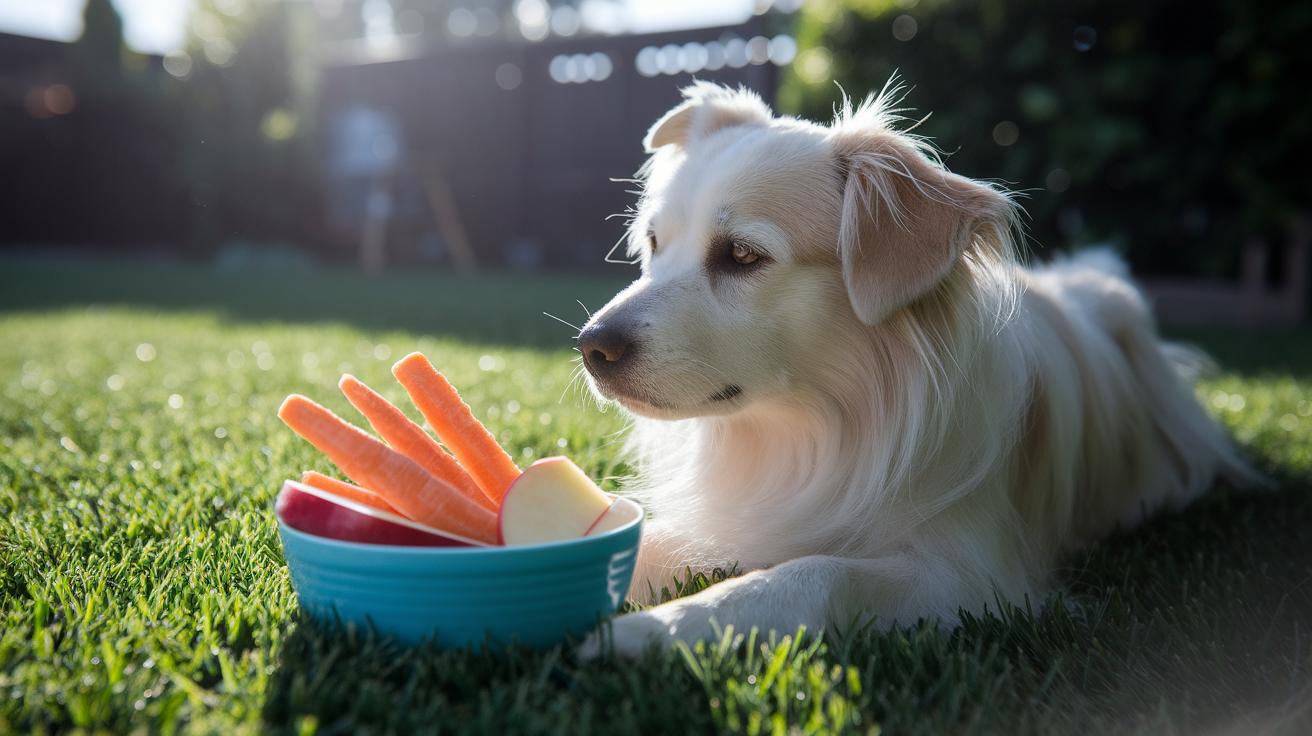
Treats should only be about 10% of your pet's daily calories. Keeping treats small helps avoid extra weight gain and keeps your furry friend active and cheerful. It’s all about giving just a little reward while keeping portions in check.
Try these yummy options that are low in calories and high in natural nutrients:
- Dehydrated sweet potatoes
- Apple slices
- Blueberries
- Cucumber rounds
- Carrot sticks
- Green bean pieces
Each of these snacks is a tasty way to keep your pet satisfied without overdoing the calories. They’re perfect for a light treat that still packs a nutritional punch.
You might also consider non-food rewards. A bit of extra playtime, a gentle grooming session, or even a warm cuddle can work wonders. Combining these little rewards with low-calorie treats helps balance your pet's diet and keeps them happy day by day.
Meal Scheduling and Portion Control Techniques
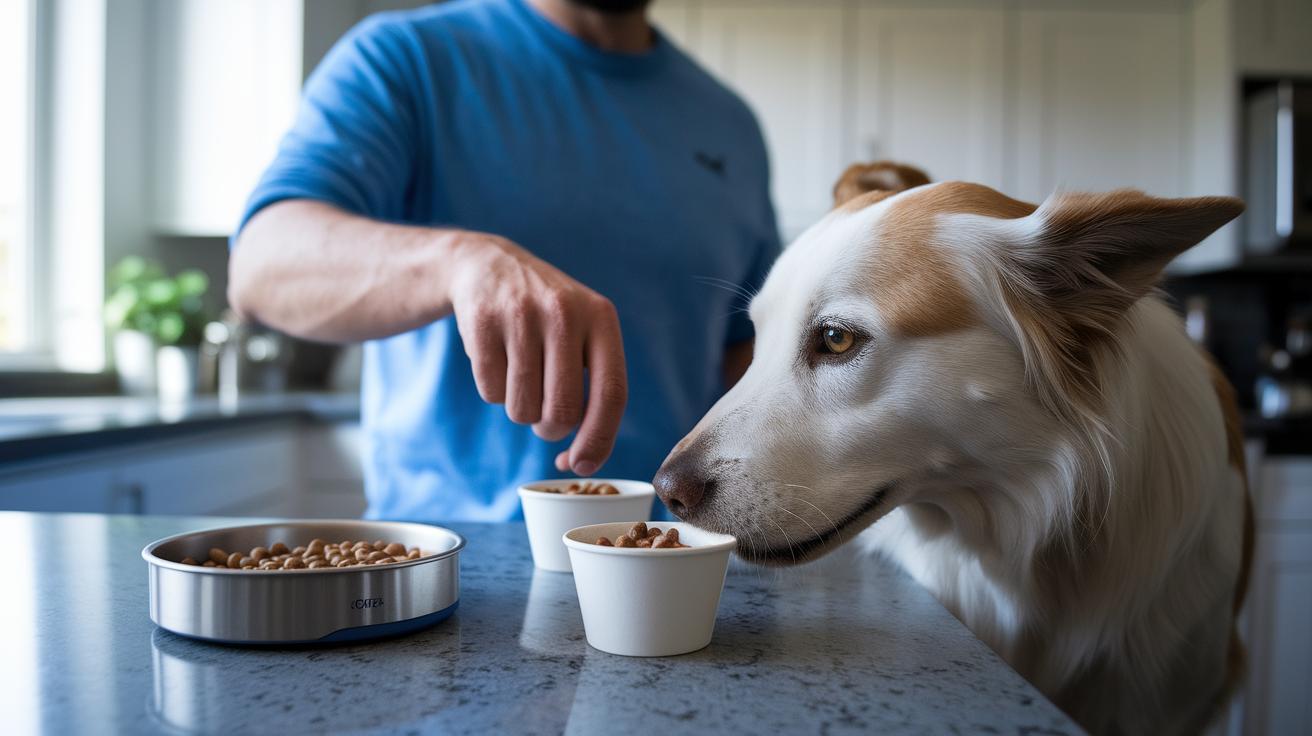
Feeding your pet at regular times, like once or twice a day, can really help their body run smoothly and stops them from eating too much. When you stick to a feeding schedule, your pet gets into a routine that helps with digestion and keeps their energy steady all day long. It also stops the habit of free-feeding, which often makes pets overeat. With predictable meal times, your pet can relax into a calm routine, and you'll find it much easier to watch how much they eat and keep their weight just right.
Here are some great tools to help you measure and manage your pet’s food:
| Tool | Benefit |
|---|---|
| Measuring cups | Helps you portion food correctly without any guessing |
| Pre-weighed packets | Allows you to prepare servings ahead of time for steady calorie control |
| Timed feeders | Automatically gives your pet the right amount at the right moment |
It’s also important to tailor meal times to your pet’s needs. Depending on your pet's breed, age, and energy level, some might do well with a single meal, while more energetic pets might need a little extra to spread out their calories during the day. Adjusting the portions and feeding times for your pet’s unique needs not only helps with weight management but also keeps them lively and cheerful every day.
Final Words
In the action, we explored strategies to keep pets healthy. We talked about balancing meals, getting plenty of exercise, and using metrics to check progress. Vet advice and overcoming common challenges were part of our discussion too. Clear pet weight management tips were shared through diet tweaks, exercise routines, and smart meal scheduling. Every small change can boost your pet’s well-being. Keep up the caring efforts, and enjoy seeing your pet thrive with happier, healthier days.
FAQ
What are the best pet weight management tips and dog weight management tips?
The best pet weight management tips involve balanced meals, measured portions, regular activity, and vet guidance to keep your furry friend healthy and strong.
How much should I feed my dog to lose weight using a calculator?
The feeding amount to lose weight is determined by your dog’s weight, age, and activity level; a specialized calculator helps set proper portions for steady, safe weight loss.
How do you put a dog on a diet for weight loss?
The process to place a dog on a weight loss diet starts with a vet consultation, followed by gradual portion adjustments and a switch to nutrient-rich, low-fat food while adding exercise.
What is vet recommended dog food for weight loss?
The vet recommended dog food for weight loss is designed to be low in calories yet high in protein and fiber, offering balanced nutrition while helping reduce excess fat safely.
What are good options for dog weight loss food and supplements?
The ideal dog weight loss food focuses on natural, balanced ingredients, while supplements approved by your vet support metabolism and joint health during weight control.
How do you manage weight in pets?
The management of pet weight requires careful portion control, scheduled feeding, steady exercise, and regular check-ups with your vet to maintain a healthy, active lifestyle.
What is the quickest way for a dog to lose weight?
The quickest way a dog loses weight safely is by combining a reduced-calorie diet with increased exercise, always under the close supervision of a veterinarian to protect health.
How long will it take my dog to lose 10 pounds?
The time it takes for a dog to lose 10 pounds depends on factors like starting weight, diet changes, and exercise; gradual loss over several months is typically recommended for safety.
Should I feed my dog less if he is overweight?
The approach of feeding your dog less when overweight is part of a complete weight loss plan that also includes diet quality improvements and regular exercise, always with vet advice.