
Ever wonder if your pup could be so much more than just a pet? Imagine a clever buddy who brings joy and lends a helping paw every day.
Service dog training earns three big wins: a solid set of commands, plenty of practice with other folks and pets, and a strong bond with you. This guide shows how patient, little steps can turn your furry friend into a happy and well-behaved companion. By starting with the basics and building teamwork, your pup can be just as reliable out in the world as they are at home.
Service Dog Training Fundamentals: Core Techniques and Steps
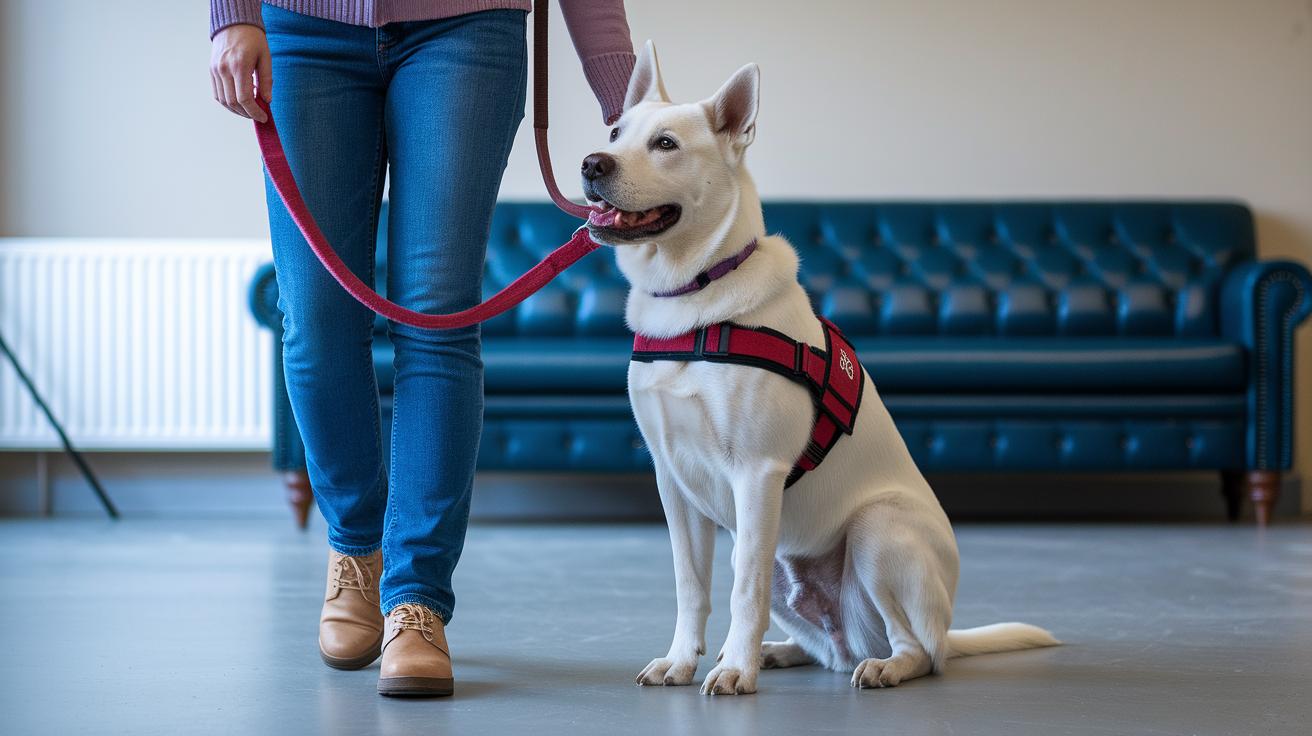
Training a service dog is all about taking small, clear steps. First, you begin with simple commands and slowly build up to more complicated ones. It’s like laying a solid foundation before you start building something amazing, just like how you teach your little buddy to sit before trying fun new tricks.
The adventure starts with basic obedience. You teach your dog easy commands like sit, stay, and come. This stage is short, just a few weeks, but it’s very important because it gets everything rolling.
Then comes the social phase. In this part, your dog learns to focus on tasks like guiding, helping with mobility, or even alerting you to something important. At first, you work in a calm setting so your pup can learn without too many distractions. After mastering the basics, your dog gets a taste of real-life scenes like busy stores or transit areas, learning to behave well everywhere.
Next, it’s time to team up. In the handler partnership phase, you and your dog practice clear, friendly signals and build a deep bond based on trust. It really feels like a teamwork adventure where little missteps turn into shared victories.
Here’s a quick look at the training steps:
- Basic obedience
- Task socialization
- Public access
- Handler partnership
Each step matters a lot, and together they can take anywhere from six to 18 months depending on what tasks your dog needs to do. In the end, this careful, step-by-step training creates a joyful pup and a confident service companion.
3 service dog training Triumphs for Happy Pups
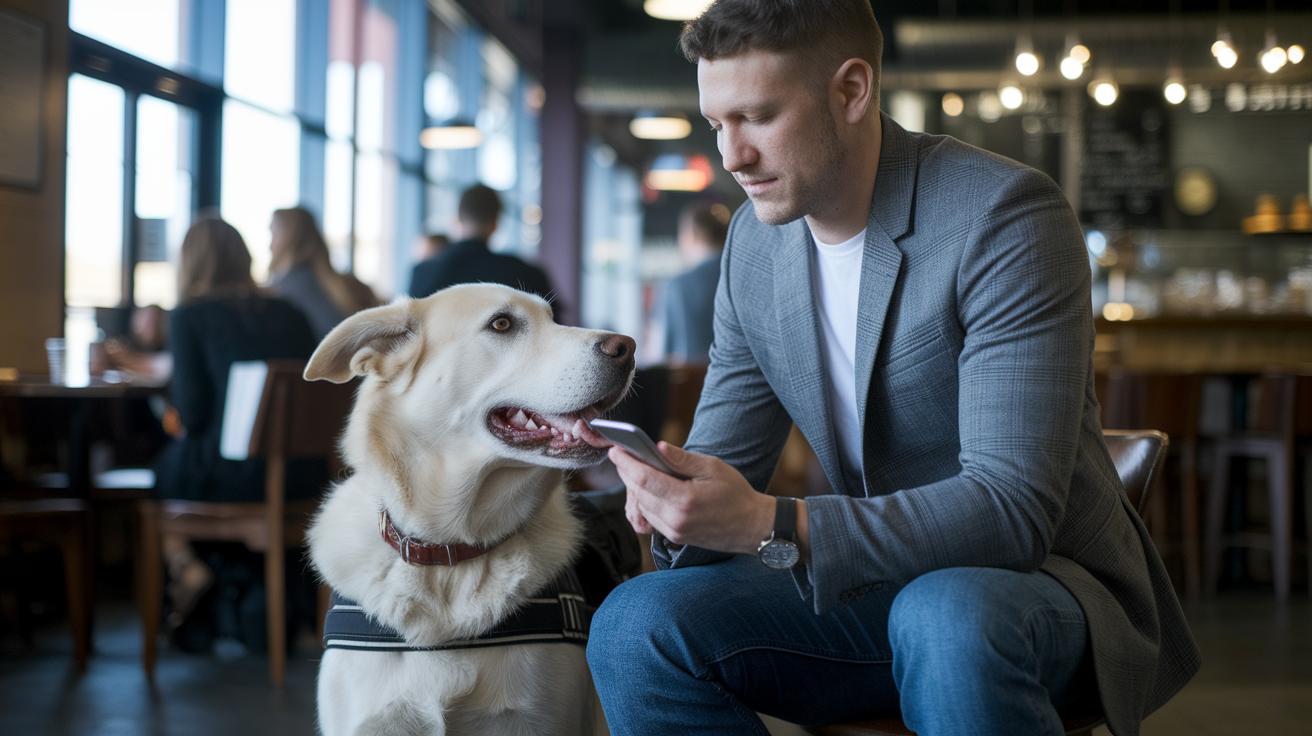
The Americans with Disabilities Act (ADA) lets handlers bring their service dogs into public places, even without a federal certification. Often, handlers carry a simple letter from a doctor to verify their disability, making encounters in public much smoother. Some states even offer voluntary ID programs that add extra confidence when meeting business staff.
First up, following ADA rules is a real win. When a service dog is well trained and its handler has the right paperwork, they can confidently visit cafes, stores, or restaurants. Next, many skilled trainers complete accredited classes that show they know how to teach the right skills (important abilities for service dogs) and pass inspection checks to boost their credibility.
Lastly, checking state-approved licensing guidelines builds even more trust. Each state may have different options, but these steps help create a strong bond between the handler, the dog, and the community. With simple rules and solid documentation, service dog training becomes a joyful triumph for happy pups and their devoted owners.
3 service dog training Triumphs for Happy Pups
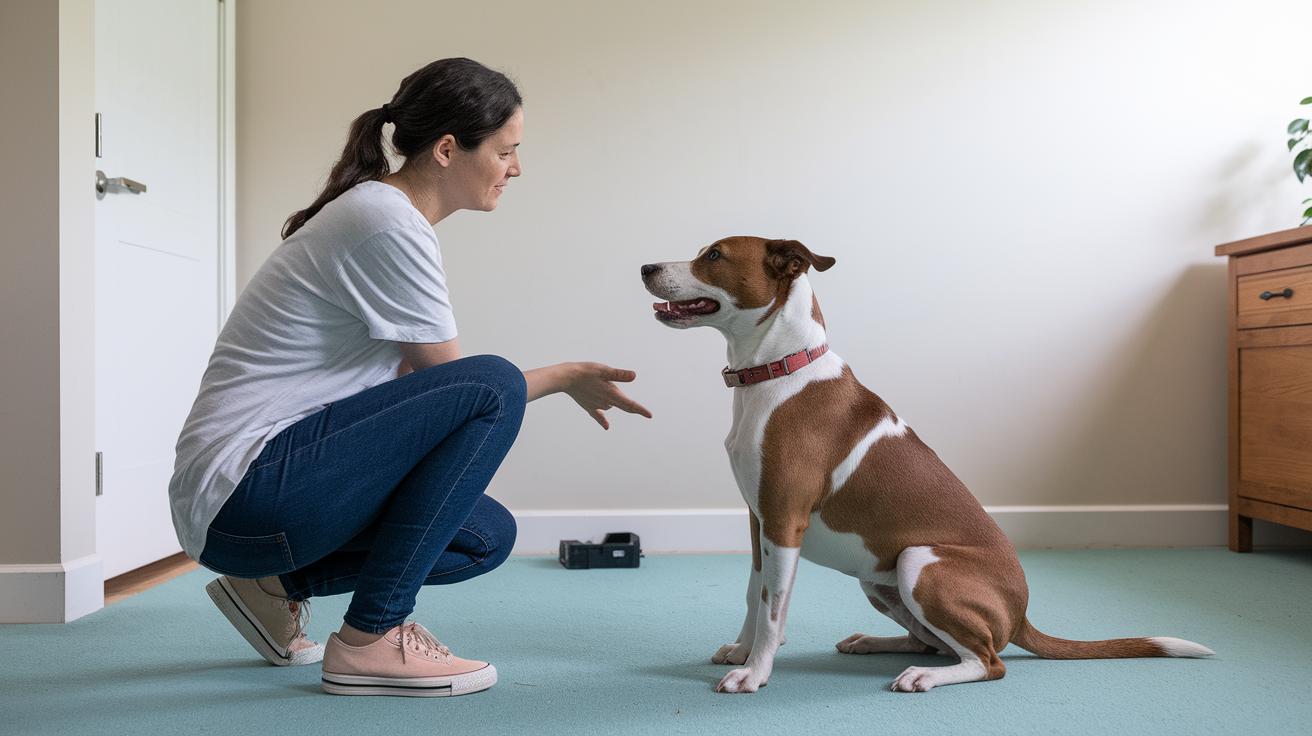
One effective method is the full-service board-and-train package. In this setup, a professional trainer works side-by-side with your dog in a special training environment. Prices range from $15,000 to $50,000 depending on the tasks your dog needs to learn. This option offers daily guidance at home through one-on-one coaching styles that build a strong skill set, perfect for busy dog parents who want expert help without extra hassle.
Another great option is owner-led training with expert support. These sessions, costing about $150 to $250 an hour, put you in charge as you work with your dog in your own comfortable space. Through interactive virtual classes, online skill courses, and small group sessions, you get to bond even more with your furry friend while tailoring the training to match your dog's unique personality.
Finally, virtual training modules have become a popular choice. With on-demand digital tutorials, weekly email tips, and live video workshops, expert instruction is just a click away. These remote sessions help you avoid travel stress and let you review lessons at your own pace, ensuring your service dog's skills grow steadily. Check out our Dog Training Programs for more insight on these diverse options.
Every method has its perks, you can choose the one that fits your schedule, budget, and your pet’s personality best. In the end, training becomes a joyful journey for both you and your pup.
Service Dog Training Costs and Budget Planning

Training a service dog can cost between $10,000 and $50,000. The final price depends on the training length (usually 6 to 18 months), the type of support you choose, and whether you go for a full-service program or take charge of some sessions yourself.
Instead of repeating what we discussed before, try using a side-by-side pricing guide to plan your budget and find a course that works for you.
| Service Type | Cost Range |
|---|---|
| Mobility Assistance | $15,000–$30,000 |
| Seizure Alert/Medical Monitoring | $25,000–$40,000 |
| Guide Dogs | Up to $50,000 |
| DIY Training Support | $150–$250/hr |
Plan your expenses by thinking about how long the training will take and which method suits your dog's needs. For example, if you choose owner-led sessions, track the hourly fees over time, kind of like watching your pet's heart beat steadily during a long walk.
Locating Accredited Service Dog Training Providers and Programs
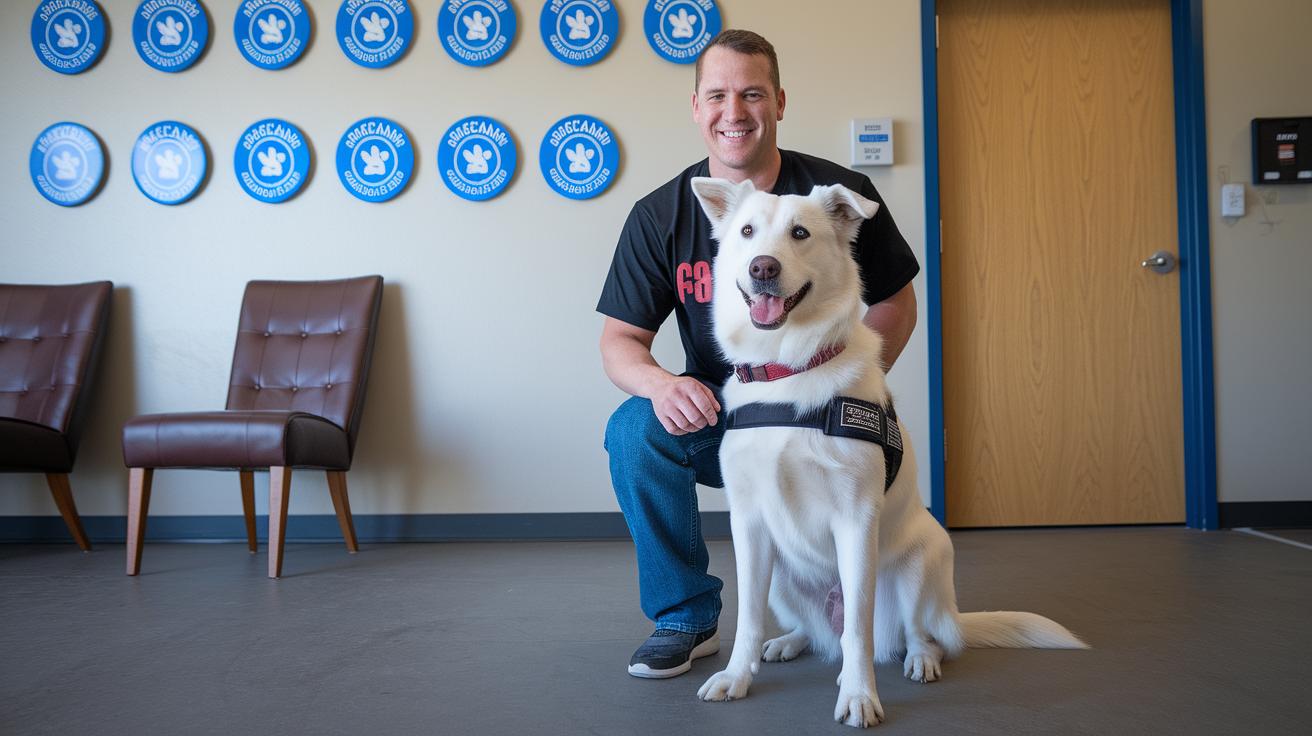
When you’re picking a training provider for your service dog, look for those that proudly show off national or state accreditation and list clear credentials. These badges help you feel sure they meet solid standards and know their stuff. Many great training centers work in Southern California areas like Riverside, Orange, San Bernardino, Los Angeles, and San Diego. Some even offer board-and-train programs across the nation or run virtual sessions, so you have plenty of choices.
It’s also a smart idea to listen to what other pet lovers have to say. Positive client testimonials and verified trainer credentials, like those from trusted names such as Delta Tails LLC, give you extra confidence. Check out local directories or training profiles to see if the provider has passed strict assessments and earned endorsements from licensed coaching institutes.
A reliable provider often sports regional accreditation from well-known centers and even hosts neighborhood sessions or local hubs for easy access. This way, you can get expert help right in your community. For an extra resource, why not start with Dog Training Classes to find highly rated local programs?
Service Dog Partnerships: Transforming Lives Through Compassion and Skill
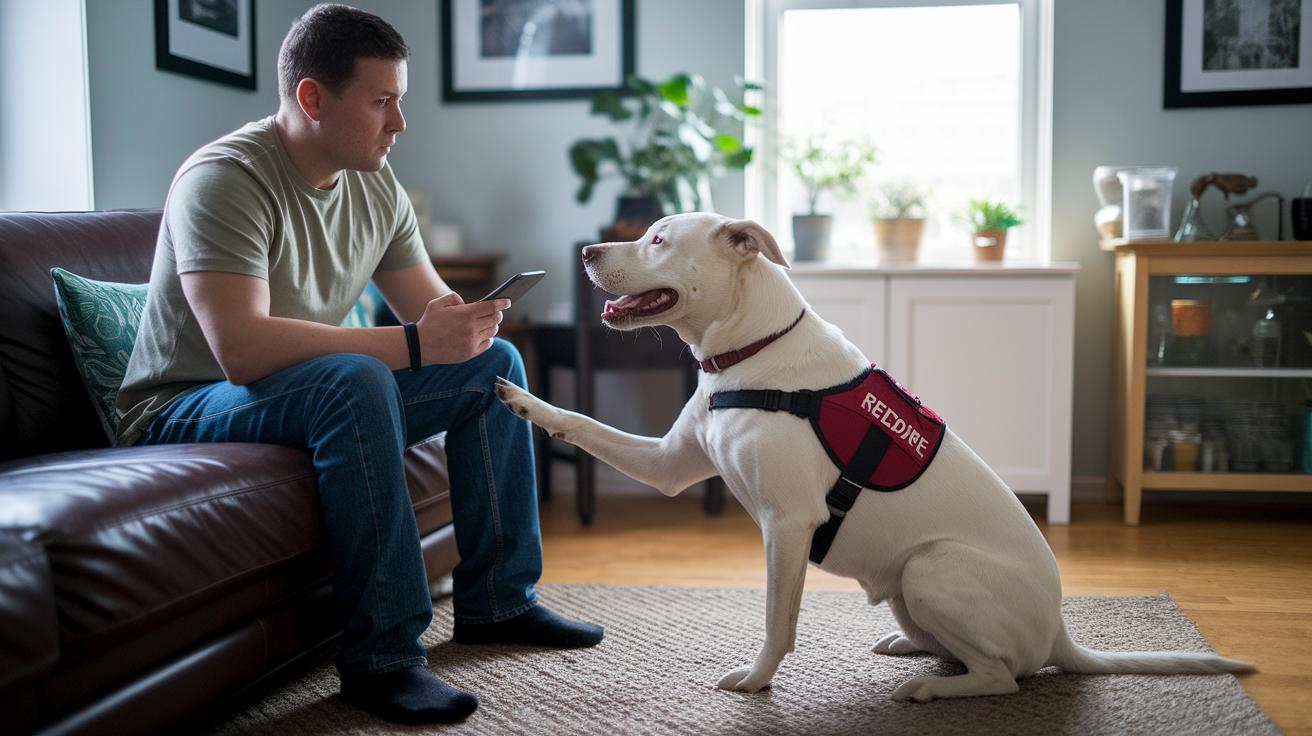
Imagine a handler living with PTSD and a brain injury finding new independence because her service dog senses signs of a coming seizure and gives a gentle nudge. It’s like having a caring friend by your side, easing daily challenges and making public outings feel safe.
Veteran service dog programs have shared many heartwarming stories too. One veteran described how his loyal companion helped calm his nerves during stressful moments, turning everyday tasks into moments of support and understanding.
These stories show that a well-trained service dog goes far beyond providing help for a few years. It becomes a trusted friend, offering both reliable physical aid and the kind of heartfelt comfort that makes all the difference.
Home-Based Service Dog Training: Handler’s Step-by-Step Guide

Start training your little puppy at 8 weeks old right at home. Set up a small, quiet spot, maybe a cozy corner inside or a calm patch in the backyard. This lets your pup learn new routines without too much noise or distraction.
Mix short training sessions into your daily routines. For example, after breakfast, spend about five minutes practicing a "sit" command near a window so your puppy can enjoy a view of the outdoors. It’s fun and easy!
You can also blend training into regular activities. While you’re whipping up dinner in the kitchen, try a quick stay command. That way, training becomes a natural part of your day, just like sharing a moment with your furry friend.
If you need a little extra help, check out online sessions. Service Dog Training Online offers virtual lessons that work with your home setup. Imagine following a guided lesson from your couch while your pup watches the screen!
| Home Setup | Training Example |
|---|---|
| Quiet corner in living room | Practice sit and stay after breakfast |
| Part of the backyard | Short outdoor command sessions |
| Kitchen area | Brief stay training during meal prep |
- Create a special training spot at home.
- Add quick practice sessions into your daily routine.
- Use online lessons for extra guidance.
These tips show how training at home can easily fit into your day, making learning fun and bonding extra special with your pup.
Funding and Grants for Service Dog Training
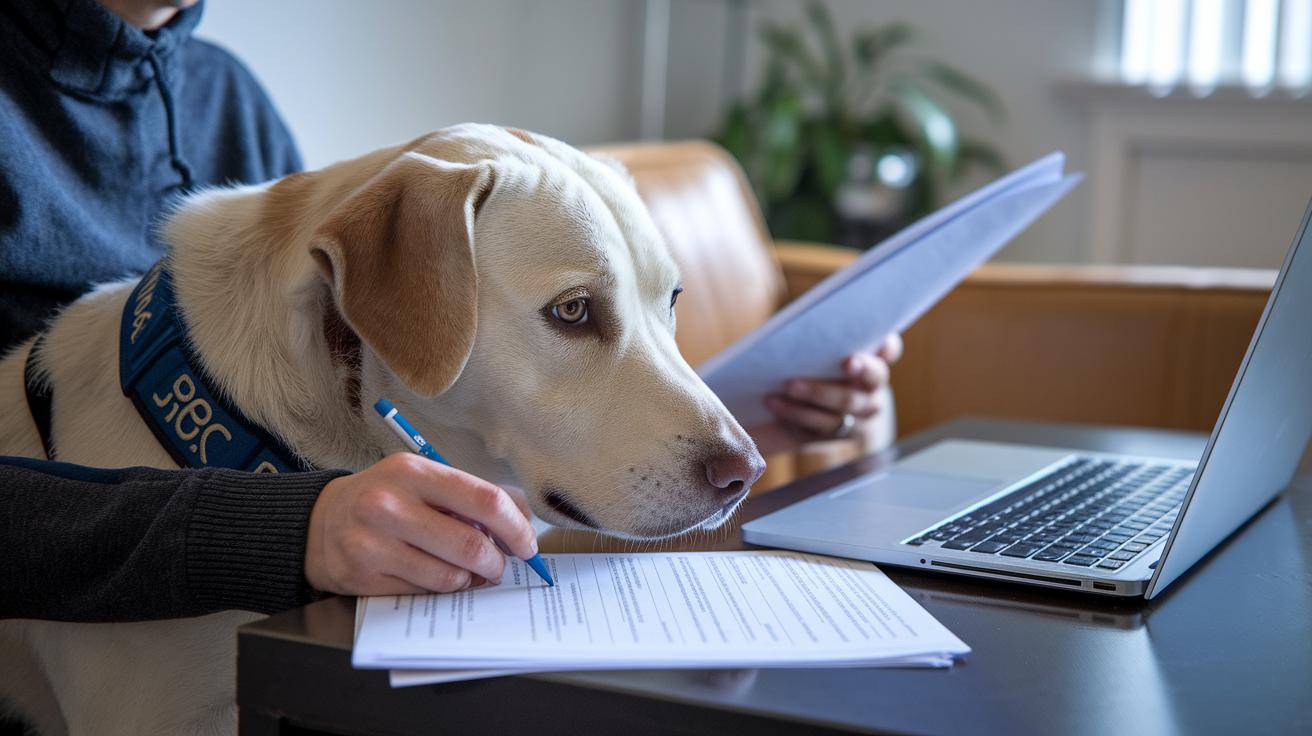
Training a service dog can cost a lot, but there are ways to ease that burden on your wallet. Many friendly nonprofit groups and veteran programs help cover part or all of the training costs so you can focus on watching your pup learn and grow, without worrying about money. There are even foundations that support dogs who help with seizures or mobility issues, and you might consider online crowdfunding, kind of like a digital neighborhood bake sale, to rally support from friends and neighbors.
If you’re planning your budget, try exploring these sources:
| Funding Source | What to Look For |
|---|---|
| Nonprofit & Veteran Programs | Local groups that help cover service dog training costs for those with specific needs |
| Disability-Focused Grants | Opportunities from foundations that support dogs assisting with PTSD, mobility, or seizure alerts |
| Community Crowdfunding | Online campaigns where your community can chip in for your training expenses |
Taking some time to gather all the paperwork, personal details, and recommendations from professionals can really boost your application. Planning your funding early gives you one less thing to worry about as you enjoy each step of your service dog’s journey.
Common Questions in Service Dog Training
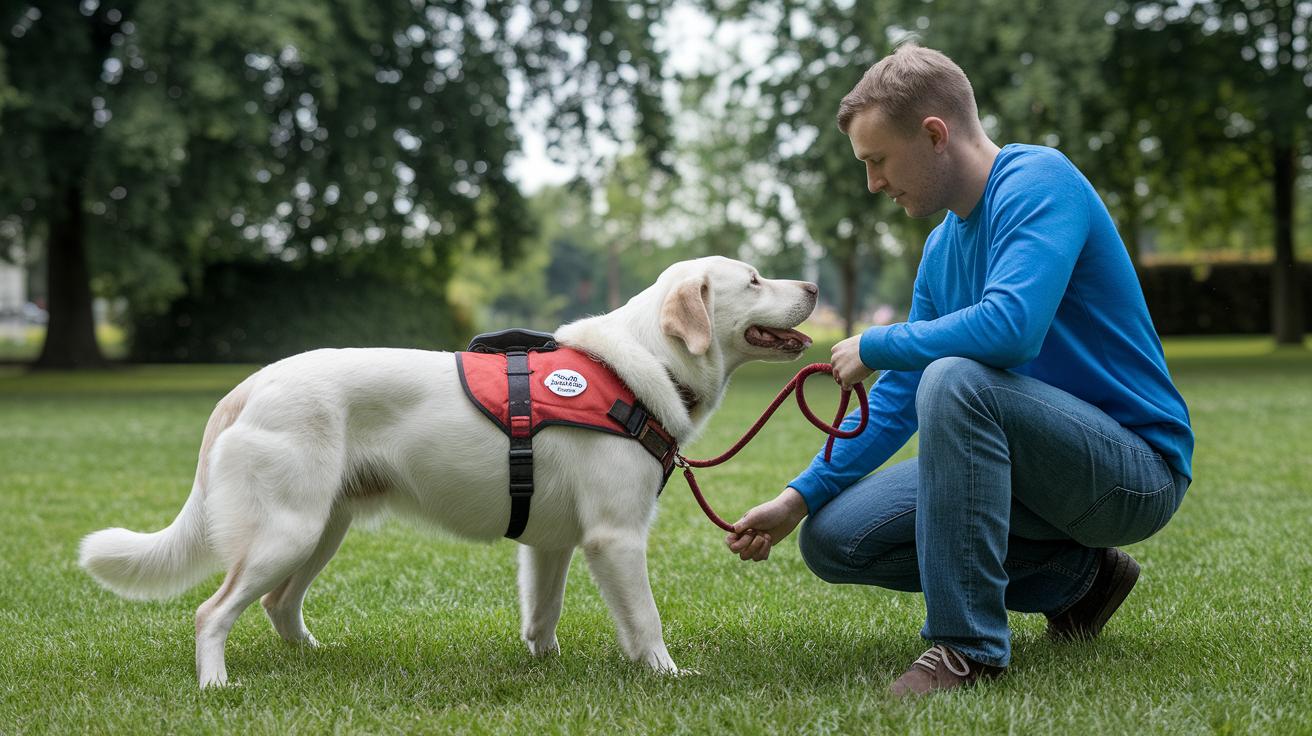
Training a service dog can spark lots of questions for pet owners. It’s totally normal to wonder what to do when your pup gets distracted or if you should get some professional advice along the way. Here are five common questions answered in a simple, clear way:
-
What do health insurers cover for training?
Most health insurers don’t pay for any service dog training expenses. -
Is DIY training valid?
You can definitely start training at home, but having a pro check in is important to meet public access rules (guidelines that ensure your dog behaves well in public). -
How long before a dog passes the public access test?
With regular practice, many dogs learn to pass this test in about 6 to 12 months. -
Should I worry about my dog getting distracted during training?
Not really. Distractions happen, and slowly introducing your dog to new settings helps build their focus over time. -
Can I mix professional lessons with at-home training?
Absolutely. Blending expert advice with daily home practice creates a balanced routine that reinforces good behavior.
Every service dog is unique, and progress comes at its own pace. Think of these answers like helpful stepping stones that boost your confidence and guide you through the ups and downs of training together. Enjoy the journey and the growing bond with your furry friend!
Ongoing Support and Maintenance After Service Dog Training
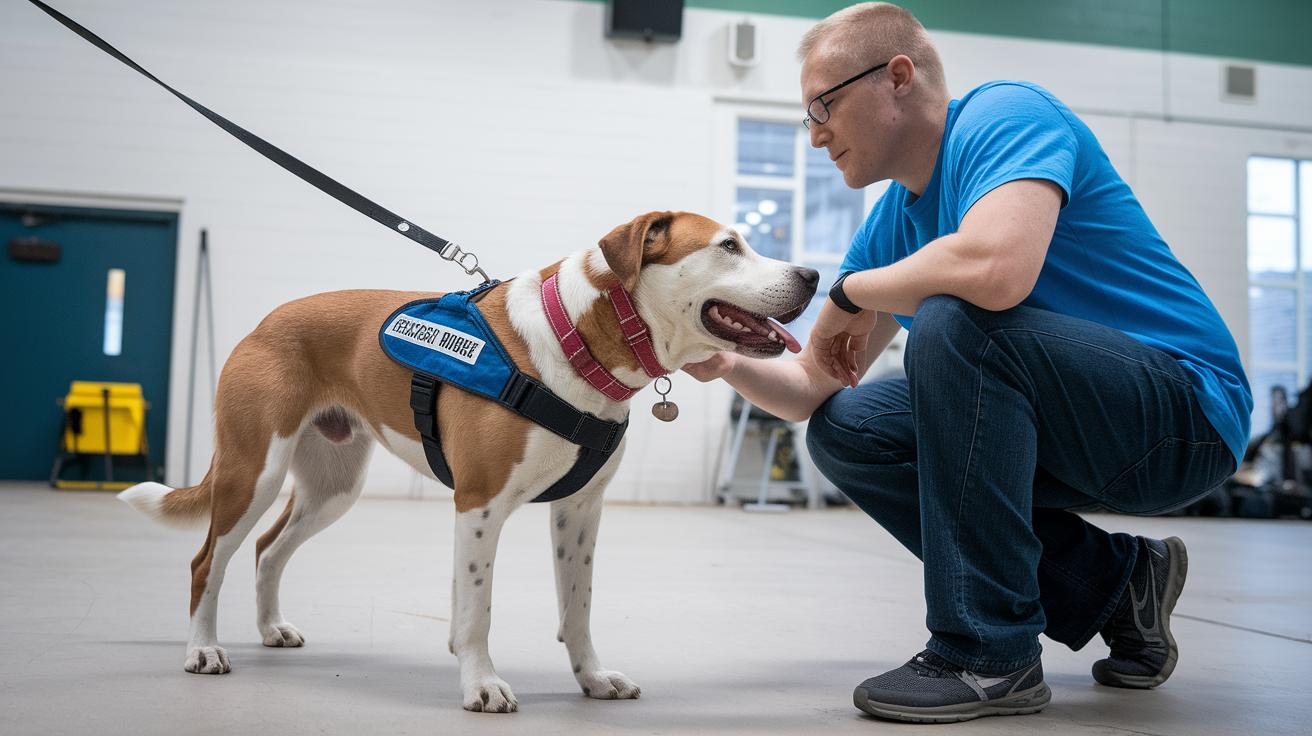
Keeping your service dog on point is an ongoing journey. Each year, you and your furry friend get to attend refresher workshops where you brush up on public access drills (practices that help your dog stay calm in public) and task exercises. Imagine these meetups as friendly gatherings, where everyone practices important skills together, much like catching up with pals over your favorite hobby.
Community mentoring really makes a difference too. Joining groups with other pet lovers means you can share handy tips and cheer each other on. Picture sitting with friends, swapping stories about a cool new trick your pup just learned. These sessions boost your dog’s confidence and help keep good behavior on track.
Regular meet-ups with experienced handlers are a smart way to keep training fresh. They offer new ideas and gentle reminders of the basics. Plus, continued learning classes help your pet adjust as your life changes, kind of like giving your dog a little update to ensure everything runs smoothly.
- Annual refresher workshops with public access drills
- Peer-supported practice groups with shared tips
- Continued education modules for evolving needs
Regular support like this makes sure your service dog stays a dependable friend every day.
Final Words
In the action, we explored service dog training from start to finish. We covered core techniques such as basic obedience, task socialization, public access, and handler partnership.
- Basic obedience
- Task socialization
- Public access
- Handler partnership
Our guide walked you through legal aspects, program options, budgeting, and ongoing support. Every step is designed to make service dog training practical and effective. Take these insights to confidently support your furry friend, knowing that smart, personalized care helps every pet feel loved and equipped to thrive.
FAQ
Service dog training near California, Texas, and near me
The inquiry about nearby training means locating local programs by checking accredited trainers, community animal hospitals, or online directories that list effective service dog training options available in your specific area.
Service dog training cost
The question on training cost means different programs can vary greatly. Expenses range from owner-led sessions at modest rates to full board-and-train packages costing several thousand dollars, depending on your dog’s specialized tasks.
Service dog training certification
The certification question means that while the ADA doesn’t require a federal certificate, obtaining a healthcare professional’s letter or state-endorsed documentation can boost your dog’s public access credentials through accredited training programs.
Free service dog training and free service dog training near me
The free training inquiry means that nonprofit organizations and community groups sometimes offer partial or full training support. Check with local animal assistance agencies and veteran services to see what free options are available near you.
Online service dog training
The online training question means that many providers now offer digital modules, on-demand tutorials, and virtual workshops. These programs give you the convenience of structured training guidance without leaving home.
Can you train your dog to be a service dog yourself?
The self-training question means that while you can train your dog at home, professional oversight is essential for achieving full public access certification and ensuring your dog reliably performs all required service tasks.
What is the 7 7 7 rule for dogs?
The query about the 7 7 7 rule means it’s a guideline suggesting brief, repeated training intervals to build reliable behaviors. It involves starting with small time blocks and gradually increasing the duration as your dog adapts.
How long does it take to train your dog to be a service dog?
The training duration question means that fully training a service dog typically takes between six and eighteen months, depending on the specific tasks and the consistency of practice in each phase.
How hard is it to get approved for a service dog?
The approval question means that achieving service dog status can be challenging, as it requires meeting rigorous public access and task performance standards set by professional training programs and regulatory guidelines.
Service dog registration
The registration question means that since no universal registry exists, some state programs or training providers may offer voluntary ID options, though federal law does not mandate any registration for service dogs.
Free service dogs near me
The free service dog inquiry means that certain nonprofit organizations and community programs provide free service dogs based on eligibility criteria. Research local support groups or veteran service organizations for available opportunities.
Assistance Dogs International certificate
The certificate question means that training programs accredited by Assistance Dogs International follow strict standards. Earning this certificate highlights that a service dog meets high ethical and operational training benchmarks.
Free service dog organizations
The free organizations query means that nonprofits may offer training, placement, or even free service dogs based on financial need or disability status. Contact local and national pet assistance charities to see if you qualify.
How to become a service dog trainer
The career query means that to become a service dog trainer, you need specialized coursework in animal behavior, hands-on training experience, and mentorship from experienced professionals through accredited programs.