
Have you noticed your pet acting a bit different lately? Maybe they skip meals or seem quieter than usual, like a suddenly quiet room after your playful cat settles down.
These small changes can be your furry friend’s way of telling you something’s off. It might be unusual tiredness (lethargy) or even shifts in how much they eat.
Catching these signs early helps your pet feel better sooner and keeps you calm too. After all, when our pets are happy, our hearts feel lighter.
Signs of Early Pet Illnesses: Key Indicators

As a caring pet owner, you know your furry friend better than anyone, right? Even small changes, a little less playtime energy or skipping a meal, might be how your pet lets you know something isn’t quite right. Maybe your once energetic pup seems unusually drowsy or falls asleep more than usual; that's a sign it might not feel 100%.
- Lethargy and weakness: Your pet might seem slower and less playful, like a cat lounging around instead of chasing its favorite toy.
- Reduced appetite: Imagine your dog turning away from treats it normally loves.
- Vomiting: If it happens several times, not just once, it could be a clear warning sign.
- Diarrhea: Loose stools, especially lasting over a day, might point to an underlying issue.
- Fever or odd body temperature: Notice if your pet feels either unusually warm or cool; such changes could signal an infection.
- Unexplained weight loss: A steady drop in weight, even when eating normally, definitely warrants a closer look.
Changes in behavior like sudden grumpiness, withdrawal, or restlessness can also hint at health problems. Keeping an eye on these early signs is key to catching any issue before it gets serious, so you can quickly get your pet the care it needs and help it bounce back to its happy, healthy self.
Signs of Common Pet Illnesses Through Behavioral Changes

It’s really smart to keep an eye on your pet’s daily habits because they can tell you a lot about how your furry friend is feeling. Even small changes might mean something isn’t quite right.
- When your pet suddenly avoids people, other animals, or favorite spots, it might be hiding or feeling shy.
- A spike in sounds, like whining, barking, or meowing, can signal they’re experiencing discomfort.
- Notice if they start pacing, acting restless, or seem agitated; this might be a sign of pain or unease.
- Watch their grooming habits. If they’re over-licking or biting their fur, or if they suddenly stop grooming, it’s worth taking a closer look.
- Look out for changes in social behavior. If your pet becomes unexpectedly clingy, starts hiding, or avoids interacting, they might be dealing with stress or discomfort.
Paying attention to these behaviors can help catch issues early before they turn into something bigger. When you spot these changes, it might be time to visit the vet and get to the root of the problem.
Signs of Common Pet Illnesses: Skin and Coat Symptoms
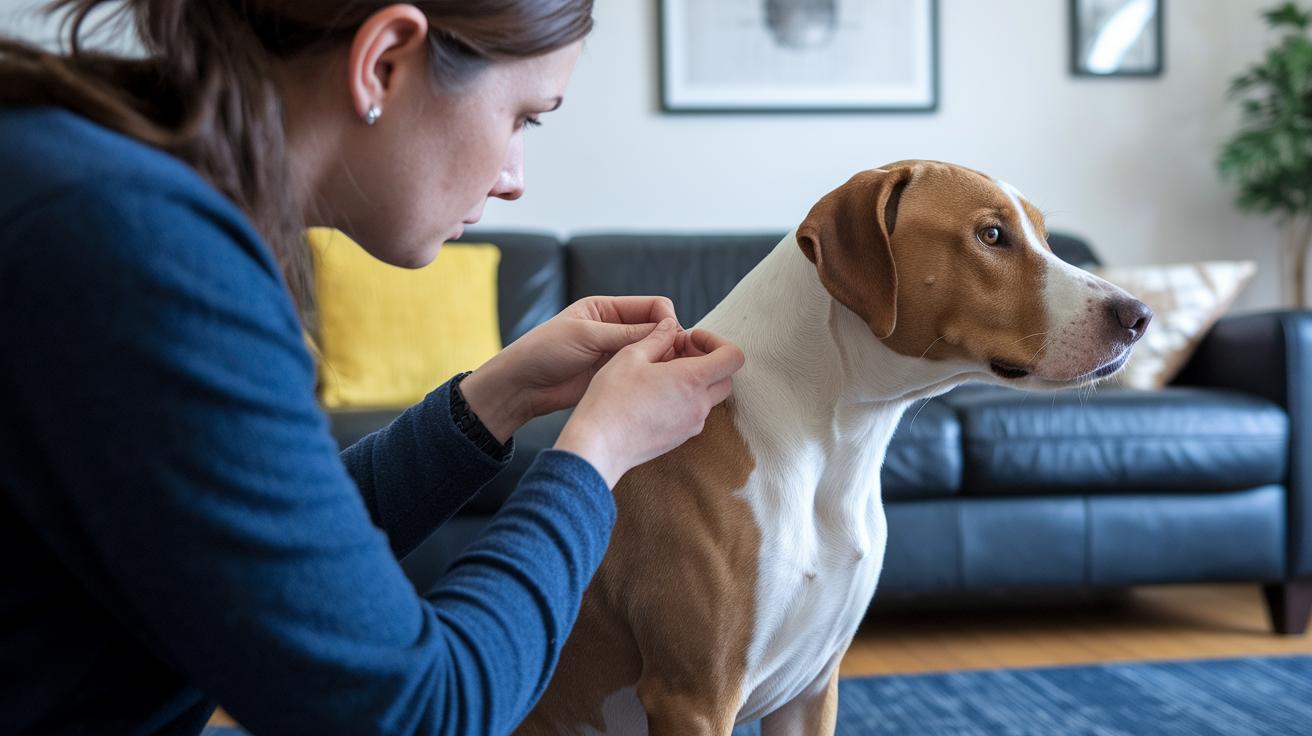
Keeping a daily watch on your pet's coat can help you spot issues early on. A shiny coat shows that your pet is doing well, while changes in the skin or fur can hint that something might be off.
Take ringworm, for instance. It can appear as a round, hairless spot with red skin around it. These spots may stand out more on pets with darker or thinner fur. Flea bites might turn into tiny red bumps that form small scabs from lots of scratching, and sometimes can even lead to hair loss. Allergies can make your pet develop rashes or hot spots where the skin feels warmer and more irritated than usual. And if you notice the coat looking dull or greasy, it might mean that tiny parasites are causing trouble, which could lead to other skin infections.
When your pet is calm, try gently parting their fur to check for any small lesions or thinning patches. A regular grooming routine and a quick look at their skin can help you catch problems early, keeping your pet in top shape.
Signs of Common Pet Illnesses: Digestive and Respiratory Clues

Pets often show you little signs through their tummies and breathing. If your furry friend starts vomiting a lot or has loose, even bloody stools, it might mean their stomach is upset, or it could be something more serious like parvo (a dangerous virus in dogs). Similarly, a dry cough or bouts of sneezing might point to kennel cough or a common chest infection. It’s important to keep an eye on any changes in your pet’s usual habits.
| Symptom | Possible Cause |
|---|---|
| Severe Vomiting | Parvovirus, GI obstruction |
| Bloody Diarrhea | Parvo, hemorrhagic gastroenteritis |
| Dry Hacking Cough | Kennel cough, canine influenza |
| Sneezing & Nasal Discharge | Upper respiratory infection, influenza |
| Mild Chronic Vomiting | Food intolerance, gastritis |
Keeping track of these signs is super helpful. Notice if the vomiting happens every few days or if that cough just won’t quit. Write down how long the diarrhea or coughing lasts and watch if there’s any drop in energy. These little notes give your vet a clear picture of what’s going on, helping them decide if more tests, like bloodwork (a test of your pet’s blood) or imaging (an x-ray or similar scan), are needed. With good records, you can get help for your buddy quicker, making them more comfortable and easing their discomfort.
Signs of Common Pet Illnesses: Neurological and Emergency Alerts
If you notice your pet behaving oddly or showing unusual movements, it might be a sign that something is not right with their nervous system. These changes can happen fast and sometimes point to serious issues like canine distemper or even rabies (a dangerous illness that affects the brain). When your furry friend seems off, it’s important to act quickly.
Here are some signs to watch for:
- Seizures or twitching that affect the whole body
- Deep confusion or walking in circles
- Difficulty with coordination or moving smoothly
- Moments when they seem partly or fully paralyzed
- Extreme tiredness that leads to collapse
If you see any of these signs, don’t wait. Trust your gut and take your pet to the vet right away. Noticing these early hints can be the difference between a speedy recovery and more serious problems. Stay alert and keep an eye on how your pet moves and behaves, just like you would for any friend who matters to you.
Signs of Common Pet Illnesses: When to Consult a Veterinarian
Sometimes a little upset can pass by quickly. But if your pet’s symptoms get worse or stick around, it’s time to see a vet. It’s important to know the difference between a small hiccup and something more serious.
Here are some signs to watch for:
- Vomiting or diarrhea that lasts over 24 hours
- Breathing that seems hard or a cough that just won’t quit
- Seizures or a sudden loss of feeling or movement
- Quick weight loss or signs of dehydration (when your pet isn’t getting enough water)
- Big changes in behavior or clear signs of pain
Noticing when these symptoms start, how long they last, and how strong they are helps the vet decide if your pet needs extra tests like blood tests, a look at their urine, heartworm screening (a check for tiny worms in the heart), or even an ECG (a test to check the heart’s rhythm). For more tips on spotting these warning signs, check out Signs Your Pet Needs a Veterinarian Checkup. And if you need help finding a nearby clinic, visit Pet Wellness Clinic Near Me.
Final Words
In the action of monitoring your pet’s health, you learned about key physical signals like loss of appetite, vomiting, and fever. Small changes in behavior or skin and coat may also signal trouble. You saw that signs of common pet illnesses, from digestive and respiratory concerns to neurological alerts, require prompt attention. Keeping a close eye and acting fast helps make each day better for your furry friend. Stay positive and proactive in caring for your pet's overall well-being.
FAQ
What are the top common dog diseases and their symptoms?
The top common dog diseases include conditions like parvovirus, kennel cough, and distemper, which show signs such as vomiting, coughing, lethargy, and diarrhea. Recognizing these symptoms early is key to getting care.
How do early signs of illness appear in both dogs and puppies?
Early signs of illness in dogs and puppies often show up as changes in energy, eating less, vomiting, or diarrhea. These clear indicators help owners notice issues before they worsen.
How can pictures help identify common dog diseases?
Pictures of dog diseases can show visible symptoms like skin lesions, bald patches, or swelling, offering a visual guide that helps pet owners spot unusual signs and decide if a visit to the vet is needed.
What treatment options exist for common dog diseases, including those that can be serious?
Treatment options for common dog diseases range from medication and dietary changes to more intensive care for serious conditions. Quick response and veterinary guidance can greatly improve outcomes in severe cases.
Where can I find a list of dog diseases to watch for?
A list of dog diseases is often available through veterinary sources and pet care guides. Such lists help pet owners recognize early symptoms and know when to seek professional help.