
Ever wonder how one simple lab test can change a pet's whole health story? Vets use clinical pathology (a method that examines blood and tissue samples) to gather little clues that help map out the best treatment. It's like putting together a puzzle where every tiny piece matters. In this chat, I'll show you how reading lab data can lead to smarter pet diagnoses and care. Ever notice how even the smallest sample can hide big secrets? Keep reading to find out how these tests can reveal key insights and brighten your pet’s path to better health.
Overview of Veterinary Clinical Pathology
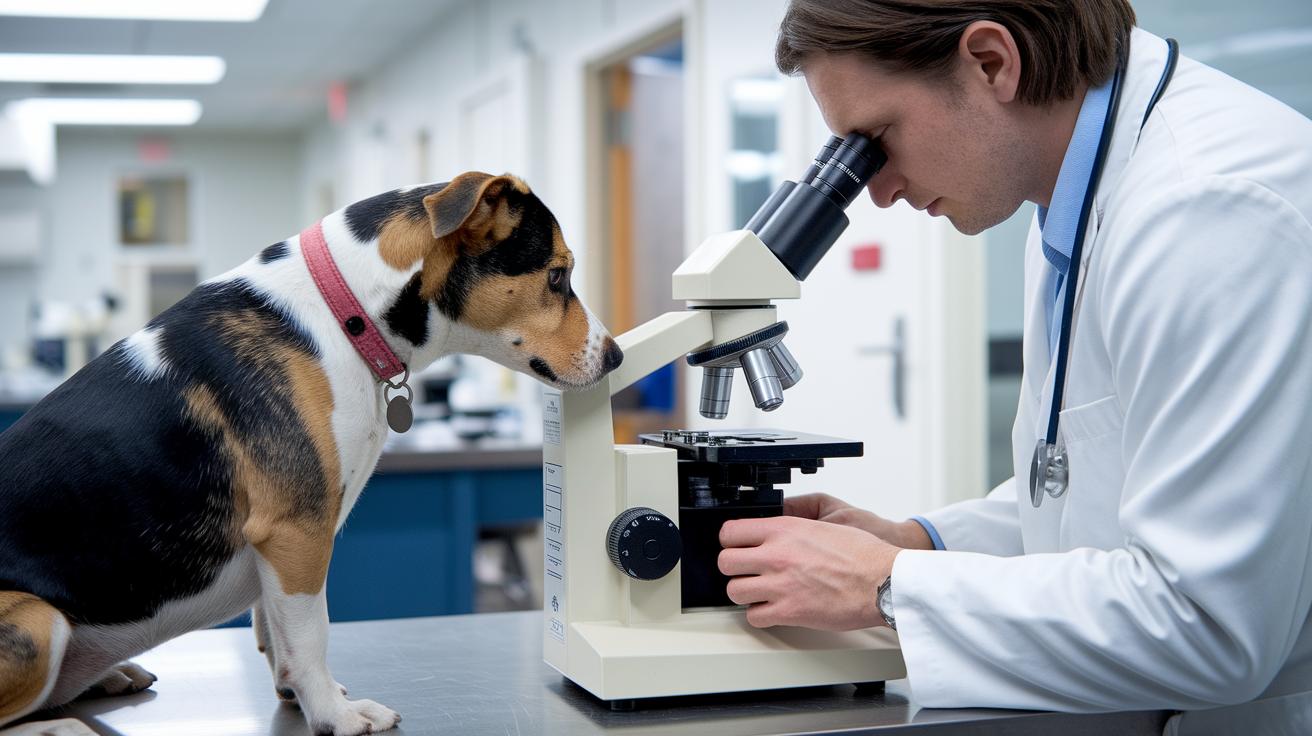
Veterinary clinical pathology is all about running lab tests on blood, body fluids, and tissues from many different animals. Whether it's a playful puppy, a curious parrot, or even a wild creature, this field digs into the details. It covers topics like hematology (studying blood cells), clinical chemistry (checking chemicals in fluids), and cytology (looking at cells). It also looks at how well blood clots, does immunodiagnostics, studies how drugs work (pharmacology), and even explores different treatment methods and complementary care. For example, a vet might examine a blood smear from a little pet to figure out why it feels tired. Think of it like solving a mystery with clues from the lab!
Interpreting this lab data is super important. It’s like putting together a puzzle, each test gives a small piece of a bigger picture about your pet’s health. These test results can hint at things like infections or issues with organs. One test might show that a pet’s liver is stressed by looking at enzyme levels, while another could spot subtle problems by counting cells. By piecing together all these clues, veterinary clinical pathology turns lab numbers into useful advice, helping vets take the best care of our furry friends.
Standardized Laboratory Techniques in Clinical Pathology
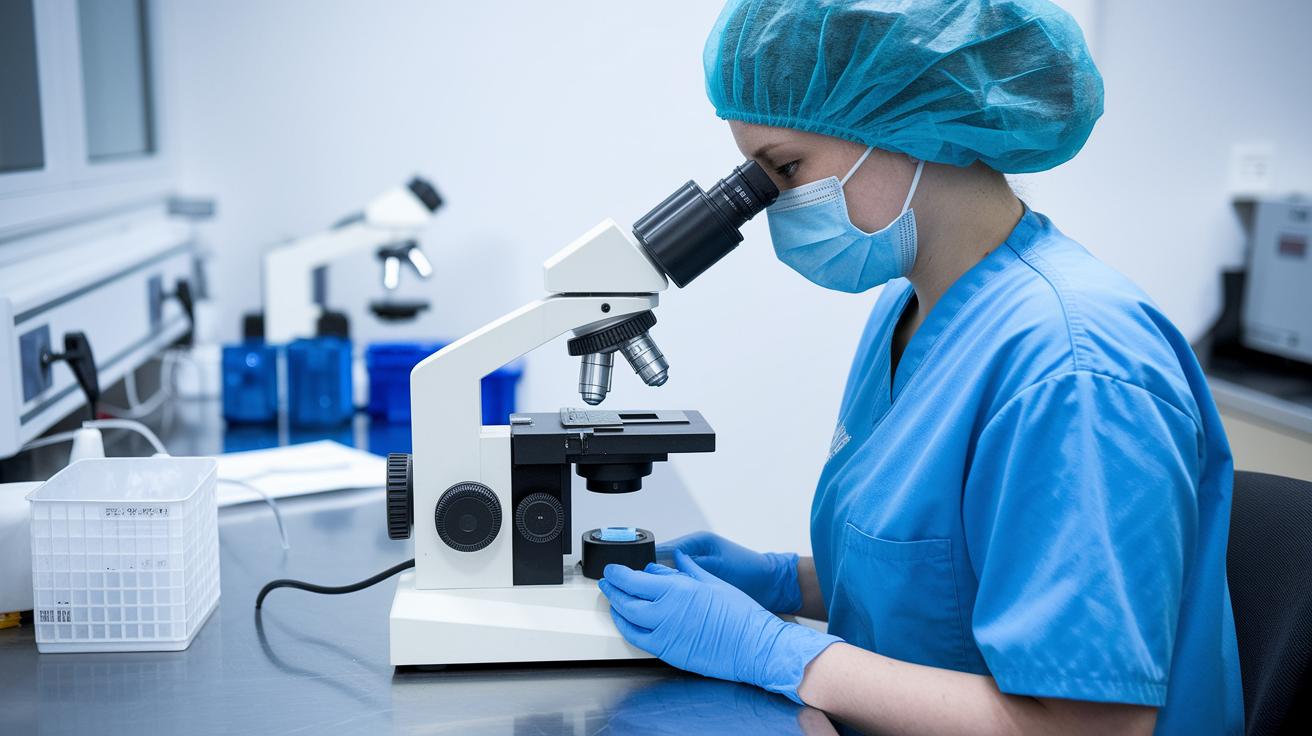
When your pet visits the clinic, lab tests done using careful, consistent methods give trusted insights into their health. By handling samples in the same way every time and using well-set machines (devices adjusted to give accurate readings), our team makes sure diagnoses are spot on. Regular check-ups of these practices keep everything steady.
Hematology Testing
For blood tests, technicians use EDTA (a special chemical that stops blood from clotting) to collect clear samples. They then prepare a neat blood smear to count cells under the microscope. This method not only creates clear images but also shows tiny shifts in cell numbers that can hint at health issues.
Biochemical Analysis
After blood clots form, the clear liquid part, called serum, is separated so lab experts can measure key chemicals. Machines are carefully adjusted to read liver enzymes and electrolytes (minerals that help your pet’s body functions) accurately. This careful setup makes sure nothing important is missed when checking your pet’s body.
Cytological Examination Procedures
A fine-needle is used to draw out cells from different tissues so they can be examined closely. Once the sample is collected, a staining process brings out cell details, letting us see cell shapes and sizes more clearly. These steps help spot problems early, making it easier to act fast if needed.
Urinalysis Protocols
Urine samples might be caught as your pet urinates naturally or collected straight from the bladder using cystocentesis (a method to get a cleaner sample). Quick dipstick tests check for chemical levels, while a look at the sediment searches for tiny particles that might indicate a problem.
| Technique | Sample Type | Key Considerations |
|---|---|---|
| Hematology | Blood | EDTA collection, blood smear quality, accurate cell counts |
| Clinical Chemistry | Serum | Serum separation, analyzer calibration, key analyte monitoring |
| Cytology | Tissue/Aspirate | Fine-needle technique, staining precision, morphology review |
| Urinalysis | Urine | Collection method, dipstick testing, sediment evaluation |
Veterinary Clinical Pathology Diagnostic Methods & Case Studies in Pet Diseases

Veterinary clinical pathology uses many tests to check on your pet's health. For instance, when a small animal needs help with things like routine care, internal issues, or even cancer, vets might use a test called flow cytometry (a quick way to look at cell details) to spot problems with certain cells. They also use fast cell tests to catch tumors early, giving a clearer idea of what might be happening.
Real-life case studies show just how helpful these tests can be. Picture a pet that is usually full of energy but suddenly seems more tired than usual. A careful blood test may pick up small changes in its cells, while a cell study might reveal the first hints of a tumor. By looking at these cases, lab experts learn more about how test results match up with a pet’s overall health and adjust their methods with each new discovery.
Lab teams work hard to avoid mistakes. They double-check results by comparing several tests and carefully reviewing each step of their process. They also regularly test and adjust their equipment to catch any small errors. This careful routine builds trust among pet owners, knowing the results are reliable for making important care decisions for their beloved companions.
Quality Control and Standardization in Veterinary Clinical Pathology

Labs that work in veterinary clinical pathology depend on clear, step-by-step checks to keep every test reliable. They follow easy-to-understand guidelines and run routine proficiency tests (simple checks to see if everything meets set standards) throughout the process. They stick to strict accreditation rules and regularly validate their tests to ensure each step is spot-on. On top of that, they set species-specific reference intervals, like having a guide that shows what’s normal for your pet. They also calibrate their instruments often and watch closely for any mistakes, which helps keep the testing process steady and trustworthy.
Regular monitoring and upkeep of equipment are key to avoiding diagnostic errors. Lab teams do routine checks and follow total allowable error guidelines (basic limits to catch if a test deviates too much) to make sure every result is up to par. This process breaks each test into smaller parts, making it easier to spot little issues early on, kind of like noticing a pet's unusual behavior right away. These careful quality measures build trust among pet owners and help veterinary professionals make smart decisions based on solid lab work, ensuring every detail counts.
Residency Training and Career Pathways in Veterinary Clinical Pathology

In veterinary clinical pathology, you learn by doing. This residency program teaches you key diagnostic skills and opens doors to rewarding careers in animal testing. At the University of Minnesota, a 3-year residency starting on July 15, 2026, offers hands-on learning with tests like cell studies, blood work, chemistry, and clotting checks. You also get to share what you learn by teaching DVM students, imagine explaining how careful blood sample handling can spot early signs of disease!
Residency Program Structure
The program mixes real lab work with research. You’ll work alongside a friendly team of five board-certified pathologists who are busy with both patient care and innovative research projects, such as NIH-supported studies in muscle diseases, stem cell biology (the study of special cells that can become other types of cells), and cancer in animals. You’ll get a chance to try different tasks, from preparing samples to examining them under the microscope, and even lead classes for second-year and fourth-year students.
Certification & Continuing Education
As you work through the program, you prepare for board certification using ACVP guidelines (standards for clinical pathology practice). There are workshops, online courses, and self-study sessions that go hand-in-hand with your hands-on lab work. These experiences help sharpen your skills and keep you updated with new developments in veterinary medicine. For example, one resident might join a workshop on the latest cell-counting methods and then apply those techniques in the lab right away.
This residency not only builds your technical skills but also sets you up for a bright future in animal diagnostics. With practical training, teaching moments, and thorough certification prep, you become a confident professional ready to make a big difference in pet care.
Essential Reference Texts and Emerging Research Trends in Veterinary Clinical Pathology

Some favorite textbooks, like Fundamentals of Veterinary Clinical Pathology (3rd Ed) and Clinical Pathology and Laboratory Techniques for Veterinary Technicians (2nd Ed), are the go-to guides for anyone learning about pet health. These books, along with titles like Equine Hematology, Cytology & Clinical Chemistry (2nd Ed) and BSAVA Manual of Canine & Feline Clinical Pathology (3rd Ed), give both students and professionals a solid base. They even include friendly series such as Blackwell’s Five-Minute Veterinary Consult, which add clear, step-by-step advice and cool hands-on tips. It’s like chatting with a seasoned vet who shares neat secrets about animal health!
New techniques are shaking things up, too. Researchers now use modern tools like novel biomarkers (small bits in the body that show health clues), digital pathology (using screens to spot tiny details in cell pictures), and multimodal diagnostic algorithms (smart methods that combine several tests). Imagine looking at a screen where the smallest irregularities in your pet’s cells pop out. These new ideas mix lab work with cutting-edge research, making tests clearer and more fun, almost like swapping pet stories with a friend.
Plus, labs are combining old-school methods with these fresh techniques to check samples from different animals. This way, vets get consistent results whether they’re looking at a cat, a dog, or even a horse. By blending trusted textbooks with innovative research, veterinary clinical pathology stays lively and ever-changing, always working to keep our furry pals as happy and healthy as possible.
Final Words
In the action, the article covered veterinary clinical pathology from its scope and lab methods to case studies and quality control techniques. It showed how careful sample processing and method consistency help in diagnosing pet health, while also shedding light on residency training and trusted reference texts.
The discussion paints a bright picture of personalized care for our animal friends. A focus on modern, AI-driven insights leaves us excited about future improvements in pet care and a healthier life for every pet.
FAQ
Q: What is veterinary clinical pathology?
A: The field of veterinary clinical pathology involves analyzing animals’ blood, body fluids, and tissues to diagnose health issues. It uses tests like hematology and clinical chemistry (measuring substances in the blood) to guide treatment.
Q: What does a Veterinary Pathologist do?
A: A veterinary pathologist examines samples such as blood and tissue under the microscope to diagnose diseases in animals. Their work helps determine the best treatments and ensures accurate animal health assessments.
Q: How long does it take to become a Veterinary Pathologist and are they in demand?
A: Becoming a veterinary pathologist usually takes about seven to nine years, including veterinary school and residency training. Their expertise is in demand for diagnosing animal diseases in labs, clinics, and research settings.
Q: What academic details surround the Veterinary Clinical Pathology Journal, including impact factor and publication fee?
A: The Veterinary Clinical Pathology Journal publishes research related to animal diagnostics and laboratory testing. Its impact factor reflects its scholarly influence, and publication fees vary based on manuscript type and study details.
Q: What training options exist in veterinary clinical pathology, such as residency, certification, and courses?
A: Training in veterinary clinical pathology includes residency programs, board certifications (like those from ACVP), and various courses. These options equip you with essential lab techniques, from cytology to biochemical analysis, for diagnosing animal diseases.
Q: What is the career outlook and salary for jobs in veterinary clinical pathology?
A: Careers in veterinary clinical pathology offer competitive salaries and diverse employment opportunities in labs, research, and academia. These roles are highly valued for their role in advancing animal health diagnostics and treatment.