
Ever wonder how our pets always seem so happy and healthy? It’s not just about routine check-ups; it’s a mix of smart gadgets and caring hands that keep them safe. When a pet isn’t feeling like their usual playful self, vets quickly run tests and use clever treatments (a gentle fix-up) to bring back that joyful spark.
In this chat, we share fresh tips on how vets care for all animals, from your cozy house pet to those lively farm animals. Stay with us to learn how these caring pros work hard every day to keep our furry friends feeling great.
Veterinary Medicine: A Comprehensive Overview of Animal Healthcare
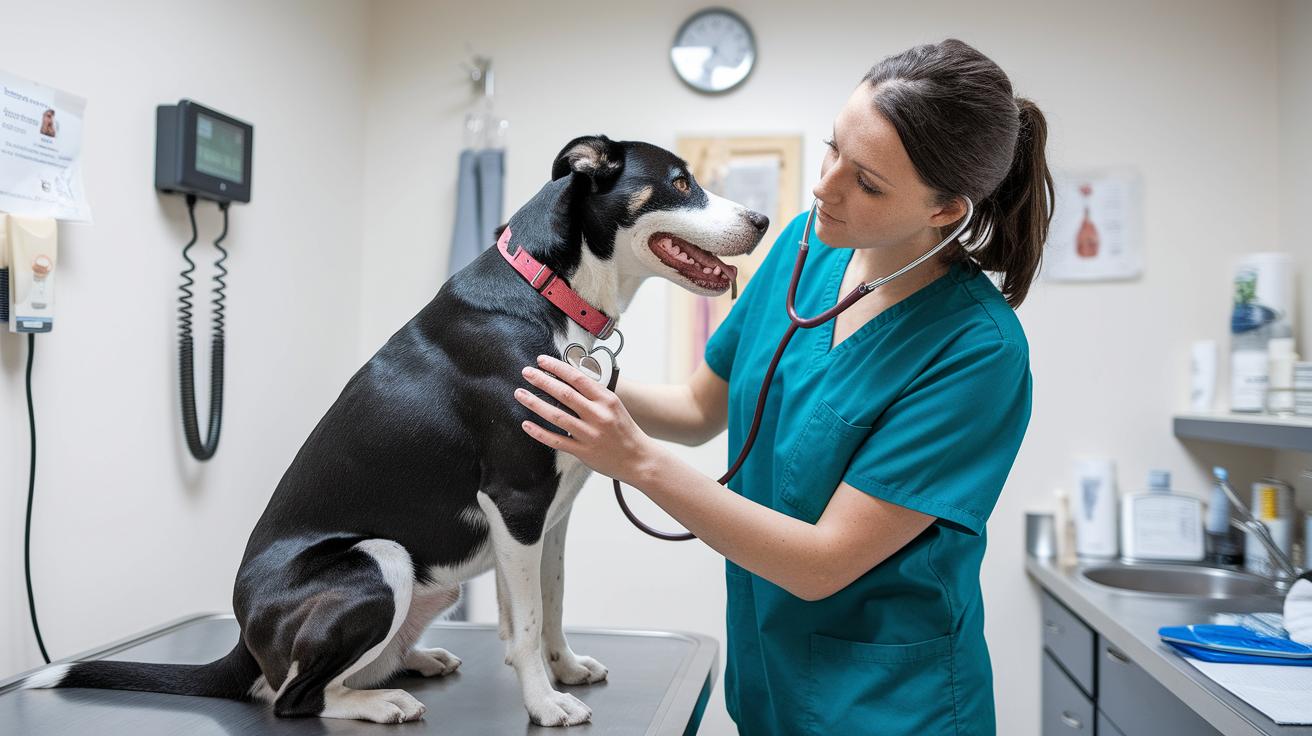
Veterinary medicine cares for all sorts of animals, from our friendly pets and hardworking farm animals to wild creatures and even exotic species. Experts in this field figure out why an animal isn’t feeling well, fix injuries, and help prevent sicknesses before they start. They use a mix of handy tools and techniques to bring any ailing animal back to health. In doing this, they help our furry (or feathery and scaly) pals stay playful and remain part of our families.
Veterinarians are true heroes in animal care and also play a big part in keeping our communities safe. They do regular check-ups and offer preventive care that keeps our pets and other animals in tip-top shape. Plus, they keep an eye on diseases that might jump from animals to people, a comfort to everyone. By staying up-to-date with new research and treatments, these caring professionals help develop better medicines and care routines that work for a wide range of animal pals.
Today, many animal clinics are open 24 hours to help in emergencies. If your pet has a sudden injury or if another animal needs urgent help, these round-the-clock clinics are there to jump in. They’ve got the latest diagnostic tools and skilled staff to handle emergencies quickly. This constant availability not only keeps our pets safe but also gives owners the peace of mind of knowing help is always just a call away.
Diagnostic and Treatment Techniques in Veterinary Medicine
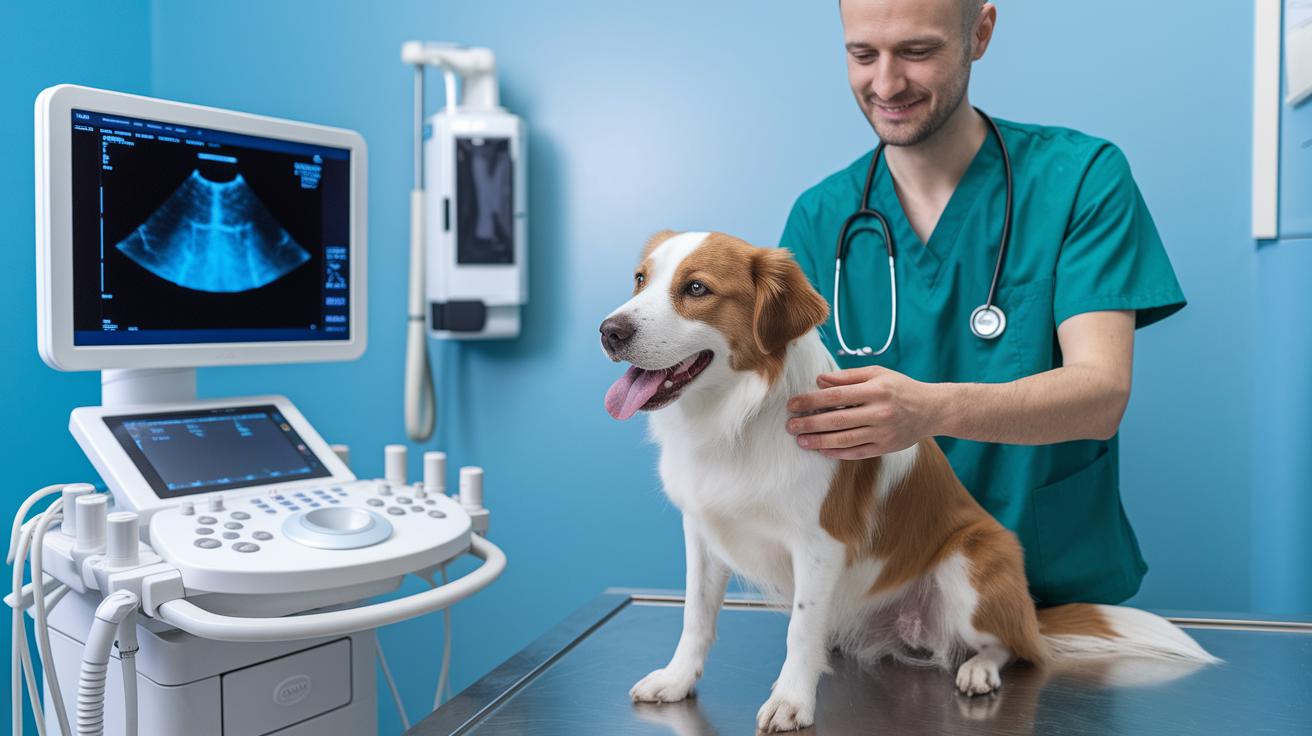
When our pets act a little off, getting the right diagnosis is like having a clear map for their care. Quick, reliable test results are the key to figuring out what’s wrong. Our vets use special lab tests made for animals to find the problem fast. Plus, with modern in-house machines, we get those important answers in no time.
A smart treatment plan mixes test results with the best care options. Our team uses tools like X-rays and ultrasound (a method that uses sound waves to see inside the body) to get a clear look at what’s happening. This clear view helps plan medicine and even guide surgeries, from simple spays and neuters to more complex bone repairs. Every step is backed by careful testing.
| Diagnostic Test |
|---|
| Complete blood count (CBC) |
| Serum biochemistry panel |
| Urinalysis |
| Radiography (X-ray) |
| Ultrasound imaging |
| Biopsy and cytology |
When careful tests mix with the right treatments, our pets get the best care possible. This blend gives a complete picture, so every treatment is just right for each animal. When tests and therapies work together, every pet gets help quickly and feels better sooner.
Preventive Care Protocols in Veterinary Medicine
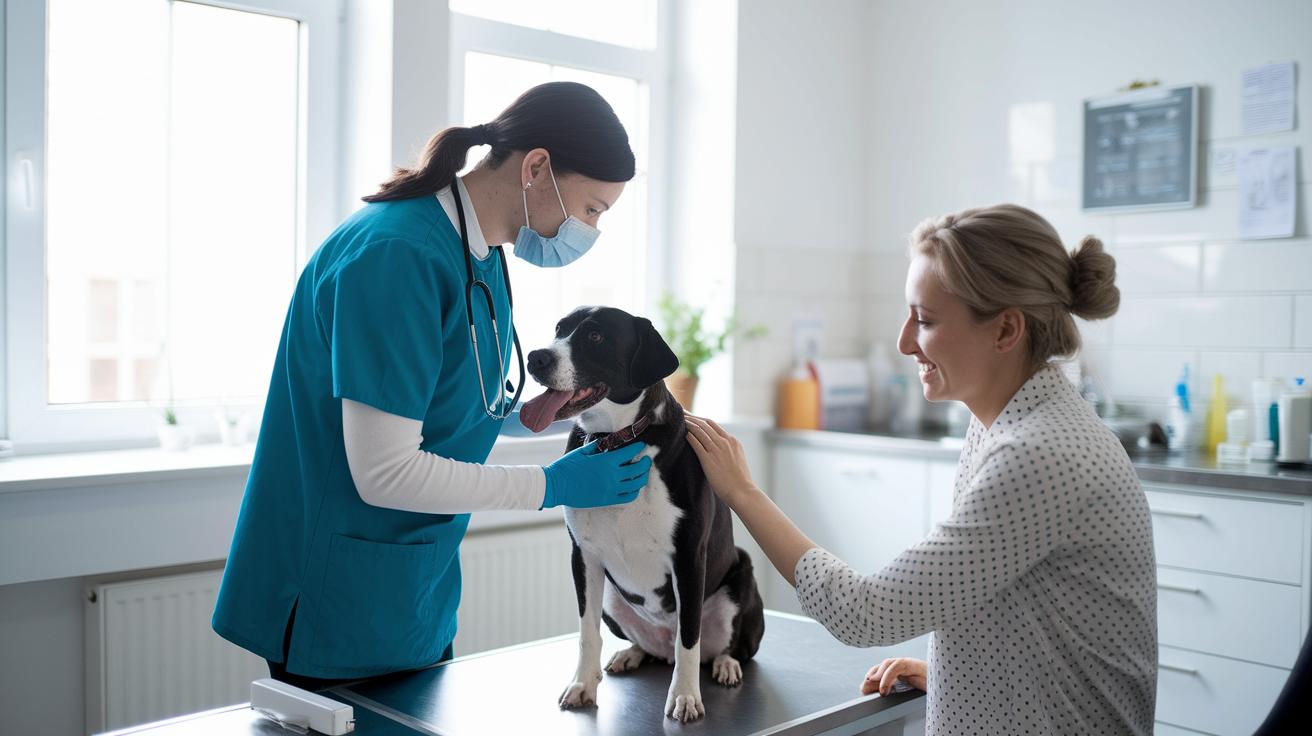
Vaccines are the first way we help keep our pets safe and healthy. Just like you might schedule an annual physical, our furry friends get regular shots to protect them from diseases such as rabies, distemper, parvovirus, and kennel cough. The timing and type of vaccines change based on your pet’s age and lifestyle, helping them build a strong shield against illnesses.
Pet care isn’t just about pills or injections. It’s about mixing modern medicine with natural treatments. Think of it like preparing a balanced meal; while medicines work inside the body, therapies like acupuncture help ease pain and lower stress from the outside. This mix of care gives pets the best chance to recover and feel better using both science and nature.
Regular check-ups are key to making sure your pet stays in great shape. These visits often include tests for parasites, dental health, and even a look at their diet. Catching small issues early means you can adjust their food and exercise routine before problems grow. For more ideas on keeping your pet in top condition, check out the detailed guide here: https://bonsiaai.com?p=356.
Career Paths and Education in Veterinary Medicine
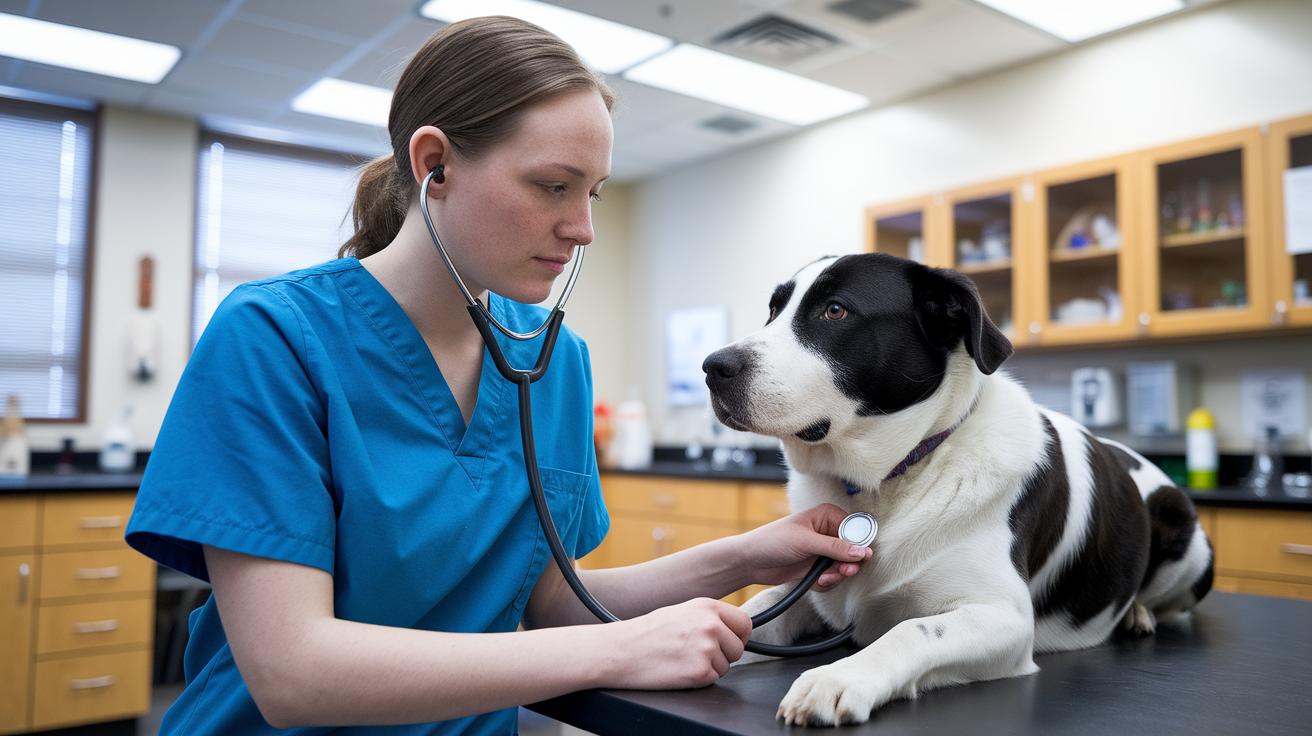
Many pet doctors begin by studying pet healthcare at a recognized college. While earning their degree, they learn hands-on skills for caring for animals and prepare for the Veterinary Medical College Application Service (VMCAS), a system that makes applying to vet schools in the U.S., Canada, and beyond more straightforward.
Becoming a pet doctor takes many years of study, hands-on work with animals, and passing a licensing exam. Along the way, future veterinarians can choose from special training programs and internships that offer extra guidance from experienced vets.
| Role | Education Path | Average Salary |
|---|---|---|
| Veterinarian | DVM degree plus license exam | $119,099 |
| Veterinary Technician | Associate degree plus certification | $25,000–$27,000 |
| Animal Behaviorist | Master’s/PhD and specialized training | $25,000–$90,000 |
Even after becoming a licensed vet, learning never stops. Many veterinarians take extra exams and courses to sharpen their expertise in areas like surgery, behavior, or internal medicine (the branch of medicine dealing with internal organs). These advanced studies help improve job prospects and ensure they keep up with new treatments. Leadership programs and internships also give them a chance to handle complex pet cases while being mentored by seasoned specialists. Regular workshops, conferences, and continuing education keep pet doctors updated and ready to deliver the best care for every furry friend.
Specialties and Board Certifications in Veterinary Medicine
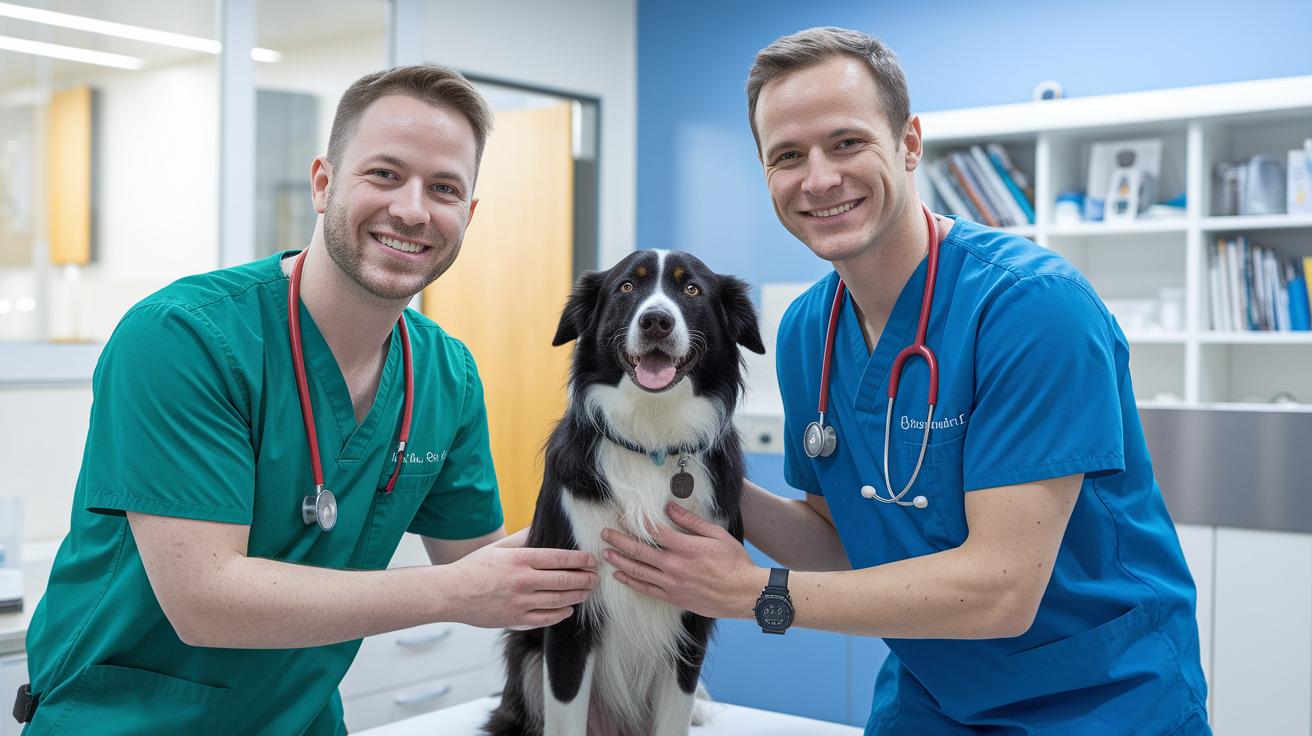
Veterinary medicine covers many different areas so every pet gets the best care. Pet doctors might focus on internal medicine (treating problems inside the body), cardiology (helping the heart and blood vessels), oncology (fighting cancer), neurology (looking after the nerves and brain), dentistry, or anesthesiology (keeping pets safe and comfortable during procedures). For example, internal medicine deals with tummy troubles or urinary issues, while cardiology keeps an eye on the heartbeat and overall blood flow. Even routine pet care is improved by these specialized skills, making sure every animal gets the attention they need to be healthy.
Board certification is a big milestone for these experts. Once they finish extra training in a residency program, they take a special exam given by a college and recognized by the AVMA. This process teaches them advanced techniques and checks that they can spot and treat lots of different conditions. In essence, the certification shows the difference between general care and expert-level care, giving pet owners peace of mind knowing their furry friends are in truly good hands.
Specialists like pet neurologists and cardiologists play especially important roles. A pet neurologist treats issues with the brain, spine, and nerves by using modern tools and careful treatment plans. At the same time, a cardiologist focuses on keeping the heart healthy, managing problems like irregular heartbeats and other issues. Their expertise is key to handling health problems that can affect a pet’s overall well-being.
Often, these specialists work together as a team. For example, if a pet shows several different symptoms, a neurologist and a cardiologist might share their insights to figure out the best care plan. By collaborating like this, they make sure even the most complicated cases are handled with care and kindness, giving every pet the support they need to thrive.
Innovations and Research Trends in Veterinary Medicine
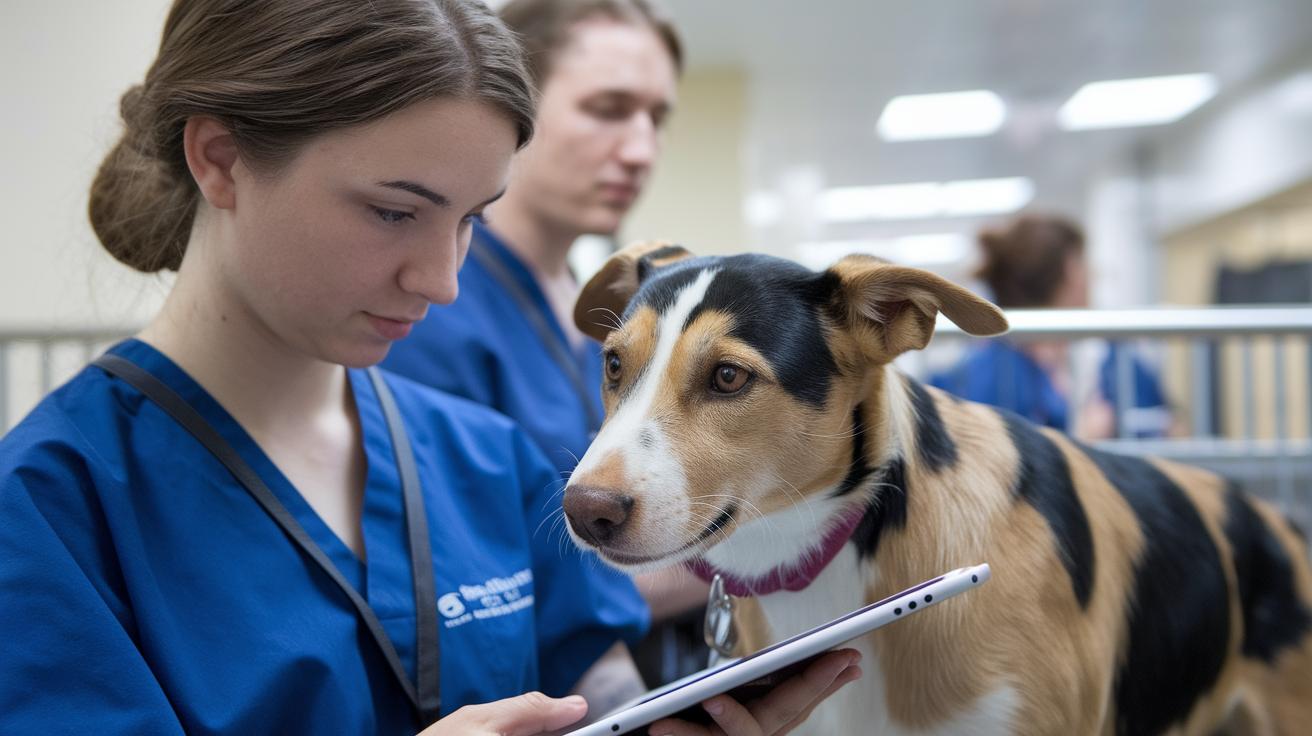
Digital tools are making it easier for future pet doctors to learn. Platforms like AAVMC Learn and VMCAS let students follow courses and handle school applications all in one smooth step. Imagine a busy student pausing to watch an interactive lesson on pet care, easily fitting learning into their day. This simple, fun approach builds confidence early and helps tomorrow’s veterinarians be ready for any pet challenge.
New research is also opening exciting doors for better pet care. Experts are checking out breakthroughs in animal nutrition and ways to help hurt tissues heal naturally (like when a little scratch starts to mend on its own). Picture a pet getting a treatment that soothes its symptoms and helps repair its body at the same time, it’s like mixing a little science with a lot of heart to make life more comfortable for our furry friends.
Digital innovations aren’t just for learning; they’re also changing how we care for pets every day. Telemedicine lets pet owners chat with experts from the comfort of home, while modern digital records make sure every vet sees the full story of a pet’s history. For instance, if a pet needs a quick follow-up after a visit, a fast online check-up can provide the advice needed without a stressful trip. These smart tools combine convenience with quality care, keeping pets and their families connected with trusted animal health help around the clock.
Management and Client Services in Veterinary Medicine
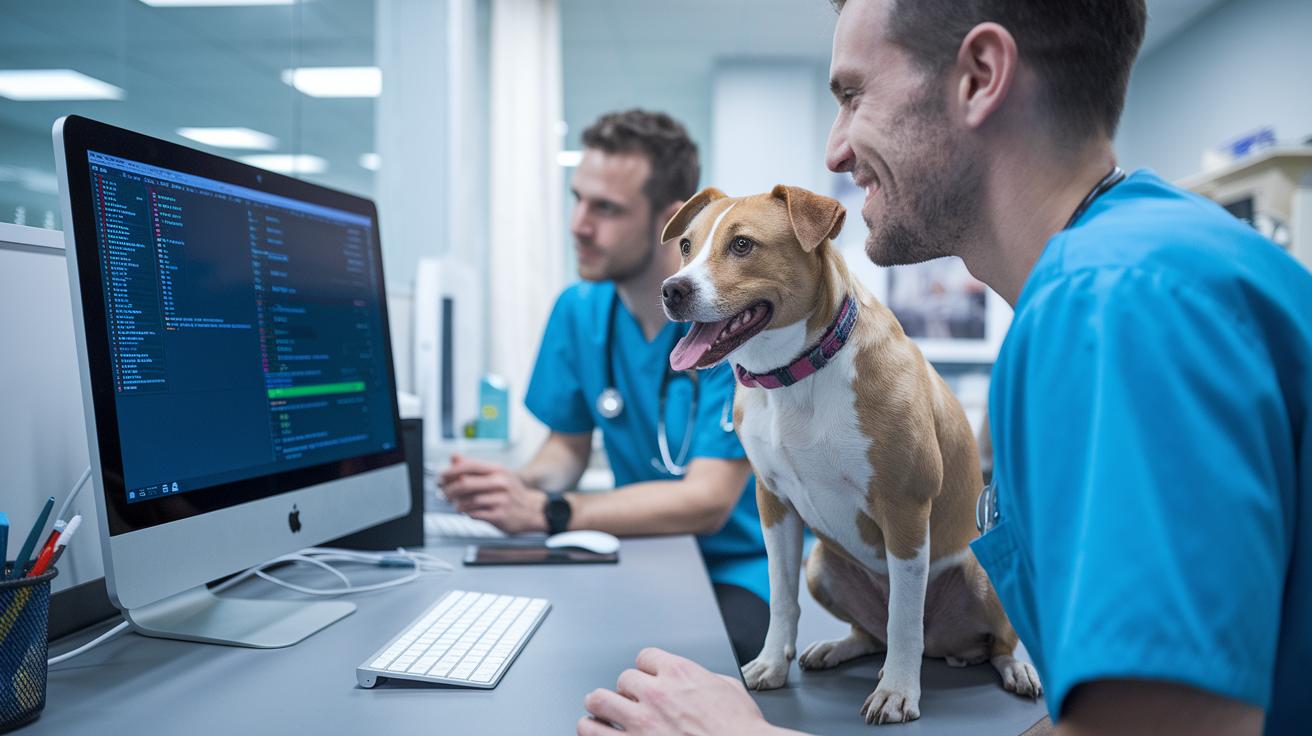
Clinic management software is a smart tool that keeps pet clinics running smoothly. It brings together online booking, digital pet files, and client feedback all in one spot. This means the clinic team can easily check when a pet is due for a visit and update its file with new details. It really helps make pet care more efficient and stress-free for everyone.
Walk-in and urgent care centers are designed for situations that need quick, careful attention but aren’t emergencies. In these centers, an experienced team quickly sorts which cases need faster help using simple check methods (triage is a fast way to decide treatment order). Imagine arriving with a pet that is just a little hurt; the team will promptly assess the pet, explain what comes next, and guide it through treatment without waiting for an appointment. Modern tools and a ready team make sure every pet gets the proper care quickly and gently.
Clinics also use clear pricing, regular follow-ups, and a team-based care style to offer pet care that feels like family support. By keeping costs easy to understand and checking in with pet owners after visits, clinics build strong trust and maintain high treatment standards. This well-organized approach ensures that every visit is a quality, compassionate experience.
Final Words
In the action, we explored how veterinary medicine works to keep our pets healthy. We touched on fast diagnostics, smart treatments, and careful preventive measures that help our furry friends thrive.
We also looked at education paths, specialties, and the latest tech in pet care. Every part of the write-up showed real-life examples of round-the-clock pet care and emergency treatment.
It all comes together to provide clear insights into veterinary medicine that empower every pet owner to make the best care choices.