
Have you ever wondered if a teeny tick or worm could change the way we care for our pets? Veterinary parasitology uses these tiny bugs as clues to help vets keep our furry friends and farm animals safe. This field blends biology (the study of living things), medicine, and hands-on experiments so we can see how little pests can affect overall health. By looking closely at these uninvited visitors, experts create better tests and treatments that boost animal health. So, get ready to discover how the smallest creatures can lead to big improvements in caring for the animals we love.
Veterinary Parasitology: Definition, Scope, and Key Concepts

A parasite is simply an organism that lives on or inside another creature (its host) and often causes harm. Parasitology is the study of these unwelcome guests, digging into how they live, grow, and affect their hosts. When we talk about veterinary parasitology, we're using this study to help animals. It covers everything from tiny insects to bigger worms that can trouble our pets and livestock.
This field is where biology, medicine, and research mix together like a good chat about your furry friend's latest antics. It looks at everything, from the secret internal parasites hiding inside an animal to the ones that live on its skin. Vets and students get hands-on experience, using practical tests and detailed guides to spot and manage these parasites. For example, the Parasite Image Database holds over 3,000 pictures searchable by genus or look, making it a handy tool for identifying these critters.
| Category | Description |
|---|---|
| Internal parasites | Critters like worms that live inside an animal |
| Ectoparasites | Parasites such as ticks that stick to the skin |
| Diagnostic methods | Easy tests to identify which parasite is causing trouble |
| Research applications | Studies that help us learn more about how parasites work |
| Prevention strategies | Tips and techniques to keep these bugs at bay |
A solid understanding of parasitology gives vets and students a clear roadmap to spot and manage these pesky guests. This foundation leads to better diagnosis and treatment, which means healthier animals and more happy pet owners.
Veterinary Parasitology Diagnostic Methods and Technologies
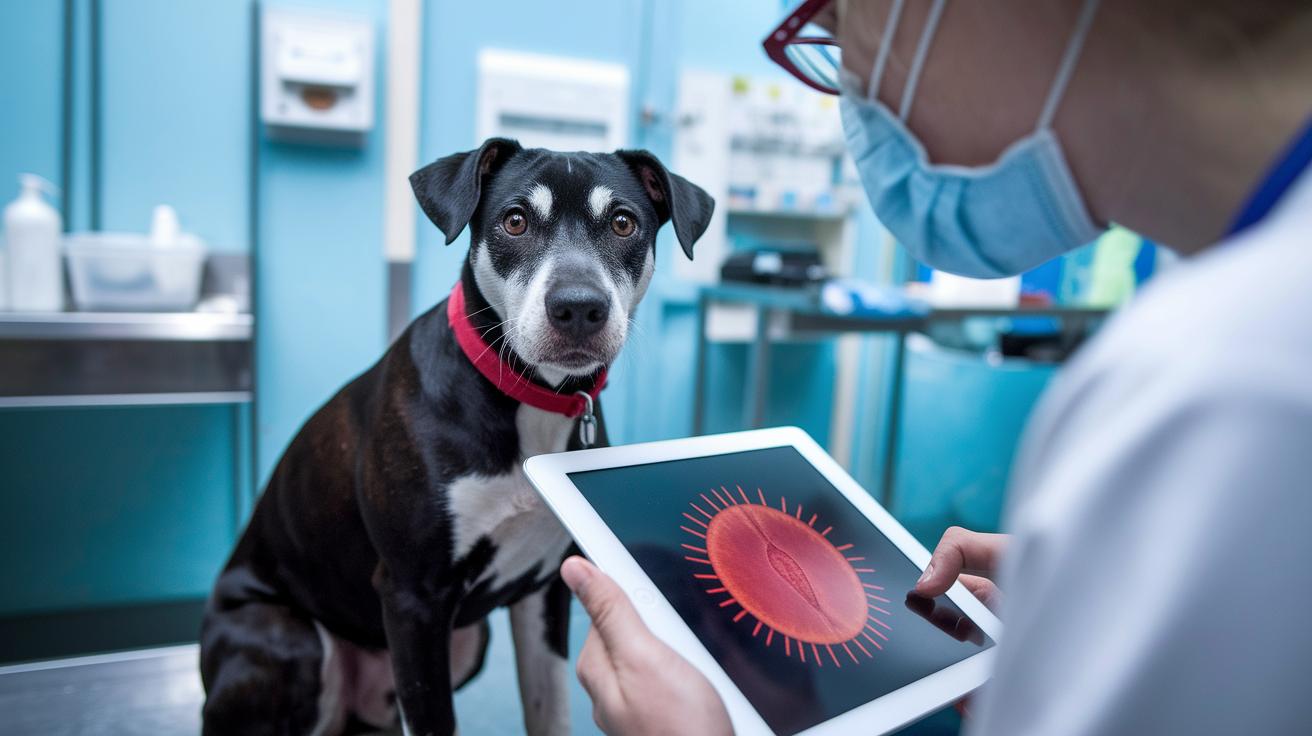
A clear diagnosis is a real game changer for our pets. When vets figure out exactly which parasite is causing trouble, they can adjust treatment plans to ease pain and speed up recovery. It’s like piecing together a puzzle where every bit of information leads to just the right remedy. For example, knowing the exact parasite means vets can pick the perfect medicine to help our furry friends bounce back faster and avoid more complications.
| Method | Principle | Sample Required | Sensitivity |
|---|---|---|---|
| Fecal Flotation | Density separation of eggs | Fecal sample | 70–90% |
| PCR Assay | DNA amplification | Blood or tissue | >95% |
| ELISA | Antigen/antibody detection | Serum | 80–95% |
| Blood Smear | Microscopic parasite visualization | Blood smear slide | 50–75% |
New digital tools are making parasite detection easier than ever. One cool example is the CAPC Parasite ID App. This handy app shows pictures and details of about 100 different parasites that affect dogs, cats, small pets, reptiles, and birds. Vets can search by image or by the parasite’s name, which speeds up finding the culprit.
Also, digital imaging tools let clinics snap clear, high-resolution photos of parasites. These images can then be shared immediately with experts for a quick second opinion. And with mobile apps, vets can get real-time help even during emergencies. This mix of modern tech and good old-fashioned pet care is helping more pets get back to wagging tails and soft purrs sooner.
Veterinary Parasitology Parasite Classification and Life Cycles

Understanding how parasites are sorted and how they live out their cycles is super important in veterinary care. Imagine using simple charts and colorful picture guides that help vets spot differences quickly. Plus, local CAPC maps give easy-to-read monthly data on how common these bugs are in our pets. This neat info helps us see patterns and choose the right treatments.
Protozoan Parasites
Protozoan parasites are tiny, single-celled creatures that can really upset your pet’s health. Think of names like Giardia, Babesia, and Eimeria. Most of the time, they jump straight from one pet to another, though sometimes they need an extra host along the way. They build tough little coverings called cysts or oocysts to survive hard times. For example, Giardia forms durable cysts that keep on infecting when conditions are just right.
Helminth Parasites
Helminth parasites are worm-like creatures that come in groups like nematodes, cestodes, and trematodes. You might hear about Toxocara or Ancylostoma (common nematodes) and Taenia or Fasciola (cestodes or trematodes) that can pose risks. Usually, these parasites need one or more extra hosts before they can infect a pet. Knowing their life cycle helps vets pick the best way to break the chain of infection.
Ectoparasite Arthropods
Ectoparasites are the little bugs that live on your pet’s skin, like fleas, ticks, mites, and lice. Their journey starts from eggs, then moves to larvae, becomes nymphs, and finally grows into full adults. These pests spread through direct contact or bites, and they can even carry diseases between pets. With clear imaging guides that show each stage, pet care experts can better manage and control these infestations.
Veterinary Parasitology Clinical Manifestations and Pathogenesis
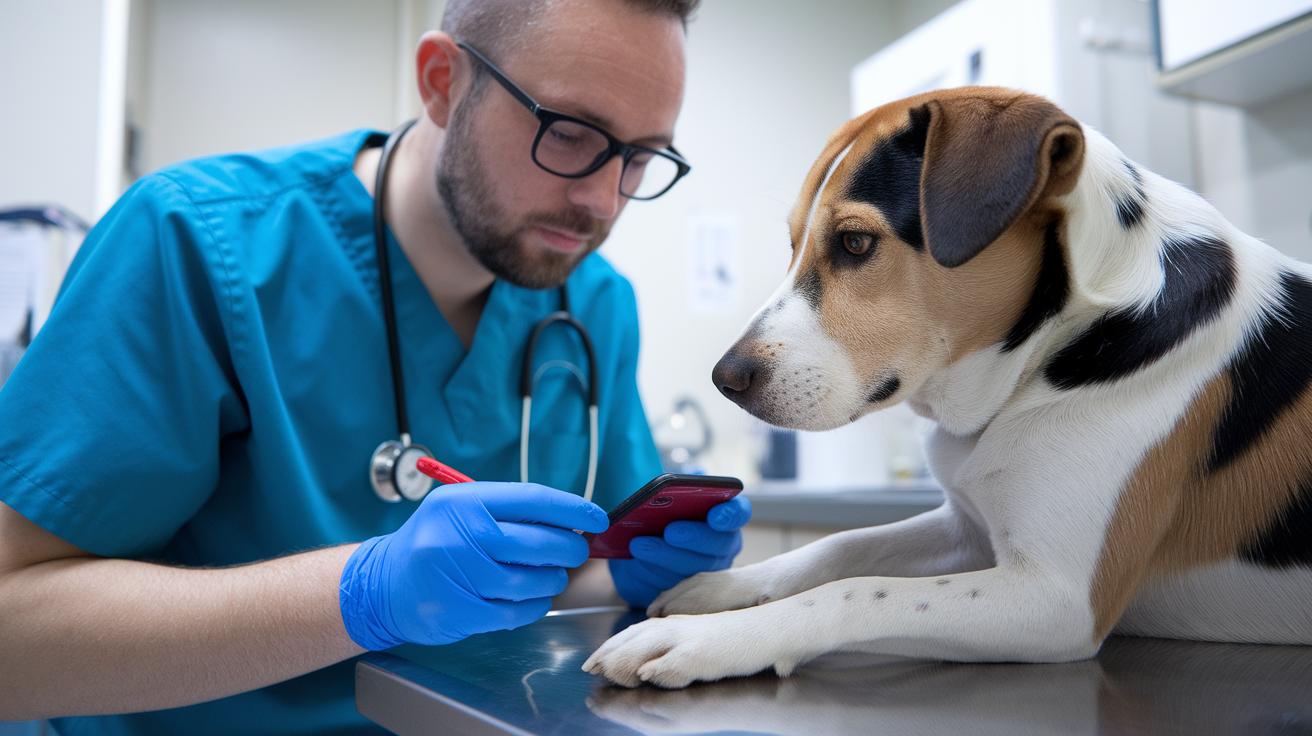
Parasitic infections in pets send out clear signals that something’s off inside their bodies. When a pet gets infected, vets often notice changes like more eosinophils (a type of white cell that helps fight infections) and higher levels of acute-phase proteins (substances made during inflammation). It’s almost like their body is giving a little shout-out that it's busy fighting off unwelcome visitors. These clues help guide vets to pick the right treatment.
Some parasite-related diseases come with pretty clear signs. Take Babesia, for example, it can cause hemolytic anemia, where pets might feel unusually tired or weak because the parasites are chasing away their red blood cells. Then there’s Giardia, which often leads to diarrhea that makes it hard for pets to get all the good nutrients from their food. And if you notice patches of hair loss or red, irritated skin, it might be due to Demodex mites. Each symptom acts as a small hint pointing to a specific problem, making diagnosis easier for our caring vets.
A few of these parasites can even jump from pets to people, which is something we definitely want to keep an eye on. Parasites like Toxocara and Leishmania can spread through contact with contaminated soil or from infected animals. This means that young kids and those with weaker immune systems might be more at risk. By understanding how these tiny invaders move around, vets and researchers can better teach pet owners how to protect both their pets and themselves.
Veterinary Parasitology Integrated Prevention and Control Strategies

Designing a solid parasite plan mixes many practical methods into one system. It’s like making a perfect meal where every ingredient counts. Start with regular parasite tests and follow guidelines (like CAPC guidelines that explain doses and cleaning tips) to keep your pet safe. Each step fits together nicely to catch problems early.
A regular deworming schedule works well with keeping living areas clean and sharing easy tips with pet owners. Deworming lowers the number of parasites, and cleaning kennels or your pet’s space removes eggs and larvae. It’s simple: teach pet owners steps like daily spot cleaning and proper waste disposal. This routine helps guard against parasites like Giardia or hookworms and creates a safety net for all pets.
It’s also important to check for drug resistance over time. That means looking closely to see if the usual medicines still work well or if parasites are learning to fight back. A smart move is to rotate different active ingredients (the parts of a medicine that fight parasites) so they don’t get too used to one drug. Regular studies and checks help decide if treatments need a tweak. Keeping a close eye on these details lets veterinarians confidently manage and control parasite infections.
Veterinary Parasitology Recent Research and Future Directions

The 2025 Annual Pet Parasite Forecasts show clear shifts in parasite spots and trends from one region to another. Seasonal patterns and local weather can change just how often certain parasites pop up. New data helps vets tweak their treatment plans and prevention steps. Researchers also see changes in parasite behavior, using these clues to predict future outbreaks and adjust their study plans. This forward-thinking method gives fresh insights into animal parasite research and neatly connects advanced lab work with everyday pet care.
NCVP Initiatives
Since 2010, the National Center for Veterinary Parasitology has been a driving force in shaping parasite research. With over $3 million in funding, 21 residents from 10 different institutions have been getting hands-on research and education experience. Their residency programs and case discussions at AAVP events invite experts to share real-world tips on handling parasites in clinical settings. These initiatives create a friendly space for swapping ideas and fine-tuning research methods, all while ongoing grants help track how parasite populations change over time. This support builds strong links between academic research and day-to-day veterinary practice, leading to quicker and smarter responses to new threats.
Parasite Image Database Tools
The Parasite Image Database is a helpful resource that holds more than 3,000 pictures, searchable by genus or by visual clues. This large collection not only makes it easier to identify tricky parasites but also fuels advanced diagnostic research. Vets can quickly compare images to check their suspicions and learn more about the details of each parasite. These tools back up research by offering clear visual data that ties into specific trends. In practice, this easy-to-use lookup saves time during diagnosis and sparks new study ideas by showing how parasites look as they grow.
Veterinary Parasitology Academic Pathways and Career Opportunities

Undergrad and grad programs in parasitology mix classroom lessons with real-life lab work. You get to work with microscope samples while chatting with teachers and classmates. Some courses even offer interactive online modules with fun, clickable quizzes that mimic a live lab, so you can practice parasite identification, learn about their life cycles, and explore diagnostic techniques, all from home.
If you’re ready to dive deeper, PhD programs and postdoctoral fellowships are a great next step. They let you join hands-on projects exploring new trends in parasite research. Imagine working side by side with experts at national centers, where every day in the lab or out in the field builds your skills for a future in both academic and applied parasitology.
Even busy professionals can keep learning through continuing education courses and certification workshops. Online resources, like interactive parasite quizzes, monthly updates, and video archives, let you study at your own pace. With these flexible options, you can sharpen your skills while balancing everyday work. This opens up many career paths in diagnostic labs, universities, or research and product development roles.
Final Words
In the action, this article jumped right into what makes parasites unique by defining key terms and exploring diagnostic tools. We touched on parasite classification, life cycles, and even examined clinical signs and prevention strategies. The insights offered a clear view of how research and innovative tactics complement practical pet care. With a focus on veterinary parasitology, the discussion connected science with everyday pet care, leaving a hopeful note for advancing animal health. Keep exploring these helpful ideas as you care for your beloved pets.
FAQ
What is a Veterinary Parasitology book?
The veterinary parasitology book explains parasite biology, life cycles, and diagnostic methods, offering an accessible resource for pet professionals and veterinary students alike.
What does the Veterinary Parasitology Impact Factor represent?
The veterinary parasitology impact factor indicates the journal’s influence by measuring citations, reflecting its role in advancing research and understanding of animal parasites.
What are Veterinary Parasitology regional studies and reports?
The veterinary parasitology regional studies and reports document local parasite prevalence and research findings, providing insights on regional differences that help tailor animal health practices.
What do Veterinary Parasitology PDF Notes and Notes offer?
The veterinary parasitology PDF notes offer concise, downloadable summaries of key concepts, including parasite classifications and diagnostic techniques that assist both students and practitioners in quick reviews.
What is the Veterinary Parasitology journal?
The veterinary parasitology journal publishes scholarly articles on animal parasite research, offering professionals and researchers the latest studies on diagnostics, treatment, and emerging trends.
What is a Veterinary Parasitology website?
The veterinary parasitology website hosts resources like image databases and detailed research articles, making practical information and visual guides readily available for pet care specialists.
What career opportunities fall under Veterinary Parasitology jobs?
Veterinary parasitology jobs span roles in diagnostic labs, research institutions, academia, and industry, supporting various positions that benefit from specialized knowledge in parasite management and control.