
Have you ever wondered if a hidden trick in pet care could truly change how our animal friends stay healthy? Veterinary science is a bit like noticing the gentle purr of a resting cat, it takes the everyday care a pet owner gives and blends it with careful, smart research.
It brings together that loving, hands-on care with a focused study that picks up on even the smallest signals in your pet’s health. In this blog, we take a friendly look at how mixing art and science creates breakthrough treatments that keep pets lively and happy. Stay with us, and discover how knowledge, real-world practice, and lots of heart work as one to care for our furry pals.
Foundations of Veterinary Education, Research, Clinical Practice, and Careers
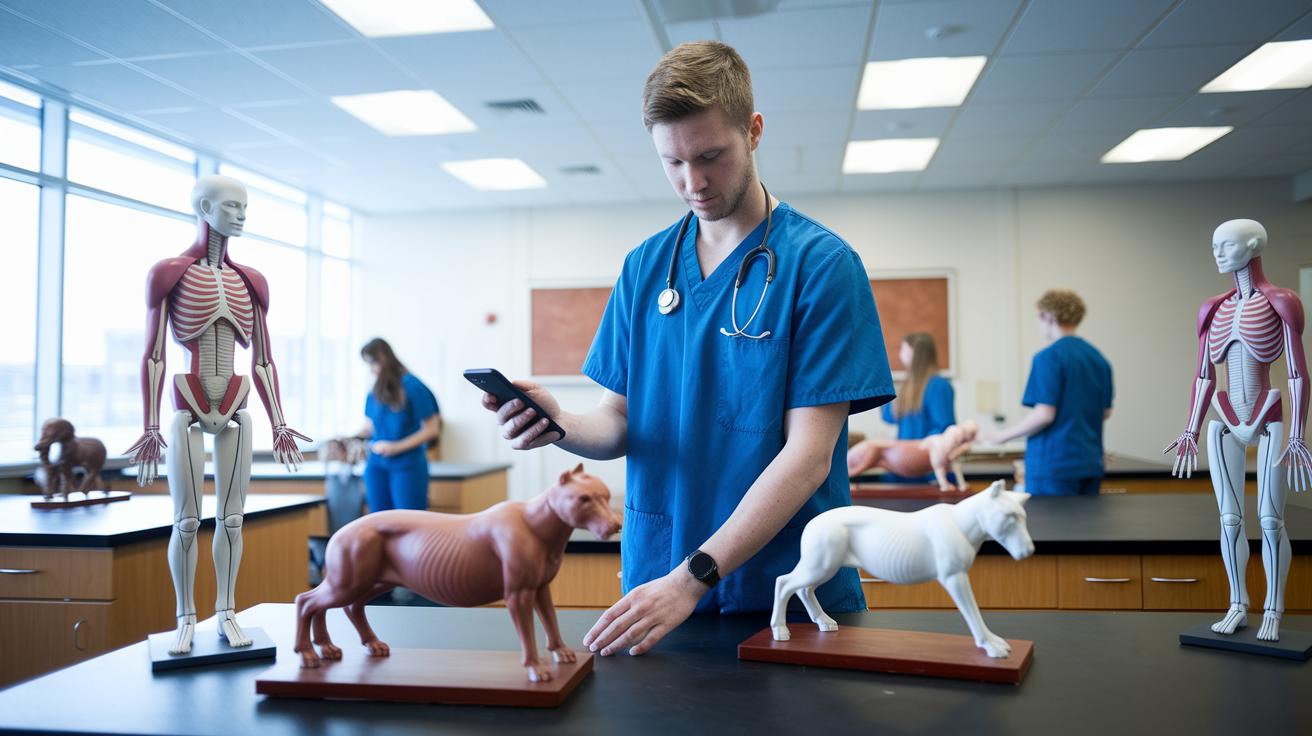
Veterinary science is all about a mix of learning, research, hands-on pet care, and a range of fulfilling career paths. Accredited DVM programs and additional training help future vets pick up the essential skills they need, much like learning to understand the quiet signals of a familiar pet at home.
Research in this field helps us learn more about keeping our animals healthy. Studies – both basic and practical – act like the gentle purr of a cat, drawing our attention to the small details in care. And when it comes to clinical practice, accurate check-ups, careful treatments, and preventive steps work like a caring pet owner noticing when their furry friend seems a bit off.
Career options here are as diverse as the pets we love. Whether you work in a busy clinic, a lively research lab, or a community center, much like a vet using a smart tool to notice a tiny change in a dog’s heartbeat before any trouble starts, every role helps protect and improve animal and community wellness.
Veterinary Education Pathways and Institutions

If you're dreaming of a career helping our furry, feathered, or scaled friends, you’ll need a strong background in science, like biology and chemistry. Many schools want to see top-notch grades and even appreciate solid skills in math or physics. Most veterinary tracks take about five years at the undergraduate level, mixing classroom learning with real-life practice. Accredited programs cover everything from how animals work inside (think anatomy and physiology) to special topics like skin care, cancer treatment, and even care for exotic pets. It’s a bit like watching a playful pup take its first excited steps.
Undergraduate Veterinary Degrees
These courses build a sturdy base in both the theory and practice of pet care. You’ll study important subjects and also jump into hands-on experiences, like clinical rotations. Picture a class where you're asked to check out a cat’s heart structure to learn about its job, mixing book knowledge with real-life observation. This stage gets future vets ready to notice little changes in a pet’s behavior, much like a loving pet owner would.
Postgraduate and Doctoral Programs
For those who already have a bachelor’s degree, postgraduate courses open the door to deeper learning. These programs put a spotlight on research and specialized subjects, such as pet nutrition (the food your pet needs to thrive) or preventing infectious diseases. It’s like putting together a puzzle where every new piece enhances overall pet care.
Online and Distance Learning Options
Online learning has really changed the game for busy pet lovers. Virtual courses on topics like how medicines work in animals (pharmacology explained simply) let you study at your own pace. Imagine logging in for a digital lesson on clinical diagnostics between giving your own pet some extra cuddles. It’s flexible, practical, and perfectly suited to today’s busy lives.
| Institution Name | Location | Program Type | Duration (years) |
|---|---|---|---|
| Paws University | California, USA | Undergraduate | 5 |
| Animal Health Institute | Texas, USA | Postgraduate | 2-3 |
| Critter College | New York, USA | Undergraduate | 5 |
| Vet Masters Academy | Florida, USA | Doctoral | 4 |
| Virtual Vet Learning | Online | Distance Learning | Varies |
Veterinary Research Domains and Publication Processes

Infectious Diseases and Zoonotic Research
Recent work is all about finding new vaccines and boosting biosecurity to keep diseases that jump between species under control. Researchers are trying out smart methods to manage illnesses like swine diarrhea, lumpy skin sickness, and Newcastle virus in birds. One study even noted, "A novel vaccine candidate cut disease spread by nearly half." It’s a small step that shows how careful research really helps both animals and our communities.
Clinical Trials and Therapeutic Development
Scientists are testing fresh treatments through hands-on clinical trials. They’re exploring exciting approaches like neuroprotection for dogs following strokes and checking how medicines travel in birds’ bodies (pharmacokinetics means studying how a drug is absorbed, spread, and cleared). By carefully measuring drug levels and adjusting doses, they’re working to give our pets the very best care possible.
Genetic and Molecular Investigations
Inside labs, experts are digging deep into the secrets of pet DNA. They’re exploring how shifts in gene control can affect a pet’s ability to resist disease. Using techniques like comparative epigenetics (which looks at changes in gene activity, not the DNA itself) and molecular pathology, researchers are piecing together clues about overall pet health. One promising report mentioned, "New insights into gene regulation may lead to smarter treatments in the near future," hinting at future breakthroughs.
Publication and Peer-Review Process
Top journals are speeding up the sharing of new discoveries. On average, it takes about 39 days for a paper to get its first decision, 102 days to be accepted, and just 36 days for it to appear online. This quick and open system makes sure that all these fresh findings reach veterinarians and pet lovers who need the latest updates in animal health research.
Clinical Practices and Diagnostics in Veterinary Care

When you bring your pet in for a check-up, the veterinarian starts with a friendly physical exam. They check your pet’s heartbeats, take their temperature, and watch how they move, much like noting the soft purr of a resting cat that shows it’s content. They might also run a few lab tests, like a blood panel that tells us how things are working inside, and even check for any hidden infections through pathology tests.
Next up are diagnostic images. Tools like digital X-rays and ultrasounds help the vet see what’s happening inside your pet. Just imagine an ultrasound that picks up tiny changes in a dog’s liver, much like noticing your pet’s cheerful stride on a sunny morning.
Then, there are surgical procedures. Routine ones, like spaying or neutering, help keep the pet community healthy. More complex surgeries fix problems like torn ligaments or joint pain. Each surgery is planned carefully, starting with the right anesthesia (medicine that puts your pet to sleep during surgery) and constant monitoring throughout the operation.
In emergencies, vets act quickly. They sort cases by urgency, clean wounds to keep infections at bay, use fluid therapy to help pets stay hydrated, and offer critical care when life-saving help is needed.
Together, these practices not only diagnose and treat issues but also keep you in the loop about your pet’s well-being every step of the way.
Veterinary Career Paths and Outlook
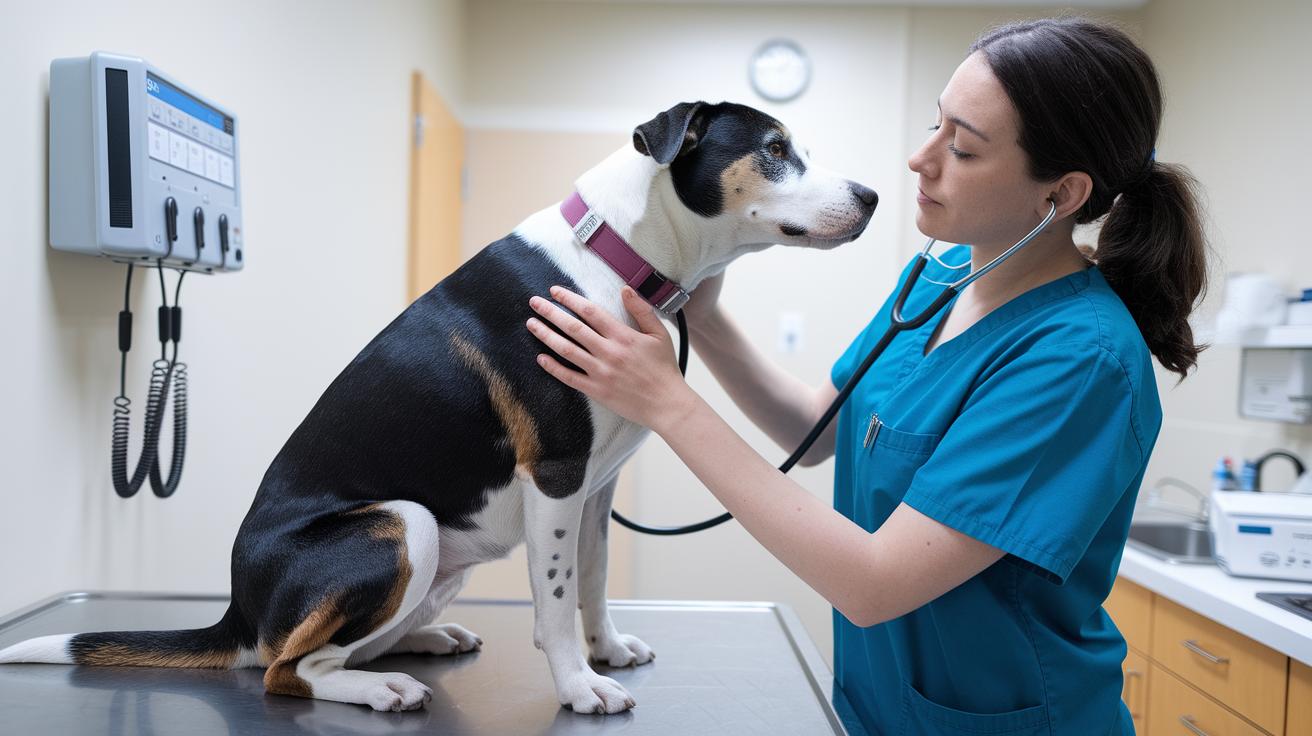
Veterinary science opens up many exciting opportunities for anyone who loves animals. You can work in caring for household pets, help farm animals, or even look after wild species at conservation centers. These jobs let you blend science with animal care, making a real difference in their lives. With more families welcoming pets and wanting the best care, job opportunities in this field are growing. In fact, many veterinarians earn around $99,250 a year.
There are plenty of paths to choose from in animal healthcare. For instance, you might work as a clinical veterinarian in pet clinics, livestock farms, or wildlife centers. You could become an animal nutritionist, designing special diets that keep pets healthy and happy. Others work as researchers, exploring new treatments for animal illnesses. Some share their passion by teaching future professionals, and others write as science journalists, keeping everyone updated about pet health matters.
Market trends show that people are paying more attention to preventive care and advanced tests (diagnostic methods that spot problems early). Every role, whether in the clinic, lab, classroom, or newsroom, plays a part in keeping our animal friends strong and cared for.
Ethical, Public Health, and Disease Control in Veterinary Practice

Veterinarians play a big part in keeping our animal friends healthy. They run vaccination drives and set up biosecurity plans (steps to keep germs away) that help stop diseases in their tracks. Remember when a vet once shared, "We acted fast, using targeted quarantine measures to limit the spread of infection"? Quick action like that is so important when managing emergencies during outbreaks that can jump from animals to humans.
Ethics guide every decision. Every test, especially the non-invasive ones that don't hurt our furry pals, and treatment is done with care. Vets follow strict rules to keep animals both comfortable and safe while also protecting public health. By sticking to clear guidelines for moving animals safely, they find that careful balance between keeping germs out and letting animals enjoy their space.
Regular training sessions help keep the team on point. These updates make sure everyone follows the legal and ethical rules, protecting our communities and our pets. It’s a mix of smart animal care and genuine kindness, just what every pet lover hopes for in veterinary practice.
Innovations and Future Trends in Veterinary Clinical Practice and Training

Veterinary medicine is welcoming a host of new tools that change the way we learn and care for our pets. New scenario challenges and case studies let vets practice handling tough problems, just like in a real clinic. Imagine a fun virtual game where you work to diagnose a pet's unusual signs, it feels like a real-life emergency workout.
Remote learning is also shaking things up for busy pet professionals. Virtual classes on pet care, interactive webinars on treatments, and online modules that cover pet anatomy (the study of body parts) and medicines make learning simple and practical. Picture yourself logging into an online lesson that breaks down the slight differences in a cat’s heart sound, these digital sessions turn tricky details into easy-to-follow steps.
New tools like AI-assisted diagnostic imaging are leading the way in pet care. (Here, AI means smart computer programs that help spot tiny changes in images.) And with telemedicine consultations, experts can check on cases from far away, ensuring every pet gets the care they deserve. Digital X-rays that save pictures in cloud records mean that each image is kept safe and can be opened on any device right away. All these digital learning tools and modern treatment methods make training more accessible and help vets make smarter decisions. Fun fact: In one simulation, a virtual case let a vet catch an issue that regular exams missed, showing just how promising these tools can be.
Continuing Education and Professional Development in Veterinary Practice
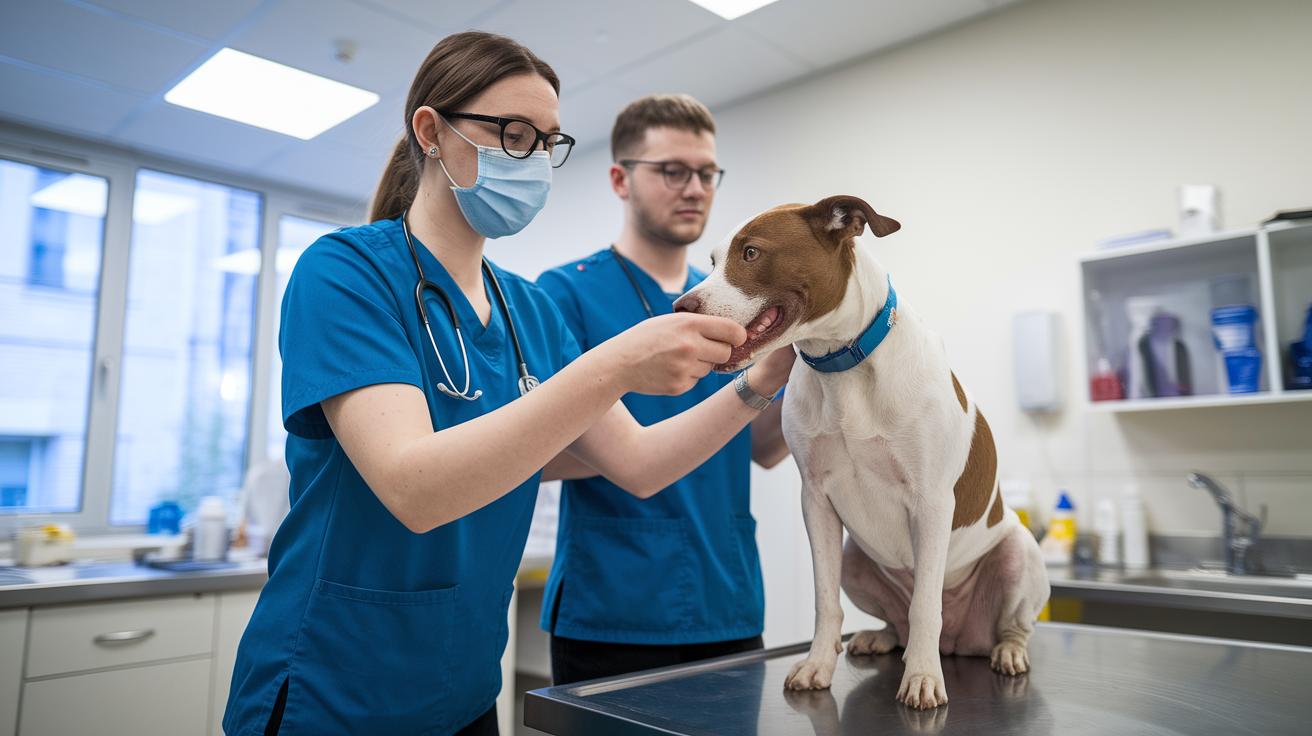
Every year, vets can boost their skills by joining fun workshops, global meet-ups, and hands-on seminars. Imagine being in a room where an experienced vet casually shares, "I once learned a new diagnostic trick that improved patient care." It feels like a friendly story that shows you the latest in surgeries, tests, and treatments.
Online sessions have also made it easy to learn without leaving home. You can hop onto a webinar where the speaker offers a quick tip that once saved a pet's life, making it feel like a warm chat with a friend. These digital classes cover lots of topics, from new animal health treatments to the latest in pet medicine practices.
Certification courses and online classes help keep skills fresh and in tune with current guidelines. With these programs, veterinary professionals stay updated and ready to handle the ever-changing world of animal care.
Final Words
In the action, the article walked through the four key areas of pet care, education, research, clinical practice, and career opportunities. It echoed the importance of structured vet medicine education, cutting-edge research, effective clinical diagnostics, and diverse career paths. Each section gives clear insights and practical examples to help pet lovers make sound choices. Embracing the best in veterinary science, the discussion leaves you feeling informed and inspired to support your pet's health every day.
FAQ
What is a veterinary science book?
A veterinary science book provides detailed insights into animal health care, research methods, and clinical practices. It serves as a guide for both pet caregivers and professionals.
What are veterinary science courses, degrees, and majors?
Veterinary science courses, degrees, and majors cover animal biology, treatment methods, and preventive care. They blend classroom learning with hands-on clinical rotations to build practical skills.
What does veterinary science do?
Veterinary science studies animal health, focusing on disease prevention, diagnostics, and treatment. It supports improved pet care through education, research, and clinical practice.
How does veterinary science differ from veterinary medicine?
Veterinary science emphasizes research, education, and animal health studies, while veterinary medicine centers on direct treatment and medical care for animals.
How many years is a typical veterinary science program?
A typical veterinary science program lasts around five years at the undergraduate level, with additional time needed for postgraduate or specialized training.
What are the career paths and salary prospects in veterinary science?
Veterinary science careers range from clinical practice to research roles. Many professionals earn competitive salaries, often near a median annual wage of about $99,000.
What are veterinary science colleges?
Veterinary science colleges are accredited institutions that offer comprehensive training in animal care, combining rigorous coursework with clinical practice to prepare future professionals.
What is a veterinary science journal?
A veterinary science journal is a peer-reviewed publication that shares research findings, clinical studies, and advancements in animal health and treatment practices.
Is veterinary science a hard major?
Veterinary science can be challenging because it requires strong science skills and hands-on experience, but it is very rewarding for those who love working with animals.