
Have you ever wondered if your turtle's meals really spark its playful spirit? A mix of crunchy veggies, fresh proteins, and sweet fruits does more than just fill a bowl. It helps build a strong shell and gives your turtle the energy to explore and play.
Imagine your little turtle nibbling on crisp greens and tasty minnows, each bite making it feel more lively and content. In this chat, we'll share simple tips about how to feed your scaly friend a healthy diet that turns every meal into a little moment of joy for both of you.
Key Nutritional Requirements in a Pet Turtle Diet
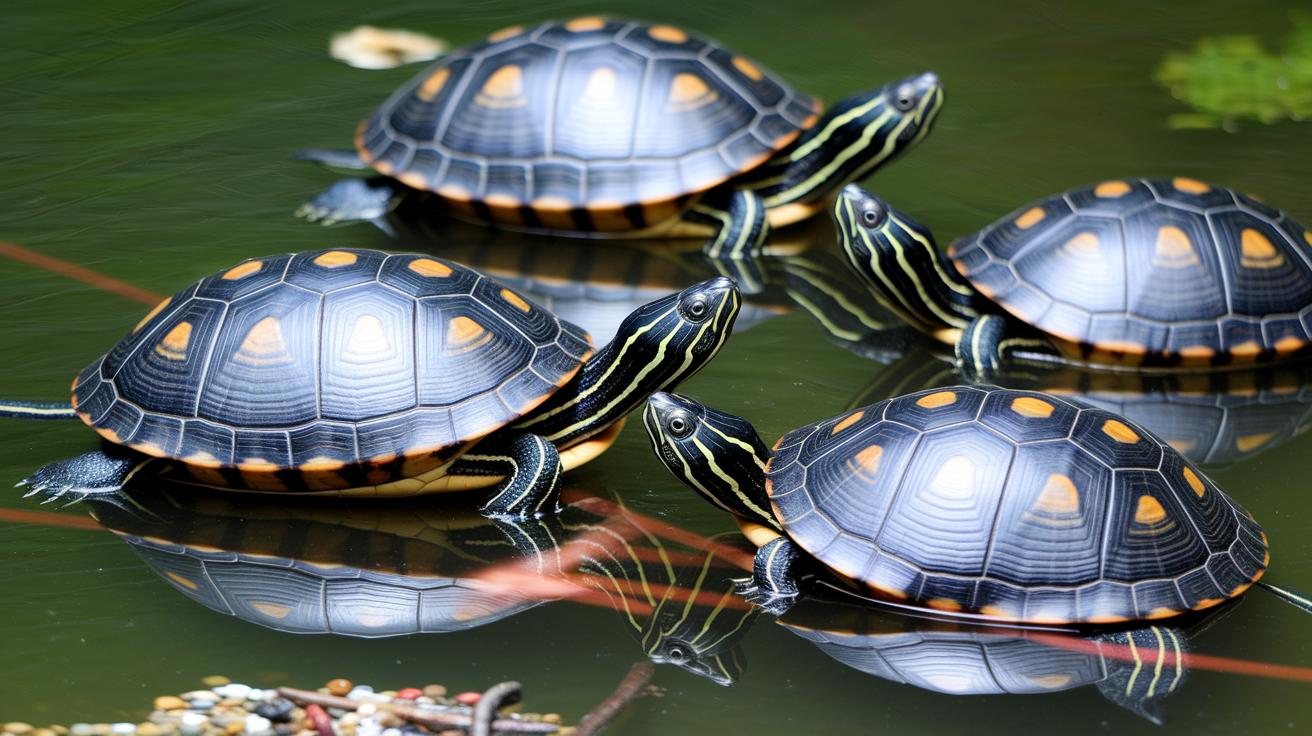
Aquatic turtles naturally enjoy a mix of different foods. They do best when their meals include tasty fruits, crunchy veggies, and lively protein. Turtles often love nibbling on moving minnows, crickets, and worms because it reminds them of the wild. And don’t worry, commercial pellets pack in vitamin D3 (a helper for calcium absorption) and extra calcium to keep their shells and bones strong.
Veggies are super important for your turtle. Leafy greens like kale, collard greens, spinach, parsley, broccoli, and romaine lettuce give them the calcium they need for firm, healthy shells. Meanwhile, proteins boost their energy and help build muscle. It’s best to serve fresh proteins such as aquatic snails or small fish, and save sugary treats like apples, bananas, strawberries, and melons for special moments. This balanced mix helps keep your turtle active and wards off vitamin shortages.
| Nutrient | Function | Common Sources |
|---|---|---|
| Calcium | Strengthens shells and bones | Romaine lettuce, broccoli, collard greens |
| Protein | Supports muscle growth and energy | Minnows, crickets, worms |
| Vitamin D3 | Helps absorb calcium | Commercial pellets |
| Fiber | Assists in digestion | Kale, spinach |
| Antioxidants | Boosts immune health | Parsley, occasional fruits |
Mixing up your turtle’s meals is a great way to ensure no key nutrients are missed. When you serve different veggies, proteins, and supplements, each mealtime becomes interesting and healthy. This variety helps keep vitamin shortages at bay and lets your turtle stay happy and full of life.
Pet Turtle Diets for Different Species

Painted Turtles
These little turtles sport dark green shells with bright orange-red streaks that catch your eye. They typically grow to around 4 to 10 inches, so you'll easily spot them in your tank. They do best when their food is split evenly between protein from animals and plant matter. For example, you can offer them tiny fish or small aquatic snails along with crisp leafy greens like romaine lettuce or kale. This kind of mix helps them build strong shells, grow healthy muscles, and keep up their playful energy.
Box Turtles
Box turtles have charming, domed shells accented with eye-catching yellow markings that give them a unique look. They lean more toward a plant-based diet. In fact, about 60% of their meal should be fruits, leafy greens, berries, or even a few mushrooms. The other 40% comes from safe protein sources such as earthworms or little insects. This plant-forward approach supports their need for vitamins and minerals while still giving them enough protein to stay active and strong, just like they would in the wild.
Aquatic Turtles
Aquatic turtles, like the popular red-eared slider, are known for their energetic swimming and playful nature. They enjoy a varied meal plan that includes roughly 40% vegetables, 40% live protein (think feeder fish, aquatic snails, or small crustaceans), and 20% pellet food for extra vitamins. This balanced blend mirrors what they would find naturally, helping them keep their shells healthy and their movements lively. With this diet, your aquatic friend will remain agile, stimulated, and in great overall health.
Homemade Turtle Diet Pet Recipes

For a veggie-packed snack, try a mix of fresh greens. Chop up kale, spinach, and collard greens into little bits. Add shredded squash and grated carrots. This bright, crunchy blend gives your turtle the fiber and calcium it needs for a strong, healthy shell. It's like a garden salad made just for your little buddy.
When you're looking for a protein boost, offer gut-loaded crickets, mealworms, or even dehydrated shrimp that’s been soaked just a bit. These choices pack high-quality protein (the building material for muscles) to keep your turtle energetic. It feels almost like watching a mini nature show right on your kitchen counter.
For a fun twist, blend store-bought pellets with finely diced veggies and a few small berries. This treat mixes the bulk of pellets with the freshness of vegetables and a touch of sweet fruit. You can also toss in little pieces of apple, strawberry, or melon once a week. This way, your turtle enjoys a mix of textures and flavors without too much sugar.
Safe vs Hazardous Foods in a Pet Turtle Diet

Your turtle’s diet really matters, it helps build a sturdy shell and keeps your little buddy energetic. Feeding your friend safe vegetables and proteins gives important vitamins for calcium uptake (that’s the process your turtle uses to create a strong shell). Fresh, clean water is super important, too. I always scooped out leftover food after about two hours to keep the water crystal clear.
| Category | Safe Choices | Items to Avoid |
|---|---|---|
| Vegetables | kale, collard greens, spinach, parsley, broccoli, romaine lettuce, squash, carrots, bell peppers | N/A |
| Fruits | apples, bananas, strawberries, melons | citrus fruits |
| Proteins | minnows, aquatic snails, crickets, mealworms, waxworms, dehydrated shrimp | goldfish, rosy red minnows (they have too much thiaminase) |
| Other Foods | occasional pellets and fresh veggies | avocado, rhubarb, onion, garlic, chocolate, dairy, processed human foods, insects with pesticides |
Keeping your turtle’s water clean by promptly removing leftovers helps prevent bad substances from building up in its home.
Feeding Schedule and Portion Guidelines for Pet Turtle Diets

When your young turtle is under 7 years old, daily meals are best. A mix of high-protein treats like live insects and small aquatic creatures works wonders for them. These foods boost muscle growth and help build a strong shell. It’s like giving your little buddy the energy to explore and play!
Once your turtle reaches adulthood, you can switch to feeding every 2–3 days. A balanced mix of veggies, proteins, and commercial pellets keeps things interesting and healthy. It’s a good idea to watch your turtle’s behavior and overall look, if the mood or energy seems off, a small tweak in the feeding schedule might be in order.
Portion size matters too. Think of giving an amount about the size of your turtle’s head. For turtles between 7 and 10 years old, adding more plant-based goodies can boost their overall health. And don’t forget: any leftover food should be scooped out within two hours. This keeps the water fresh and the habitat safe for your pet.
Keep an eye on your turtle’s shell and general condition as you go. Adjusting portions and meal times over time will help your turtle stay happy, strong, and ready for its next little adventure.
Supplementation and Habitat Considerations in a Pet Turtle Diet
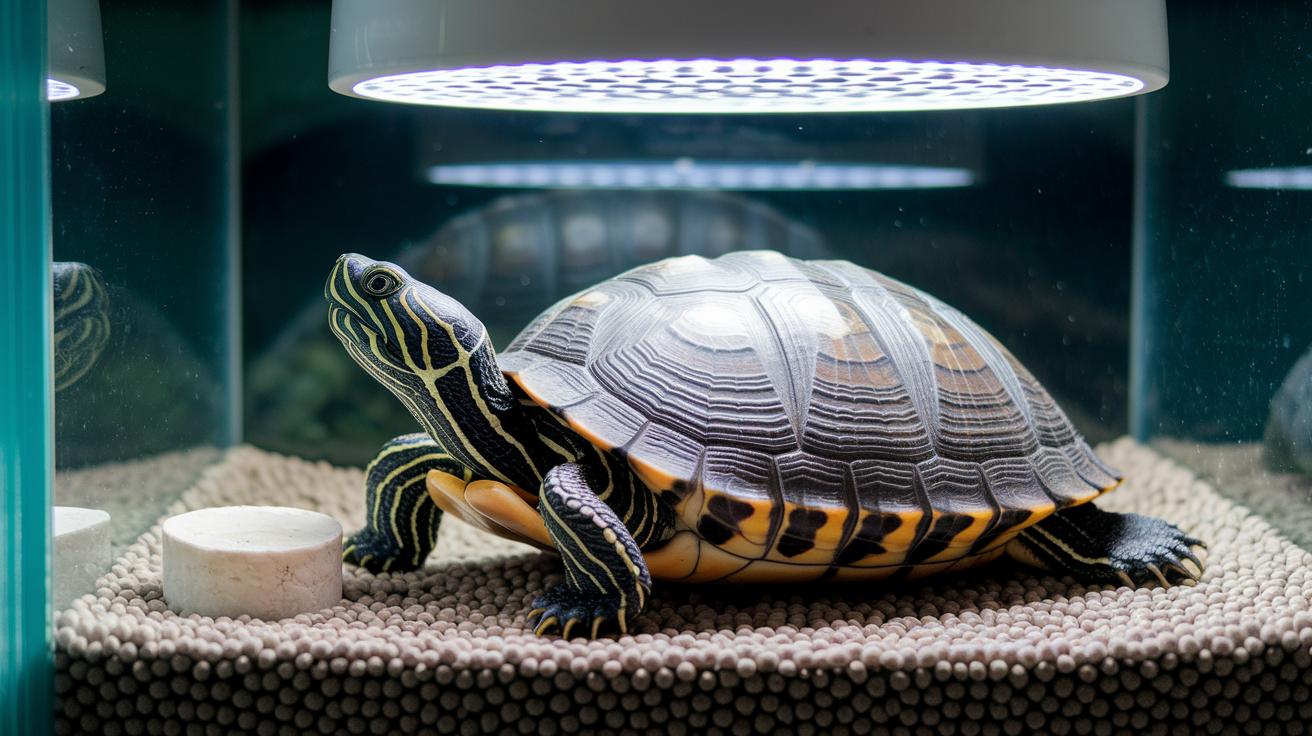
UVB lighting is really important for your turtle’s well-being. Using a UVB lamp for about 10 hours each day helps your turtle form vitamin D3 (the nutrient that lets it absorb calcium), while UVA lighting keeps it active and moving. And a warm basking area kept between 85–90°F feels just like a sunny spot for a lazy day, helping its shell grow strong.
Sometimes, the greens and pellets might not pack enough nutrients. In that case, adding a calcium supplement, like a sprinkle of powder or a small block, twice a week can really lift your pet’s diet. Pelleted foods act like a multivitamin by giving your turtle extra vitamin D3 and other tiny minerals that boost bone and shell strength. Imagine mixing a little pellet treat into its meal as a fun, extra dose of goodness.
Keeping your turtle’s home neat is just as important as its food. After meals, remove any leftover bits and give the tank a good cleaning once a week. This simple habit stops harmful bacteria from growing, keeps the water fresh, and makes sure your little buddy gets all the nutrients it needs to stay happy and full of life.
Final Words
In the action, this post broke down pet turtle nutrition in simple, everyday terms. We touched on balanced meal plans and smart homemade recipes to meet each pet’s needs. The guide compared plant and protein mixes, smart portioning, safe versus risky food choices, and even how to boost vitamin D3 for strong shells.
Remember, a varied turtle diet pet plan helps spark a healthier life. Keep experimenting and enjoying each feeding moment, it all makes a happy turtle.
FAQ
What does a pet turtle’s diet pet food list include?
The turtle diet pet food list includes a mix of leafy greens like kale and romaine lettuce, safe vegetables, occasional fruits, and protein sources such as crickets, snails, or mealworms. This balance supports healthy shell growth.
What vegetables do turtles eat?
The vegetables turtles eat often include leafy greens such as kale, collard greens, spinach, parsley, broccoli, and romaine lettuce. These choices provide essential calcium that helps maintain their strong, healthy shells.
How does a turtle diet pet chart help with feeding?
The turtle diet pet chart organizes essential nutrients by listing key food groups like veggies, proteins, and limited fruits. This clear guide helps pet owners plan balanced meals that provide the right nutrients for their turtle.
What do sea turtles eat?
Sea turtles eat items like seagrass, algae, jellyfish, and small invertebrates. Their natural diet varies with age and location, ensuring they receive the nutrients needed to thrive in their aquatic surroundings.
What can turtles eat from human food?
Turtles can have certain human foods like fresh fruits and vegetables, but it’s best to serve them plain and unseasoned. Processed or heavily spiced foods should be avoided to protect their delicate digestion.
What do turtles eat in the wild?
Wild turtles forage on a range of foods including insects, small fish, aquatic snails, and native plants. This diverse intake naturally supplies them with plenty of energy and supports overall shell health.
How often should a pet turtle be fed?
A pet turtle should be fed daily when young and every 2–3 days once adult. Regular feeding helps support steady growth and maintains proper water quality by reducing leftover food in the tank.
What food is not good for turtles?
Foods that are not good for turtles include avocado, chocolate, citrus fruits, onions, garlic, dairy products, and processed human foods. These can disrupt their nutritional balance and may lead to digestive problems.
Can my pet turtle eat fruit?
A pet turtle can eat fruit, but only in small amounts. Low-sugar fruits like apples or melons should be offered occasionally, as too much fruit can upset their balanced diet and affect their digestion.