
Ever wondered if your dog's meals are giving them the energy they need? A balanced diet works just like premium gas in your car, it helps everything run smoother.
Imagine serving up a mix of lean meats and healthy oils (nutrients that support strong bones and a shiny coat), making each bite count. Every meal fuels those joyful paws and keeps your furry friend ready for the next adventure.
This guide lays out a simple plan to boost your pet’s health, so they stay active and happy all day long.
Key Building Blocks of a Balanced Pet Diet Plan for Dogs
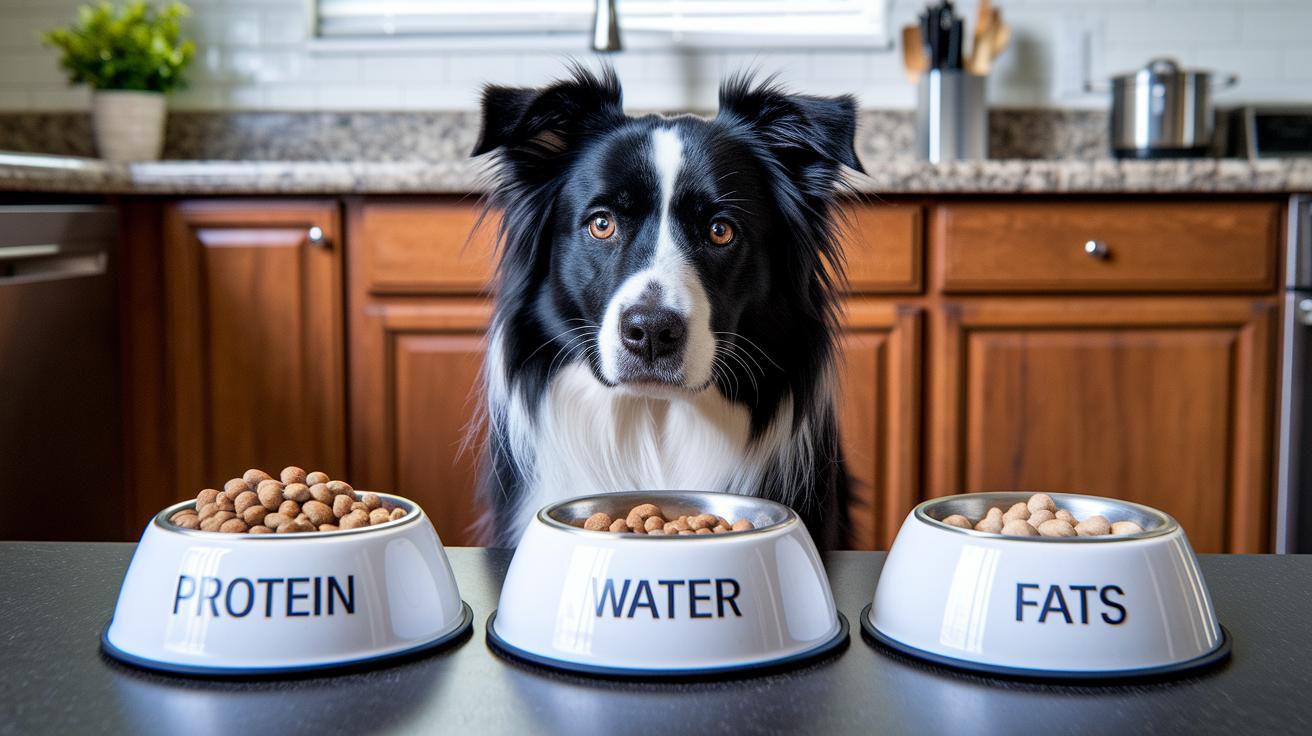
A balanced diet gives your dog the energy to run, play, and enjoy every moment. It helps keep their bones strong, their coat shiny, and their immune system ready for anything.
Protein should make up about 18–25% of your dog's daily calories. This nutrient builds muscles and repairs tissues, just like how a playful pup fills you with joy on a sunny day. Lean chicken or turkey acts as the building block of muscle, powering a bouncy, happy dog.
Water is just as important. Fresh water helps your dog digest food, keeps their blood pumping properly, and even cools them down on a hot day. Most dogs need about 1 ounce of water per pound of body weight every day. Think of it as a refreshing drink after a fun play session.
Fats provide around 20–35% of your dog's daily calories. They help the body absorb essential vitamins A, D, E, and K, which keep their skin healthy and coat glossy. Imagine adding a splash of fish oil that not only tastes good but also gives your dog that extra shine.
Key minerals, like calcium and phosphorus, support strong bones and help the body run smoothly. Even a small amount of these minerals works like the sturdy frame of a house, ensuring every bite is balanced and beneficial.
Feeding times should match your dog's age and energy. Puppies do best with 3–4 smaller meals spread throughout the day, while adult dogs usually thrive on 1–2 meals with a few extra treats thrown in. Adjust the portions based on your dog's breed, age, and activity level to keep them vibrant and ready for the next adventure.
Macro and Micro Nutrient Breakdown in a Balanced Pet Diet Plan for Dogs: Energize Their Health
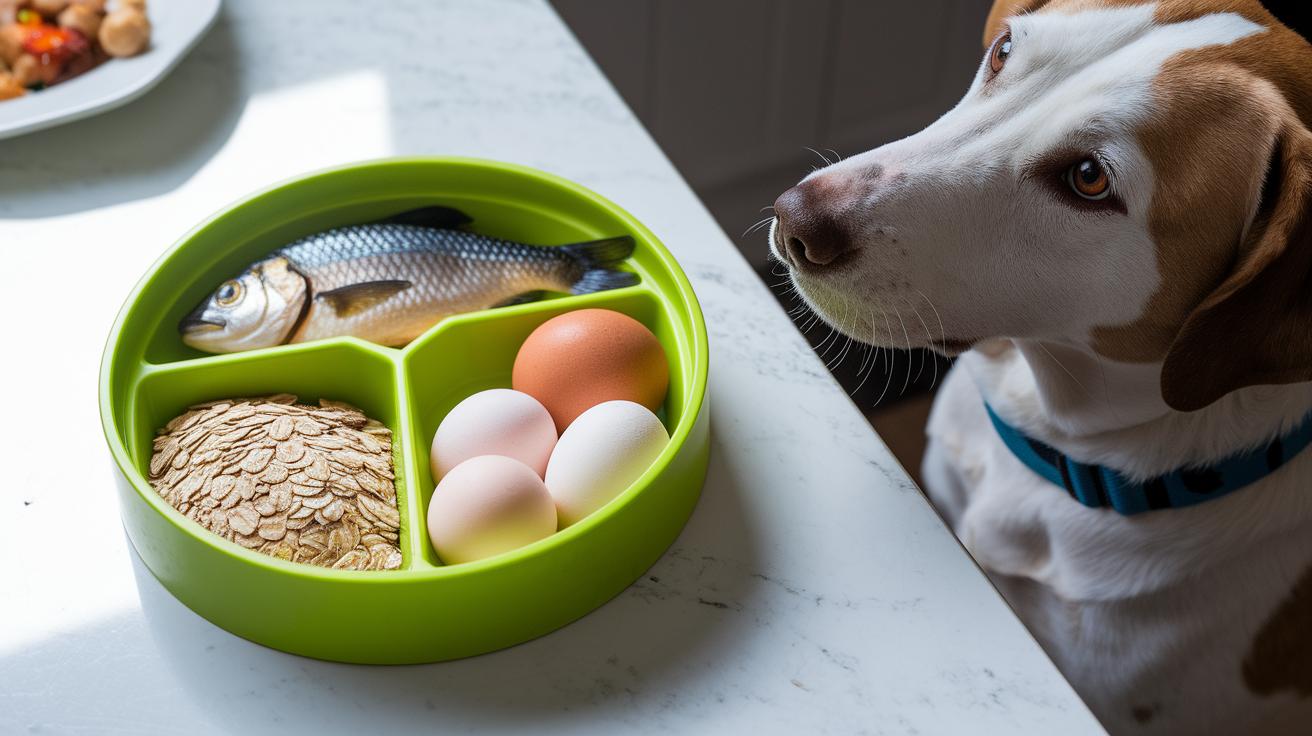
Your dog's morning gets a boost from lean proteins like chicken, turkey, fish, and eggs. These foods help build and repair muscles, kind of like giving your pet a strong, healthy frame to bounce around in.
Next, healthy fats from fish oil and flaxseed supply extra energy and help your dog soak up vitamins A, D, E, and K. The result? A shiny coat that feels as smooth as a fresh, playful cuddle.
Carbs, found in brown rice and oats, offer a steady flow of energy throughout the day and bring along fiber for easy digestion. Plus, B vitamins in whole grains and lean meats spark energy in just the right way, making playtime more fun.
Essential minerals like calcium, phosphorus, and magnesium work together to build strong bones and keep important body processes running smoothly. And, of course, a bowl filled with clean, fresh water helps move these nutrients around while flushing out waste.
Portion Control and Feeding Frequency in a Balanced Pet Diet Plan for Dogs
A feeding schedule is really important to keep your dog happy and full of energy. Measuring out the right portions based on your dog's age, size, and activity level is the first step. For example, a playful puppy often needs more meals spread out during the day while senior dogs do well with two steady meals.
Below is a handy table to help you plan your dog's meals:
| Life Stage | Meals/Day | Portion Guideline |
|---|---|---|
| Puppies | 3–4 | 5% of body weight split across meals |
| Adult Dogs | 1–2 | 2–3% of body weight daily |
| Senior Dogs | 2 | 2% of body weight with reduced calories |
Keep an eye on your dog's weight and energy levels to tweak the portions as needed. A diet that's balanced in calories helps your dog stay fit and enjoy every bite.
Think of planning your dog's meals like putting together a simple, balanced recipe that fits their daily needs. This way, you ensure they remain lively, healthy, and ready for play every day.
Homemade vs Commercial Approaches in Your Balanced Pet Diet Plan for Dogs

Cooking for your dog at home means you control every ingredient. Imagine mixing about half protein, a third carbohydrates, and a little healthy fat in every meal. You might choose lean proteins like chicken, turkey, fish, or cooked eggs and blend them with brown rice, quinoa, or sweet potatoes. And if your dog is sensitive to certain grains, try a grain-free bowl of turkey, quinoa, and steamed sweet potatoes that smells as inviting as a warm, homemade treat.
But here’s something to keep in mind, only about 13% of DIY dog diets hit every nutrient mark without extra supplements. So if you choose the homemade route, it’s really important to follow the nutritional guidelines closely. Lightly cooked meals can help keep more vitamins intact while giving your furry friend a tender, comforting meal. Just watch the cooking temperature to keep those essential vitamins from fading away.
On the other side, commercial pet foods are made with strict formulas so that every bite supports strong bones, a shiny coat, steady energy, and a solid immune system. They take a lot of worry out of meal planning since you don’t have to fret about missing vital nutrients. However, they might not offer that unique, personal touch you get when you whip up something fresh at home.
If you’re leaning toward homemade meals, check out trusted resources like Vet Approved Homemade Dog Food Recipes or fresh dog food. In the end, choose the option that best meets your dog’s specific dietary needs and overall health.
Energizing Dog Recipe Ideas for a Balanced Pet Diet Plan for Dogs
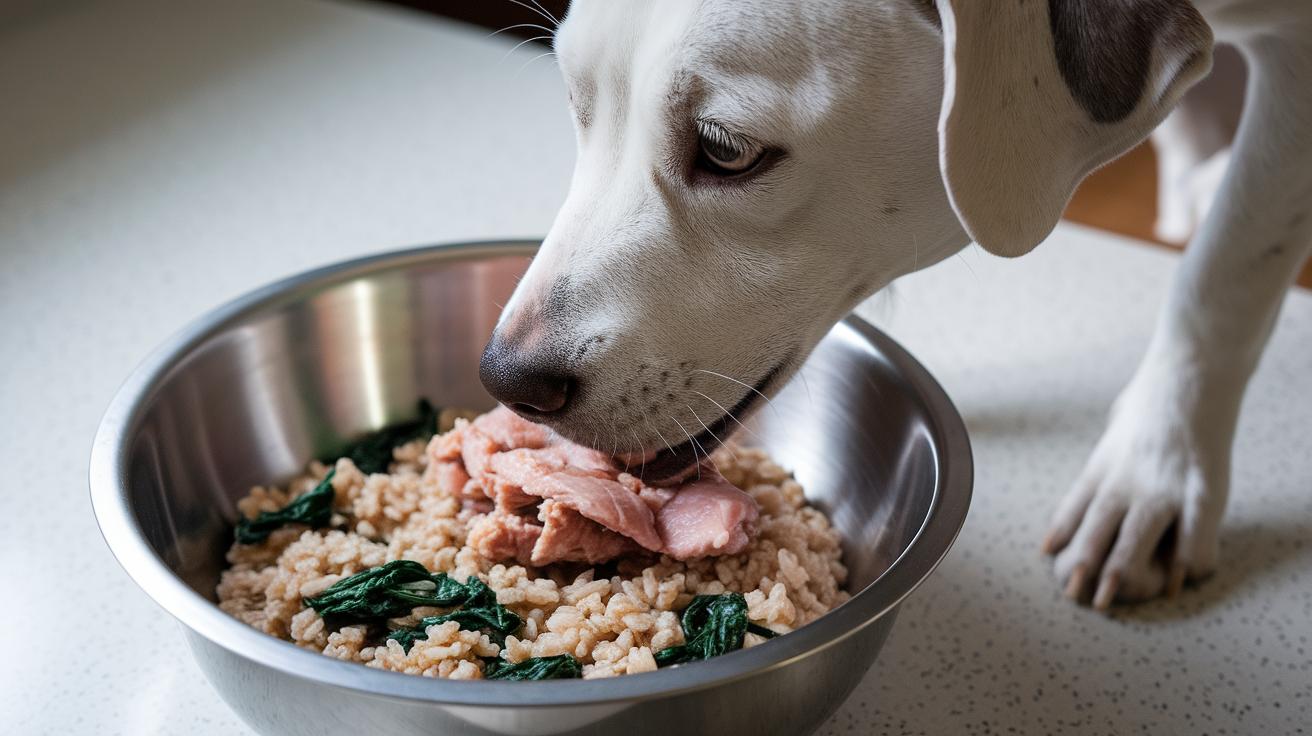
Have you ever tried a meal like Chicken & Brown Rice with steamed spinach for your pup? Start with lean chicken cooked to 165°F (which means all harmful bits are gone so your dog digests it well). Mix in brown rice, a hearty source of slow-release energy, and toss in lightly steamed spinach to boost vitamin C and keep the yummy enzymes intact. The dish is packed with iron-rich greens and loads of muscle-building protein. Imagine your dog’s tail wagging with cheer as they savor every bite of a meal that feels both comforting and energizing.
Another delightful mix is Salmon & Sweet Potato Mash with a handful of blueberries. Salmon gives a good dose of omega-3 fatty acids (that help keep a shiny coat and comfy joints), while sweet potatoes add natural sweetness and fiber. Blueberries bring a burst of antioxidants to help support a strong immune system. You might even add a pinch of pumpkin fiber and a little glucosamine (a helper for joint safety usually found in lean meats) for even more joint support. A quick steam of the veggies locks in all the nutrients, leaving every spoonful tasty and nourishing. This recipe not only fills your dog with energy but also helps keep their bones strong and spirits high all day long.
Tracking Progress and Tweaking Your Balanced Pet Diet Plan for Dogs

Every pet parent wants to see their furry friend happy and healthy. Try using a monthly Body Condition Score chart as a simple, clear way to keep an eye on your dog's weight and body shape. It helps you catch little changes before they become bigger issues. Also, notice how playful your dog is during walks or playtime, and take a moment to check their stool, it can tell you a lot about their digestion. If you spot loose stools or if your pup seems unusually tired, you might want to adjust the protein and fiber in their meals. And if they seem a bit sensitive or in discomfort, think about trying an elimination diet. That means you remove foods that might be causing issues and then slowly add each ingredient back one at a time to see which one might be the culprit.
Regular trips to the vet are a must. Your vet can check if your dog's nutrient levels and metabolism (that’s how their body uses food) are in top shape. Keeping up with these check-ins and your own observations will help you fine-tune their diet perfectly. For more tips on wholesome pet nutrition, you might even want to visit holistic pet nutrition online. A little notebook to jot down observations can go a long way in keeping your pet feeling its best.
Final Words
In the action, we explored the building blocks of strong nutrition for our pets. We broke down essential proteins, fats, carbs, and minerals while showing how meal timing and portions support a healthy lifestyle. Homemade recipes and commercial choices both play a part in creating a balanced pet diet plan for dogs. Tracking your pet’s progress helps you adjust for optimal well-being. Every step brings you closer to a life filled with tail wags and contented purrs. Enjoy the process and celebrate the improvements along the way.
FAQ
How can I create a balanced pet diet plan for my dog using homemade recipes and free resources?
The balanced pet diet plan for dogs recipes mix lean proteins, wholesome grains, and veggies. They offer a healthful blend that supports strong bones, a shiny coat, and steady energy for your pup.
Where can I find vet approved homemade dog food recipes?
The vet approved homemade dog food recipes provide expert guidance on ingredients and portion sizes. They help you prepare meals that meet your dog’s nutrient needs for optimal health.
What does a good daily dog feeding chart look like?
The daily dog feeding chart outlines meal frequency and portion sizes based on your dog’s age, weight, and activity. It typically shows puppies eating more meals and adults enjoying one or two balanced meals.
What is a Balance It dog food calculator?
The Balance It dog food calculator is an online tool that figures out proper portion sizes. It uses your dog’s weight and nutrient requirements to help you prepare well-balanced meals.
How can I access a nutritionally complete homemade dog food recipes PDF?
The nutritionally complete homemade dog food recipes PDF offers clear, detailed meal plans with balanced ratios of protein, fats, and carbs. It provides step-by-step recipes to support your dog’s overall well-being.
What is considered a good balanced diet for a dog?
A good balanced diet for a dog includes lean proteins (about 18–25% of calories), healthy fats (around 20–35%), balanced carbohydrates, essential vitamins, minerals, and plenty of water.
What is the 80 10 10 rule for dog food?
The 80 10 10 rule means roughly 80% lean protein, 10% healthy fats, and 10% carbohydrates. This guideline is sometimes used for raw or homemade diets, but it’s best to check with your vet for your dog’s needs.
What are the seven key elements of a balanced diet for dogs?
The seven key elements include proteins, fats, carbohydrates, vitamins, minerals, water, and fiber. These components work together to boost energy, support growth, and keep your dog healthy.