
Ever wonder if a grain-free diet is the right choice for your pet? Some pet owners say these meals help calm upset tummies and boost energy, while others worry they might miss key nutrients.
Let’s chat about both the good and the not-so-good sides. For example, skipping grains can sometimes mean fewer allergies and smoother digestion. But, you should also keep an eye on possible nutritional gaps.
Take a minute to imagine your pet enjoying a meal that suits them perfectly. This discussion is all about how these diets might affect your pet's well-being so you can decide what feels right for your furry friend.
Comprehensive Overview of Grain-Free Pet Diet Pros and Cons
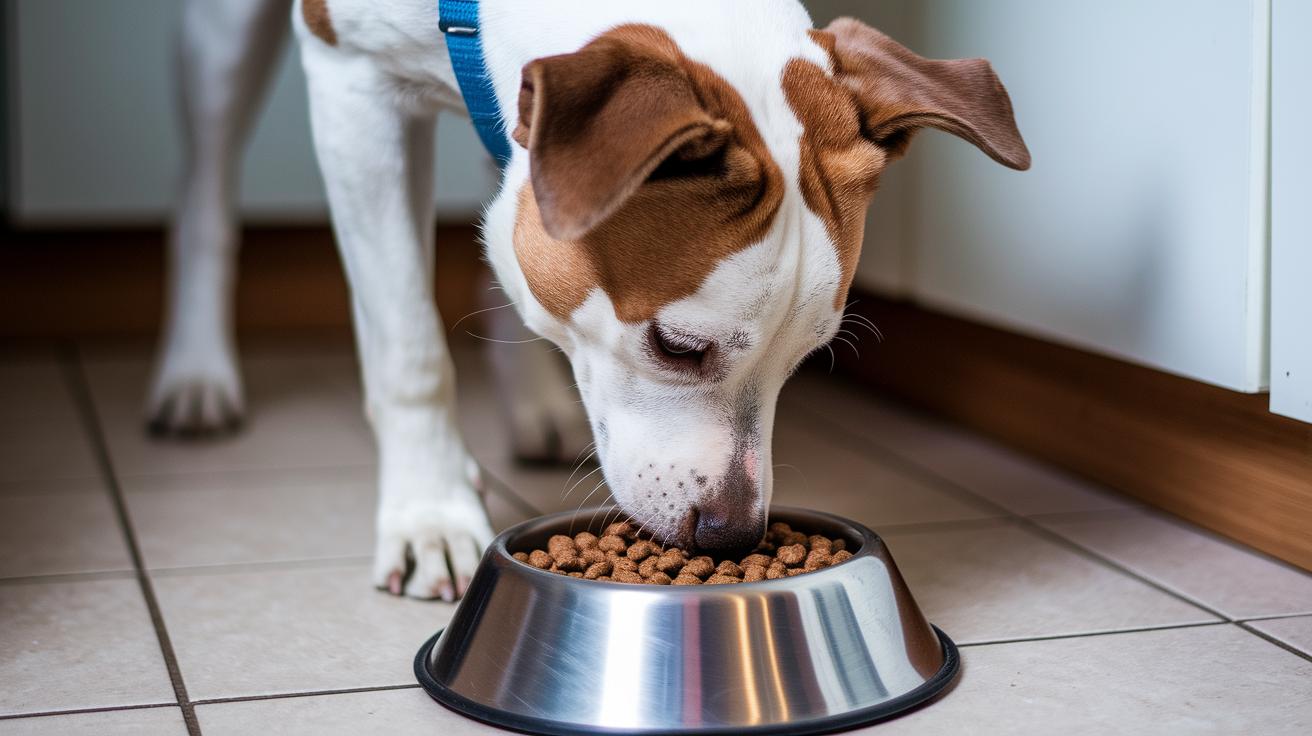
Grain-free pet diets skip common grains like wheat, corn, barley, oats, and rye. Instead, they use fruits, vegetables, and high-quality animal proteins to give your pet a meal that's easier on their tummy. Many pet owners try out these diets thinking they might help with allergies or just make mealtime more comfortable for their furry companion.
These formulas are believed to reduce typical allergens and help your pet absorb nutrients better. Many pet parents feel that cutting out grains means more protein for strong muscles, a lower glycemic index (how food affects blood sugar) for steady energy, and even better skin and coat. Sometimes, grain-free diets work best for pets with sensitive stomachs who need a food mix that's just right for them.
| Pros | Cons |
|---|---|
| Reduces allergens | Risk of nutritional imbalance |
| Improves digestion | Concerns about DCM (a heart condition) |
| Steady energy | Higher cost |
| Custom nutrition | Varied ingredient quality |
| Better skin and coat | Adjustment period issues |
Choosing the right food depends on your pet’s unique needs and overall health. It’s a good idea to have a chat with your vet or a pet nutrition expert before making any changes, especially if allergies or digestion problems are a worry. Switching to a new diet slowly can help your pet adjust without any tummy troubles.
Health Benefits of Grain-Free Pet Diets

Grain-free diets help cut out common allergens like wheat and corn so your pet feels more comfortable. They pack in easy-to-digest proteins and natural fibers that support smooth tummy work, steady energy, healthy weight, and even a shinier coat.
Improved Allergy Management
Removing grains can ease allergy issues that cause itchy skin or discomfort. Many pet parents have seen fewer allergy problems when switching to grain-free options, like dog food specially made for allergies. One owner even shared that Bella's constant scratching went down a lot after the switch.
Enhanced Digestive Health
These diets use gentle proteins and natural fibers that help your pet absorb nutrients better. Picture your pup enjoying a meal that soothes its tummy, like a warm, comforting bowl that feels just right.
Stable Energy & Weight Control
A lower glycemic index means your pet gets steady energy throughout the day without big blood sugar spikes. This balanced approach not only keeps energy levels up but also helps maintain a healthy weight, so your furry friend can play and relax happily.
Skin & Coat Improvements
When you swap out grain fillers with quality ingredients, many pet owners notice softer skin and a shinier coat. It’s like giving your pet a mini spa day with every meal, leaving them looking and feeling their best.
Grain-free pet nutrition brings all these benefits together, reducing allergy signs, easing digestion, stabilizing energy, and supporting a healthy, vibrant coat.
Potential Risks and Nutritional Challenges in Grain-Free Diets

Balancing a grain-free diet for our pets can be a real challenge. Without grains, some pet foods might not have all the vitamins and minerals our furry friends need. It’s like trying to finish a puzzle with a few missing pieces.
Another thing to watch out for is the use of low-quality fillers. Some grain-free foods include fillers that don’t offer much nutrition. Choosing a certified pet food (one that trusted experts have checked to meet all nutrient needs) can help you avoid these gaps.
You might also have heard of dilated cardiomyopathy (DCM), a heart condition linked to some grain-free diets since 2018. Pets with a history of heart issues might be extra sensitive. Changing your pet’s food too quickly can upset their tummy, leading to diarrhea or vomiting. It’s a good idea to work with your vet or a pet nutrition expert when switching diets.
Implementation Steps for Shifting to a Grain-Free Diet

Switching your pet’s food to a grain-free option should be a careful and gradual process. When you change their meal plan slowly, it helps prevent tummy troubles like diarrhea or vomiting. Plus, it gives you a chance to check on things like their stool, appetite, and even the shine of their coat, making sure they stay happy and healthy.
- Chat with your vet.
- Mix in the grain-free food gradually over 7-10 days.
- Keep an eye on their stool and how eager they are for meals each day.
- Watch for any signs of allergies or tummy upset.
- Adjust portion sizes so your pet gets just the right amount of energy.
- Consider your budget, as grain-free options can be a bit more expensive.
Stay close to your pet during this change. Regular check-ins and a quick call to a trusted pet care expert can make all the difference if anything seems off. This gentle, step-by-step plan helps both you and your pet enjoy a smoother switch to a grain-free diet.
Comparative Analysis: Grain-Free vs Grain-Inclusive Pet Diets

Grain-free diets skip the usual grains like wheat, corn, barley, oats, and rye. Instead, they mix in fruits, veggies, and high-quality proteins that many pet owners love. Meanwhile, grain-inclusive diets add these grains back in to give pets complex carbs and important nutrients. Both types of food are popular because they meet different needs, a grain-free meal might be just right if your pet has food sensitivities, while a grain-inclusive option offers a balanced blend of nutrition.
When you take a closer look, the nutritional profiles really stand apart. Grain-inclusive diets give your pet a good dose of natural carbohydrates, which help with energy and tummy health. They also come with more consistent ingredient sources and typically cost a bit less. On the other hand, grain-free diets are often chosen for their higher protein content and potential to soothe allergies, though the ingredients can change a lot between brands. This means that the price and quality might vary more compared to some grain-inclusive brands.
The best choice really depends on your pet's unique needs. Think about your pet’s overall health, how active they are, and how they react to different proteins. If your furry friend shows signs of food sensitivity, a grain-free diet might help them feel better. But if they don’t have these issues, a grain-inclusive meal can offer the balanced nutrition they need. In the end, it’s all about checking the full nutrition profile and chatting with your vet to choose a plan that fits your pet’s lifestyle and energy needs.
Final Words
In the action, we explored what a grain-free pet diet is, weighing benefits like better digestion and energy stability against potential nutritional challenges and risks. We broke down how to safely transition while keeping a close eye on your pet’s health and comparing options with grain-inclusive diets.
This guide on grain free pet diet pros and cons offers clear insights to help you make balanced decisions, always with your pet's unique needs in mind. Stay positive and keep caring for your furry friend with confidence!
FAQ
Q: What are the pros and cons of grain-free dog food?
A: The pros and cons of grain-free dog food include benefits like lower allergy risks and improved digestion, while drawbacks may be nutritional imbalances, higher costs, and potential links to canine heart issues.
Q: Do vets recommend grain-free dog food or caution against it?
A: Some vets caution against grain-free dog food because it may lack balanced vitamins and minerals and carries a potential risk for heart issues, so careful evaluation and gradual diet transition are advised.
Q: What is the grain-free dog food myth?
A: The grain-free dog food myth is that it works best for all pets, yet many dogs digest grains well, and switching diets should be based on individual needs rather than a one-size-fits-all view.
Q: What warnings and downsides exist for grain-free dog food?
A: Warnings for grain-free diets include risks of nutritional deficits, possible digestive upset during transition, and concerns over canine heart disease (DCM), making vet guidance important.
Q: What is the link between grain-free dog food and heart disease?
A: The link between grain-free dog food and heart disease is under study, as some cases of dilated cardiomyopathy have been associated with these diets, urging extra care and balanced nutrition.
Q: Is grain-free dog food good for dogs with allergies?
A: Grain-free dog food can lower allergens for dogs sensitive to wheat or corn, but its benefits vary, so it’s wise to talk with your vet to decide if it suits your pet.
Q: What are some of the best grain-free dry dog food options available?
A: The best grain-free dry dog foods list clear, quality ingredients and balanced nutrients; review product labels and get vet advice to find a formula that fits your pet’s health needs.
Q: Is grain-free better for pets overall?
A: Grain-free diets aren’t automatically better for every pet. Some may benefit from reduced grains if they have allergies, while many pets thrive on a diet that includes grains as part of balanced nutrition.