
Ever wonder if changing your pet's food suddenly might upset their tummy? Many pet parents have found that slowly easing into a new diet makes all the difference, keeping our furry friends calm and content.
Here’s a simple seven-day plan that gives your pet’s tummy (the part that helps digest food) time to adjust. Think of it like introducing a new treat bit by bit instead of all at once.
By taking it slow, you’re helping your pet enjoy a smoother transition to healthier, more energetic days. Ready to give your pet the best start? Let’s make it happen together.
Why a Gradual Approach Matters When Transitioning Your Pet to a New Diet
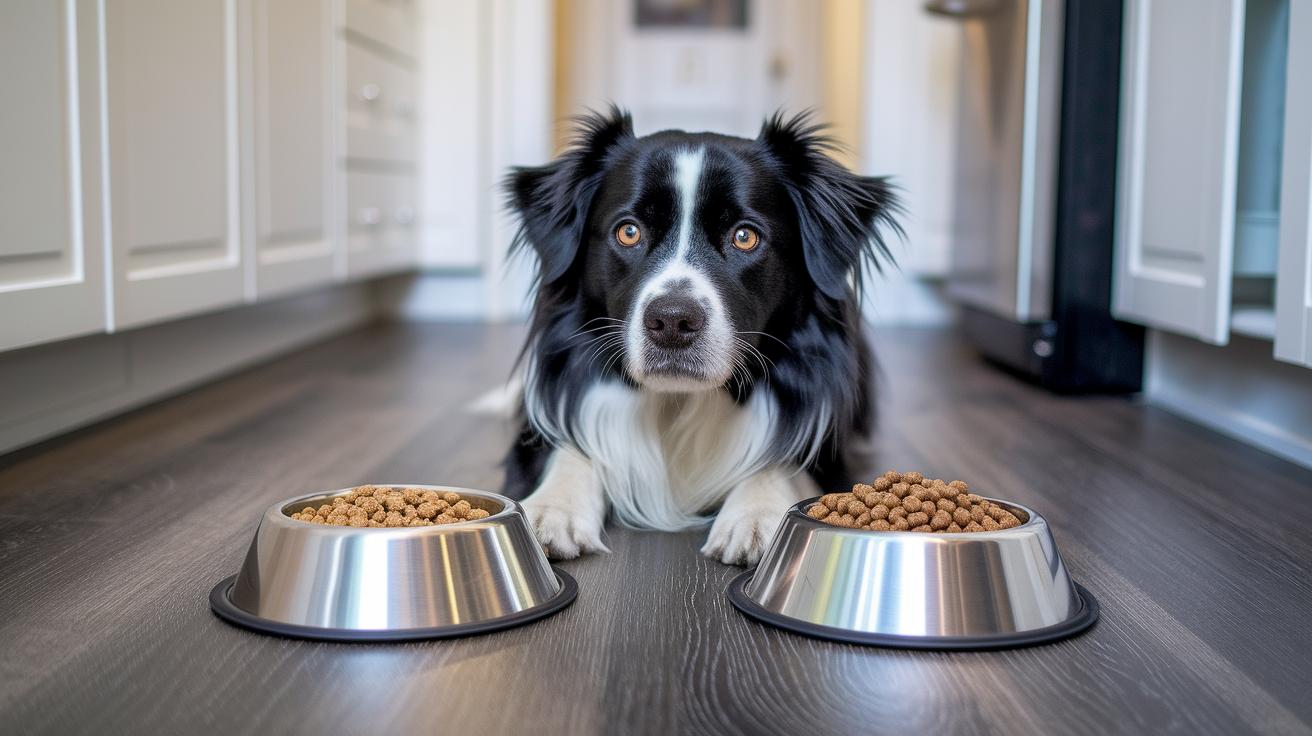
Changing your pet's food all at once can really upset their stomach. A gentle, seven-day switch gives their digestive system time to adjust from dry kibble to wet or fresh food without causing big problems. For instance, start out with about 25% new food mixed with 75% of their old food during the first meals. This slow change helps keep surprises like loose stools or a queasy feeling at bay, much like slowly introducing a new flavor to your pet’s dinner plate.
Taking the transition slow prevents discomfort and keeps your pet feeling happy and healthy. Quick changes can lead to tummy troubles and sometimes even make your pet feel less energetic. By sticking to a step-by-step plan, you help your pet digest their food better and maintain overall well-being. This way, your furry friend stays cheerful and comfy as they get used to the new diet.
Step-by-Step Plan for Transitioning Your Pet to a New Diet
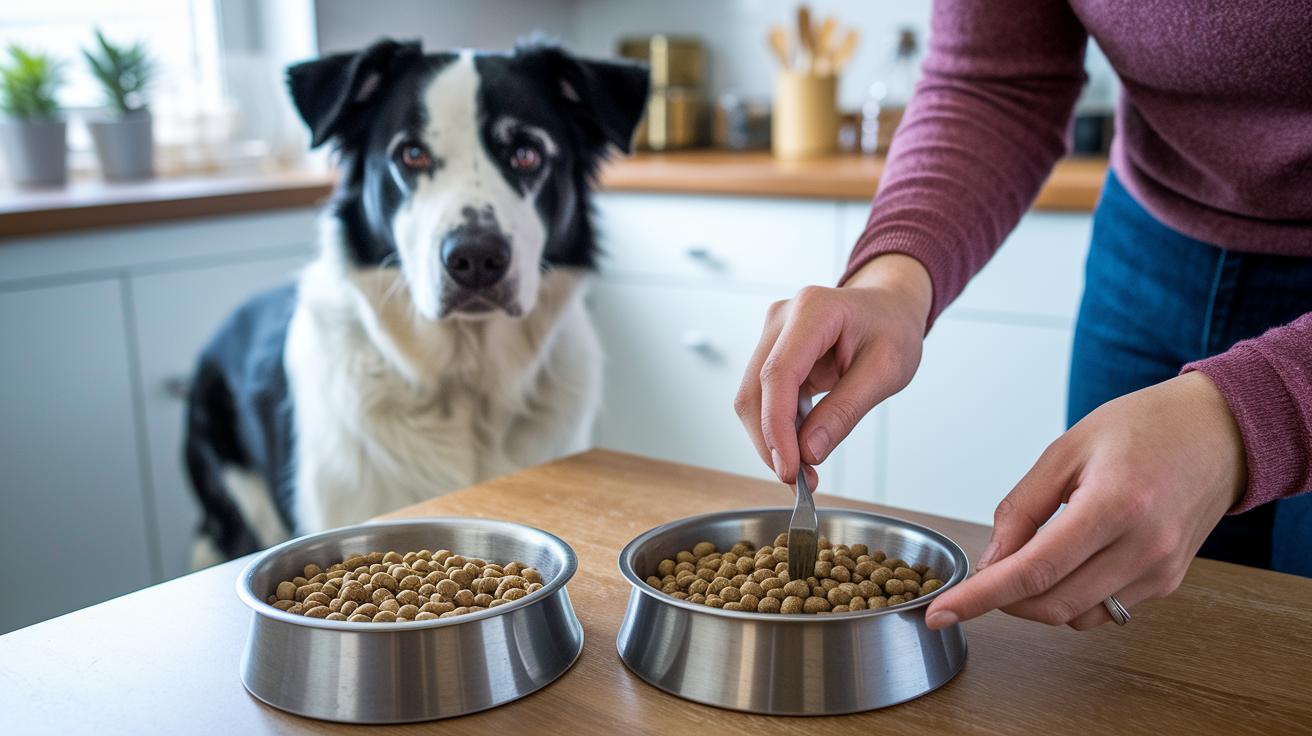
A daily plan makes changing your pet's food feel easier. Using a step-by-step approach, you gradually mix in new, healthy meals like fresh dog food while slowly reducing the old food. This helps your pet adjust without feeling overwhelmed. Serving wet and dry foods in separate bowls even lets your pet pick the texture they like best, keeping things smooth. And having both types of food on hand avoids any break in the plan.
| Day Range | Old Food % | New Food % |
|---|---|---|
| Days 1-2 | 75% | 25% |
| Days 3-4 | 50% | 50% |
| Days 5-6 | 25% | 75% |
| Day 7 | 0% | 100% |
Sticking to this plan over the week helps your pet's tummy get used to the change. Even if your pet jumps for joy at the sight of new food, following this timeline keeps upset tummies at bay. Check on your pet each day and serve meals separately so you can catch any signs that the change might be too fast. This steady plan builds a strong start for your pet's long-term health and makes mealtime a happy time for everyone.
Monitoring Health During Your Pet’s Diet Transition
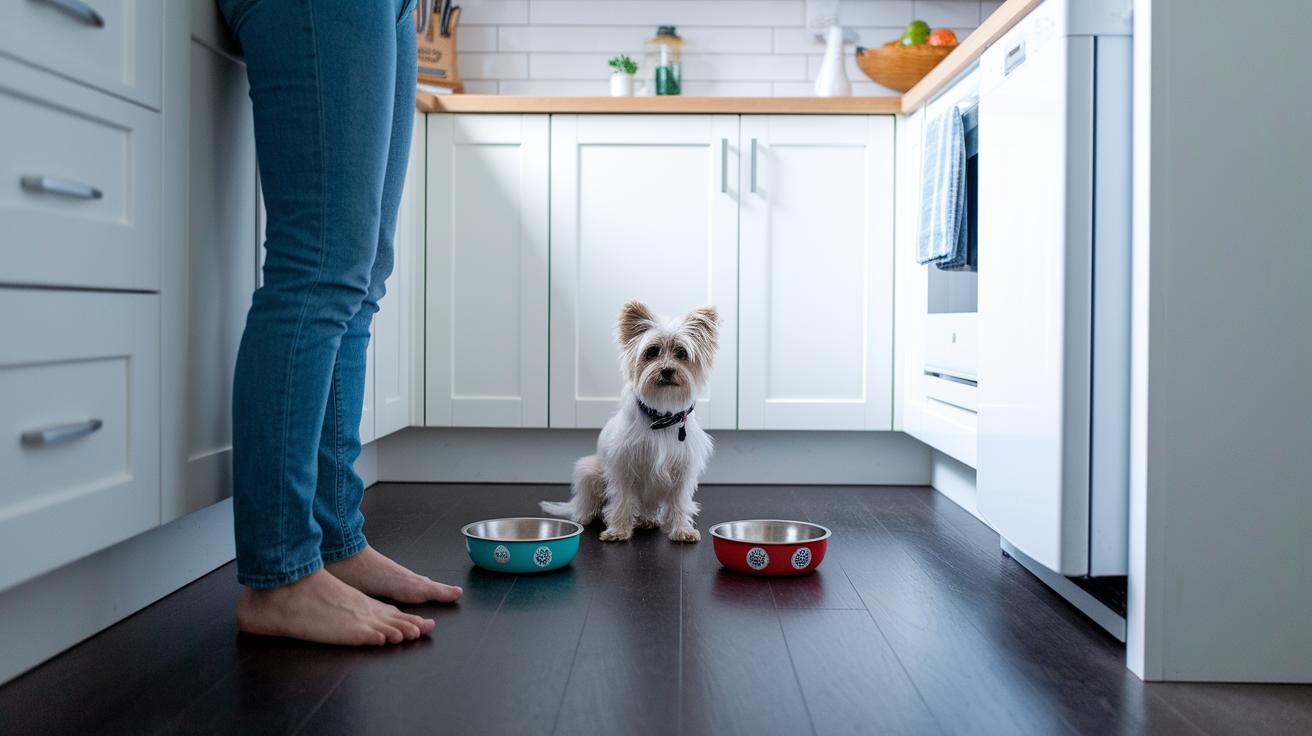
When you change your pet’s food, keep a close watch on how they handle the switch. Notice if they experience any loose stool, vomiting, or if their appetite drops, or if they seem more tired than usual. These little signals tell you that their tummy might be struggling to adjust. If you see these signs sticking around for over 48 hours, try slowing down the process or even stepping back one stage so their stomach can settle. Sometimes, taking a gentle break can really help your furry buddy feel more comfortable.
If your pet continues to seem upset with constant vomiting, blood in their stool, or very low energy, it’s best to call your vet right away. For pets with extra sensitive tummies, some owners find that options like dog food for sensitive stomach can soothe the irritation. Keeping an eye on your pet early on lets you make small changes to ensure the new diet feels like a smooth transition instead of a sudden shock.
Customizing Your Pet’s Diet Transition for Age, Breed, and Needs
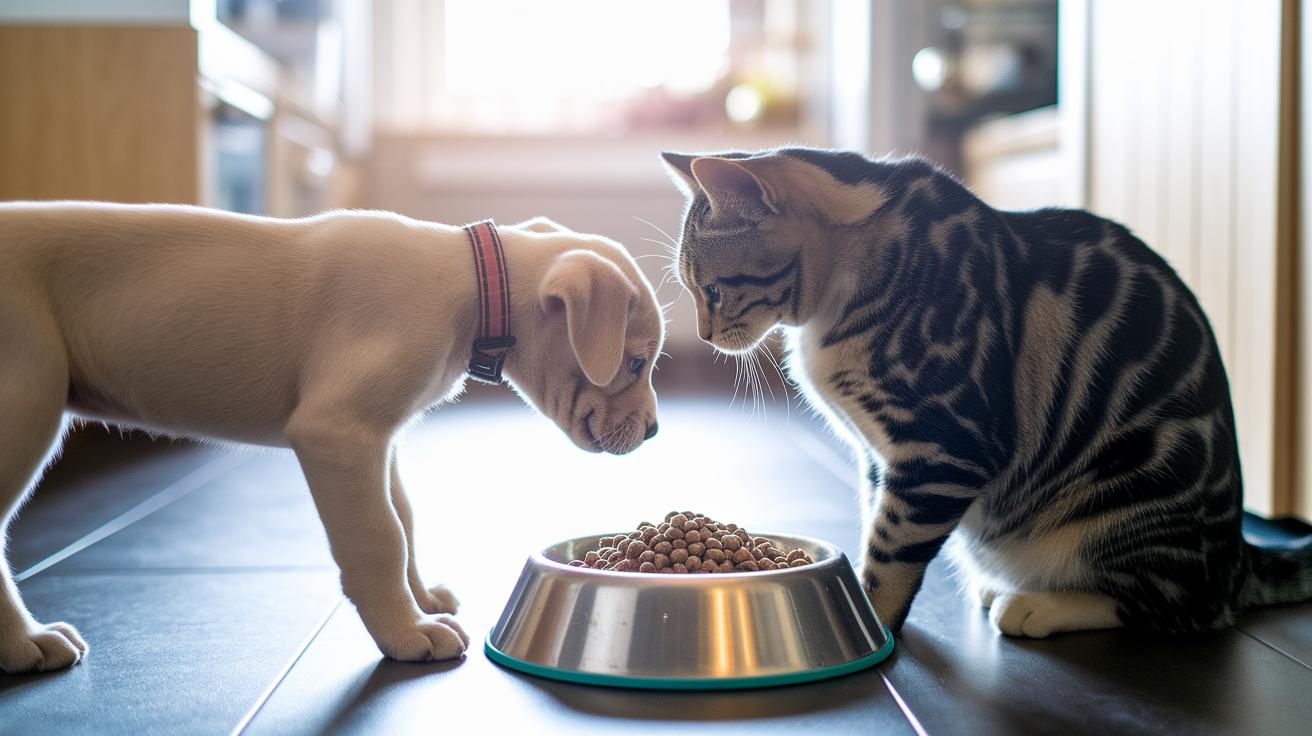
Every pet has its own little quirks that make it special. When you switch up their food, keep in mind that each one handles change differently. A puppy or kitten, for example, grows fast and might do well with small, quick tweaks in their meals. Meanwhile, older pets might benefit from meals that are easier on their stomachs and joints, so you can mix things up in just the right way for each furry friend.
For young pets, a tiny change goes a long way. Try mixing in a small bit of the new food with their regular meal, and watch as their curious taste buds adjust step by step. And for senior pets, adding a bit more fiber or a special joint-support formula can make mealtime more comfortable. Their slower digestion means a gentle switch can really help avoid an upset stomach or extra weariness.
Some breeds might need a little extra care. Pets with sensitive tummies or those prone to pancreatitis might do better with lower-fat meals or recipes made to soothe their digestion. If you’re trying out frozen raw food, keep an eye on how they handle the colder meals so they don’t feel any discomfort. Adjust the mix gradually and listen to their cues, ensuring every pet enjoys a smooth transition to happier, healthier eating.
Solving Common Issues When Transitioning Your Pet to a New Diet
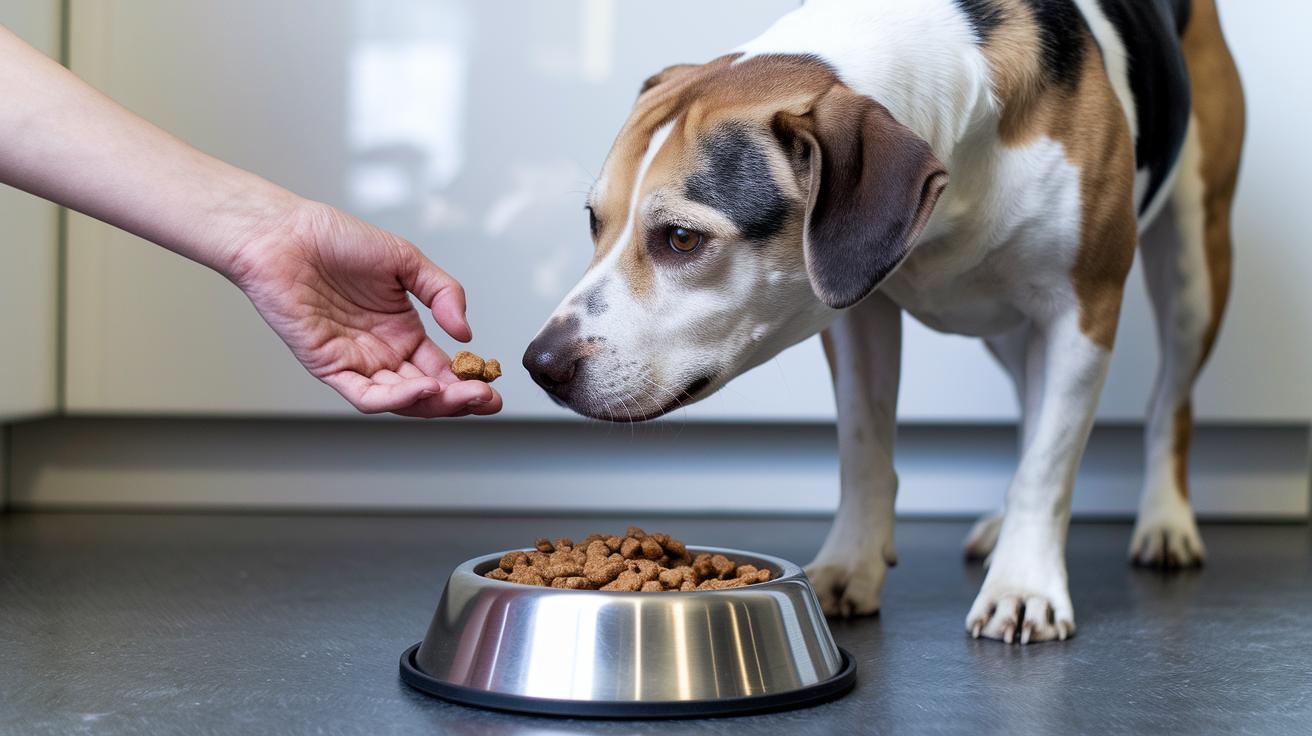
Sometimes, your pet may be hesitant to try new food. If you notice your furry friend turning up their nose, try feeding them small, hand-fed bites or mix a teaspoon of the new food into their favorite meal. This gentle method lets them slowly taste and get comfortable with the change. Think of it like easing into a fun, new flavor, keeping both the old and new food on hand means your pet never feels rushed.
If your pet still struggles with minor tummy troubles, such as a bit of loose stool or a light upset stomach, it might help to extend the transition period. Stretching it out to 14 days can give your pet more time to adjust without any discomfort. And if these issues continue for a couple of days, a quick talk with your vet or a pet nutrition expert can really put your mind at ease and set the right path for your pet’s new diet.
Final Words
In the action, pet owners learn why a gradual change is the best route for a happy tummy. We shared a clear step-by-step plan and practical tips to work through each stage while watching for signs of upset. Customizing care for age or breed keeps meals special, and simple troubleshooting helps smooth out bumps. Remember, transitioning your pet to a new diet means embracing small, steady changes that bring comfort and joy to mealtime.
FAQ
What are the symptoms of changing dog food too quickly?
Changing dog food too quickly often triggers loose stools, vomiting, and lethargy, as a rushed transition can upset your pet’s sensitive stomach.
How can I switch dog food without causing diarrhea?
Using a gradual method to mix old and new foods can help avoid diarrhea by giving your pet’s digestive system time to adjust slowly to the change.
Is there a guide or tool like a dog food transition calculator or chart to follow?
A dog food transition calculator or chart provides a simple day-by-day mixing ratio plan that guides you over a seven-day period to safely shift your pet’s diet.
How do I switch dog food when my pet doesn’t like mixed textures?
For pets that prefer not to mix food types, serving old and new foods in separate bowls can ease the transition and encourage acceptance of the new diet.
Can changing dog food kill a dog?
Abruptly switching dog food can lead to serious digestive upset, but a slow, gradual transition helps minimize risks and protects your pet’s health.
What is the Hills food transition guide?
The Hills food transition guide suggests a slow mixing method over several days, reducing digestive stress so your pet adapts smoothly to the new food.
How long does it take for a dog to adjust to a new diet?
Dogs typically need about seven days to adjust when you gradually change their food, allowing their digestive system to adapt over time.
What happens when you change your dog’s diet?
Changing your dog’s diet can temporarily alter stool consistency and digestion, making a slow transition key to preventing discomfort.
When should a pet’s diet be changed?
A pet’s diet should be adjusted for health reasons, age-related needs, or after veterinary advice, with changes made gradually to ensure smooth adaptation.
How do you introduce a new diet to your dog?
Introducing a new diet should begin with a small mix of new food (about 25%) with the current food, gradually increasing the new portion to help your pet adjust safely.