
Ever notice how your pet might seem a little down sometimes? Stress can sneak up on them and change how they act. One minute they’re bouncing around playfully, and the next, they seem tired, like their energy has dried up.
You might spot tiny clues too. Maybe their fur isn’t as shiny as usual or they move slower than normal. These are subtle hints that stress is weighing on them.
In this chat, we’re diving into how stress can sap your pet’s spark and quiet their everyday joy. Stay tuned to learn simple ways to spot these signs, so you can help your furry pal feel lively and loved once again.
Stress and Pet Vitality: Core Physiological and Behavioral Impacts
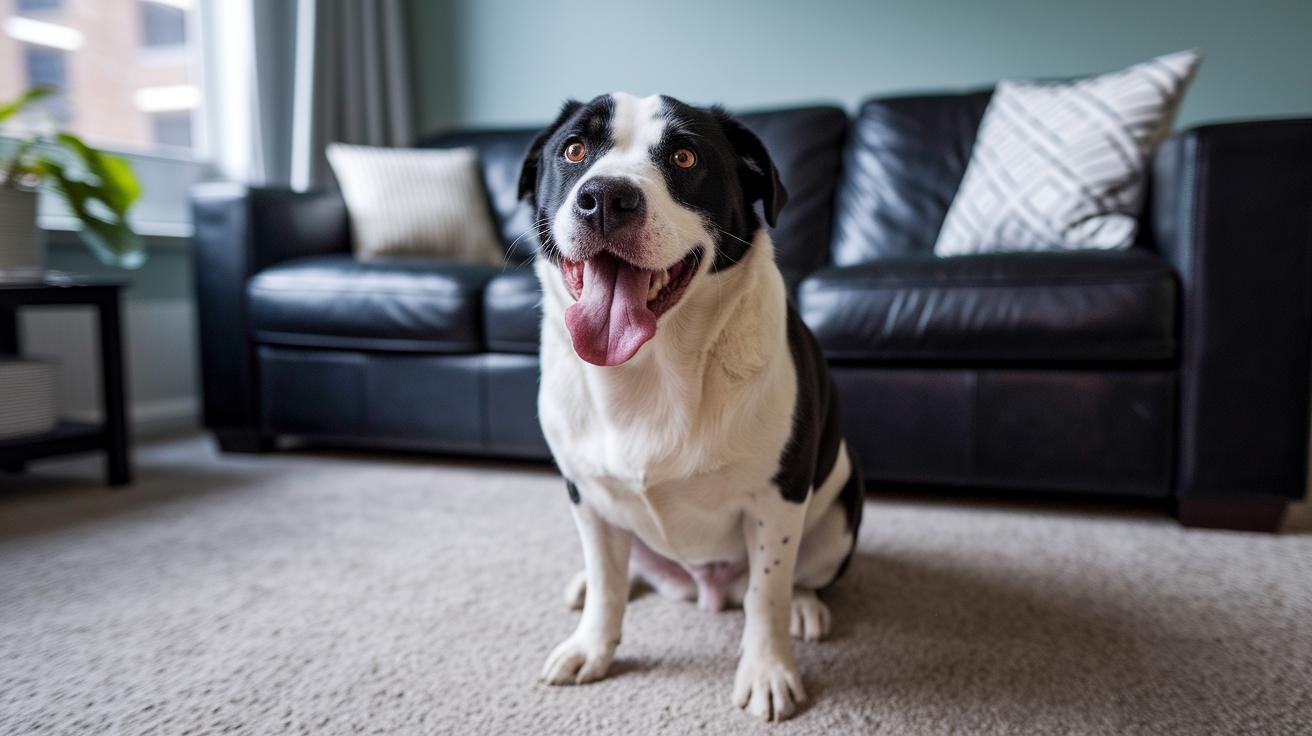
When our pets get stressed, their bodies jump into action. It starts with the Sympathetic Adrenomedullary (SAM) system (this is like the body’s emergency response team) releasing epinephrine. This hormone makes a pet’s heart beat faster, quickens breathing, raises blood pressure, and boosts blood sugar. It helps them stay alert in the moment.
At the same time, another part of their body, the Hypothalamic-Pituitary-Adrenal (HPA) axis (think of it as the stress control center), kicks in and sends out cortisol and similar hormones. While a little stress can help a pet be more ready to play (like a pup suddenly alert after a funny noise), too much stress over time can mess with their body. It can lead to issues like immune trouble, an upset metabolism, and even make their cells age faster.
Pets that endure ongoing stress start to lose their spark. They shift from being playful and active to feeling tired and wanting to rest a lot. You might see a dull coat, hair loss, or changes in how they act. Imagine your furry friend who chases a ball with enthusiasm one day, then seems too tired to even wag their tail the next, these signs show just how deeply stress affects them.
By keeping an eye on these changes, we learn how stress trickles through both body and mind, draining energy and warmth from our beloved pets. Taking action and easing their stress can truly help them feel healthier and happier.
Identifying Stress Indicators That Signal Vitality Decline
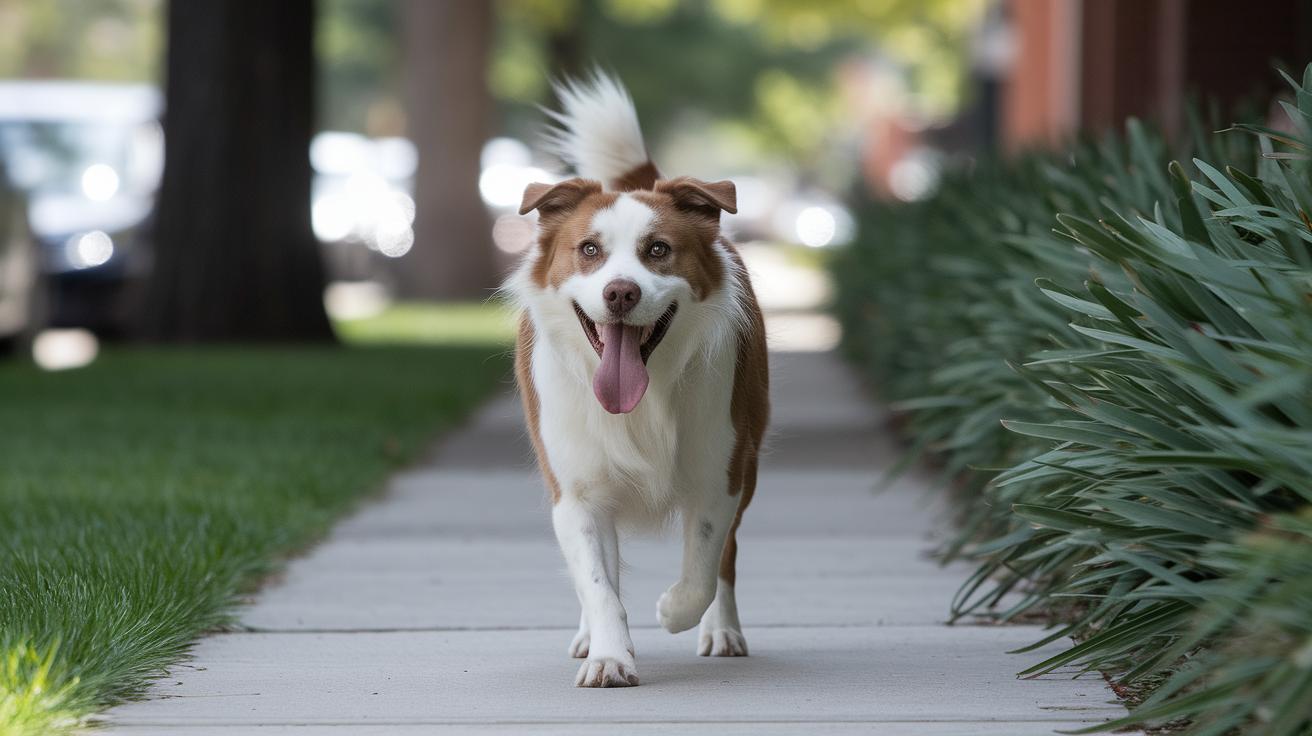
When our pet feels stressed, it shows in both how they act and how they move. You might see your dog crouching low with trembling legs or panting hard after a walk. They can also drool a lot, pace around, or even have an upset tummy with vomiting or diarrhea. Picture your favorite pup suddenly panting and circling during a simple stroll, it’s a gentle hint that stress could be stealing their spark.
Behavior changes are big clues too. A usually playful cat might hide away when things get too much, and a happy dog could start chewing on furniture out of frustration. There might be shifts with food too, eating too little or too much, and even trouble sleeping, like restlessness through the night. Sometimes even accidents indoors can pop up when anxiety takes hold.
Older or ailing pets may show extra signs like a bit of forgetfulness, odd litter habits, or soft whines asking for comfort.
- Crouching low, trembling, and extra drooling
- Hiding away, destructive chewing, or even a bit of aggression
- Shifts in appetite and not-so-restful sleep
- Unexpected indoor accidents and restless pacing
Spotting these signs early helps you step in to support your pet’s well-being and keep that lively spirit shining bright.
How Stress Hormones Undermine Pet Energy and Health
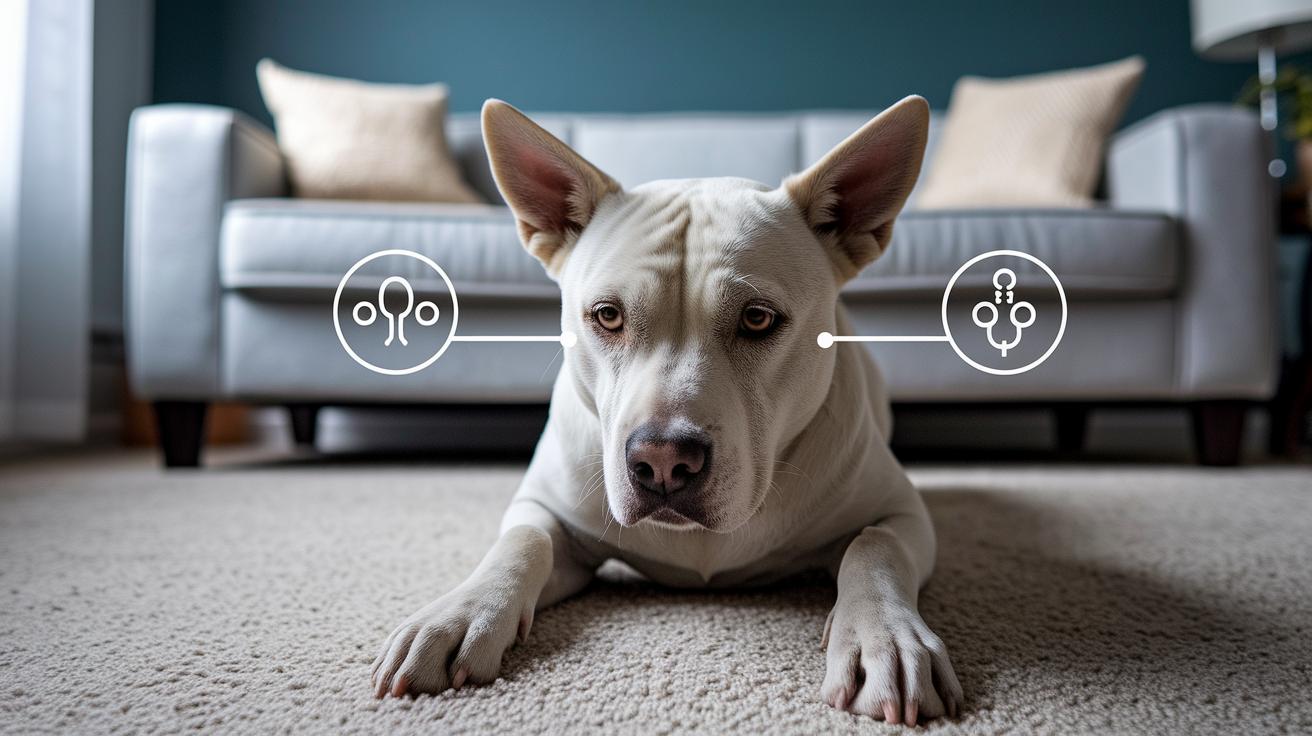
When a pet feels stressed for a long time, its body starts pumping out hormones like cortisol. This hormone lowers the number of cells that guard against infections (lymphocytes are like little soldiers that protect against germs) and cuts back on antibodies. In simple terms, your furry friend becomes less able to fight off sickness.
At the same time, extra stress hormones called glucocorticoids mess with how pets use sugar (glucose is the fuel in their blood). This mix-up can lead to high blood sugar or even sudden energy drops, kind of like your car sputtering when it's low on fuel. Sometimes, this also makes it tougher for their body to handle sugar properly, a bit like insulin resistance.
Also, the pet’s body releases extra chemicals as part of its emergency response. These chemicals can lead to problems like inflammation or oxidative stress. For example, you might notice skin issues such as itchy rashes or areas your pet licks a lot (like lick granulomas). These changes can stir up tummy troubles, uneven weight, and trouble absorbing vital nutrients.
All these hormonal hiccups disrupt the way a pet’s brain and body chat with each other. Imagine your pet’s energy as a battery that slowly loses its charge with every stressful moment. It’s a gentle reminder to keep our little buddies as happy and calm as we can, so they keep that joyful spark alive.
Long-Term Consequences of Chronic Tension on Pet Vitality
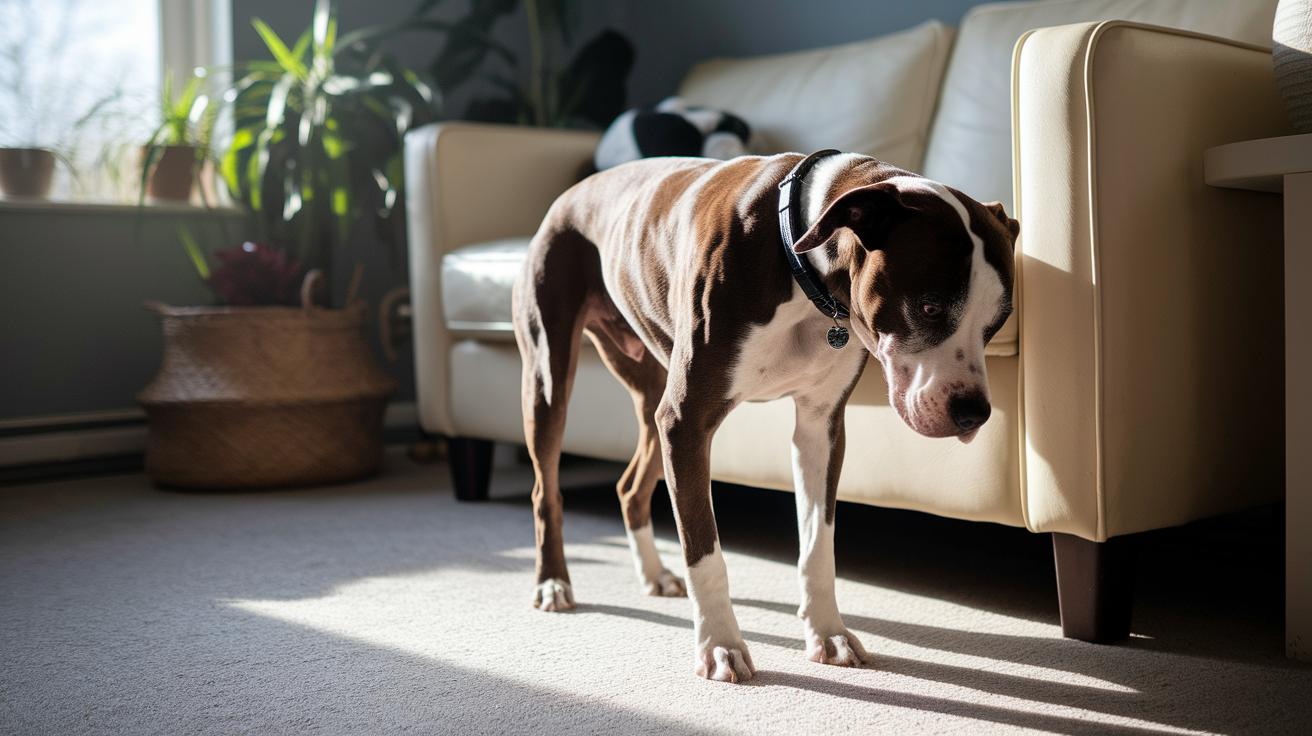
When pets deal with ongoing tension, it goes beyond just feeling a bit off. Older pets might show signs like stiff joints or slower thinking. You might see a senior pet having trouble getting up from a nap or forgetting commands they used to know well. This shows that the stress is taking a bigger toll on their bodies than just a momentary worry.
We already talked about short-term stress effects, like quick changes in their hormones. Now, constant stress can actually speed up how fast their cells age. In simpler words, ongoing tension might make their joints stiffer and their minds slower.
Think about a playful pet that used to move freely. Now, it might take extra care with every step, rest more often, and seem less curious. Imagine a happy dog now hesitating on stairs or seeming unsure during playtime. It’s a clear hint that chronic tension is affecting them over time.
Environmental and Behavioral Strategies to Restore Pet Vitality Under Stress
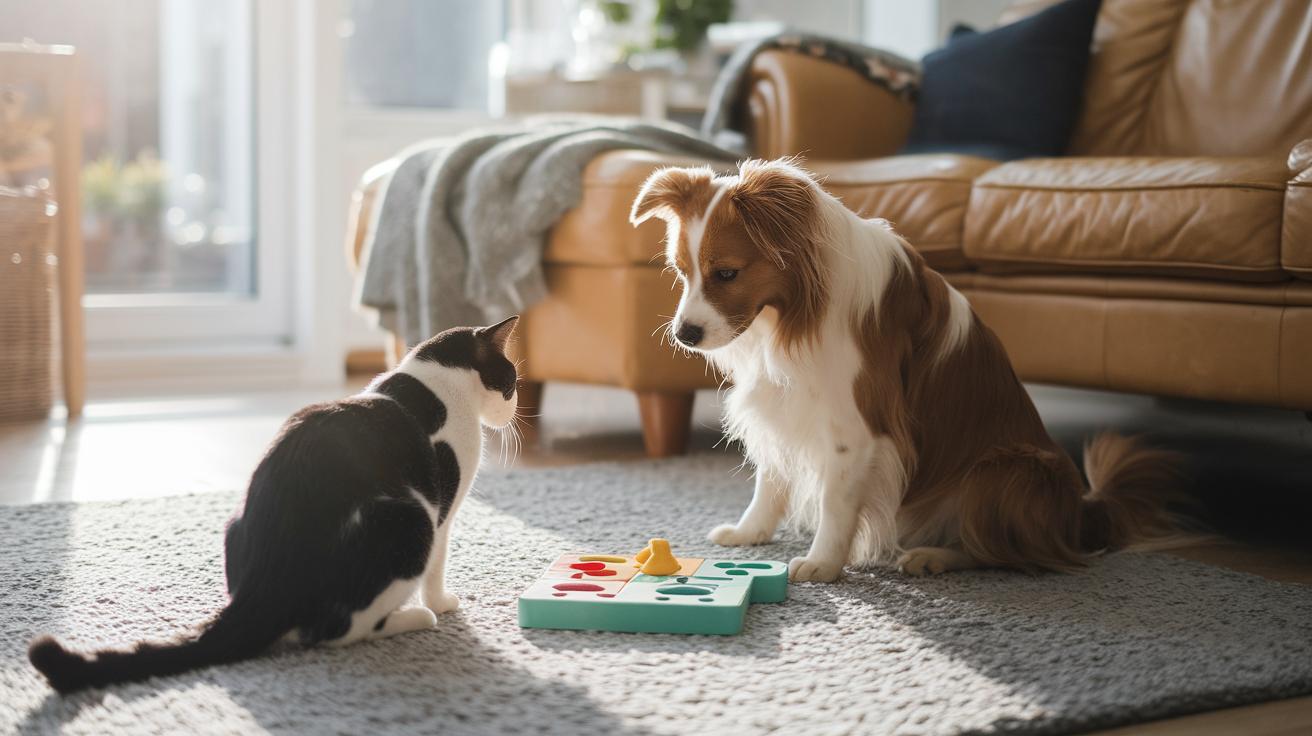
Creating a warm and steady home can really help your pet feel less stressed and more energetic. When your furry friend feels safe, they tend to play more and relax into a calm mood. Little changes, like using puzzle feeders or setting up fun playtimes, can bring back that natural spark.
A regular routine works wonders. Feeding, walking, and rest times can make your pet feel secure, they know what’s coming next. When they feel safe, stress slowly melts away. Simple methods like positive reinforcement training, where your pet earns a treat or kind words for calm behavior, remind them that quiet times and gentle play are just as fun.
Your home’s spaces also matter a lot. A quiet corner with soft bedding or a cozy indoor retreat gives your pet a safe spot during stressful times. Calming tools, such as canine pheromone diffusers (devices that release a scent to comfort your pet) or gentle massages, can really soothe anxious feelings. Taking things slowly when introducing new sounds and sights helps turn surprises into fun learning experiences.
Here are some tips to help your pet shine again:
| Tip | Description |
|---|---|
| Interactive Toys | Fun toys like puzzle feeders boost mental stimulation and play |
| Planned Exercise | Regular play breaks give your pet a chance to move and have fun |
| Quiet Zones | A calm area where your pet can relax and feel safe |
| Calming Aids | Tools such as pheromone diffusers or soft music for a soothing atmosphere |
| Positive Training | Sessions that reward calm behavior with treats or praise |
| Gradual Exposure | Slowly introducing new sounds and sights to avoid overwhelming your pet |
Nutritional and Supplement Approaches to Boost Pet Vitality During Stress
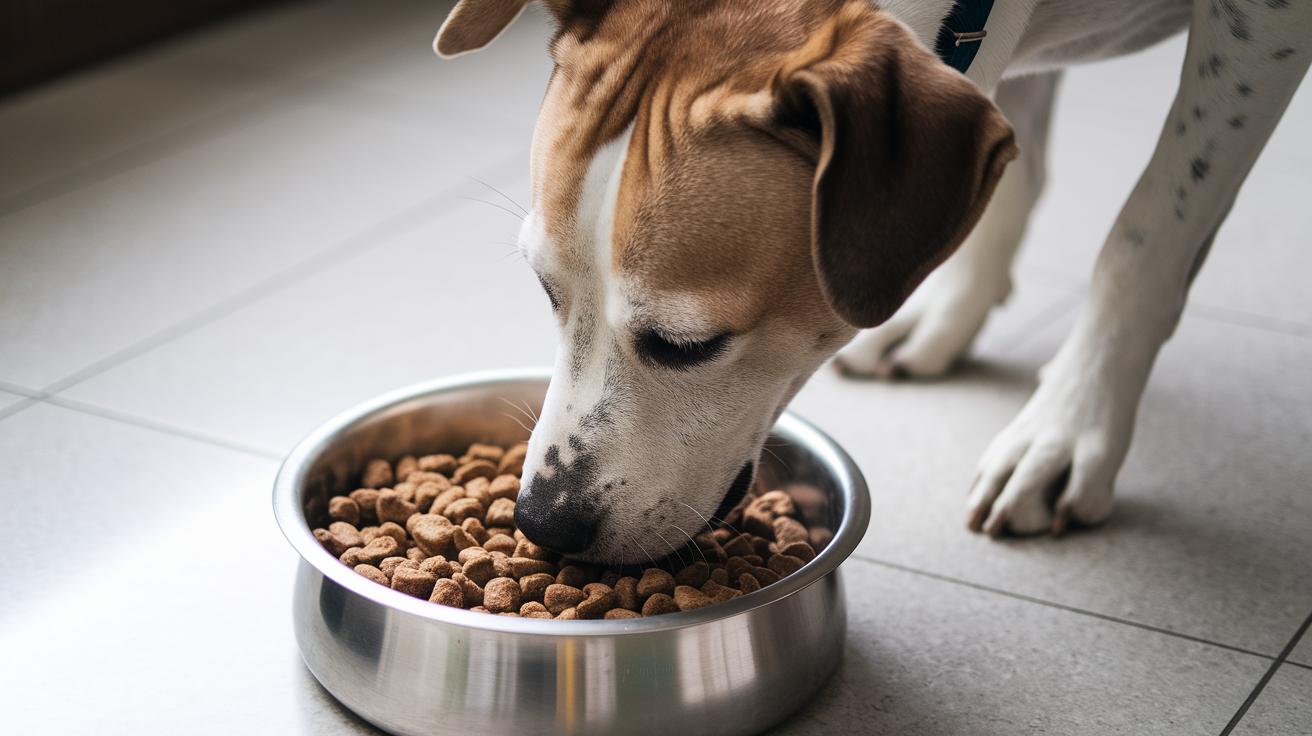
A balanced meal made from fresh dog food does wonders for your pet's energy and well-being. It helps keep their adrenal function and blood sugar on track (blood sugar is like fuel for your pet). This steady energy stop sudden crashes that make them feel tired.
Eating nutritious food is like giving your pet a smooth start to the day. These meals are full of vitamins and minerals that help the body handle stress. A good diet can even ease mealtime anxiety, so your pet stays lively and cheerful.
Some supplements can also help ease stress and boost your pet’s vigor. L-theanine, chamomile, and tryptophan work to balance the chemicals in your pet’s brain (these are natural mood helpers), helping them feel calm. Omega-3 fatty acids, which are in many supplements, can reduce inflammation and keep the brain in top shape. Even gut-health probiotics play a part by aiding nutrient absorption and strengthening your pet’s natural defenses. Think of probiotics as little helpers, making every bite count.
Sticking with a routine feeding schedule can also ease the stress of unexpected hunger, keeping your pet’s energy consistent. Combining balanced meals with smart supplements gives your pet the boost they need to stay energetic and relaxed.
When to Seek Professional Support for Stress-Related Vitality Loss

If your furry friend has been showing signs of stress for over two weeks or if things seem to be getting worse, it might be time to chat with a professional who understands pet care deeply. Things like ongoing vomiting, diarrhea, unusual skin patches, or constant shaking are your pet’s way of saying, "I need some help!" Even a sudden drop in energy or unusual aggression can signal that something more serious is going on.
In such cases, a veterinarian or a certified pet behavior expert can help. They might run a few tests (like checking for hormone issues, which can affect your pet’s mood) and suggest a plan to ease your pet’s stress. Imagine it like a gentle check-up where every little detail counts, much like when you check on a puppy’s playful antics during a fun day at the park.
Getting help quickly can stop minor troubles from turning into big problems. Taking this step can help your pet bounce back to their lively, tail-wagging self, keeping both of you happier in the long run.
Final Words
In the action, we explored your pet's physical and emotional signals, from changes in playfulness to shifts in eating habits. We broke down how hormonal responses and everyday routines intertwine to lower energy levels. We also shared clever ideas for a balanced diet, calming spaces, and quality playtime that can brighten your pet's day.
Remember, knowing how stress affects pet vitality can lead to simple changes that help your furry friend feel more lively and loved.
FAQ
How does stress affect pet vitality in humans and dogs?
The effect of stress on pet vitality comes from hormonal imbalances that lower immune responses and energy levels. Both pets and their owners can experience changes in behavior and physical health when stress prevails.
What are common signs of stress in animals?
The common signs of stress include trembling, panting, pacing, hiding, and changes in appetite and sleep patterns. These shifts in behavior and physical symptoms help spot stress early in pets.
How does stress impact animals’ overall health?
Stress impacts animals by disrupting normal hormone levels, which interferes with immunity and digestion. This can lead to skin issues, energy loss, and overall poorer health over time.
Can your stress affect your dog?
Your stress can indeed affect your dog, as they often pick up on your anxiety. This may cause them to become less playful, more withdrawn, or exhibit unusual behavior patterns.
What are the first signs of stress in dogs?
The first signs of stress in dogs include subtle changes like reduced playfulness, hiding, altered eating habits, and pacing. These early cues indicate that the dog is becoming affected by stress.