
Have you ever wondered if regular pet food might be holding your furry friend back from being their happiest self? Custom meal plans consider your pet’s age, activity, and overall health to whip up nutrient mixes just for them, kind of like having a tailor-made recipe for each meal.
In this post, we chat about how these personalized plans work and why they keep your pet bouncy and satisfied. When every bite is made to fit your pet’s unique needs, it turns mealtime into a fun, healthy adventure that brightens up their day.
How Tailored Pet Diet Recommendations Work for Your Pet
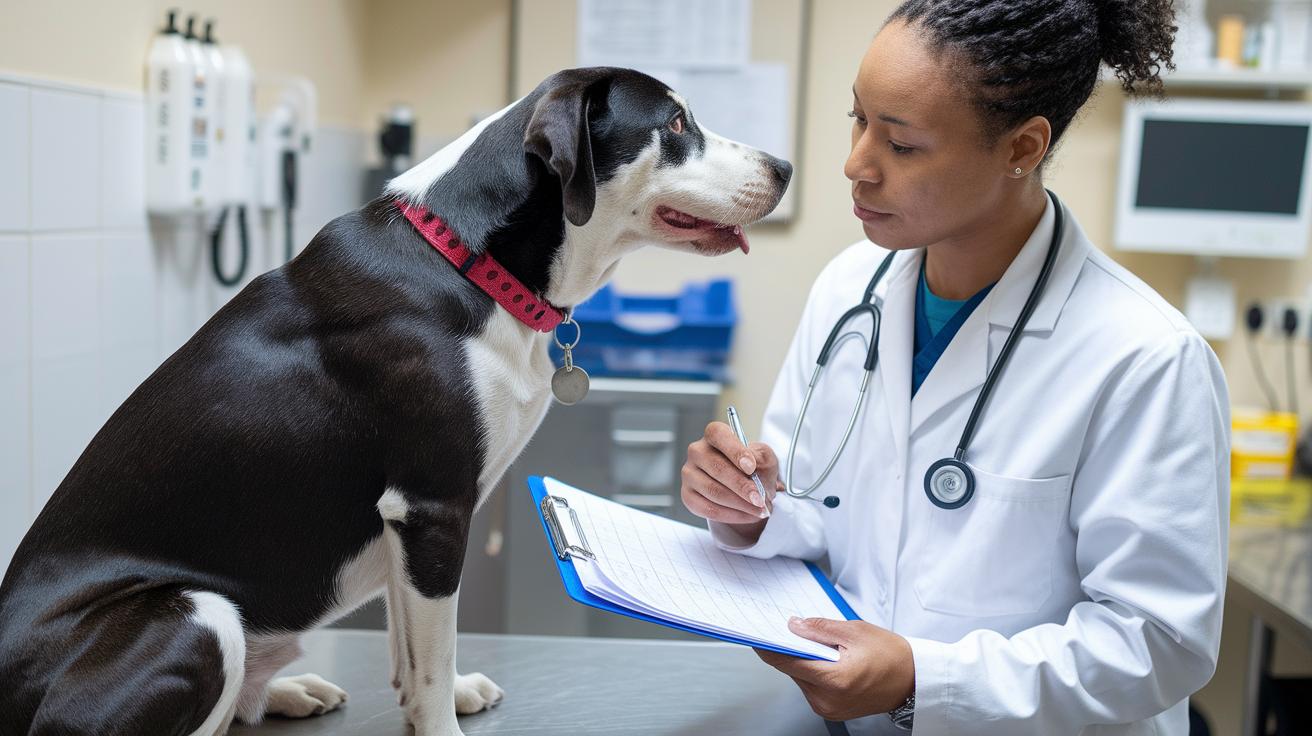
Customized pet diet recommendations are like a personal meal plan for your furry family member. They look at your pet’s age, breed, health, and energy levels so that every pet gets food made just for them. These plans pack all the right nutrients, proteins (for muscle building), carbohydrates (for energy), fats, vitamins, and minerals, in neat, balanced doses. Plus, they steer clear of any ingredients that might cause allergies or upset sensitive tummies.
You start with a friendly, detailed health check and consultation, much like a visit to your local pet health center. This helps make sure the meal plan fits your pet perfectly. Then, as your pet grows or their energy changes, the plan can be adjusted to keep them feeling their best. It’s a hands-on approach that keeps your buddy in tip-top shape with every bite.
| Step | What It Means |
|---|---|
| Veterinary Assessment | A full health check and lab work to see how your pet is doing. |
| Lifestyle Evaluation | Looking at daily activities and surroundings to fine-tune the diet. |
| Ingredient Selection | Picking natural, high-quality proteins and nutrient-rich foods. |
| Portion Calculation | Measuring servings to give the right amount of nutrients and manage weight. |
| Ongoing Monitoring | Regular check-ups to tweak the diet as your pet’s needs evolve. |
Over time, this custom plan can make a big difference. Many pet parents see their buddies enjoying more energy, steady weight, and a happier, livelier attitude. With regular updates, the meal plan keeps pace with your pet’s changing needs, making life easier and more joyful for both of you.
Key Factors in Tailored Pet Diet Recommendations

When planning your pet's meals, it’s important to consider a few key details like age, breed, size, and health. Each of these affects how your pet uses energy and builds muscle. For example, a playful puppy or curious kitten needs extra protein and fat to help growing bones and organs. Adult pets do better with a balanced mix that keeps their energy steady, and older pets often do best on fewer calories and more fiber to keep their digestion smooth and joints happy. Breed and size also matter; a small pet may need more calorie-dense food, while a larger pet might benefit from controlled minerals that support healthy joints.
| Factor | Nutrient Focus | Typical Range | Notes |
|---|---|---|---|
| Age | Protein & Fats | Puppies: 25–30%, Adults: 18–25% | Helps with growth or keeping steady energy |
| Breed | Calorie Density | Varies | Affects how much energy is used |
| Size | Energy Levels | Small: High, Large: Moderate | Helps adjust meal portions |
| Health | Fiber & Supplements | Lower calories for seniors | Aids digestion and mobility |
If your pet has allergies or a sensitive tummy, choosing the right ingredients is key. Some pets do well with grain-free feeding (a type of diet that avoids grains to prevent allergy triggers), which keeps their meals nutritious without upsetting their stomachs.
- Age: Affects protein and fat needs
- Breed: Shapes calorie density requirements
- Size: Helps determine the right portion size and energy level
- Health: Guides the need for fiber, supplements, and safe ingredients
Scientific Appraisal of Tailored Pet Diet Recommendations

When it comes to planning the perfect meal for your pet, nutrient profiling is the secret sauce. It uses simple lab tests, a quick look at your pet’s body (body condition scoring), and a check on how fast food turns into energy (metabolic rate analysis) to whip up a meal plan that helps build muscles, a shiny coat, and lots of pep.
First, lab tests give us a snapshot of your pet’s nutrient levels and overall health. They let us know if a little food tweak might help your furry friend grow steadily and stay balanced. It’s like getting a quick health check to figure out which foods make them happiest.
Next, we take a close look at your pet’s shape and weight with body condition scoring. By watching how your pet carries themselves, experts can tell if they might need more muscle-building proteins or a small change in healthy fats. This simple check helps ensure your pet isn’t carrying too much extra weight, keeping them just right.
Then we check how quickly your pet turns food into energy. This metabolic rate analysis makes sure we mix the right balance of proteins, fats, and carbohydrates. Adjusting for how active your pet is and how they burn calories ensures the meal plan really fits their lifestyle.
| Finding | Result |
|---|---|
| Obesity reduction | Up to 30% decrease |
| Allergy reactions | 40% fewer incidents |
| Muscle & Coat Health | Noticeable improvement |
Digital feeding trackers and virtual consultations add another neat twist. They give pet owners real-time updates on their pet’s eating habits, so adjustments to the meal plan can be made in a snap. This keeps our furry pals happy, active, and full of life.
Case Studies in Tailored Pet Diet Recommendations

Real-life stories show just how powerful a custom pet diet can be. Many pet owners have watched their furry friends bounce back after switching to a meal plan made just for them. It’s like a little transformation that makes a big difference.
For example, one Labrador with itchy skin got a whopping 60% improvement in its skin health in just six weeks after starting a grain-free, limited-ingredient diet. This simple change brought its comfort back, almost like a breath of fresh air.
Another case features a senior cat dealing with arthritis. After a switch to a low-calorie, high-fiber diet paired with joint supplements, the cat gained about 10% better mobility and dropped 8% of its body weight. The owner also saw a 50% reduction in vet visits over six months, which made caring for the pet a lot less stressful.
These examples remind us that tailoring your pet’s diet not only helps with specific health concerns but often cuts back on trips to the vet. Ever notice how a happy pet can brighten even the toughest day?
Actionable Steps to Implement Tailored Pet Diet Recommendations

Start off by giving your furry friend a proper health check. A vet exam with lab tests sets a clear baseline that helps you understand your pet’s current state before you use any online tools to plan meals.
First, book a full veterinary exam. This check-up gathers all the details of your pet’s current health so you know exactly where things stand.
Next, enter your pet’s info into an online meal analysis tool, like the Pet Nutrition Center. It’s a simple way to get a custom plan based on your pet’s specifics.
Then, follow the tool’s advice on how much food to serve. Measuring the exact portions means your pet gets just the right amount of energy (nutrients from food).
After that, keep a daily food log. Track what your pet eats and note its energy levels using a digital feeding tracker, kind of like a diary for your pet.
Finally, schedule follow-ups every 4 to 6 weeks. Online appointments or check-ups help you adjust the meal plan as needed to match your pet’s changing energy and health.
Remember, sticking to a routine with daily logs and check-ups makes a big difference. And don’t forget the fresh, clean water at every meal to help with smooth digestion and good overall well-being.
Final Words
In the action, we explored the heart of personalized pet diets, from a pet’s unique health traits to the smart steps like veterinary exams, careful ingredient choices, and digital tracking. These insights help shape diets that truly fit your pet’s needs.
Breaking down the process into clear, manageable steps brings you closer to a routine that boosts vitality and reduces vet visits. Overall, embracing tailored pet diet recommendations leads to healthier, happier pets every day.
FAQ
How do tailored pet diet recommendations explain dog food?
Tailored pet diet recommendations explain dog food by matching nutrition to your pet’s age, breed, and health needs, ensuring balanced macros and eliminating unnecessary ingredients while also preventing common allergies.
What are Royal Canin’s nutritional philosophy and truths?
Royal Canin’s nutritional philosophy and truths are based on scientific analysis and quality ingredients, focusing on precise nutrient balances that support overall pet health and well-being.
What is sometimes required to keep certain exotic animals as pets?
Keeping certain exotic animals as pets sometimes requires special permits, secure enclosures, and expert care, because each species has unique habitat, dietary, and regulatory needs.
What defines Royal Canin Cat wet food?
Royal Canin Cat wet food is defined by its specially formulated recipes that offer balanced hydration and nutrients, catering to cats’ taste preferences and specific dietary requirements.
What does the Royal Canin product guide offer?
The Royal Canin product guide offers information on various formulas, ingredients, and feeding instructions, helping you choose the best diet for your pet’s specific health and nutritional needs.
How do Royal Canin calories impact feeding practices?
Royal Canin calories indicate the energy content per serving, helping pet owners manage portion sizes and maintain healthy weights by offering guidelines to match their pet’s energy needs.
What can you find at the Royal Canin shop?
The Royal Canin shop provides a range of pet food products, including specialized formulas for different ages, breeds, and dietary needs, so you can select the ideal option for your pet.