
Have you ever noticed your pet's eyes light up with excitement at even the tiniest spark? Sometimes our homes feel a bit cramped when we want our furry pals to stay full of energy. But with some simple creativity, like an indoor game of fetch, a small obstacle course, or hiding treats around the living room, your buddy can remain active and happy, even when the weather is gloomy. These fun indoor ideas help keep your pet in top shape so you both enjoy every moment together.
Core Indoor Exercise Ideas for Pet Vitality
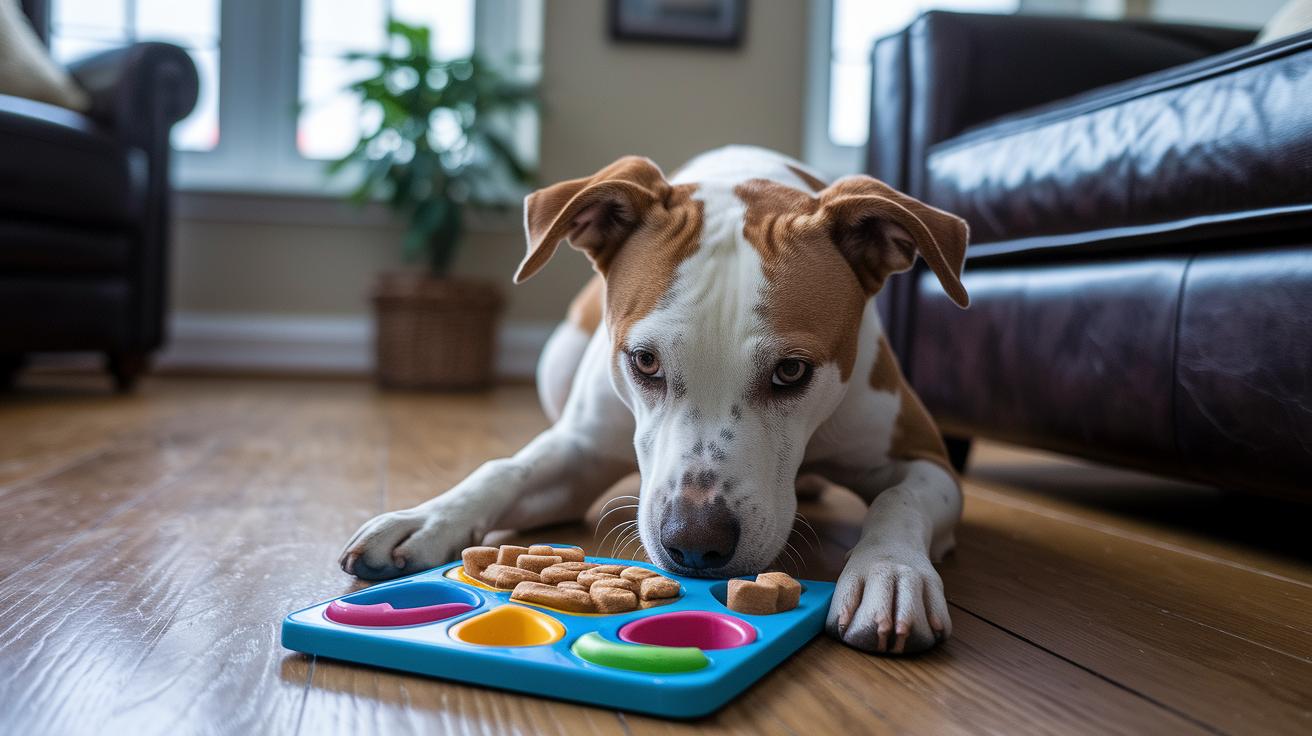
When outdoor time is short, it’s important to help your pet stay active both physically and mentally. Even on rainy days or in small spaces, fun exercises and little brain challenges can keep boredom at bay and boost overall well-being.
Switching things up can make a big difference. One day, you might enjoy a quick game of fetch that makes your pup’s tail wag wildly; the next, you might set up a small treat hunt that gets those curious noses working. Mixing different activities brings joy and strength to your furry friend.
- Structured Walking Routine: Set a timer or check your watch in a safe indoor spot. Try 15 minutes twice a day or 10 minutes three times a day.
- Stair Climbing: With a safe staircase and careful watching, let your pet get a bit of quick cardio. Aim for 5–10 minutes twice daily (skip this one if your pet has joint concerns).
- DIY Obstacle Course: Use items like broomsticks, boxes, cardboard tunnels, and plastic cones placed about 3 feet apart to set up a fun circuit. A 3–5 minute circuit works great.
- Treat Hunt: Hide small treats in different rooms to encourage your pet’s natural sniffing skills. Look for a 10–15 minute session.
- Indoor Fetch: Play with soft balls or plush toys to encourage safe and gentle retrieval. A quick 5–10 minute game is perfect.
Mixing these activities creates a balanced routine that brings out extra energy while keeping your pet’s body and mind strong, even when outdoor adventures aren’t an option.
Compact Indoor Exercise Regimens for Limited Spaces

Even if your home is small, you can create a fun workout area for your pet. With just a few simple items, narrow hallways, cozy living rooms, or even a staircase can become a safe, engaging space where your pet can move and play.
| Area | Equipment | Setup Steps | Recommended Time |
|---|---|---|---|
| Hallway | Mats, cones | Lay out mats in a straight line and set cones about 3 feet apart to mark a course | 5-7 minutes |
| Living Room | Cushions, stools | Arrange cushions and stools to create a little jump course with soft obstacles | 5-10 minutes |
| Staircase | Non-slip mats | Cover the steps with mats and encourage your pet to carefully go up and down | 5-10 minutes |
Make sure all surfaces are secure and non-slip by clearing away any clutter. Keep the sessions short and always watch your pet closely as they enjoy their new exercise routine.
Interactive Indoor Game Ideas to Maintain Pet Vitality
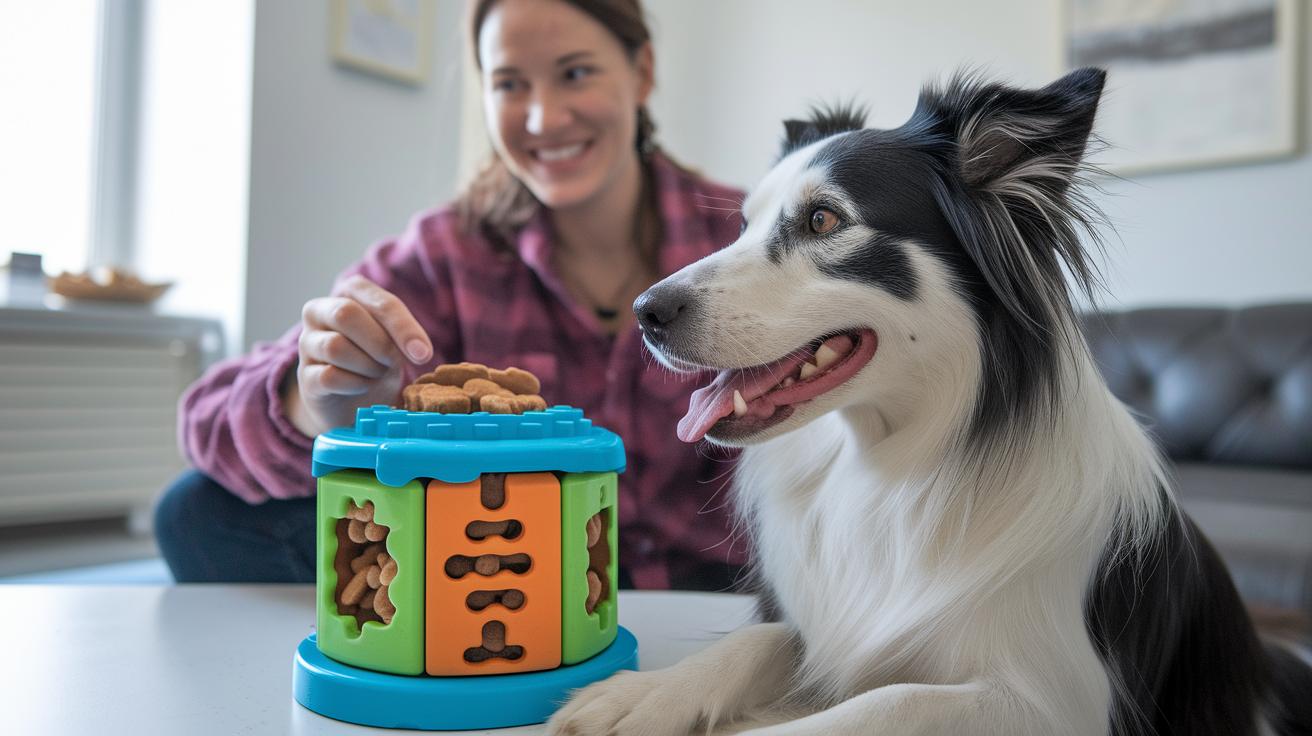
Playing indoors with your pet not only brightens their day, it keeps them smart and cheerful. Mixing physical movement with fun mental puzzles helps ease stress and even boosts basic skills like coming when called. These playful activities turn an ordinary day into a memorable adventure for your furry friend.
-
Hide-and-Seek:
- What You Need: A favorite toy or a tasty treat.
- How to Set It Up: Hide the toy in a room your pet can easily explore, then call their name so they can find it.
- Fun Time: About 10 minutes.
-
Treat-dispensing Puzzles:
- What You Need: A puzzle toy that releases treats (a clever toy that makes them work for snacks).
- How to Set It Up: Fill the toy with small treats and let your pet figure out how to get them.
- Fun Time: 10 to 15 minutes.
-
Wand Toys:
- What You Need: An interactive wand toy with a fun lure.
- How to Set It Up: Wave the toy around to mimic the movements of small animals, inviting your pet to chase and jump.
- Fun Time: 5 to 10 minutes.
-
Cardboard Box Play:
- What You Need: Cardboard boxes or paper bags.
- How to Set It Up: Arrange the boxes to form a mini maze where your pet can explore and hide.
- Fun Time: 5 to 10 minutes.
-
Scent Hunts:
- What You Need: Tiny bits of treats.
- How to Set It Up: Scatter the treat pieces in different corners or under light obstacles around the room.
- Fun Time: 5 to 10 minutes.
-
Soft Indoor Fetch:
- What You Need: Plush balls or soft toys that are gentle on your pet.
- How to Set It Up: Gently toss the toy in a safe area for your pet to fetch.
- Fun Time: 5 to 10 minutes.
Rotate these games every few days. This way, your pet stays curious and challenged while enjoying a balanced mix of play and exercise.
At-Home Agility Setups for Indoor Pet Vitality

Indoor agility training is a fun way to build your pet's muscle and improve their coordination. It also helps them learn to make quick decisions while staying safe. Think of it as a fresh twist on everyday play, giving your furry friend a boost in confidence and balance.
Obstacle Course Setup
Try setting up an obstacle course using everyday items in creative ways. Mix up the routine by adding moments where your pet stops for a quick cue, imagine them pausing mid-run for a little treat before moving on. Tweak the layout over time with turns or tiny delays in rewards to keep your pet engaged and focused on each step.
Stairway Drills
Make stair drills fun and safe by keeping a steady pace and offering extra encouragement. Start slow, letting your pet carefully step up with your gentle nudge. Always use non-slip surfaces and watch them closely to ensure they maintain good balance.
If stairs seem too tough, switch to a gentle weave drill with planned pauses. This alternative helps protect their joints while still honing those agility skills.
As your pet gets more confident, add more challenges by revisiting earlier exercise ideas and tracking progress with pet wellness plans (pet wellness plans). A simple log can help you see improvements without pushing your pet too hard.
Tailoring Indoor Exercise Plans to Your Pet’s Needs
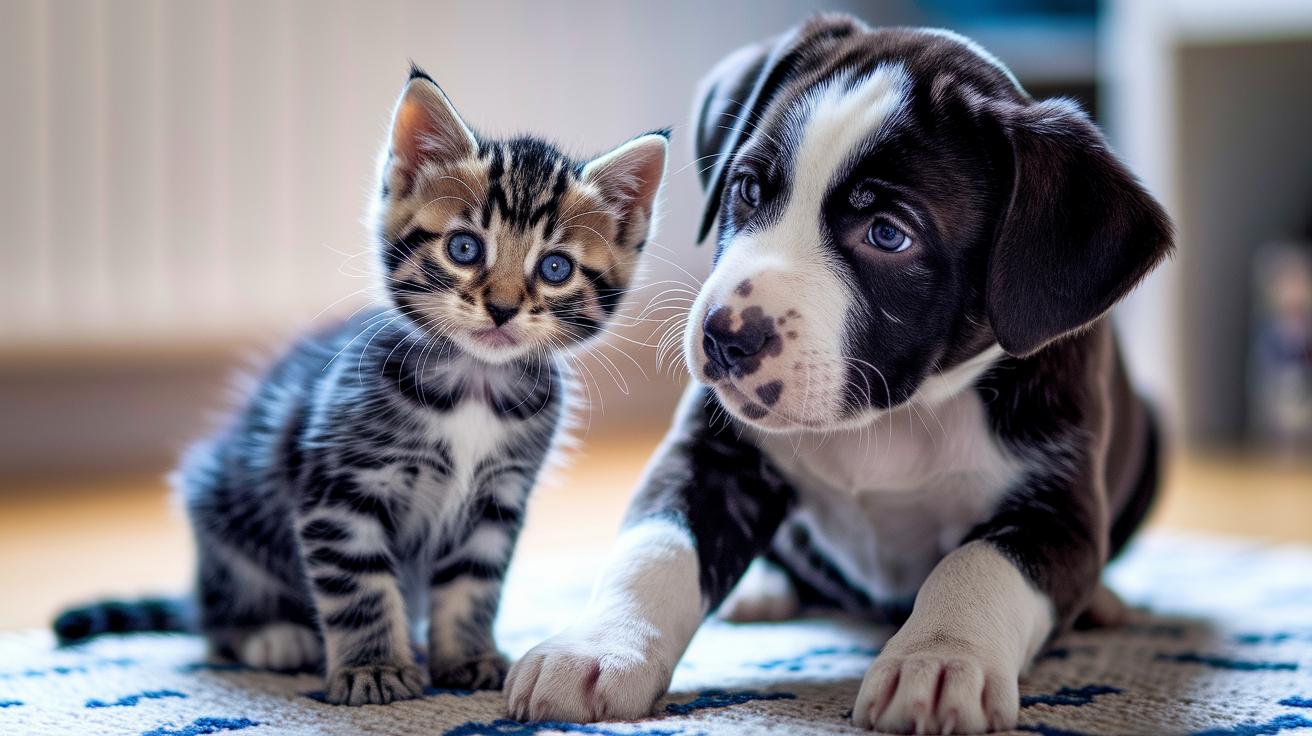
Every pet is a little different, and not all of them enjoy the same kinds of activities. What makes one pet wag its tail might not work for another. It’s important to adjust play sessions based on your friend’s age, energy, and health. A curious kitten and a bouncy puppy can need very different routines, and even pets of the same kind might prefer one game over another.
- Puppies under 6 months: Keep their play bursts short, around 5 minutes is perfect. This helps protect their growing joints while still giving them a fun moment.
- Senior dogs: Pick gentle games like a quiet indoor swim session or a short scent hunt that lasts 5 to 10 minutes. These low-impact activities support easy movement.
- High-energy breeds: Try mixing in a variety of games for 15 to 20 minutes. Balance their fevered play with little rest breaks to keep them happy and healthy.
- Low-energy pets or those with joint, balance, or heart concerns: Aim for about 10 minutes of activity and skip stairs. Choose easier, safer indoor games instead.
- Pets with chronic health issues: Always have a quick chat with your veterinarian before changing the exercise routine to make sure any new activity is safe.
Keep a warm eye on your pet during playtime. If they seem too tired or simply aren’t as excited, it might be a good idea to cut the session a bit short or switch to an easier game. As they become stronger and more joyful, you can gently adjust their routine to match their pace.
Maintaining Consistent Indoor Exercise Schedules for Pet Vitality

You know, pets thrive on routine. Set aside a few fixed time slots each day for indoor exercise. Try two 15-minute sessions, one in the morning and one in the evening, or three quick 10-minute sessions spread out during the day. For example, kick off the morning with a burst of play and remind yourself, "Did you know that a playful moment lasting just 10 minutes can boost your pet’s calorie burn?" This steady routine helps keep their energy balanced and adds a comfortable structure to your day.
Mixing exercise with feeding can work wonders too. Pair your workout sessions with meal times and use kitchen scales or measuring cups (they help you check calorie intake) to keep everything in balance. Keeping a pet health log or using an app to track activities and portions means you can make small tweaks as needed, just like jotting down a few notes after a lively play session.
To keep your pet interested, change things up every few days. Rotate activities like indoor fetch, fun stair drills, or even a playful treat hunt. One day, try a treat hunt; the next, switch over to stair climbs. This mix not only keeps your pet moving but also gives their mind a little tickle with fresh, engaging challenges.
Final Words
In the action, we explored indoor exercise ideas that help keep pets active and engaged. We looked at various ways to blend movement and fun, from playful obstacle courses to treat hunts that spark curiosity.
The tips show that even small spaces hold great potential for enriching your pet’s life. Give these ideas a try, and watch how a few simple changes can brighten your pet’s day and boost overall well-being.
FAQ
What indoor exercise ideas help maintain pet vitality at home?
Indoor exercise ideas for pet vitality include setting up treat hunts, gentle indoor fetch, and simple obstacle courses using everyday household items that boost both movement and mental engagement.
What are lazy ways to exercise my dog?
Lazy ways to exercise your dog involve using treat-dispensing toys, indoor fetch with soft balls, and light stair climbs (if safe) to encourage movement without too much setup.
What indoor dog exercise equipment can I use?
Indoor dog exercise equipment can include soft fetch toys, puzzle feeders, and items like broomsticks or boxes to create mini obstacle courses that promote fun, safe activity.
How can I exercise my dog without walking or a yard?
Exercising your dog without walking or a yard can be achieved with indoor fetch, treat hunts, and small obstacle setups that let your dog run and play in a controlled space.
How does exercise help build muscle in dogs?
Dog exercise for muscle means incorporating short bursts of energy like stair climbs and obstacle challenges that help build strength and tone muscles in a safe, controlled manner.
How can I exercise my dog in the winter?
Exercising your dog in the winter means choosing indoor activities such as treat hunts, gentle fetch games, and short guided exercises to keep them moving in cold weather.
What are dog exercise requirements by breed?
Dog exercise requirements by breed vary; some need longer, high-energy play sessions while others thrive on shorter, gentle bursts. Adjust routines based on your pet’s age, size, and health.
How do I tire my dog out inside?
Tiring your dog out inside is possible through interactive games such as indoor fetch, puzzle challenges, and treat hunts that engage both their body and mind in fun ways.
What is an indoor boredom buster for dogs?
An indoor boredom buster for dogs could be a game of hide-and-seek with treats, a puzzle toy challenge, or even a mini obstacle course that entertains and tires them out.
What are fun activities to exercise with pets?
Fun activities to exercise with pets include interactive fetch, treat hunts, and simple obstacle setups that are engaging, help burn energy, and strengthen the bond between you and your pet.