
Ever notice how sometimes our active dogs seem to run out of steam in the middle of playtime? It might be because they aren’t getting the right mix of food. A balanced diet with the right amounts of protein (the building blocks for muscles), carbs (energy-boosting sugars and starches), and fats (the oils that keep their coat shiny) can be the secret to keeping your dog playful all day.
Imagine your dog bounding during a morning walk and still full of energy during an evening frolic. With the right fuel, your furry friend can enjoy stronger muscles, a smooth coat, and steady energy throughout the day. It’s like giving them a little extra spark to keep those tails wagging happily.
Comprehensive Nutrient Blueprint for Active Breeds
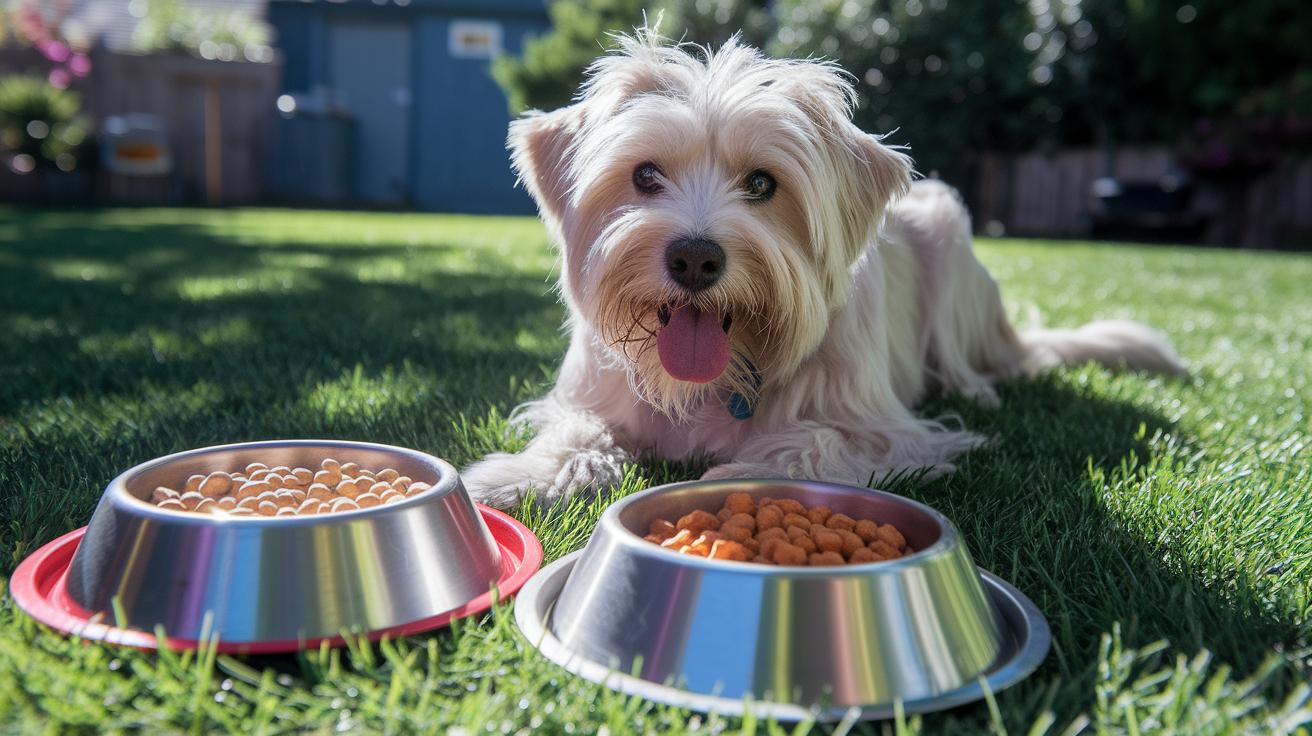
Active dogs need lots of protein to keep their muscles strong and energy high. Protein fixes up muscles after all that play, like running agility courses or competing in events. Usually, a good, protein-rich meal is just right for pups who get 1 to 2 hours of exercise each day. Picture your dog coming home after a fun play session, needing amino acids (the tiny bits of protein) to rebuild its muscles.
But there’s more than just protein. Carbs from whole grains or veggies give a steady burst of energy for everything from morning walks to evening frolics. Fats work like a concentrated fuel that keeps your dog going during long bursts of activity. And vitamins with minerals help keep a shiny coat, a strong immune system, and even help manage stress. It’s a bit like building a house: protein forms the frame, carbs and fats are the bricks, and vitamins plus minerals put on the perfect finishing touches for good health.
Staying hydrated is super important too. Active dogs need plenty of water, and adding wet food or a little water to dry food can really help. A simple rule is to give about 0.5 dl of water for every kilogram of body weight each day. This little tip makes sure your furry friend stays refreshed, even after a long day of play.
Mixing these nutrients right sets up your dog for days full of fun, exercise, and healthy living. A well-balanced diet means your pet gets the energy to move and the muscle support to play hard all day long.
Macronutrient Breakdown for High-Performance Canines
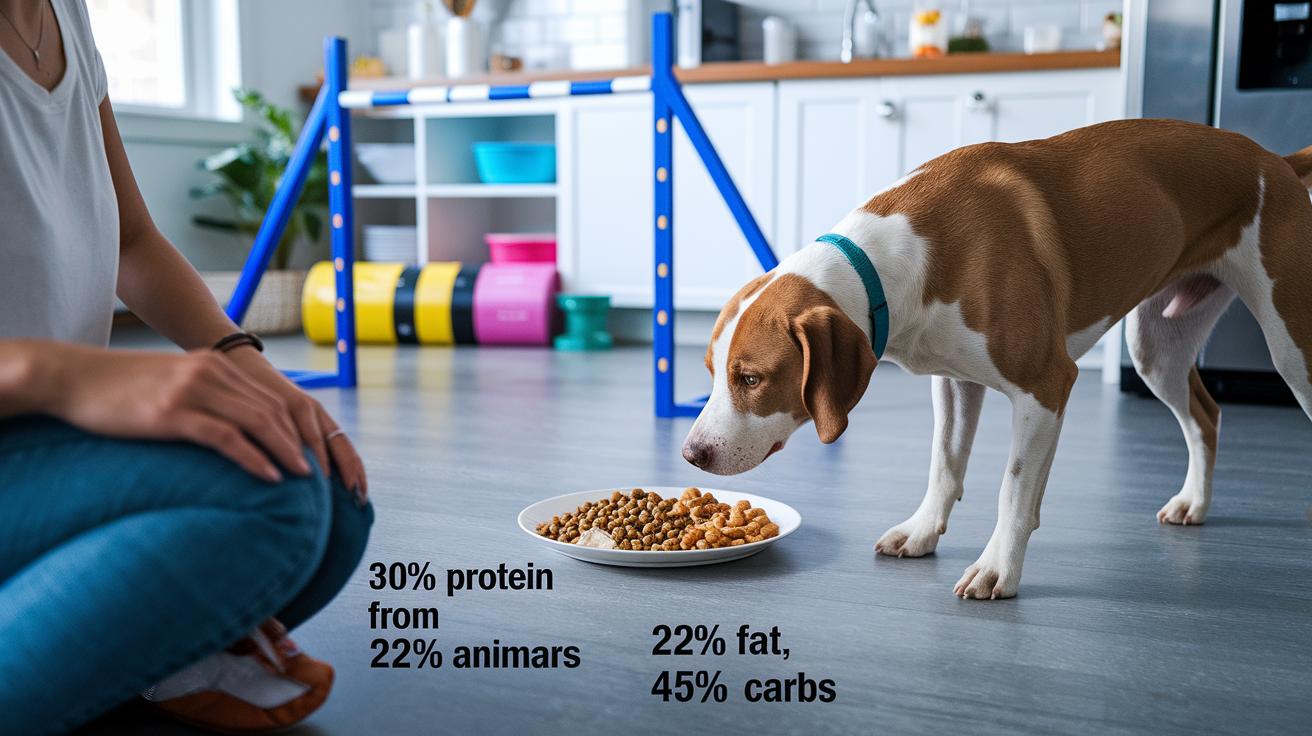
Our updated nutrient plan gives clear steps to fuel your active pup. It suggests about 30% protein from animal sources (which helps repair and build muscles), roughly 22% fat for concentrated energy during play, and about 45% carbohydrates to keep their energy even. National agility groups helped fine-tune these numbers to match the special needs of energetic breeds.
Think of it like a recipe for your dog's peak performance. That 30% protein works wonders for muscle repair, 22% fat keeps energy packed for long playtimes, and 45% carbohydrates help them stay steady during busy days.
| Macronutrient | Recommended Range | Role |
|---|---|---|
| Protein | ~30% | Muscle building and repair |
| Fat | ~22% | Provides concentrated energy |
| Carbohydrates | ~45% | Keeps energy levels steady |
By blending these detailed nutrient values into our plan, we now have a friendly, easy-to-follow guide that helps your furry friend do their best.
Exercise-Based Diet Planning for Active Breeds

Short-Duration Anaerobic Nutrition
When your dog is dashing around for a quick burst like an agility run or a fast race, they need food that gives them a sudden splash of energy and helps fix their tired muscles afterward. A meal rich in protein (like lean meat) helps rebuild those muscles in a snap. It also has a bit of fat, which acts like a quick fuel boost during short, intense spurts. Imagine serving a small plate of finely chopped chicken blended with a touch of healthy fat from fish oil, about one to two hours before playtime. This setup gives them a burst of energy just when they need it, just like a quick snack before a morning sprint.
Long-Duration Aerobic Nutrition
For longer outings, like a day spent on a hunt or an extended walk, your pup needs fuel that lasts. Increasing the fat content in their meal gives a slower, steadier release of energy. When you mix in some complex carbohydrates, such as brown rice or sweet potatoes, your dog gets energy that builds up gradually. These carbs break down slow, ensuring they have energy from start to finish. A meal that blends a bit more fat with these wholesome carbs is just right for keeping your furry friend moving strong without extra calories weighing them down. It’s like having a balanced pack that keeps up with your dog through every step of a long adventure.
Product Lines & Recipe Recommendations for Active Dogs
Active dogs need meals that match their boundless energy. Options like Nature’s Fresh®, Homestyle Creations™, Fresh Treats, Freshpet® Delivery, and Deli Fresh® give you plenty of choices for every active pup. These formulas are made to power your pet during playful races, fun training sessions, and even recovery time after a big burst of exercise.
Each line uses top-notch ingredients to mix just the right amount of protein (the building blocks for muscles), carbs (the fuel to keep them going), and fats. Imagine picking a meal like you’d choose a favorite recipe from a cookbook, Nature’s Fresh® is like a snack for busy days at the park, while Homestyle Creations™ feels like a warm, home-cooked meal.
There are six special recipes made just for energetic dogs. One recipe for large breeds is packed with lean protein and energy-rich carbs to help keep muscles strong. For small breeds, there’s a mix made easy on delicate tummies yet full of the nutrients needed for fun-filled days. Plus, a grain-free option swaps out common cereals for alternatives like sweet potatoes, perfect for pups with sensitivities. Expert nutrition teams have put these recipes together, just like a chef carefully selects ingredients to create a meal that fuels every wag and bounce.
Hydration Strategies for Active Canines
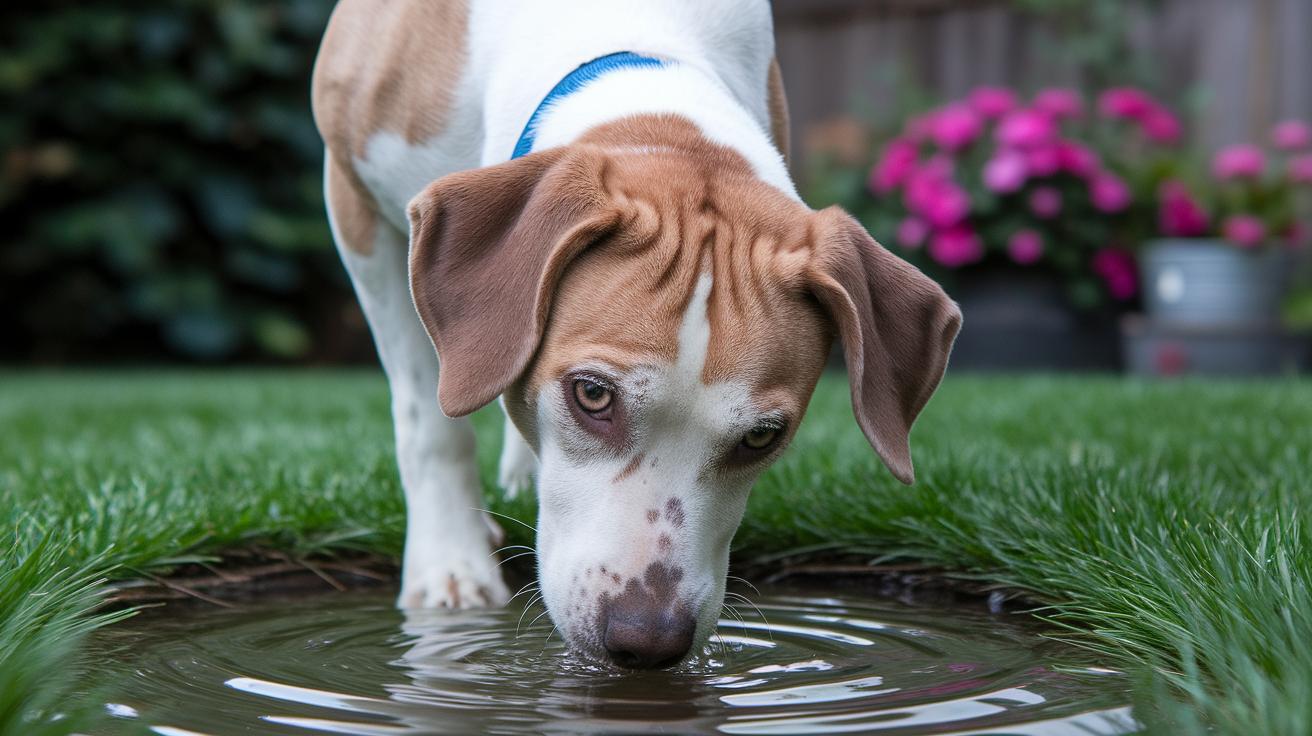
If your dog is running, playing, or just enjoying a day out, keep an eye on his water needs. Instead of sticking to a fixed rule like 0.5 dl per kilogram, notice his behavior. Dry gums, a tired look, or darker urine are little hints that he might be thirsty. For example, if his mouth seems dry after playtime, it might be time for a water break.
Adding moisture to his food can also help. Mixing in wet food or drizzling a bit of water over kibble gives him an extra drink, kind of like enjoying a cool, refreshing glass on a warm day.
Keep in mind that different sizes of dogs have different water needs. Smaller breeds might sip steadily, while larger pups can drink more often. Always make sure his water is fresh and check his bowl regularly to avoid any stale water.
- Watch for signs of dehydration.
- Adjust water access to match your dog's size and energy.
- Refresh water often for better taste and safety.
| Breed Size | Water Intake (approx.) |
|---|---|
| Small | Varies; watch for thirst signals |
| Medium | 1–2 liters per day |
| Large | More than 2 liters per day |
Transitioning & Monitoring a Performance Diet
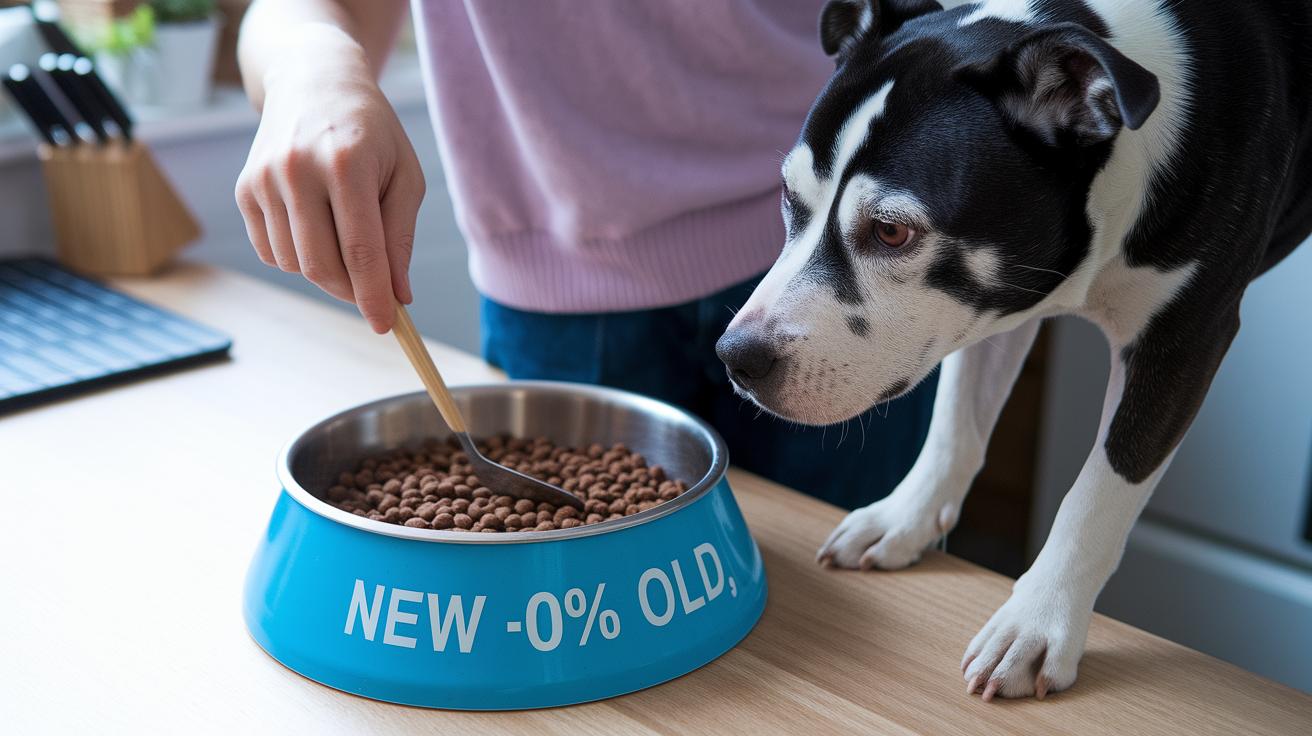
Switching your dog's food should feel like a gentle introduction to something new. Start by mixing about 10% of the new food with 90% of the old one on day one, and then slowly shift the balance over 7–10 days. This simple, gradual change helps keep tummies happy and your furry friend comfortable.
Always take a moment to read the pet food labels so you know what goes into each bowl. Look for clear percentages of protein (the building block for muscles), fat, and carbohydrates (the energy source) to ensure a well-balanced meal, especially for active pups. Keep an eye on your dog's progress by noting any changes in weight, energy levels, and overall mood during play or training sessions. If things seem off, like if your dog feels sluggish or starts gaining extra weight, it might be time to adjust portions or check with your vet.
A daily log of these observations can be really useful. Jot down little details about your pet’s energy or muscle tone, and share this log with your vet. It’s a simple way to see what works and help your best buddy enjoy every meal with a happy tummy.
Common Pitfalls in Active Breed Diets
A common mix-up we see is giving your dog an active formula when they only get one or two hours of exercise each day. Adding extra calories when they don’t need them can cause unwanted weight gain. Think about it like this: if you overfill a car’s gas tank when only a little fuel is needed, the extra weight slows everything down.
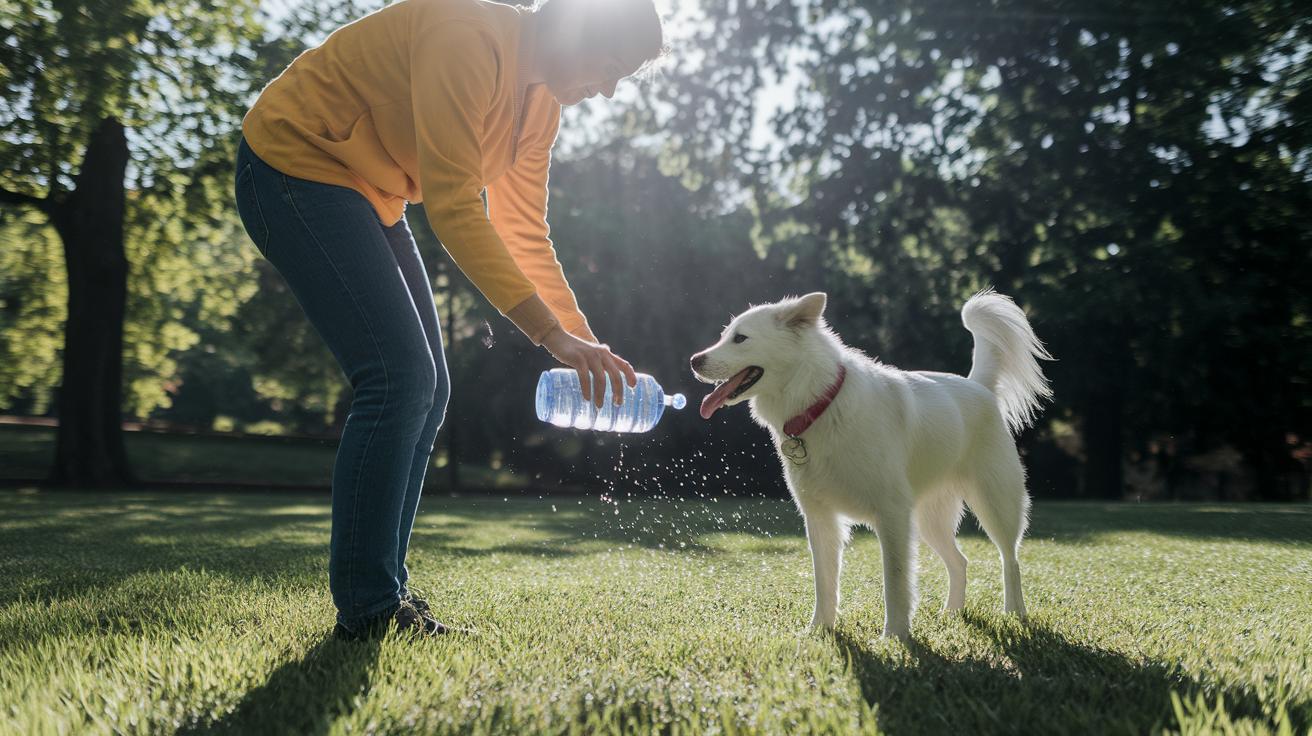
Another pitfall is overlooking your pet’s need for water. After a playful run or a fun romp, your dog might feel a bit thirsty, even if the exercise was short. So, keep an eye on signs like dry gums or a tired look and offer some water to keep them happy and hydrated.
It’s also easy to miss that your dog’s activity level can change from day to day. Whether your pet’s week is jam-packed with fun or more laid-back, the portions and nutrient mix should match their energy level.
- Stick to nutritional guidelines to avoid overfeeding.
- Watch for dehydration signs like dry gums or sluggish behavior.
- Adjust food portions when your pet has more or less activity than usual.
Final Words
In the action, this article explored key ways to support active dogs through balanced meals and smart hydration. We covered how every macronutrient, protein, fats, and carbohydrates, plays a role in muscle repair and energy, shared tips for mixing up recipes, and explained how gradual diet transitions can make a big difference. By looking at common mistakes and practical product options, the discussion helps you feel ready to adjust your pet's food routines. Keep up the good work with your pet diet planning for active breeds.
FAQ
How do dog calorie calculators by breed, weight, and the RER formula work?
The dog calorie calculators use your pet’s breed and weight to estimate daily energy needs. The RER (resting energy requirement) formula calculates base calories from weight to help maintain health.
How do I determine the resting energy requirement (RER) for my dog?
The RER calculation means using your dog’s weight to estimate the basic calorie needs for normal body functions. This guides portion sizes and ensures your pet gets enough fuel every day.
What are the nutritional needs for working dogs?
Working dogs need a balanced diet rich in high-quality protein, healthy fats, and complex carbohydrates. Their meals support muscle recovery, energy levels, and overall performance during active play and work.
What is the best diet for an active or hyperactive dog?
The best diet for active or hyperactive dogs combines nutrient-rich ingredients, including lean proteins and balanced fats, to boost energy and muscle support while keeping calorie intake proper for their activity level.
How much food should I feed my active dog?
Feeding guidelines depend on your dog’s weight, energy, and activity levels. Using a reliable dog nutrition chart helps calculate proper meal sizes so your pet gets the right balance of calories and nutrients.
Which diets work best for large dogs, small dogs, and for longevity?
Diets for various sizes focus on balanced macros—proteins, fats, and carbohydrates. Large dogs, small dogs, and those needing longevity benefit from meals tailored to support sustained energy, muscle maintenance, and overall vitality.
What information does a dog nutrition chart provide?
A dog nutrition chart outlines the ideal amounts of nutrients like protein, fats, and carbohydrates based on your pet’s weight and activity. It serves as a handy guide for creating a balanced, healthful meal plan.