
Ever wonder if your pet's meal plan really gives them the energy to play and explore? Even little changes, like measuring their food properly and feeding them at the same time every day, can make all the difference.
Every pet deserves a meal packed with good things like proteins, carbs (fuel for energy), fats, vitamins, and minerals. This special mix helps them run, play, and relax comfortably after a busy day of adventures.
In this post, I'm sharing a few simple steps to build a healthy diet that boosts your pet's energy and overall well-being. Give your furry friend meals that work as hard as they do, and enjoy watching them thrive!
Step-by-Step Guide to Creating a Healthy Pet Diet

Every pet is one-of-a-kind, and their food needs can change based on their age, breed, or how much they play around. A meal that mixes proteins (for strong muscles), carbohydrates (for quick energy), fats (for a shiny coat), vitamins, minerals, and water helps keep your buddy active and happy. It’s amazing how simple measures like checking portions and maintaining a regular feeding time can boost your pet’s overall well-being.
Chatting with your vet is a smart move, too. They can suggest a wellness exam (a checkup to see how healthy your pet is) or some tests that help fine-tune your pet’s diet. This way, you not only stick to your daily feeding routine but also catch any small health issues before they become big ones.
- Measure food amounts to match your pet's size.
- Stick to a regular feeding schedule to support smooth digestion.
- Choose meals with a balanced mix of proteins, carbs, fats, vitamins, and minerals.
- Limit treats to avoid giving extra calories.
- Plan regular vet visits to adjust the diet as needed.
By following these simple tips, you can easily keep your pet's mealtime on track. With a bit of care and planning, you'll serve up meals that hit every nutritional need while keeping your furry friend energetic and joyful. It’s the perfect blend of everyday loving care and a little professional guidance for a healthier, happier pet.
Understanding Pet Nutrition Fundamentals
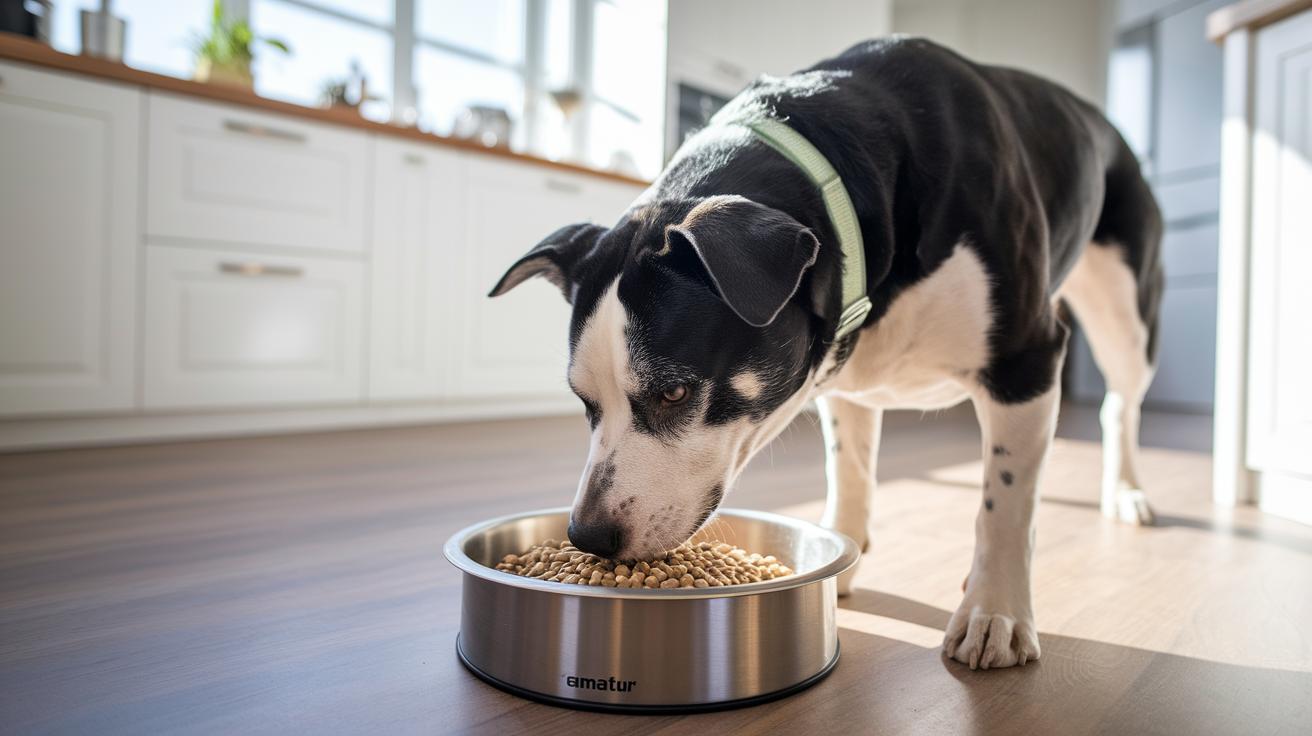
Your pet’s well-being starts where food meets everyday energy. When your furry friend eats proteins, carbs, fats, vitamins, and minerals, special helpers (enzymes) in their gut break these nutrients down so they can be used. For example, proteins become amino acids (tiny building blocks for muscles), so the quality of their food makes a big difference in growth and repair.
New pet foods now often add ingredients like probiotics (helpful germs that improve digestion) and extra fibers that boost nutrient uptake. Some people think these extras aren’t needed, but studies show they can help balance gut health and make nutrients work better. Fun fact: Research suggests that adding probiotics can improve nutrient absorption by as much as 20% in some pets!
Nutrients work together like a well-coordinated team. Take vitamin D for example, it helps your pet’s body use calcium more efficiently, and certain fats allow them to absorb vitamins A, D, E, and K. A balanced diet like this can lead to a shinier coat and a burst of playful energy. One pet owner even noticed that pairing vitamin D with calcium-rich food resulted in stronger bones and extra pep during playtime.
Selecting Natural Ingredients and Crafting Homemade Pet Meals
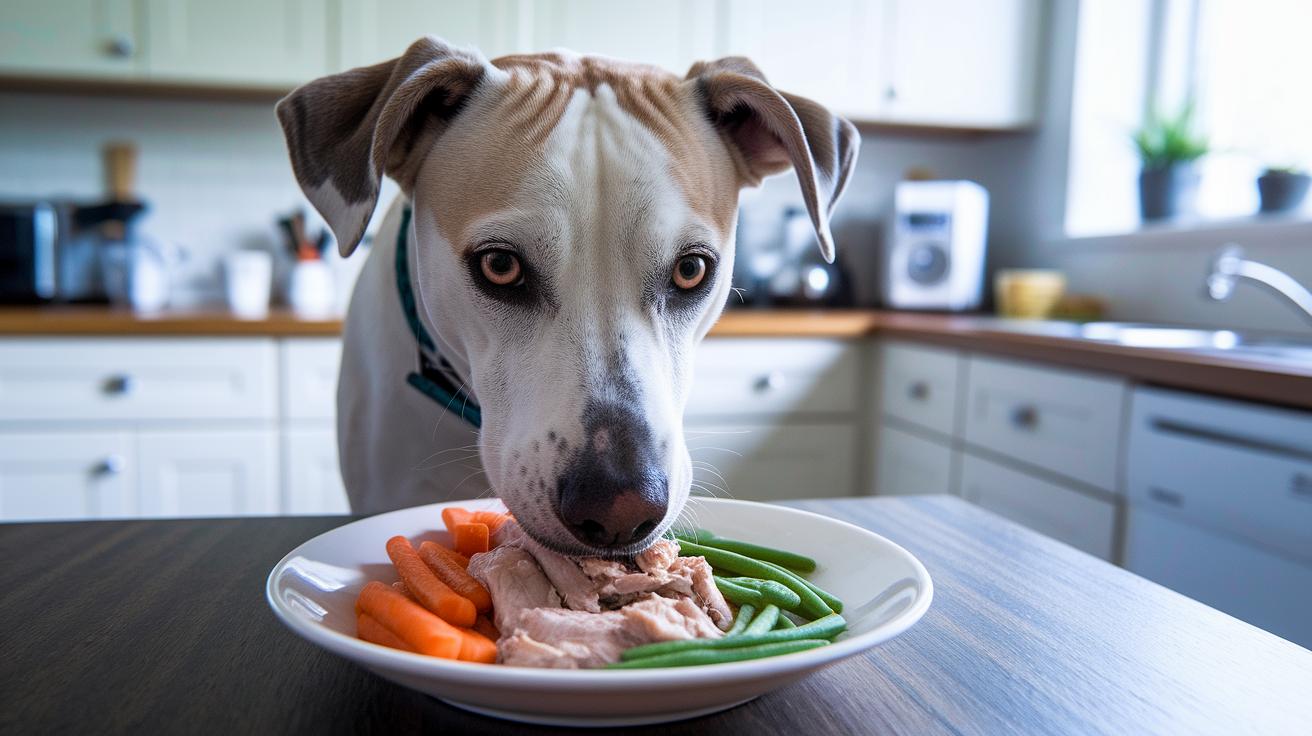
When it comes to feeding your pet, using natural whole foods is a smart way to boost their health. Fresh ingredients like real chicken, crisp vegetables, and natural grains pack a great mix of protein, carbs, fats, vitamins, minerals, and water. This helps your pet soak up the good stuff while steering clear of additives that might upset a sensitive tummy.
Canine Homemade Meal Ideas
For our dog friends, meals built on high-quality proteins work wonders. Try mixing lean chicken or turkey with finely chopped carrots and green beans. These simple dishes support strong muscles and a shiny coat. A cozy stew or mix offers energy and comfort without any extra fillers. And every now and then, add a little pumpkin to help keep digestion on track, just like a pinch of spice that makes the meal extra comforting.
Feline Homemade Meal Ideas
Cats usually do best with meals heavy on protein and light on carbohydrates. Think about preparing a dish with fresh fish or chicken that’s lightly cooked (this way, most of the good nutrients are kept intact) and mixing in a small amount of pureed peas. This kind of meal fits perfectly with their natural, meat-focused diet while keeping calorie counts in check.
By combining proteins, carbs, fats, vitamins, and minerals in these down-to-earth, natural recipes, you’re making meals that help your pet feel healthy and happy every day.
Determining Optimal Portion Sizes and Feeding Schedules
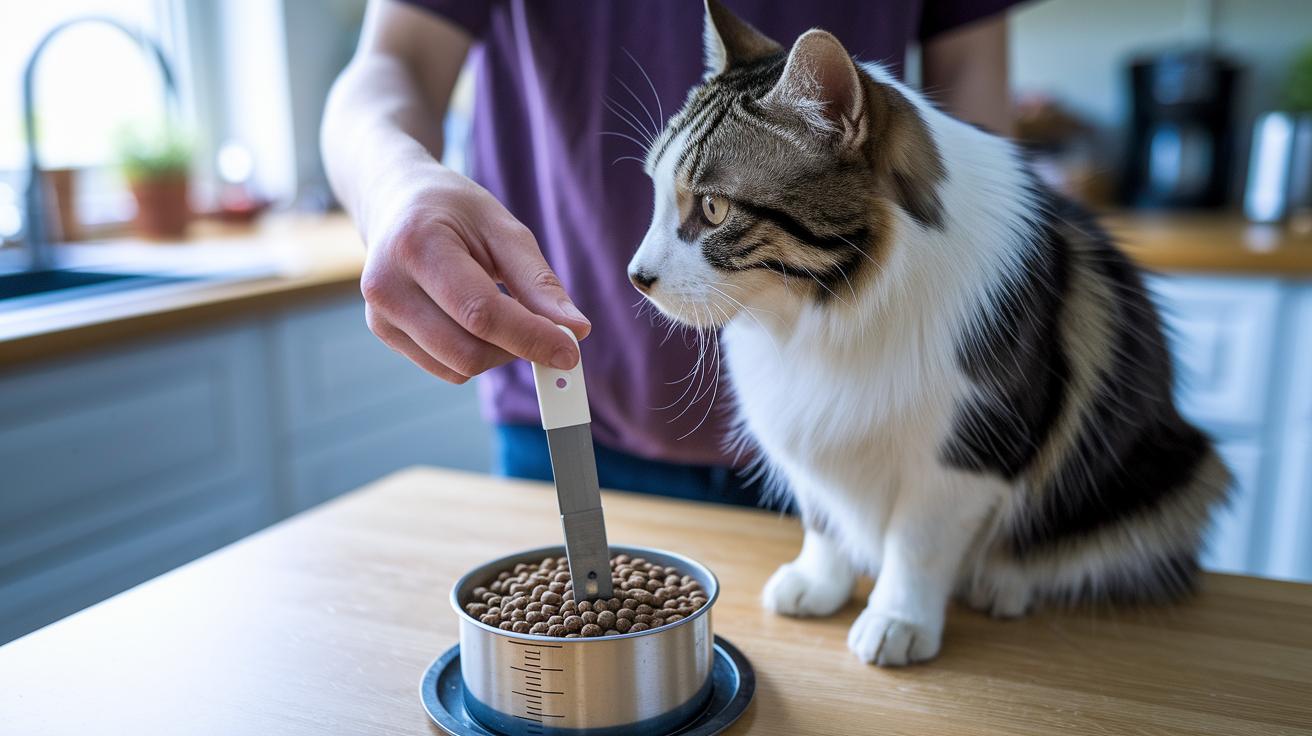
Keeping track of how much food your pet gets and sticking to a feeding routine is super important for their health. A set schedule not only helps control their weight but also makes sure they get all the nutrition they need. It’s a small habit that can really boost your pet's energy and well-being. Plus, checking their portions now makes it easier to adjust as your pet grows or becomes more (or less) active.
| Pet Weight Category | Daily Portion (cups) | Feeding Frequency |
|---|---|---|
| Small (0–15 lbs) | 0.5 to 1 cup | 2 meals/day |
| Medium (15–40 lbs) | 1 to 2 cups | 2 meals/day |
| Large (40–70 lbs) | 2 to 3 cups | 2 meals/day |
| Giant (>70 lbs) | 3 to 4 cups | 2 meals/day |
Keep a close eye on your furry friend’s body and energy. If they seem a bit heavier or are less energetic than usual, try cutting down a little on their meal or tweaking the feeding times. Always remember, a little change today can mean a happier, healthier pet tomorrow. For more handy tips on keeping your pet at the perfect weight, check out the advice on pet weight management at https://bonsiaai.com?p=965.
Ensuring Food Safety and Hygiene in Your Pet’s Diet
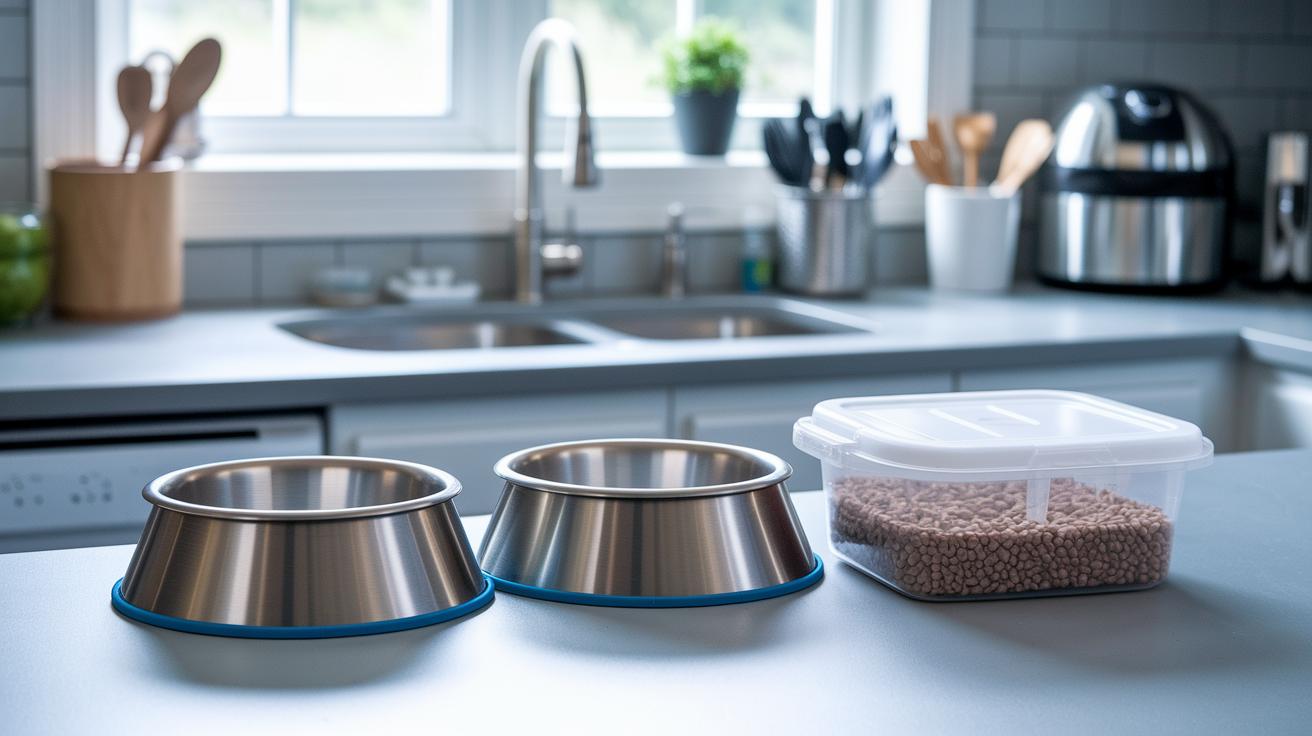
Keeping your pet’s eating area neat is essential. Make it a habit to wash your pet’s bowls, utensils, and surfaces with warm soapy water to get rid of any leftover food bits that might encourage bacteria growth. Think of it like giving your pet’s dish a quick bath so it stays fresh and inviting.
Storing food correctly is just as important. Always keep fresh ingredients in sealed containers and pop them in the fridge when needed. This way, the food keeps its good nutrients and stays safe from germs, kind of like saving leftovers for your own dinner. And remember, keep cleaning supplies and other harsh chemicals away from where you prepare your pet’s meals. Using dedicated cutting boards and utensils helps prevent any mix-ups, making mealtime both safe and healthy for your furry friend.
Monitoring and Adjusting Your Pet’s Diet for Ongoing Health
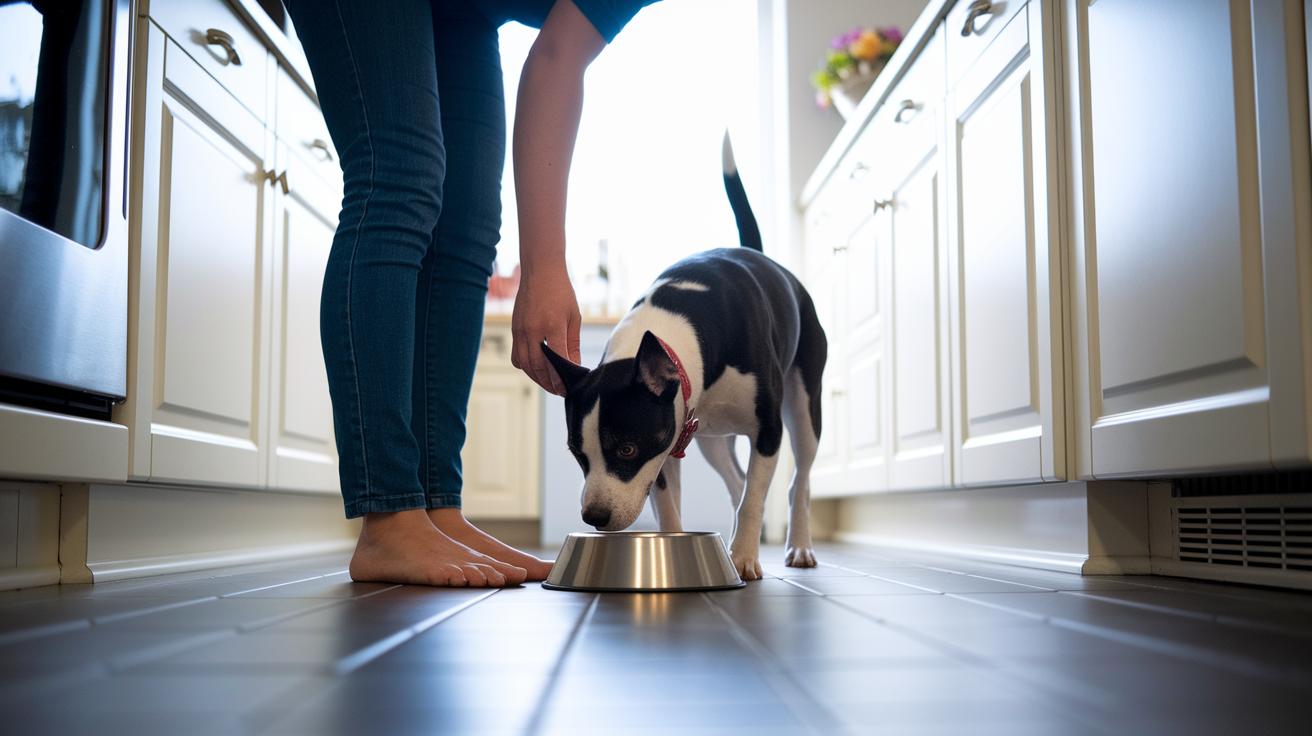
Keep a close eye on your pet’s everyday habits to see if their diet is really working. Notice if they seem less energetic, if their weight shifts suddenly, or if their coat doesn’t look as shiny and full as before. A slower wag of the tail during a walk or a dull, shedding coat might signal it’s time to review what they're eating.
If you observe more serious signs, like quick weight loss or constant vomiting, reach out to your vet immediately. They might suggest a checkup with some lab tests (simple tests that help figure out what's wrong). With your vet’s advice, you can adjust meals so your pet’s food supports a lively and playful day every day.
Final Words
In the action of planning balanced meals, we covered pet nutrition basics, the use of fresh ingredients in homemade recipes, portion sizes, food safety, and how to adjust diets for best results. Every section offered clear tips to build confidence in your daily pet care.
By embracing simple steps to create a healthy pet diet, you can support your pet’s overall health and happiness. Happy feeding, and here’s to seeing their tails wag with joy!
FAQ
Q: What are simple steps to create a healthy pet diet for dogs?
A: The simple steps to create a healthy pet diet for dogs involve mixing lean proteins, whole grains, and fresh veggies with essential vitamins and minerals. These steps ensure a balanced, nourishing meal plan for your furry friend.
Q: How can I prepare a healthy homemade dog diet?
A: The healthy homemade dog diet can be made by combining fresh meats, veggies, and grains while avoiding fillers. This approach provides natural protein, beneficial fats, and vital nutrients needed for dog vitality.
Q: What should a dog nutrition chart include?
A: The dog nutrition chart should include key elements like proteins, fats, carbohydrates, vitamins, and minerals. This chart helps pet owners plan balanced meals and maintain consistent feeding practices tailored to their dog’s needs.
Q: How do I add fat to a dog’s diet naturally?
A: The method to add fat naturally involves incorporating sources like fish oil or chicken fat into the dog’s meals. These ingredients offer essential fatty acids that promote healthy skin and coat.
Q: What vitamins do dogs need in homemade food?
A: The vitamins for dogs in homemade food include A, D, and E, along with B-complex vitamins. These vitamins support vision, immune health, and metabolism, making them essential for your pet’s overall well-being.
Q: What are the seven things needed for a balanced diet?
A: The seven things for a balanced diet include proteins, carbohydrates, fats, vitamins, minerals, water, and fiber. This combination provides the energy and nourishment essential for maintaining your pet’s health.
Q: What is the 95 rule for dog food?
A: The 95 rule for dog food means that 95 percent of the diet should consist of high-quality, fresh ingredients, with the remaining 5 percent made up of supplements or additional nutrition sources for complete balance.
Q: Is a scrambled egg good for a dog?
A: The scrambled egg is beneficial for a dog when served plain and fully cooked. It provides a source of protein and amino acids, though it should be given in moderation and without added seasonings.
Q: What is the healthiest homemade dog food?
A: The healthiest homemade dog food combines lean proteins, whole grains, and a variety of vegetables, ensuring your pet gets balanced nutrition. This recipe avoids artificial additives while supplying essential nutrients for optimal health.