
Ever notice your pup acting off because of tummy troubles? It tugs at your heart to see them uncomfortable, and sometimes a tweak in their food can help make things feel more natural and comfy.
We’ve rounded up a few dog foods that mix in balanced fibers and digestive aids like prebiotics (good bacteria boosters that help smooth digestion) to ease constipation. These gentle picks are made to support regular, easier bathroom trips, leaving your buddy feeling more at ease and happy during mealtime.
Best Dog Foods for Constipation: Top 5 Picks

When your pup struggles with tummy troubles, the right food can make all the difference. These top picks are made with gentle fibers that help food move through the digestive system, so your furry friend feels better. Each option comes with its own blend of fiber and digestive helpers that work to ease constipation and keep your pet’s stomach calm.
They use ingredients like prebiotic beet pulp fiber and a mix of both soluble and insoluble fibers to support smooth and regular bowel movements. Whether you’re after the best overall choice or a budget-friendly option with balanced ingredients, there’s a recommendation here that will suit your pet.
Take a look at the table below for a quick side-by-side comparison of five dog foods that have been tested for gentle constipation relief.
| Product | Fiber Source | Fiber Content (%) | Key Digestive Aid |
|---|---|---|---|
| Hill’s Science Diet Adult Sensitive Stomach & Skin | Beet Pulp (Prebiotic) | ~4% | Omega-6 & Vitamin E |
| Diamond Hi-Energy Sporting Formula | Mixed Fiber | ~3% | Balanced Fiber, Protein & B12 |
| Royal Canin Veterinary Diet High Fiber | Soluble & Insoluble Fibers | ~4.5% | Prebiotics & Omega-3 |
| ACANA Wholesome Grains Puppy Recipe | Gluten-Free Grains | ~3.5% | Omega Fatty Acids |
| Annamaet Medium & Large Breed Dog Food | Grains & Fiber Blend | ~3.8% | Prebiotics, Probiotics & L-Carnitine |
Note: These recipes for home-prepared diets have been vet-approved as an alternative option.
Fiber Fundamentals for Canine Constipation Relief
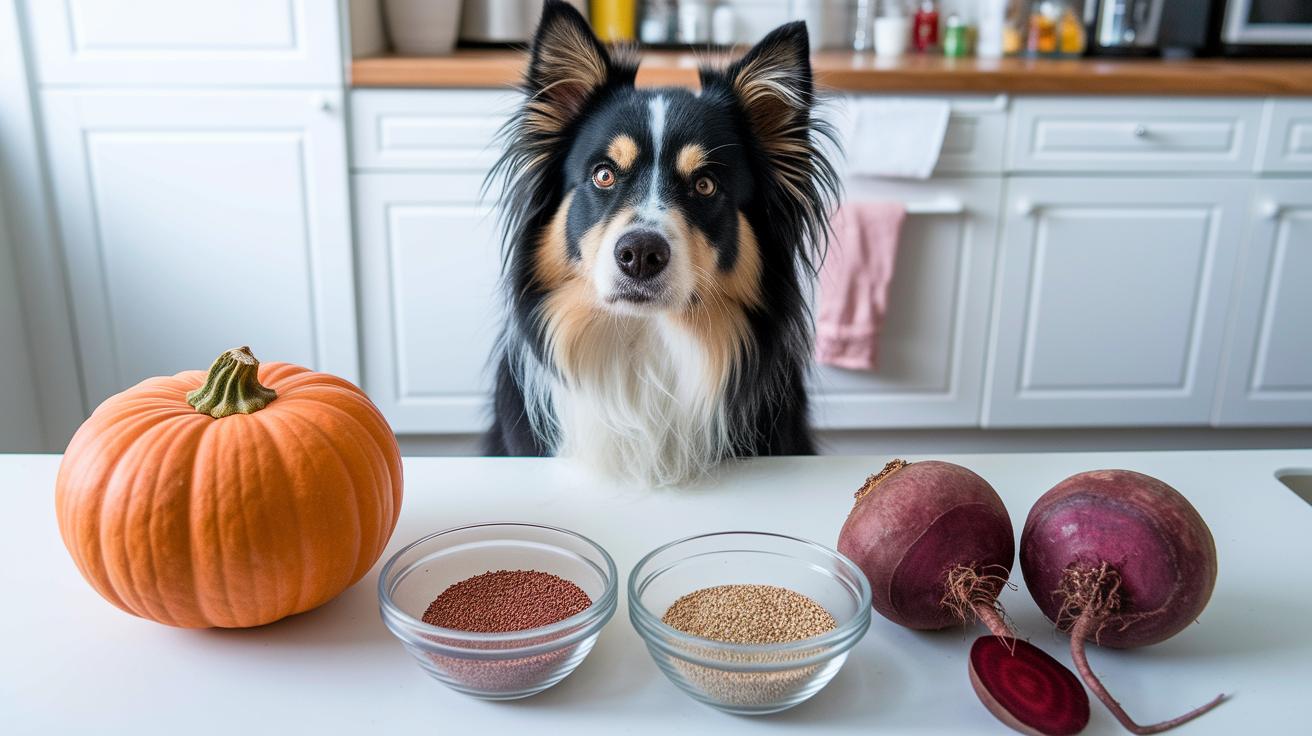
Fiber plays a big role in keeping your dog's tummy on track. It helps move food smoothly through their digestive system. Soluble fiber, like pumpkin powder or inulin (a natural fiber from grains), soaks up water to soften the stool. This makes it easier for your furry friend to go. On the other hand, insoluble fiber, found in ingredients such as beet pulp or psyllium husk, adds bulk and pushes food along without changing its moisture. Without enough fiber, your dog's bowels can slow down, which might lead to uncomfortable blockages.
- Pumpkin
- Beet pulp
- Psyllium husk
- Flaxseed
These natural options work like a little nudge, similar to how a splash of milk can transform dry cereal. Each one helps in its own way, making sure food doesn’t stick around and cause discomfort.
And there’s more to consider: prebiotics. They aren’t the same as fiber. Instead, they feed the good bacteria in your dog’s gut, those tiny helpers that keep the tummy happy and regular. When you add a mix of dietary fiber, you’re not just aiding digestion; you’re also creating a friendly environment for these beneficial bacteria. A balanced gut can prevent constipation and boost your pet’s overall well-being, leaving them more energetic and ready for play.
Probiotics and Prebiotics: Digestive Boosters in Constipation-Relief Food
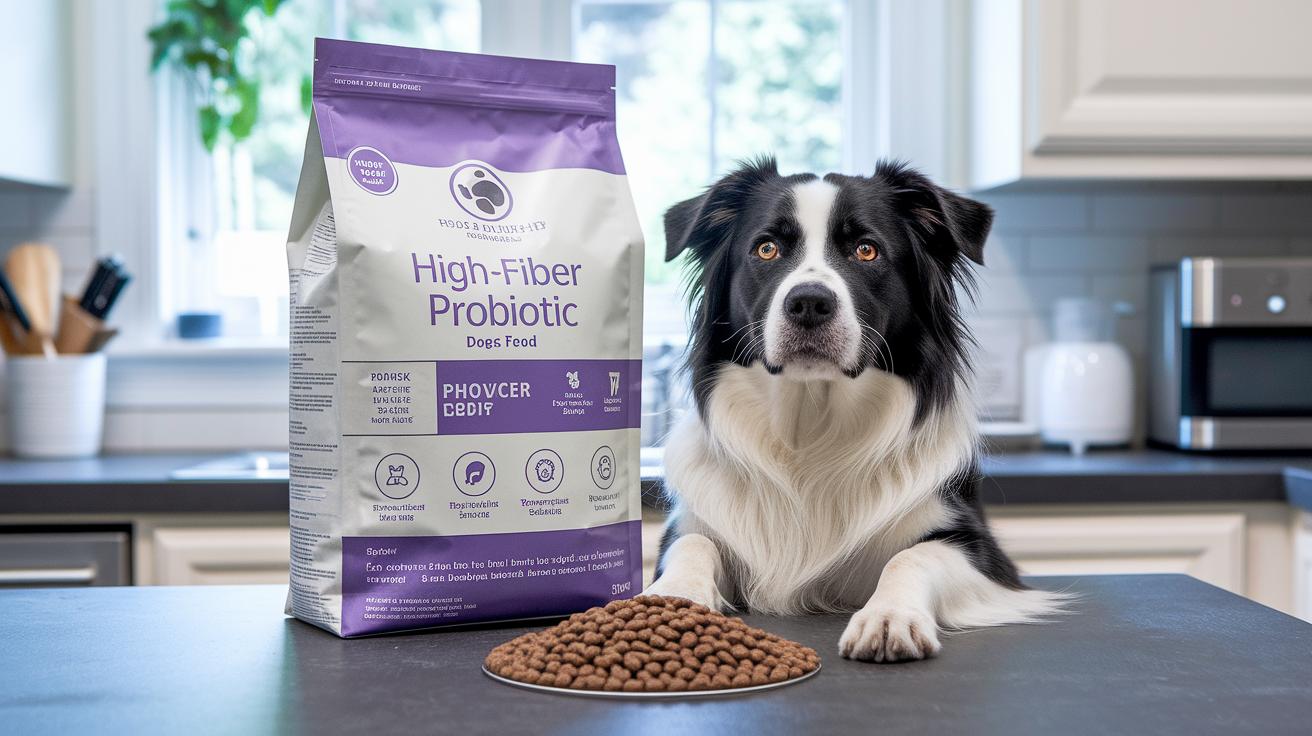
Many dog foods now include live probiotics that add helpful bacteria to your pet's tummy. For example, some brands (like Purina Pro Plan) use cultures that work to keep your dog's stool regular. When you introduce these foods, start slow, try half a serving first and then gradually work up to the full portion. This careful start helps your dog’s digestive system get used to the new food without causing upset.
Prebiotic fibers, which come from ingredients like quinoa and oats, act like a tasty meal for the good bacteria. These fibers create a warm, friendly environment in the gut so that the probiotics can do their job efficiently. Foods that mix both probiotics and prebiotics give a double boost to your pet’s digestion, making for firmer, more regular stools over time. Adding these healthy ingredients slowly can help keep your dog's tummy balanced and happy.
Selecting High-Fiber Dog Food: Key Label Metrics
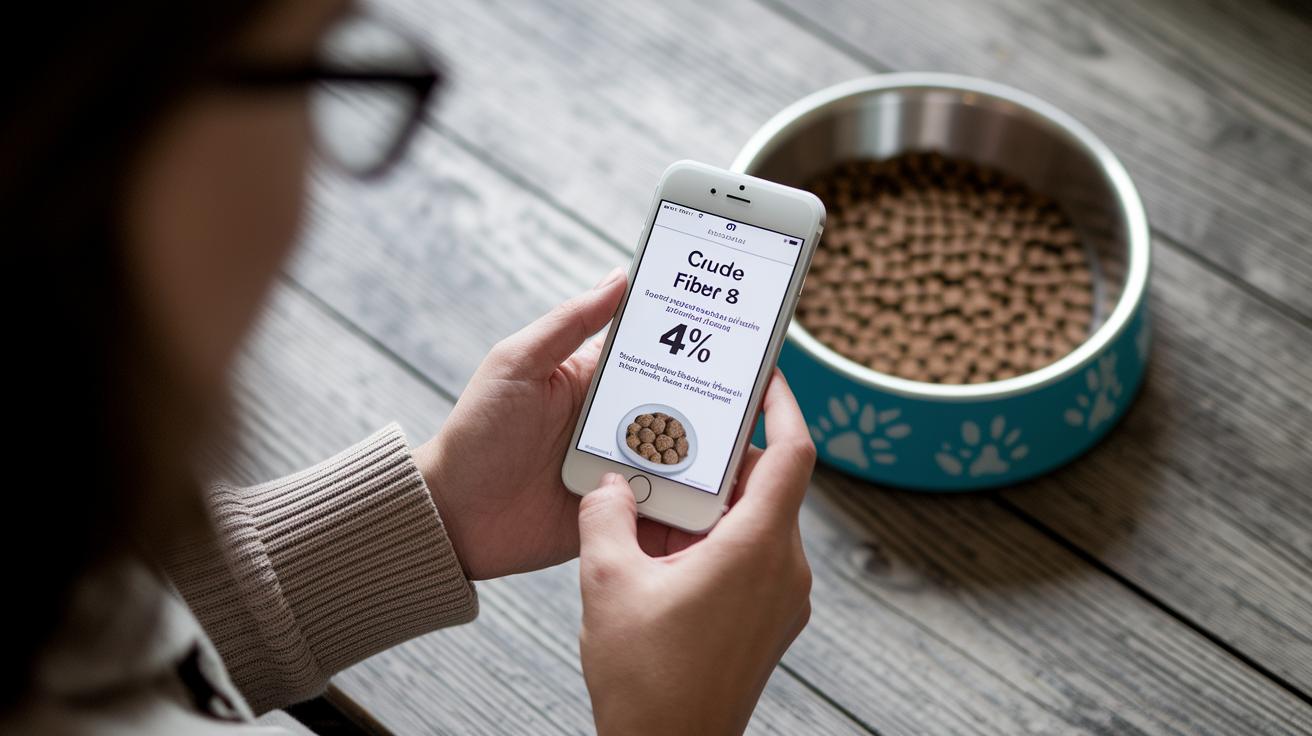
When you’re checking out dog food labels, start by looking at the fiber content on a dry-matter basis. This means the food should have at least 4% crude fiber, which you figure out by comparing the grams of fiber to the total dry weight. It helps to pick foods that list natural fiber sources like beet pulp, dried pumpkin, or psyllium husk instead of fillers. And don’t forget to check for quality protein, like chicken or fish, plus healthy fats (omega-3 and omega-6, the good fats that keep your pet thriving). These ingredients team up to support a happy tummy and a lively pup.
If your dog has a sensitive stomach, you might want to look for options that are easier on digestion. Grain-free recipes can be a great choice for pets that don’t do well with typical grains. You can even explore offerings found under dog food for sensitive stomach for smoother digestion. Plus, make sure the food isn’t hiding processed fibers or additives that could cause more harm than good. Reading the label thoroughly shows not just the fiber level, but also clues about the protein source and fat quality, both really important for keeping your dog regular and full of energy.
Vet-Approved Feeding Strategies to Prevent Constipation
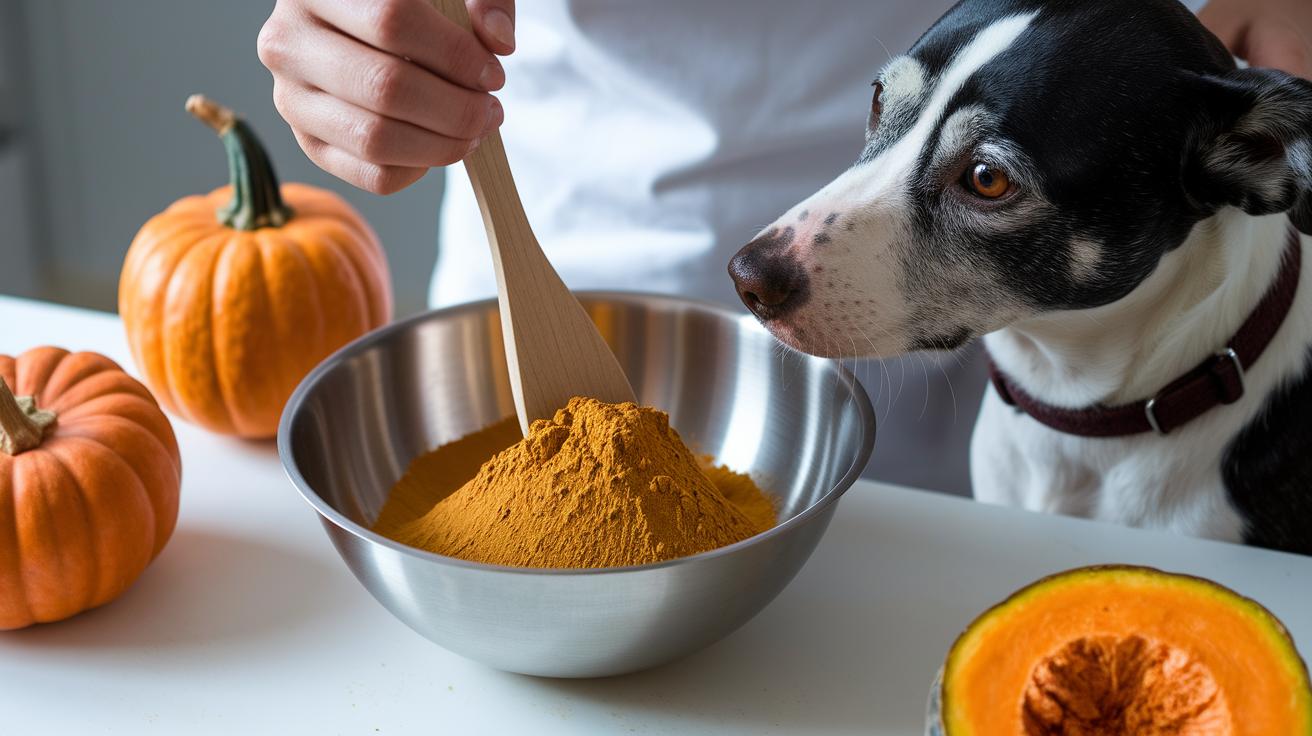
Veterinarians say a gradual change in your dog's food is the best way to help them get used to a diet with more fiber. Start by mixing in new ingredients over 7 to 10 days. For example, if you’re adding pumpkin powder, aim for 1 to 4 teaspoons for every 10 lbs of your pet’s weight. You can also blend in 1 teaspoon of psyllium husk per 10 lbs to help keep things moving smoothly.
Keeping your dog well-hydrated is just as important as the diet change. Make sure your pet drinks at least 1 ounce of water per pound of body weight daily. Think of it like keeping your own water bottle filled up! And please, avoid human laxatives because they can upset your dog’s delicate system.
Regular exercise also helps a lot. A brisk walk or a playful romp in the yard can encourage a happier tummy. When you’re boosting the fiber in your dog’s meals, slowly introduce new foods to avoid side effects like loose stools or nausea. Taking it easy with diet changes and coupling them with a bit of exercise gives your pet's system plenty of time to adjust.
Maintaining Regular Stool Movements: Ongoing Nutrition Tips
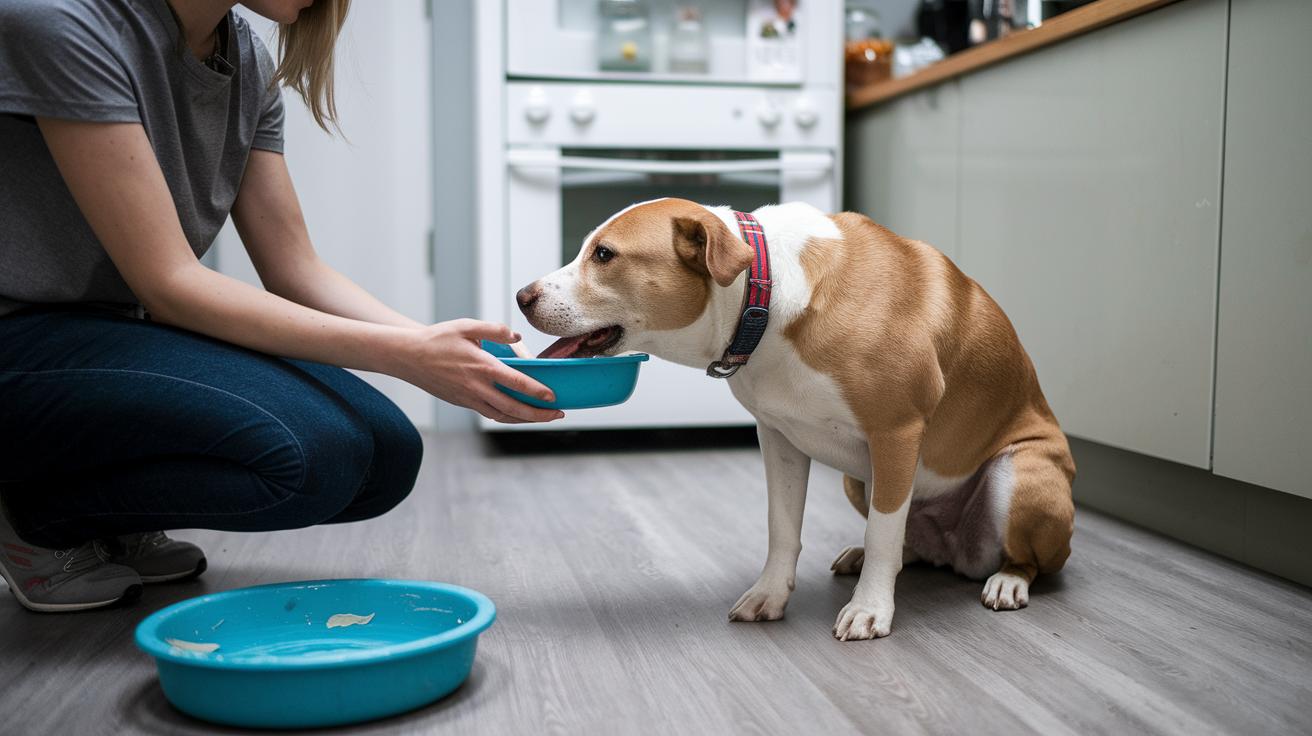
Feeding your pet smaller meals two or three times a day can really help keep them steady and happy. Try to set a routine where mealtime lines up with their daily activities, and always have fresh water available. Staying well-hydrated is like keeping your water bottle full on a hot day, it keeps their digestive system running smoothly.
Mixing up moist and dry high-fiber food is another smart trick. Changing the textures can give your pet's tummy a little nudge, just like switching between different fun activities. Plus, a varied diet adds some spice to their meals while helping their digestive system get used to different foods without feeling overwhelmed.
It’s also helpful to keep an eye on your pet’s stool quality using a simple 1–7 scale. Write down their feeding times, how much water they drink, and any changes you see in their stool. This little log works like a diary for your pet’s digestive health, making it easier to tweak their diet when needed.
Final Words
In the action, we explored top picks like Hill’s Science Diet and pet-friendly options that support regularity. We broke down fiber types and their benefits, looked into probiotics and prebiotics, and detailed must-read label metrics. We also shared vet-approved feeding tips and daily habits for healthy digestion. With these insights, you can confidently choose the best dog food for constipation and help your companion thrive every day. Give your furry friend the care they deserve and watch their tail wag in delight.
FAQ
What is the best homemade dog food for constipation?
The best homemade dog food for constipation mixes high-fiber ingredients like pumpkin and beet pulp to ease digestion. Your vet-approved recipes can offer gentle support for your pet’s digestive health.
How do you help a constipated dog poop quickly at home?
Helping a constipated dog poop quickly means offering fiber-rich foods, such as pumpkin or mild olive oil, along with plenty of water to stimulate digestion. Always check with your vet for safe home treatments.
Is milk safe for dog constipation?
Milk is generally not recommended for dog constipation since many dogs are lactose intolerant and it may upset their stomach. Instead, focus on hydrating your pet with water and fiber-enhanced foods.
How can I treat dog constipation at home?
Treating dog constipation at home involves gradually adding natural fiber sources like pumpkin or olive oil to your dog’s diet and ensuring they stay well-hydrated. A vet consultation will help adapt the plan to your pet’s needs.
What natural laxatives work for dogs?
Natural laxatives for dogs include fiber-packed options such as pumpkin and olive oil, which help provide moisture and promote healthy bowel movements. Use these in small amounts and check with your vet before adding them.
How do I make my dog poop now?
To help your dog poop, offer a small serving of fiber-rich food and ensure they have plenty of water. Quick relief may be possible, but persistent issues should be discussed with your vet.
What dog food helps with constipation?
Dog foods that help with constipation often include a blend of soluble and insoluble fibers, such as beet pulp and prebiotics, to promote regular bowel movements and overall digestive health.