
Ever felt like your kitty is too stubborn to learn new tricks? Think again. Clicker training uses a simple click sound paired with a yummy treat to show your furry friend that good actions lead to rewards. Picture your cat’s eyes lighting up as that cheerful click rings out, knowing a tasty treat is coming its way. This fun method turns everyday habits into playful learning moments. Curious to see how it can bring even more joy and connection to your home?
How Clicker Training Works for Cats
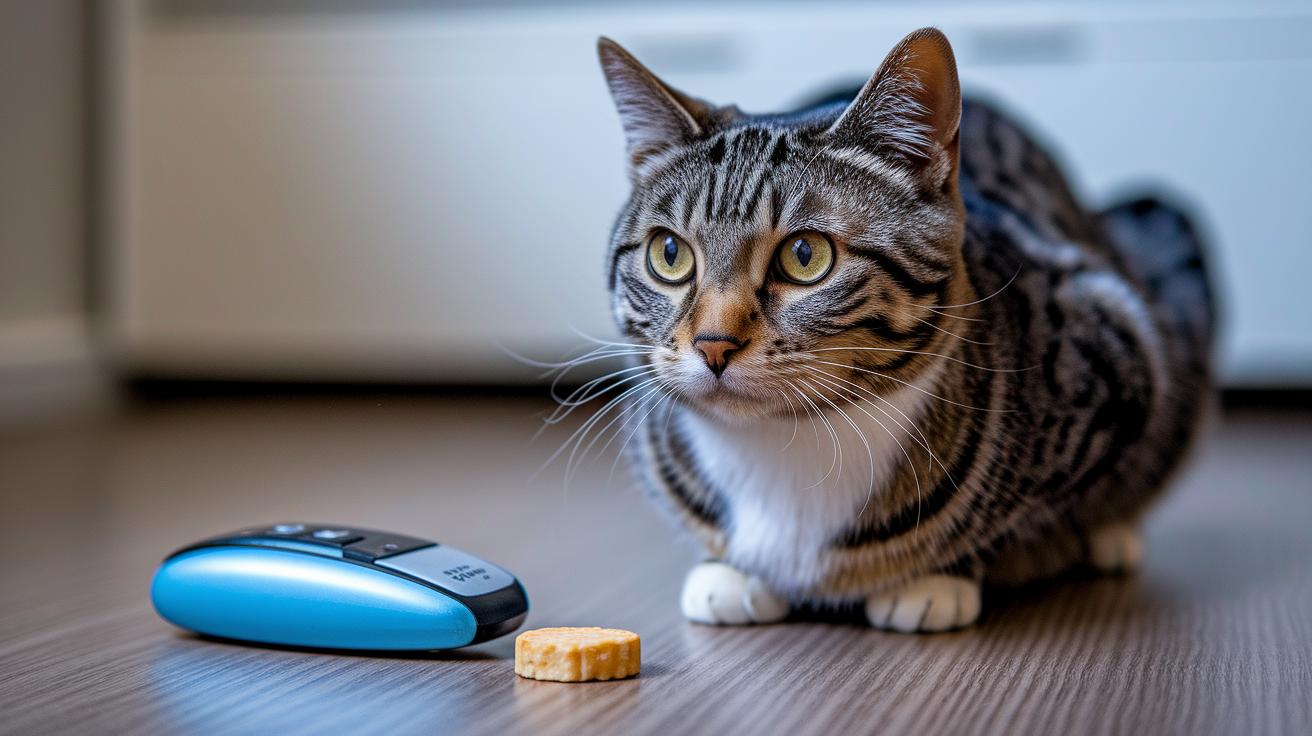
Clicker training starts with a simple idea: pairing a clear clicking sound with a tasty treat. When your cat hears the click and quickly gets a treat, she learns that the sound brings something good. Picture this: one moment, I click, and my cat sees a tiny piece of her favorite treat. Her eyes light up, and she knows it's time for a reward.
The click acts like a cheerful signal. Every time your cat does something you want, like sitting or gently touching a target, you click right when it happens. This clear timing shows her that the click means a treat is coming, making the training easy and fun to understand.
Keep the sessions short, about 5 minutes, to hold your cat's interest without overwhelming her. A quick, regular practice builds a strong link between the click and the reward. Over time, she picks up new tricks and even leaves behind some unwanted habits, like scratching furniture or jumping on counters.
This method relies on praising good behavior. Once your cat gets that every click is followed by a treat, training becomes a joyful game. Every click you make is a reminder that positive actions lead to treats and happy moments together.
Essential Tools for Clicker Training Your Cat
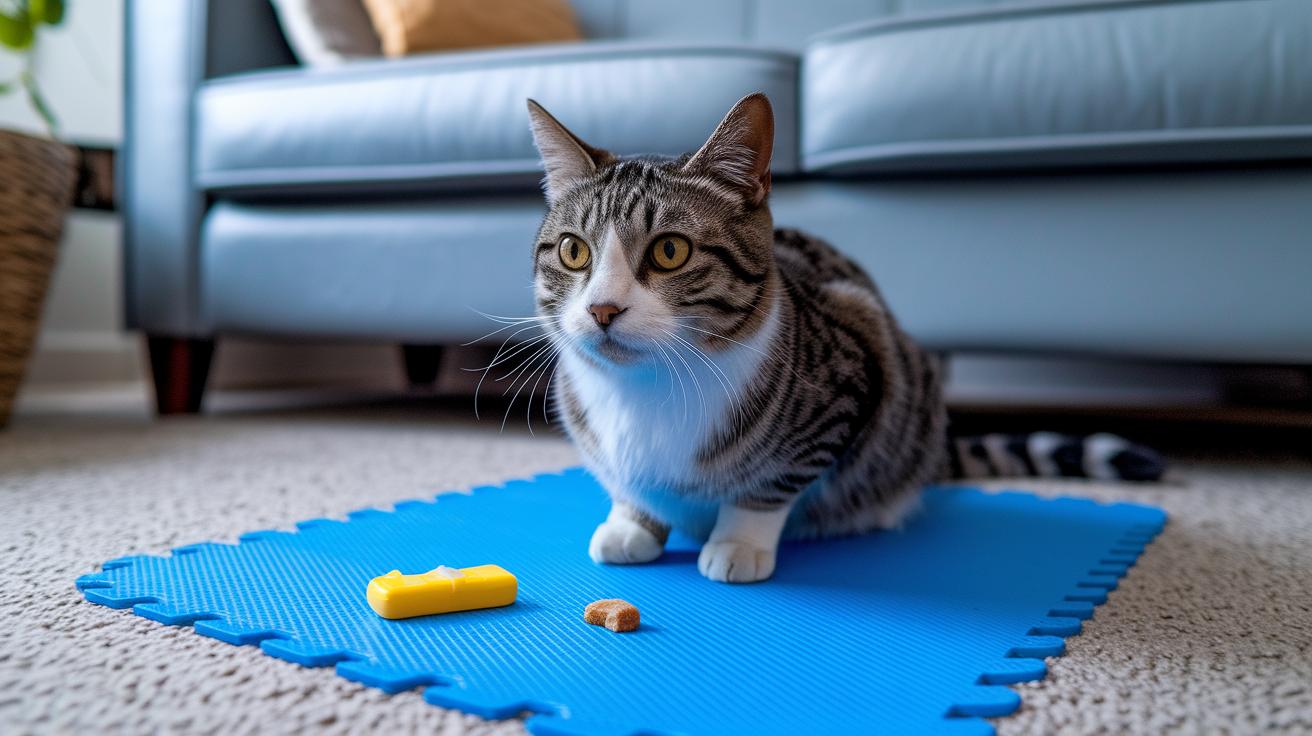
Having the right tools can make clicker training a fun time with your cat. A small handheld clicker marks the moment when your kitty does something good. If you don’t have a clicker, you could fold a lid or say “Yes” in a steady tone. This sound tells your cat that a tasty treat is coming next.
High-value treats are a must. They should be small, soft morsels, about the size of a pea, that you can offer right away. A lightweight target stick with a tiny ball on the end helps guide your cat during training. A special training mat or a designated spot gives your cat a familiar place to practice while keeping distractions low.
Pick a quiet, calm area so your kitty feels safe and focused. Every tool and treat should match your cat’s favorite motivators, making each click a step toward happy, learned behavior.
| Essential Item |
|---|
| Clicker device or sound alternative |
| High-value treats (cut into pea-sized pieces) |
| Target stick (optional) |
| Training mat or designated spot |
| Quiet, low-distraction area |
For additional pet training supplies, check out pet training supplies.
Step-by-Step Clicker Training Instructions for Cats
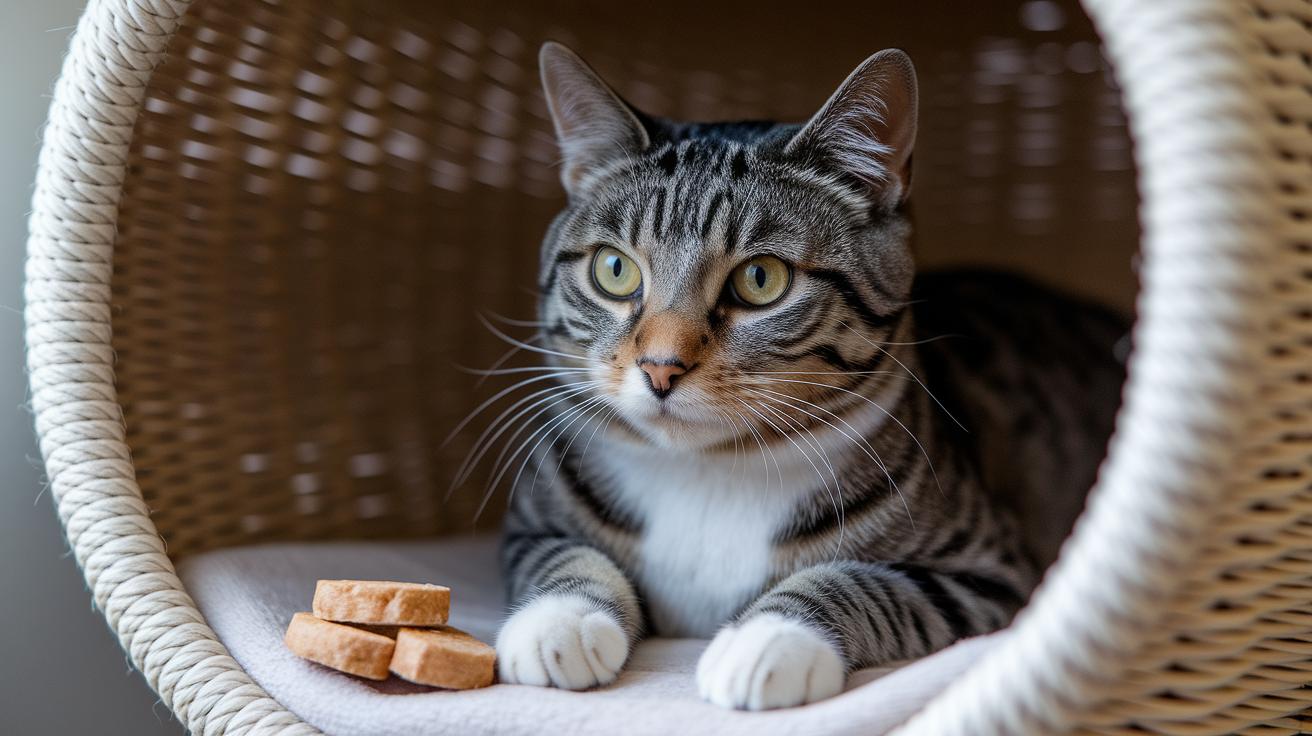
Start in a quiet, calm spot where your cat feels safe and cozy. Gather your clicker and some tiny, tasty treats. This helps your furry friend pay attention solely to the sound and reward without any extra distractions.
Here’s a simple 6-step guide to show your cat that the click means a treat is coming:
- Find a quiet area. Pick a room that’s peaceful so both you and your cat can focus without interruptions.
- Pair the click with a treat. Hold the clicker in one hand and a treat in the other. Click and then immediately give her the treat. Do this about 10 to 15 times until she starts to make the connection.
- Watch her little cues. Look for signs like a quick glance, a small step toward you, or any slight change in her behavior.
- Click as soon as she acts. When you see any sign of interest, click right at that moment to mark her action.
- Reward quickly. Give her the treat within one second so she understands the link between her behavior and the reward.
- Practice in short sessions. Keep the training to about 5 minutes. Once she gets the idea, you can gently ask for a more specific action, like sitting, before clicking.
This friendly process helps her understand that her actions lead to yummy rewards. Enjoy the journey, and remember how rewarding it feels when your pet learns something new!
Teaching Basic Behaviors Using Clicker Training for Cats
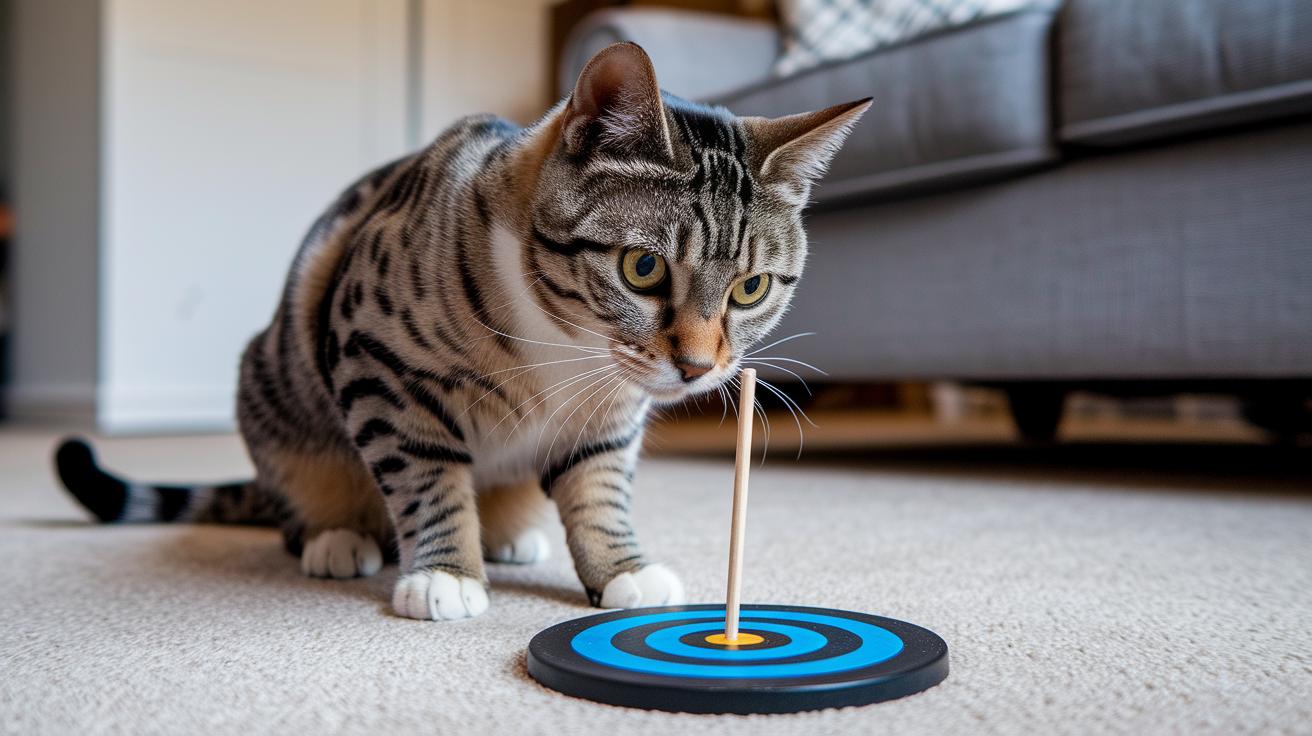
Teaching Your Cat to Touch the Target Stick
Try guiding your kitty's nose toward a small, lightweight stick with a little ball on the end. When your cat gently taps the ball, click right away and give a quick treat. Start out by simply letting your cat explore the stick at its own pace so it gets comfortable. I remember when my cat softly nudged the stick, I clicked and offered a treat, making it a fun and clear moment for both of us.
Teaching “Sit” on Cue
Watch for the natural moments when your cat settles into a sit. When you see your kitty lower its back end, click at that exact moment and hand over a treat. As your cat begins to get used to sitting, add a gentle “sit” before the action happens. It’s a smooth way to link the cue with the behavior, like sharing a little secret with your furry friend.
Teaching “Come” When Called
Call your cat’s name from a short distance and listen as your pet starts moving closer. The moment you see it coming, click immediately and offer a treat to celebrate the move. It’s a simple trick that builds trust, turning every call into a delightful moment between you and your cat.
Troubleshooting Common Clicker Training Issues with Cats
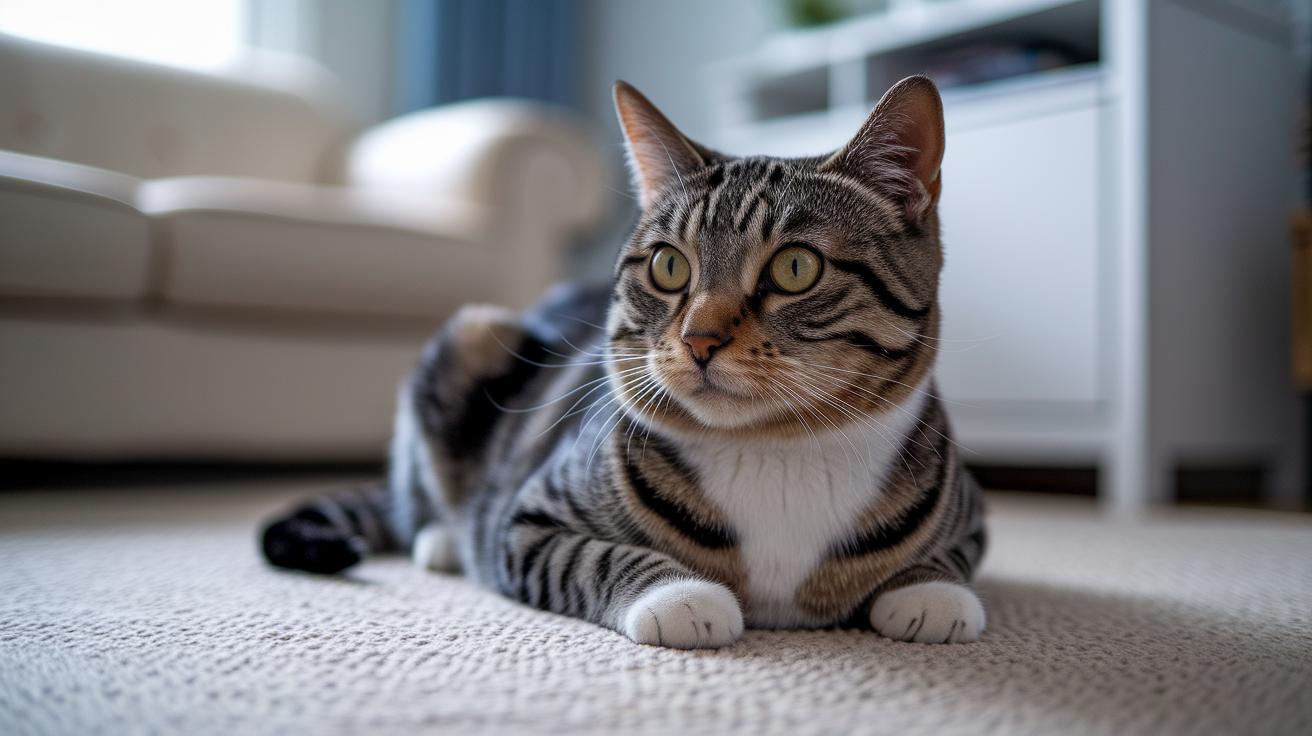
Sometimes your kitty might seem a bit distracted and not respond as you expect. If you notice her wandering off or glancing away, try moving to a quieter spot with fewer background noises. For example, if her focus drifts, you could say, “I shifted us to a calm room,” and see if things improve.
If your cat doesn’t get excited by the usual treats, try different flavors and textures until you find one that makes her eyes light up. Sometimes a crunchy or soft treat can be the perfect reward to spark her interest.
At times, the clicker sound might even scare her. In that case, you can soften the sound by covering the clicker with a sock or clicking from a short distance while tossing a treat. This helps her see the click as a fun and safe signal.
If you’re training more than one feline friend, focus on one cat at a time. Set up separate areas with different mats so each cat has its own space. And keep your sessions short and steady to avoid any mix-ups or frustration.
- Move to a quieter spot when your cat gets distracted.
- Try different treats if she doesn’t seem motivated.
- Soften the clicker sound if it scares her.
- Train one cat at a time and use distinct spaces for each.
Advanced Clicker Training Tricks and Behavior Modification for Cats
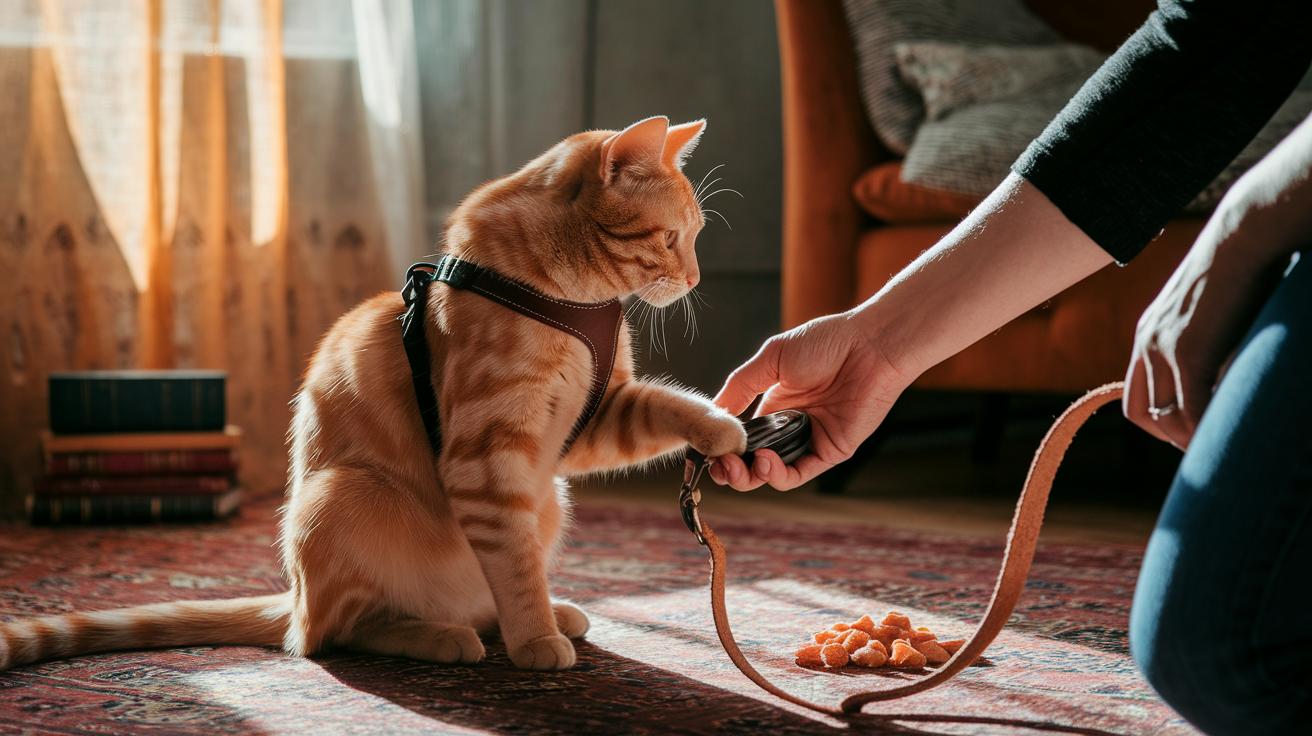
Once your cat masters the basics, it's time to try some fun, advanced clicker training. Start with harness and leash training. When your kitty shows even a little interest, maybe by sniffing the harness or letting you put it on, click and give a treat right away. Picture the moment she steps into her new gear and walks a few paces with you. Click exactly when she takes that first small step to let her know she's on the right track.
Grooming is another great area to work on. You can use clicker training for nail trims and even teeth brushing. If your cat calmly lets you pet her paw or touch her teeth for just a moment, click and treat her immediately. This gentle approach helps her feel more at ease with tasks that could otherwise be stressful. I remember one time, while giving her a soft paw rub, I clicked as she relaxed, it turned a nervous moment into a mini celebration.
If unwanted behaviors pop up, try a little redirection. For instance, if your cat starts counter surfing, wait until she sits on a nearby mat, then click and reward her. Short, focused sessions like these help her learn that better choices come with treats.
Advanced clicker training turns daily routines into special bonding moments. Every little click builds trust and confidence, making every interaction a step toward a happier, more well-behaved pet.
Safety and Best Practices in Clicker Training Your Cat
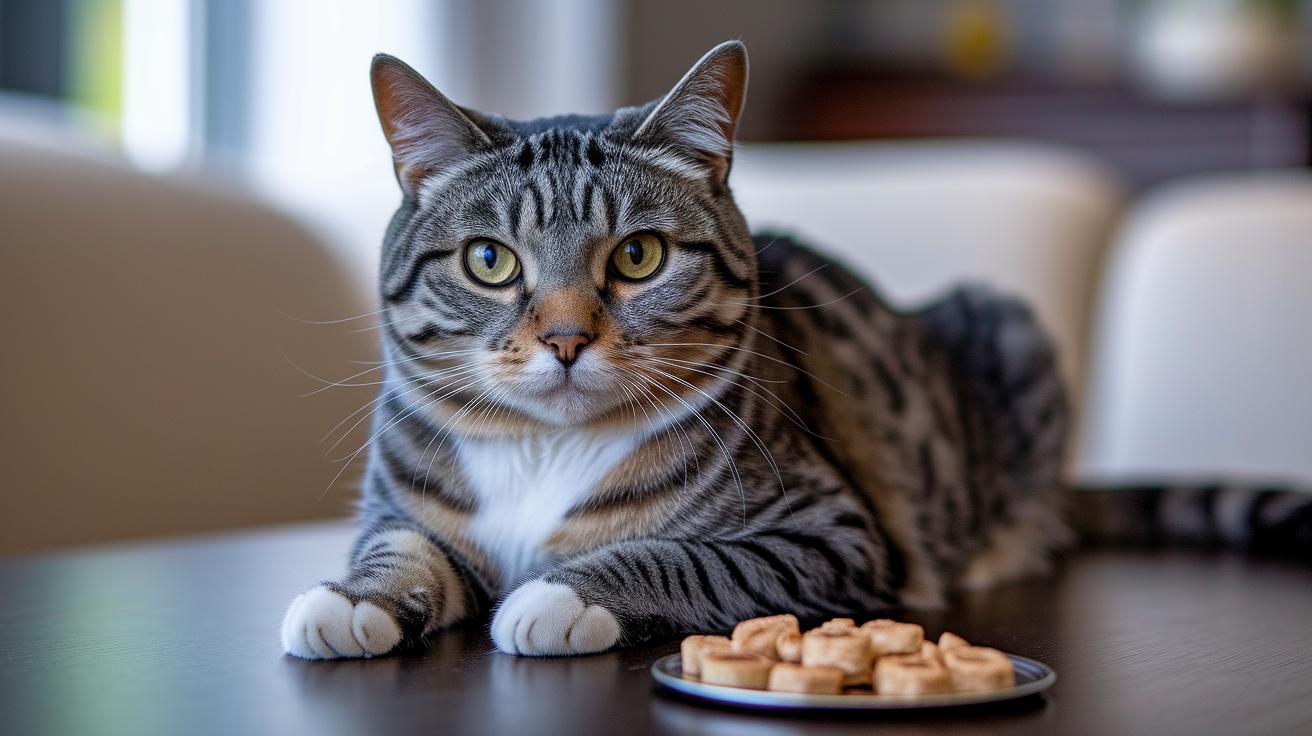
Keep your training sessions short, around 5 minutes. This keeps your cat relaxed and avoids stress. When you see signs like a twitching tail or ears flattening, it means your kitty might be feeling overwhelmed. If these signs pop up while you’re clicking and treating, pause right away to let your cat chill for a bit, kind of like turning down the volume when music gets too loud.
Match your training pace to your cat’s mood and energy. Each cat is unique, so take a moment to watch how she moves and reacts. Even a small change in her behavior is a win, so mix up the treats to keep things interesting. For example, try a soft treat one day and a crunchy one the next. This simple trick keeps every session fresh and fun.
- Observe signs of stress like twitching tails and flattened ears.
- Limit each session to a brief, focused 5 minutes.
- Switch up treat types to keep your cat curious and motivated.
Ending on a happy note will brighten up your next session. Enjoy these gentle, positive moments with your furry friend, they truly make every day a little more special.
Final Words
In the action of clicker training for cats, we dove into pairing the click sound with treats and picking the right tools. The guide highlighted short, consistent sessions to build confidence and introduced step-by-step tips for teaching basic behaviors. We also touched on safety measures and troubleshooting common setbacks. Every section helped create a clear plan for making training fun and stress-free for your pet. Keep the approach light and playful as you enjoy every small win with clicker training for cats.
FAQ
How does clicker training stop bad behavior in cats?
Clicker training stops bad behavior by marking the exact moment your cat does a good action. This clear signal helps your cat learn which behaviors bring rewards and encourages better habits.
What clicker training resources, like books and Karen Pryor’s PDF, are available?
Clicker training resources such as instructive books and Karen Pryor’s PDF offer step-by-step guides and tips. They share proven techniques for pairing clicks with treats and shaping positive cat behaviors.
Where can I find community insights about clicker training for cats on Reddit?
Community insights on Reddit offer real-life stories and tips from cat owners. These shared experiences provide practical advice, helping you understand successes and challenges with clicker training.
How can clicker training help stop excessive meowing in cats?
Clicker training helps reduce excessive meowing by redirecting focus to desired behaviors. You reward calm or appropriate actions, gradually decreasing unnecessary meowing while reinforcing quiet, positive responses.
What do reviews say about clicker training for cats?
Reviews on clicker training for cats generally praise its clear method and positive reinforcement. Many owners report improved behavior and more focused training sessions, making it a popular choice for teaching tricks and commands.
What does a cat clicker training kit include?
A cat clicker training kit typically includes a clicker or sound device, high-value treats, and sometimes a target stick. These tools, along with a quiet space, help set up effective, short training sessions.
How do you clicker train a cat to stay off counters?
To train a cat to stay off counters, use the clicker to mark when your cat stays on a designated spot. Reward with treats to reinforce the habit, gradually steering them away from the counter area.
Does clicker training really work for cats?
Clicker training works for cats by using consistent positive reinforcement and clear signals. Many cat owners notice improved behavior, increased focus, and a better understanding of desired actions with this method.
What are some potential downsides of clicker training for cats?
Potential downsides include the need for patience and consistency. Some cats may initially be startled by the click or lose interest during long sessions, so short, engaging practices are best.
When should I start clicker training my cat?
You can start clicker training your cat as soon as they are comfortable in their home. Early training sessions help build a strong bond using rewards and clear, positive signals that inspire learning.