
Ever wonder if putting your dog in a crate is a kind way to care for them or if it feels too strict? Some pet parents worry the crate might come off as a tiny jail for their furry friend. But when you use it the right way, a crate can be a cozy little den where your pup feels safe and learns to relax.
Crate training can help prevent little mishaps and bring a calm vibe to your home. In this guide, you'll find easy steps using yummy treats, gentle praise, and a steady approach that turns crate time into a happy, secure retreat for you and your pet.
Effective Dog Crate Training Tips: A Step-by-Step Starter Guide
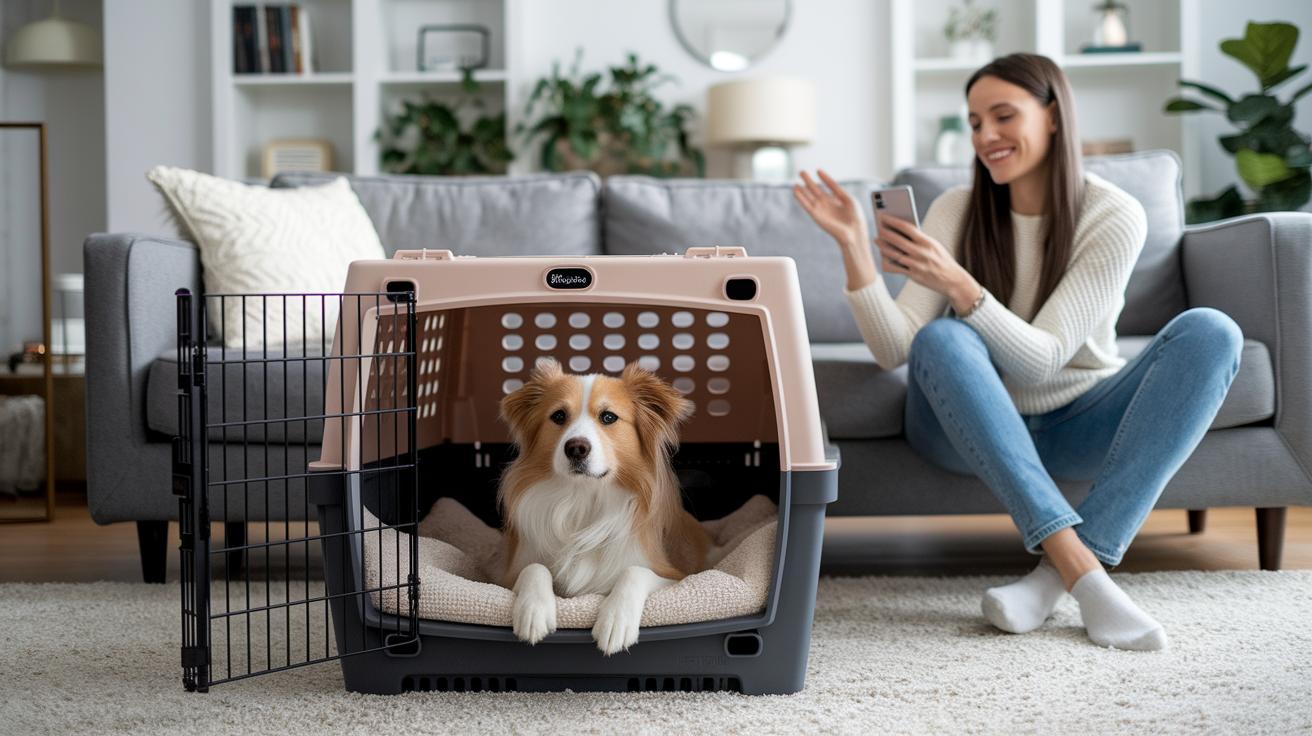
Crate training is a great way to keep your dog safe and happy. It helps stop mishaps like eating things they shouldn’t or causing too much chaos around the house. Plus, a crate your dog loves turns into their own comfy den where they can relax and feel secure.
Starting early with crate training builds your dog's confidence. You can do this with a simple plan that uses tasty treats, kind words, and a friendly, steady tone. Whether you’re a pet professional or a loving owner, these steps help make the crate a welcoming space.
- Begin by leaving the crate door open so your dog can explore it at their own pace.
- Add soft bedding inside to create a cozy spot.
- Use treats and upbeat praise to make the crate a positive place.
- Say a cue like “go to crate” so your dog learns what to do.
- Feed your dog inside the crate to gradually extend the time they feel comfy there.
- Reward them with a longer-lasting treat, like a simple marrow dog bone (a treat made from one ingredient).
Keeping things consistent is key. With regular, warm training sessions, your dog learns that the crate is a safe and friendly haven. This clear, step-by-step approach not only builds your dog’s confidence but also helps you feel at ease knowing they’re secure.
Dog Crate Training Tips: Choosing the Perfect Crate
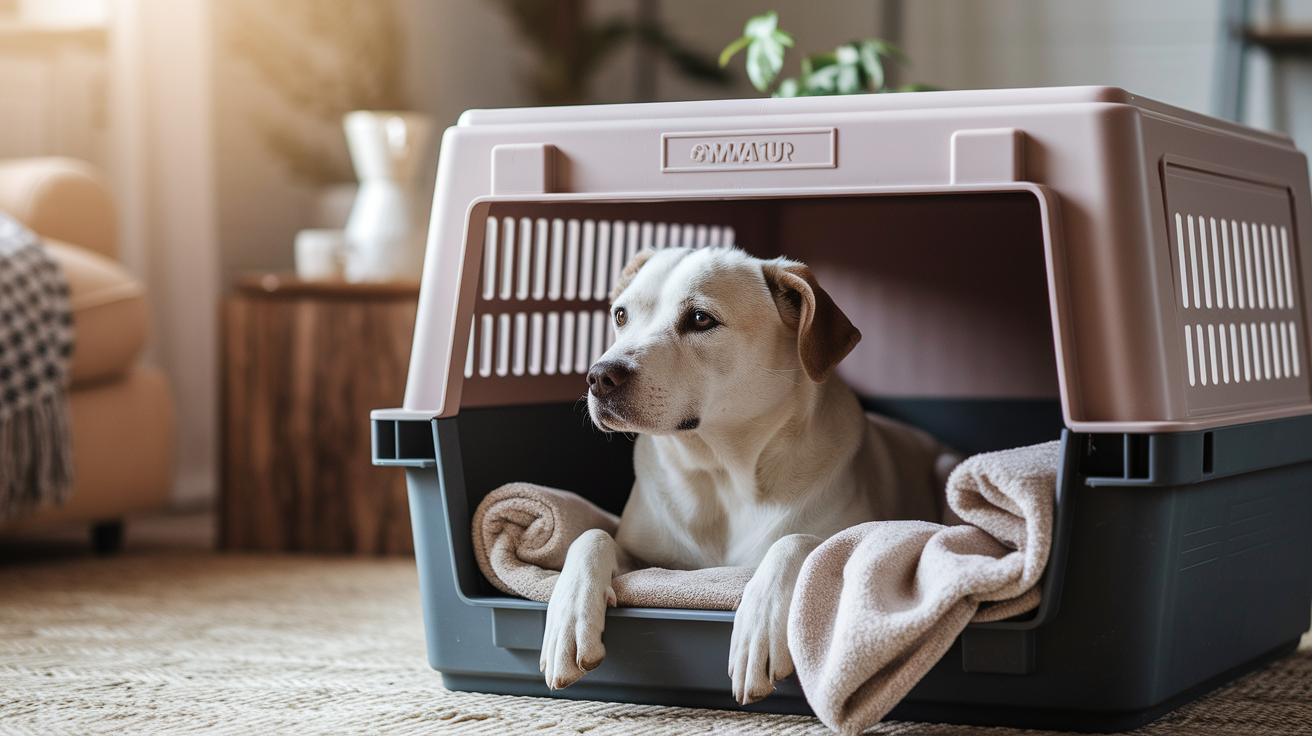
Picking the right crate is important. It helps your dog feel safe and comfortable. Your pup should have enough room to stand, turn around, and lie down without being cramped. Yet, the space should feel cozy so your dog isn’t tempted to use one end as a bathroom.
Wire crates let your pet see everything and keep the air fresh. They work well for active dogs, but they might feel too open for dogs that feel nervous. Plastic crates create a snug space that can help block out distractions. They can warm up quickly and take a bit more effort to clean. Soft-sided crates are light and comfy, which is great for calm dogs or trips. They might not be the best choice if your pet tends to wiggle out. Metal crates are very sturdy and secure. However, they tend to be heavier and might not be ideal for every space.
- Wire: Clear view, great air flow, perfect for energetic pups but might be too open for timid ones.
- Plastic: Cozy and less distracting; can get a bit warm and tricky to clean.
- Soft-sided: Lightweight and travel-friendly for mellow dogs; may not secure escape-prone pets.
- Metal: Durable and secure; can be heavy and less flexible for some setups.
| Crate Type | Ideal Size Range | Best Placement |
|---|---|---|
| Wire | Small to Large | Central living areas with good airflow |
| Plastic | Small to Medium | Quiet indoor corners |
| Soft-sided | Small to Medium | Low-activity spaces and occasional travel |
| Metal | Medium to Large | Areas with more activity needing extra protection |
When you decide where to put the crate in your home, pick a spot that is calm yet part of the family area. Avoid placing it in drafty spaces or near loud noises. This way, your dog gets a secure hideaway that feels warm and welcoming right in your living area.
Dog Crate Training Tips: Creating a Positive Crate Environment

When you set up a cozy little spot in your dog's crate, it can make your buddy feel safe and calm. A snug crate gives them a reminder that it’s a chill place full of gentle vibes. When your pup starts to see the crate as their own safe retreat, visiting it becomes something they actually look forward to.
Consider a few comforting touches:
- Bedding: A soft, washable blanket or bed that feels like a warm hug.
- Safe chew toys for dogs: Fun, sturdy toys (items to chew on safely) that keep your pet busy and relaxed.
- Cover: A light cover that turns the crate into a den-like hideaway.
- Soft toy: A cuddly friend to snuggle with during quiet moments.
- Feeding bowl: Use this during mealtime in the crate so your dog links food with a warm, happy space.
A smart trick is to start with a reward placed near the crate door. For example, try using a marrow bone made with just one ingredient. Let your dog discover that treat on their own, and watch as they get more curious about the crate. Then, slowly move the treat inside so each step makes the crate even more inviting. Don’t forget to praise them, it goes a long way in building a positive connection!
Feeding your pup inside the crate every day creates a comforting routine. Soon, mealtime becomes a key part of their little haven, full of trust and consistency.
Dog Crate Training Tips: How to Introduce Your Dog to the Crate

Let your dog wander around the crate area on their own. This gives them a chance to get comfortable with the space without feeling forced.
- Find a quiet, safe spot for the crate.
- Place some tasty treats right by the crate entrance to catch their interest.
- Invite your pup inside using a soft, friendly tone.
- Say something clear like "go to crate", for example, "Go to crate, here's a treat!", and give praise right away.
- Try feeding part of their meal inside the crate to connect it with happy times.
When your dog begins to understand the cue, keep using it with gentle praise and a treat each time. This helps the crate feel like a safe and fun spot just for them.
Keep sessions short and change things up if your dog seems unsure. With a little patience, your furry friend will grow to see the crate as their own calm retreat.
Dog Crate Training Tips: Extending Crate Time and Night Routines

Building a calm nighttime routine can really help both you and your dog. Think of it as setting up a mini bedtime story for your furry friend. Start by making the crate a cozy, safe space. You might even feed your pup in the crate so it feels like a happy, familiar spot every day.
Begin your evening with a quick bathroom break and a bit of playful running around. This helps your dog relax and wind down. From there, add in a gentle play session to ease any nervous energy before settling in for the night.
A steady schedule is the secret to cutting down on nighttime worry. Slowly lengthen the time your dog spends in the crate by about 5-10 minutes. Keeping the crate close to your bedroom is a smart move, it lets you offer a reassuring pat or a kind word if your dog gets anxious. This routine helps your pup feel secure, knowing that the crate is just another part of your bedtime plan.
- Kick off the evening with a quick bathroom break to start fresh.
- Add a comfort item like a soft toy or safe chew to soothe nerves.
- Keep the crate near your bedroom so you can lend a gentle touch.
- Follow a step-by-step routine to gradually extend crate time and boost comfort.
By sticking to these steps every night, you'll help your dog adjust to spending longer times in the crate. With each small increase and a predictable, tender routine, your furry friend will grow more relaxed, letting you both enjoy a calm and restorative sleep.
Dog Crate Training Tips: Troubleshooting Common Challenges
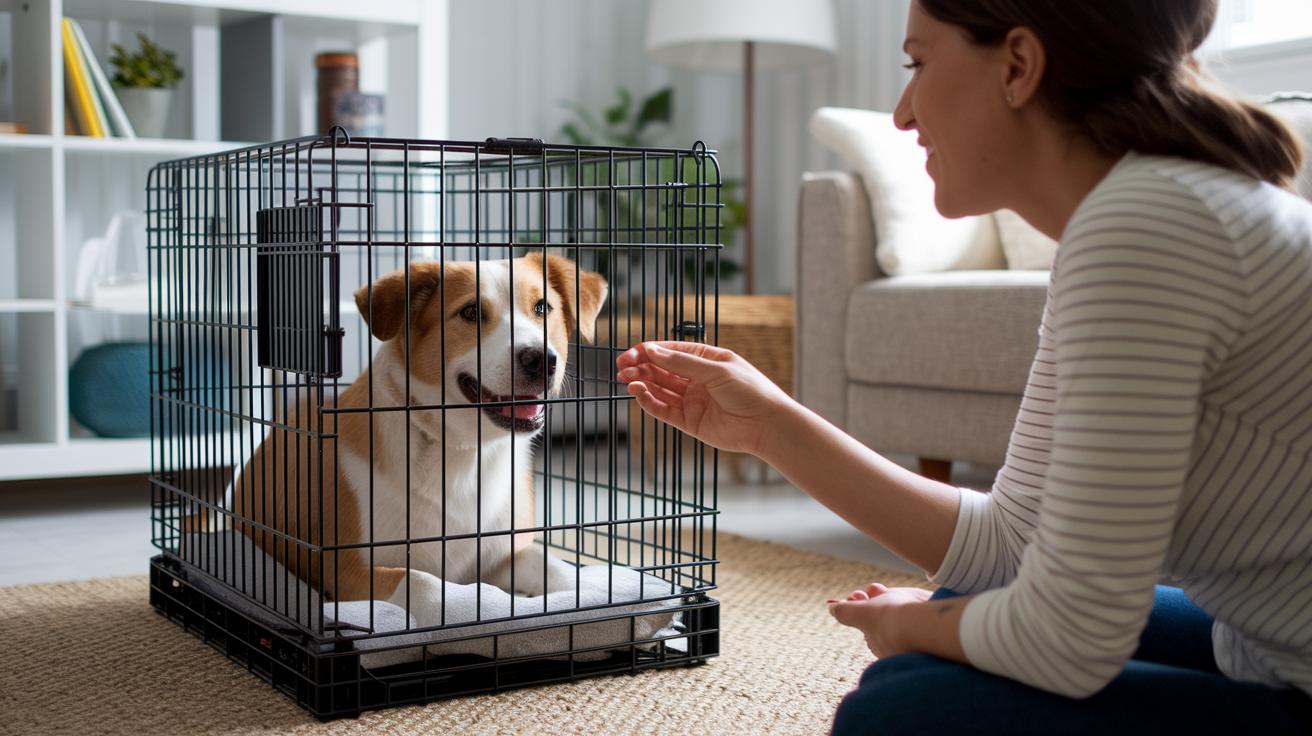
Crate training can be a bit bumpy sometimes. Your dog might whine, skip going inside, or seem a little uneasy. It might feel discouraging, but with a few smart tweaks, you can turn these moments into good learning experiences that bring you closer to your pup.
| Issue | Cause | Solution |
|---|---|---|
| Whining/Barking | Your dog might have too much energy or get frustrated from long sessions | Start with very short sessions and reward quiet moments with a treat like a longer-lasting chew |
| Refusal to Enter | They might have bad memories of the crate or discomfort from before | Build positive feelings using tasty treats such as peanut butter |
| Separation Anxiety | Your pup may be scared of short departures and being alone | Begin with brief, gentle departures and slowly extend the time apart |
If your dog still struggles despite your best efforts, it might be time to get extra help. Sometimes ongoing anxiety or regular accidents mean professional advice could be the answer. In these cases, options like dog training classes (which offer structured advice and fun enrichment techniques, like interactive pet toys) or personalized sessions might just be what you need. A caring expert can spot little stress signals and create a tailored plan that fits your dog's personality. Remember, slowing the process down and being a consistent, caring guide is the best way to help your pet enjoy their safe space.
Dog Crate Training Tips: Tailored Advice for Puppies, Adults, and Seniors
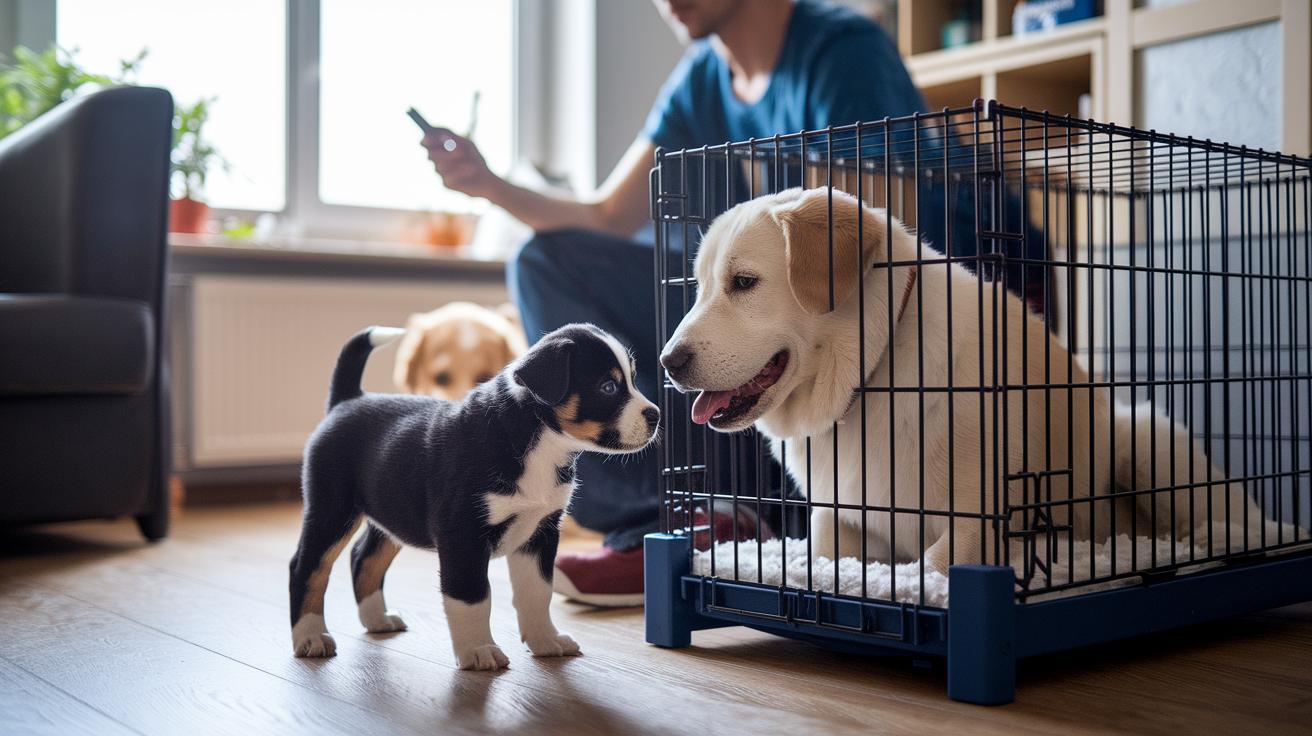
Crate training can be tailored to your dog's age and personality. Whether you've got a playful puppy, a steady adult, a dog from a rescue, or a sweet senior, each will need a routine that fits their needs.
Puppies
For pups, keep it light and fun. Short training sessions with playful breaks work best, so they don't feel overwhelmed. Try using tasty treats and kind words to build a happy vibe around the crate. And hey, why not check out a puppy training class for even more ideas?
Adult Dogs
Adult dogs might have had a rough time with crates before, so it's all about rebuilding trust. Ease them into the space slowly with calm introductions and steady cues. Reward each positive visit with a special treat and a warm compliment. Over time, they'll see the crate as a cozy, safe spot.
Rescue Dogs
Rescue dogs can be a bit hesitant because of past experiences. Let them explore the crate at their own pace and keep the setting calm and friendly. Offer gentle treats to ease their fears. Stick to a consistent, pressure-free routine, and soon enough, the crate will feel like a private, comforting haven.
Senior Dogs
With senior dogs, a slower pace is key. Add a little extra comfort with a soft blanket or cozy padding in the crate. Start with shorter sessions and gradually increase the time as they get used to it. With some patience and gentle encouragement, the crate can become a quiet retreat during their golden years.
Final Words
In the action, this article served up a clear plan for making crate training a safe space for your dog. It walked you through setting up the right environment, choosing the ideal crate, and using fun rewards to build trust.
Dog crate training tips remind us that consistency and kindness are key. Each small step builds confidence and a positive bond with your pet. Enjoy the process, celebrate progress, and watch your furry friend thrive.