
Have you ever looked at a dog's food label and felt totally lost? I get it, those labels can seem like a jumble of numbers at first. But really, they’re just a quick peek into what your furry friend gets with each meal, like a sketch showing the key nutrients that help build muscle and boost energy. In this chat, we’ll sort through the details so you can choose the best meal for your dog’s health.
Dog Food Analysis: Clear, Factual Nutrition Insights
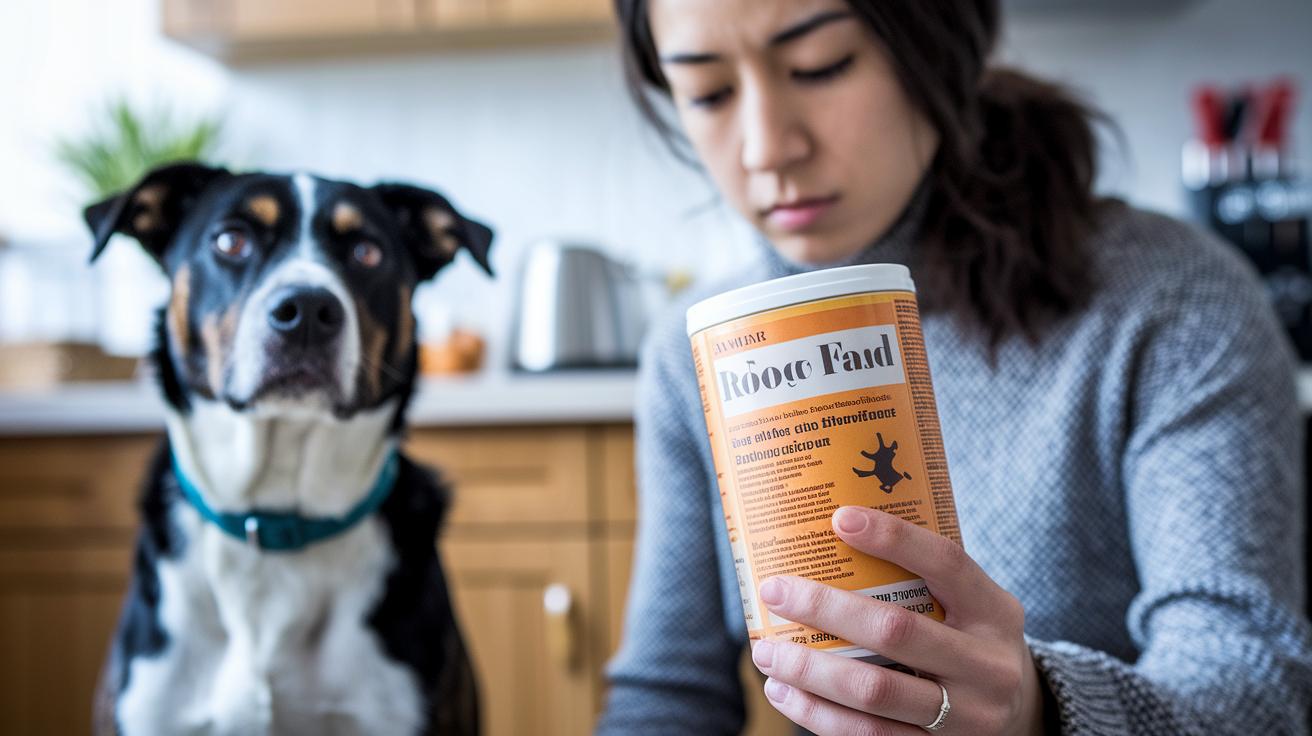
Dog food labels are like little guides that help you choose the best meal for your dog. They show rough percentages of protein, fat, fiber, and moisture to give you an idea of the food’s nutrient strength. These numbers aren’t set in stone, they're just a helpful hint, kind of like a rough sketch of what your dog might get for muscle support and energy.
When you’re comparing different types of dog food, like dry kibble versus canned food, it helps to look at things on a dry-matter basis (this means stripping out water weight). A meal that seems lower in protein might actually be richer in nutrients once you remove the extra water, giving you a clearer picture of its quality.
Rules made by groups like AAFCO and the FDA keep the labels honest, making sure that the numbers you see are within safe ranges. Plus, it’s always a good idea to check the ingredient list. Words like “meat by-products” might cover up lower-grade parts that could affect your dog’s overall health.
Many pet owners trust brands that are upfront about their ingredients. For instance, companies that clearly share their guaranteed analysis often earn more confidence from consumers (https://bonsiaai.com?p=269). In the end, understanding these labels is the first step to picking a nutritious and balanced meal that supports your dog’s wellbeing.
Interpreting Guaranteed Analysis & Dry-Matter Basis in Dog Food Analysis

When you look at your dog's food label, you'll notice a list of rough percentages for protein, fat, fiber, and moisture. These numbers give you a quick idea of what’s inside the food. For example, if you see "protein: min 25%," it means every serving has at least 25% protein, like how Sam measured every ingredient carefully when he was learning to bake. It’s all about making sure your pet gets the right amount of goodness.
Comparing different dog foods can be tricky because some have more water than others. That’s why converting foods to a dry-matter basis is so handy. By taking out the water, you get a fair look at how much protein, fat, fiber, and calories there really are. So if one food has 10% moisture and another has 75%, this method helps you see which one truly packs the nutrition punch your dog needs.
Regulatory Standards & Ingredient List Scrutiny in Dog Food Analysis

Rules from AAFCO (the group that sets pet food guidelines) and the FDA (the agency that makes sure our food is safe) shape the details on your dog's food label. They make sure the guaranteed analysis lists the minimum or maximum amounts of protein, fat, fiber, and moisture your pet gets. Think of these numbers like a simple recipe, ingredients measured out before everything is mixed together.
Cooking can change things around a bit, so the weight order on the ingredient list is based on raw materials. It’s like measuring your cake ingredients before you bake; the mix can end up different. That’s why it pays to look closely at what’s listed.
Sometimes you’ll notice terms like "animal digest" or "by-products." These words might hide ingredients that aren’t as nutritious as whole muscle meat. Always be on the lookout for any vague wording on the label. This little step can really help you feel good about choosing a balanced, healthy meal for your dog.
Requesting Full Nutrient Profiles: A Step Toward Transparency in Dog Food Analysis

Lately, more pet parents have been asking for complete nutrient details from dog food makers. It turns out that the numbers on the label barely tell the full story. Many owners are now reaching out to get that extra info. One owner said, "I called my dog food company and asked for the full nutrient breakdown, much like checking the nutrition facts on my own groceries, what I got was eye-opening!" Knowing the exact amounts of vitamins, minerals, and even energy (the fuel your pet needs) helps you see exactly what your dog is eating.
Even when companies offer just a partial breakdown, it makes many pet owners want even more transparency. Asking for things like independent lab tests (which are extra checks to confirm the food's content) shows you really care about what goes into your pet's bowl. You might also want to hear about safety checks, recall records, and additional evaluations to make sure the food follows strict rules. Tools such as approved dry-food lists and a Dog Food Finder can help confirm these details, letting you make decisions confidently for your furry friend.
Commercial vs Homemade Diets in Dog Food Analysis
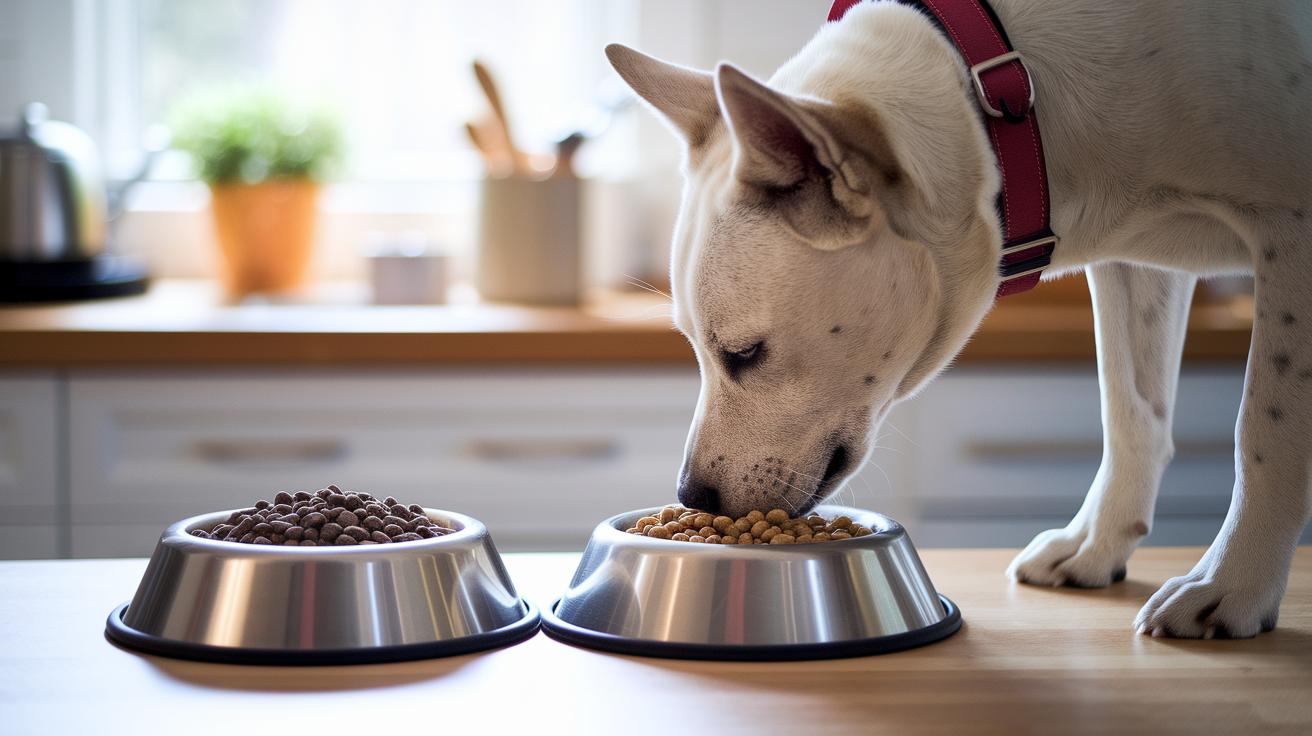
Commercial diets follow AAFCO guidelines, which means they’re made to give your pet a steady mix of protein, fats, and other key nutrients every time. It’s like relying on a tried-and-true recipe that never changes from bag to bag, so you know exactly what your pet will get.
On the other hand, homemade recipes can be a bit unpredictable. Even when you follow a recipe, the balance of nutrients might change from one batch to the next. Only those homemade meals that have been given the green light by a vet, like the ones you can find on our vet-approved homemade dog food page, ensure your pet gets the vitamins and minerals they need.
Some pet parents opt for organic or grainless mixes to help cut down on allergens. However, these options might not keep the same balance of fats, proteins, and carbs as commercial food, so they need careful watching to reach that consistency.
All in all, commercial dog foods stick to strict rules to deliver reliable nutrition day in and day out. Homemade diets give you flexibility, but they also mean you need regular vet checkups and careful recipe tweaks to be sure every meal is complete for your furry friend.
Macro & Micronutrient Profiling in Dog Food Analysis

When you check your dog's food label, it's not just about listing ingredients, it’s about understanding how each nutrient helps your furry friend stay healthy. Protein should make up about 22–32% of the food (on a dry basis), which supports strong muscles and keeps your dog moving with ease. Fat is also important; at 8–20%, it gives your pet the energy to play and explore. Carbohydrates, even though they don't have a set minimum, still add valuable calories for an active dog. And fiber, usually around 2–5%, helps keep your dog’s tummy happy by supporting a healthy digestive system. Vitamins and minerals, included according to established standards, are there to boost overall well-being by supplying essentials like zinc, copper, and selenium.
Testing these ingredients starts with looking at the big picture. By measuring nutrients on a dry-matter basis (which means removing the water weight), you can really see how nutrient-dense the food is. Think of it like comparing apples to apples, even if one food looks less nutritious because it has more water, this method reveals its true strength.
Safety is as important as nutrition. Heavy metal screenings check for toxins like lead, arsenic, and cadmium to make sure they’re kept at safe levels. Knowing that every batch of your dog's food is thoroughly tested makes it easier to relax, knowing your pet is getting a meal that fuels both their daily adventures and long-term health.
| Nutrient | Recommended Range | Purpose |
|---|---|---|
| Protein | 22–32% | Muscle support |
| Fat | 8–20% | Energy source |
| Fiber | 2–5% | Digestive health |
| Vitamins & Minerals | Per set standards | Overall metabolic support |
Data-Driven Brand Comparisons & Value Analysis in Dog Food Analysis
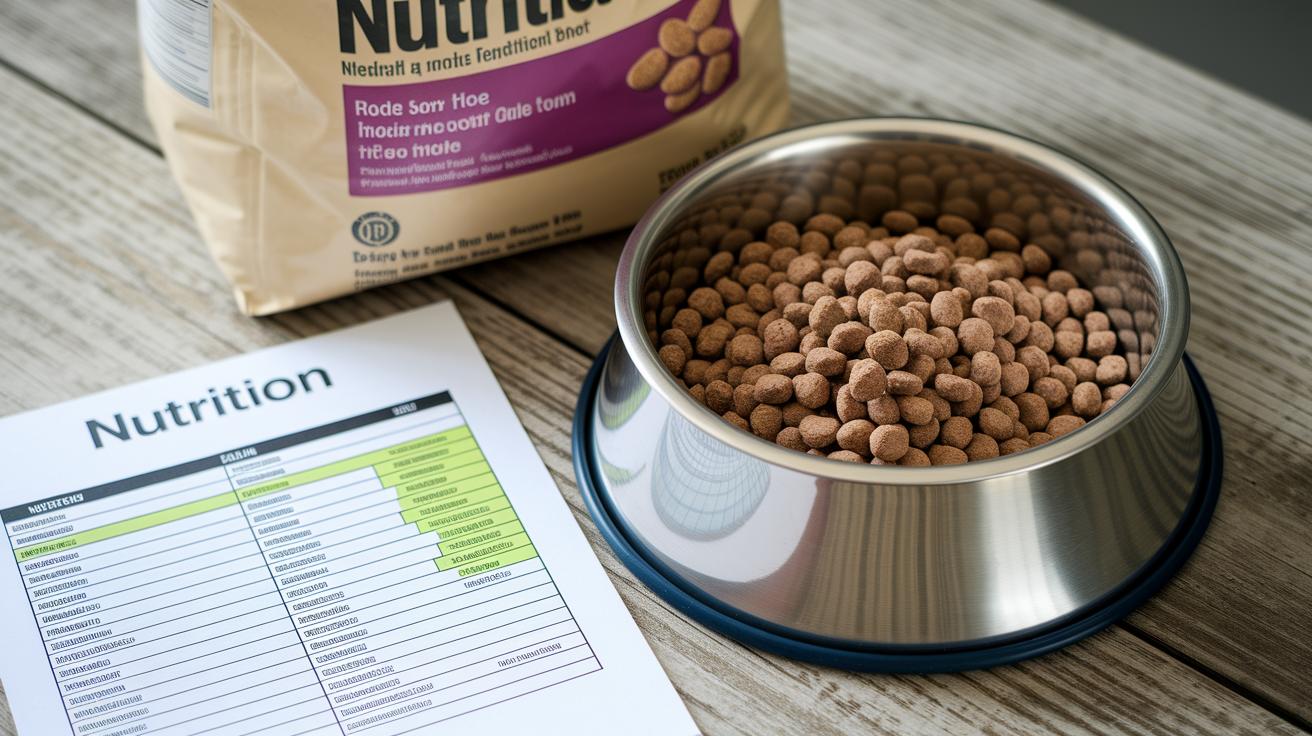
When you look at dog food brands using real-life measures, you can truly see which ones give your pet the best nutrition for the money. Experts check brands based on how well they pack in protein, fats, and vitamins, the dollar price per calorie (the energy your pet gets from the food), and even the food's safety record. It’s like comparing your pet’s bowl of food to a recipe where each ingredient matters.
Studies show that many quality dry foods cost around $0.50 to $1.50 per cup. Numbers like these help you decide if you’re really paying for premium nutrition or if the price tag is just extra fluff. And yes, even if a food seems rich in nutrients, its history of safety and recalls is just as important.
Pet owners’ repeat buys say a lot, too. When many people keep coming back to a brand, it means they trust it for reliable quality every single time. In truth, a loyal customer base is as important as a strong nutrient profile in making a smart choice.
| Metric | Description |
|---|---|
| Nutrient density score | How well the food supplies a balanced mix of protein, fats, and vitamins |
| Cost per calorie | The price paid for each unit of energy your pet gets |
| Ingredient clarity index | How clearly the food lists its ingredients |
| Recall and safety record | A look at the food’s history with recalls to keep safety in check |
| Consumer loyalty rating | How often pet owners choose the same brand because they trust it |
Final Words
In the action, we explored how reading dog food labels clarifies ingredient details and nutritional values, from guaranteed analyses to dry-matter comparisons. We talked about what to watch for in ingredient lists, regulatory checks, and even compared commercial and homemade diets. Each section brought a fresh look at how data shapes our understanding of pet nutrition. Every pet deserves care based on real insights, and with smart dog food analysis, we can make choices that help our furry pals thrive.
FAQ
How can I access free dog food analysis charts?
The free dog food analysis charts display key label details and nutrient values. They help identify ingredient quality, offer side-by-side comparisons, and show if the food meets industry standards.
Which dog food brands should I avoid?
The dog food brands to avoid are those with unclear or misleading ingredient lists and poor safety records. They often lack full transparency, which can signal lower quality nutrition and inconsistent manufacturing.
What is the #1 best dog food?
The #1 best dog food varies by pet needs. It’s one that meets AAFCO standards, delivers balanced nutrition, and maintains rigorous quality control based on nutrient density and recall history.
How do dog food reviews help pet owners?
The dog food reviews offer insights from experts and pet owners. They share experiences on taste, digestibility, ingredient clarity, and overall nutritional benefits, guiding you to make informed buying choices.
What are the best dry dog food options and brands?
The best dry dog food options feature high nutrient density, clear ingredient labels, and strong safety records. Leading brands adhere to regulatory standards and are backed by reliable consumer reviews.