
Have you ever wondered if your dog's food might be a bit too heavy? When you whip up meals at home, you pick every ingredient, helping your pet lose extra weight and feel more energetic.
Picture a lively pup with a joyful bounce in its step because each meal is just right. In this guide, you'll discover yummy recipes and easy tips to help your best friend slim down without losing flavor.
It's time to swap store-bought meals for dishes made with care and a touch of home cooking.
How Homemade Dog Food Aids Weight Loss
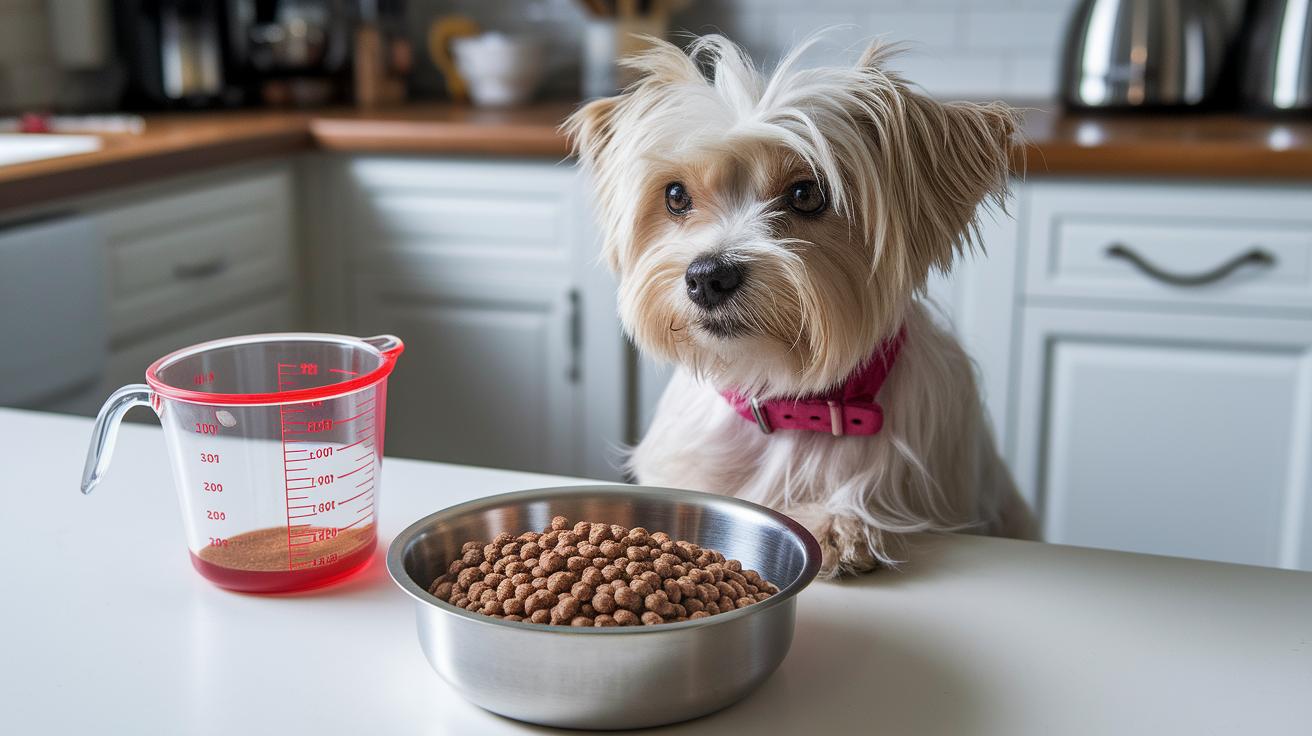
Homemade meals give you total control over what your dog eats. When you use a raw diet, you measure every ingredient so you always know what’s in your pup’s bowl. Imagine the joy when your dog comes over with a little extra bounce in his step, it's just like serving a dinner made perfectly for him!
By preparing food at home, you skip all the extra additives that might be hidden in store-bought meals. You get to pick real, healthy ingredients and adjust vitamins, minerals, and fats to fit your dog’s age and energy level. It’s like custom-making a meal that meets every nutritional need for your furry friend.
Keeping track of calories becomes a breeze when you cook at home. With every ingredient’s calorie known, you can easily stick to portion sizes that prevent overeating. Think of it as serving a perfectly balanced dish every day, just like a well-planned dinner for you.
For a little expert guidance, you can check out vet-approved recipes at https://bonsiaai.com?p=139. It’s like having a knowledgeable friend confirm that you’re mixing the right proteins, veggies, and healthy fats. This thoughtful approach not only helps with weight loss but also keeps your dog lively and happy.
Essential Nutrients & Ingredients for Homemade Low-Calorie Dog Food
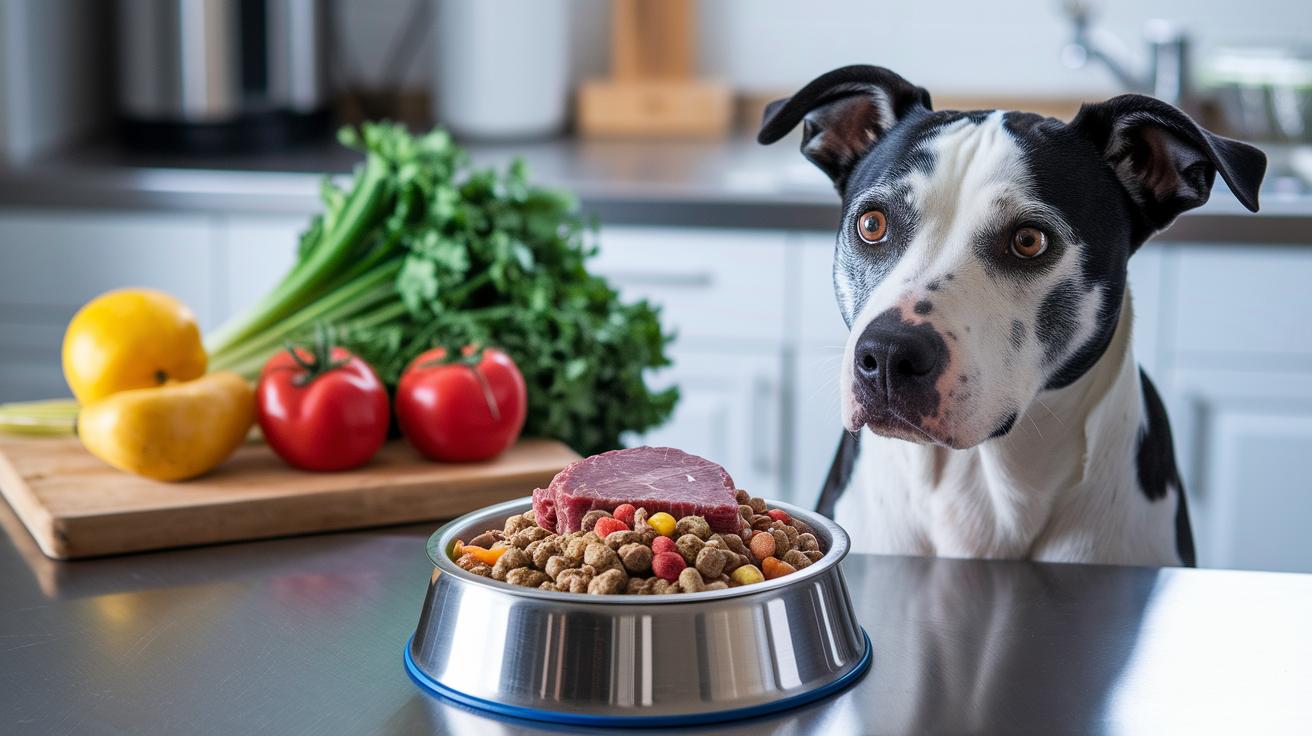
Vegetables and fruits are a must for keeping your dog's tummy happy and giving them the vitamins they need. Imagine the crunch of a fresh carrot or the soft burst of a blueberry with every bite. Mixing apples with leafy greens creates a naturally sweet, fiber-rich treat that's as fun to make as it is healthy.
Lean proteins like rabbit, chicken, and lean beef form the heart of these recipes. They provide important amino acids (the building blocks that help your pet stay strong) without adding extra calories. Rotating proteins, think beef one day, kangaroo or venison the next, keeps mealtime exciting and helps avoid sensitivities, kind of like a mini-menu of health in every dish.
A spoonful of healthy oil, such as sunflower oil, adds essential fatty acids that support a shiny coat, good skin, and overall energy. Here's a quick rundown of the key ingredients for a fiber-rich, pet-friendly meal:
- Vegetables and fruits for vitamins and fiber
- Lean proteins for essential amino acids
- Healthy oils for necessary fatty acids
This careful mix of ingredients creates tasty, low-fat meals that help your dog lose weight safely while still making every meal a little celebration of good health.
Calculating Portions & Calories for Homemade Dog Food
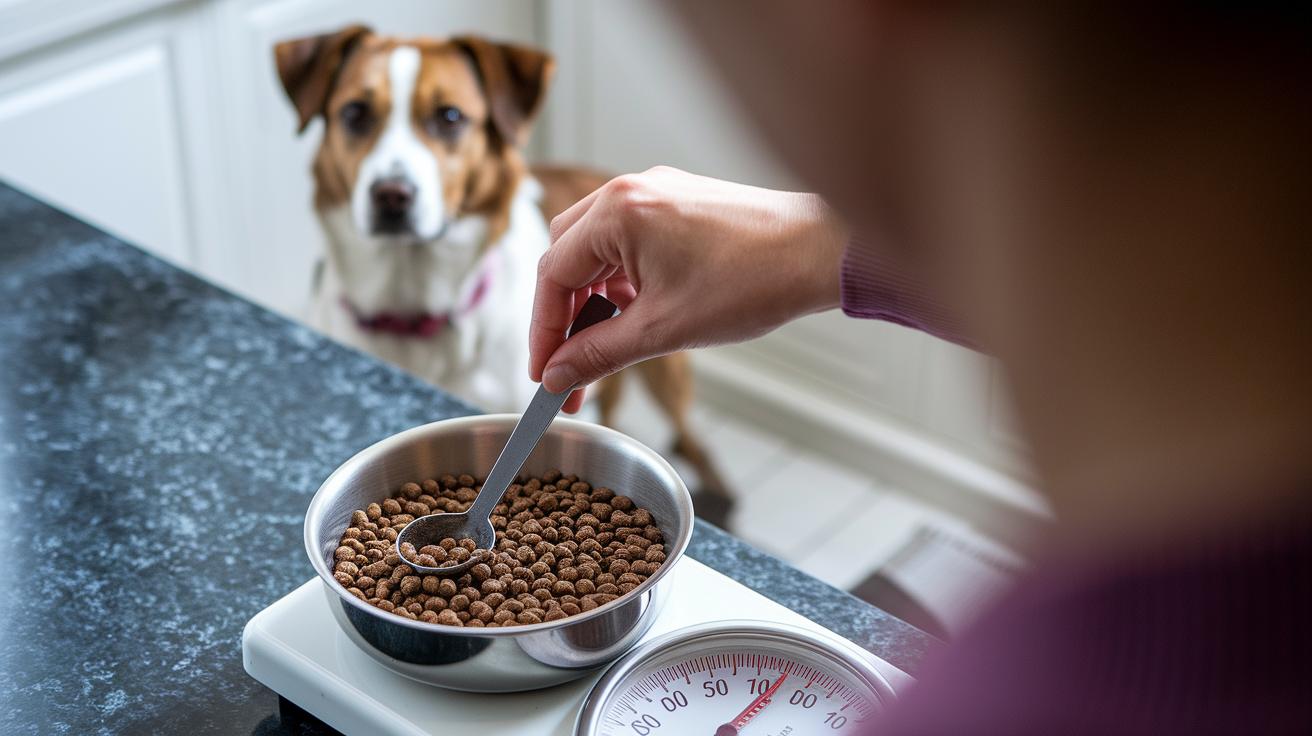
When you're making homemade dog food, start with a standard recipe that uses 300 g of ground raw meat, which might include up to 33% organs and bone. Begin by measuring each ingredient carefully, as if you're carefully piecing together your pet’s favorite puzzle.
Next, add up the calories coming from protein, carbohydrates, and fats. Think of it like putting together a tasty recipe: lean meat, fresh vegetables, and a bit of healthy oil all join in to give your dog a balanced meal. Adjust these portions based on your dog's current weight, energy levels, and metabolic rate (how quickly your dog uses energy).
After you know the total calories, compare that number with what’s recommended for your dog. This lets you tailor your recipe perfectly to your furry friend’s needs. Veterinary nutrition experts suggest checking the recipe from time to time, because as your pet changes, so might their energy needs.
By recalculating and adjusting portions regularly, you ensure each meal is balanced and full of the fuel your pet needs to stay healthy and happy. So, measure accurately, recheck your math often, and enjoy cooking up meals that keep your dog energized and content.
Top 3 Homemade Dog Food Recipes for Weight Loss
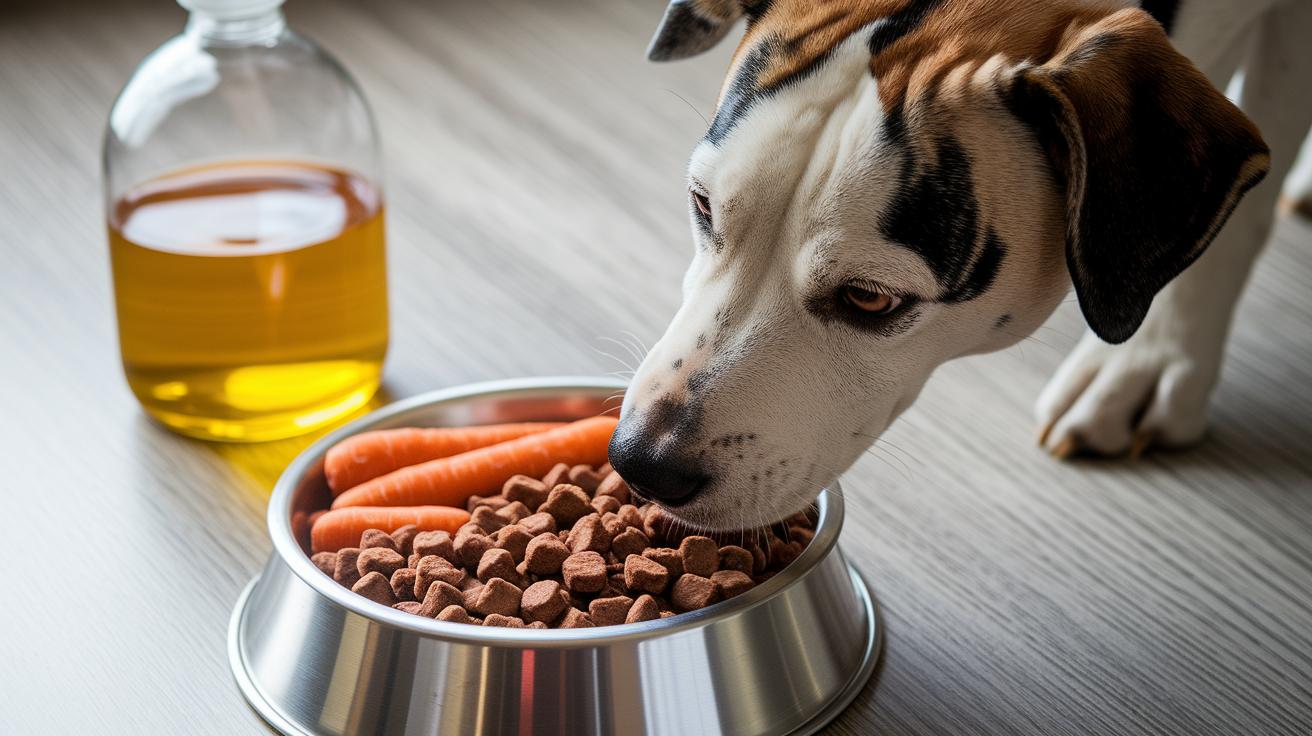
Doggie Meat-and-Three
This recipe is a simple, wholesome mix for your furry friend. First, measure 300 g of a raw meat blend that includes some organs and bone, it’s like setting up the base of a tasty puzzle. Then, add plenty of finely chopped veggies, such as carrots and spinach, for extra fiber and vitamins. Next, stir in a teaspoon of fish oil (it helps keep your dog’s coat shiny and the skin healthy).
- Measure 300 g of raw meat blend.
- Chop veggies into small, bite-sized pieces.
- Add a teaspoon of fish oil.
Mix everything well until it’s evenly combined, and enjoy the feeling of knowing each piece is helping with your dog’s weight loss plan.
Doggo Burgers
Looking for another fun way to serve a nutritious meal? Try these Doggo Burgers! Start with lean ground beef, which is a great source of protein. Then, add a measured scoop of a pet-friendly vitamin and mineral supplement. Use a blender or mixer to blend these ingredients into a smooth mix.
- Start with lean ground beef.
- Mix in a scoop of vitamin and mineral supplement.
- Blend until the mixture is smooth.
Form the mix into small patties that you can bake or lightly sear. This step-by-step method keeps the texture consistent and makes it easy to watch the calorie count while offering a new flavor your dog will love.
Rabbit, Chicken & Beef Trio
This recipe mixes 1,100 g of rabbit meat (with a bit of organs and bone) with some lean beef for a variety of proteins without extra calories. Begin by separating 1,100 g of the rabbit meat, then add a smaller portion of lean beef. Cut all the meat into small, even pieces to help with consistent calorie counting.
- Combine rabbit (with organs and bone) and lean beef.
- Chop the meat into small, even pieces.
- Ensure the mix is well-blended for proper portioning.
Rotating these recipes keeps mealtime interesting, supports a range of nutrients, and can even help avoid food sensitivities, each step is an easy way to help your pet stay healthy on their weight loss journey.
Ingredient Substitutes & Customizations for Homemade Weight-Loss Dog Food
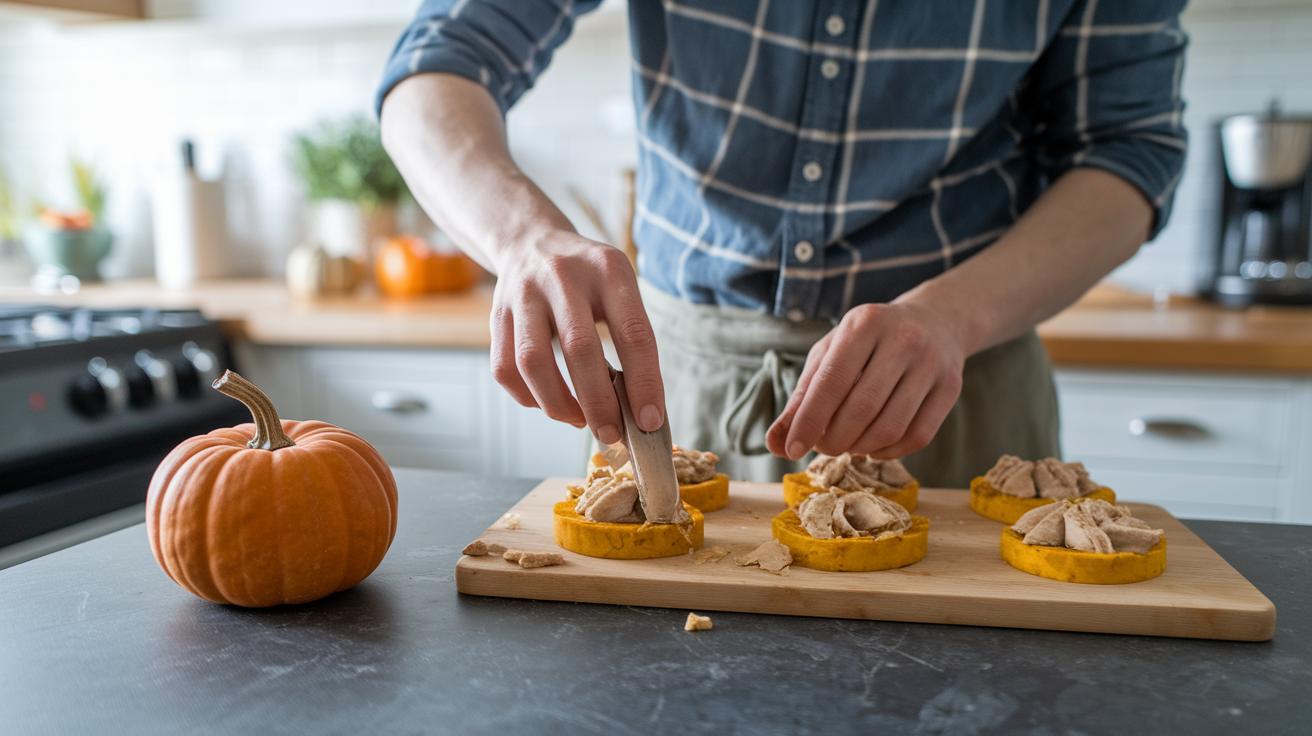
Making your own meals for your dog can be fun and thoughtful. If your pup isn’t too fond of common proteins like beef, try using turkey, fish, or even a plant-based source. It’s a bit like swapping an ingredient in your favorite soup, you still get a tasty meal, but with a fresh twist.
You can also mix up the carbs by adding pumpkin, sweet potato, or brown rice. These choices bring extra fiber that helps keep your dog’s tummy happy. One handy tip is to swap white rice for brown rice, it creates a pleasing texture and helps maintain steady energy, just like choosing whole grains for your breakfast.
It’s also smart to include supplements like omega-3 or probiotics (little helpers for your pet’s gut health), but always chat with your vet first. And remember, steer clear of foods like onions, garlic, grapes, and chocolate to keep your pet safe. With these simple changes, you can create balanced, homemade meals that keep your dog both fit and satisfied.
Storage, Preparation & Safety Guidelines for Homemade Weight-Loss Dog Food
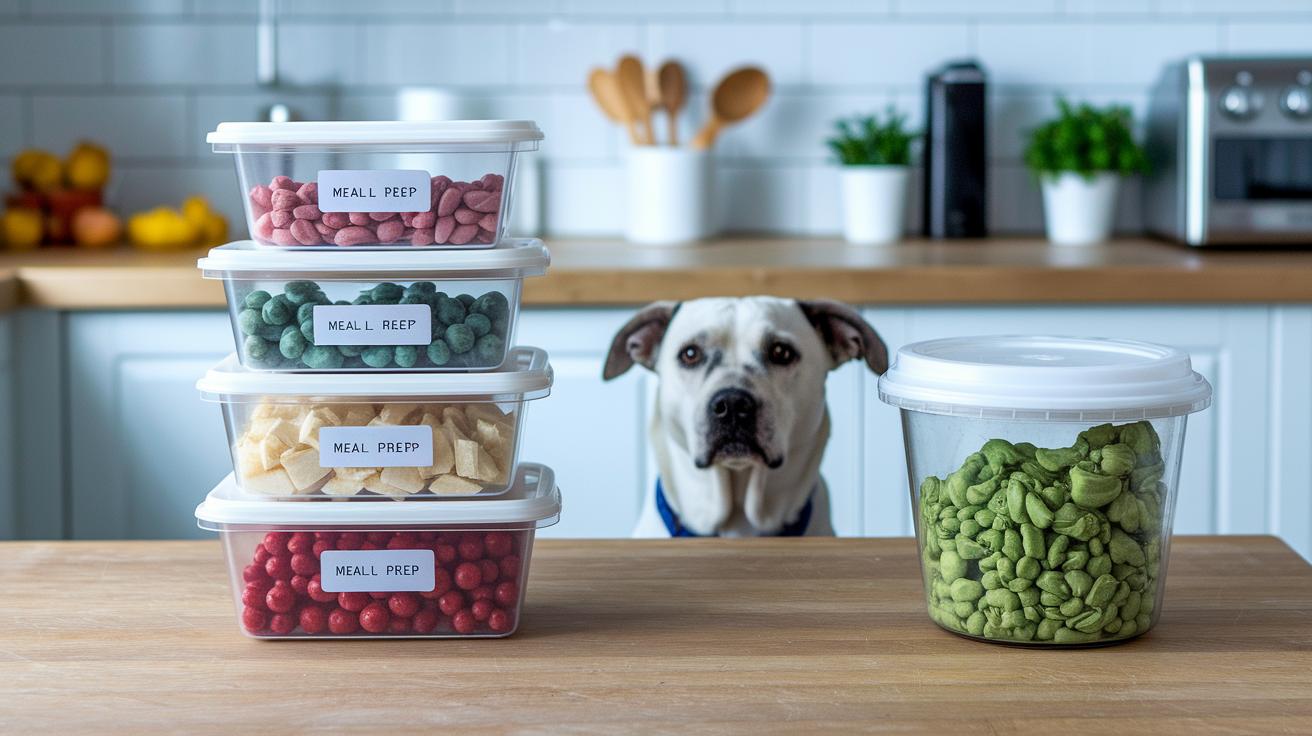
When you bake, broil, or steam your pet’s meals, you’re keeping all the good nutrients safe. This way, the tasty flavors and important vitamins stay locked in. Plus, cooking a big batch means you can freeze small portions for busy days, it’s a big time-saver without sacrificing freshness.
Always be careful with raw meat in the kitchen. Clean every surface that touches it and use different tools for raw meat than you do for other foods. When it’s time to thaw frozen meat, let it slowly warm up in the refrigerator to keep it fresh and tasty.
It helps to label each container with the date you cooked it and list all the ingredients. This little trick makes it super easy to know when the food is still good and what’s inside.
Some handy tips:
- Use cooking methods that preserve nutrients.
- Batch-cook and freeze meals for convenience.
- Clean and sanitize all surfaces and tools after each prep.
- Thaw meat in the refrigerator for safe defrosting.
Consulting a Veterinarian for Your Dog’s Homemade Weight Loss Plan
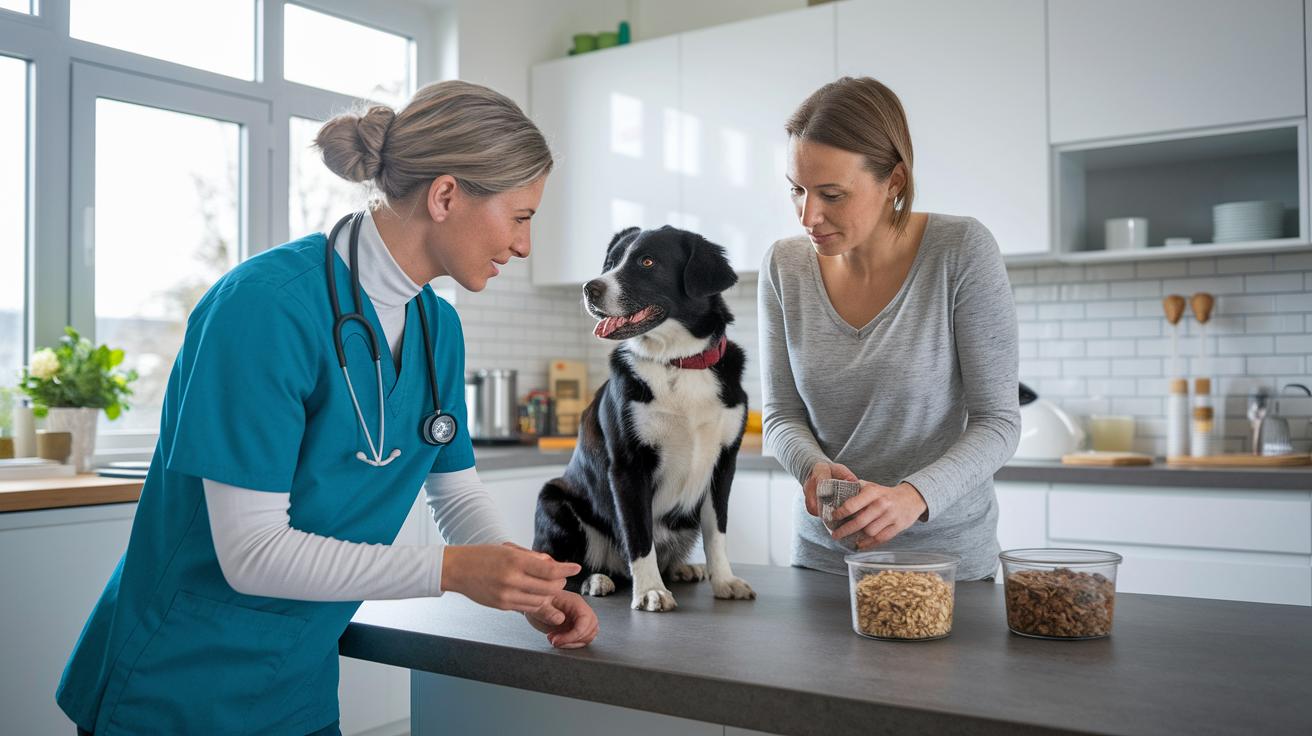
When you’re planning low-calorie meals for your dog at home, having a caring veterinarian by your side is a real game-changer. A veterinary nutritionist (that is, a pet food expert) makes sure the calorie count and nutrients work perfectly for your dog’s age, weight, breed, and overall health. Regular check-ups help you see how your furry friend is doing and if a little tweak in portion size might be needed. It’s like having a friendly coach who truly gets your dog’s unique needs.
So, why not ask your vet if your homemade meals strike the right balance of proteins, veggies, fruits, and healthy oils? They might recommend tiny recipe tweaks or even suggest a vitamin or mineral supplement (nutrients that help keep your pet strong) to boost your pet’s nutrition.
Before your next visit, here are a few things to keep in mind:
- Notice any changes in your dog’s behavior or energy levels.
- Keep an eye on any weight changes or shifts in portion sizes.
- Share any questions you might have about the ingredients you’re using.
For more helpful tips on getting ready, check out how to prepare your pet for a checkup (https://ribbon.co?p=5761). With a little professional guidance, you can adjust your dog’s meals safely and make their weight loss journey a smooth one.
Final Words
In the action, you learned how homemade dog food for weight loss lets you control calories, mix fresh ingredients, and fine-tune portions to suit your pet's unique needs. We explored smart recipe ideas, safe substitutions, and proper storage methods so every meal feels just right. Plus, working with a vet keeps your furry friend safe and happy. Enjoy making meals that boost your dog’s energy and well-being, all while sharing moments of pure joy at mealtime.
FAQ
What do vet approved homemade dog food recipes for weight loss offer?
Vet approved homemade dog food recipes offer balanced, nutritionally complete meals that control calories and include quality ingredients, helping your dog lose weight safely and improve overall health.
Can homemade dog food help with weight loss?
Homemade dog food helps with weight loss by letting you control each ingredient and calorie level, so you can adjust meals to support steady, healthy weight reduction for your dog.
What can I feed my overweight dog to promote weight loss?
Feeding an overweight dog a mix of lean proteins, fresh vegetables, and whole grains provides balanced nutrition while reducing calorie intake, which supports healthy weight loss.
What should I mix with dog food for weight loss, and will chicken and rice help?
Mixing lean proteins like chicken with rice and nutrient-rich vegetables creates a light, balanced meal that can aid in weight loss when properly portioned and combined with your dog’s overall diet.
Are there nutritionally complete homemade dog food recipes available?
Yes, nutritionally complete homemade dog food recipes are designed to supply all essential nutrients, ensuring your dog gets what it needs for energy and health while losing weight.
Where can I find a PDF of nutritionally complete homemade dog food recipes?
You can find a PDF of nutritionally complete homemade dog food recipes from pet care resources and websites that provide vetted, balanced meal plans for dogs requiring weight management.
What are some budget-friendly homemade dog food options for weight loss?
Budget-friendly options involve using affordable, seasonal produce combined with lean proteins and whole grains, creating low-calorie meals that help your dog lose weight without breaking the bank.
Are there vet approved homemade dog food recipes for specific health problems?
Yes, there are recipes that have been vetted by professionals, offering tailored meal plans addressing specific health issues while promoting safe, effective weight loss for your dog.