
Ever notice how one little click can shift your pet's mood? Clicker training is like capturing a perfect moment with sound, as if you snapped a quick pic of your pet doing something sweet. Each click tells your buddy that a yummy treat is on its way. This playful trick makes training fun and deepens the bond you share. Today, we'll explore how that simple click turns everyday actions into heartwarming moments for you and your pet.
how does clicker training work: Boosting positive bonds
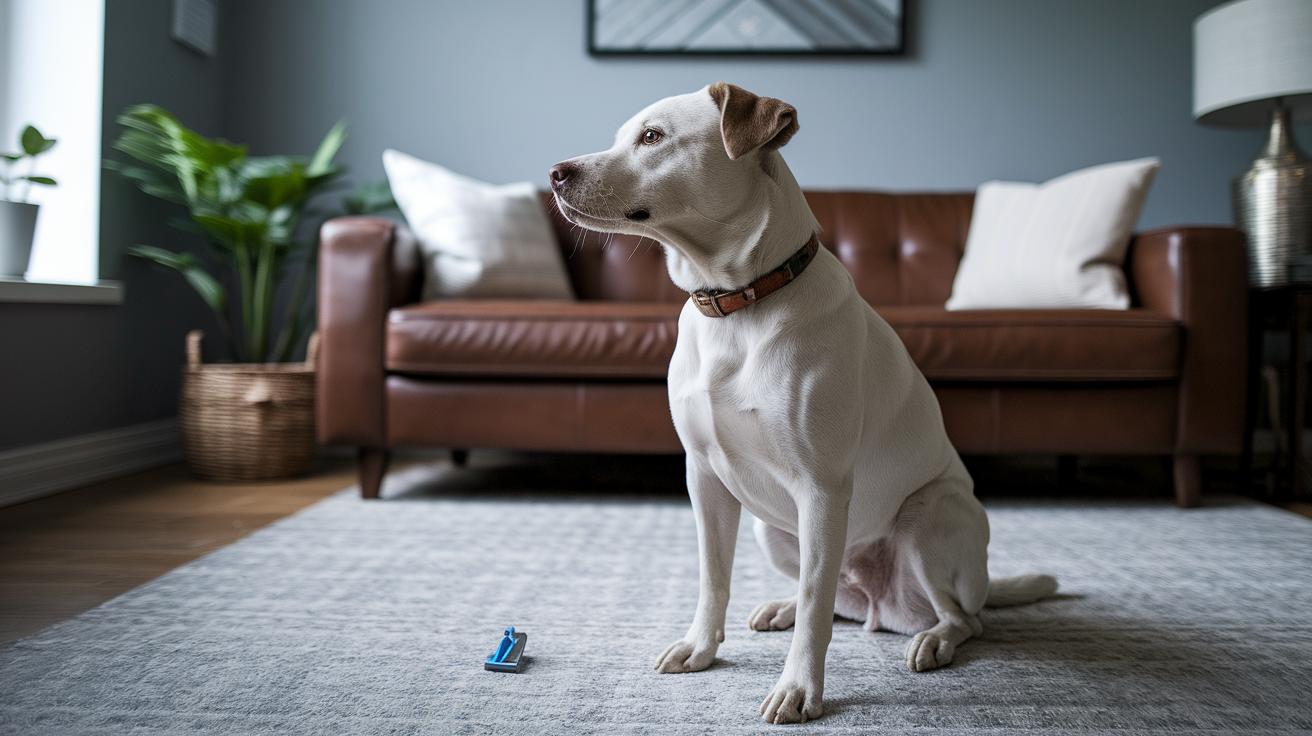
Clicker training is a really fun way to communicate with your pet. You start with a little clicker, a small tool that makes a quick sound, which marks good behaviors like sitting, lying down, or even going to their kennel. Imagine it as taking a perfect snapshot of the moment when your pet does something great. Right when your dog sits and its bottom touches the ground, you click, then immediately toss a treat their way.
Timing is everything here. The click needs to happen at the exact moment your pet shows the behavior, so they quickly learn that sound means a reward is coming. This method relies on positive reinforcement (rewarding good actions) to help your pet connect the click with something pleasant.
Before you jump into training, you need to "charge" your clicker. That means you pair the click sound with treats over and over until your pet expects a reward whenever they hear it. Over time, the click becomes a clear signal that tells them exactly what behavior you appreciate, helping to build a strong, happy bond between you and your furry friend.
Step-by-Step Clicker Training Process
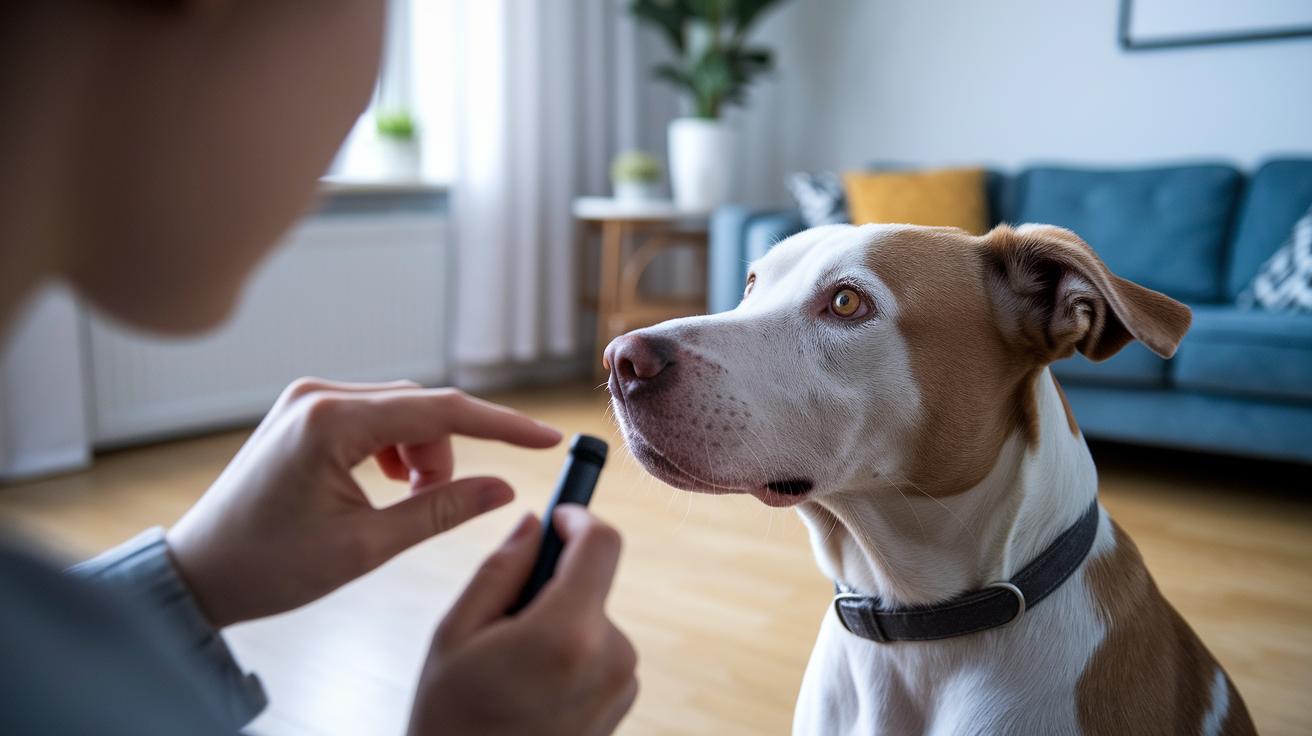
Start by getting your clicker ready. Click it and give your pet a treat about 10–15 times to help them connect the sound with a yummy reward. You might say, "Click now – and here’s your treat!" over and over until it starts to make sense.
-
Charge the clicker: Click the device and toss a treat right away. This simple trick gets your pet excited and teaches them that the sound means something good is coming.
-
Catch a natural behavior: Look closely for when your pet does something on its own, like sitting down calmly. When that happens, click exactly at that moment. This helps your pet understand that their behavior is what earns the treat.
-
Time it just right: Make sure you give the treat within 1–2 seconds after clicking. Think of it like snapping a quick picture, the timing is key to linking the sound with the action.
-
Keep it going: If your pet is holding a behavior like staying in place, click every 2–3 seconds. This steady encouragement helps the behavior become a fond habit.
-
Add a cue: Once your pet is really getting the hang of it, pair the click with a simple word or hand signal. For example, say "sit" softly while making a small gesture. This extra hint makes it even clearer what you expect.
-
Ease off with treats: As your pet learns, you can slowly give treats less often. Keep clicking to mark the behavior, though. This helps your pet understand the click and keeps the connection strong without overloading them with treats.
Use these friendly steps to shape your pet’s actions and build a warm, lasting bond through positive training.
The Role of Timing and Consistency in Clicker Training
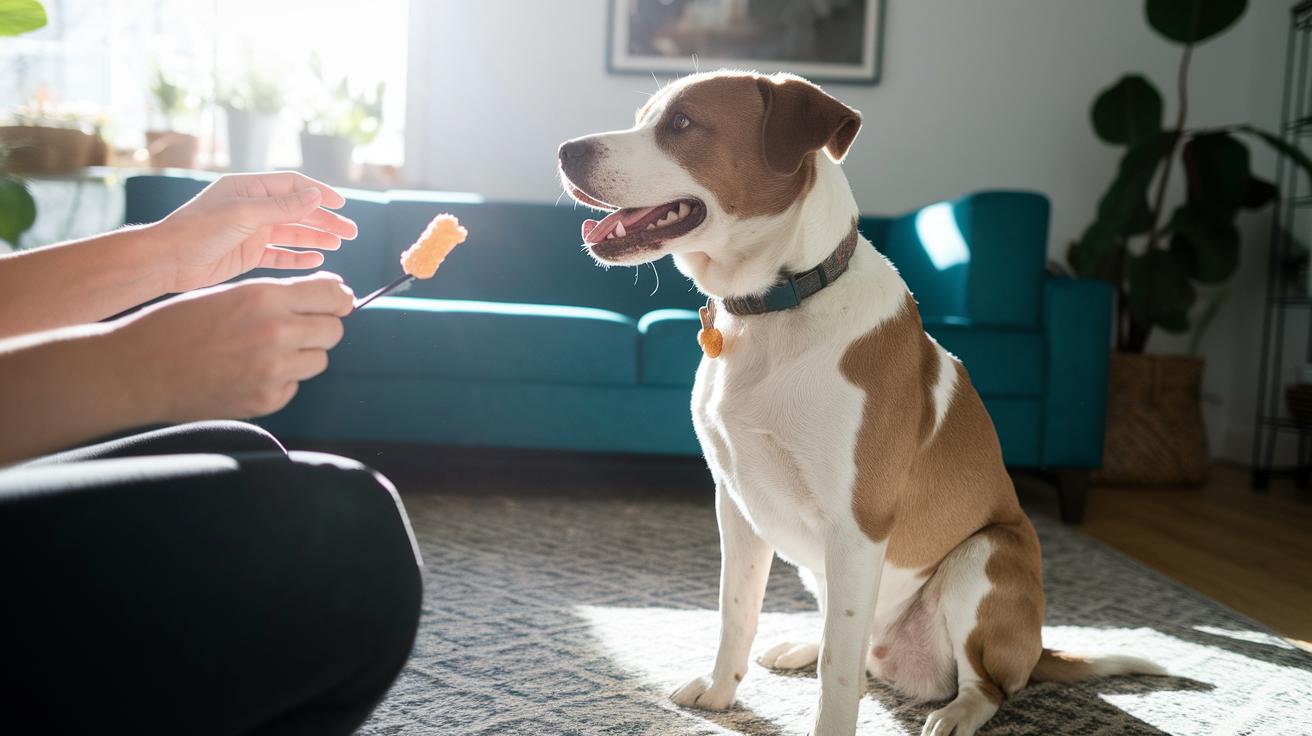
When training your pet, timing really is everything. The moment your furry friend does something right, say, the instant they sit down, click right away. Then, give them a treat within one or two seconds. This quick response is like snapping a perfect photo that helps your pet understand exactly which action made you happy.
For a "stay" command, try clicking every couple of seconds while your pet remains calm. This gentle reminder keeps the idea clear, almost like whispering, "Yes, you're doing great." It’s a simple trick that reinforces the behavior without any confusion.
Don’t forget that the clicker’s sound should always be the same. A steady, unchanging click helps your pet learn faster because different sounds can throw them off. Consistency here is as important as a loving pet cuddle.
- Use a mechanical clicker.
- Click at the exact moment the behavior happens.
- Reward within a brief window of one to two seconds.
Evidence-Based Benefits of Clicker Training
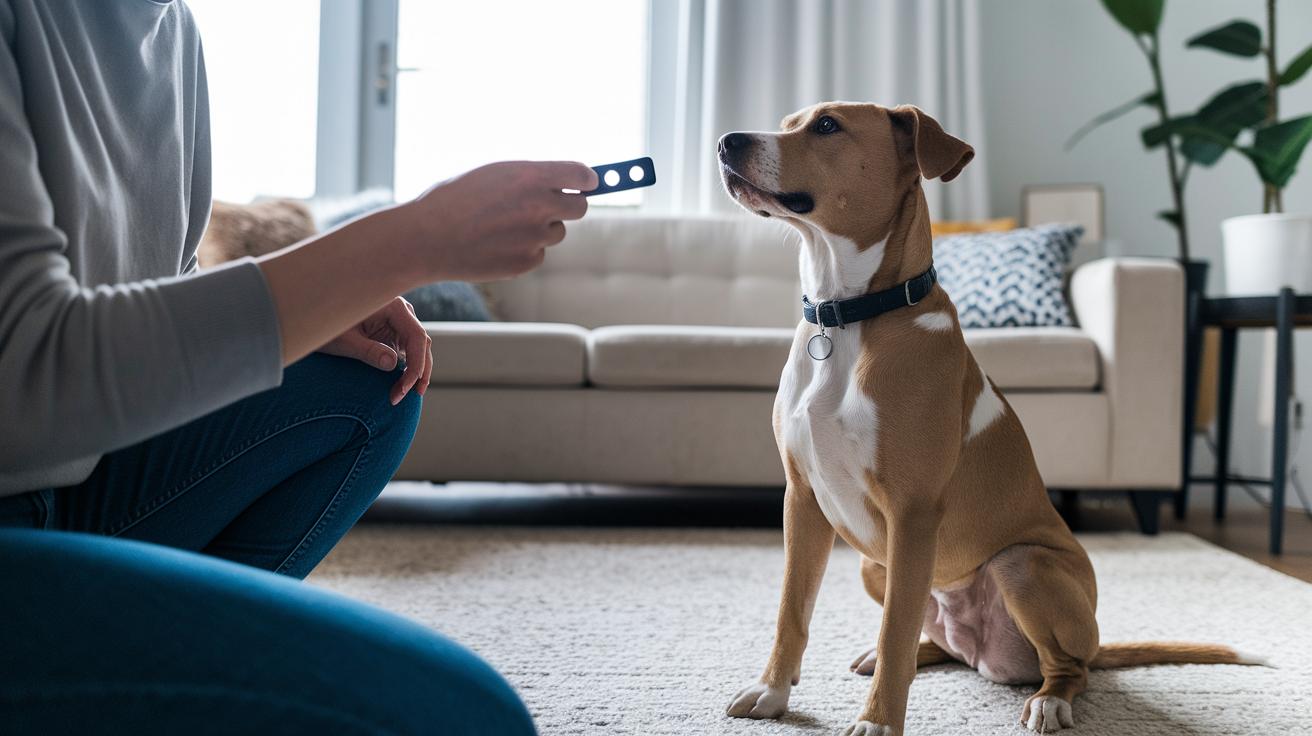
Studies have found that dogs learn tricks faster when they hear a clear clicker sound instead of a voice command like "Good dog." The clicker’s steady tone gives a clean signal that lets your pet know right away when it has done something right. It works a bit like Pavlov’s experiments (remember the classic bell-and-treat experiments?) where a simple sound was linked to a treat. When your dog hears the click, it knows that the action, like sitting, staying, or coming, is exactly what you wanted.
Using the clicker to mark good behavior helps avoid any mixed signals because the sound stays the same every time. Research shows that consistent clicks speed up learning for simple commands and fun tricks like rolling over or fetching. Over time, this easy system not only helps your pet become more obedient but also strengthens the bond and trust between you two. It’s a gentle way to train that even helps ease any fear-based behaviors.
Many pet owners find this method both reliable and kind. Some even join classes (Dog Training Classes) to polish their skills, mixing science with real care to bring out the best in their furry companions.
Advanced Tips and Troubleshooting for Clicker Training
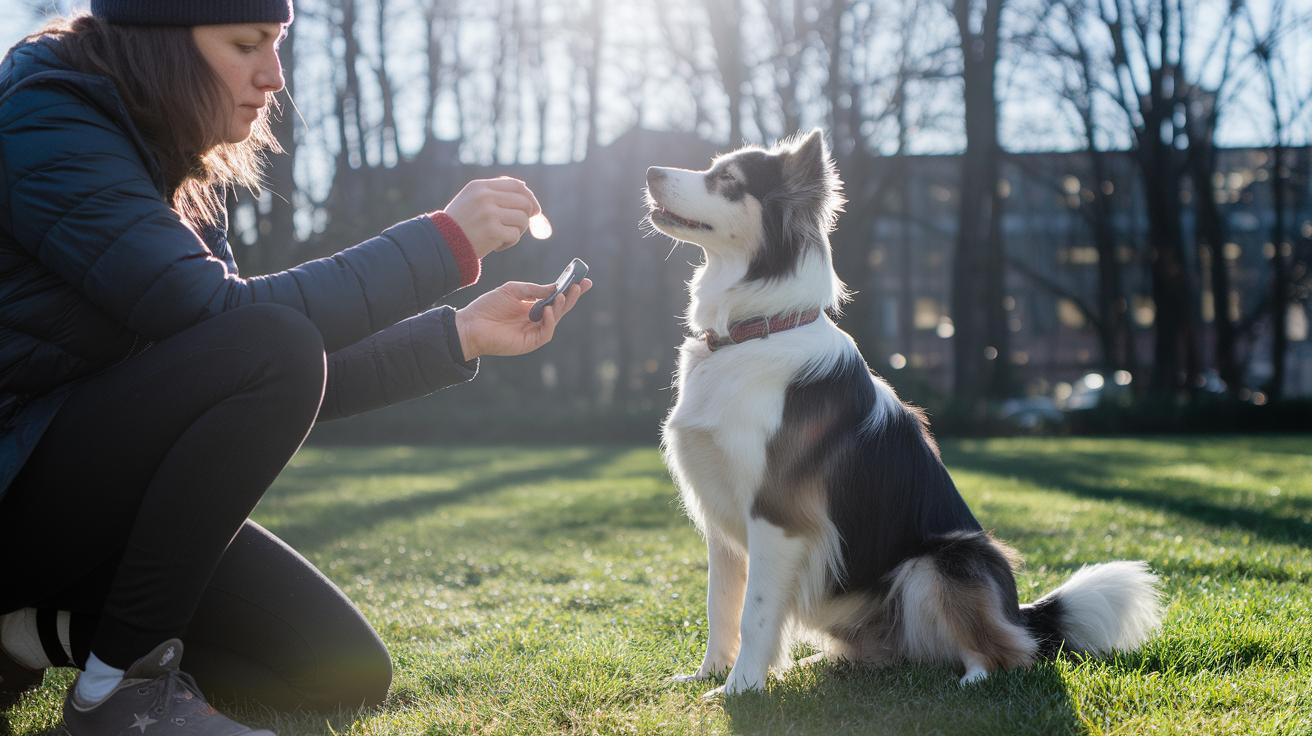
One key part of clicker training is getting the timing just right. A click given too early or too late can easily puzzle your pet. For example, if you click just before your dog finishes sitting, the message gets mixed up. Try saying to yourself, "Click when the action is done, kind of like snapping a picture at the perfect moment: right there!" Also, if your clicker starts sounding muted or dull, swap it out. A steady, clear tone helps your pet understand the signal every time.
If your pet stops responding, it might be time for a quick refresher. Spend a few minutes doing 5 to 10 clicks and offer a treat right after so your pet reconnects that sound with something rewarding. Short, fun sessions work best, try training for about 5 to 10 minutes a few times a day. This keeps things light and prevents your furry friend from feeling overwhelmed.
When you're teaching a trick that has several steps, break it down into smaller parts. Think of it like putting together a puzzle, master one piece, then move on to the next. These advanced methods can really help smooth out common mistakes and boost clear, confident communication with your pet.
Applying Clicker Training Across Species
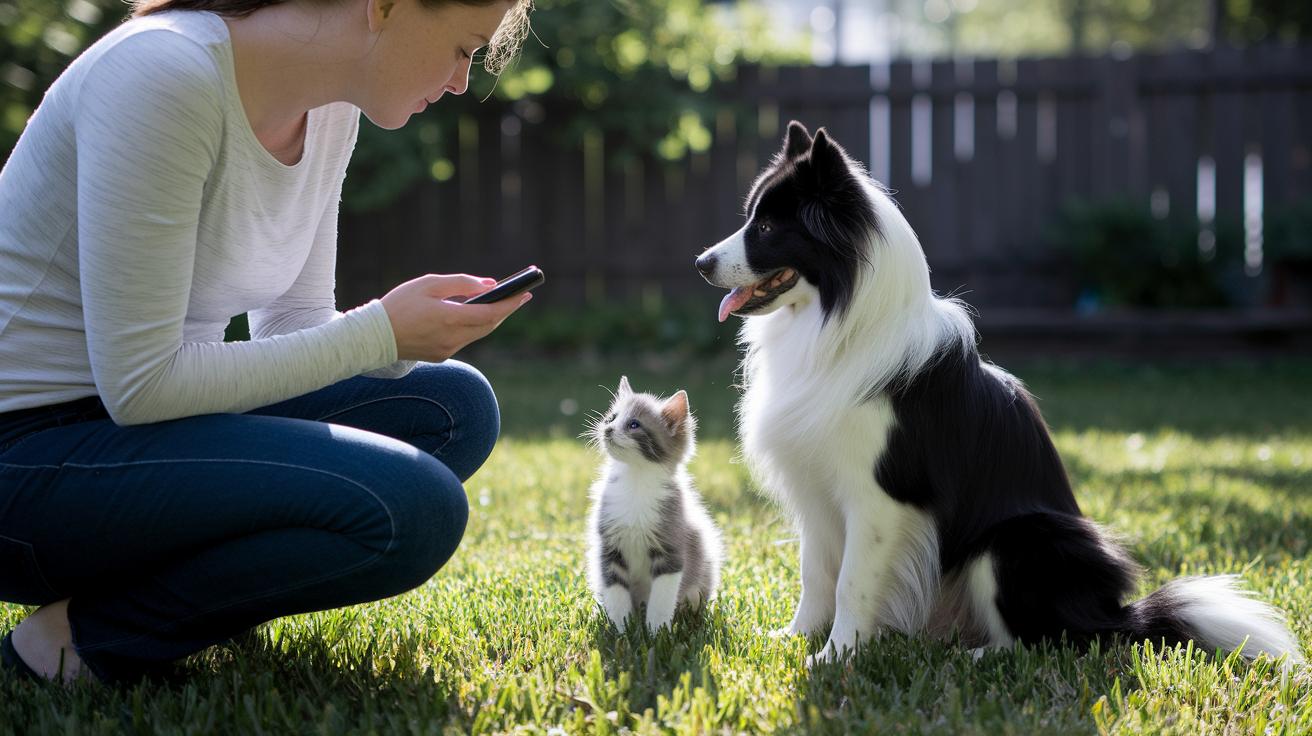
Clicker training isn't just for dogs, it’s a fun method that works with many different animals. When you use a click sound as a clear signal, pets from puppies (as young as 8 weeks) to playful kittens know exactly when they've done something right. For example, you might encourage a kitten to nudge a stick or follow a laser pointer and then click right away. That quick sound is like giving them a friendly high-five!
Horses love this method too. When you're teaching them simple tricks like following or yielding, a click combined with a little treat or a gentle pat makes everything clear and rewarding. Even smaller animals, like rabbits, can learn with a clicker if you adjust the approach to suit their natural habits. Imagine asking your horse to yield, clicking at just the right moment, and then offering a small treat, it’s a simple way to build trust. The same steady, positive signal helps your furry friend, whether they're a horse, a playful kitty, or a small pet, learn new tricks and enjoy training as a fun bonding time.
Final Words
In the action, we explored clicker training basics, from charging your clicker to pinpoint timing and clear signals. Each step builds a strong behavior marker that lets you see results in a fun, pet-friendly way.
We shared science-backed benefits, tips to fix common mistakes, and ways to use this method for dogs, cats, and even horses. Remember, how does clicker training work? It’s all about consistent signals and rewards that make pet care feel both effective and joyful.
FAQ
How does clicker training work reddit
The clicker training method works by using a consistent sound to mark the exact moment a behavior occurs. This sound, followed immediately by a treat, reinforces the behavior so pets learn quickly.
Why clicker training is bad
The concerns about clicker training arise when the timing is off or the click becomes confusing. Misused, it may not reliably guide behavior, though many successfully use it when applied carefully.
How does clicker training work for dogs
The clicker training for dogs works by pinpointing the moment a dog performs a behavior with a click sound. This clear mark, paired swiftly with a treat, helps dogs understand which actions earn rewards.
What is clicker training for humans
The idea behind clicker training for humans is similar in spirit to its use with pets. It involves using a consistent marker sound or cue to encourage positive actions and self-reward for improved habits.
How does clicker training work for puppies
The clicker training for puppies works by linking a distinct, timely click with a treat when a desirable action appears. This clear association helps puppies learn commands early and effectively.
Clicker training dogs for beginners
The beginner approach to clicker training dogs involves clicking and giving a treat exactly when the dog acts correctly. This repetitive, clear feedback builds understanding and reinforces positive behavior.
Clicker training to stop bad behavior
The method to stop bad behavior using clicker training involves rewarding a pet when it shows a preferred action instead of the unwanted one. This shift in focus helps replace the bad habit with a good one.
How to clicker train yourself
The clicker training method for yourself uses a consistent marker, like a cue or sound, to reinforce small accomplishments. This technique helps build good habits by rewarding positive actions consistently.
Does clicker training for dogs really work?
The effectiveness of clicker training for dogs shows in faster learning and clearer communication. Consistent clicks coupled with rewards help dogs understand commands better, making training enjoyable and effective.
What are the disadvantages of clicker training?
The downsides of clicker training include the need for precise timing and the risk of over-reliance on treats. If the click isn’t immediate or consistent, the association might weaken and confuse the pet.
Is clicker training based on science?
Clicker training is based on scientific principles, using positive reinforcement and classical conditioning. It mirrors well-known experiments where a conditioned marker helps shape behavior effectively.
What age should you start clicker training?
The best age to begin clicker training is around 8 weeks for puppies. This early start takes advantage of their ability to quickly connect the click sound with a reward, even with their short attention spans.