
Have you ever wondered if one treat can work every time you use a clicker during training? The truth is, treats come in different shapes and sizes for different pups and kitties.
Some pets perk up at a crunchy bite of freeze-dried chicken (a tiny snack that snaps with flavor), while others enjoy a soft, quick-melt treat that works perfectly in a fast-paced session.
Switching between treats not only keeps things interesting but also makes each click feel like a burst of joy for your furry friend. Today, let’s take a look at some tasty choices that can make training a fun and rewarding game for every pet.
3. treats for clicker training: Pure Joy
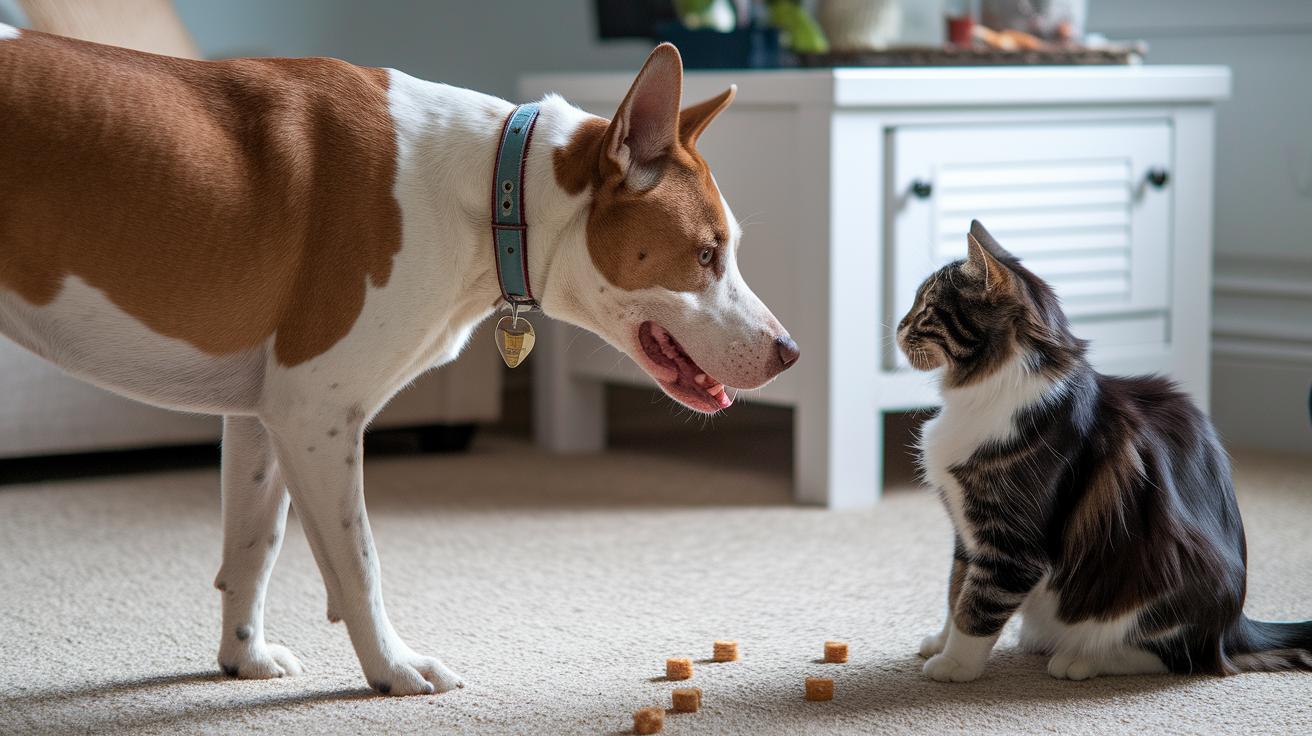
When it comes to clicker training, mixing up treat choices makes all the difference. There isn’t one magic treat that works for every pet. For example, dogs can get really excited by a tasty freeze-dried chicken or fish treat. These treats pack a protein punch (protein is the building block that helps your pet grow strong) and have a light, crunchy texture that makes training fun. Bite-sized soft treats work great too, as they’re quick enough not to slow down your training routine. Imagine a pup quickly devouring a little morsel, it’s as delightful as watching a leaf dance in a gentle breeze.
Cats like rewards that are quick and satisfying too. You might try using small pieces of their regular kibble or special treats made just for feline training. And for our tiny puppies and kittens, small, soft bites work perfectly to help them hit those early training milestones without overwhelming their little mouths.
Horses also enjoy a variety of treats. Consider using bulk treats like alfalfa pellets, which are easy to handle. Winter carrot sticks cut into safe, chunky pieces and soaked beet pulp can add some variety while still being gentle on your horse’s natural feeding habits.
- Freeze-dried chicken or fish for dogs and cats
- Bite-sized commercial soft treats
- Kibble pieces repurposed for feline training
- Alfalfa pellets for horses
- Winter carrot sticks (cut into chunks)
- Soaked beet pulp as a healthy reward
Each of these options turns a simple click into a moment of joy for your pet.
Comparing Dry vs. Moist Treats for Clicker Training
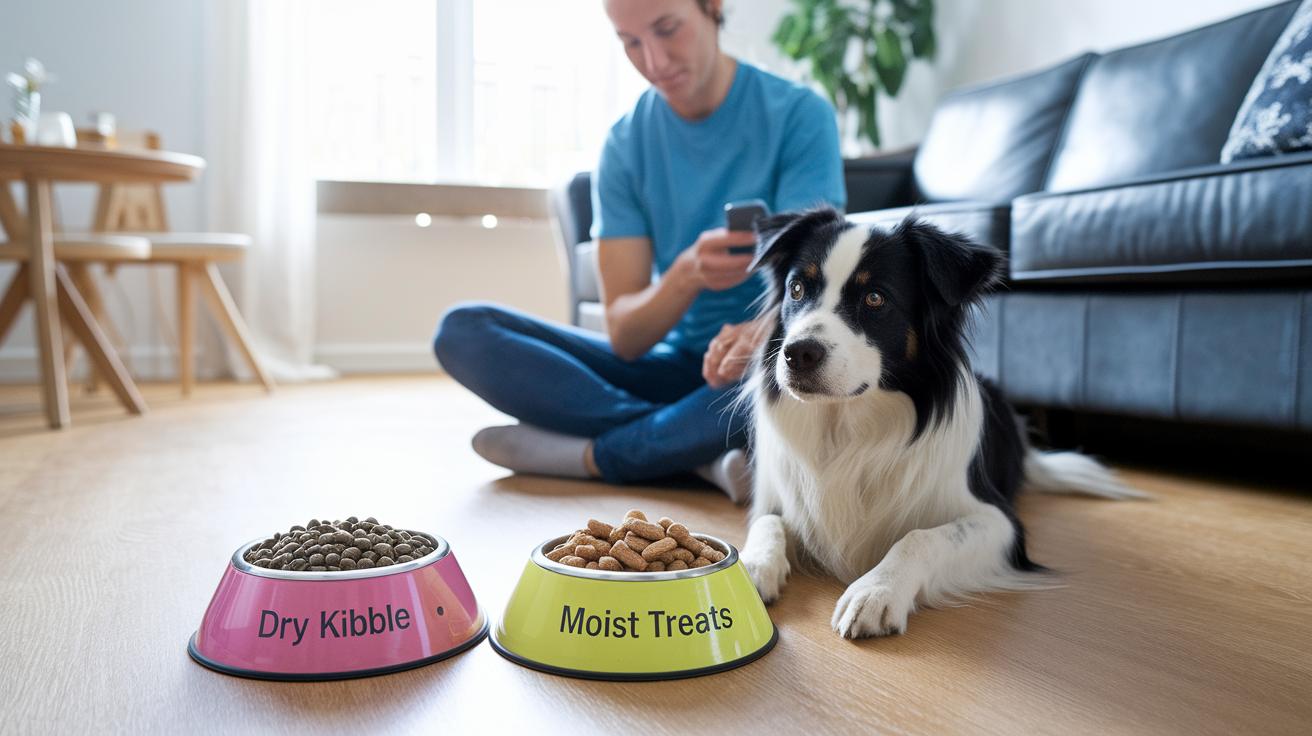
Dry treats like kibble or alfalfa pellets are super handy for training sessions. They’re easy to carry around and help keep that click-reward pace steady. But since your pet has to chew, sometimes a quick cue might get delayed. Ever notice your pup still crunching on a treat when you click? That tiny pause can slow down the flow of training.
Moist treats bring a different vibe. Soft bites, carrot chunks, or soaked beet pulp are eaten almost as soon as they’re given, keeping your pet engaged and happy. They burst with flavor that most pets can’t resist. On the flip side, a quick munch might leave a few crumbs here and there, which means a little extra cleanup for you.
Freeze-dried treats really blend the best bits of both worlds. They’re light and almost as quick to eat as moist treats, but with a little crunch that doesn’t really break the training rhythm.
- Dry treats: Easy to carry and use, though chewing might slow down the pace.
- Moist treats: Eaten quickly and super tasty, but they can be a bit messier.
- Freeze-dried treats: A balanced choice that’s quick to eat and easy to transport.
In the end, the best treat really depends on how fast your pet eats, the pace of your training, and how much cleanup you’re willing to handle.
Homemade Clicker Training Treat Recipes
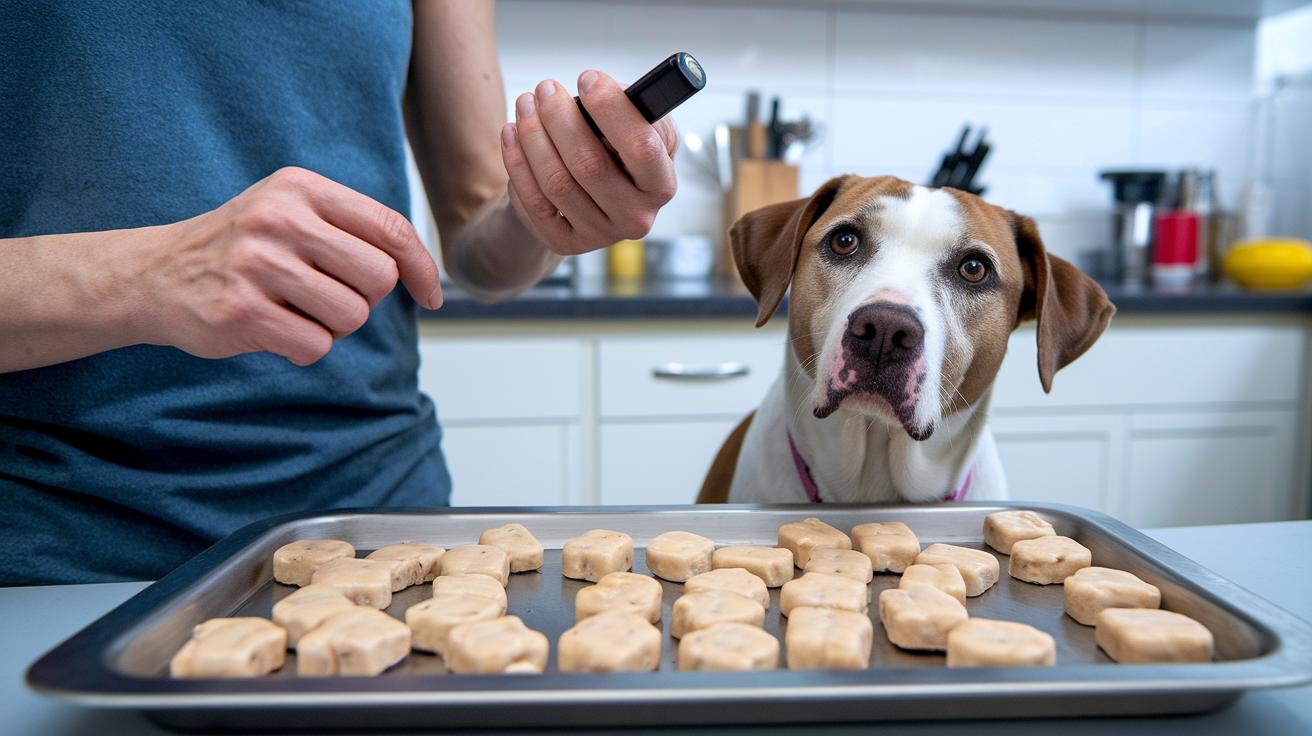
Give these three fun recipes a try. They mix lean proteins and fresh veggies into bite-sized treats that work great with clicker training. They’re super simple to make and keep the mess to a minimum.
-
Chicken Freeze-Dried Bites
Ingredients:- Boneless, skinless chicken breast (a lean protein that helps build strong muscles)
- A pinch of dried parsley (for a gentle flavor boost)
Instructions:
Cut the chicken into small, even pieces. Spread them out on a baking sheet and pop them in your oven at a low temperature to dry out. If you have freeze-drying gear, that works too. Once they’re completely dry and crunchy, store them in an airtight container for quick, tasty rewards.
Fun fact: Did you know Marie Curie once carried tiny test tubes of radioactive material in her pockets? Imagine that!
-
Grain-Free Sweet Potato Chips
Ingredients:- One medium sweet potato, washed and sliced thinly
- A light drizzle of olive oil
Instructions:
Toss the sweet potato slices in olive oil and spread them evenly on a baking tray. Bake at a low temperature until they’re perfectly crispy. Let them cool completely, then break them into small pieces just right for training treats.
-
Diced Winter Carrot & Soaked Beet Pulp Bites
Ingredients:- Fresh winter carrots, chopped into small chunks
- Beet pulp soaked in water (just enough water to bind the mix)
Instructions:
Mix the carrot pieces with the soaked beet pulp until you get a soft, easy-to-handle mixture. Roll or shape small bite-sized treats that your pet can quickly gobble up. This batch might be a bit messier, but it’s a cost-effective and nutritious reward.
For a step-by-step guide, check out Vet-Approved Homemade Dog Food Recipes – https://reipet.com?p=285
Nutritional and Safety Guidelines for Training Treats
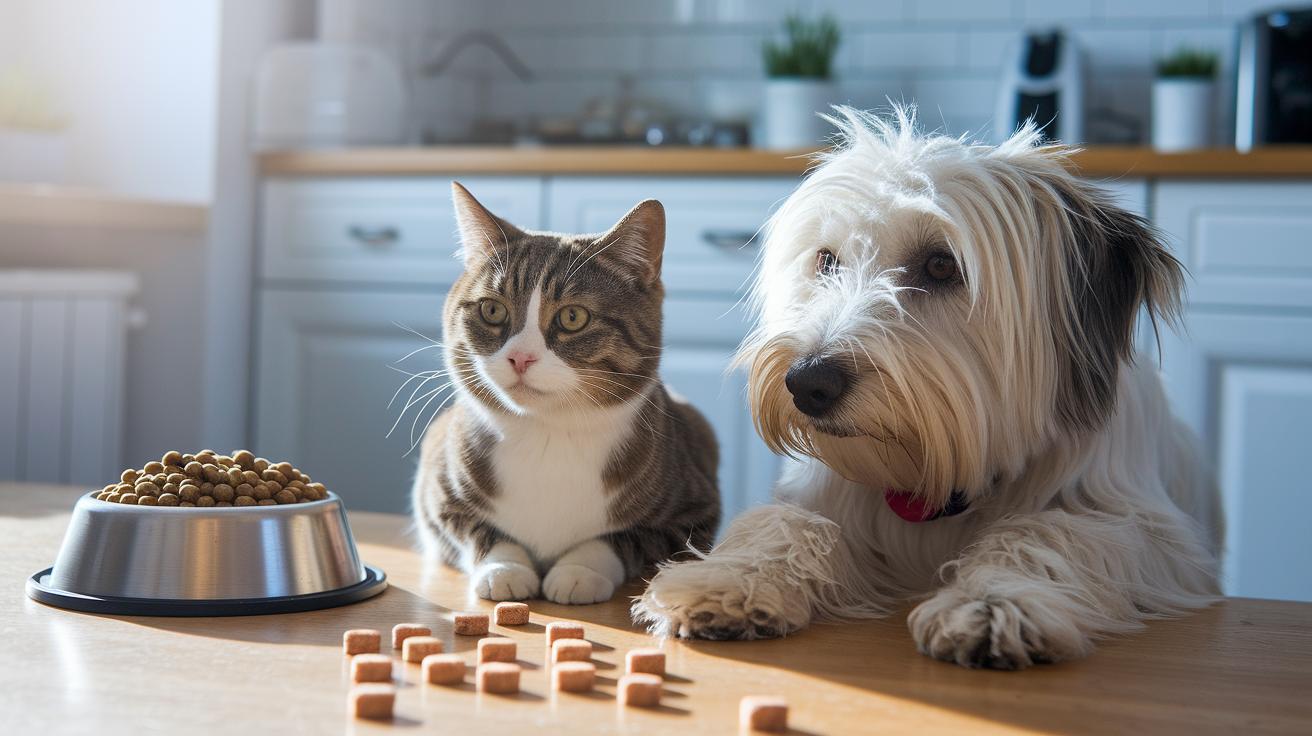
When picking treats for your pet, think about their overall health. For example, cats need more than just dry snacks, they also need wet food to stay properly hydrated. And really, all pets do better when you mix in a balanced diet along with those yummy treats.
Cut treats into tiny, bite-sized pieces to avoid any choking risks. It’s best to give your pet a small treat right after you click or call them, so the treat reinforces their good behavior without any worry. Always try to choose treats that are low in calories, and if you can, pick organic or grain-free ones for that extra boost of care.
It’s also a great idea to check with your vet for treats that are safe, especially if your pet has allergies or special dietary needs. Simple steps like these help keep training sessions fun and safe:
- Using vet-approved nibbles
- Offering hypoallergenic options
- Choosing treats that are allergen-safe
- Serving low-calorie bite options
Taking these steps makes sure your pet stays healthy, happy, and excited for more training sessions.
Timing, Portioning, and Dispensing Treats in Clicker Training
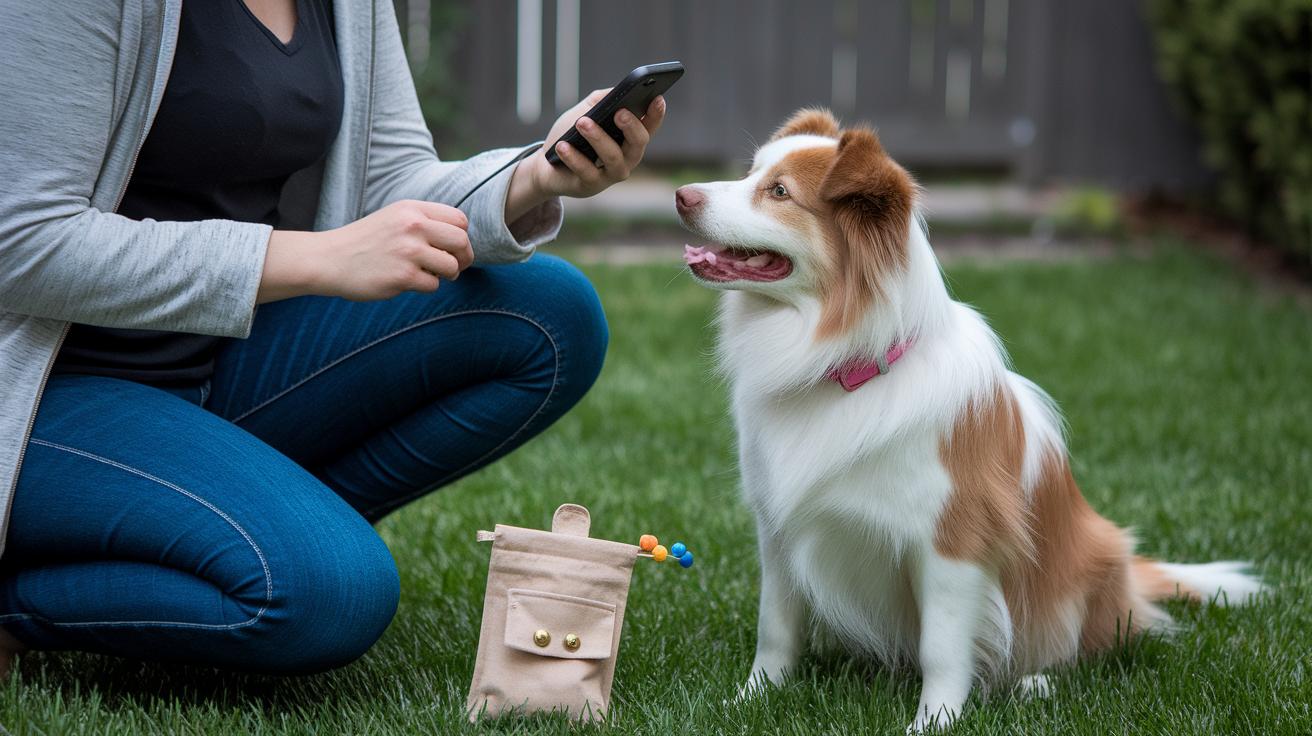
Small treats work wonders in clicker training. They match the quick click and help your pet learn fast. When the treat is too big or hard, your pet might take too long to chew it, which can be confusing. Tiny bits keep the click and treat in perfect sync, just picture a dog grabbing a little piece of kibble right away, keeping that happy energy flowing.
Trainers usually keep a handy treat pouch or portable dispenser close by. These tools lock in the right amount of treats and make them easy to grab exactly when the click sounds. They’re light, secure, and work perfectly for training sessions anywhere.
- Reward Bag Ease: Helps you measure treats just right
- Portable Pouch Perks: Secure and easy to carry on any adventure
- Swift Treat Delivery: Ensures a fast, clear connection between click and treat
Using these simple tools stops delays and helps your pet quickly learn that the click means treat time. It makes training fun, effective, and full of those joyful, tail-wagging moments.
Beyond Edible Rewards: Alternative Incentives for Clicker Training

Moving away from edible treats can add a fun twist to your training routine. Instead of always using food, try using a short burst of play or tossing a favorite toy for a quick round of fetch. Sometimes, just hearing the click sound on its own can brighten your pet’s day and encourage good habits.
Imagine a brief game of tug-of-war or a quick fetch session, that’s one simple way to reward your pet. You could also try a target-stick game where your pet taps the target just for fun. And sometimes, all it takes is the sound of the click to remind your pet that they’ve done something great.
- Brief play sessions: Think of a quick game of tug or fetch that brings a smile to your pet’s face.
- Target-stick games: Let your pet tap a target, sparking a playful moment.
- Interactive toy fetch: A little nudge with a favorite toy keeps training fun.
- Click-only phases: Sometimes that click sound is enough to make your pet happy.
These creative reward ideas mix things up during training. They help build positive behaviors without depending too much on food, keeping your furry friend both mentally and physically refreshed, and adding a lively pace to your training sessions.
Final Words
In the action, this post shared top picks for treats for clicker training. It covered a range of options, from dry treats and moist rewards to DIY recipes and non-food incentives, helping you choose the best bite-sized rewards for your pet.
We compared the pros and cons of different treat types and highlighted safety tips for speedy, effective training. Enjoy these ideas and watch your pet thrive as you celebrate little wins every day.
FAQ
What homemade treats can I use for clicker training?
Homemade treats for clicker training include simple, lean protein snacks made at home. Think dehydrated chicken or fish bites and diced sweet potato pieces that are small, quick to eat, and perfect for reinforcing behavior.
What dog treats work best for clicker training?
Dog treats for clicker training can be bite-sized freeze-dried pieces or soft commercial bites. These treats deliver quick rewards to keep your pup motivated and ready for the next command.
Which natural treats are good for clicker training?
Natural treats for clicker training often include lean meats, fresh vegetable chunks like winter carrots, or soaked beet pulp. They give a healthy boost without extra additives and work well during training.
What treats are recommended for training cats, including low‐calorie options and kitten treats?
Cat treats for clicker training can be small, moist bites such as freeze-dried fish or commercial soft nibbles. These low-calorie treats help cats quickly connect the click with a reward while also suiting kittens.
What training treat pouch works for horses?
For equine clicker training, a treat pouch that holds alfalfa pellets or bite-sized rewards is ideal. It lets trainers quickly deliver treats so horses learn the desired behavior without delay.
How do I teach my cat to associate treats with the training clicker?
When teaching your cat, click just before offering a small treat. Repeating this sequence helps your feline friend learn that the clicking sound always means a tasty reward is coming.
Do trainers use treats with clicker training?
Yes, trainers use treats with clicker training to quickly reinforce positive behavior. Quick, bite-sized rewards help connect the click to a favorable outcome, making the training engaging and effective.