
Ever feel swamped by taking care of a pet with a long-term illness? I know it can get really tough. But a few easy steps can make a huge difference.
Think about it: regular vet visits and a few small daily routines can help keep your pet as comfy as a cozy nook on a chilly day. I remember when my puppy first got sick, those little changes really helped him feel better, and they might work for your furry friend, too.
This guide breaks down what might seem complicated into simple, everyday actions. With these tips, you can support your pet and feel a bit more confident each day.
Building a Comprehensive Plan for Managing Pet Chronic Illnesses
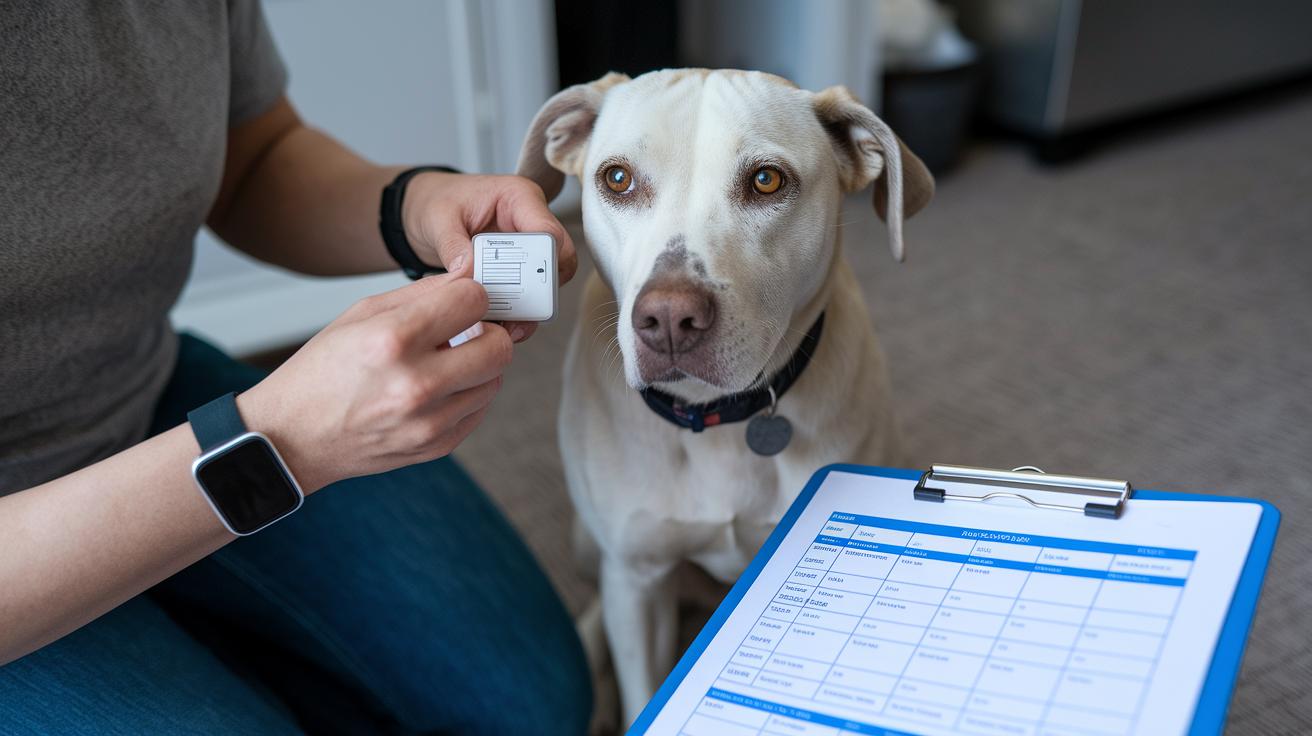
Caring for a pet with a long-lasting illness means gearing up for ongoing care that keeps your furry friend comfy and happy. It’s not a quick fix, just like looking after a dear family member who needs extra daily attention. Every little choice about medications, food, and exercise really counts, even if the changes seem small day-to-day.
Think of your plan as built on four important steps. First, getting a proper diagnosis during routine vet visits helps spot early signs. Next, timely treatment with the right meds and therapies keeps things on track. Then, simple lifestyle tweaks, like better meals or gentle exercises, work to reduce discomfort. Lastly, keeping an eye on changes in behavior or health signals makes sure you’re adjusting the plan to give your pet the best quality of life.
Diagnosing Pet Chronic Illnesses Early

It’s so important to notice even small changes in your pet’s behavior. When you catch these signs early, you can help keep your pet cozy and cheerful. Finding out about issues early stops little problems from growing into bigger worries.
- Feeling unusually tired
- Changes in eating habits or weight
- Breathing problems
- Upset stomach or digestive troubles
- Harder time moving around
- Changes in skin or fur
- Drinking more water than usual
At each regular vet visit, your pet gets a close check-up that might include simple blood tests and pictures (like X-rays, which let the vet see inside your pet’s body). These exams can reveal tiny changes, like slight shifts in lab results or a small difference in blood pressure, that might mean an organ isn’t working right yet. Getting these check-ups at least twice a year not only finds these changes early, but also lets your vet keep track over time. This steady monitoring helps your vet fine-tune treatments and make smart choices to avoid bigger problems. Keeping a good record of how your pet behaves between visits gives you and your vet useful clues to help manage any long-lasting issues.
Medication and Established Treatment Routines for Pet Chronic Illnesses

When your pet has a long-lasting illness, keeping up with a regular medication schedule is super important. Taking medicine on time helps each dose work the way it should and cuts down on unwanted side effects. It’s all about sticking to a routine and chatting with your vet during check-ups, so they can adjust the treatment as needed, just like tuning up a bike for a smoother ride.
| Medication Type | Purpose | Common Side Effects |
|---|---|---|
| NSAIDs | Helps ease arthritis pain | Stomach upset, tiredness |
| Insulin | Helps control diabetes (balances blood sugar) | Low blood sugar, more hunger |
| Phosphate Binders | Helps manage phosphorus in kidney disease | Nausea, constipation |
| Immunotherapy | Helps clear up allergy symptoms | Mild swelling, slight fever |
| ACE Inhibitors | Keeps heart function in check | Cough, low blood pressure |
It’s a good idea to keep a close eye on your furry friend after starting any new medicine. Look for small changes like shifts in energy, appetite, or behavior that might hint at a need to tweak the dose. When you notice something off, chat with your vet right away. Regular lab work and check-ups help confirm that the current doses are the best fit, keeping the medicine both safe and effective. This ongoing teamwork with your vet makes sure your pet’s care plan adapts as they grow and change.
Nutrition Optimization for Long-Term Disease Management in Pets

When your pet faces a long-term health challenge, a good diet makes all the difference. The right food can slow down the disease while making your pet feel more comfortable each day.
- A diet low in protein and phosphorus works wonders for pets with kidney troubles.
- Foods rich in antioxidants, like blueberries and spinach, boost your pet’s natural defenses (the body’s way of fighting off illness) and might even help in cancer support.
- Low-fat meals help manage weight, which is key for pets who tend to gain extra fat.
- Omega-3 fatty acids (fats that help reduce swelling) can ease inflammation and keep your pet's joints feeling smooth.
- Dental chews act like little toothbrushes, breaking up plaque to keep your pet's mouth clean.
- Plant-based joint supplements offer natural ingredients to ease stiffness and support smooth movement.
Teaming up with a veterinary nutritionist makes planning meals so much easier. They look at your pet’s unique needs and balance calorie intake with essential nutrients. You’ll get tips on preparing meals at home using fresh ingredients, like simple recipes that are gentle on the kidneys or boost antioxidants from fruits and veggies. Regular check-ins with your vet let you adjust the diet as your pet’s condition changes. This partnership not only makes mealtime more fun for your furry friend but also plays a big part in managing their chronic illness effectively.
Lifestyle Modifications and Exercise for Ongoing Condition Control in Pets

Custom exercise routines can really brighten your pet's day. When your pet’s health needs extra care, small changes to everyday habits can boost movement and ease aches. Try a short leash walk or a gentle session on an underwater treadmill (a pet-friendly machine that helps with movement) to support smooth, pain-free actions. Paired with a balanced diet, these routines can help keep your pet at a healthy weight and reduce joint strain. A steady routine like this not only builds physical strength but also offers mental comfort and stability. Start with a simple, gentle walk around the block, sometimes a brief stroll can lift your pet’s mood and energy.
Gentle, low-impact exercises are perfect for keeping your furry friend active without overdoing it. Activities like sit-to-stand moves or a calm version of fetch can build muscle tone at a gentle pace. You might even make small changes at home, such as adding non-slip floors or secure carpets, to lower the risk of falls and injuries. Rearranging a few pieces of furniture can create safe, clear paths for movement. These little steps work together to make your home a pet-friendly haven that encourages movement and eases discomfort every day.
Monitoring and Tracking Chronic Symptoms in Pet Chronic Illness Management

Keeping a daily log of your pet's habits is like jotting down a little diary. It helps you catch small shifts early, almost like watching the soft purr of your cat or the excited wiggle of your pup as they greet you. Every little detail matters, what they eat, how much water they drink, when they visit the bathroom, and how playful or quiet they feel.
Take a moment every day to note changes in their mood or behavior. Then, once a week, check their weight to spot any trends that might slip by unnoticed. Some pet parents use a digital spreadsheet, while others still prefer a trusty paper journal. It’s all about finding what works best for you and your furry friend.
Sharing this diary with your vet makes your visits much more helpful. Your pet’s daily notes and weekly weight readings can guide your vet in tweaking treatments and managing chronic symptoms even better. It’s like having a heart-to-heart about your pet’s health, making sure they get the best care possible.
Leveraging Technology and Veterinary Partnerships for How to Manage Pet Chronic Illnesses

New tech tools and telehealth services have really made pet care easier. Digital radiology (taking detailed pictures of the inside of your pet) and ultrasound let vets see inside your pet’s body early on. And with telemedicine, you can chat with a vet from your living room. These tools work together to spot early signs and adjust treatments quickly. It means expert advice for your furry friend is always close by, regardless of time or place.
Mobile apps and online patient portals also help you handle chronic illnesses smoothly. Many of these apps offer friendly reminders for medication, let you track symptoms, and even allow remote check-ins with your vet. Over time, using these apps builds a cool record of your pet's daily habits and mood. Think of it as a personal diary that you and your vet review together to catch any changes. Scheduling lab work and imaging appointments becomes a snap, and notifications keep you on track with follow-ups.
Before you visit your vet, jot down any concerns or changes in a quick symptom list. This simple record helps your vet ask the right questions so nothing gets missed. Keeping regular appointment dates on your calendar makes check-ups easier. Both you and your vet stay in tune with your pet’s long-term care.
Managing Costs and Resources in Enduring Animal Condition Care

Many pet parents know that taking care of a pet with a chronic condition can lead to regular monthly expenses. For example, you might spend about $50 to $100 a month on a special diet that keeps your pet healthy. Medications (the drugs your pet takes to feel better) can cost around $30 to $80 monthly, and therapy sessions might run between $40 and $60. A clear budget helps you manage these costs over time.
There are ways to ease this financial load. Many clinics offer payment plans, so you can split up your costs. Charities and non-profit programs sometimes help cover treatments, too. Plus, chatting with local pet groups or browsing online forums can give you fresh ideas for DIY diets or supplement deals.
Keeping a close eye on your spending is really important. Check your monthly expenses and review your services each year. This way, you ensure your pet gets the best care without breaking your budget.
End-of-Life Care Considerations for Pet Chronic Illnesses

Veterinary partners can visit your home to offer gentle hospice and palliative support for your pet. Hospice care creates a warm, calm setting where your pet can feel safe and cared for in their final days. Palliative care focuses on easing pain and discomfort with simple pain-management routines, so your companion feels less stress.
In these precious months, make your home a peaceful haven for your pet. Try using soft bedding and quiet spots filled with familiar scents to help keep stress at bay. A relaxed place with dim lights and a steady routine can really help. And simple things like warm, easy-to-digest meals or a gentle massage now and then can brighten their day.
It’s also important to care for yourself. Take short breaks when you can, and lean on local support groups or friends who understand what you’re going through. Sharing your feelings can lighten your load a bit, so you can continue to care for your beloved friend.
Final Words
In the action, we explored how a structured plan can help pets live better with chronic illnesses. We talked about spotting early signs, setting up treatment routines, fine-tuning diets, and adapting exercise and lifestyle for comfort. We even covered ways to track symptoms and use technology to keep pace with your pet’s needs. Every bit of effort adds up to more joyful moments with your furry companion. Here’s to healthier, happier days and knowing exactly how to manage pet chronic illnesses.