
Ever wonder if your dog's food really gives them what they need? Even tiny changes in ingredients can make a big difference in their health.
In this chat, I'll show you simple steps to pick a meal that grows with your pet, from those playful puppy days to their cozy adult years. You'll get a clear guide on what hints to look for on labels (like calorie counts, which give you an idea of the energy in the food) and key nutritional facts to check. Small tweaks in your dog's bowl can mean big bursts of energy and a happier, healthier companion.
5-Step Guide to How to Select Dog Food

Choosing the right food for your dog doesn't have to be hard. When you break it down step by step, you can feel sure about what you’re giving your furry friend. Each tip here is designed to help you pick a food that matches your dog's age, breed, size, energy, and any health issues they might have.
- First, get to know your dog a little better, think about their age, breed, weight, how active they are, and any special health needs they have.
- Next, take a close look at the ingredient list. Look for high-quality animal proteins and whole foods. Remember, the ingredients are shown in order, from the most to the least present.
- Then, check for the AAFCO "complete and balanced" label. This stamp means that the food meets important nutritional standards set by experts (rules to ensure your pet gets all needed nutrients).
- After that, compare the certified amounts of protein, fat, fiber, and calories. This helps you decide if the food fits your dog’s energy requirements and specific health goals.
- Finally, have a chat with your veterinarian before you switch diets. A vet's advice can help make sure you’re doing what’s best for your pup, especially if they have allergies or other concerns.
Each step leads you closer to finding the perfect meal that keeps your dog happy and healthy. Ever notice how a simple change in diet can brighten your pet’s day? Enjoy watching your companion thrive with each bite!
Life Stage Nutrition for Choosing Dog Food

Puppy formulas are made to help little dogs grow fast and strong. They pack in extra protein and key nutrients like DHA (which helps with brain and eye growth) so your puppy can thrive. Think of it like a burst of sunshine on a cloudy day, giving your playful pup the energy to explore and learn.
Adult dog food is all about keeping energy levels steady and muscles toned. It has just the right mix of protein, fats, and carbohydrates, similar to enjoying a well-balanced meal that fuels your day without making you feel weighed down. It’s like having a satisfying snack that keeps you going strong.
Senior formulas are made with gentle care for older dogs. These foods support aging joints and help keep calories in check, often including helpful ingredients like glucosamine (which supports joint health) and antioxidants to ease mild stiffness. Imagine it as a light meal that still comforts and nourishes your loyal companion, just like a calm afternoon nap that brings peace to your heart.
Breed and Size Specifics in Selecting Dog Food

Picking the right food for your dog depends on their breed and size. When you understand these differences, you can choose a meal plan that helps your furry friend grow, stay lively, and feel their best.
Small Breed Requirements
For small dogs under 30 lb, every bite really counts. These pups need calorie-rich meals packed with nutrients because their fast metabolism burns energy quickly. Plus, small kibble makes it easier for them to chew, like giving a tiny engine the perfect fuel to run smoothly.
Medium Breed Requirements
Dogs weighing between 30–70 lb do well with well-balanced meals. They enjoy a plate that mixes the right proteins, fats, and carbs to support steady growth and keeps their joints feeling good. It’s like creating a balanced meal plan that keeps all parts of their body happy as they play and explore.
Large Breed Requirements
For larger dogs over 70 lb, controlling calories is key while still giving enough energy to keep them active. They usually need food with added glucosamine (a supplement that helps keep joints comfortable) and a careful mix of calcium and phosphorus for strong bones. This helps even the most energetic big dog get the support they need without extra calories.
How to Select Dog Food by Reading Labels and AAFCO Standards

Reading a dog food label is a bit like diving into a story about your pet’s well-being. The product name gives you a quick hint about the main ingredient. For instance, if the label just says "Beef," it usually means the food consists of at least 70% beef. But if you see "Beef Dinner," there’s likely much less beef in the mix.
Check out the ingredient list too, it’s arranged from the heaviest ingredient to the lightest. This order helps you figure out whether you’re getting real meat and whole foods or a bunch of fillers. The guaranteed analysis then shows you numbers for protein, fat, fiber, and moisture. This makes it easy to compare what different brands offer.
The FDA requires that dog food packages include eight key pieces of information. These details cover the ingredient list, a statement about nutritional adequacy, and feeding guidelines, among other things. When you go through the label, you quickly learn not only what’s in the food but also if it meets AAFCO standards (AAFCO is the group that sets the guidelines for pet nutrition). Look for words like "complete & balanced" to know that your dog’s getting the right mix of nutrients. And yes, keep an eye out for any artificial colors, flavors, or preservatives.
Taking a few moments to understand these details can really help you choose the best food for your beloved dog.
| Label Component | What It Means | How to Use |
|---|---|---|
| Product Name | Shows the percent of the main ingredient | Select “Chicken” rather than “Chicken Flavor” |
| Ingredient List | Listed in descending order by weight | Look for real meat and whole foods |
| Guaranteed Analysis | Details protein, fat, fiber, and moisture levels | Compare these numbers across different brands |
| Nutritional Adequacy Statement | Confirms compliance with AAFCO standards | Ensure you see “complete & balanced” on the label |
| Feeding Guidelines | Offers portion recommendations | Adjust portions based on your dog’s activity level |
How to Select Between Dry, Wet, and Raw Dog Food Options
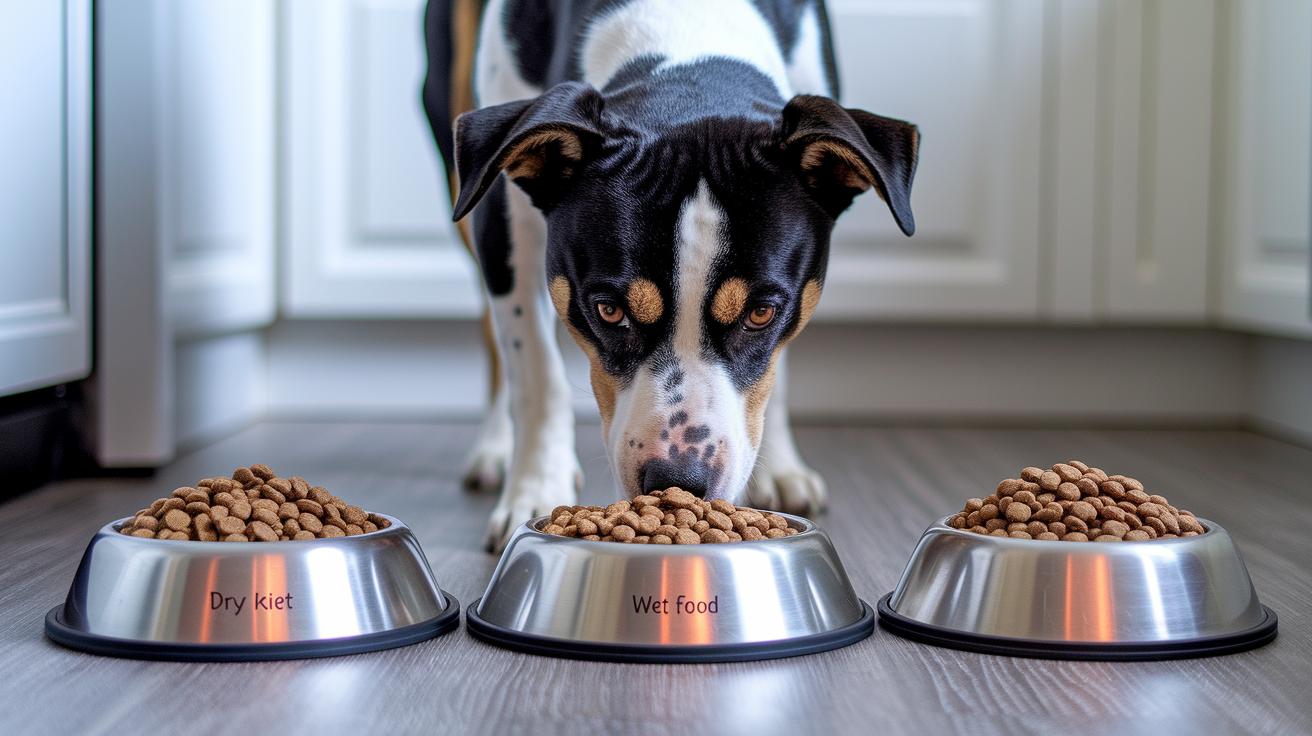
When it comes to feeding your dog, the choice is all about matching the food to your pet's everyday needs. Each type of food has its own charm and special benefits. Sometimes you might consider things like how easy the food is to store, how it feels in your dog's mouth, or if it follows a natural, old-school diet.
Dry Kibble
Dry kibble is a hit with many pet parents because it is both simple and affordable. It stays fresh for longer periods and comes with a well-rounded mix of nutrients. You will often find grain-free options too! It is like serving a neat, everyday meal that reliably fuels your dog, just like a constant, friendly routine.
Wet Food
Wet food brings a little extra moisture and a softer bite which can help dogs with dental issues or older pals who may find it hard to chew. Its rich taste and smooth texture often win over the pickiest of eaters. Imagine a moist dish with a burst of flavor that transforms mealtime into a special little celebration for your furry friend.
Raw Diet
A raw diet leans into a more natural approach by offering uncooked meat, bones, and vegetables that remind you of a dog's wild roots. However, this choice also means you need to handle the food carefully because of a higher bacterial risk. Regular checkups with the veterinarian can help ensure everything stays balanced and safe. It is a fresh, adventurous option that calls for a bit of extra care and attention, much like tending to something delicate and true.
Selecting Allergy-Friendly Options When Choosing Dog Food

If your dog seems uneasy after eating, trying a limited-ingredient or one-protein recipe might help a lot. Fewer ingredients means it's easier to figure out what could be upsetting your furry friend. In truth, by keeping the recipe simple, you steer clear of usual suspects like chicken, beef, wheat, and corn. This way, your pet gets a reliable meal without extras that might irritate a sensitive tummy.
You might also want to look at food that uses proteins your dog hasn’t tried before, think rabbit, venison, duck, salmon, or even kangaroo. These novel options can really lessen the chance of a bad reaction. When you check the label, be sure it lists just one main protein and doesn’t include cheap fillers or harsh additives. For more ideas, you can read up on dog food designed for allergies at this link: https://bonsiaai.com?p=500.
Consulting Vet for Final Dog Food Selection

Working with your vet is really important when you decide on your dog's new food. They know your pet best and can spot any allergies, weight problems, or joint issues quickly. It’s like having a trusted friend guide you through every step. So, when you decide to change your dog's diet, your vet will advise you to do it slowly over 7–10 days. Think of it like gradually adding a new spice to a favorite meal, this way, you can notice if your dog’s energy, body shape, or even the little details like stool quality change. Keep an eye on your furry friend each day to see if anything seems off.
If a homemade diet is more your style, don’t hesitate to ask your vet for a trusted recipe. You might even want to check in with a pet nutrition center for extra tips and support. For example, you could look up a vet-approved homemade dog food recipe or visit a pet nutrition center online.
And remember, regular checkups during this transition help you stay on top of your pet’s progress, ensuring they stay happy and healthy.
Final Words
In the action, this guide broke down everything from profiling your dog to understanding AAFCO labels. It explained how life stages, breed, and size influence food needs and compared different formats like dry, wet, or raw. The steps woven together show how checking ingredients and consulting experts can support pet health. Each tip helps bring clarity and care to every feeding decision. Remember, using these insights on how to select dog food makes feeding time a thoughtful, positive experience.
FAQ
How do Reddit discussions and quizzes help select dog food?
Reddit discussions and quizzes offer real owner experiences and quick assessments. They can provide simple tips and interactive guides to help you pick the best food for your dog.
How can I tell which dog food brands to avoid?
Dog food brands to avoid often contain low-quality ingredients, fillers, or artificial additives. Look for products that meet nutritional standards and list real meat and whole foods first.
What defines the best dry dog food?
The best dry dog food meets AAFCO standards, contains high-quality proteins and fats, and suits your dog’s age, breed, and activity level while offering a convenient, shelf-stable option.
How are AAFCO, vet, and WSAVA approved dog foods identified?
Dog foods with labels stating AAFCO “complete and balanced,” vet recommendations, or WSAVA approval show they meet established nutrient profiles and are vetted for safety and quality.
What is Royal Canin Dog Food?
Royal Canin Dog Food is a commercial brand known for its formulas designed for specific sizes, breeds, and life stages, aiming to support your dog’s health with targeted nutrition.
What does the 80 10 10 rule for dog food mean?
The 80 10 10 rule means a raw diet formula consisting of 80% lean meat, 10% bone, and 10% organ meats to offer a balanced approach to natural feeding.
How do I figure out what to feed my dog?
Figuring out what to feed your dog involves evaluating age, breed, weight, and activity level. Check ingredient lists, nutrient ratios, and consult with a veterinarian for personalized advice.
Is 30% protein too high, and what is the 95 rule in dog food?
A diet with 30% protein can work for active or growing dogs, while the 95 rule refers to a stricter nutrient guideline in some formulas. Protein needs vary by age, breed, and activity level.