
Have you ever seen how a quiet indoor pet relaxes all day, while an outdoor pet bursts with energy, exploring every corner? Indoor pets burn fewer calories (the energy your pet gets from food) because they spend most of their days calmly resting. But pets that love the outdoors use up more energy as they run, jump, and play.
So, it makes sense to feed them differently. For indoor pets, a meal that matches their relaxed routine is perfect. And for outdoor pets, a diet that fuels their adventures is key.
Keep reading to see which meal plan will help your furry friend feel their best every day!
Comparing Nutritional Needs of Indoor vs Outdoor Pets

Indoor pets enjoy calm spaces and gentle routines. They don’t run around much, so they use less energy and need fewer calories (the energy your pet gets from food). For example, a quiet indoor cat or dog might eat less to stay trim. Imagine a soft purr while napping, steady and relaxed.
Outdoor pets, on the other hand, are full of energy. They often wander long distances, sometimes even 9 km in a day, and burn lots of calories. This extra movement means they need more food packed with extra protein and fat (nutrients that help build muscles and give energy). Ever notice how a playful dog seems to bounce with joy? That’s the energy of outdoor life.
When it comes to food, indoor diets aim for lower calories with a boost of fiber for smooth digestion. They usually provide just the right amount of protein to keep muscles strong without piling on extra fat. Outdoor pet food, however, ramps up the protein and fat to fuel their busy days. These choices help active outdoor pets stay strong while keeping indoor ones healthy and cozy. Sometimes, indoor cat food even comes in a lower-calorie, high-fiber option, like the one from Hill's Pet Nutrition Cat Food (click to check it out).
Both types of pet diets are made to suit different tastes and habits. Wet food gives extra moisture and is easier on older pets’ teeth, while dry food is handy and keeps feeding mess to a minimum. And complete formulas mean your pet gets balanced nutrition in every bite. Whether your pet lounges indoors or explores the outdoors, there’s a perfect meal plan to keep their tail wagging.
Macronutrient Differences in Indoor and Outdoor Pet Diets

Protein is the foundation for strong muscles, much like the way your pet’s favorite toy encourages playful energy. Recent studies show that indoor pets do just fine with a moderate amount of protein, while those who enjoy the great outdoors benefit from extra protein to help repair muscles after all that frolicking. One study with active dogs even found that a little protein boost made their muscles recover faster, proving protein isn’t just about building muscle, it’s about keeping those muscles resilient.
Fat is another important nutrient that acts like a concentrated energy booster and helps keep your pet’s coat shiny and joints strong. Outdoor pets often thrive on meals with a bit more fat, especially when it includes healthy Omega-3 fatty acids (these fats help with energy and overall well-being). A little tip from pet owners: a splash of fish oil can really enhance a pet’s coat and boost their energy, while indoor pets usually do well with a leaner meal to match their less active style.
Carbohydrates and fiber provide a steady burst of energy and help ensure smooth digestion. Indoor pets, in particular, benefit from a bit of extra fiber, which can help them feel full and maintain a healthy weight. Research shows that even a small switch in carbohydrate sources, like adding whole grains, can even out energy levels and improve digestion. So, consider tweaking their diet by increasing soluble fiber by about 10% to keep those tummies cheerful.
Functional Supplements for Indoor vs Outdoor Pets
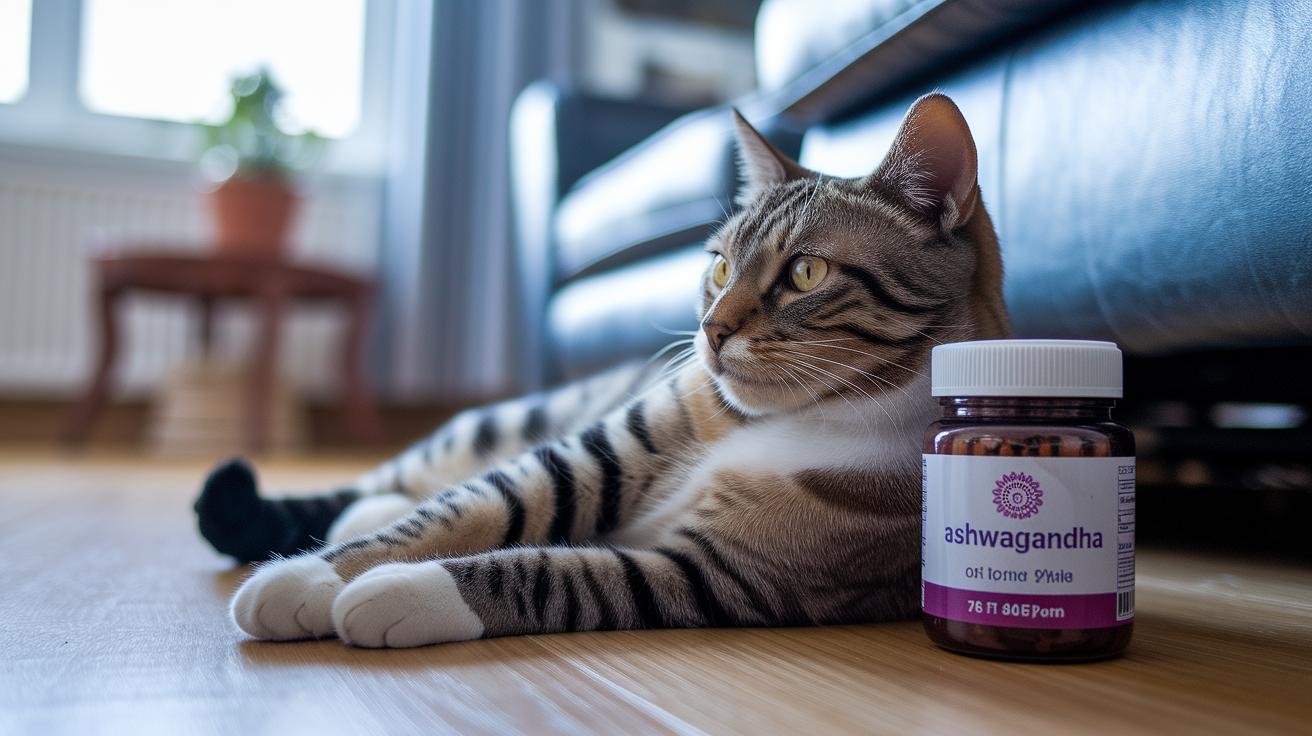
When it comes to your pet's well-being, choosing the right supplements can make a big difference. These special add-ons are picked to match your pet's daily life. For example, indoor pets sometimes feel a bit stressed or anxious. A little ashwagandha (a natural herb that helps ease stress) can work like a gentle, calming hug.
Outdoor pets, on the other hand, deal with more challenges from nature. Reishi mushrooms (a type of mushroom known to give an immune boost) can be a smart choice for them. Sea buckthorn oil is also great, it helps keep skin, fur, and even eyes in tip-top shape and mixes easily with wet food. Vitamin B6 is another helper; it supports the creation of red blood cells and brain chemicals (messy terms made simple!) and is usually found in protein treats like poultry, fish, and eggs. One pet owner even said, "A dash of ashwagandha made my indoor cat more relaxed during stormy nights." That's a pretty cool tip, right?
| Supplement | Benefit | Pet Type |
|---|---|---|
| Ashwagandha | Helps reduce stress | Indoor |
| Reishi Mushrooms | Boosts immune support | Outdoor |
| Sea Buckthorn Oil | Enhances skin, fur, & eye health | Both |
| Vitamin B6 | Supports red blood cell and brain chemical production | Both |
And remember, always check with your vet before adding any new supplements. This way, you can be sure that they fit perfectly into your pet’s balanced meal plan while keeping them happy and healthy.
Building Custom Meal Plans for Indoor and Outdoor Pets
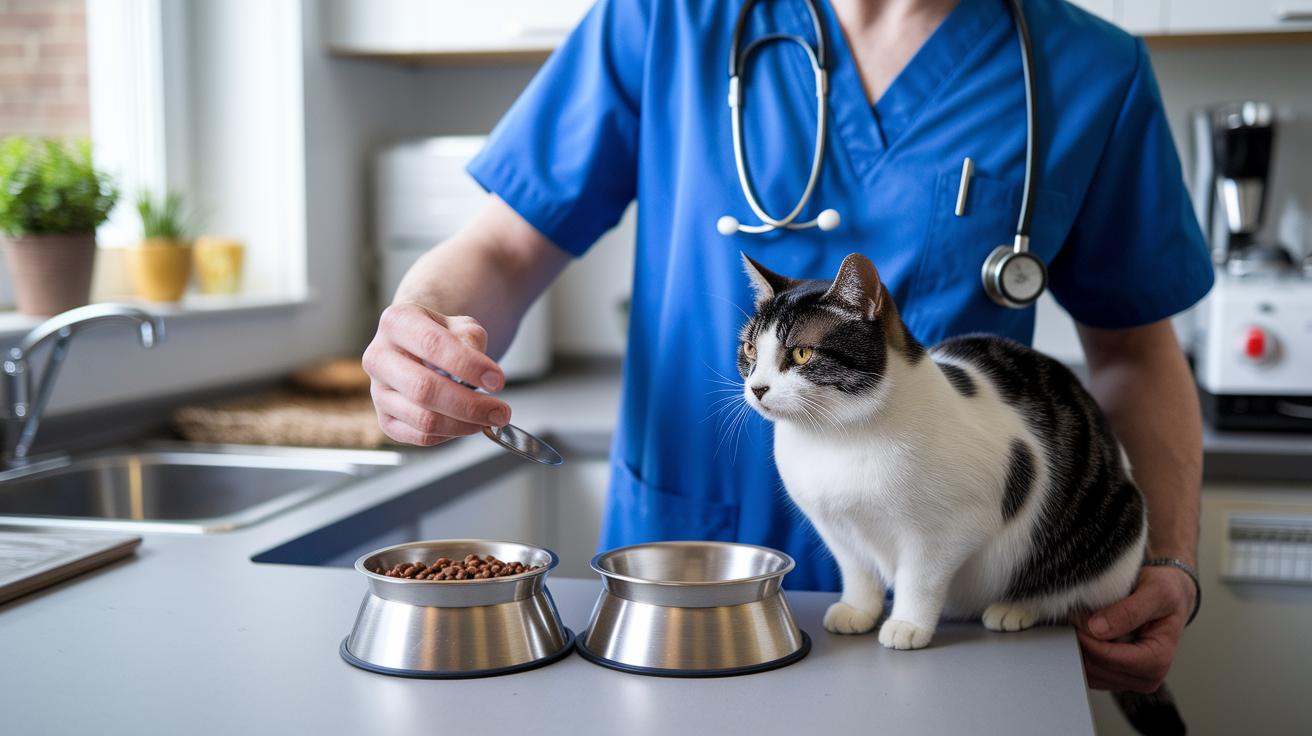
Start by picking nutrient-rich core ingredients. Think of recipes lovingly crafted by vets and pet nutrition experts. These meals use high-quality meats and veggies that supply solid protein, key vitamins, and minerals your pet needs. For example, choices like Beef Up for Cats or Chicken & Fish Delight are designed to work well for both cats and dogs. Every bite gives your pet the natural goodness they need to build strong muscles and keep their bellies happy.
Next, figure out the right portion sizes based on where your pet lives. Indoor pets do best with meals served in a calm space, so they eat slowly and peacefully. Smaller, measured portions help them stay at a healthy weight, since they’re not as active. Meanwhile, outdoor pets might find little snacks on their adventures, so it’s smart to serve slightly larger meals during main feeding times. This way, you balance out those extra nibbles and supply just the right amount of energy.
Finally, add in tasty treats and switch up recipes to keep mealtime exciting. Mixing in a variety of ready-made options like Cheeky Chicken & Salmon or Lamb & Beef Bonanza makes each meal feel like a special treat. Changing up the recipes not only keeps things fun but also supports your pet’s overall well-being, making every bite a joyful experience.
Monitoring, Hydration, and Adjustments in Pet Diets
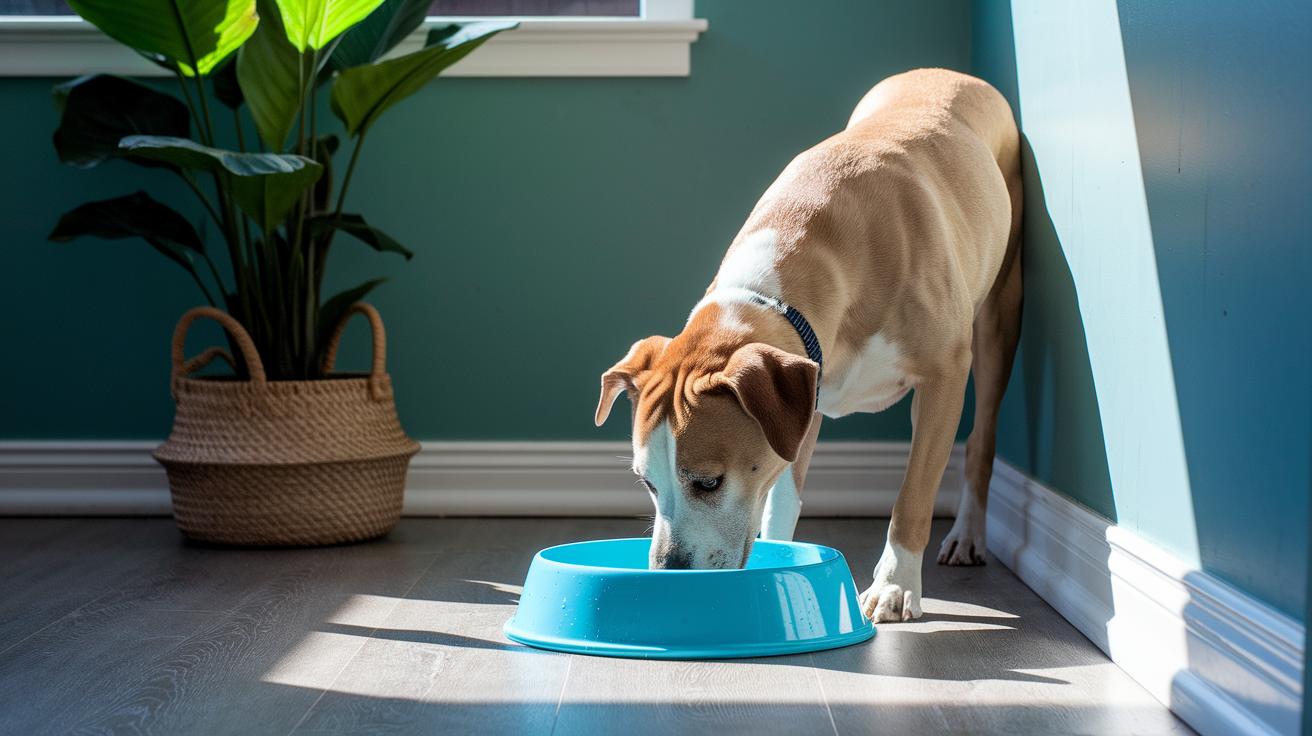
Keeping your pet well-hydrated is essential. Fresh, clean water is a must for every pet. For indoor animals, it helps to place their water bowl in a quiet corner where nothing disrupts their sip. Outdoor pets might find water in nature, but it's still a good idea to offer them a bowl of fresh water so they always have a safe spot to drink. I once checked my pet’s bowl before an afternoon walk, and it made a big difference.
Feeding times are just as important. Indoor pets do best with regular meal routines in a calm setting. This routine helps them avoid overeating. For outdoor pets that might nibble on random treats here and there, having a set schedule lets you keep an eye on how many calories (the energy your pet gets from food) they’re getting.
It’s also smart to check your pet’s weight and overall body shape every month. These little measurements help spot any changes early on. When you switch up their diet, try to do it gradually over a week or two. This slow change gives your pet’s tummy time to adjust. If you notice changes in your pet’s weight or energy, you might want to call your vet. They can suggest small tweaks to things like calorie amounts or nutrient ratios that suit your pet’s age, size, and activity level, making sure both indoor and outdoor pets stay happy and healthy.
Final Words
In the action, we explored how indoor and outdoor pets need different calorie levels, protein, fat, and fiber to keep them healthy. We broke down nutrient ratios, supplement benefits, and meal planning tips to highlight key differences. Each pet’s activity level shapes what works best. Always follow the recommended pet diet for indoor vs outdoor pets to keep your furry companion lively and content.