
Ever wonder if a little change in your pet’s food could help settle an upset tummy? Research shows that a happy belly can lift your pet’s mood and even help its immune system (the natural defense that fights off sickness). A mix of lean proteins and fresh veggies might be just the trick for easing discomfort and boosting digestion.
Our guide shares proven tips that turn meal times into fun, nourishing moments. Think of it as giving your furry friend a way to feel better from the inside out. It's like a little boost of love in every bite!
Core Diet Strategies for Digestive Health Improvement in Pets
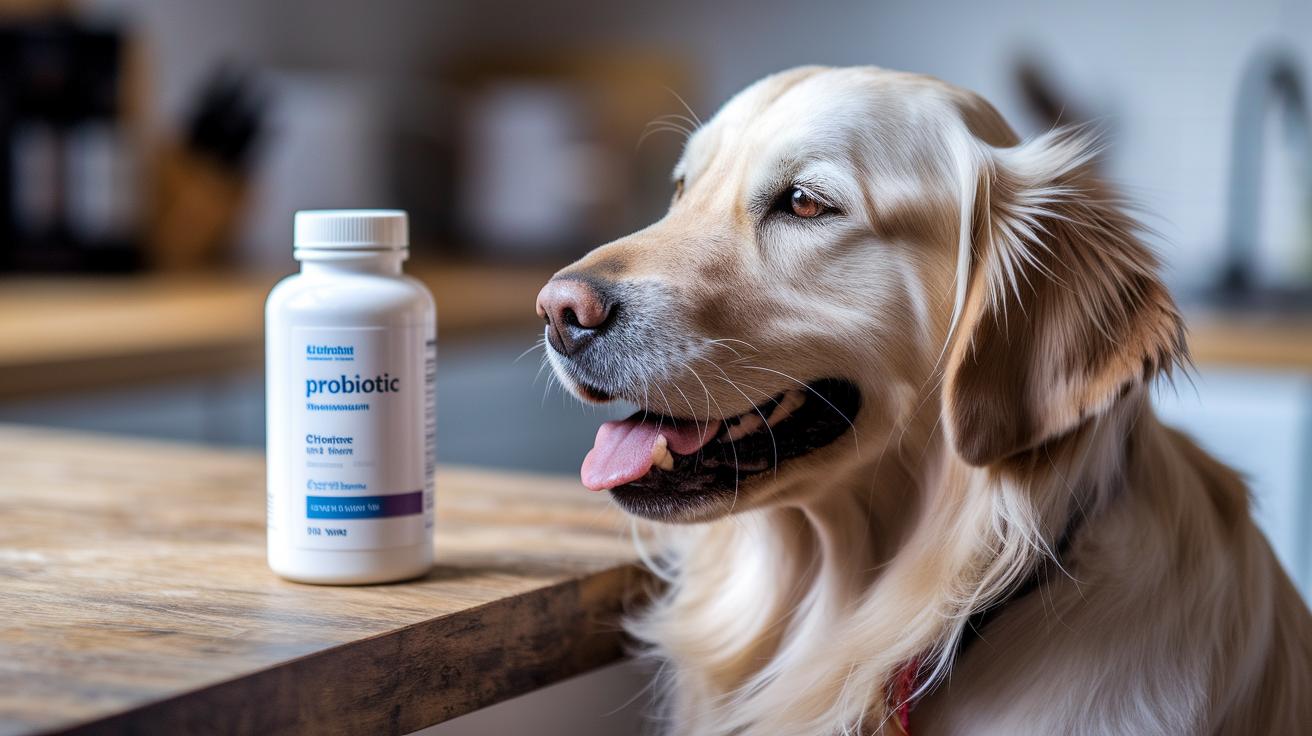
A happy gut makes for a happy pet. When your pet’s tummy works well, it digests food better and soaks up nutrients with ease. Did you know that about 70% of your pet's immune system lives in their stomach? This means keeping their gut in tip-top shape can help prevent tummy troubles and pesky infections. It’s like giving your furry buddy a little boost from the inside out. You can check out more details in the Pet Nutrition Guide (https://goodkaws.com?p=1059).
Sometimes, signs like diarrhea, vomiting, gas, or even bloating might suggest that your pet needs a bit more digestive love. Ever noticed a pup with a droopy tail or a cat turning its head away from food? Those are clear hints that their diet might need a tweak. Nipping these issues in the bud with small changes can save your pet some discomfort later on.
Keeping meal times regular and watching portions helps set your pet up for a smooth digestive day. Think of it like a gentle routine, imagine offering 1 ounce of water per pound of body weight every day. This simple trick not only keeps your pet hydrated but also helps move nutrients along nicely. Mixing in a few lean proteins or high-quality ingredients with balanced portions can feel a lot like giving your pet a mini celebration each day. Adjusting meal times and serving sizes can be a fun experiment that makes a real difference in your pet’s digestive health.
Ingredient Selection and Homemade Pet Diet Recipes for Digestive Health Improvement
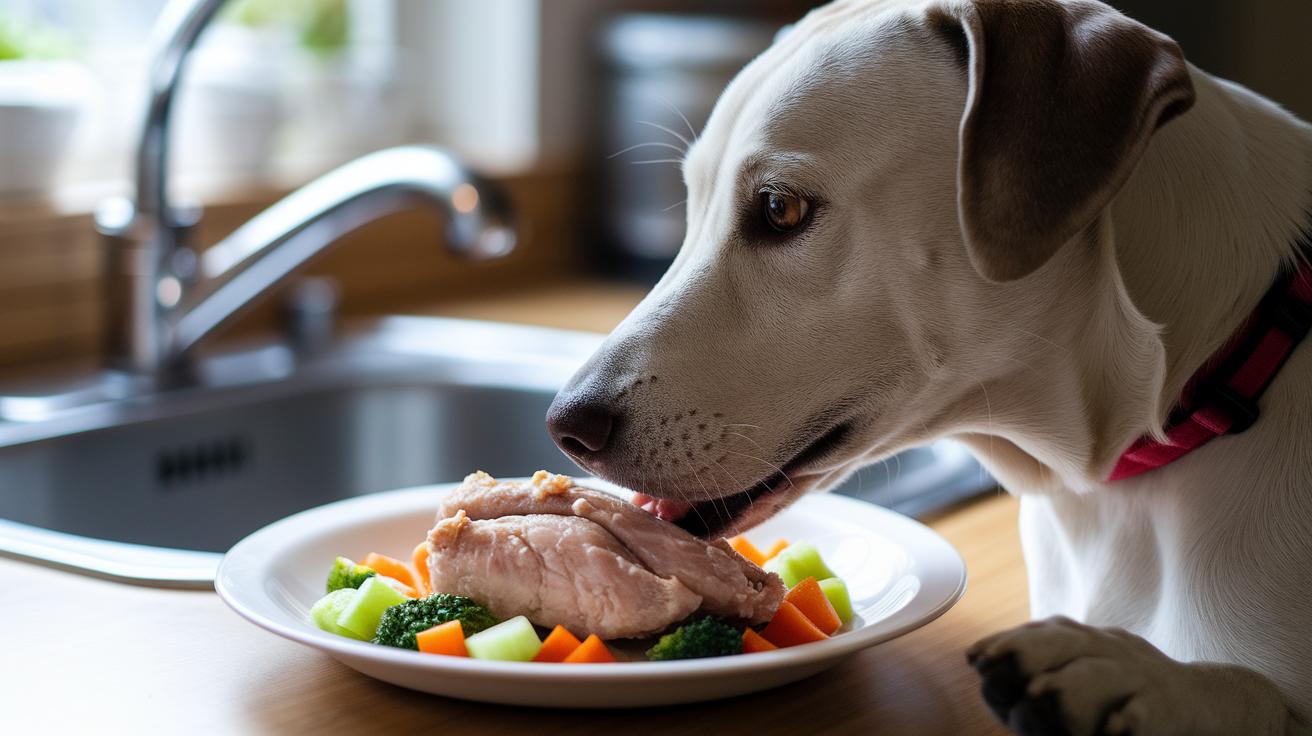
When it comes to making your pet's tummy happy, choosing the right foods is key. Lean proteins like chicken, turkey, and fish are gentle on your furry friend's stomach and pack the amino acids (the building blocks that help muscles grow) they need. Picture a simple meal: warm, steamed chicken mixed with crisp, fresh veggies. It's as comforting as a calm, sunny afternoon.
Veggies and fruits such as pumpkin, sweet potatoes, carrots, apples, and bananas add a natural dose of fiber to keep things moving along inside your pet. These foods also feed the good bacteria (tiny helpers in the gut) that keep the digestive system running smoothly. Whole grains like brown rice, oats, and barley supply steady energy and further support digestion thanks to their fiber content. When you blend these ingredients well, you end up with a meal that nourishes your dog or cat while keeping those food sensitivities in check.
Making home-cooked pet meals can be a fun little adventure in your kitchen. Check out Vet Approved Homemade Dog Food Recipes (https://bonsiaai.com?p=139) to get some friendly advice on using fresh ingredients that support gut health.
| Ingredient | Digestive Benefit | Suggested Portion |
|---|---|---|
| Chicken | Offers lean protein that’s easy on the stomach | 25-30% |
| Pumpkin | Provides fiber and natural prebiotics | 10-15% |
| Sweet Potatoes | Gives gentle carbohydrates and a fiber boost | 10-15% |
| Brown Rice | Supplies steady energy with dietary fiber | 20-25% |
| Carrots | Adds crunch along with prebiotic benefits | 5-10% |
| Apples | Brings antioxidants and fiber to the mix | 5-10% |
Remember, every pet is unique. You might need to tweak the portions a bit, smaller breeds could benefit from slightly less high-fiber veggies, and larger pets might enjoy a bit more protein. Experimenting with different food ratios can brighten your pet’s day and support their digestive comfort.
Supplementation and Gut Flora Support in Pet Diets for Digestive Health Improvement
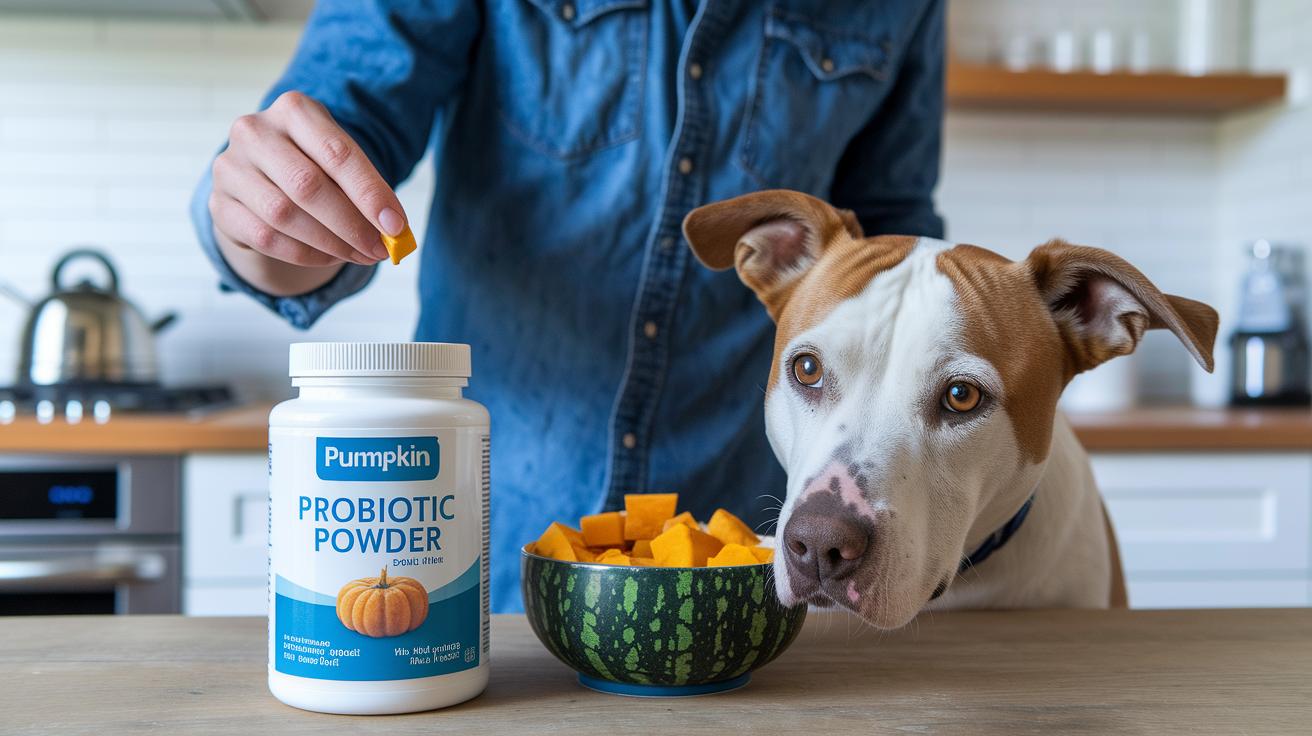
When you add the right supplements to your pet's meals, you might notice a happier tummy. Probiotic supplements bring in friendly, live bacteria (tiny helpers that keep the gut balanced) and can be extra useful after a round of antibiotics. A spoonful of plain yogurt or kefir can work wonders, helping to restore the natural balance of good bacteria.
Next, think about prebiotics. Foods like pumpkin and even a bit of banana offer fibers (like inulin, a natural food source) that nourish the good bugs. It's like giving a tasty treat to the little helpers who break down food and keep your pet's belly content.
Sometimes, pets also need extra help to digest their meals. Digestive enzymes act like small kitchen tools, breaking down proteins, fats, and carbohydrates so that every bite is used properly. They make the whole digestive process smoother and easier on your pet's system.
And then there are omega-3 nutraceuticals. Imagine these as a soothing touch for your pet’s gut, calming any irritation and supporting a healthy gut lining. They can lower inflammation and help the digestive system work at its best.
- Probiotic supplements bring in friendly, live bacteria for a balanced gut.
- Prebiotic foods feed these good bugs so they can thrive.
- Digestive enzymes break down food, making meals easier to digest.
- Omega-3 nutraceuticals soothe the gut and boost overall digestive health.
Monitoring and Adjusting Pet Diet for Digestive Health Improvement with Veterinary Guidance
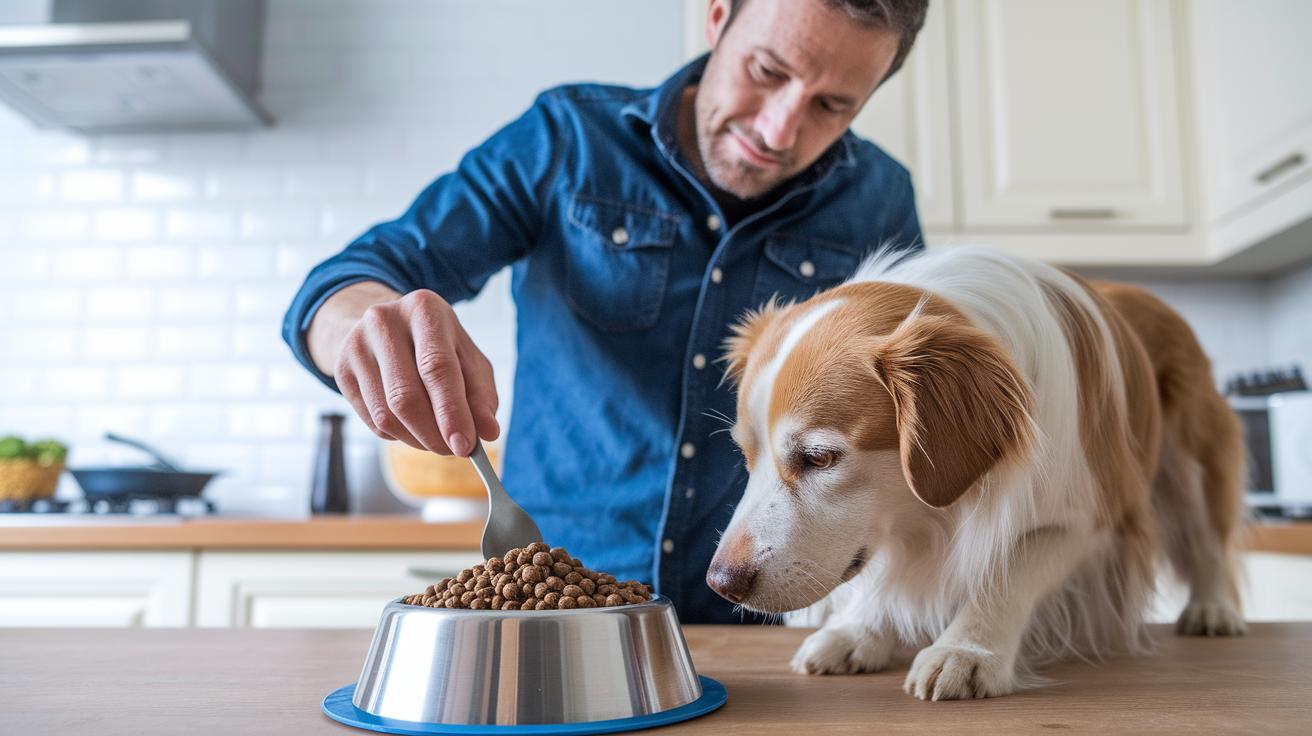
Begin slowly. When you add a new food, mix just a little at first, start with 10% new food and gradually work up to all new food over about a week to 10 days. This gentle change helps your pet's tummy adjust without any upset. Keep an eye on your pet's behavior and check if their poop stays firm and regular. When everything looks normal, it's a sign things are going well.
If you’re making changes to store-bought foods, you might want to take a peek at Dog Food for Sensitive Stomach for some extra ideas. It’s also a good plan to note down your pet’s bathroom habits every day. Look out for loose stools or signs of discomfort because these details can show if more tweaks are needed.
Here are some handy tips to fine-tune your pet’s feeding plan:
- Change how often you feed your pet, adjust portions, and even water amounts based on their age, breed, and weight.
- Follow the feeding plan your veterinarian recommends, especially if your pet has ongoing issues.
- Stick with consistent feeding habits to keep your pet’s tummy calm and happy.
And always check with a vet if the tummy troubles continue or if you notice big shifts in your pet’s appetite or poop patterns. Your veterinarian can help you find the best plan to keep your furry friend feeling great.
Customized Pet Diet Plans for Digestive Health Improvement Across Species and Breeds
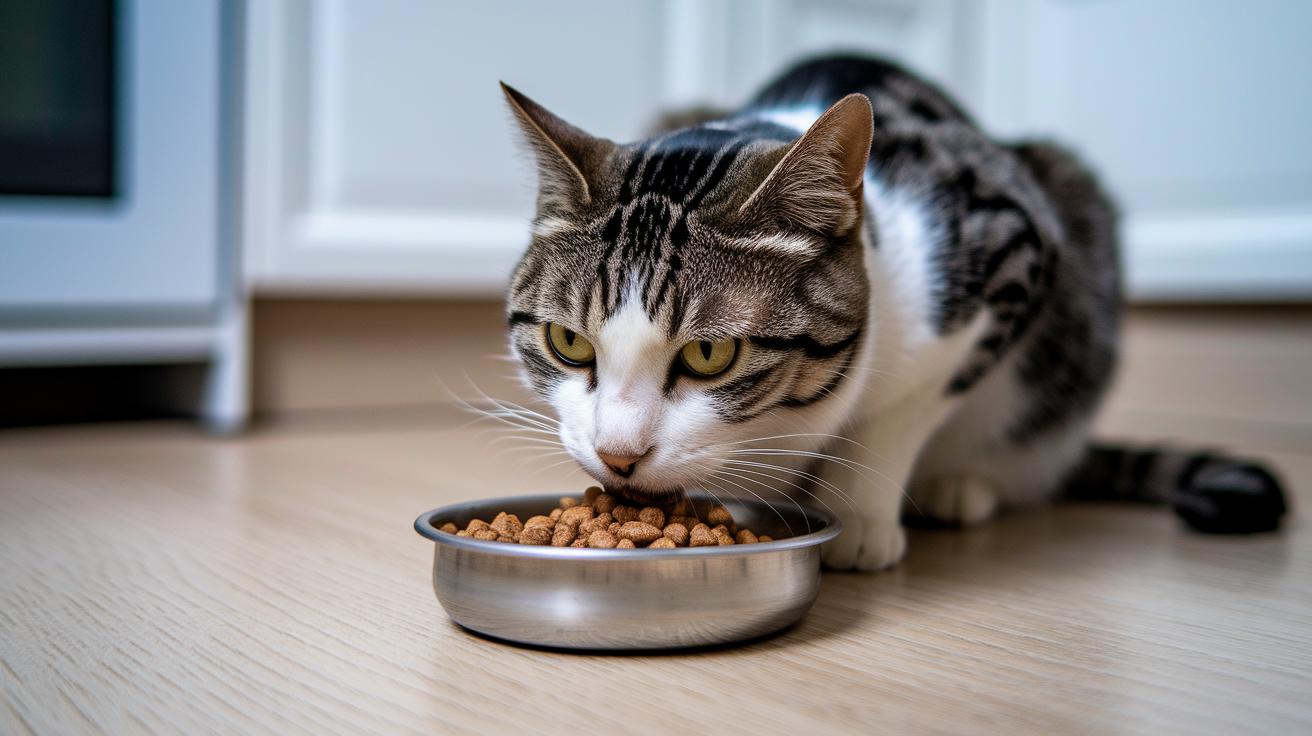
Cats do best with high-protein meals that include plenty of taurine (an essential nutrient for them). They really thrive on formulas that keep grains or gluten to a minimum, making digestion smoother and each bite as comforting as a soft purr.
Small-breed dogs need meals that are easy to chew and gentle on their tummies. Enzyme-rich, small-kibble diets help these little pups digest without a fuss. Plus, serving them small, frequent meals is like giving them little snacks throughout the day, so their tummies never feel overloaded.
Large breeds have their own special needs. They benefit from low-calorie, low-fat diets that reduce the risk of bloat and promote a steady, calm digestive process. For many big dogs, a raw diet with about 70% moisture works wonders, while pets with sensitive bellies might do better with cooked meals that offer around 10% moisture.
Experimenting with these feeding ideas lets you meet each pet’s unique digestive needs, ensuring every furry friend feels comfy and cared for.
Final Words
In the action, we explored core diet strategies and ingredient choices that boost your pet’s gut health. We shared home-cooked recipes, tips for supplementing with probiotics, and steps to monitor changes with care. Small adjustments in meal timing and portioning can make a big difference. A thoughtful pet diet for digestive health improvement lays a great foundation for your pet’s overall wellness. Keep experimenting with safe, nutritious options and enjoy every moment with your furry friend.
FAQ
Frequently Asked Questions
Q: What is the best pet diet for digestive health improvement and best food for dog gut health?
A: The best pet diet for digestive improvement means offering balanced, quality ingredients like lean proteins, fiber-rich fruits and vegetables, and probiotics to support a healthy gut. Consider discussing options with your vet.
Q: What foods help improve your dog’s gut health naturally, and what should you feed your dog?
A: Improving your dog’s gut health naturally involves lean proteins, fiber-rich veggies like pumpkin, and a bit of plain yogurt to feed beneficial bacteria. This mix boosts digestion and overall well-being.
Q: What are some good choices for homemade and dry dog food that promote gut health?
A: Homemade recipes using lean meats, vegetables, and whole grains work well, while dietary dry foods formulated with natural fibers and probiotics also help keep your dog’s digestive system on track.
Q: What are the symptoms of poor gut health in dogs?
A: Poor gut health in dogs can show as diarrhea, vomiting, gas, bloating, or sudden changes in appetite. Noticing these signs early helps in addressing any potential digestive discomfort.
Q: How do you treat poor gut health or reset a dog’s digestive system?
A: Treating poor gut health means gradually introducing a high-fiber, probiotic-rich diet, maintaining a steady feeding schedule, and ensuring proper hydration. Consulting a vet can help tailor the best plan.
Q: What is the 95 rule for dog food?
A: The 95 rule for dog food means that at least 95 percent of the diet should consist of high-quality, nutritionally balanced ingredients to support solid gut health and overall vitality.