
Ever notice when your pet seems a little off? A decrease in energy might be more than just a lazy day. Regular vet check-ups and a few simple tests can catch early signs of trouble, much like spotting a tiny leak before it becomes a flood.
Taking these steps isn’t just about fixing problems, it sets up your furry friend for a lively, happy life. Preventative pet care helps boost long-term health and keeps those tails wagging, full of confidence and joy.
Core Strategies for Preventative Pet Health
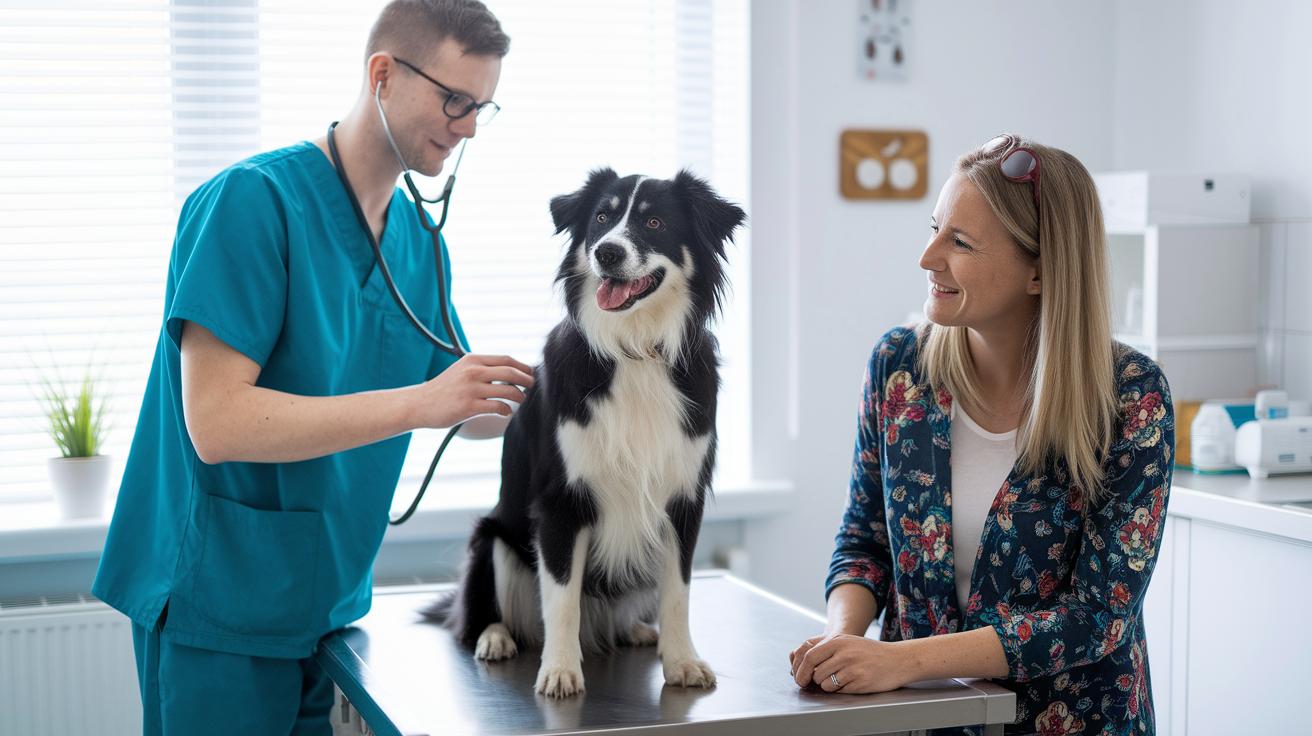
Preventative pet health is all about staying one step ahead by keeping a close eye on our furry pals. With routine check-ups, screenings, and mindful lifestyle choices, we can catch little issues before they become big problems. Most pets should get a full physical at least twice a year, while our older friends benefit from more frequent visits, about every six months, to spot things like diabetes or thyroid quirks early on.
We also rely on simple tests, like lab work and weight checks, as a quick snapshot of our pet's well-being. These tests help us see tiny changes before they turn into bigger concerns. Have you noticed your pet might seem a bit less energetic on a walk? That small sign could be the nudge you need to schedule another check-up.
Everyday habits make a huge difference. Try to stick with regular vet visits, keep an eye on what your pet eats and how much they move around, and always mention even small changes to your vet right away. This approach not only helps with any treatment needed right then but also boosts your pet’s overall quality of life. By choosing preventative care, you're helping your four-legged friend enjoy a lively, happy life, while also possibly avoiding costly treatments down the road.
Routine Wellness Exams in Preventative Pet Health
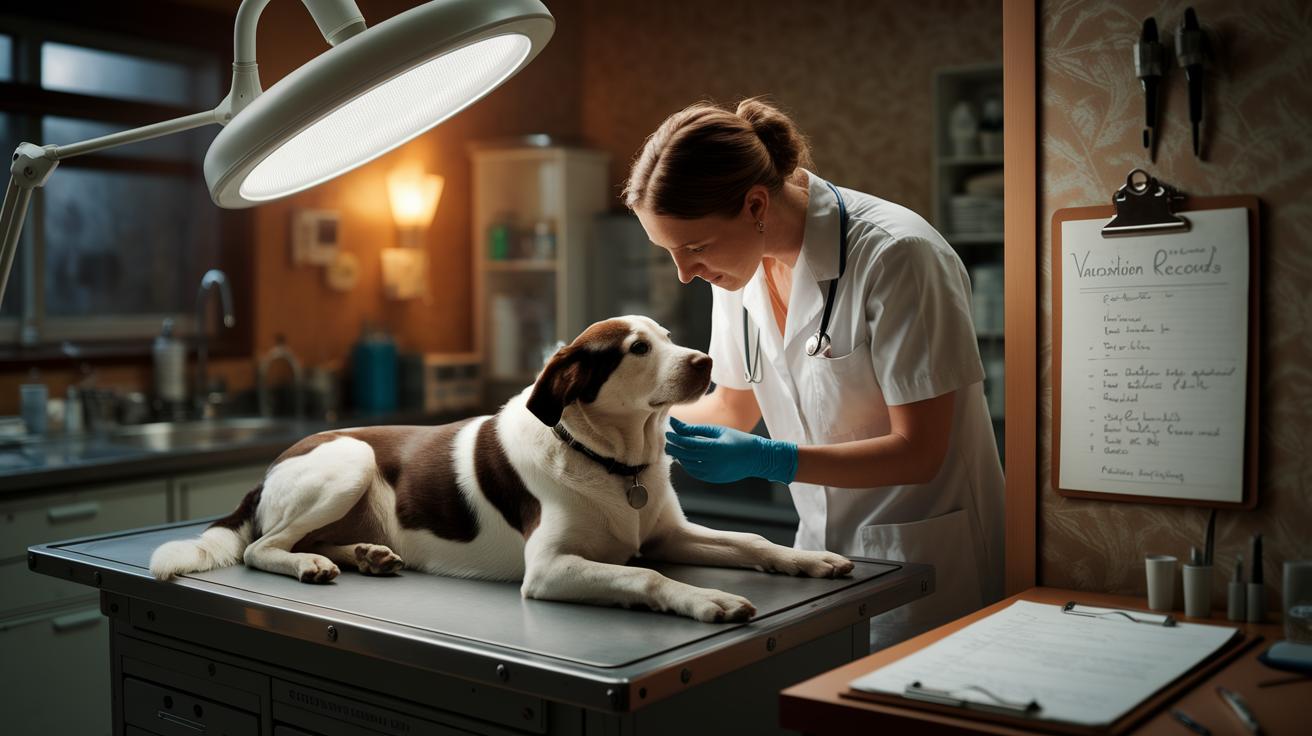
Every year, taking your healthy pet to the vet is a great way to keep them happy and active. These visits let the vet run simple tests, like ultrasounds, lab work, and checking weight and vital signs, to spot early signs of issues such as skin problems, thyroid or kidney troubles, diabetes, and even Cushing. Even small changes in your pet’s behavior can signal that something is off, and these tests help catch it early.
For pets over nine years old, a check-up every six months is a smart idea. At these visits, the vet takes a closer look at tiny details, like shifts in energy or changes in appetite, to help keep your furry friend feeling their best.
Before heading out, it’s helpful to gather some important records. It’s a good idea to bring:
- Vaccination records
- A list of any medications your pet takes
- Previous vet records
Having these on hand makes it easier for the vet to see the full history of your pet’s health. For extra tips, you might want to check out “how to prepare your pet for a checkup” (https://ribbon.co?p=5761).
Many clinics now offer bundled “pet wellness plans” (https://bonsiaai.com?p=) that simplify scheduling exams and follow-up tests, making it even easier to stay on top of your pet’s health.
Vaccination Protocols for Preventative Pet Health
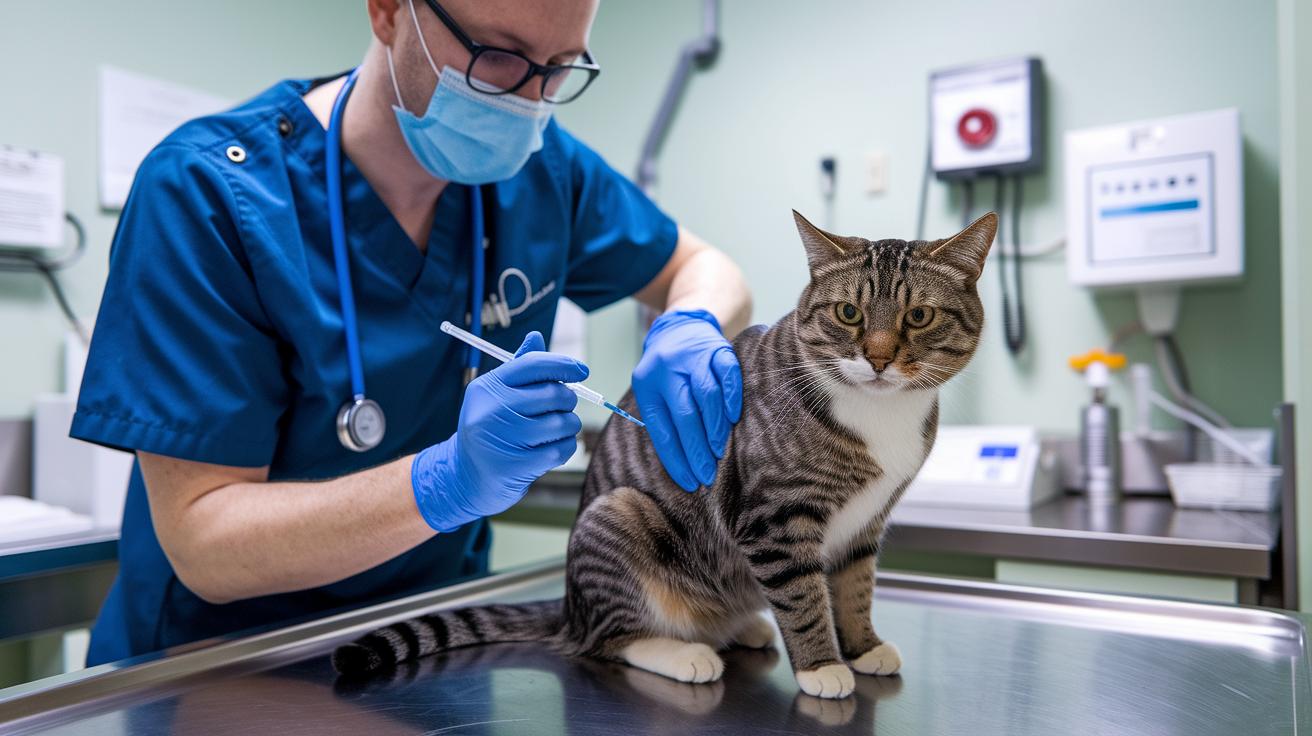
Keeping up with your pet's vaccines is a simple way to help them stay happy and healthy. For our cats, the usual shots protect against panleukopenia (a virus that lowers their white blood cells), herpesvirus I, calicivirus, and rabies. Depending on your kitty’s lifestyle, your vet might also suggest a shot for feline leukemia. It’s like ticking off a checklist that keeps your furry friend safe from common, serious illnesses.
Dogs need their own set of important vaccines, too. Their main shots guard against distemper (a dangerous virus), parvovirus, hepatitis, and rabies. The rabies vaccine is usually given when puppies are about 12 to 16 weeks old, with a booster every three years. And depending on your dog’s routine, say, extra playtime at the park, vaccines for things like influenza, Leptospira, Bordetella, and Lyme disease might be added for extra protection.
These vaccination plans are made just for your pet. Vets always do a quick check to make sure it’s safe before any shot. It’s normal if your pet feels a little tired, gets a mild fever, or shows some tiny hives afterwards. One pet owner even mentioned that after a canine influenza shot, Max was a bit sleepy for a day, a small price to pay for long-term health. Serious allergic reactions are rare, but it never hurts to keep an eye on your buddy after a vaccine.
Trusted clinics update their vaccine plans all the time to match new health guidelines and your pet’s needs. With a clear shot schedule and a caring approach, you can help your pet stay active and full of life no matter the season.
Parasite Control Methods in Preventative Pet Health

Fleas, ticks, and intestinal worms can really be pesky invaders in your pet’s life. They might cause problems like anemia (when there aren’t enough red blood cells), irritated skin, or even damage important organs if they go unchecked for too long. Many pet clinics offer easy plans, monthly or quarterly, that include careful checks to catch these nuisances before they settle in. Keeping up with regular deworming, careful monitoring, and using the right treatments all help keep your furry friend safe and happy.
Regular stool tests help spot worms and other parasites inside your pet, while creams or pills can handle those pesky bugs on the outside. By sticking with a routine, you can keep the critters at bay and let your pet live an energetic, joyful life. A thoughtful parasite control plan not only protects your pet’s health now but also helps you avoid expensive issues later on.
Here are five key parasite-prevention steps to consider:
- Set up monthly or quarterly prevention treatments.
- Do regular stool tests to check for internal worms.
- Use topical creams or give oral medicine as your vet suggests.
- Keep an eye on your pet’s skin and fur for any signs of irritation.
- Maintain clean outdoor areas to reduce your pet’s exposure to parasites.
Nutrition and Exercise for Preventative Pet Health

Keeping your pet happy and healthy starts with tasty, balanced meals and a bit of play each day. Nutritious food filled with protein and vitamins helps boost their immune system and keeps their weight just right. And simple changes, like watching portion sizes and going for regular walks, can boost their heart health and brighten their spirits.
When tiny paws are just learning to explore, a mix of measured meals and playful bursts of energy sets them up for a lifetime of fun. As our furry friends get older, gentle play paired with nutrient-rich foods keeps them comfy and moving easily. Adjusting portions based on their age or breed makes sure every pet gets the perfect amount to stay energetic without extra weight.
Small changes can make a big difference. Try these tips to blend nutrition and exercise into your pet's day:
- Pick meals with lean protein and veggies.
- Plan daily walks or fun play sessions that match your pet's energy.
- Serve age-appropriate portions to help keep a healthy weight.
- Rotate activities to keep your pet curious and excited about moving.
- Gradually introduce new, wholesome ingredients for a bit of variety.
By focusing on good food and regular play, you're giving your pet a strong start for a joyful, lively life. And really, isn't it wonderful to see that playful wag of a tail or the soft purr of a contented cat as they enjoy each day?
Dental Care Prevention in Preventative Pet Health
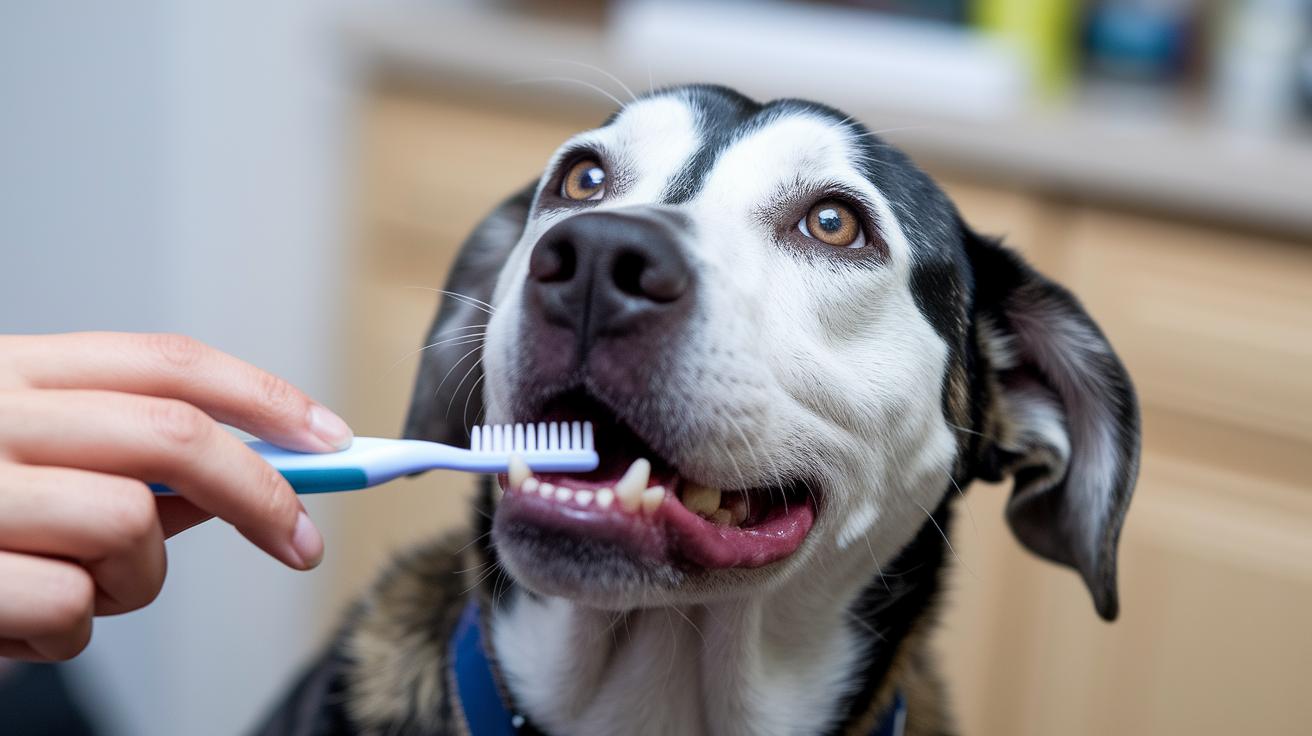
Keeping your pet's teeth clean is an essential part of staying healthy. Regular check-ups and cleanings help wipe away tartar and plaque, which can set the stage for gum problems. Left untreated, these issues might even lead to heart or kidney troubles. Daily brushing with pet-safe toothpaste clears out food bits and unwanted bacteria, while dental chews gently reduce plaque and keep their breath fresh.
An annual vet cleaning really makes a difference, too. At these visits, a professional can remove stubborn buildup and notice early signs of trouble in your pet’s mouth. Ever notice how a quick brushing session at home can make such a big impact? By mixing simple daily care with yearly professional check-ups, you're taking a strong step to protect your pet's health.
These easy practices not only keep your furry friend's smile bright but also lower the chance of many serious health issues later on. With regular dental care, your pet can enjoy healthier gums and a happier, more active life.
Senior Pet Measures for Preventative Pet Health

For our senior pets, those over nine years old, regular check-ups are a must. Vets typically recommend visits every six months to catch any little issues early, like thyroid, kidney problems, diabetes, or Cushing’s syndrome (a condition where a pet makes too much of a certain hormone). These early check-ups let you and your vet plan adjustments before small problems grow.
During these visits, the vet might run simple blood tests to see how well your pet’s organs are working and ask about any changes in how they move. They keep an eye out for muscle loss or stiffness, which might mean it’s time to switch up treatments. Even small changes in your pet’s food, like meals that help with joint health and keeping a balanced weight, can really make a difference. Adjusting portion sizes or adding extra nutrients can help your pet feel comfortable and energetic as they age.
Gently handling your pet is key. Vets often do careful mobility checks to see if your pet is struggling more than usual. Simple steps like adding joint supplements or suggesting easy exercise routines can boost your pet’s quality of life. With these regular screenings and small lifestyle tweaks, our older companions can enjoy many more happy and healthy days.
Crafting Cost-Effective Preventative Pet Health Plans
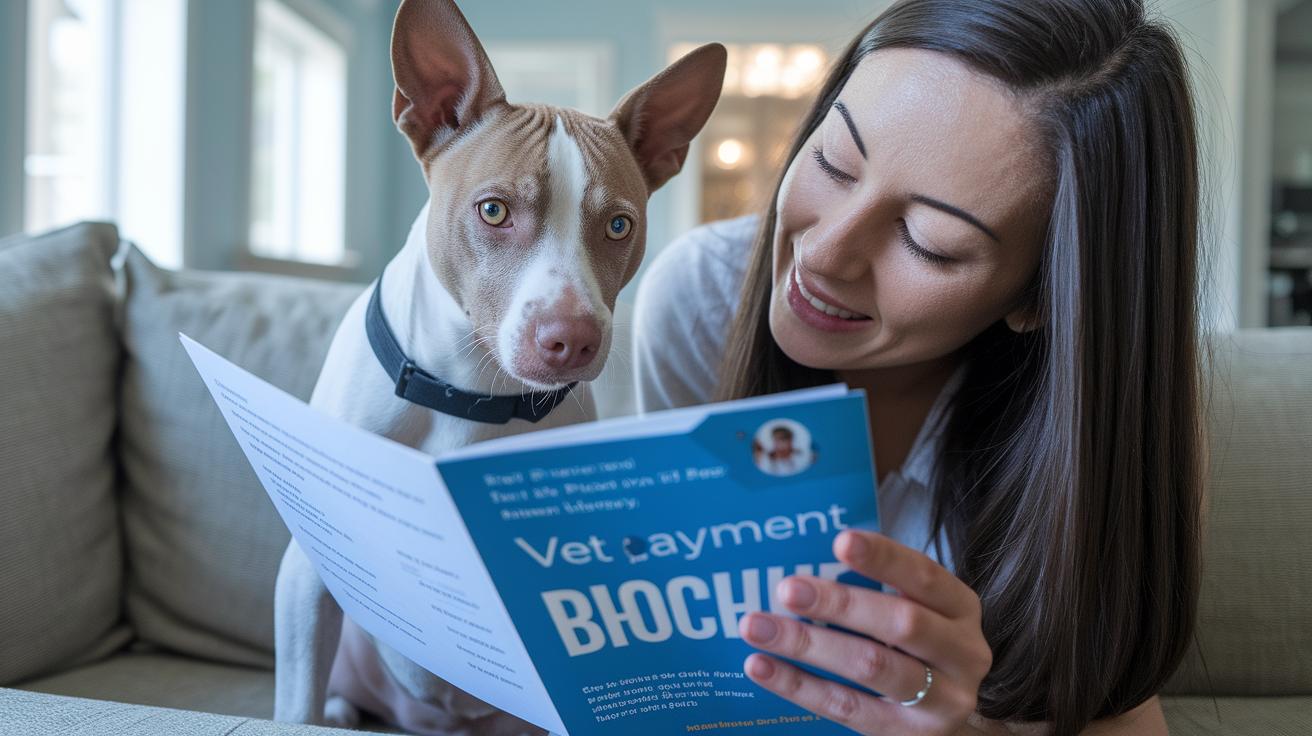
Caring for your pet doesn't always have to drain your wallet. Many clinics now offer payment plans and bundles that let you spread out costs for wellness exams, vaccines, and tests over the year. This way, you can plan your budget better while making sure your furry buddy gets the care they need.
When you catch little issues early, you can avoid big, expensive problems later. Regular checkups keep your pet feeling energetic and comfortable, and many pet parents find that these affordable options ease their money worries while keeping them ahead of any trouble.
Plus, some pet insurance might even cover many preventative services (pet insurance is a plan that helps pay for vet visits). That extra help can make routine care even easier on your budget. It's all about smart spending, a clear plan for vet visits, tests, and shots means fewer surprises down the road.
By comparing payment plans and looking into insurance for routine care, you're not only protecting your pet's health now but also saving money for the future.
Final Words
In the action, the article explored key strategies for preventative pet health, from routine exams and vaccination schedules to parasite control, balanced nutrition, and proper dental care. Each section laid out simple steps to catch issues early and boost overall pet wellness.
Practical insights for senior pets and cost-effective care plans remind us that proactive measures make a real difference. With these clear tips, caring for your pet becomes more confident and enjoyable.
FAQ
What do preventative pet health reviews check for?
The preventative pet health reviews check for quality in routine examinations, diagnostic tests, and overall pet wellness strategies that help keep your furry friend safe and thriving.
How do preventative pet health services support pet wellness?
The preventative pet health services focus on regular check-ups, vaccinations, parasite control, nutrition advice, and screenings that catch health issues early so your pet stays healthy longer.
What common complaints arise about preventative pet health?
Some common complaints include scheduling challenges or unclear care plans. The reviews help pinpoint these issues, guiding vets to improve service clarity and consistency for better pet care.
How much does preventative pet health cost and why is it beneficial?
The cost for preventative pet care varies, but investing in check-ups and early detection can save money by avoiding high emergency expenses and promoting a longer, healthier life.
What should I know about dog preventive care plans and VIP pet care near me?
Dog preventive care plans and VIP pet care options offer tailored check-ups, wellness assessments, and specialized services. They ensure your pet receives regular, proactive care at nearby reputable clinics.