
Ever notice your dog's playful energy fading away? Sometimes, a favorite ingredient like beef or dairy can upset their tummy and make them seem a bit down.
We know how much joy a wagging tail and a bright bark bring. In this post, we'll share easy tips and smart food choices that help soothe an upset stomach and bring back that happy bounce.
Think of it like giving your furry friend a meal made with extra care. When you choose allergy-safe food, you help keep their tummy happy and their tail wagging all day.
Top Allergy-Safe Dog Food Options for Sensitive Canines

When our dogs start showing signs of food allergies, often around their first birthday, it can be really worrying. Many pups react to everyday proteins in foods like beef, dairy, corn, and wheat. You might notice your dog's playful energy dip all of a sudden, and switching to an allergen-friendly diet can bring back that spark.
These specially made foods help ease allergy problems while giving your dog balanced nutrition. Some diets use hydrolyzed proteins (which are proteins broken into tiny pieces so they're less likely to cause a reaction) or stick with just one type of protein and carbohydrate. Others swap common meats for novel proteins like salmon, duck, or venison to avoid usual allergens, and grain-free recipes skip grains that might upset a sensitive tummy. Look for the AAFCO seal with "complete and balanced" on the bag, it means the food has everything your pet needs.
| Diet Type | Protein Source | Carb Source | Key Benefit |
|---|---|---|---|
| Prescription Hydrolyzed | Hydrolyzed soy or other broken-down proteins | Varies (often rice-based) | Minimizes allergic responses by breaking proteins down |
| Limited Ingredient | Single protein (like chicken) | Simple carb (like rice) | Makes it easier to identify what might trigger allergies |
| Novel Protein | Less common proteins (like salmon, duck, or venison) | Alternative carbs (like sweet potato) | Swaps usual allergens for gentler options |
| Grain-Free | Various proteins (like lamb or fish) | Non-grain sources (like peas or potatoes) | Avoids grains that can trouble sensitive tummies |
Working with your vet is key when switching diets. They can help keep an eye on your dog's symptoms and suggest gradual changes to find the best fit, like tweaking a treat recipe until it's just right. This extra care helps ensure your pup stays healthy, happy, and full of energy.
Diagnosing and Managing Canine Food Allergies

Finding what bothers your dog can be tricky for both of you. The best way is to try an elimination diet with your vet. This means you start with a food made from one simple ingredient to see if it makes your pet feel better. Sometimes, things like dust, pollen, mold, or grass can also cause a reaction.
- Pick a food that has only one ingredient.
- Feed your dog only that food to set a clear baseline.
- Add one new ingredient every 7 to 14 days.
- Watch for any new symptoms or changes.
- Write down what you notice in a detailed log.
- Talk with your vet for extra help.
This step-by-step plan lets you see small changes almost like watching a happy tail wag. Keeping a log makes it easier to match specific foods with any allergy signs. Regular check-ins with your vet help make sure the changes are safe and working well for your buddy.
Prescription Hydrolyzed and Hypoallergenic Dog Food Formulas

Hydrolyzed proteins are just proteins that have been broken into really small pieces. When a dog eats these tiny bits, its body doesn’t see them as a threat. This means there’s less chance for an allergic reaction even if the food has ingredients that might normally bother your pet.
These special diets are made for dogs who can’t handle regular foods. By breaking proteins into smaller pieces, the food helps keep tummies happy and comfy. It’s simple science: smaller pieces lower the risk of allergy symptoms, so your furry friend can enjoy mealtime without worry.
Take Royal Canin Veterinary Diets Hydrolyzed Protein and Purina Pro Plan Veterinary Diets, for example. Royal Canin’s recipe uses hydrolyzed soy protein and is designed to work for dogs of all sizes. It’s only available with a vet’s prescription, so it’s tailored to your pet's exact needs. On the other hand, Purina Pro Plan uses hydrolyzed proteins suited to different breed sizes and nutritional needs. Other trusted brands like Merrick also offer options for pets with tougher allergies, giving you plenty of choices.
Remember, it’s always best to chat with your veterinarian (a pet doctor) to choose the right formula for your dog. They can help match your pet’s specific needs with the best hypoallergenic diet.
Limited-Ingredient and Novel-Protein Diets for Allergic Dogs

Limited-ingredient diets keep things simple; they use just one protein and one carb so you can easily figure out what might be upsetting your dog’s tummy. Think of a meal with chicken and rice, it’s a straightforward way to spot the troublemaker. I remember a friend whose dog dealt with mild stomach problems until switching to this kind of simple, clean recipe worked wonders.
Novel-protein diets switch out the usual proteins for ones you might not see every day, like salmon, duck, or venison, and pair them with a carb like sweet potato. For example, a mix of venison and sweet potato has helped calm skin irritation in some sensitive pups. Always take a careful look at the label to make sure there aren’t any extras that could cause a reaction.
Homemade Allergy-Friendly Dog Meal Plans and Resources

Planning a balanced homemade meal for your dog is a bit like whipping up a family dinner. You want to mix the right amounts of protein, carbs, and fats to keep your furry friend energetic and healthy. It’s all about using simple, quality ingredients and following those AAFCO (the group that sets nutritional standards for pet foods) guidelines. You can adjust recipes to suit your dog’s tastes, making sure the meal delights the palate without upsetting a sensitive tummy. Start with fresh goodies like lean meats, wholesome grains, and veggies that play nicely together.
Choosing top-notch ingredients is the heart of a successful homemade diet, especially for dogs with allergies. Stick to foods free of chemicals, preservatives, and artificial flavors. You might even sprinkle in supplements like omega-3 fatty acids (nutrients that help your dog’s coat shine and skin feel great) and essential vitamins, similar to how you’d add a pinch of seasoning in your recipes. It's smart to follow trusted guides, like the vet-approved recipes from BonsiaAI (https://bonsiaai.com?p=), so you know you're doing the best for your pet. Staying consistent, especially during elimination trials, gives you the clearest picture of what keeps your dog feeling their best and what might still cause a reaction.
Nutritional Strategies to Support Skin and Coat Health
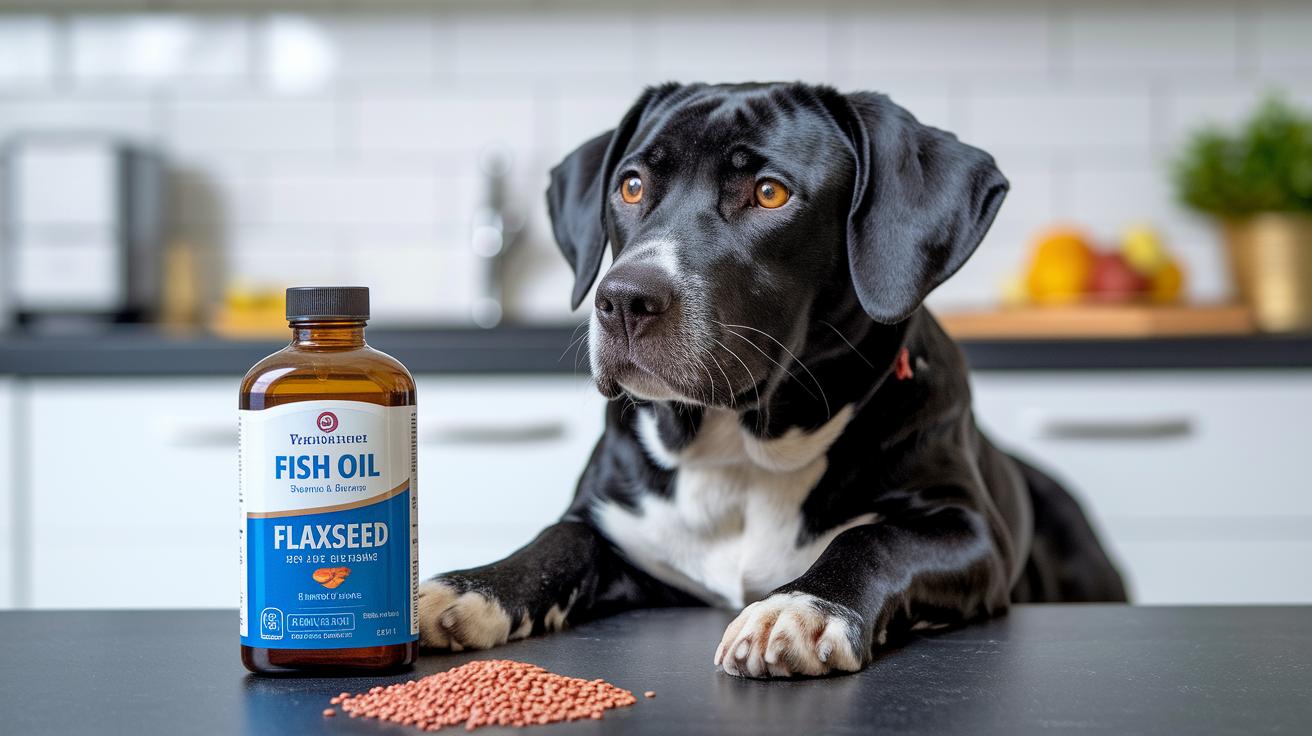
Omega-3 fats help calm your pet's skin by cutting down swelling. They work to soothe itchy spots and ease irritation, making your pet feel more at ease. These fats help the skin recover faster, which means over time, you might notice a softer and shinier coat.
When you add these important nutrients to your dog's meals, every bite supports skin healing and keeps them comfortable. This nutrition not only fights swelling but also shields against common irritants, giving your pet real relief.
Mixing in foods like fish oil, flaxseed, and a touch of turmeric can work wonders. Fish oil is packed with omega-3 fats that calm the skin, while flaxseed adds extra nutrients to strengthen it from inside out. And a little turmeric, known for fighting swelling, can ease irritation and keep their body balanced. Together, these ingredients gently nurture your pet’s fur, keeping it silky and the skin relaxed even when allergens pop up.
Final Words
In the action, this guide showed how allergy-safe dog food options, diagnosis tips, and nutritional strategies work together to help sensitive canines. We looked at elimination diets, prescription formulas, limited-ingredient recipes, and even do-it-yourself meal plans that keep your pet comfortable.
Each section offered simple, practical advice for informed choices. With these insights in mind, you’re ready to choose the best dog food for dogs with allergies and keep your furry friend feeling their best.
FAQ
What is the best dry dog food option for dogs with allergies and yeast infections?
The best dry dog food option for dogs with allergies and yeast infections features limited ingredients that avoid common triggers like beef, dairy, corn, and wheat while offering balanced nutrients that help soothe skin.
What non-prescription dog food options work for dogs with allergies?
Non-prescription dog food for allergic dogs often utilizes limited-ingredient diets that cut out common allergens, supporting skin health naturally without requiring a veterinarian’s prescription.
How can homemade food be made safe for dogs with skin allergies?
Homemade meals for dogs with skin allergies work best when you use simple, high-quality ingredients like lean proteins and safe carbs, ensuring balanced nutrients that follow AAFCO guidelines with proper supplements.
What food is good for dogs with itchy skin?
Foods that are good for dogs with itchy skin include formulas enriched with omega-3 fatty acids and fish oil, along with limited ingredients that help prevent known allergy triggers and support skin comfort.
What is the most common dog food allergy?
The most common dog food allergies stem from proteins like beef, dairy, corn, or wheat, often leading to skin problems and digestive upset, which means careful ingredient checks are key for sensitive pups.