
Have you ever wondered if spending a little extra on dog food really makes your pet happier? Many dog parents trust Royal Canin because they mix proven science (studies that show what works) with a careful blend of ingredients.
They offer a variety of options, from crunchy dry meals to soft, moist recipes, that aim to meet the unique needs of every dog. And yes, it might cost a bit more, but sometimes quality really shows in your pet's well-being. In this article, we take a friendly look at the quality, cost, and nutrition of these recipes so you can decide if Royal Canin is the right choice for your furry friend.
Royal Canin Dog Food Reviews: Quality, Cost & Nutritional Performance
Royal Canin started its journey in 1968, created by a veterinarian who really cared about pets. Over time, in 1972 and later in 1990, the company changed hands. Today, it's part of a big, global pet care family that believes in science-based nutrition. They offer a range of formulas designed just for dogs. In fact, you can choose from four main lines, two dry types with 86 recipes and two canned options with 22 recipes, all crafted to meet a variety of doggy dietary needs.
They figure out risk scores by checking each ingredient and how balanced the nutrition is. For the dry recipes, they gave an overall risk score of 1.3 out of 10 and a breed-specific score of 1.2 out of 10. The canned recipes, on the other hand, earned slightly higher scores of 3.4 overall and 3.3 for breed specifics. They look closely at things like how easily the food is digested, hints of lower-quality parts, and how steady the production is. This careful check helps pet owners feel clear about what they're feeding their dogs.
Price is a big deal, too. Royal Canin tends to cost a bit more than regular kibble, and that price tag reflects the hard work put into making these special formulas. The risk scores, especially for the dry food, suggest that these might not be the best match for every dog's tummy, particularly if your furry friend has a sensitive system. If you’re after detailed, science-driven nutrition and are ready to spend a little extra for specialty care, Royal Canin might just be the perfect pick for you and your dog.
Ingredient Breakdown in Royal Canin Dog Food Reviews
Being open about the ingredients is super important because it lets pet parents know what exactly goes into the food. When you can see a clear list, it builds trust in the product’s safety and nutrition. It also shows what good stuff is included and which parts might be a little risky for some dogs. This detail is key for knowing how the food will power up your dog’s day while keeping them healthy.
Brewers rice gives energy through carbohydrates, even if it may not have a lot of nutrients.
Chicken by-product meal is used for protein, but it might not be the easiest for your dog to digest.
Wheat gluten boosts the protein content, though a few pets might be sensitive to it.
Pork by-products, like the ones in the Beauty In Gel recipe, add flavor but might not be the healthiest choice.
Chicken ingredient is usually a good protein source, but its quality can change.
Corn meal is mainly a filler and sometimes people worry about pesticide traces.
These ingredients all affect your dog’s health by playing a role in how well they absorb nutrients and digest their meals. They team up to provide energy and support a shiny, healthy coat while also being carefully looked at for any potential downsides. When you know what’s in your dog’s food, you can feel good about feeding them meals that are balanced and boost their overall well-being.
Royal Canin Dry vs Wet Formula Reviews

Royal Canin makes two kinds of pet meals that are quite different in how they’re made and how they feel. Their dry options, 86 choices in all, go through a process that removes most of the moisture. This gives the food a crunchy bite and lets it last longer on the shelf. On the flip side, the 22 wet formulas hold onto more moisture, offering a soft, stew-like meal that some dogs just can’t resist.
When we look at risk scores, we see clear differences. The dry formulas score a pretty low 1.3 out of 10 overall, and their breed-specific score is 1.2. This suggests they might be a safer bet for many breeds. In contrast, the wet recipes have higher scores, 3.4 overall and 3.3 for specific breeds. These numbers hint that wet food might have ingredients that don’t break down as easily or balance nutrition quite the same way. Sometimes, a drier kibble can be easier on your dog’s tummy, while wet food might win hearts with its richer taste and smoother texture.
Practical everyday use is another point to consider. Dry food is a breeze to store since it usually comes in big bags, and it’s simple to scoop out the right amount at mealtime. Wet food, however, often needs to be kept in the fridge and might come in different serving sizes that require a bit more attention when you’re getting dinner ready. And if you’re watching your budget, dry formulas generally cost less per meal, making them a handy choice for many pet parents.
Life-Stage & Breed-Specific Royal Canin Dog Food Reviews

Royal Canin offers a range of recipes made just for your dog’s different life stages and breeds. They have 108 different formulas so whether your furry friend is growing up, full of energy, or easing into their golden years, there’s a meal made to support their unique needs.
Puppy Formulas
Puppy formulas are all about helping your little buddy grow strong and smart. These recipes mix high-quality proteins with easy-to-digest carbs to boost energy and support development. Even pups with sensitive tummies can enjoy these meals, and the tasty flavors mean every bite is fun. Picture a tiny pup, tail wagging happily, knowing each meal helps build muscle and shine up that coat.
Adult Breed-Specific Lines
When your dog moves into adulthood, their diet should match their breed and energy level. For instance, a recipe made for a Jack Russell Terrier includes ingredients like brewers rice, chicken by-product meal, and wheat gluten to maintain lean muscles and fuel an active life. These formulas even come with careful checks to keep you informed about any potential dietary concerns, so you know your pet is eating just right.
Senior Nutrition Support
Older dogs deserve meals that let them enjoy every bite comfortably. Senior formulas are designed with fewer calories to prevent weight gain and include special supplements to aid joint health and hydration. This balanced nutrition gives senior dogs the support they need to stay mobile and feel cozy, making meal times a highlight during their peaceful years.
royal canin dog food reviews: Happy Tails Ahead
Online reviews from places like Amazon, Google, and Reddit show a mix of experiences with Royal Canin dog food. Some pet parents have noticed a brighter, shinier coat in their pups after switching brands, and that has everyone talking. But a few have also mentioned tummy troubles, so there’s a bit of caution in the air. Overall, people seem to balance exciting benefits with the occasional digestive issue.
Veterinarians agree that Royal Canin meets AAFCO guidelines (AAFCO stands for the Association of American Feed Control Officials, which sets safe nutrition rules for pet foods). They like that it offers a good mix of proteins, fats, and carbohydrates. Still, some of the by-product ingredients might not suit every dog, especially if they’re prone to allergies. Experts suggest keeping a close eye on pets with delicate systems and thinking about your own pet’s needs before making a change.
Comparative Analysis of Royal Canin Dog Food Reviews Vs Premium Alternatives
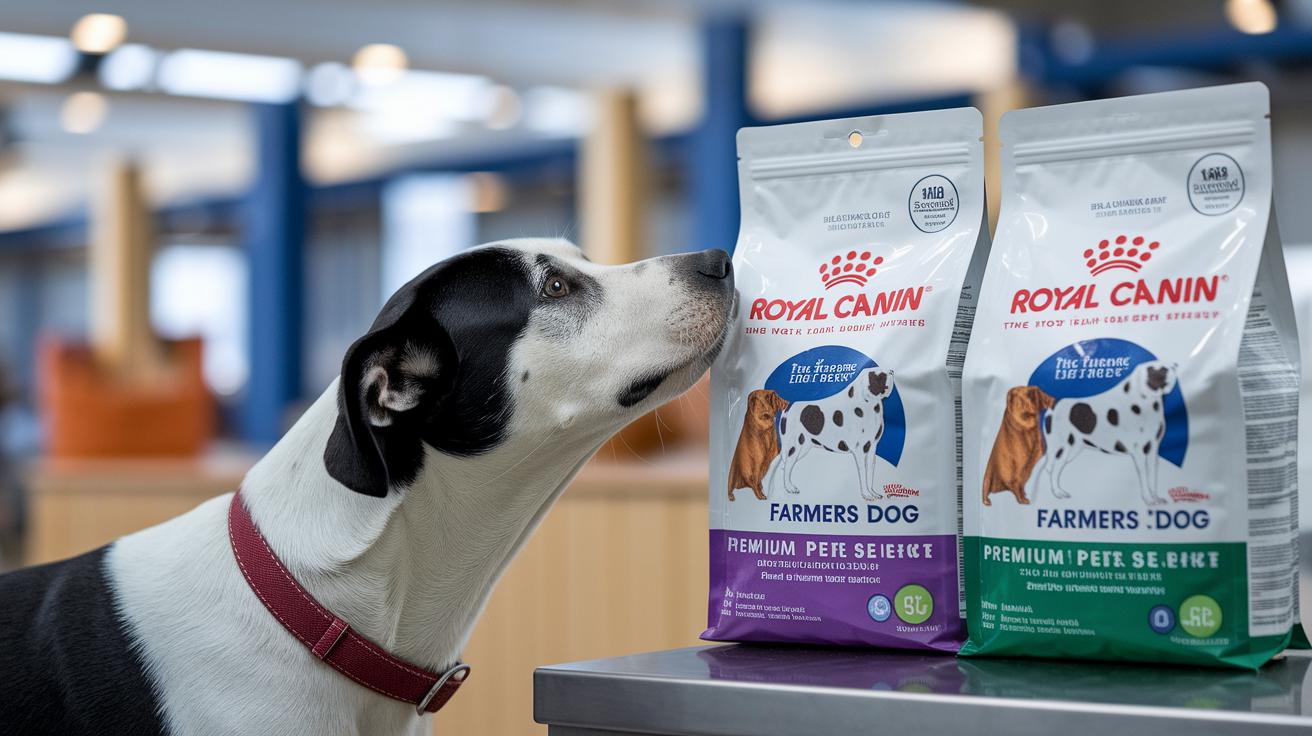
When trying to choose the best food for your dog, it helps to think about a few simple things: where the ingredients come from, how balanced and safe the food is (that means checking for any potential issues with digestion), and of course, the price. Royal Canin often uses by-products (parts of the animal that are less ideal) and shows scores that hint at possible tummy troubles. Meanwhile, premium options like The Farmer’s Dog use fresh, human-grade ingredients that keep nutrients locked in better. And yes, the price really matters, Royal Canin sits in the middle, while the fancier brands cost a bit more because of their top-quality ingredients.
| Brand | Ingredient Quality | Risk Score | Price Range | Pros/Cons |
|---|---|---|---|---|
| Royal Canin | Uses by-products with controlled nutrients; may worry you about digestion | Dry: 1.3/10, Wet: 3.4/10 | Mid-range | Time-tested recipes but caution on ingredient quality |
| The Farmer’s Dog | Fresh, human-grade ingredients that keep nutrients intact | Lower risk due to premium selection | High | Great for sensitive dogs; higher cost can be a barrier |
| Premium Pet Select | Carefully sourced ingredients for balanced nutrition | Moderate risk | Upper mid-range | More transparency on ingredients; a well-rounded option |
Thinking about cost versus benefits? Premium dog foods often make up for their higher price with formulas that are gentler on your dog’s tummy and help them absorb nutrients better. If your furry friend has a sensitive stomach, using top-quality ingredients can really make a difference. So, if your pet could use that extra nutritional boost and you’re okay with spending a bit more, it might be worth giving a premium alternative a try. In the end, it all comes down to matching your dog’s specific needs with what fits best in your budget and your heart.
Safety & Recall Review in Royal Canin Dog Food Reviews
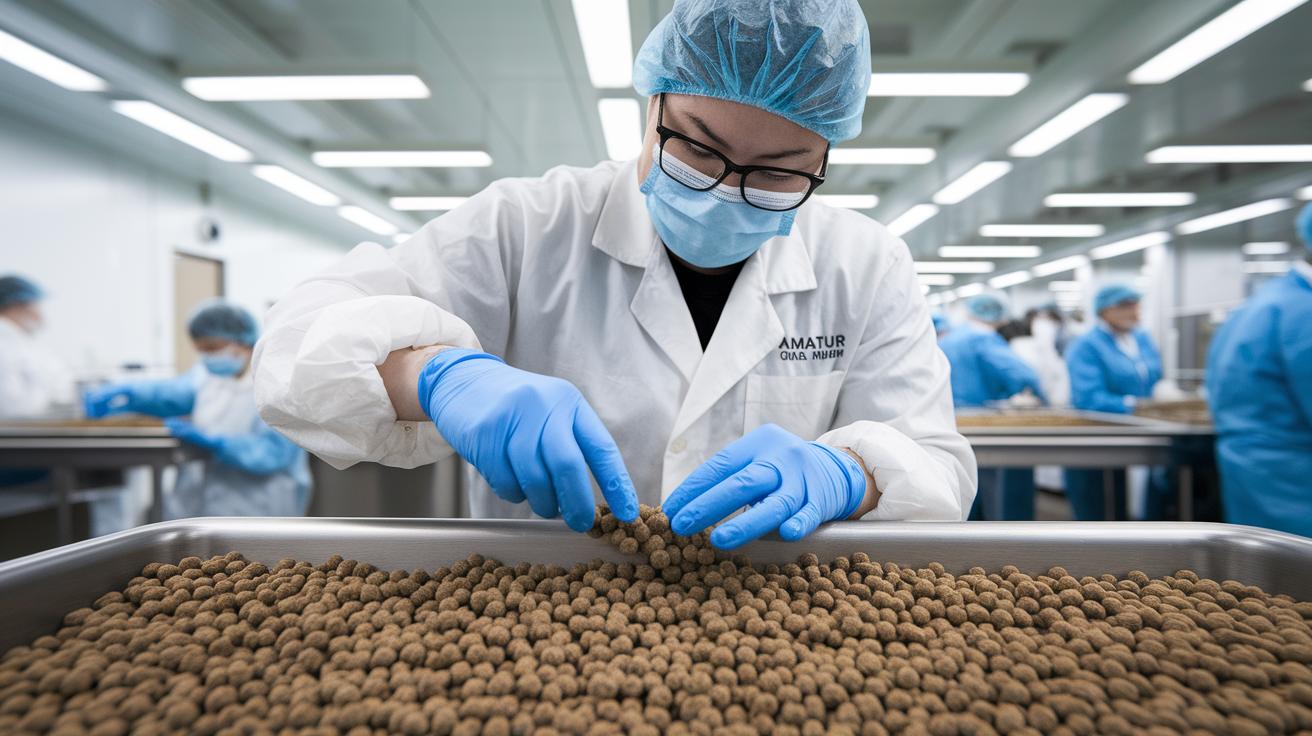
Royal Canin has a solid history of safety, with no big recalls in the past ten years. They stick to strict EU and global rules, showing they truly care about every pet’s well-being. Every product is carefully checked before it reaches your doorstep, so you can feel confident when you serve it to your furry friend. Even though some tests flagged a possible issue with a few plant ingredients, nothing has raised any official alarms.
Inside the company, quality control is taken seriously. From the moment raw ingredients are chosen to the final package, every step gets a thorough look-over. In-house lab tests check for things like nutrient balance and tiny microbes (germs that can affect health) to make sure each batch meets safety standards. Independent experts also test the food to double-check these results. All these careful steps show Royal Canin’s deep commitment to making safe, reliable meals that help keep our canine companions happy and healthy.
Final Words
In the action, we examined how brand history and product lines set the stage for royal canin dog food reviews. We looked at risk scores, ingredient breakdowns, and practical comparisons between dry and wet formulas. Vet insights and user feedback gave us a clear view of cost and nutritional performance. This review helps make smart, informed pet care decisions, leaving you feeling confident and upbeat about meeting your pet's needs.
FAQ
What do Royal Canin dog food reviews on Consumer Reports and other sources say about the brand’s quality?
Royal Canin dog food reviews on Consumer Reports, along with other sources, reveal a mix of praise and concerns. Reviews note strict adherence to standards while highlighting lower performance scores in select dry formulas.
What complaints and problems are mentioned in discussions and reviews about Royal Canin dog food?
Reviews and online discussions mention that some pets experience digestive issues and taste aversion. Users also point to ingredient concerns and low risk scores in certain formulas as ongoing problems.
What is the recall history for Royal Canin dog food?
Royal Canin dog food has no major recalls in the past decade. The brand follows global quality protocols and undergoes regular third-party testing to maintain safety and compliance.
What do Amazon reviews indicate about Royal Canin dog food?
Amazon reviews present mixed feedback. Some pet owners appreciate improvements in their dogs’ coat and energy, while others express concerns regarding the use of by-products and inconsistent digestibility.
What makes Royal Canin Gastrointestinal dog food special?
Royal Canin Gastrointestinal dog food is designed specifically for dogs with sensitive stomachs. It focuses on ease of digestion and balanced nutrition to support pets experiencing digestive challenges.
Is Royal Canin actually good for your dog?
Royal Canin dog food is generally good, meeting industry AAFCO standards. Its suitability depends on your dog’s specific nutritional needs, so a discussion with your veterinarian can help determine if it’s the best fit.
What is considered the number one healthiest dog food?
The number one healthiest dog food is not universally defined. While some prefer human-grade fresh diets for their nutrient retention, the ideal choice depends on your dog’s unique dietary needs and overall health.
Which is better for my dog, Purina Pro Plan or Royal Canin?
Comparing Purina Pro Plan and Royal Canin largely depends on your dog’s individual requirements. Both brands deliver balanced nutrition, so it’s best to consult your veterinarian to decide which aligns better with your pet’s needs.
Is Royal Canin better than Hill’s dog food?
The debate between Royal Canin and Hill’s centers on differences in formula ingredients and pet sensitivity. Both brands meet industry safety standards, and selecting the right one usually comes down to your dog’s specific health factors.