
Ever wonder if your pet is really getting all they need from their daily meal? Many pet owners stick with the same old feeding routine, but a well-balanced diet can boost your pet’s energy and overall health.
Think of a proper pet diet like your favorite home-cooked meal, each ingredient has a unique role. Proteins (the parts that help build muscles), fats (which give energy), and essential vitamins work together to keep your pet strong, shiny, and playful.
In this post, we’re sharing simple, practical tips to help you prepare meals that keep your furry friend happy and thriving every day.
Essential Components of a Balanced Pet Diet
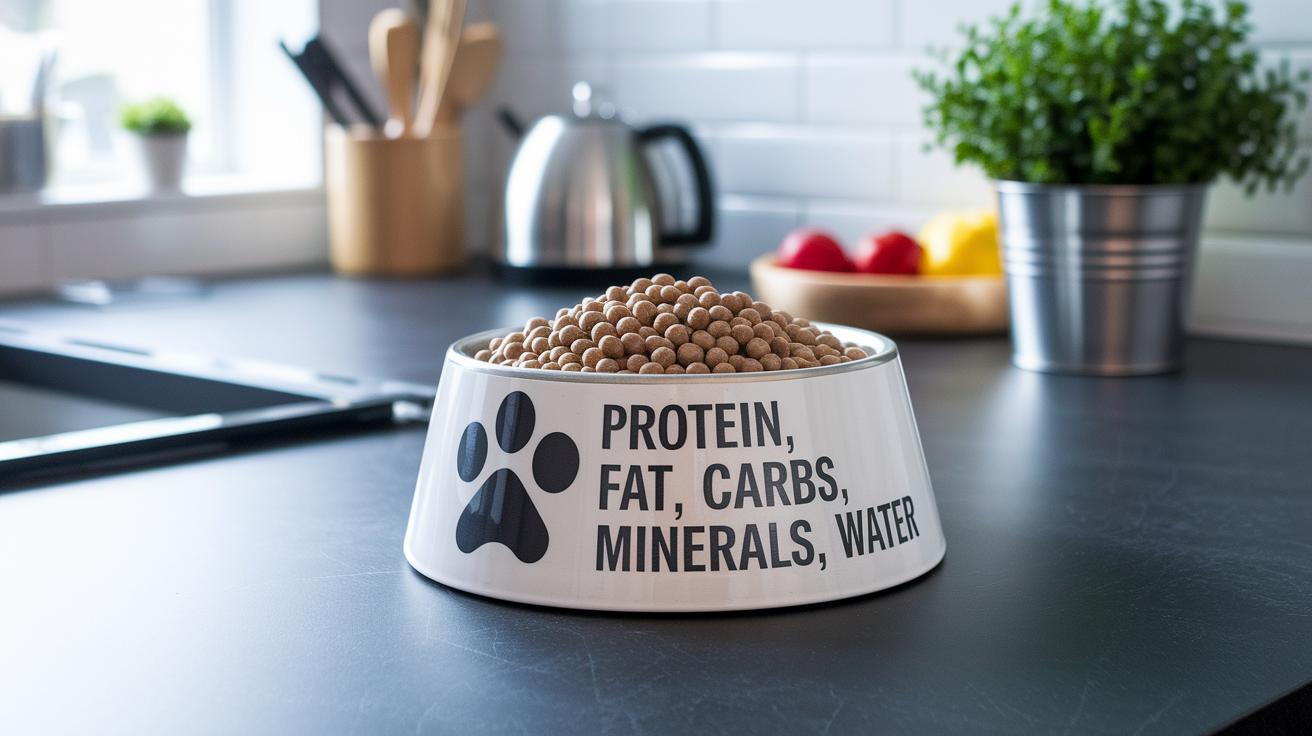
A balanced pet diet gives your furry friend everything they need, proteins, fats, carbohydrates, vitamins, minerals, and water. These ingredients follow AAFCO guidelines to help build strong muscles, healthy skin, and a shiny coat. For instance, puppies should get at least 22.5% protein (by dry matter) and adult dogs need around 18%. Think of it like a homemade meal where every bite fuels a happy, bouncing puppy.
Fats work like little bursts of energy. They not only power your pet’s daily adventures, but they also help absorb vitamins and make meals taste even better. Growing pets should have at least 8.5% fat (by dry matter), while regular adult meals need about 5.5%. Carbohydrates give your pet the fuel they need for play and exploration. Plus, fiber comes in two forms: soluble fiber holds water to soften stools, and insoluble fiber adds bulk to help things move along smoothly.
Vitamins are just as important. Fat-soluble vitamins, like A, D, E, and K, help strengthen bones and support healing. Water-soluble vitamins such as B and C keep your pet’s body in tip-top shape, especially since shortages can happen more often. Don’t forget minerals too; whether in large or small amounts, they help support growth and keep bodily functions humming along nicely.
Energy needs differ from pet to pet. Their diet should match their age, size, and activity level so they keep a balanced weight and stay full of life.
Below is a quick reminder of the core nutrients in a pet’s meal plan:
| Nutrient | Role |
|---|---|
| Protein | Builds muscles and tissues |
| Fats | Provides energy and helps absorb vitamins |
| Carbohydrates | Supplies fuel and supports smooth digestion |
These essential components form the foundation of a balanced diet that keeps your pet happy, healthy, and ready for every adventure.
Choosing the Right Pet Diet: Commercial vs Fresh vs Raw

Commercial pet diets are a popular pick because they meet AAFCO standards (quality checks to ensure proper nutrients). They’re reliable and easy to store, which makes life simpler for busy pet owners. You might even hear experts mention sites like Pet Nutrition Center when they chat about the best commercial options. There are also choices like Premium Dog Food that pack in top-quality ingredients for pets needing a nutritional boost.
Vet-crafted fresh plans offer a new twist. They have choices like the Full Fresh Plan, which uses 100% human-grade food, a Mixed Bowl Plan that blends fresh and baked recipes, and a Half Fresh Plan to add variety to your pet’s current meals. These plans focus on both great taste and a natural eating experience that many pet parents love. For example, Fresh Dog Food explains all the perks of a fresh option. Plus, you often get neat extras like in-app health tracking and door-to-door delivery that you can customize to fit your pet’s routine.
Then there’s the raw food approach. Raw diets use ingredients that are barely processed, keeping things as natural as possible, though they do need strict hygiene and a careful balance. Each method has its upsides and things to watch out for, so many personalized feeding plans let you switch diets whenever it suits your pet. Resealable packaging also makes it easy to manage portion sizes, adding a bit more convenience whether you go with commercial, fresh, or raw options.
DIY Homemade Pet Meals: Vet-Approved Recipes
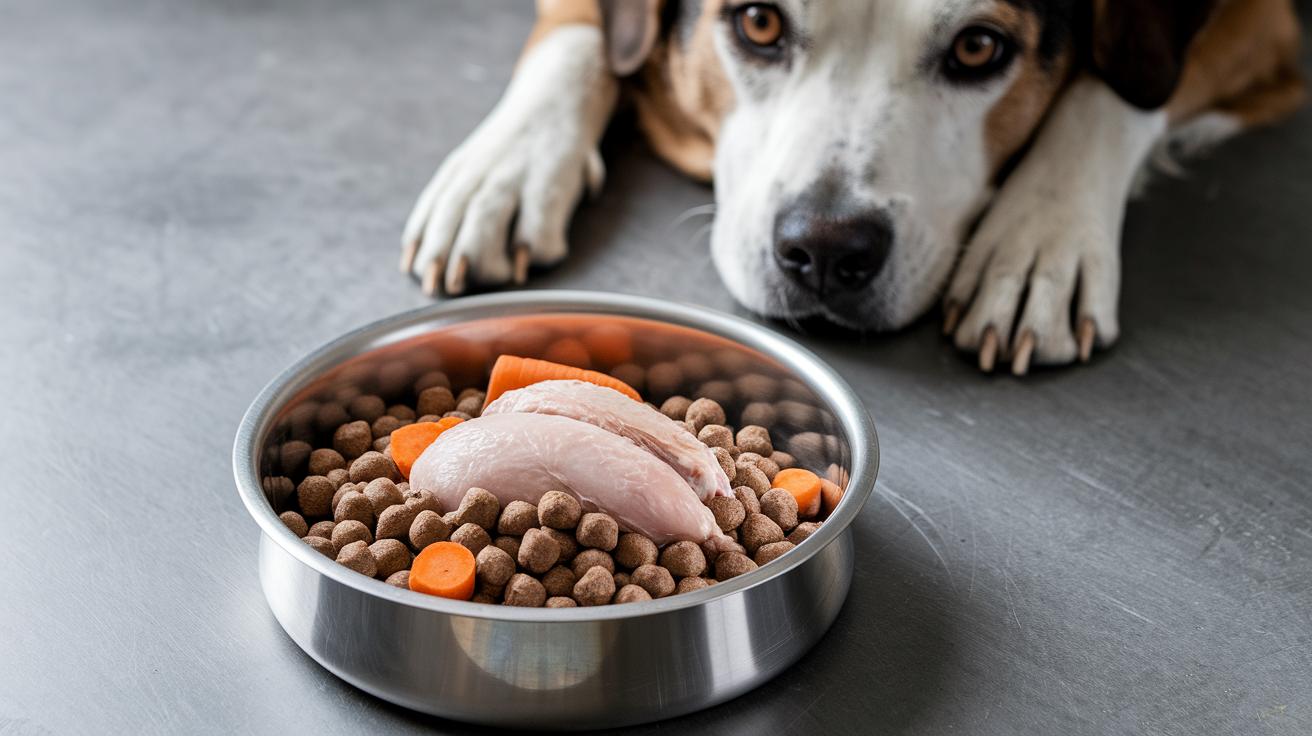
When you take charge of your pet’s meals, you’re choosing a fresh, homemade way to keep them strong and happy. Start with lean meats like skinless chicken or turkey. These proteins help build muscles and give your pet energy. You can even mix in small bits of salmon for a tasty twist, along with brown rice or quinoa to provide steady energy.
Next, toss in some veggies. Carrots or peas add a natural crunch along with vitamins and minerals. Imagine stirring in freshly chopped carrots and letting that gentle crunch make every bite feel special. Some recipes also suggest a vitamin-mineral blend for that extra boost, which is really helpful for pets with special health needs.
Balancing the ingredients is key. A simple guide is to aim for about 50% lean protein, 30% veggies and grains, and 20% healthy fats. This mix supports energy levels and keeps body functions running smoothly. It might take a few tries to get it just right, so chatting with your vet and scheduling routine blood tests is a good idea to adjust the formula perfectly.
For those who want a step-by-step guide, look into Vet Approved Homemade Dog Food Recipes. These guides break down each stage so that designing a balanced meal is easy and fun. Regular visits with your vet ensure that your meal meets all the nutritional needs for a happy, thriving pet.
Feeding Schedules and Portion Control for Pet Diets
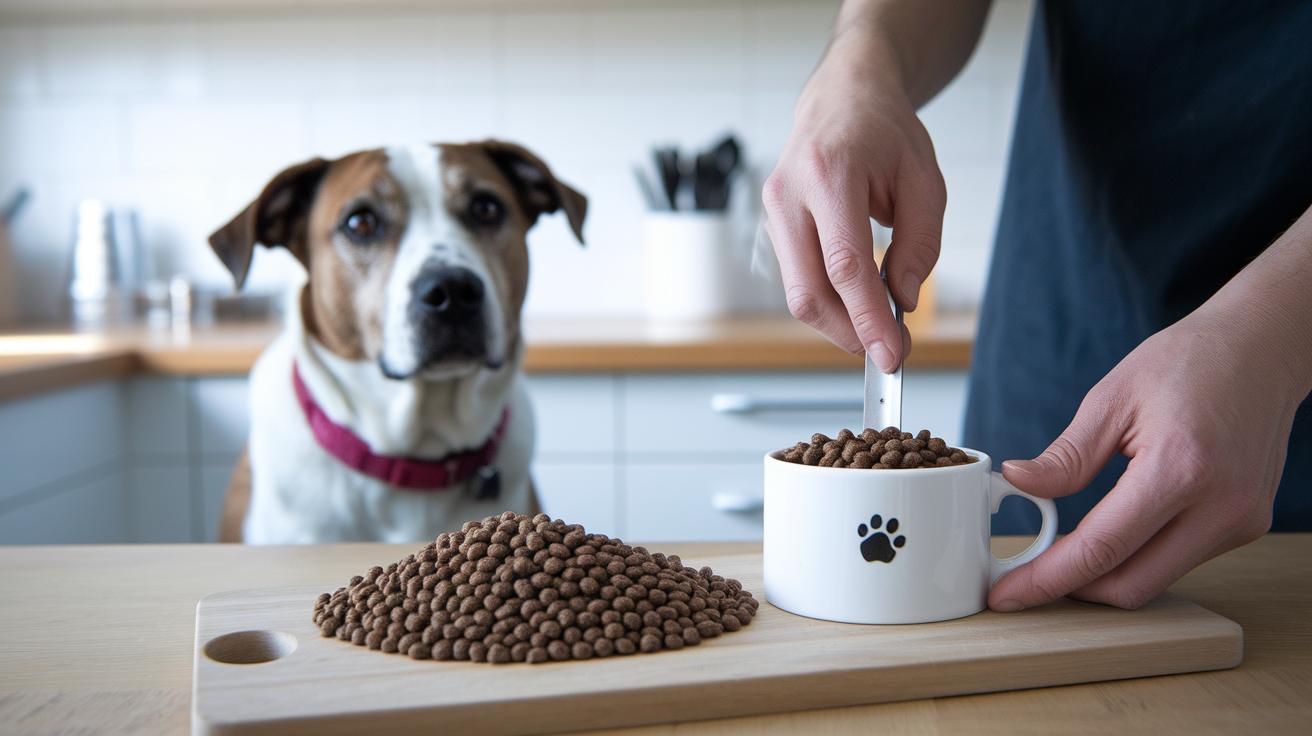
Finding the right balance between meal times and portion sizes is a smart way to keep your pet cheerful and thriving. These days, you can use food calculators that consider your pet's breed, age, weight, and activity level (that is, how much they move around) to figure out the perfect daily portions. For instance, puppies usually enjoy 3 to 4 meals a day to help them grow, adult dogs do well with 2 meals, and many cats prefer 2 to 4 smaller servings spread out over the day. These simple tips work like a tailored feeding plan that adjusts according to your pet’s energy needs, ensuring they get the fuel they deserve.
Getting the serving sizes right is key too. Think of it as finding just the right amount that prevents overfeeding or underfeeding. Counting calories for your pet is also a handy tool, it takes into account their metabolic rate (how their body uses energy), which helps keep any unwanted weight changes at bay. Plus, many modern pet food packages come with resealable tops, making it easier to dish out the right portions for a small or large meal, all while avoiding wasted food.
| Factor | Description |
|---|---|
| Breed & Age | Sets basic food needs and how often they should eat |
| Weight & Activity | Helps decide calorie needs to keep weight steady |
| Metabolic Rate | Tweaks daily portions based on energy use |
By following these pointers, you're ready to plan a pet meal menu that boosts your buddy’s energy and overall health.
Tailoring Pet Diets for Life Stages and Health Conditions

Older pets often need meals that are lighter on calories to keep them feeling spry, and they might require a little extra help with joint care. A dash of omega-3 fatty acids (great for helping joints and heart health) or glucosamine (which supports joint function) can truly make a difference. Ever tried adding a tiny drizzle of fish oil to their meal? It’s like giving them a gentle boost to keep those joints moving smoothly.
When your pet has diabetes, keeping their energy steady is really important. Meals crafted with low-glycemic ingredients (ones that don’t spike blood sugar) and just the right amount of protein (the building blocks for muscles) work wonders. This approach helps maintain a balanced energy level all day. Maybe swap simple carbs for more complex ones, so your furry friend enjoys a slow, steady release of energy.
If you start noticing signs of food allergies, an elimination diet might be the way to go. Feeding your pet a limited-ingredient meal, perhaps with novel proteins like duck or salmon instead of the usual chicken or beef, can help pinpoint the culprit causing discomfort. Imagine a meal where every bite is pure and simple, focusing only on what your pet truly needs.
For pets with sensitive tummies, gentle digestion is key. Look for meals rich in prebiotic fibers (which help feed the good bacteria in their gut) and lower in fat to prevent upset stomachs. Whether you’re cooking at home or choosing a commercial option, a mild recipe with steamed vegetables and lean proteins can be just what the doctor ordered for a delicate belly.
In the end, adjusting your pet’s diet for specific conditions is all about exploring options that match their changing needs. Whether you're preparing meals in your kitchen or opting for pre-made foods, every recipe can be fine-tuned to help your furry friend feel their absolute best.
Managing Weight: Strategies for Overweight Pets

Helping an overweight pet feel great starts with a mix of the right food and gentle exercise. Try using a food calculator (a tool that estimates how much food your pet needs) so you can adjust their meals and lower the calories bit by bit.
Cutting back on portions is a good start. Instead of giving the usual amount, serve a little less and add extra water or a little low-calorie broth to fill up the bowl. You can also choose meals with more protein (which helps build muscles) and less fat so your pet feels full longer while keeping calories in check.
Along with careful feeding, adding some extra playtime or a short walk each day can really help. Think about a playful session in the yard or a new toy chase inside the house to boost their activity levels. And if your pet struggles with movement, consider a joint-friendly supplement like omega-3 fatty acids (a type of healthy fat that supports joint health) to keep them comfortable.
Here’s a quick guide:
| Tip | Description |
|---|---|
| Smaller Portions | Serve less food and add extra water or broth. |
| High-Protein Meals | Choose meals that fill your pet up while keeping calories low. |
| More Activity | Add extra playtime or walks to keep muscles strong. |
| Track Progress | Regular weigh-ins and simple app trackers can help monitor improvements. |
These steps help your furry friend lose weight while staying happy and healthy. Ever notice how a little extra play lifts a pet's mood? It all adds up to a better quality of life for your beloved companion.
Transitioning Diets and Handling Picky Eaters

When you switch your pet's diet, it should feel calm and stress-free. Start by slowly mixing a little bit of the new food with their current meal over 7–10 days. For example, in the first few days, try using about 25% new food and 75% of what they're used to. Gradually bump up the new food so you don’t upset their tummy.
Stick to a regular feeding schedule. Feeding your pet at the same time each day makes them feel secure and ready to embrace new flavors and textures. If your pet is still a bit fussy, you can add a tasty topper, imagine drizzling a spoonful of their favorite broth over the meal to create a welcoming aroma that might just win them over.
Here are some simple tips for the transition:
- Mix in more of the new food gradually over 7–10 days.
- Keep meals at consistent times daily.
- Avoid letting your pet graze all day.
- Watch their stool and appetite closely to catch any changes early.
This gentle change helps ease any digestive stress and lets you see how your pet adjusts to the new meal plan. It also makes it easier to encourage even the pickiest eater.
Expert Veterinary Insights and Debunking Common Pet Diet Myths

Veterinarians tell us that many popular pet diet stories just don’t add up when you look at real science. For example, some say grain-free foods are a magic fix for every pet. But experts explain that these diets might leave out some key nutrients a pet really needs. The raw food trend also gets a lot of praise, though only well-balanced, research-backed recipes give pets the proper fuel to thrive.
These days, regular lab tests and digital meal planners are making it easier than ever to keep our pets eating right. These modern tools adjust your pet’s meals based on things like how active they are, their age, and how many calories (the energy they get from food) they need. In truth, this means vet-led feeding advice is more reliable than ever.
Veterinarian tips remind us that the secret to a healthy pet diet is a little bit of everything in the right amounts. For instance, you might think that loading up on protein automatically means better health. But too much protein without enough fats and carbs can actually throw things off balance over time.
Key tips include:
| Tip | Explanation |
|---|---|
| Personalized meal planning | Use digital meal planners to tailor recipes to meet standard nutrition guidelines |
| Regular health check-ups | Frequent lab screenings help catch any diet issues early |
| Science over hype | Choose diets based on research and expert advice, not just catchy ads |
In the end, sticking with evidence-based advice helps clear up myths that might confuse pet parents. Imagine every meal being created using real data about your pet's day-to-day fun and energy, making sure they get just the right mix of nutrients as they grow and play.
Final Words
In the action, we explored the essentials of a balanced pet diet, including proteins, fats, and vitamins. We broke down choices between ready-made meals, DIY recipes, and strategies for picky eaters. We also looked at feeding schedules, portion sizes, and tips for adjusting diets based on age or weight. Vet insights helped clear up common myths and highlight smart nutrition choices. Every step we took aims to boost confidence and guide better health for our furry pals. Positive changes begin with the right pet diet!
FAQ
What is the 25 rule for pet food?
The 25 rule for pet food is a guideline suggesting that up to 25% of your pet’s total calorie intake can come from treats or supplemental foods, helping maintain balanced nutrition while preventing excess calories.
What is a balanced diet for pets?
A balanced diet for pets contains proteins, fats, carbohydrates, vitamins, minerals, and water following AAFCO standards, supporting proper growth, energy, and overall health.
What is the healthiest diet to feed your dog?
The healthiest dog diet balances quality proteins, nutritious fats, and energy-supplying carbohydrates through AAFCO-compliant commercial formulas, fresh plans, or carefully prepared homemade meals suited to your dog’s age and activity level.
What’s a good homemade diet for dogs?
A good homemade diet for dogs combines lean proteins, whole grains or rice, vegetables, and added vitamin-mineral supplements, with vet guidance to keep protein, fat, and carbohydrate ratios in check.
What are some pet diet recipes and planning ideas?
Pet diet recipes can range from simple homemade meals with lean meats and veggies to structured plans designed by pet nutrition experts, ensuring your pet receives balanced nutrients for optimal health.
How can I design a pet diet plan for my dog?
Designing a pet diet plan involves choosing between commercial, fresh, or homemade options while following AAFCO standards, with adjustments based on your dog’s age, weight, and activity levels after consulting with your vet.
How can pet diets be tailored for medical needs?
Pet diets tailored for medical needs might modify calorie levels, include supportive nutrients like joint supplements, or focus on hypoallergenic ingredients, and should always be planned with advice from your vet.
What is a Pet Diet Designer?
A Pet Diet Designer is typically a tool or expert service that helps create a personalized nutrition plan based on guidelines and your pet’s specific health data, ensuring balanced and appropriate dietary choices.