
Have you ever thought a gentle, slow walk might change your senior pet's day? It may seem a bit unusual, but a light stroll can give them a quick burst of energy. Imagine a little boost that helps keep their muscles strong and their joints feeling comfortable.
Studies even show that these easy, simple moves can help ease pain and slow down muscle loss. Let’s chat about how a daily walk can bring joy and comfort to your older friend, just like a warm, friendly hug on a sunny day.
Exercise-Based Approaches for Improving Senior Pet Vitality

Using gentle, low-impact exercise helps senior pets stay mobile and keep their muscles strong. It’s like giving them a little boost of energy while taking care of their joints. Research shows that safe, measured activities can help build muscle and ease joint discomfort. In fact, studies on conditions like osteoarthritis (joint pain and stiffness) support these gentle movement plans, and findings about serum myostatin (a protein linked to muscle growth) even suggest that regular movement may delay muscle loss as pets age.
When planning a routine for your older friend, why not start with short walks, tender playing sessions, or simple stretching exercises? These low-key activities not only keep them moving but also make sure they aren’t overdoing it. If you ever need more guidance, there are veterinary home-care services available Monday through Friday from 7:00 am to 7:00 pm at 778-840-5438 or by emailing liftingstars@gmail.com. It’s a real comfort to know there’s expert advice right when you need it.
There are also special products to help support muscle strength and overall energy. For example, items like Fortetropin® and canine probiotic chews are designed to protect muscle function as your furry friend grows older. It’s a bit like choosing the perfect recipe for a nutritious treat, simple steps that gradually build endurance and make exercise fun and safe.
Taking a thoughtful approach to your pet’s daily exercise can really brighten their day. Picture a slow, peaceful walk where your pet enjoys a gentle stretch and experiences less stiffness. These small, loving steps not only help maintain strength but also add quality moments to everyday life. It’s all about keeping the joy alive, one gentle move at a time.
Personalized Exercise Plans for Senior Dogs and Cats
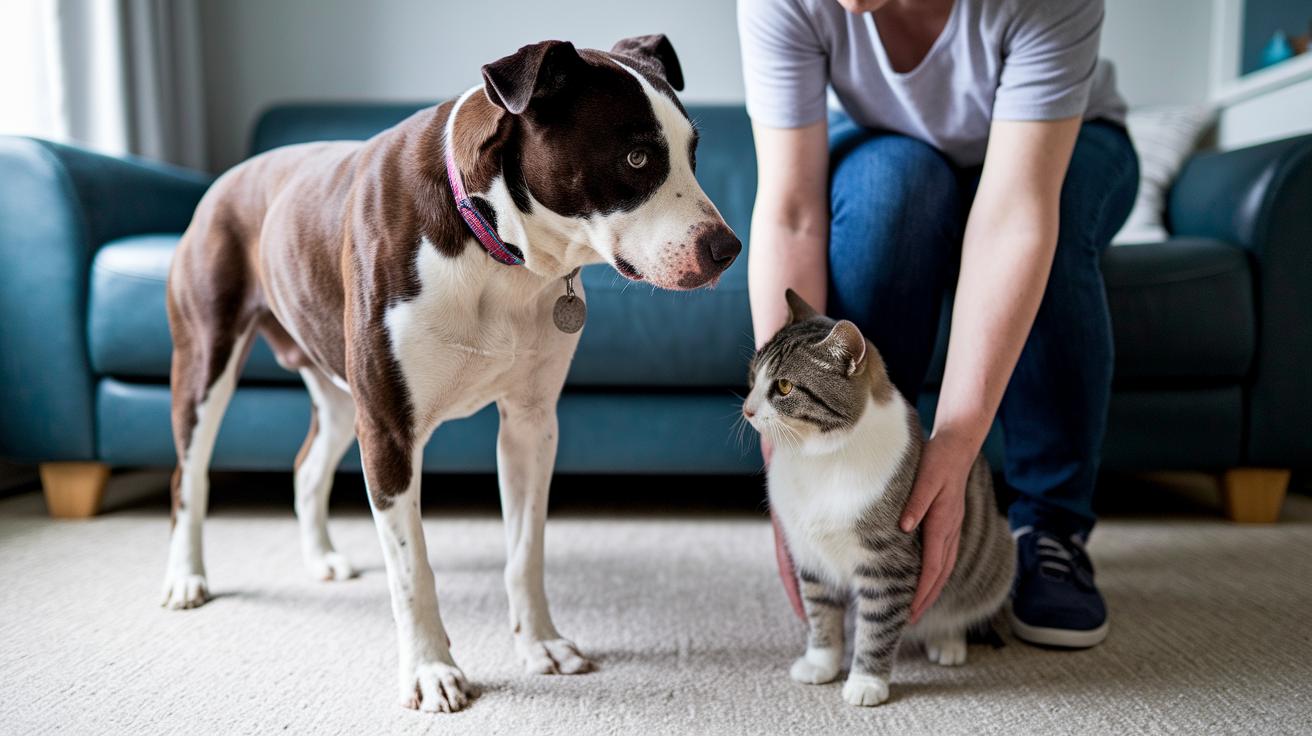
When it comes to planning exercise for our older pets, it helps to remember that every dog or cat is one of a kind. We start with easy, gentle moves that suit your pet’s age, breed, and health. Think of it like a slow, friendly stroll rather than a race, simple steps that keep muscles active without putting too much strain on joints.
For example, a little terrier might enjoy a few extra minutes on a relaxed walk, while a larger dog with joint concerns may need a more careful pace. And our wise old cats can join in too, maybe with light indoor play or a gentle climb that helps with balance. It’s kind of like setting up a fun puzzle just for them, one that they can solve at their own speed.
Research shows that when we tailor exercise to fit a pet’s needs, it can help slow down muscle loss. Safe, targeted activities can make a big difference. Pairing these routines with good nutrition, like a few extra supplements or treats that support muscle health, gives your pet the best chance to stay strong and happy.
Just imagine your furry friend enjoying a calm, thoughtful routine that not only keeps them fit but also makes their eyes sparkle with joy. This approach is all about celebrating each pet’s unique personality while keeping them engaged and comfortable every step of the way.
Low-Impact Mobility and Joint Health Workouts for Aging Pets
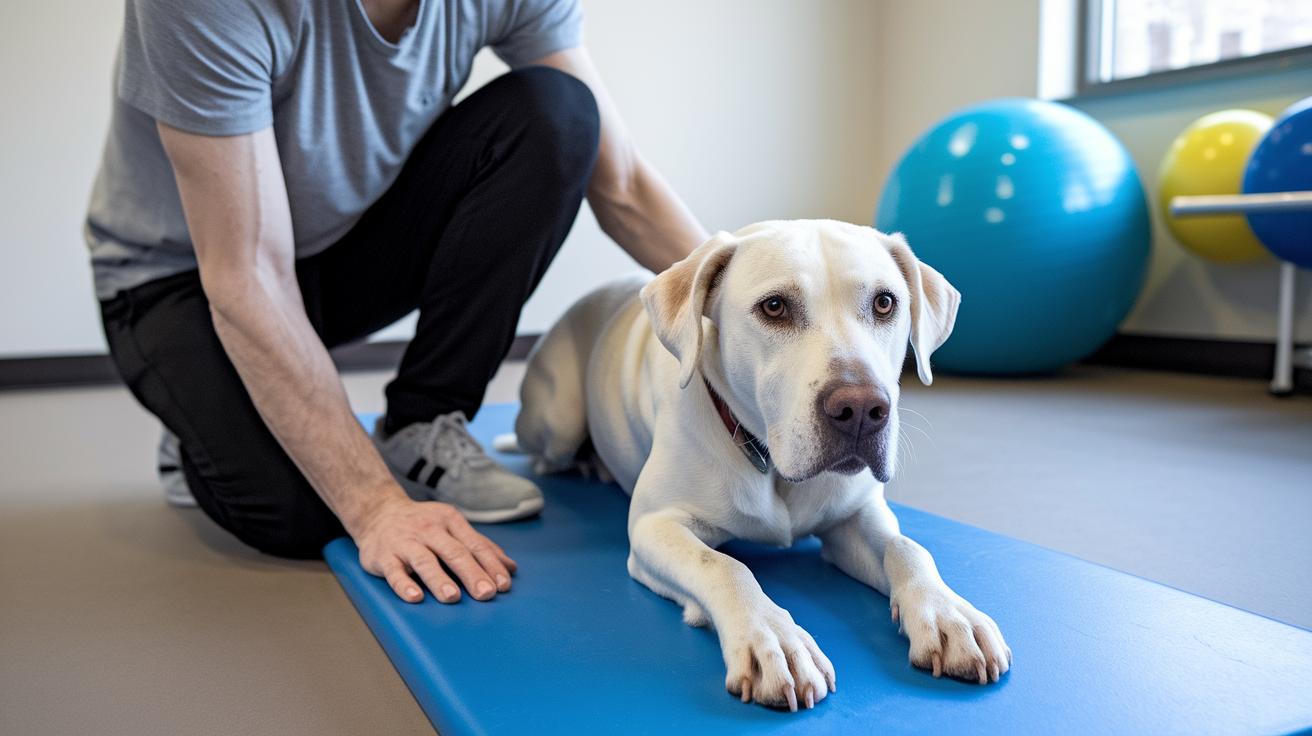
Low-impact activities help your older pet stay flexible and feel great. A gentle workout is perfect for a senior pet, allowing them to move safely while putting less strain on muscles and joints. Think of it like a calming stretch after a warm shower, simple moves that ease stiffness and set the stage for everyday play.
A careful routine might include a few easy exercises that older pets can do without stress. These workouts gently spark energy while letting your pet enjoy every step.
Below are four simple low-impact workouts that support joint health and mobility:
- Short leash walks: Begin with a relaxed, short walk. Let your pet set the pace, keeping muscles active without putting too much pressure on the joints.
- Underwater treadmill sessions: Water naturally supports your pet’s weight, like a soothing bath. This encourages safe movement while reducing joint strain.
- Assisted stretching: Help your pet through gentle stretches. Use slow, controlled motions to lengthen muscles and free up movement, just like a comfortable warm-up.
- Massage therapy: A light, calming massage can help relax tight muscles and boost blood flow. It's like a gentle rub after a long day, easing stiffness and making your pet feel cared for.
Introduce each exercise slowly and keep sessions short. Watch for signs of discomfort to make sure your furry friend stays safe and enjoys the extra energy boost.
Strength and Balance Conditioning to Enhance Senior Pet Vitality
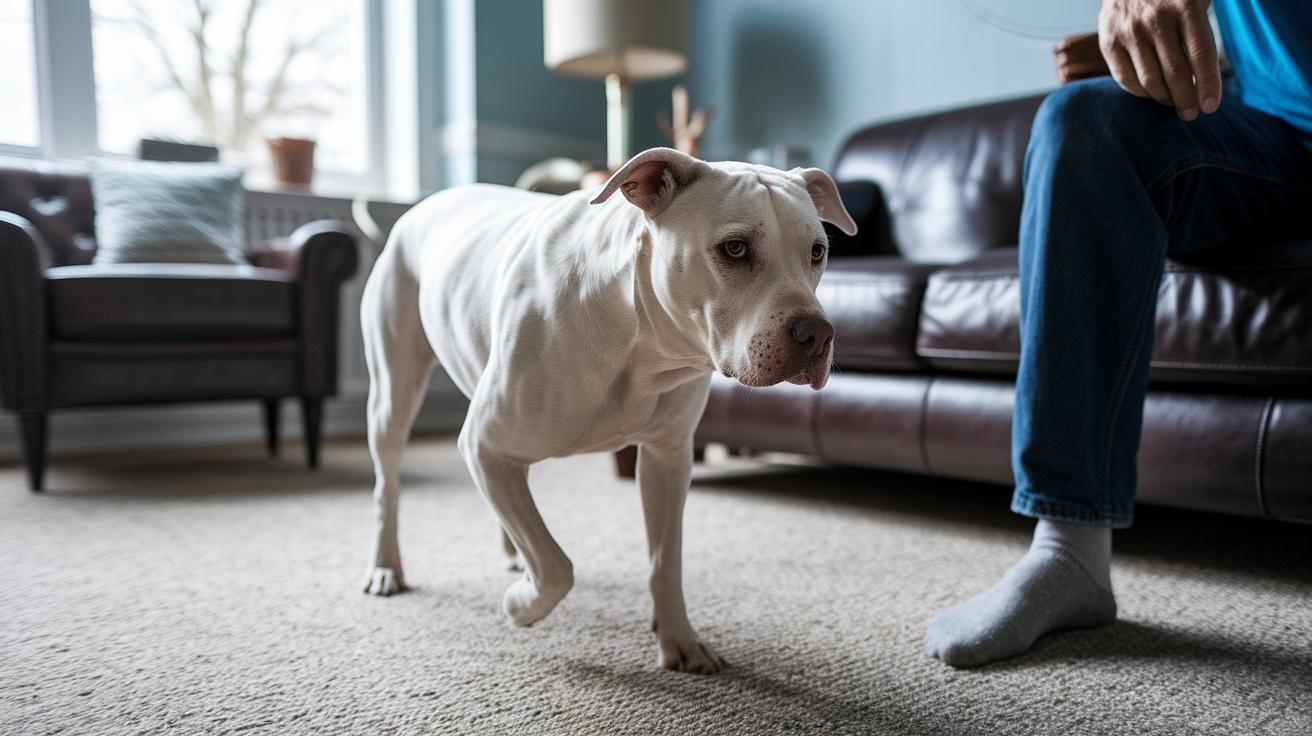
If your older pet isn’t as bouncy as they used to be, a few gentle strength drills might help keep them feeling lively. Studies on serum myostatin (a protein that helps muscles grow) and Fortetropin® (a supplement to support muscle strength) show that a regular, calm routine can keep muscles strong. Simple, slow resistance exercises work wonders without stressing sensitive joints, and even light balance moves keep pets steady and confident on their paws. It’s a bit like a warm-up before playtime, a few well-paced steps that really add up.
When you see your pet hesitating during a walk, a quick balance drill can give them that extra boost. And hydrotherapy, where water supports their body weight, is another friendly way to improve both strength and balance. By keeping routines gradual, you lower the risk of overexertion and make sure every session stays safe and fun.
Here’s a handy table listing some exercises, their benefits, and how long you might try each one:
| Exercise | Primary Benefit | Recommended Duration |
|---|---|---|
| Gentle Resistance Workouts | Keeps muscles strong | 10-15 minutes |
| Hydrotherapy | Eases joint strain | 10 minutes |
| Balance Drills | Boosts stability | 5-10 minutes |
Each of these activities lets our senior pets stay active while being kind to their joints.
Integrating Cardiovascular and Flexibility Routines for Senior Pet Wellness
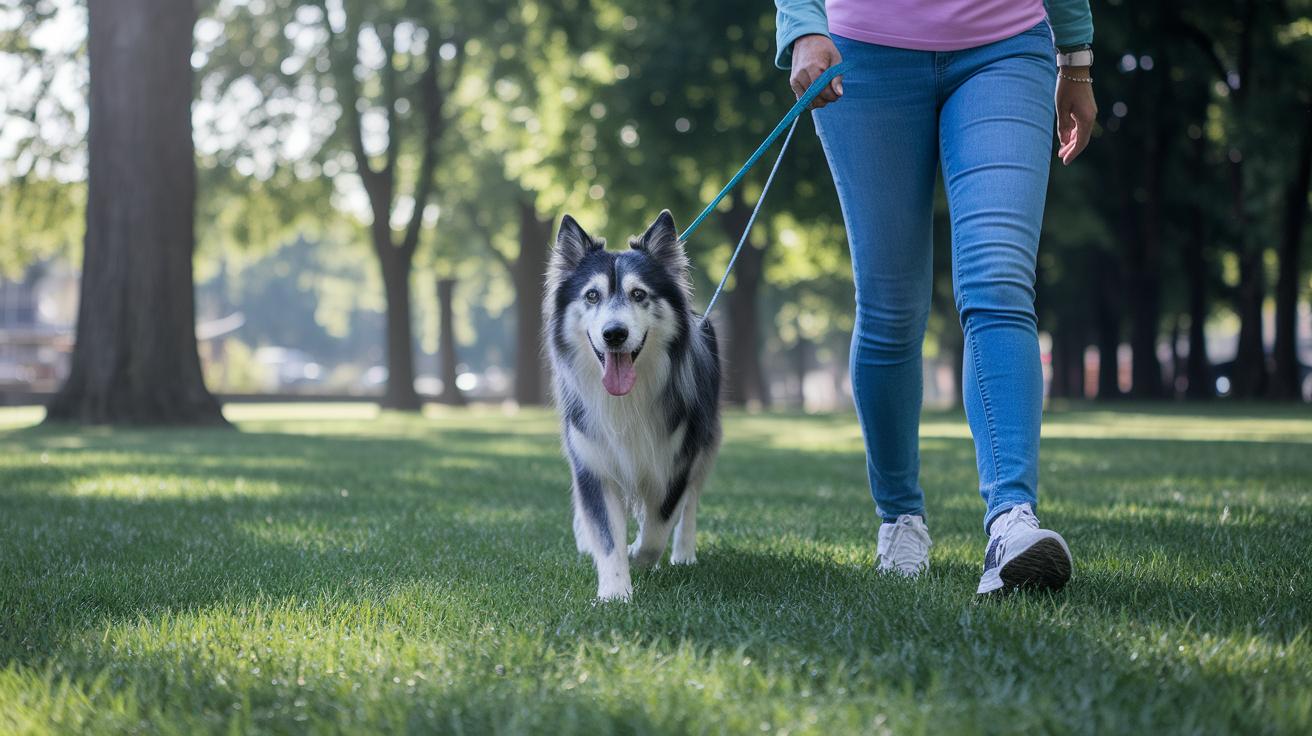
When you're helping your older pet stay healthy, try a mix of light heart-pumping activity and soothing stretches. Imagine a gentle jog or a fun game of fetch that gets your pet's heart going just a bit without overdoing it. It warms up their muscles and feels like a cozy playtime together.
Next, ease into some simple stretches. Picture guiding your pet through slow, easy movements for about 5 to 10 minutes, almost like a mini yoga session that calms both of you. These gentle stretches help keep joints comfy and smooth in movement.
A good plan might be 10 minutes of easy cardio followed by 5 minutes of gentle stretching, done about three times a week. Adjust things a bit if your furry friend needs extra care, and enjoy watching them feel better with each session.
Monitoring Progress and Veterinary Recommendations in Senior Pet Exercise Programs
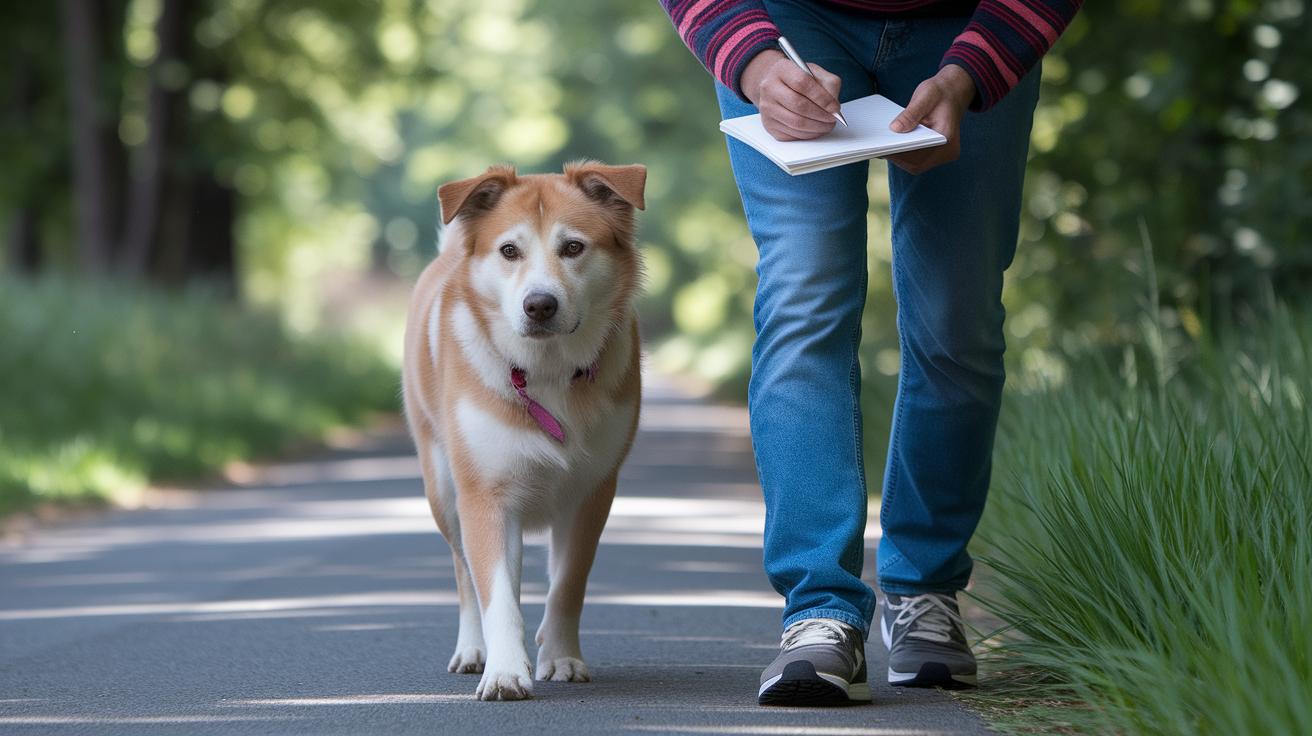
It’s really important to keep an eye on your senior pet’s progress when you’re setting up safe exercise routines. Take a moment to jot down a few simple notes, maybe your furry friend is walking a bit quicker, or you notice a little extra sparkle in their eyes during playtime. Imagine your dog strolling more easily along a familiar path; these small details can tell you a lot.
Measuring progress can be as easy as keeping a little journal. Write down any changes you notice, like more energy during walks or any signs of discomfort. That way, you have a handy record to share at regular vet visits. This clear snapshot of your pet’s condition helps them get the best care.
If you ever feel unsure or need advice, professional help is just a call or email away. The experts are available Monday through Friday from 7:00 am to 7:00 pm at 778-840-5438, or you can reach out via email at liftingstars@gmail.com. They can guide you on when it might be time to make the exercises a bit easier or gently step them up.
Good care means mixing exercise with overall well-being. Try linking movement routines with healthy nutrition and preventive care. For more ideas on keeping your pet in tip-top shape, check out preventative pet health tips and follow their pet wellness plans. This balanced approach can really help keep your furry friend safe and happy.
Regular check-ups make it easy to celebrate your pet’s little victories and adjust activities as needed. Always remember to note even the smallest win, and be ready to change plans to match your pet’s gentle pace.
Final Words
In the action, you explored safe low-impact activities, custom strength routines, and gentle mobility exercises designed to boost energy in aging pets. The article walked through simple workouts, balance drills, and practical tips to track progress while involving veterinary advice for added support.
Every section shared clear steps to help our furry companions feel more agile and joyful. Here's to improving senior pet vitality through exercise and many happy, active days ahead.
FAQ
Frequently Asked Questions
How does exercise improve senior pet vitality?
Exercise improves senior pet vitality by boosting mobility, maintaining muscle tone, and enhancing energy. It includes gentle, low-impact activities that support joint health so your pet can enjoy a more active, comfortable life.
How does exercise help senior dogs with arthritis?
Exercise helps senior dogs with arthritis by easing joint stiffness and pain. Gentle, controlled movements promote increased mobility and comfort, making daily activities easier for your furry friend.
How long or how far should I walk my senior dog?
The ideal walk for a senior dog is a short, controlled stroll, roughly 10-15 minutes. Length and distance depend on your pet’s energy and health, so adjust gradually to keep walks safe and enjoyable.
What are good exercises for senior dogs?
Good exercises for senior dogs include short walks, hydrotherapy, light play, and balance routines. These low-impact activities help maintain joint health and muscle tone while keeping your pet engaged and energetic.
How do balance exercises benefit dogs?
Balance exercises benefit dogs by improving stability and coordination. They strengthen core muscles, reduce the risk of falls, and support overall mobility, making everyday movements easier for aging pets.
How does exercise connect to increased vitality?
Regular exercise connects to increased vitality by boosting circulation, enhancing energy, and lifting your pet’s mood. Simple, safe activities keep their body active and help maintain a happier, healthier lifestyle.
How can senior dogs regain muscle through exercise?
Senior dogs can regain muscle by engaging in targeted strength exercises like gentle resistance training and hydrotherapy. These activities help preserve muscle mass, reducing the effects of aging in a safe manner.
How do I help an older dog gain more energy?
Helping an older dog gain energy involves combining gentle exercise with balanced nutrition and supplements. Consistent, low-impact physical activity strengthens muscles and boosts overall energy for a livelier pet.
What changes in behavior might I see in an older dog nearing the end of life?
An older dog nearing the end of life may display decreased energy, reduced interest in play, and slower movements. Paying close attention to these changes and consulting your veterinarian can help keep your pet comfortable.