
Ever wondered if one tiny click could help your furry friend learn new tricks? Clicker training uses a clear sound and a tasty treat to send a message your dog understands. Each click marks a perfect moment, letting your pup know exactly what you mean.
It’s a fun way to teach and learn, almost like having a cheerful conversation with your pet. In this article, we share simple tips that show how clicker training makes learning enjoyable and helps build a warm, strong bond with your dog.
clicker training for dogs: Bright tips for success

Clicker training is a fun way to teach your dog using a little click sound and tasty rewards. When your dog does something right, a quick click marks that exact moment, and a high-value treat follows. This simple combo helps your furry friend soon connect their actions with a reward. It’s a lot faster than just giving treats, especially when a small delay might confuse a distracted pet.
Every click gives clear feedback. Your dog hears that sign and knows it did just what you wanted. This easy-to-understand signal builds trust and makes training feel like a playful chat between friends. Soon, your pet is more eager to learn and obey while you build a stronger bond together.
Below is how clicker training really helps your dog:
| Benefit | How It Helps |
|---|---|
| Clear marking | The click pinpoints the exact moment the correct action happens |
| Speedy learning | Quick feedback makes it easier for your dog to learn new tricks |
| Better focus | A distinct sound grabs your dog’s attention on the right behavior |
| Less confusion | A clear cue helps your pet know exactly what earns a treat |
| Stronger bond | Consistent clicks and treats build trust and clear communication |
| Easy advanced training | The reliable marker sets the stage for teaching more complex skills |
By mixing instant sound cues with quick, delicious treats, clicker training turns learning into a confident, enjoyable adventure for your dog. Ever notice how a simple click and a tasty nibble can light up your pet’s day? It’s a heartwarming way to share special moments while guiding your dog from basic commands to playful, advanced tricks.
Essential equipment and environment for successful clicker training with dogs

Your main tool for clicker training is a dedicated clicker. At the start, you’ll "charge" your clicker by linking its sound with a tasty treat. It might take around 45 minutes, but this simple step builds a solid bond between the sound and the reward.
Next, use high-value treats that are small and soft. These treats work like little rounds of applause, sparking your dog’s excitement to earn more. Imagine saying, "Click, here’s a treat you love!" It’s a fun way to keep your pup motivated.
A treat pouch is super handy, too. It lets you grab a reward quickly so you can stay focused on the training. With treats within arm’s reach, your session flows smoothly without long pauses.
Finally, pick a quiet, distraction-free space for your training. A calm spot helps your dog concentrate on the clicker sounds without being pulled by other noises. If you need reliable gear, check out our recommended pet training supplies.
- Clicker device
- High-value treats
- Treat pouch
- Quiet training space
Step-by-step clicker training process for dogs

Let’s take a friendly stroll through the basics of clicker training. First, get your clicker ready by pairing its quick sound with treats so your pup starts to look for that yummy reward. Then, work on one simple command, like "sit", before moving on to new ones. This step-by-step plan builds your dog’s confidence and turns training into a fun game.
Every move has a timing tip so you know the perfect moment to click and mark the good behavior. It’s like catching the right beat in your favorite song. Here’s an easy guide to follow:
| Step No. | Action | Timing Tip |
|---|---|---|
| 1 | Charge the clicker | Keep clicking then quickly give a treat until your dog looks for the treat after the click sound |
| 2 | Introduce a simple command (like “Sit”) | Click exactly when your dog’s bottom touches the ground and then treat right away |
| 3 | Add a new command | Wait for the right behavior, click immediately, and treat, stick to one command at a time |
| 4 | Build interactive sound cue exercises | Keep sessions short and focused, using quick sound cues to hold your dog’s attention |
| 5 | Wean off the clicker | Once the command sticks, slowly use the clicker less while still rewarding the right action |
Stick with these steps and you'll watch your pup go from basic commands to a mix of up to 120 unique cues. The key is keeping sessions fun and steady. Every click acts as a quick signal that links your dog's good behavior to a tasty reward, a little spark that lights up their excitement to learn.
Troubleshooting common mistakes in clicker training for dogs
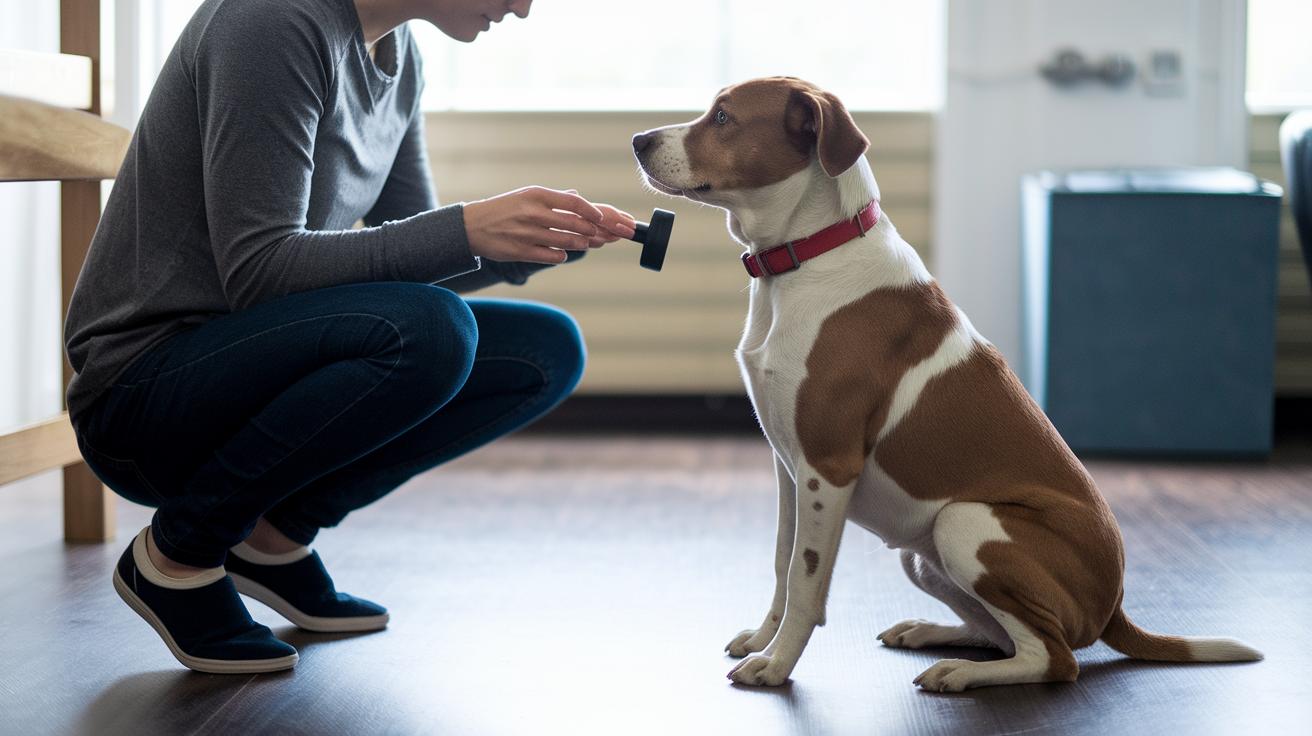
Poor timing is one of the most common mistakes. If you click too early or too late, your dog might not link the action with the reward. For example, if you press the clicker before your dog fully sits, they may not know which move earned the treat. Keep a close eye and click exactly when your dog performs the action.
Another snag is how often you give treats. Using too many treats can make your dog expect one every time, while too few might not keep them excited. It’s like clapping at a show, if you do it too much, it loses its magic. Find a treat balance so each click feels special.
Mixing up your clicker routine can be confusing, too. Changing your method or clicking only sometimes might leave your pup wondering what’s expected. Stick to a consistent routine so your dog knows when to listen.
The training place matters as well. A noisy or busy area might pull your dog’s focus away from you. A calm, quiet spot helps keep your pet’s attention on the clicker and treats.
Lastly, don’t forget to warm up your clicker every day. Start each session with a few practice clicks paired with treats, so your dog quickly reconnects the sound with a reward.
Each of these tips helps build a smoother, more enjoyable training experience, ensuring your dog understands which behavior brings them their delightful treat.
Shaping advanced behaviors using clicker training for dogs

Clicker training goes beyond teaching simple commands. With a small device that makes a distinct click sound (a clear marker for your dog), you can gently guide your furry friend to learn more challenging behaviors. Step by step, each little action leads to a complete trick, and your dog learns to trust that every small effort builds into something bigger.
Duration training
To help your pup hold a position for longer, start by clicking exactly when the behavior begins. Then, gradually wait a few extra seconds before clicking. For example, if your dog sits, pause a tad longer before marking that moment with a click. This way, your pet learns to stick with the position a little more each time, and you reward them with a treat afterward. It’s like giving your dog a little nudge to hold on just a heartbeat longer each time.
Behavior chaining
When teaching a trick that has several parts, break it into small, easy steps. Imagine you want your dog to perform a “wave.” First, click and treat as soon as your dog slightly lifts a paw. Then, ask for a bit more movement before clicking again. Piece by piece, you link these steps together so that one small action leads to the next. Over time, you can ease off using the clicker, letting each step naturally connect to form a smooth, complete behavior.
Continuing education and resources for clicker training with dogs
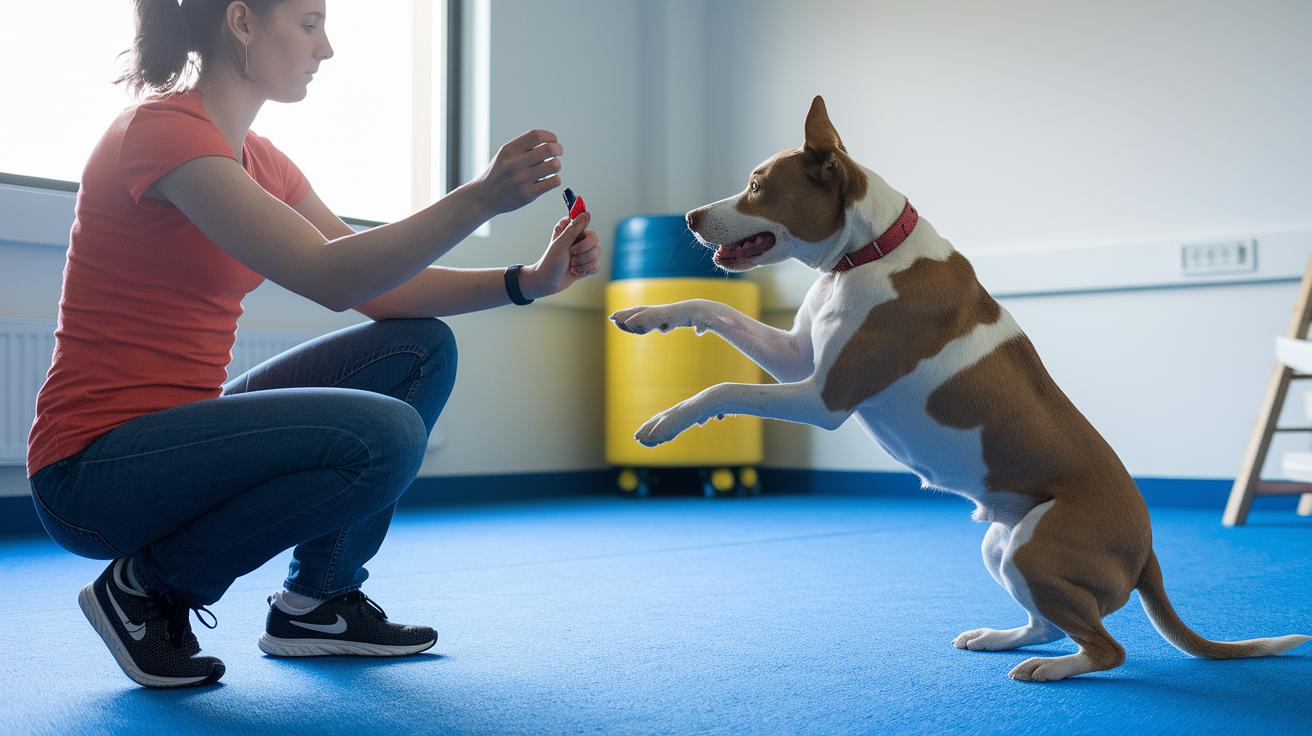
If you're ready to boost your clicker training skills, try checking out advanced courses, fun podcasts, and hands-on class sessions. Karen Pryor Academy, for instance, offers science-based training (which means they use proven methods) along with certificates, and they make sure every lesson is fun with clear sound cues.
For a more interactive experience, online modules and class recordings let you see real-life training sessions where every beep marks a positive behavior. It’s like watching a favorite pet show, only you're learning the secrets behind each success.
Here are some friendly ideas to take your training to the next level:
- Join in on in-person or virtual sessions with expert dog instructors. Try out dog training classes for hands-on practice using sound cues that celebrate every little win.
- Check out “Find A Trainer” directories to connect with professionals who use quick marker signals to keep training structured and enjoyable.
- Listen to the Canine High Jinks Podcast and watch online recordings to see modern training techniques come to life.
- Grab quality clickers, treat pouches, and other essential supplies from trusted retailers to keep your training toolkit complete.
By tapping into these resources, you'll add fresh insights to every training session and enjoy watching your furry friend thrive with each step.
Final Words
In the action, we explored what clicker training for dogs is and how it creates clear markers for rewarding desired behaviors. We reviewed the key tools, a step-by-step approach, and ways to fix common issues that might pop up. We even looked at progressing to more advanced commands. Each step builds a stronger bond with your pet while keeping training fun and consistent. Keep experimenting with clicker training for dogs and enjoy your time growing together.
FAQ
What does a clicker training for dogs book offer?
A clicker training for dogs book explains using a click sound with treats to mark good behavior. It provides tips, examples, and step-by-step guides on how to train your dog with this positive method.
How are the negatives of clicker training and why might some say it’s bad?
Clicker training may face negatives when the timing of the click or treat is off, confusing the dog. Over-relying on treats can also lessen motivation if not managed carefully.
How do you start clicker training a dog for beginners?
To start clicker training, charge the clicker by pairing its sound with treats until your dog associates them. Then, use the clicker immediately when your dog performs a correct behavior, building clear communication.
What do discussions on Reddit reveal about clicker training for dogs?
Reddit discussions highlight real-life experiences, practical tips, and success stories from dog owners who use clicker training. They offer varied opinions and advice from a community of pet lovers.
How can I access free clicker training for dogs and PDFs online?
Free clicker training resources, including PDF guides, are available on various websites and YouTube channels. Local pet groups and online forums also sometimes offer complimentary step-by-step instructions.
How is clicker training applied to humans?
Clicker training for humans uses a similar marker method to reinforce desired actions, though it’s less common. It’s mainly an experimental approach to help build habit awareness and consistency.
What is the best clicker training method for dogs?
The best clicker training method clearly marks the desired behavior with a click sound and immediately rewards it with a high-value treat in a calm, distraction-free setting, boosting your dog’s focus and learning speed.
Are clickers effective for dog training?
Clickers are effective for dog training because they allow you to pinpoint the exact moment your dog does something right. This precise timing helps your pet understand which behavior earns a reward.
What does the 7 7 7 rule for dogs mean?
The 7 7 7 rule suggests keeping training sessions brief—around 7 minutes—conducting multiple sessions throughout the day, and focusing on a small number of commands per session to maintain your dog’s interest and success.