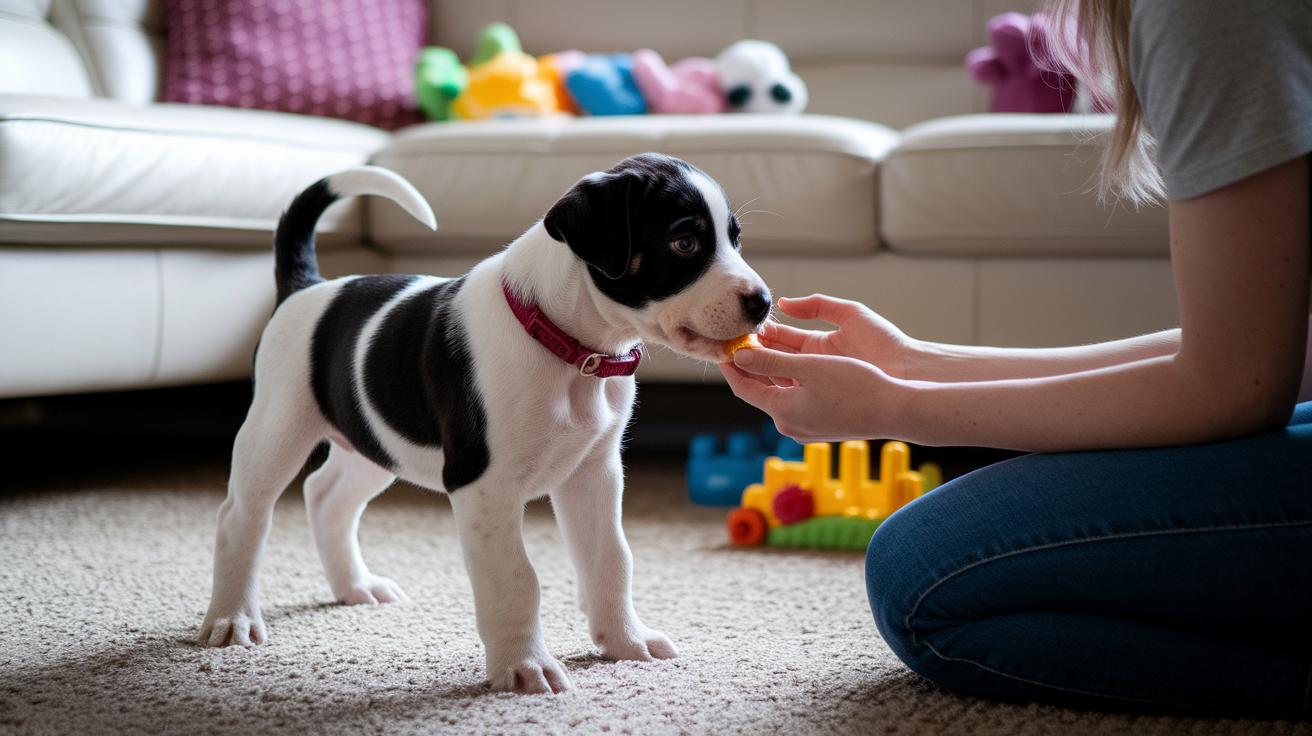
Ever thought a tiny click could change your puppy's behavior? It’s amazing how a small sound can turn training into a fun game. Inspired by the old Pavlov experiments, clicker training rewards every little win with a tasty treat. It changes ordinary commands into moments of joy and trust between you and your puppy. Ready to see how one small click can lead to big improvements in your pup’s learning and happiness?
Getting Started with Clicker Training for Puppies

Clicker training, or marker training as some call it, is based on ideas from Pavlov’s famous experiments. When you use a click at just the right moment your puppy does something good, your pup soon learns that the sound means something nice is coming. It’s like catching that perfect moment to communicate in a fun and clear way.
First things first: charge your clicker. In about 5–10 minutes, mix the click sound with a tasty treat so your puppy connects the sound with a reward. It’s a little game where every click promises a delicious treat!
Here are some easy steps to get your training session going:
- Choose a clicker that feels right.
- Pick some high-value treats that your puppy loves.
- Set up a quiet spot where there are few distractions.
- Create a reliable training signal for every session.
Timing is really important. Click the moment your pup nails the behavior, and give a treat within one second. This quick link helps your puppy trust the click as a signal of encouragement. Even short, regular sessions can help build a positive bond between you and your furry friend. For extra tips on finding good training tools, check out pet training supplies.
Step-by-Step Puppy Clicker Guide for Basic Commands

This guide helps you use clicker training for basic puppy commands with clear, positive rewards. Each click tells your pup right away that they did something great. The short, sharp click marks that exact moment when your puppy shows the right action. In doing so, training becomes a fun activity that builds trust and deepens the bond with your furry buddy.
Sit: Timing and Positioning
When teaching your pup to sit, wait for a moment when their bottom touches the ground. Right then, click your clicker and offer a kind word along with a treat. This helps them connect that happy sound to a reward. It’s like celebrating every little win. Imagine the joy on your pup’s face when they learn that sound means they did something right.
Stay: Building Duration
For the "stay" command, start small, just about 10 seconds of staying put. When your puppy holds still, click immediately and give them a little treat. Gradually, work your way up to longer periods, even as long as five minutes. The key is clicking at the perfect moment to help your pup learn to stay calm for a bit longer each time. It’s like extending a fun game one moment at a time.
Heel: Positioning and Consistency
To teach "heel," hold a treat around your waist level. When your puppy walks right beside you, keeping within one pace on either side, click and reward them right away. This instant feedback helps your pup walk comfortably by your side. It’s that special moment when your steps match perfectly, lighting up your day as a pet lover.
Come: Recall Transition
For the "come" command, start training while your puppy is on a long leash. Click exactly when your pup reaches you, and give a generous reward right then. Over time, you can ease up on the leash, trusting that your pup will come happily every time they hear the click.
| Command | Click Timing | Reward |
|---|---|---|
| Sit | Right when the pup’s bottom touches the floor | Kind words and a treat |
| Stay | After a brief hold (start with 10 sec) | A small treat and praise |
| Heel | When walking nicely by your
Timing and Cues in Puppy Clicker Sessions
Clicker training is simple when you get the timing right. When your pup does something good, you click at that exact moment. Think of it like this: your little buddy sits down and just as their bottom meets the floor, you hear the click. This split-second sound tells them, "Yes, that’s the trick!" It’s like giving a nod or a thumbs-up in real time. Keep each training session short – maybe 5 to 15 minutes at a time, a few times a day. This helps your puppy stay focused and not get too tired. When you click at the right moment every time, your pup quickly learns that the sound means a treat is on its way. Picture saying, "Click when you see that calm little furball settle down." It’s like a clear cheer of, "Great job!" After repeating this about 20 to 30 times, the sound of the click itself becomes exciting. Before you even reach for a treat, your puppy learns to associate the click with doing something awesome. Pair the click with a warm verbal "Good job!" or even a thumbs-up gesture, and soon your little friend understands exactly what you’re saying. With clear timing and consistent cues, you create a fun, positive space where your puppy learns happily every day. Common Mistakes and Troubleshooting Clicker Challenges for Puppies
When training your puppy with a clicker, even a tiny timing slip can confuse your little buddy about which behavior is really being celebrated. If you click just a bit too early or a bit too late, your puppy might start thinking that a random move was what you wanted. Telling your pup “Good job!” too often with treats can also backfire, it might expect a reward for every little wiggle, and the click loses its magic. Sometimes the world around you can get in the way too. Noisy rooms or too many distractions can break your pup’s focus, and if the click sound comes in suddenly, it might even feel a bit scary for your furry friend. A simple fix is to start with a gentle, bite-sized introduction to the click sound. Let your pup become familiar with it in a quiet, calm spot. Then, keep training sessions short, about 5 to 15 minutes, to make sure your pup stays interested and relaxed. A few extra pairings between the click and a reward in a peaceful setting can help remind your puppy what that little sound means. These small changes can really brighten your training routine and make it a fun, smooth experience for both of you. Designing a Consistent Clicker Training Schedule for Puppies
Link your puppy’s training sessions with meal and playtimes to create a fun routine. Short sessions, lasting 5 to 10 minutes and repeated 3 to 5 times a day, easily fit into your pup’s daily activities. This method is like a quick game of fetch, energizing and inviting your little one to learn more. Mixing training with mealtime and play helps lower anxiety while boosting your puppy’s confidence. When training feels like a natural part of your day, it’s as comforting as a gentle petting session on a quiet afternoon. Keep a simple daily log to track what works. Write down details like the time of day and the commands you practice, and note any improvements or challenges. Gradually increase the task difficulty as your puppy’s skills grow, ensuring every session builds on the last. This steady routine makes training effective and turns learning into a joyful, everyday ritual for you and your furry friend. Advanced Clicker Techniques and Long-Term Benefits for Puppies
Once your puppy has the basics down, it's time to try some cool new moves. You can combine hand gestures with your clicker in what's called signal shaping (using a hand cue to guide and reward your pup). For example, when you want your puppy to sit, stay, and then come, give a new hand signal for each step and click when they do it right. Chaining these behaviors together makes training both fun and a little challenging. And by mixing up rewards, sometimes a treat, sometimes a warm word of praise, you add a surprise element that keeps your little buddy guessing and engaged. Over time, these fun training methods really show their value. With signal shaping and behavior chaining, your pup starts picking up commands faster and stays more focused whether it's playtime or cuddle time. You might even notice fewer pesky habits because your pet grows more confident and calm. Plus, all that extra brain work builds a stronger connection between you and your furry friend. Each training session turns into a shared, joyful adventure that eventually leads to better obedience, a lively mind, and smoother, happier days together. Final WordsIn the action, we covered the fundamentals of marker training, from charging the clicker with treats to establishing a steady routine. The blog walked through basic commands and highlighted precise timing and quiet cues to boost effective learning. We also looked at avoiding common slip-ups and setting up regular, short training sessions. Embracing clicker training for puppies can help build trust, refine behavior, and brighten the bond you share with your furry friend. Enjoy every step as you practice and celebrate each small win. FAQWhat is the clicker training schedule for puppies?The clicker training schedule for puppies uses short sessions of about 5–10 minutes, repeated 3–5 times daily. This plan keeps your puppy engaged and reinforces learning without overwhelming them. Why is clicker training sometimes seen as bad?The view that clicker training is bad comes from improper use, such as mistimed clicks or over-reliance on treats. Correct timing and balanced rewards ensure a positive training experience. Is free clicker training for puppies available?Many free clicker training resources for puppies are available online. Free videos and tutorials offer step-by-step guidance to help you start training effectively without any cost. How does dog clicker training benefit beginners?Dog clicker training for beginners uses a simple marker sound to reward good behavior. This clear signal makes it easier for new pet owners to guide their puppies towards positive actions. Can clicker training stop bad behavior in puppies?Clicker training helps curb bad behavior by marking the right actions immediately. With quick rewards, puppies learn to replace unwanted actions with positive habits over time. What is clicker training for humans about?Clicker training for humans uses a similar marker approach for habit-building. The concept relies on associating a sound with a reward, which can be applied to boost personal goals and routines. Where can I buy a clicker for dog training?You can buy a clicker for dog training from pet supply stores or online retailers. Check out trusted sources like pet training supplies for quality products and helpful reviews. What dog training clicker apps are available?Dog training clicker apps simulate the familiar sound of a clicker on your smartphone. These apps also track training sessions and progress, making them a convenient digital option for busy pet owners. At what age can you start clicker training a puppy?You can start clicker training your puppy as early as 8 weeks of age. Early training with fun, brief sessions helps build a strong foundation of good behavior. How do you start clicker training a puppy?To start clicker training, first “charge” the clicker by pairing its sound with treats for 5–10 minutes. This helps your puppy learn that the click means a reward is coming. What are the negatives of clicker training?The negatives of clicker training may include issues like mistimed clicks or too many treats, which can reduce the click’s value. Some puppies may also be startled if the sound is introduced too suddenly. What is the 10 minute rule for puppies during clicker training?The 10 minute rule for puppies suggests keeping training sessions to around 10 minutes. This keeps the pup focused and prevents them from getting tired or frustrated during learning. Related articles |